Top 8 Castles in Fürstenfeldbruck
Best castles in Fürstenfeldbruck are found within a district in Bavaria, Germany, known for its historically significant structures. The region features a mix of traditional castles, former abbeys with castle-like architecture, and historical ruins. These landmarks offer insights into Bavarian history and architectural styles. Fürstenfeldbruck provides a setting where historical exploration can be combined with outdoor activities.
Best castles in Fürstenfeldbruck
- The most popular castles is Esting Castle, a castle that was inhabited by the ministerials of Esting until…
Last updated: September 29, 2026
Geiselbullach Castle
Highlight • Castle
Translated by Google •
Tip by

Gegenpoint Castle Ruins
Highlight • Castle
Translated by Google •
Tip by

Sign up now to discover places like this
Get recommendations on the best single tracks, peaks, & plenty of other exciting outdoor places.
St. Peter and Paul Church and Nannhofen Castle
Highlight • Religious Site
de.m.wikipedia.org/wiki/Liste_der_Baudenkmäler_in_Mammendorf#Nannhofen
“Catholic branch church of St. Peter and Paul … baroque hall building with a three-sided chancel end and west tower with onion dome, 1670 … D-1-79-136-9”
Translated by Google •
Tip by

Medieval Castle Site on Parsberg
Highlight • Historical Site
Translated by Google •
Tip by

Schloss Spielberg
Highlight • Castle
Translated by Google •
Tip by

Schlossberg in Wildenroth (Rassoburg) and Leonhart Chapel
Highlight • Historical Site
Translated by Google •
Tip by

Start today with a free account
Your next adventure awaits.
Popular around Fürstenfeldbruck
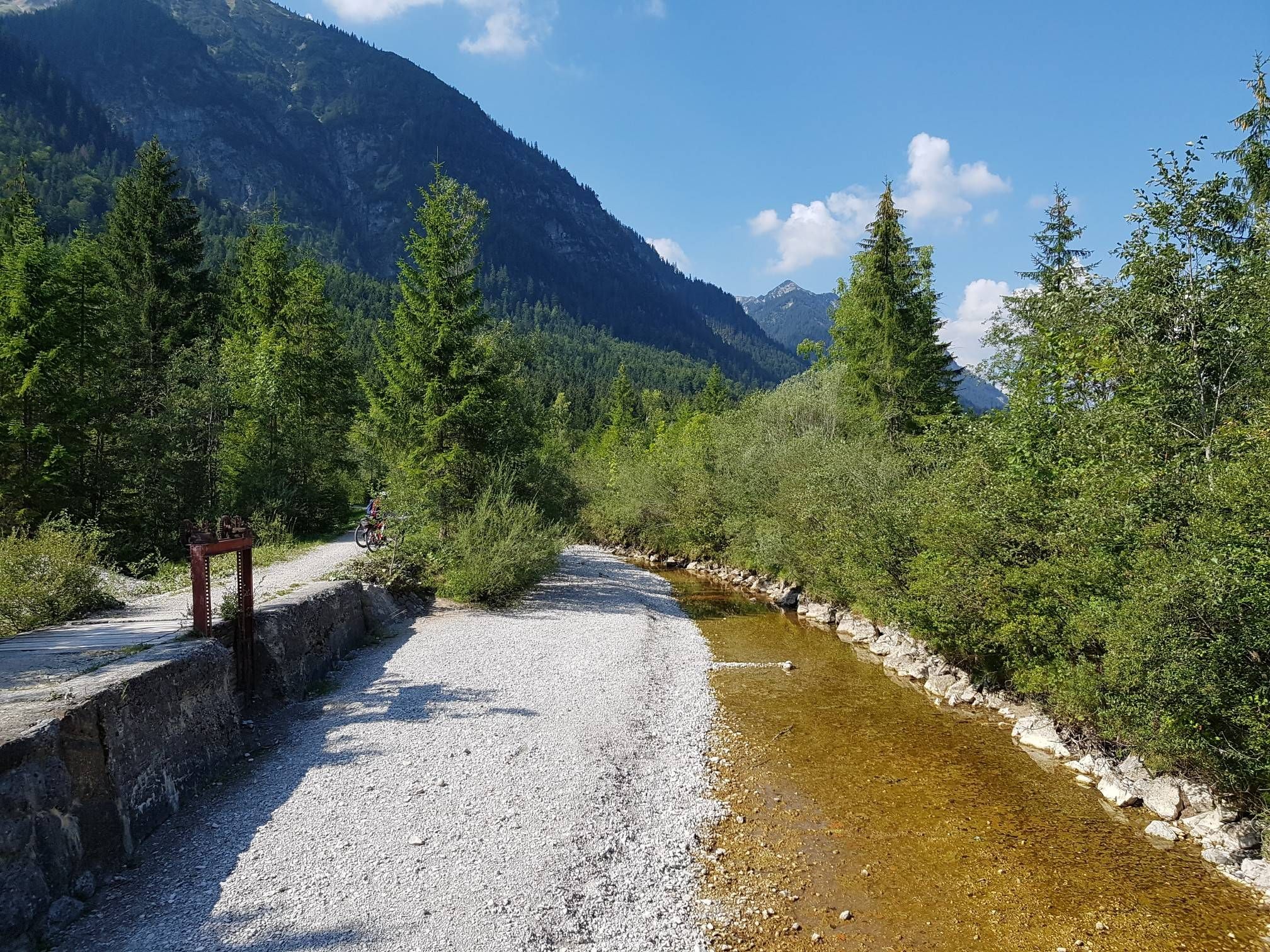
The Ammer-Amper Cycle Path – Experience nature in the foothills of the Alps
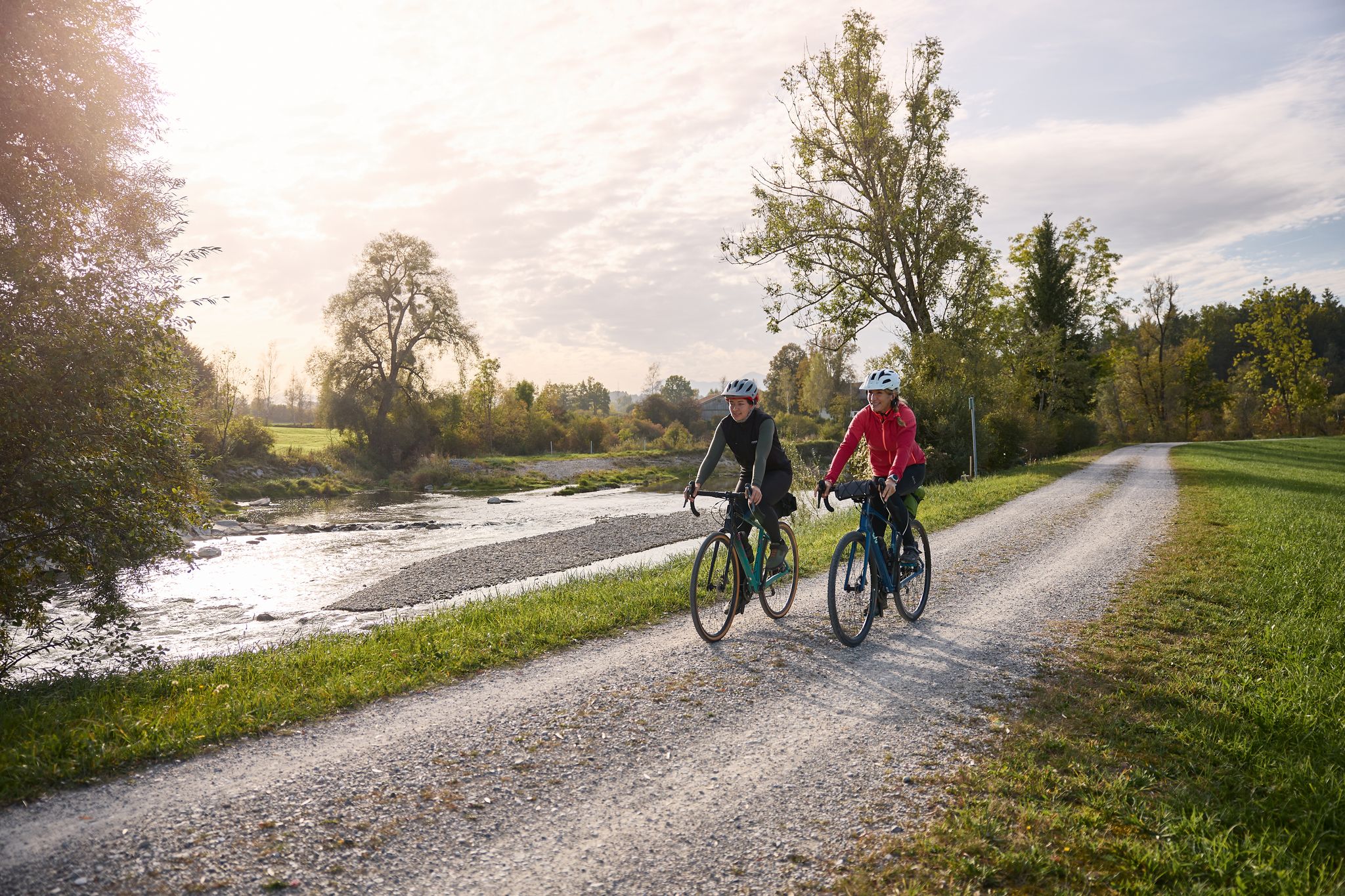
Along the water – Ammer-Amper cycle path
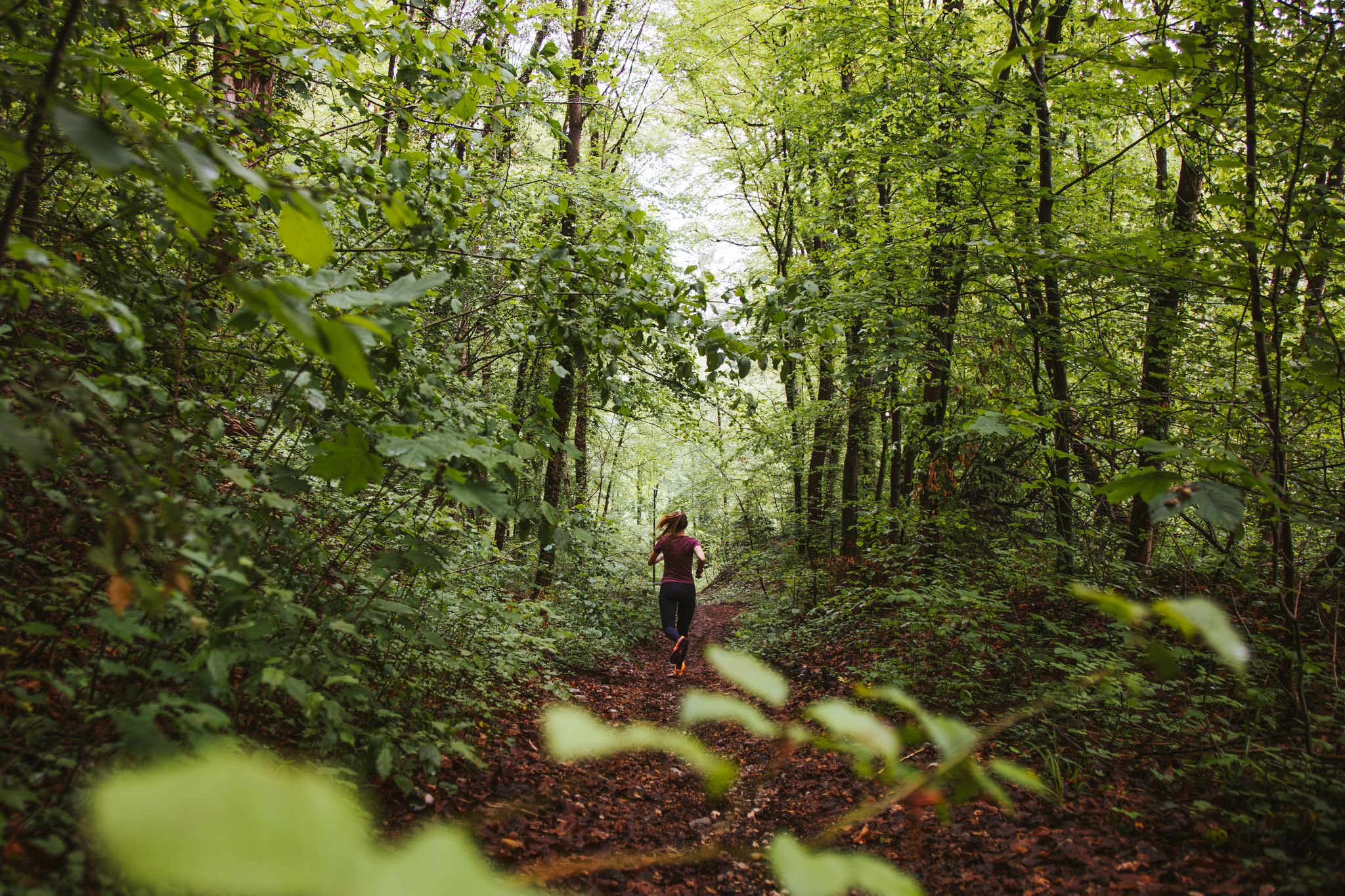
From the river to the forest - Trail Running around Munich with HOKA
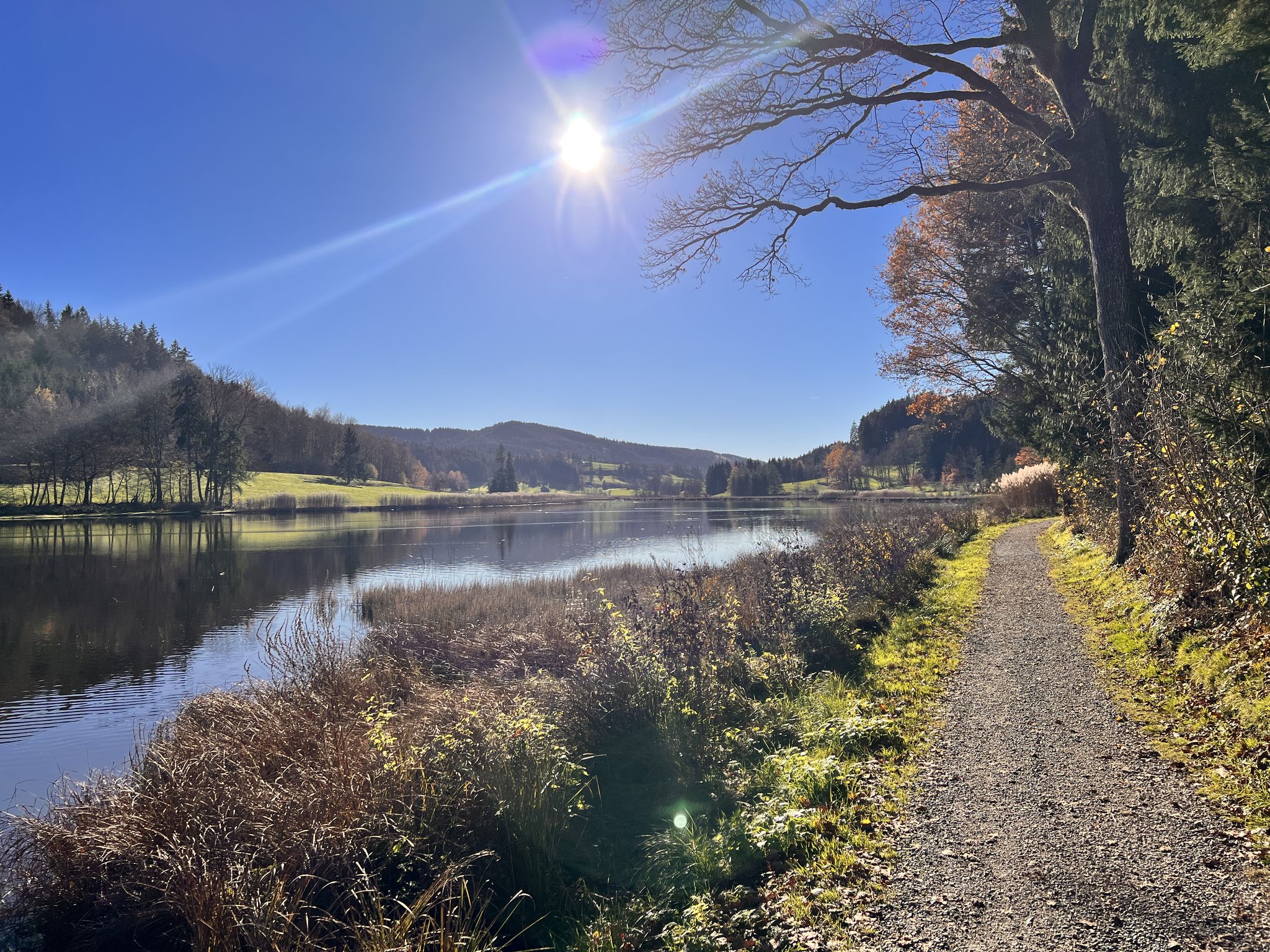
Run Wild – trail running routes throughout Germany
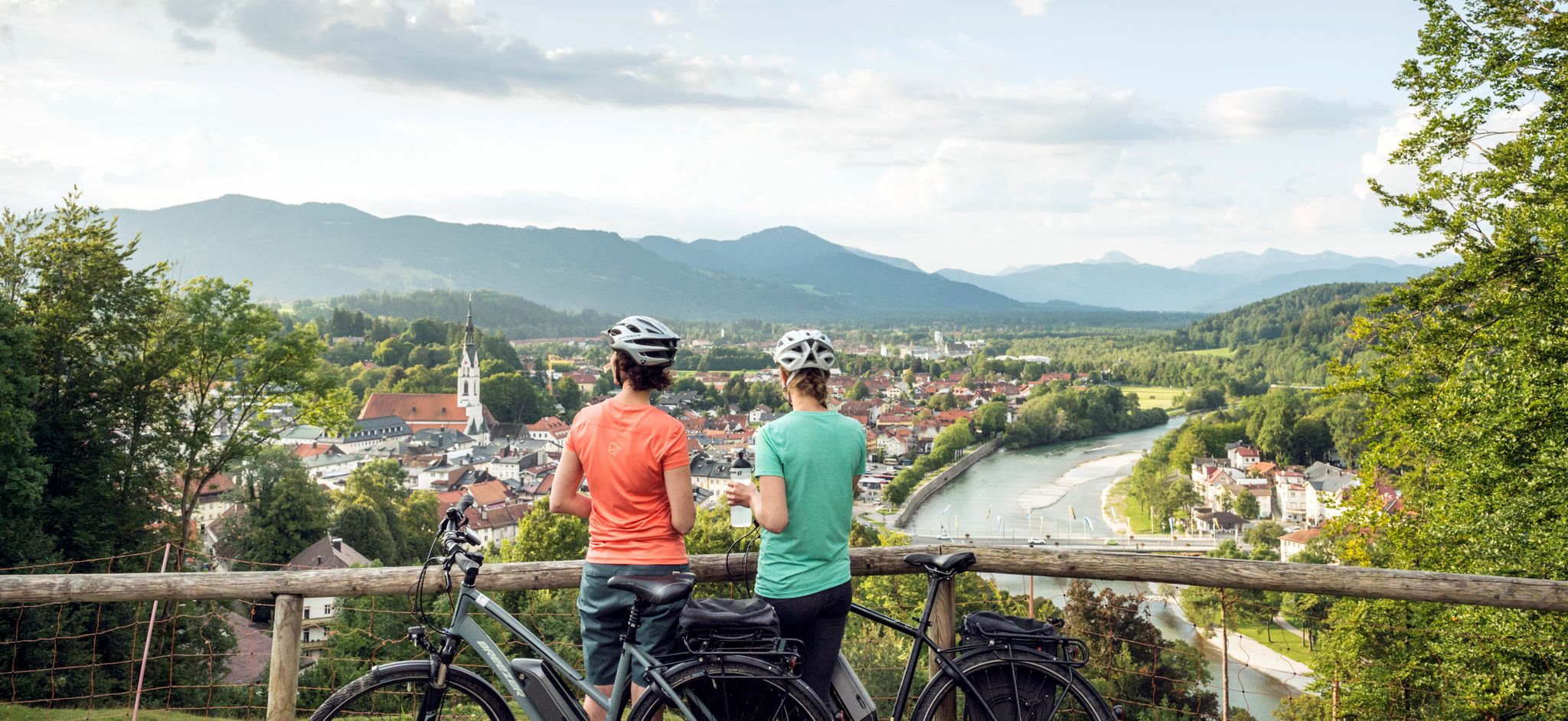
The Art Loop — Wasser-Radlwege Oberbayern
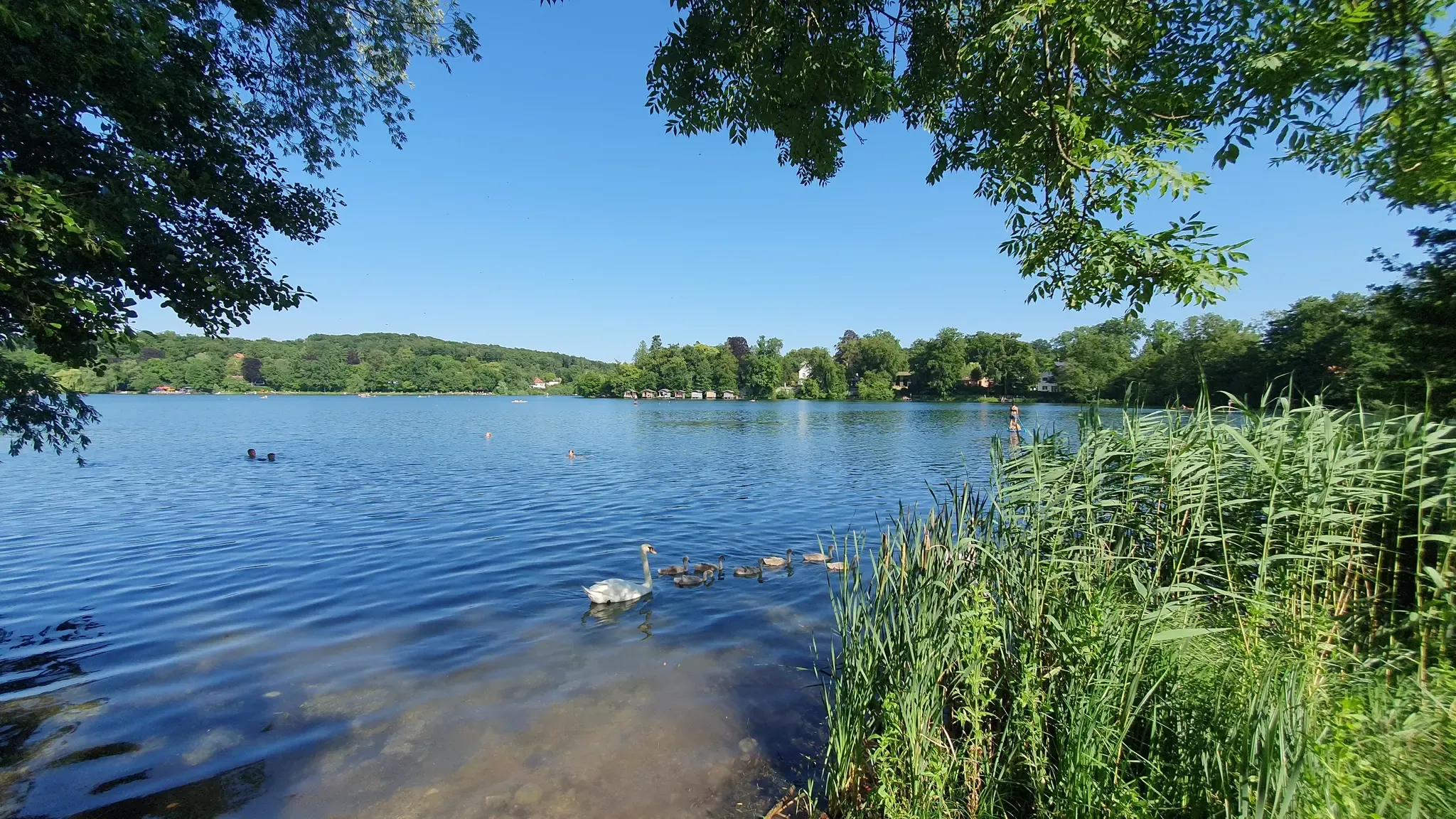
Marvellous swimming lakes around Munich
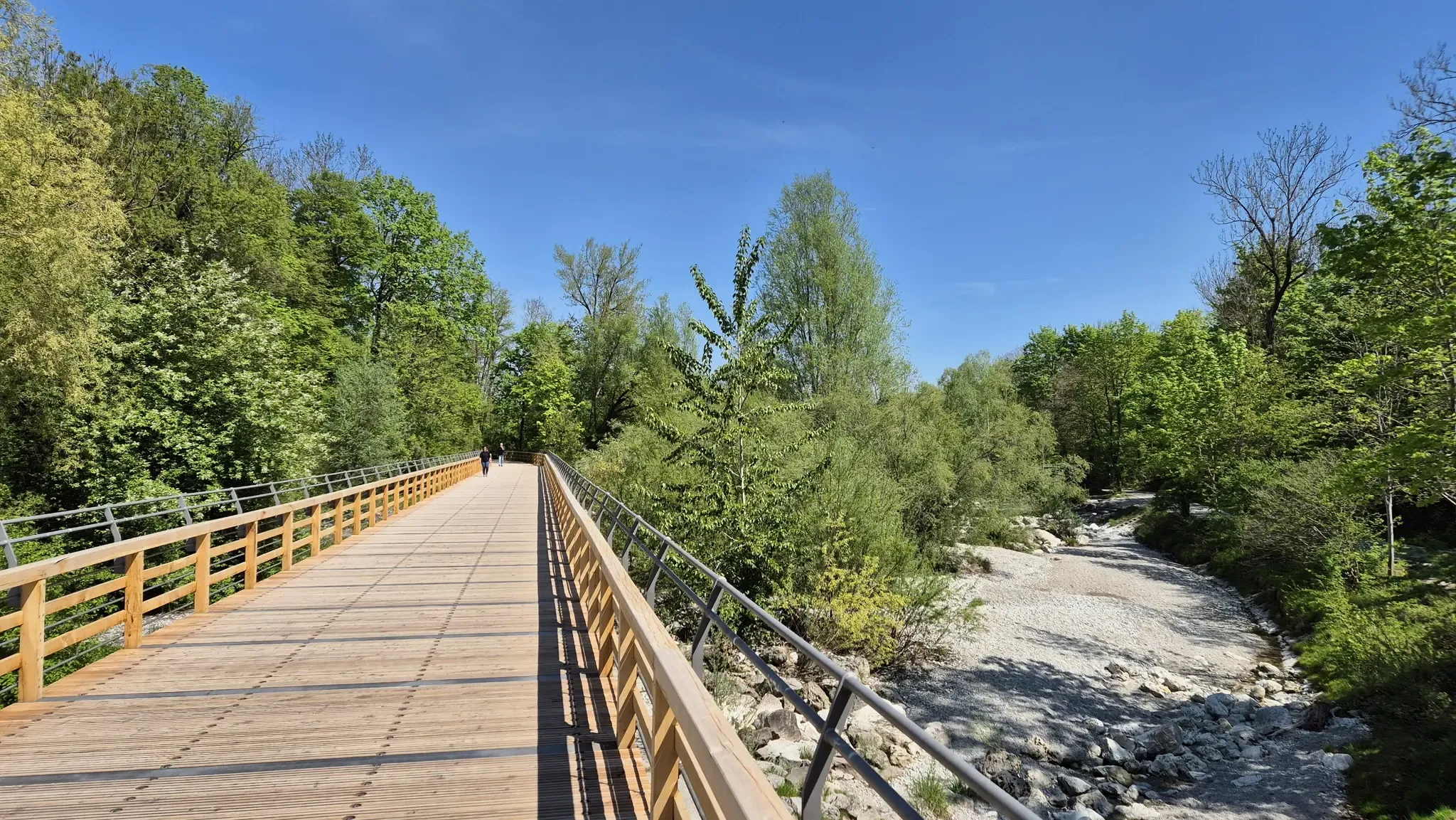
Stadt aus, Natur an um München – Mit Magnesium-Diasporal®
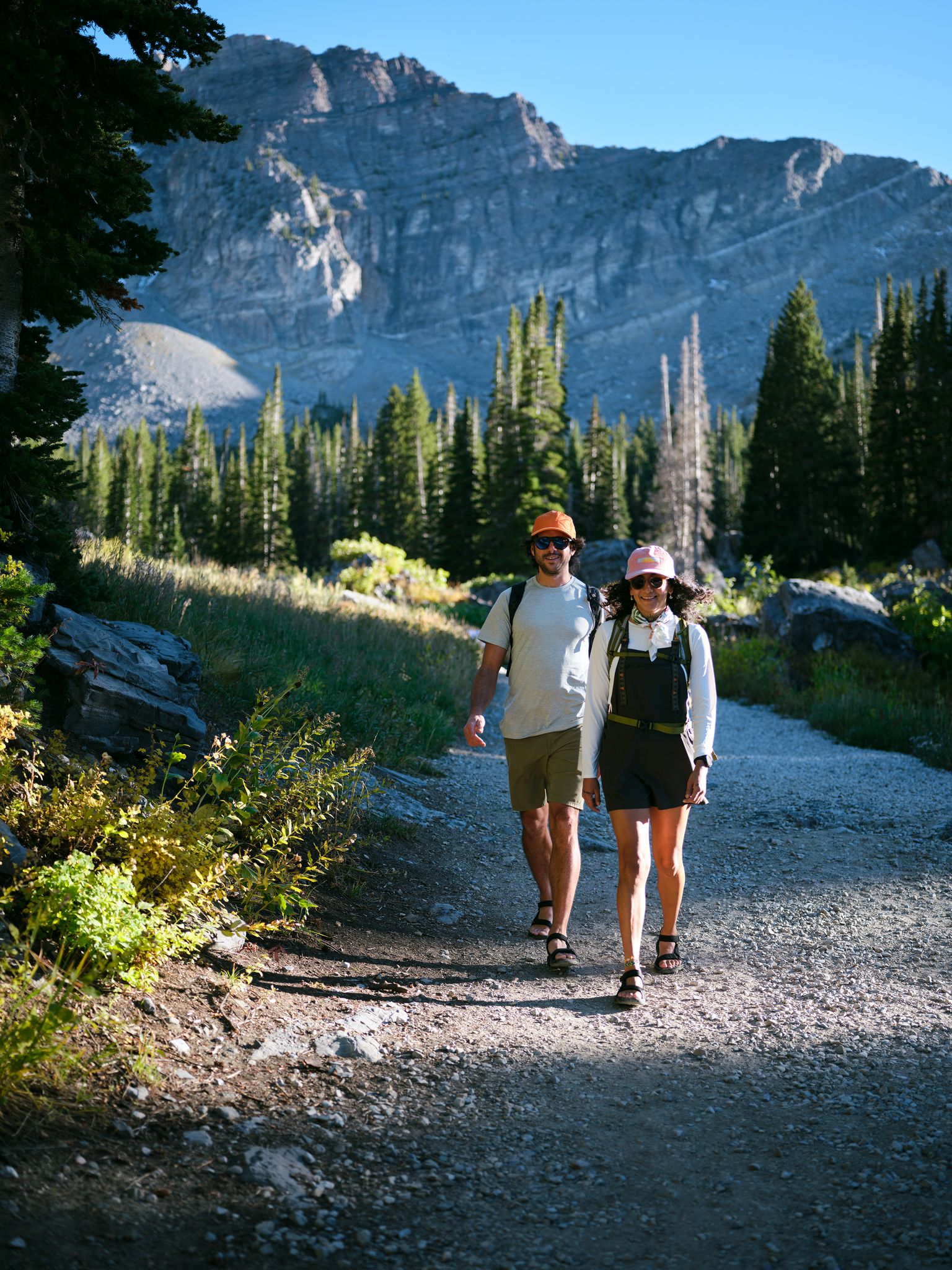
Entdecke die Natur rund um München
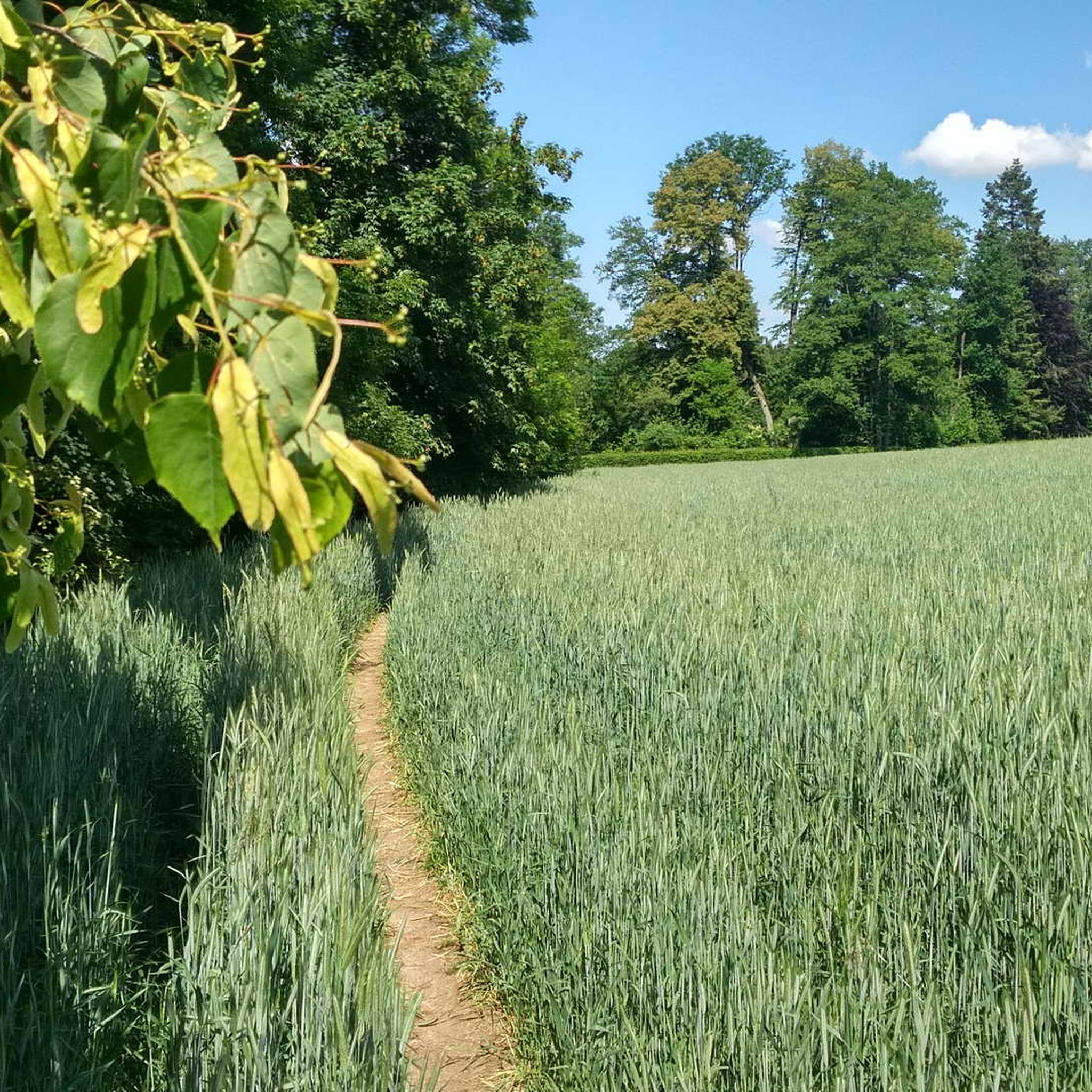
Hiking in Fürstenfeldbruck
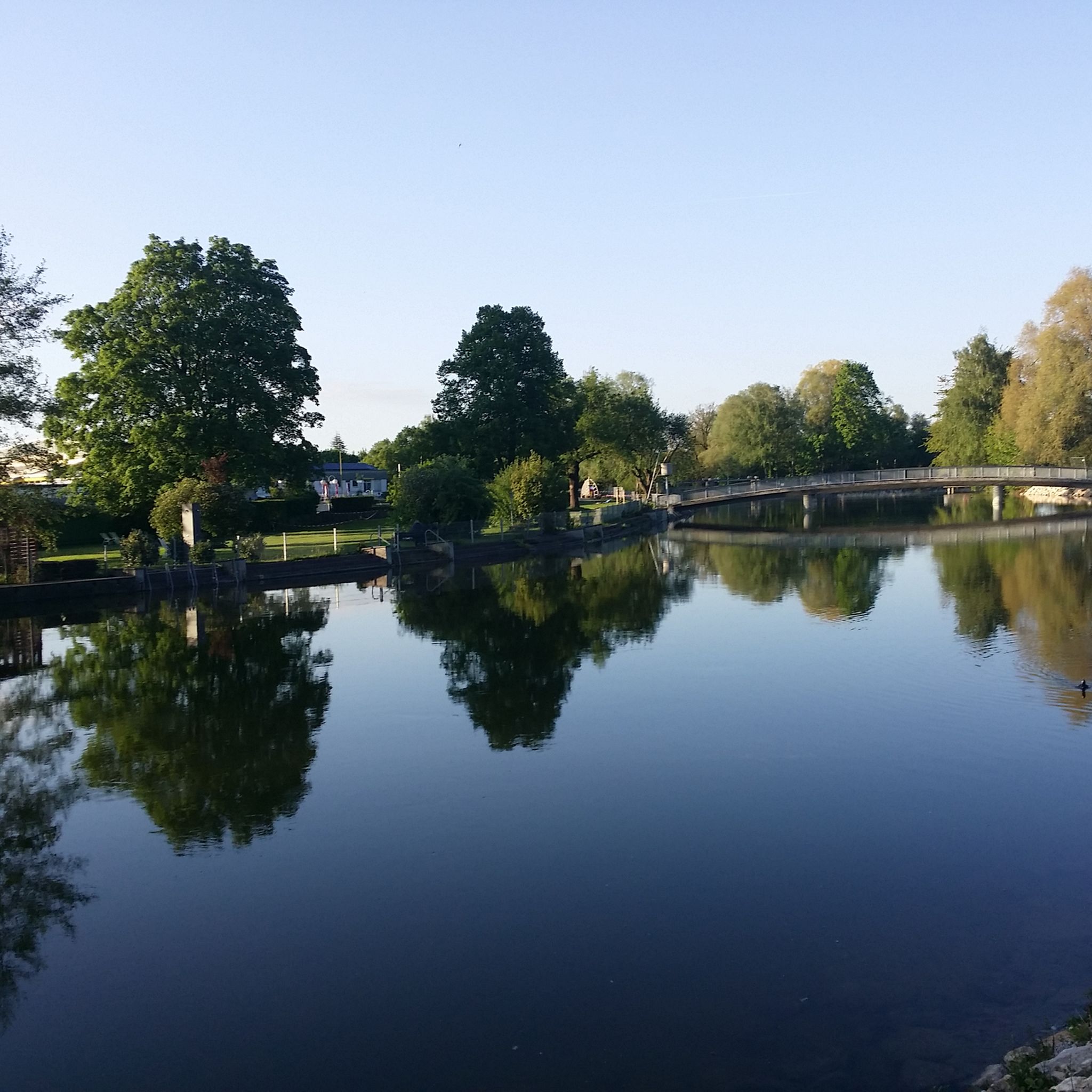
Cycling in Fürstenfeldbruck
Other adventures in Fürstenfeldbruck


Tips from the Community

In 1724, Bavaria's Elector Max Emanuel granted a large area to his court chamberlain, Johann Adam Geisler, who built a palace and park there. Today, the property is privately owned.
0
0

A beautiful ensemble... the town hall is located here. The buildings, with their adjoining garden and courtyard, exude tranquility. It's as if you've been transported back decades.
0
0

Looks beautiful, but unfortunately not accessible
0
0

In 1724, Bavaria's Elector Max Emanuel granted his court chamberlain, Johann Adam Geisler, a large area in the field along the "Buelach" (presumably a beech forest) near the Amper River to cultivate and also granted him the noble title of Geiselbullach. Geisler built a castle there with a fenced park and a large chapel in honor of St. John of Nepomuk. more information here: https://de.wikipedia.org/wiki/Schloss_Geiselbullach
3
0

Wikipedia (List of architectural monuments in Mammendorf, 2023-04-23): https://de.m.wikipedia.org/wiki/Liste_der_Baudenkmäler_in_Mammendorf#Nannhofen “Catholic branch church of St. Peter and Paul ... baroque hall building with three-sided choir and west tower with onion dome, 1670 ... D-1-79-136-9” Historical Association for the City and District of Fürstenfeldbruck e.V. (Nannhofen, 2023-04-23): https://www.historischer-verein-ffb.de/nannhofen/
1
0

There was once a 1.6 hectare castle complex here
2
0
The castle is privately owned and cannot be visited.
3
1
Very nice church
2
0
Frequently Asked Questions
What are some historically significant castles and structures in the Fürstenfeldbruck district?
The Fürstenfeldbruck district is rich in history, featuring several notable structures. Among them are Schloss Kaltenberg, famous for its medieval appearance and events, and Fürstenfeld Abbey, a former Cistercian monastery with impressive Baroque architecture and a dramatic origin story. You can also find Esting Castle, which has a history dating back to the 14th century, and Hofmarkschloss Holzkirchen, a former Hofmarkschloss from 1688.
Are there any castles in Fürstenfeldbruck known for special events or cultural activities?
Yes, Schloss Kaltenberg is renowned for its spectacular Kaltenberg Knights' Tournament, one of Bavaria's largest, and hosts enchanting Christmas markets, concerts, and festivals. Fürstenfeld Abbey, while an abbey, has transformed its former economic buildings into a vibrant cultural center, offering a blend of history and contemporary events.
Can I visit Schloss Nannhofen or Fuggerschloss Türkenfeld?
Schloss Nannhofen is privately owned and generally not open for internal visits, though its well-maintained exterior and park can often be glimpsed. Fuggerschloss Türkenfeld now serves as the town hall of Türkenfeld, allowing visitors to appreciate its historical architecture from the outside and within its public areas during opening hours.
What kind of historical sites can I explore beyond traditional castles?
Beyond traditional castles, you can explore sites like Fürstenfeld Abbey, a magnificent Baroque monastery. There are also archaeological remains such as the Medieval Castle Site on Parsberg, where you can walk off the old walls and imagine its past, and the Gegenpoint Castle Ruins.
Are there family-friendly castles to visit in Fürstenfeldbruck?
Many of the historical sites in Fürstenfeldbruck offer family-friendly experiences, especially those with open grounds or cultural events. Schloss Kaltenberg, with its knights' tournaments and themed events, is particularly popular with families. The grounds of Fürstenfeld Abbey also provide a pleasant environment for a family outing.
What outdoor activities can I combine with a visit to the castles in Fürstenfeldbruck?
The Fürstenfeldbruck region offers various outdoor activities. You can find numerous routes for gravel biking, such as those mentioned in the Gravel biking in Fürstenfeldbruck guide, or explore MTB trails detailed in the MTB Trails in Fürstenfeldbruck guide. There are also hiking opportunities, including waterfall hikes, which you can find in the Waterfall hikes in Fürstenfeldbruck guide.
What is the best time of year to visit the castles in Fürstenfeldbruck?
The best time to visit depends on your interests. Spring and summer offer pleasant weather for exploring castle grounds and enjoying outdoor events like the Kaltenberg Knights' Tournament. Autumn provides beautiful foliage, while winter can be magical, especially during Christmas markets at places like Schloss Kaltenberg.
What amenities are available near the castles, such as cafes or restaurants?
Many of the larger sites, like Fürstenfeld Abbey, feature charming beer gardens and restaurants on their premises or in the immediate vicinity. In towns like Türkenfeld or Mammendorf, you'll find local cafes and eateries. For specific castles, it's advisable to check local listings for nearby amenities.
Are there any castles that are privately owned and not open to the public?
Yes, some castles in the region are privately owned and not accessible for internal tours. This includes Geiselbullach Castle and Schloss Nannhofen. While you can often view their exteriors, internal access is restricted.
What do komoot users say about the castles in Fürstenfeldbruck?
Komoot users appreciate the historical significance and scenic beauty of the castles. For instance, visitors to the Medieval Castle Site on Parsberg enjoy imagining the past among the ramparts. At Hofmarkschloss Holzkirchen, the beautiful pond with its wildlife is a highlight. Overall, the community has shared over 70 photos and given more than 400 upvotes across 8 highlights, indicating a strong interest in the region's historical sites.
Can I find any castle ruins or archaeological sites in Fürstenfeldbruck?
Yes, the region offers several ruins and archaeological sites for those interested in deeper history. The Medieval Castle Site on Parsberg features remains of late Middle Ages structures and ditches. You can also explore the Gegenpoint Castle Ruins and the Schlossberg in Wildenroth (Rassoburg), which are primarily archaeological remains offering a glimpse into the past.
Are there castles with unique architectural features or art in the region?
Fürstenfeld Abbey is a prime example, with its church considered a masterpiece of late Baroque architecture. It boasts ceiling frescoes by Cosmas Damian Asam, stucco work by Egid Quirin Asam, and unique jeweled relics. Fuggerschloss Türkenfeld, while now a town hall, showcases renewed illusionistic facade painting and 18th-century architectural elements.
Most popular routes in Fürstenfeldbruck
Most popular attractions in Fürstenfeldbruck

Get inspired with the komoot mobile app


Didn’t find what you were looking for?
Explore Fürstenfeldbruck’s best castles region by region:
Explore more
Looking for the best castles somewhere else? Discover other guides in Fürstenfeldbruck:
