Top 12 Caves in the Südpfalz
Best caves in the Südpfalz are found within the Palatinate Forest, a region characterized by its red sandstone landscape. This area features natural geological formations and rock shelters. The Südpfalz offers opportunities to explore these unique rock formations and "caves" that are part of its natural heritage.
Best caves in the Südpfalz
- The most popular caves is Felsenmeer rock formations, a natural monument that includes caves and niches. These extensive rock massifs offer opportunities for bouldering and hiking.
- Another…
Last updated: May 13, 2026
Felsenmeer rock formations
Highlight (Segment) • Natural Monument
Showing Translation
Tip by

Ramburg Castle Ruins
Highlight • Castle
Translated by Google •
Tip by

Sign up now to discover places like this
Get recommendations on the best single tracks, peaks, & plenty of other exciting outdoor places.
Sign up for free
Bench in cave
Highlight • Cave
Translated by Google •
Tip by

Lourdes Grotto Dernbach
Highlight • Religious Site
Translated by Google •
Tip by

View of Waldhambach and the Palatinate Forest from Treutelskopf
Highlight • Viewpoint
There is a small cave (dungeon) under the rock
Translated by Google •
Tip by

Großer Kanzelfelsen
Highlight • Cave
Translated by Google •
Tip by

Entrance to the Underground Mining Gallery in the Contrescarpe
Highlight • Historical Site
Translated by Google •
Tip by

Lourdes Grotto Waldrohrbach
Highlight • Religious Site
Translated by Google •
Tip by

Stone Resting Bench in Rock Shelter
Highlight • Structure
Translated by Google •
Tip by
Small Caves Above Gräfenhausen
Highlight • Cave
Translated by Google •
Tip by

Sign up for free to discover even more caves in the Südpfalz.
Sign up for free
Already have an account?
Start today with a free account
Your next adventure awaits.
Login or Signup
Popular around Südpfalz
Jump right in! Swimming lakes in the Rhine-Neckar Triangle
The German Wine Route through the Palatinate — Come here, walk away!
Pfälzer Weinsteig trail – 11 stages along forests and vinyards
The Rhine Cycle Path — From the source to the North Sea
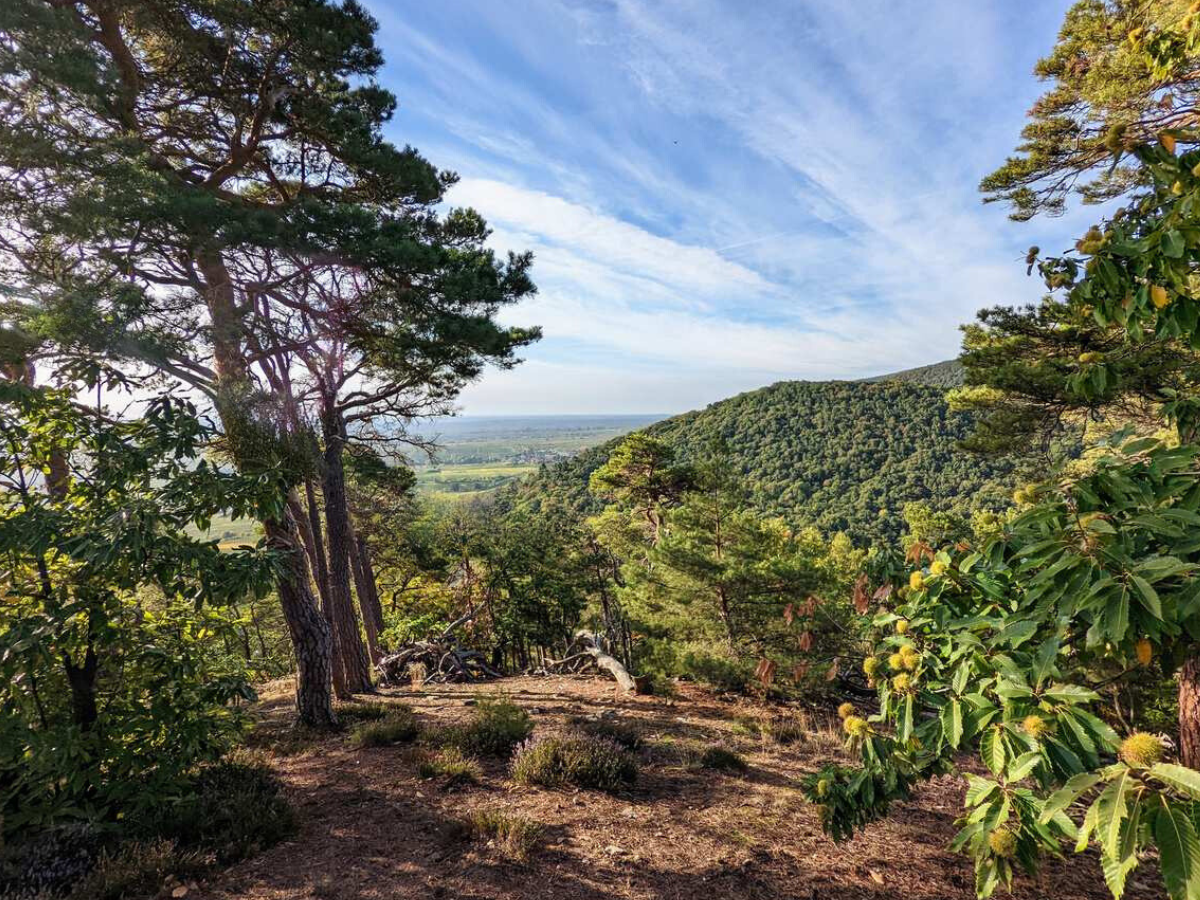
High up in the Palatinate - Around the highest of the Palatinate Forest
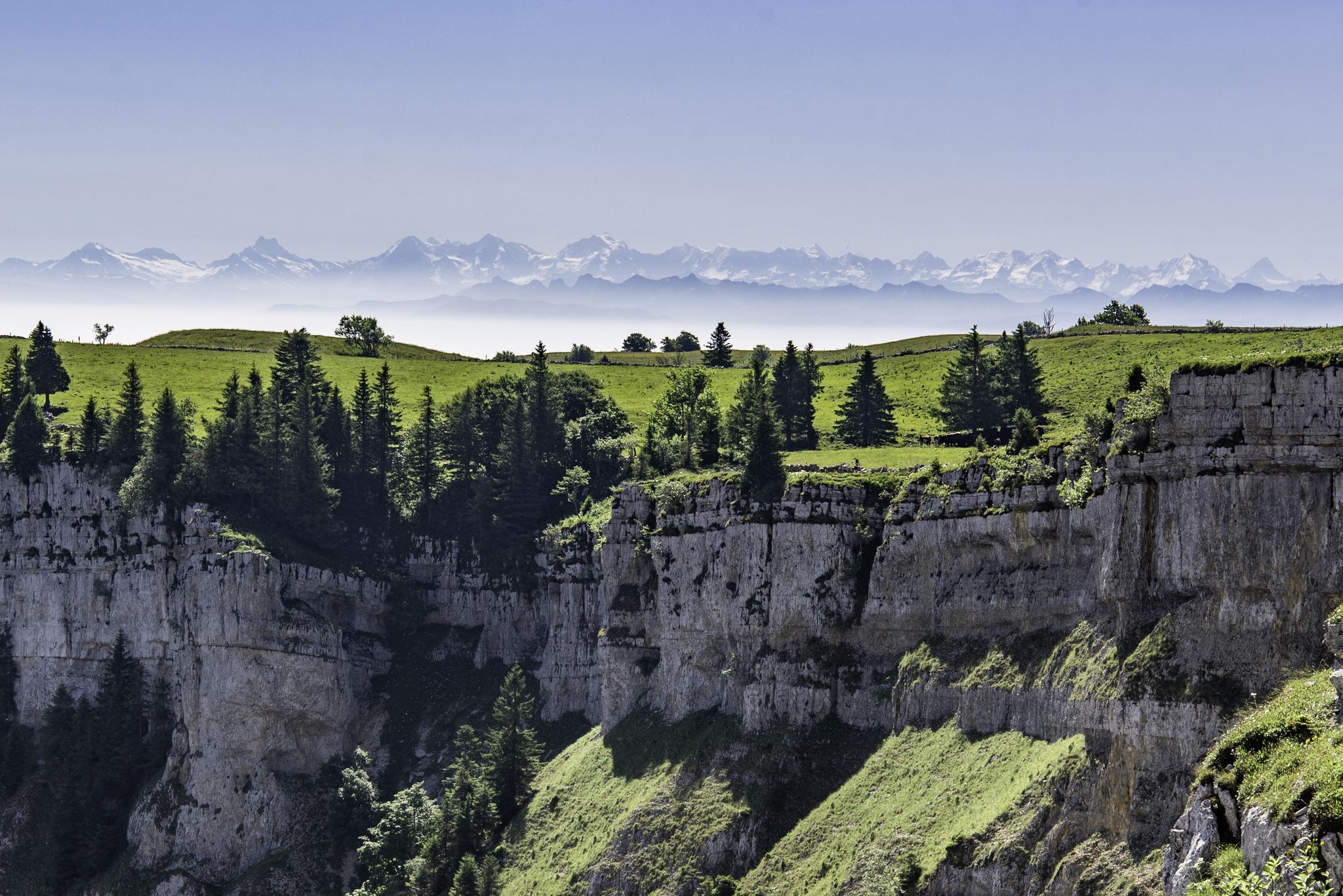
From the Vosges to the Jura mountains – Hexatrek, le Grand Est
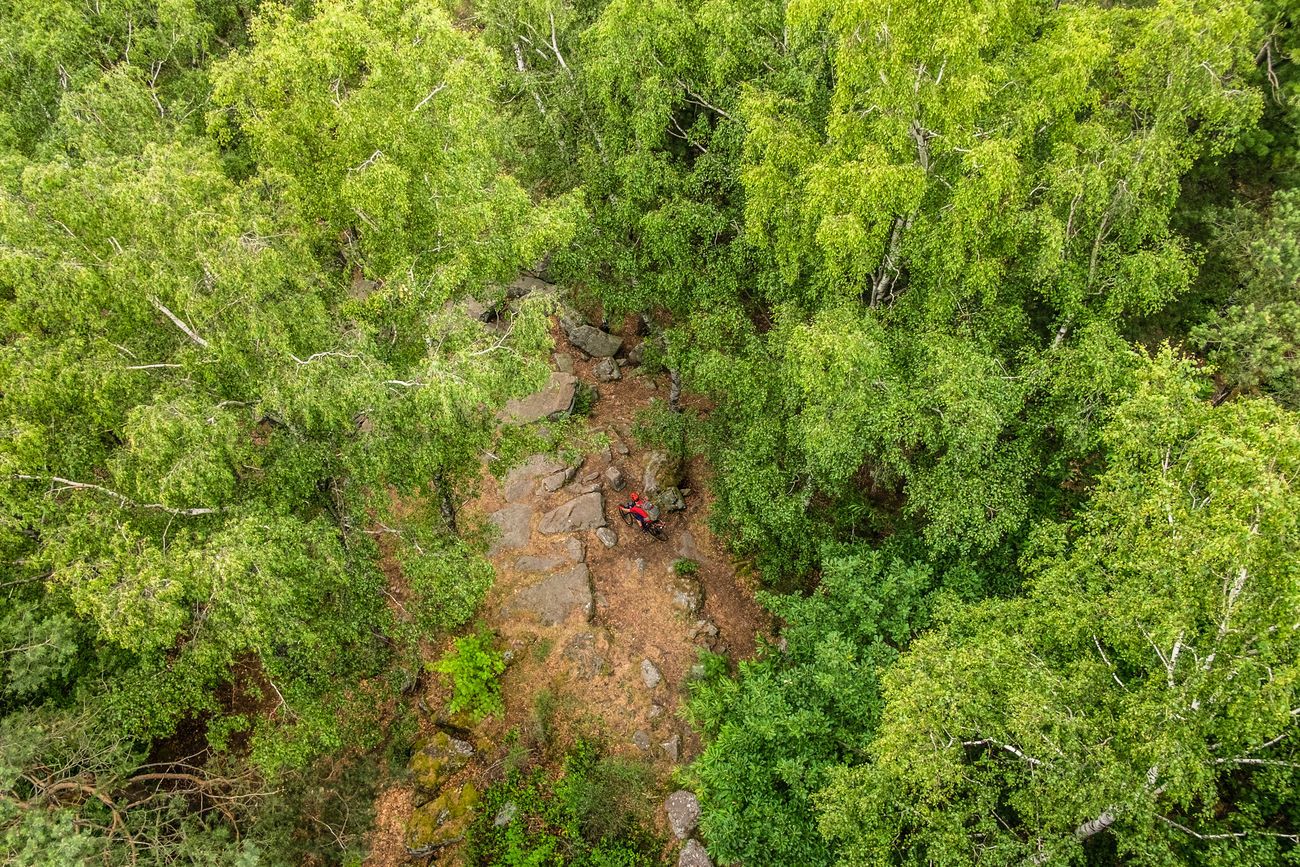
Pfälzerwald-Bikepacking: Four stages with the Gravelbike
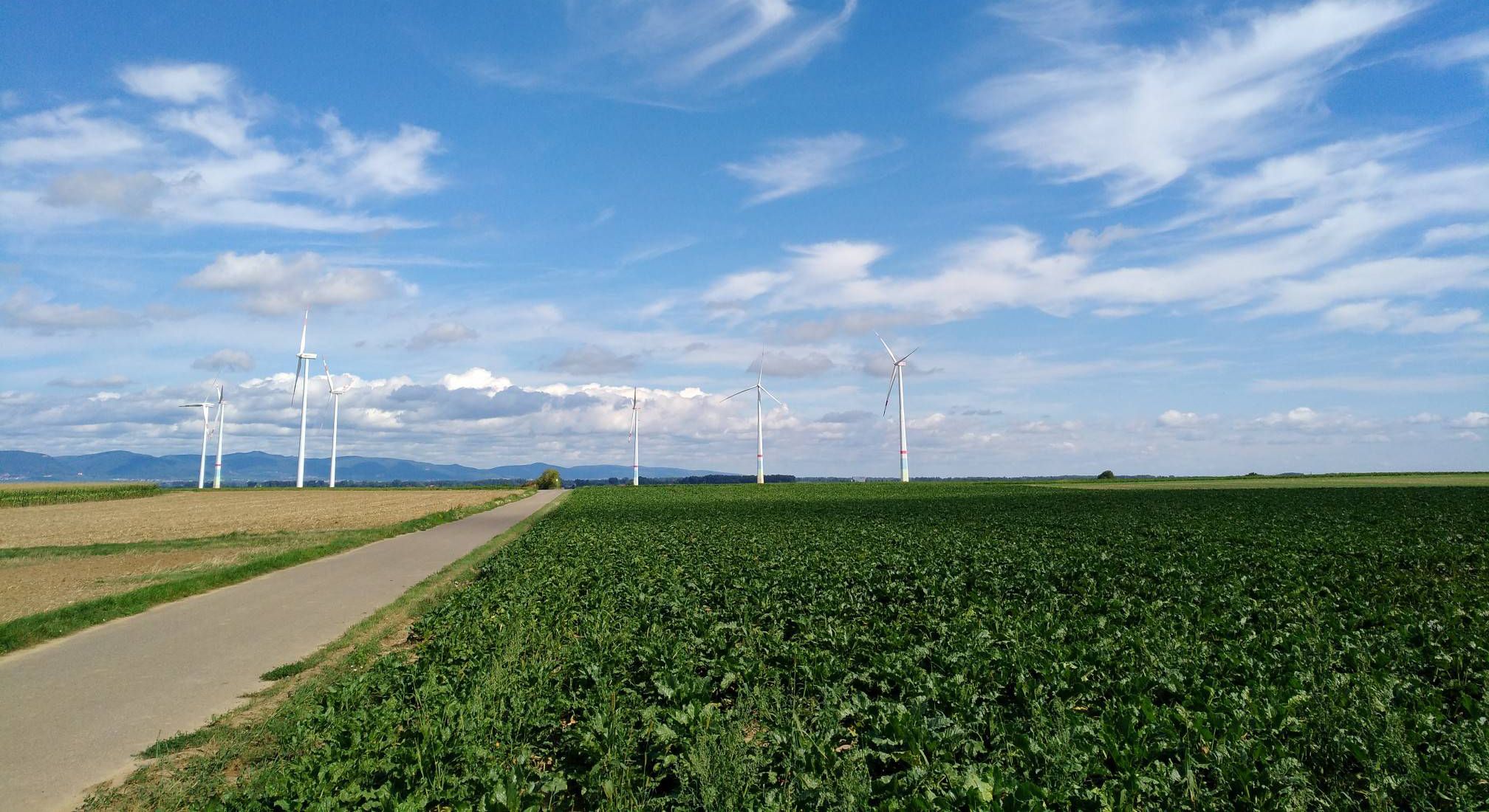
The 'Kraut und Rüben' cycleway — through the Palatinate in 3 stages
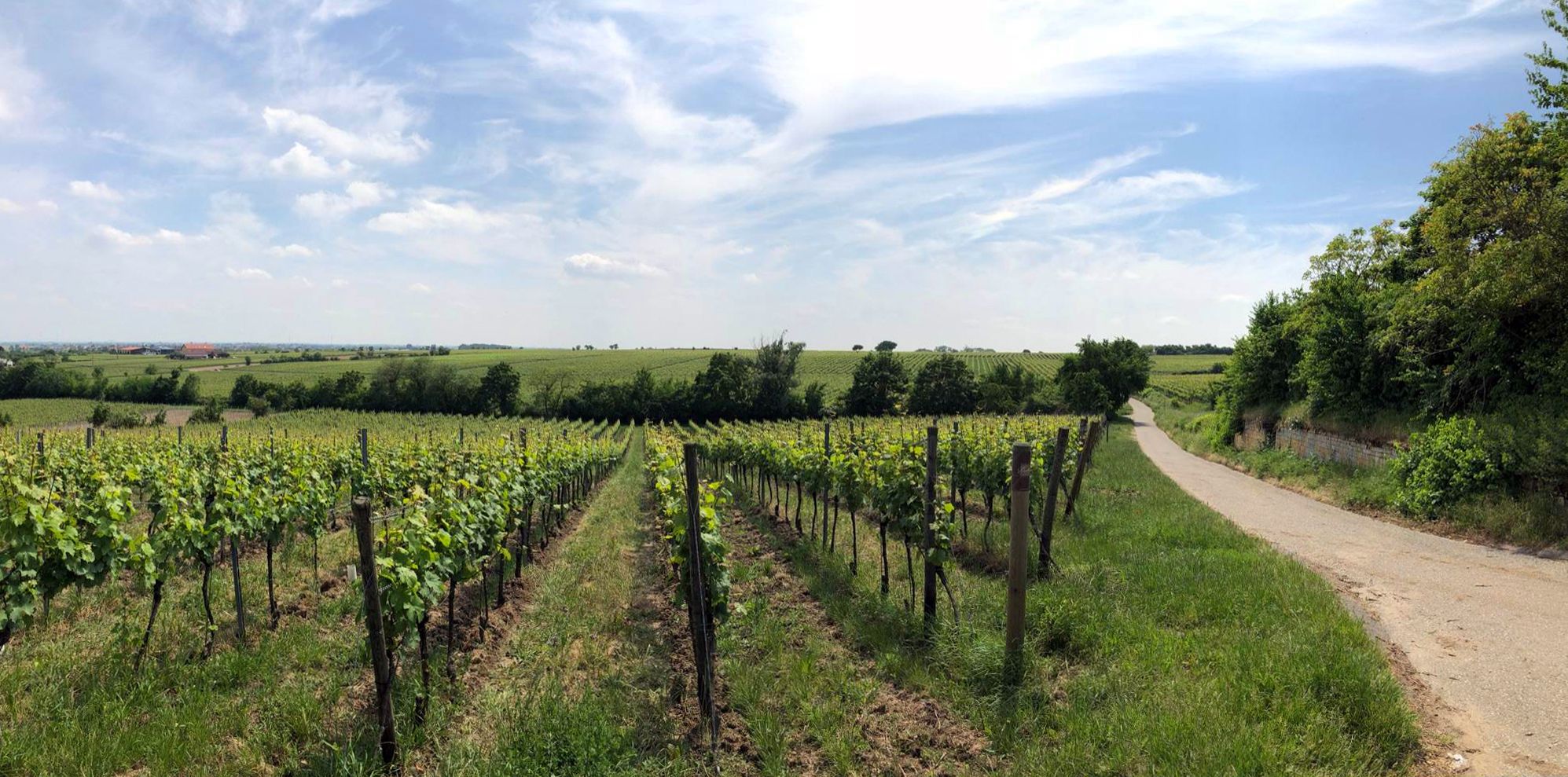
Explore the Palatinate region — German Wine Cycle Route
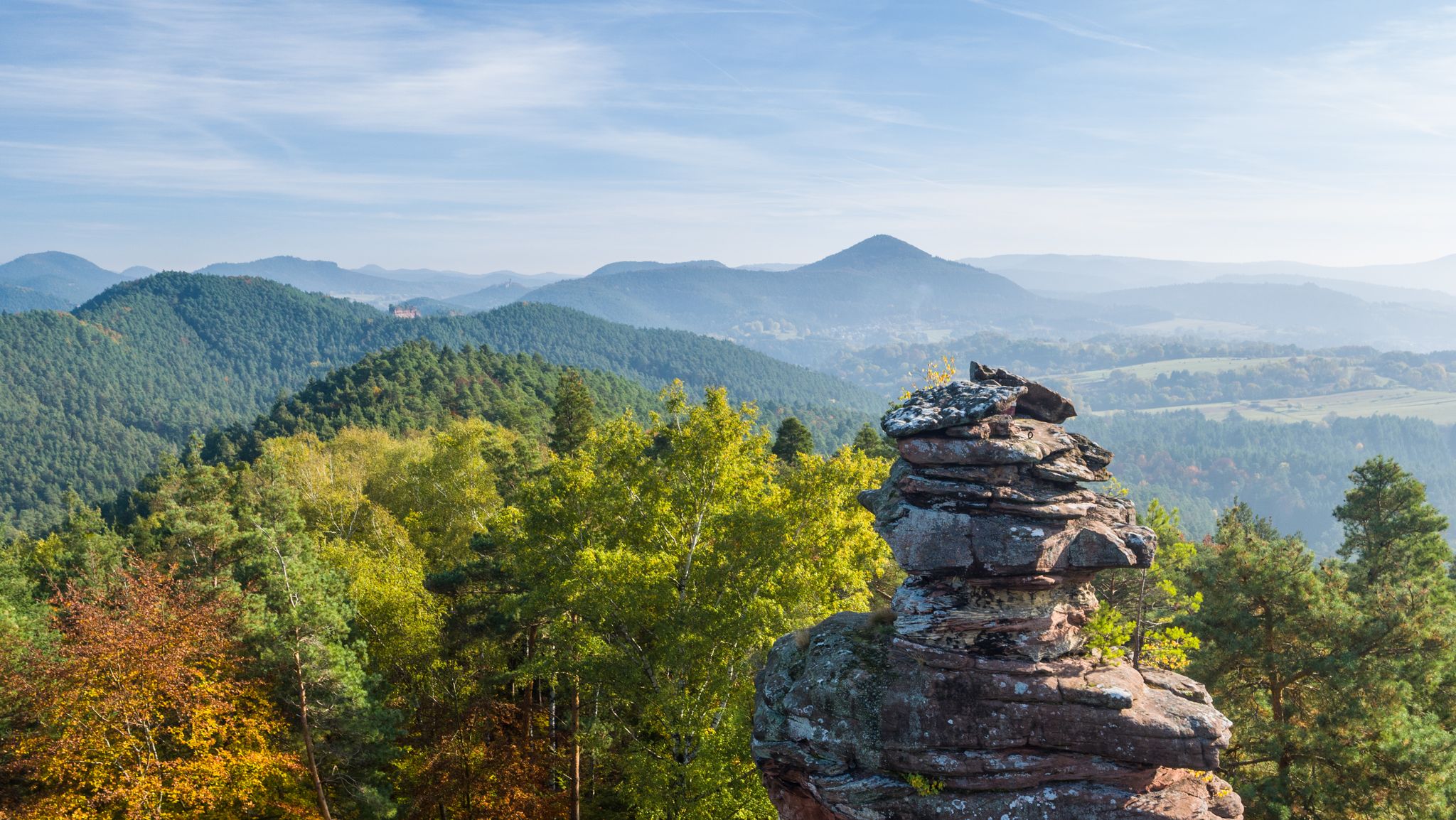
Palatinate hiking menu — day and half day hikes
Other adventures in the Südpfalz


Tips from the Community

A highlight of the hike from Sankt Martin to Kalmit is the Felsenmeer. Many spectacular rock formations please the eye.
6
0

A brick shelter integrated into a rock face. Function? Hunting blind, bunker, or shelter?
0
0

Landau Fortress was a polygonal fortification located in Landau in the Palatinate. Construction took place between 1688 and 1691. The completely outdated fortress was demolished in 1871, having been downgraded to a depot in 1867. Almost all of the structures below street level have been preserved. Today, several military buildings and many residential buildings are still visible in the city, along with the locks and walls along the rivers, and fortifications in parks. Among these, the largest remaining structure is the wall of the fort built in 1702 (with a length of 3.3 km). Following the Thirty Years' War, the Imperial City of Landau was placed under the protection of France by the Peace of Westphalia in 1648. Following the end of the War of the Palatine Succession in 1697, the city, along with ten other Alsatian imperial cities, was also legally ceded to France in the Peace of Rijswijk of 1697. As early as 1673/74, France had destroyed Landau's medieval city fortifications. With the Peace of Nijmegen, Landau came under French control and, with the simultaneous loss of the right-bank fortress of Philippsburg (1679), became its easternmost outpost, receiving a permanent French garrison in 1680. In September 1687, the military engineer Vauban arrived in Landau to develop a fortification plan. He submitted this plan to King Louis XIV on October 9, who gave his approval in November. Construction began later that same year on the 7-kilometer-long Albersweiler Canal, designed to facilitate the rapid transport of building materials such as timber, lime, and stone by barge. The foundation stone was laid at the end of April 1688 in the presence of the Minister of War, the Marquis de Louvois. Vauban initially oversaw the construction, but relinquished this responsibility to Jacques de Tarade in 1689. With the help of sixteen royal battalions under the command of General Montclar and approximately 14,000 construction workers (more recent studies cite a significantly lower number) from the surrounding area, the fortification was built in the second Vauban style. On the night of June 23-24, 1689, a devastating fire destroyed most of the town and provided an opportunity to modernize the garrison town's layout. This resulted in the creation of straight, wide streets and squares for troop deployments. ... Source: https://de.wikipedia.org/wiki/Festung_Landau#Weblinks
0
0

This artificially created Marian Grotto features a statue of the Virgin Mary and a small enclosed spring. Since then, the grotto has been renovated several times, and the spring had to be re-enclosed to ensure its long-term preservation.
6
0

Viewing rock and a small cave below.
0
0

This Lourdes Grotto is also a sign of solidarity between Catholics and Protestants in Dernbach: "Every Whit Monday, a Catholic service takes place at the Lourdes Grotto in Dernbach. The Protestant parish deliberately does not hold its own service on this day, but invites people to the service at the Lourdes Grotto." Source: https://www.bistum-speyer.de/bistum/oekumene/leitfaden/bewaehrte-praxisbeispiele/gottesdienst/gottesdienst-an-der-lourdesgrotte/
1
0


Nice place for a rest.
2
0
Frequently Asked Questions
What are some notable natural rock formations or "caves" to explore in the Südpfalz?
The Südpfalz region, part of the Palatinate Forest, features impressive red sandstone formations. Key natural sites include the Hohle Felsen near Dahn and Eppenbrunn, which are mighty rock massifs with extensive overhangs. The Drachenhöhle near Busenberg is a legendary cave associated with the Drachenfels, and the Bärenhöhle near Rodalben is an impressive natural monument with two caves, a spring, and a waterfall. Additionally, the Felsenmeer rock formations are a popular natural monument with caves and niches.
What unique geological features can I expect to see in the Südpfalz caves and rock formations?
The Südpfalz is characterized by its distinctive red sandstone landscape. You'll encounter extensive rock massifs, impressive overhangs, and formations shaped by water, such as the 'two-storey' Bärenhöhle with its spring and waterfall. Many sites offer natural shelters and unique geological structures that are a hallmark of the Palatinate Forest.
Are there family-friendly caves or rock formations in the Südpfalz?
Yes, several sites are suitable for families. The 'Drachen-Tour' leading to the Drachenhöhle and Drachenfels castle ruins is designed for families, offering scenic views and engaging natural and historical elements. The Ramburg Castle Ruins, which include a cave, are also easy to hike and perfect for families with small children. Additionally, many of the Lourdes Grottoes, such as Lourdes Grotto and Healing Spring at Büchelberg, are accessible and offer a peaceful spot for a family outing.
Which hiking trails lead to the caves and rock formations in the Südpfalz?
Many popular hiking trails traverse the Südpfalz's unique rock formations. The Altschlosspfad trail near Eppenbrunn leads through the stunning Hohle Felsen massif. The 'Drachen-Tour' takes you to the Drachenhöhle, and the Rodalber Felsenwanderweg and Bärenhöhlen-Tour pass directly by the Bärenhöhle. For more hiking options in the region, you can explore the Waterfall hikes in the Südpfalz guide.
What kind of terrain and difficulty can I expect on trails leading to the Südpfalz caves?
The trails in the Südpfalz often feature the region's characteristic red sandstone. While some paths are easy and suitable for families, others can be moderate to difficult, involving ascents and descents through forested areas and around rock formations. Many trails are well-maintained, but sturdy footwear is always recommended due to uneven surfaces and potential for slippery conditions, especially after rain.
Is parking available near the Südpfalz caves and rock formations?
Yes, parking is generally available near the starting points of popular trails and attractions. For instance, the 'Hohle Felsen Tour' starts near the Palatinate Forest Club hut in Dahn, where parking facilities are typically present. For the Ramburg Castle Ruins, parking is available at Dernbacher Haus. It's advisable to check specific location details for the most convenient parking options.
What is the best time of year to visit the caves and rock formations in the Südpfalz?
The Südpfalz is beautiful year-round, but spring and autumn offer particularly pleasant conditions for exploring. The weather is generally milder, and the natural scenery is vibrant with blooming flora or colorful foliage. Summer can also be a good time, especially for shaded forest trails, but be prepared for warmer temperatures. Winter visits are possible, but some paths might be slippery or less accessible due to ice or snow.
Are there any historical sites or cultural landmarks associated with the caves in the Südpfalz?
Yes, the region blends natural beauty with history. The Drachenhöhle is near the ruins of Drachenfels Castle. The Ramburg Castle Ruins also feature a cave and offer a glimpse into medieval history. Additionally, the Südpfalz has several Lourdes Grottoes, such as Lourdes Grotto Weyher and Lourdes Grotto Dernbach, which are artificial grottos with religious significance. You can also find the Entrance to the Underground Mining Gallery in the Contrescarpe, a historical site.
What other outdoor activities can I do near the caves in the Südpfalz?
The Südpfalz offers a wide range of outdoor activities. Besides hiking, you can enjoy extensive cycling tours, with options ranging from moderate to difficult, as detailed in the Cycling in the Südpfalz guide. Mountain biking is also popular, with challenging trails available; explore these in the MTB Trails in the Südpfalz guide. The region's red sandstone formations also provide opportunities for bouldering.
What do visitors enjoy most about exploring the Südpfalz caves and rock formations?
Visitors frequently praise the unique geology and the stunning natural scenery. The extensive rock massifs, hidden caves, and impressive viewpoints are often highlighted. Many appreciate the well-maintained hiking trails that lead to these natural wonders, offering a blend of adventure and tranquility. The opportunity for rest and exploration within the rock formations, such as at Bench in cave, is also a favorite.
Are the caves in the Südpfalz dog-friendly?
Most of the natural rock formations and outdoor trails leading to them in the Südpfalz are dog-friendly, making it a great region for exploring with your canine companion. Always keep dogs on a leash, especially in nature reserves or near wildlife, and ensure you clean up after them. Specific indoor cave attractions might have restrictions, so it's best to check in advance for those.
What should I wear when exploring the caves and rock formations in the Südpfalz?
For exploring the outdoor caves and rock formations in the Südpfalz, wear comfortable, sturdy hiking shoes with good grip, as trails can be uneven or rocky. Layered clothing is advisable, as temperatures can vary, especially inside cooler rock shelters. A waterproof jacket is recommended for unpredictable weather. Don't forget a backpack with water, snacks, and a headlamp or flashlight for darker cave sections.
Most popular routes in the Südpfalz
Most popular attractions in the Südpfalz

Get inspired with the komoot mobile app


Didn’t find what you were looking for?
Discover more caves in the Südpfalz region by region:
Explore more
Extend your search for the best caves by checking out these guides of the top ones in the Südpfalz:
