Top 20 Huts and Cabins in Naturpark Rheinland
Best huts in Naturpark Rheinland are located within a vast natural area west of Cologne and Bonn, spanning over 1,000 square kilometers. This diverse landscape features forests, lakes, and former volcanic areas, offering well-developed trail networks for recreation. The huts primarily serve as resting points, historical landmarks, or protection from the elements, making them ideal for day-visitors and hikers exploring the region's beliebte Wanderwege. These structures provide functional stops along various routes, enhancing the experience of the Naturpark Rheinland Gelände.
…Last updated: July 8, 2026
Hunter's Hut in the Kotten Forest
Highlight • Historical Site
Translated by Google •
Tip by

Iron Man (Kottenforst)
Highlight • Monument
Translated by Google •
Tip by

Sign up now to discover places like this
Get recommendations on the best single tracks, peaks, & plenty of other exciting outdoor places.
Sign up for free
Zwillingssee Hut
Highlight • Mountain Hut
Translated by Google •
Tip by

Wooden Man and Rösberg Shelter
Highlight • Monument
Translated by Google •
Tip by

Hilberather Path Shelter
Highlight • Mountain Hut
Translated by Google •
Tip by

Sign up for free to discover even more huts and cabins in Naturpark Rheinland.
Sign up for free
Already have an account?
Start today with a free account
Your next adventure awaits.
Login or Signup
Popular around Naturpark Rheinland
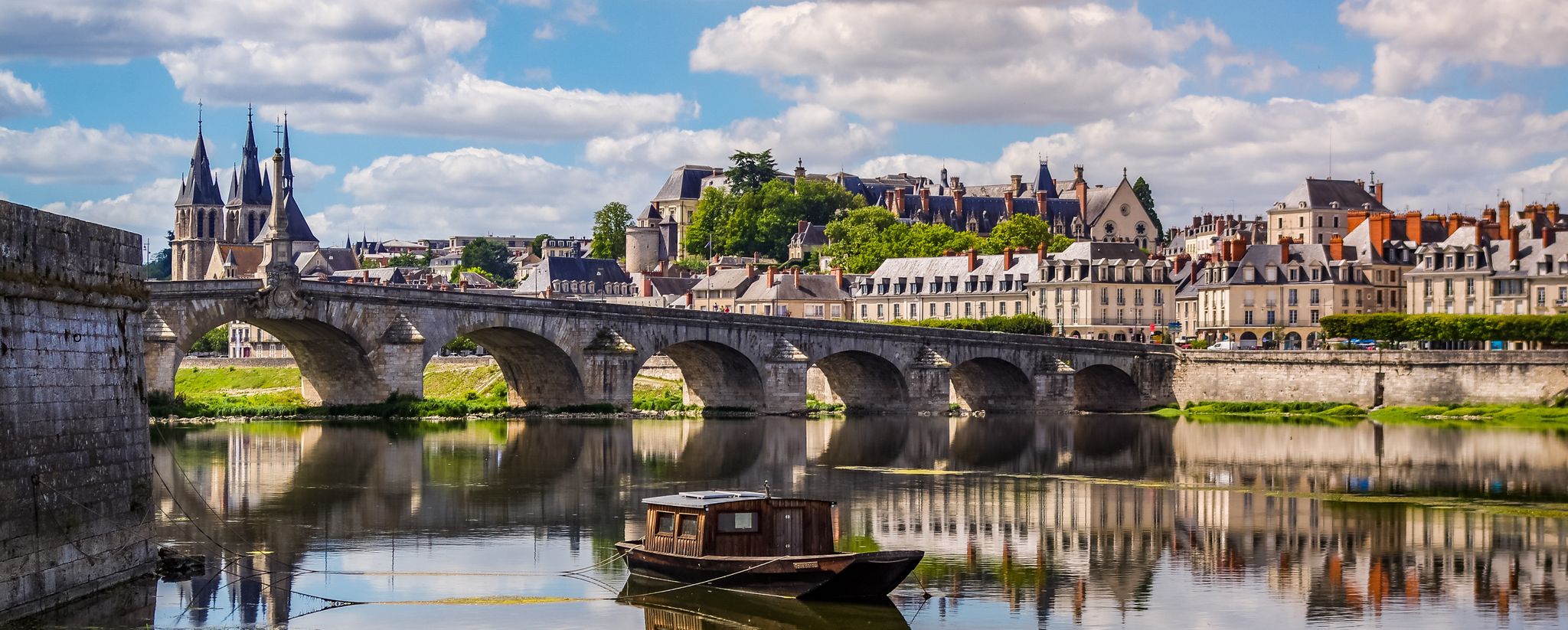
EuroVelo 3 – A cycling pilgrimage from Norway to France
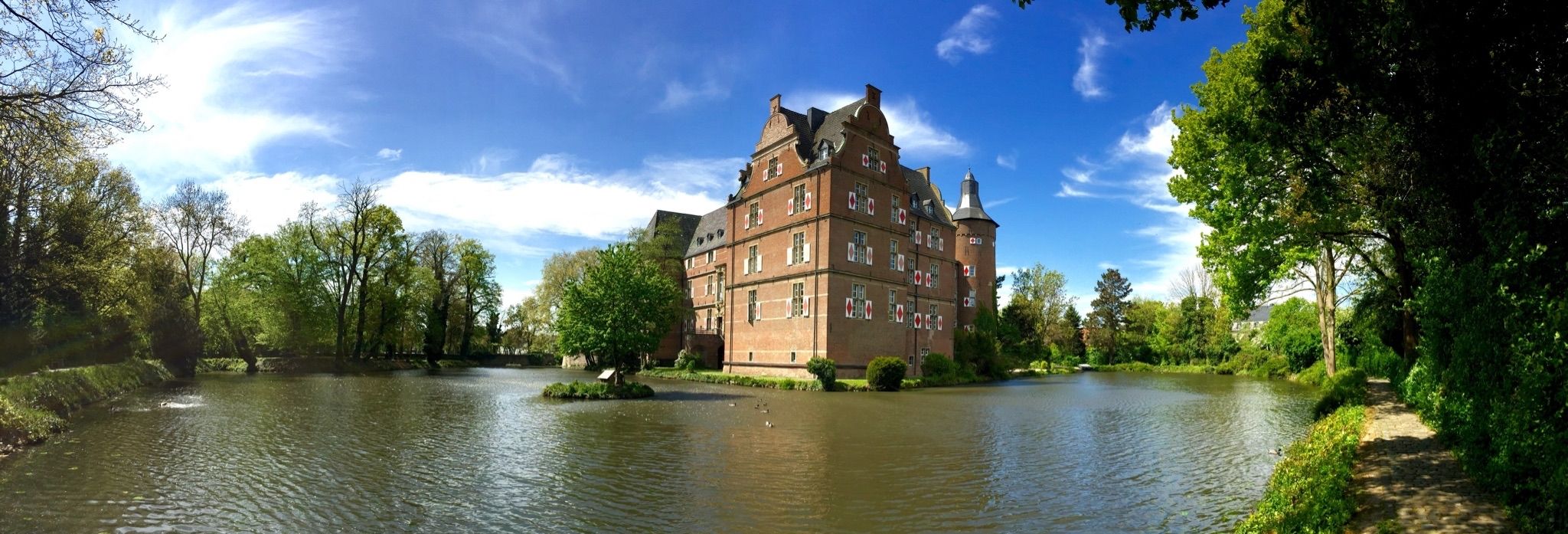
Wasserburgen-Route — A ride through Germany's Castle Country from the Rhine to the Eifel and back
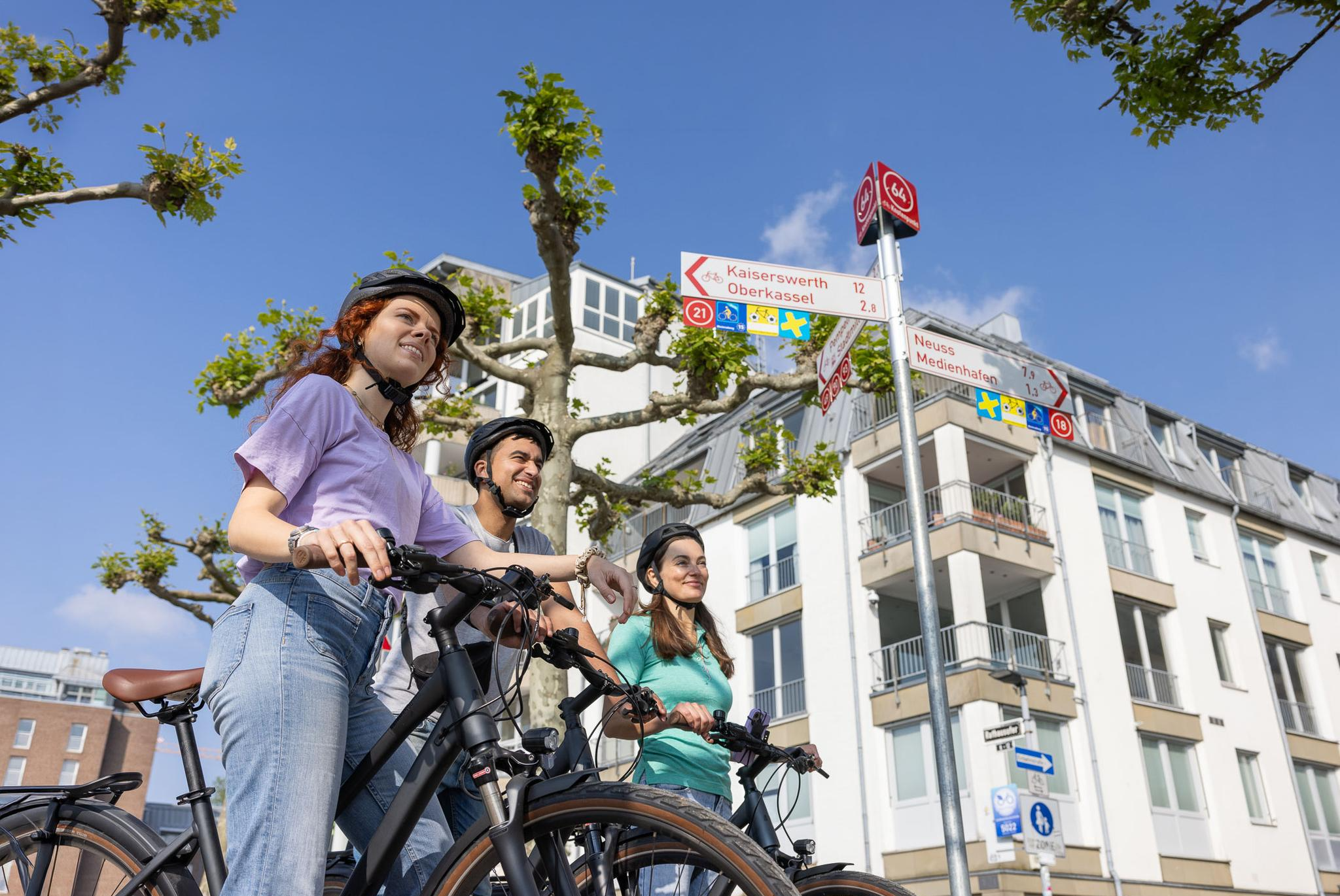
Cycling by Numbers – flexible rides in the Radregion Rheinland
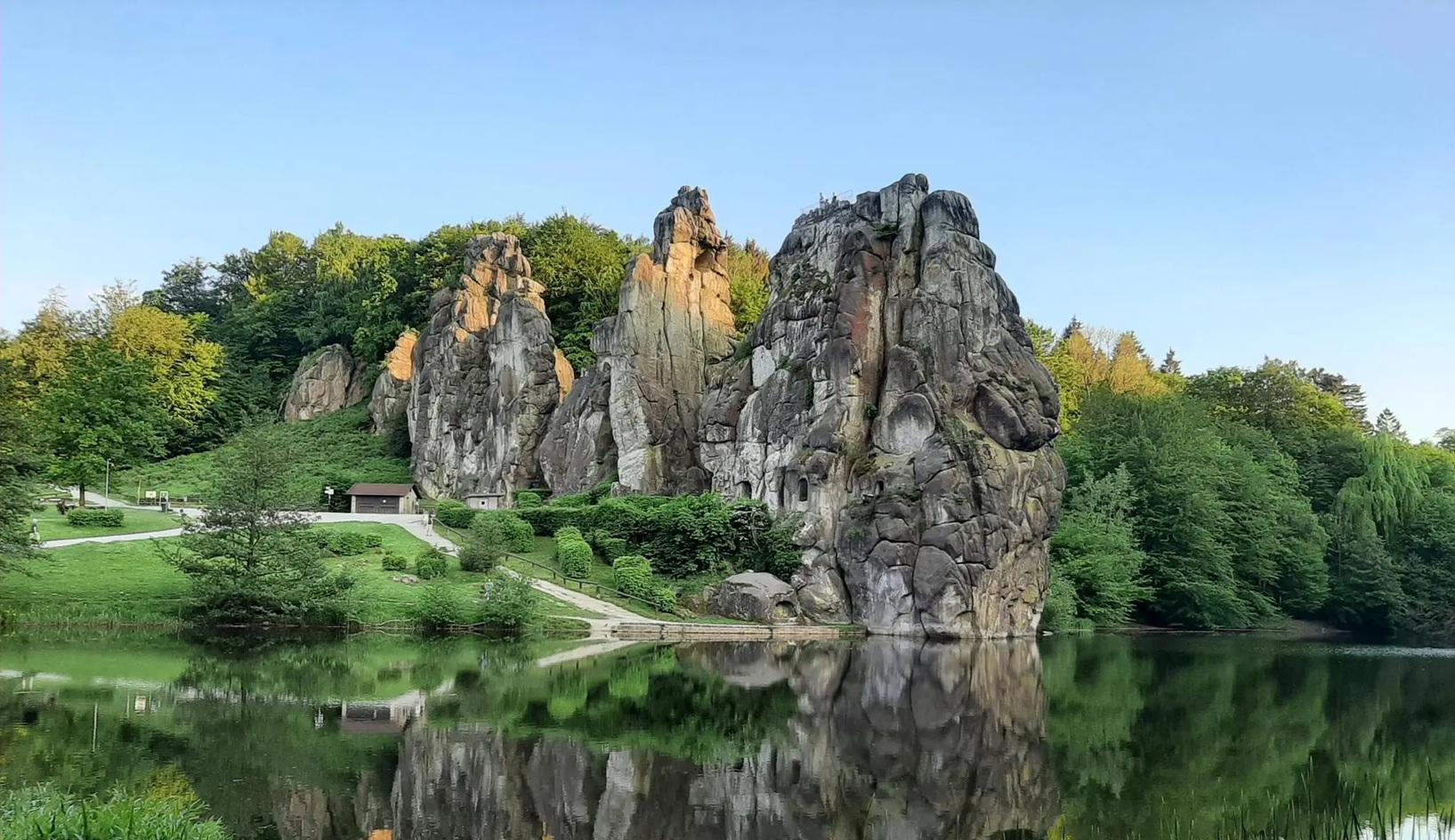
The National Natural Landscapes in Nordrhein-Westfalen
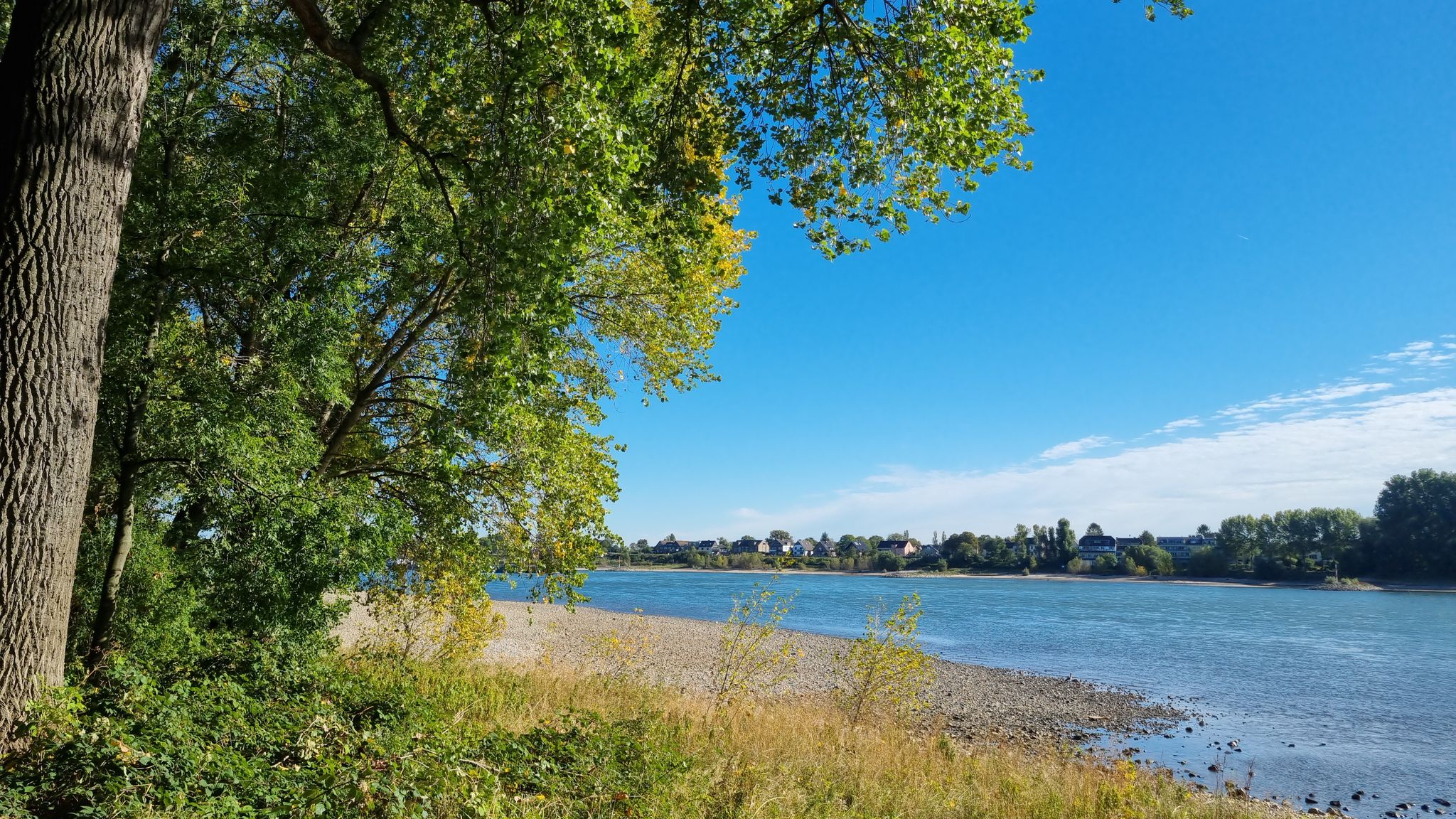
Family-friendly hikes in the south of Cologne
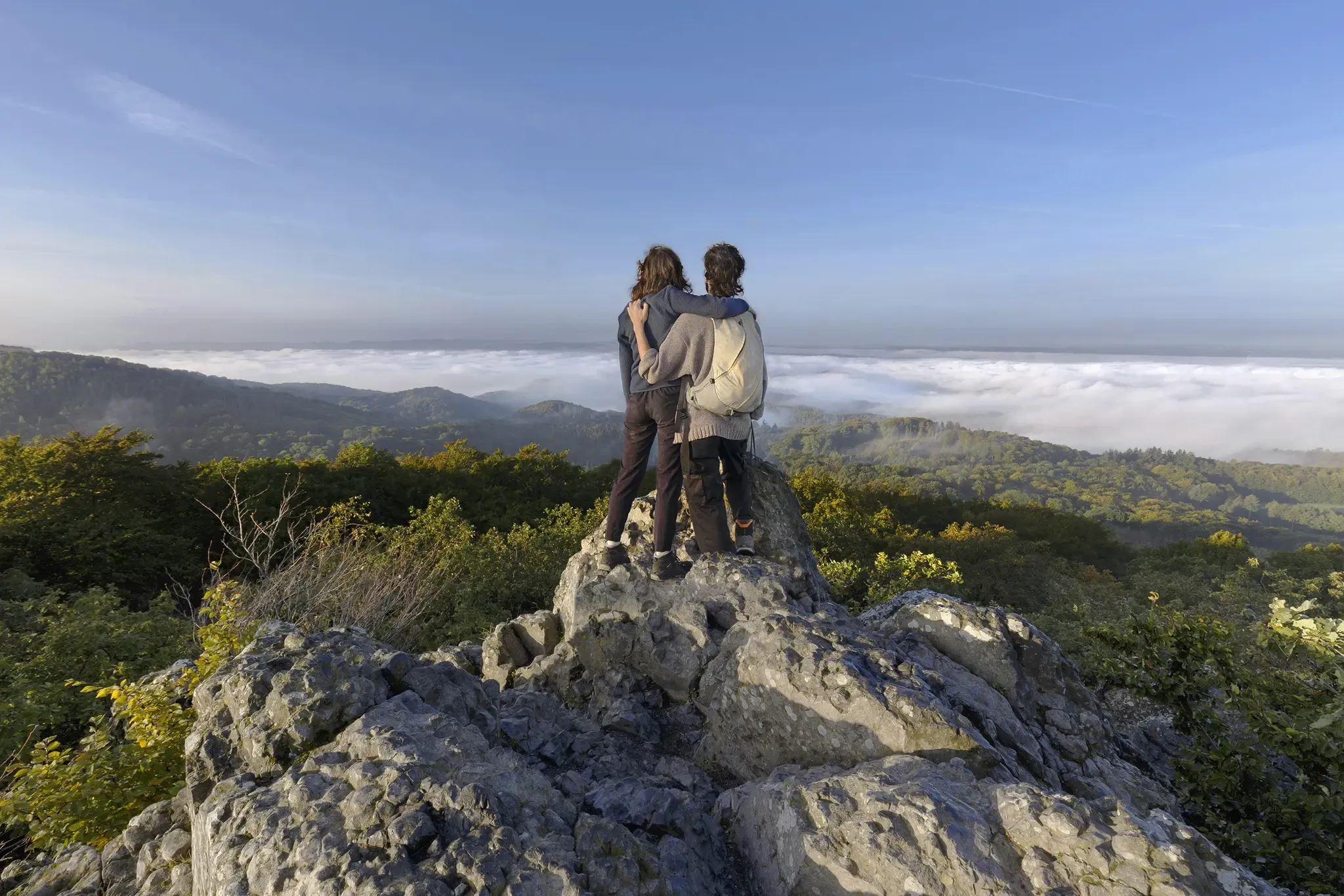
I'm getting outside! – eight adventurous hikes on the Rhine and Sieg
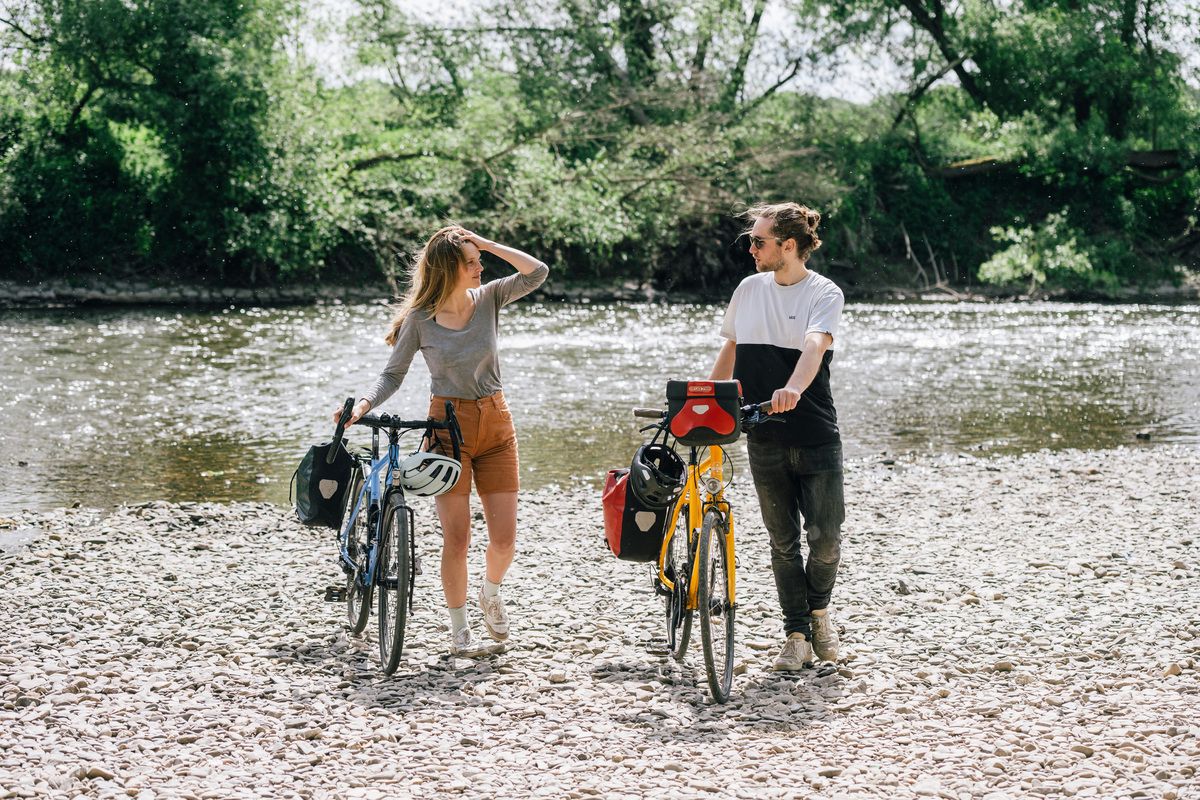
Getting into nature by bus, train and bike in the Cologne Bonn Region
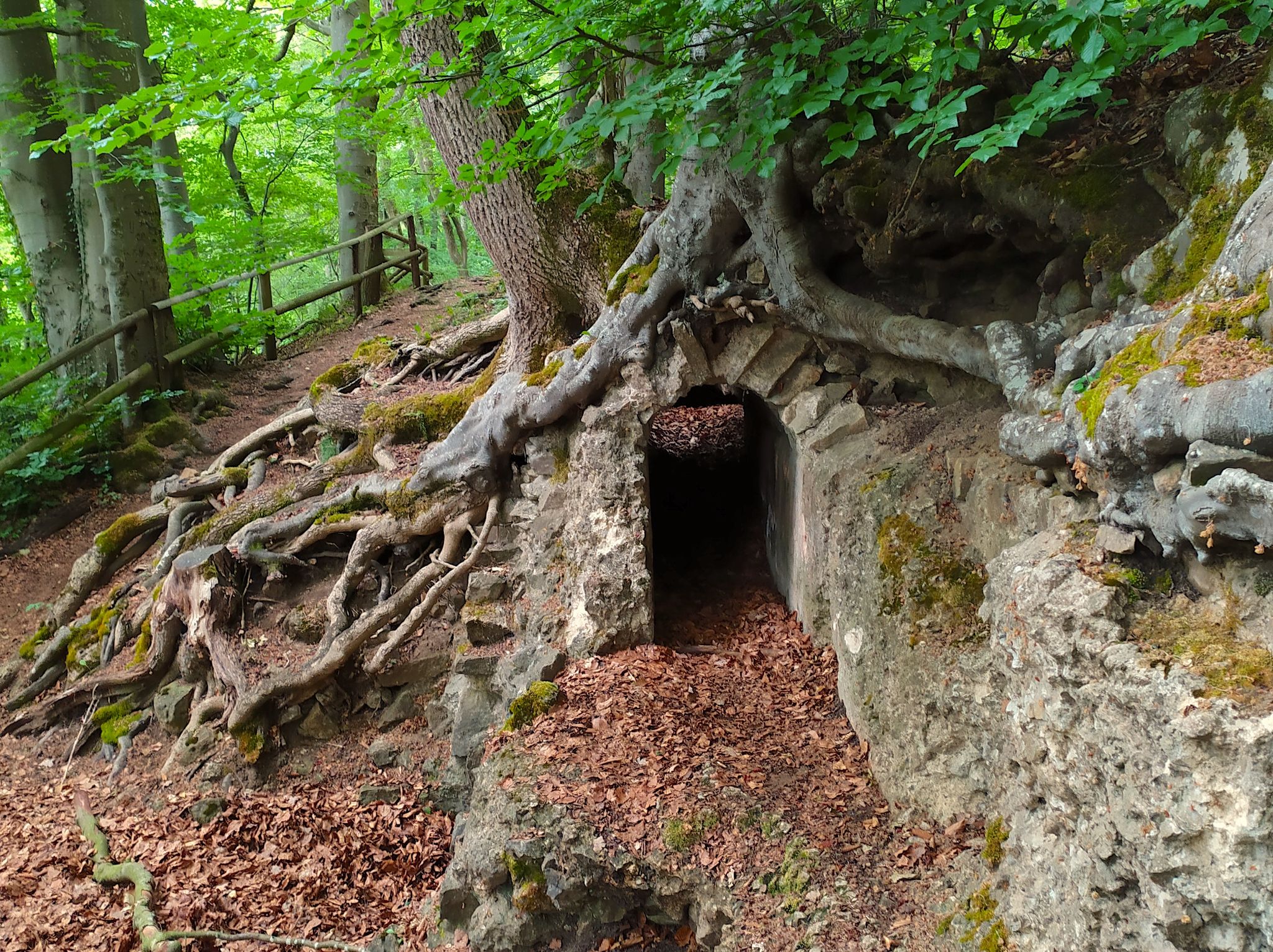
Hike from Cologne to the Eifel – Roman Canal Trail
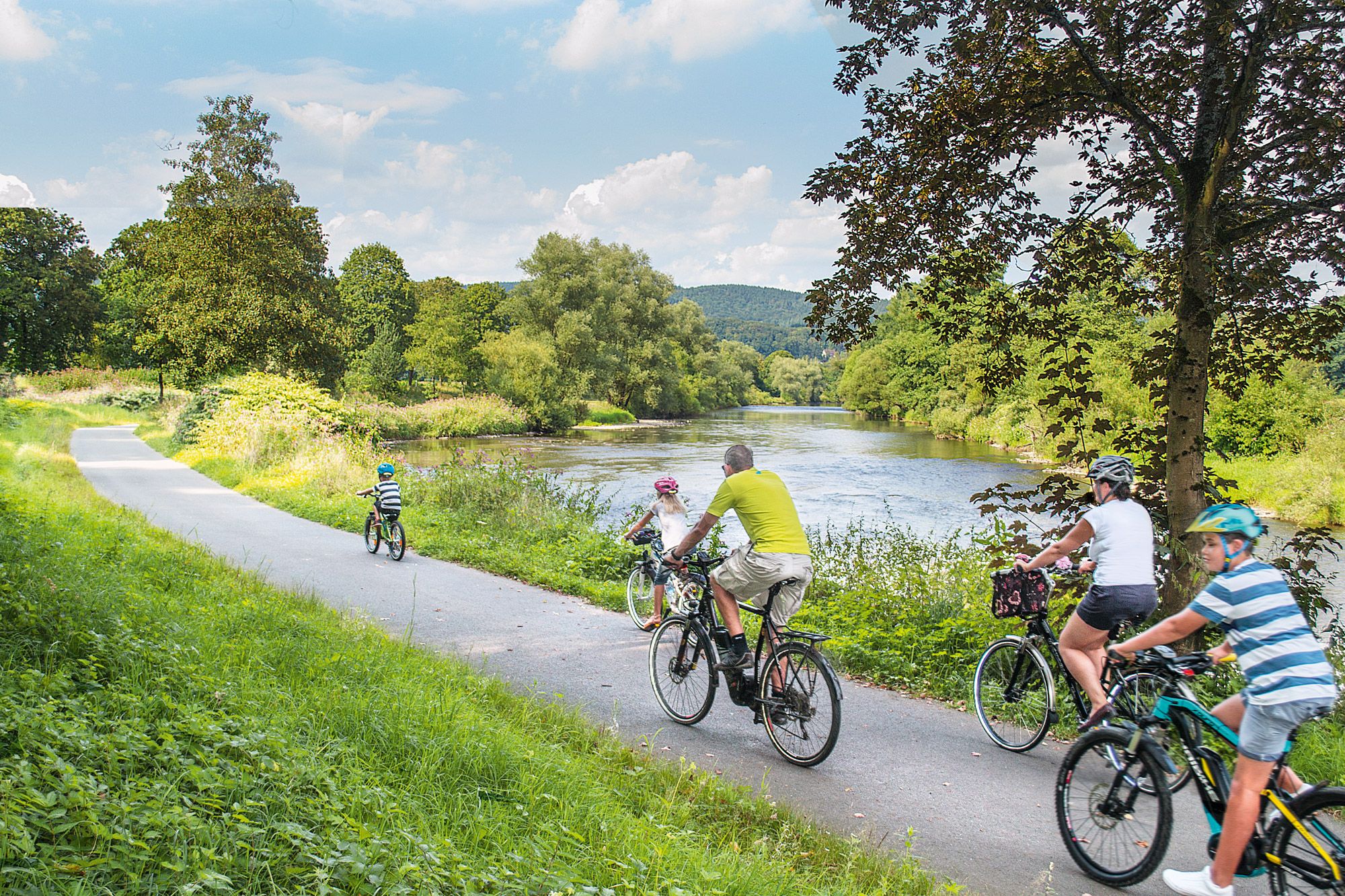
Nature bathing on your bike – beautiful Tours on the Rhine and Sieg
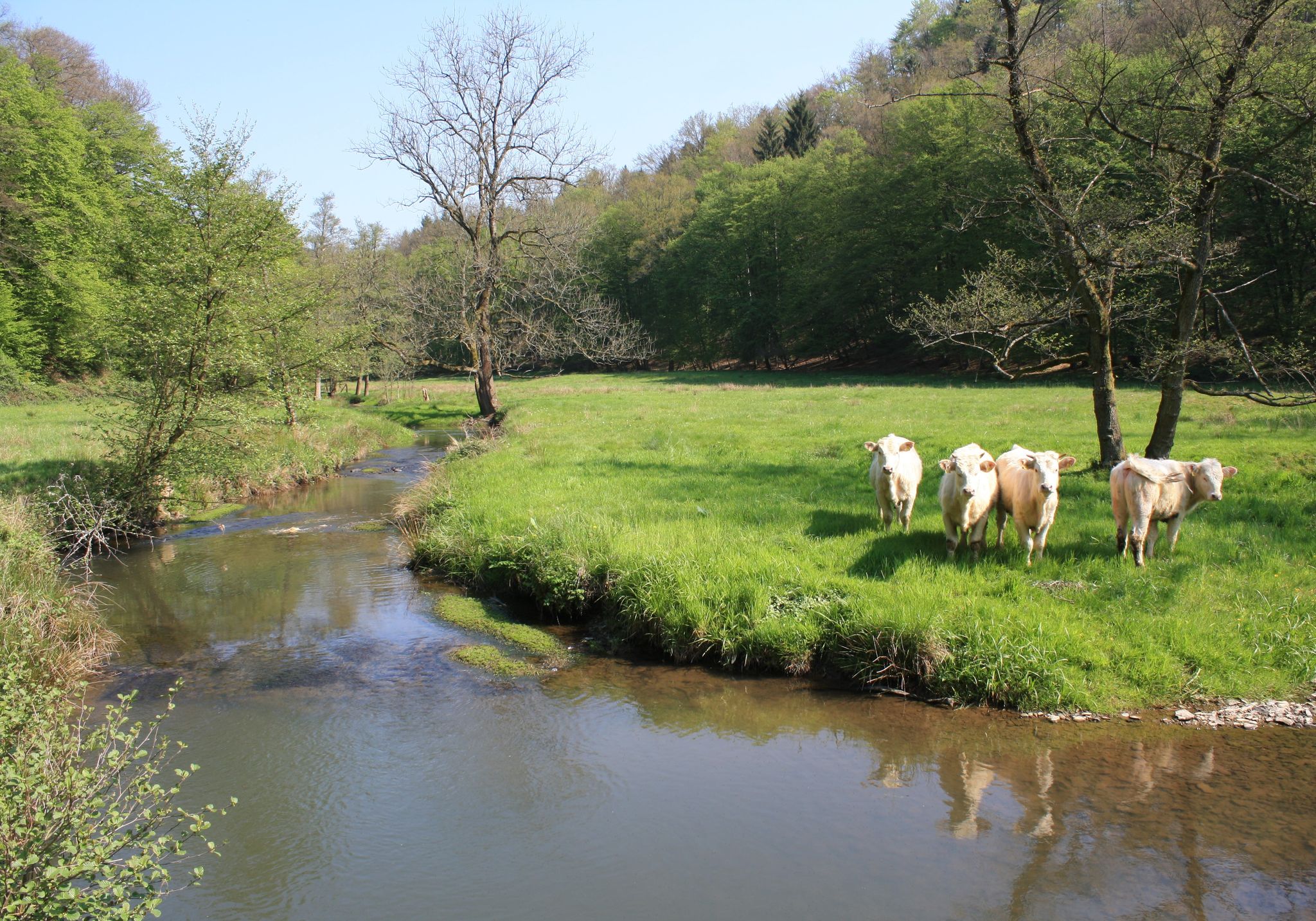
Nature and culture in beautiful landscapes – hikes on the Rhine and Sieg
Other adventures in Naturpark Rheinland


Tips from the Community

This weather shelter has 6 to 8 seats and offers us welcome shelter in the event of an unexpected rain shower.
3
0
Beautiful, large shelter that offers us welcome shelter during an unexpected rain shower. The wooden man who "guards" the shelter is a worthwhile photo opportunity.
4
0
The Iron Man is an iron stele that protrudes approximately 1.20 m from the ground and measures 15 x 15 cm. It is 2.18 m long in total, with the buried end being T-shaped to ensure better anchoring in the ground. It is believed to be a surveying point, a boundary marker, or a memorial. The stele was first mentioned in documents in 1625 and for a long time served as a landmark for the border between the communities of Heimerzheim and Alfter. A 1978 investigation indicates that it is made of charcoal pig iron that was poured into an open earth trough in the form of an ingot. This is a technique that was used in the late Middle Ages and the early modern period, but not yet in Roman times. The precise alignment of the line of sight from Augustusburg Palace in Brühl and its baroque garden to the Iron Man is remarkable. The Iron Man may have been relocated in 1727, when a new trail system for par force hunting was also being created in the Kottenforst forest. Several forest and hiking trails intersect at the Iron Man. The Roman Eifel aqueduct to Cologne also runs nearby. It is a popular meeting and resting place. Seating and a shelter are located in its immediate vicinity. Source: Wikipedia
7
0

The sculpture of the "Wooden Man" in the forest above Rösberg was created in the mid-1980s by a local carver named Cader, who also made nativity figures, for example. With this work on the Villewald on the foothills, he also wanted (according to tradition) to create a figurative counterpart to the - much more famous - "Iron Man" in the Kottenforst. The year 1996, which can be seen at the foot of the sculpture, probably refers to a general overhaul/renovation of the "Wooden Man".
9
1

The iron pole, over two meters high, is an impressive relic from the late Middle Ages. The iron was probably heated with coal and poured into a trough. Its shape was probably used for transport for further processing. But it never came to that. The iron post served as a border post for a long time. An information board explains the details. The Iron Man is history you can touch. At the crossroads there is also a seating area and a weather shelter.
9
0

You can have a nice rest here with a view of the twin lakes.
6
0

Nice, open place at a crossroads of forest paths. In addition, weather protection if the worst comes to the worst.
6
0

Good corner to look for a few trails or shelter in bad weather
1
0
Frequently Asked Questions
What kind of huts can I expect to find in Naturpark Rheinland?
The huts in Naturpark Rheinland primarily serve as resting points, historical landmarks, or protection from the elements. They are generally unstaffed shelters or historical structures, rather than full-service mountain huts providing food or overnight lodging. Their value lies in their historical context, provision of shelter, and integration into the scenic hiking and cycling routes.
Are the huts in Naturpark Rheinland suitable for overnight stays?
No, the huts in Naturpark Rheinland are not typically designed for overnight stays. They are primarily intended for day-visitors and hikers seeking a break during their explorations, offering shelter from the weather or a place to rest.
Which huts in Naturpark Rheinland have historical significance?
Several huts boast rich history. The Hunter's Hut in the Kotten Forest is a listed monument that once served as a relay station during par force hunts. The Iron Man (Kottenforst) is an enigmatic iron stele dating back to the late Middle Ages, surrounded by legends.
Are there any huts near lakes or with scenic natural surroundings?
Yes, the Zwillingssee Hut is situated by the Zwillingssee, one of the smaller lakes within the Ville-Seen lake district. The lake itself is a nature reserve, offering picturesque views and a cozy break regardless of the weather. You can learn more about the lake on Wikipedia.
Which huts feature unique cultural elements or art?
The Wooden Man and Rösberg Shelter features a unique sculpture known as the 'Wooden Man,' created by local carver Cader. This distinctive artwork offers an interesting cultural diversion within the natural setting, providing a weatherproof shelter for breaks.
Are the huts and trails in Naturpark Rheinland family-friendly?
Many huts and the surrounding trails in Naturpark Rheinland are considered family-friendly. Highlights like the Hunter's Hut in the Kotten Forest, Iron Man (Kottenforst), and Zwillingssee Hut are noted for being suitable for families, offering accessible resting points during walks.
What outdoor activities can I do near the huts in Naturpark Rheinland?
Naturpark Rheinland offers diverse outdoor activities near its huts. You can find various routes for mountain hikes, running, and general hiking. For example, there are mountain hikes like the 'Drachenfels Summit and Ruins' trail, running trails around 'Zülpicher See', and waterfall hikes such as 'Unkel's historic old town'. You can explore more options in our guides for Mountain Hikes, Running Trails, and Waterfall Hikes in Naturpark Rheinland.
What is the best time of year to visit the huts in Naturpark Rheinland?
Naturpark Rheinland is enjoyable year-round. Spring and autumn offer pleasant temperatures and vibrant scenery, ideal for hiking. Even in winter, many huts, like the one near the Iron Man (Kottenforst), provide shelter, making them suitable resting points during colder weather explorations.
Are there any rules or regulations I should be aware of when visiting Naturpark Rheinland?
As a natural park, visitors are encouraged to respect the environment. This includes staying on marked trails, disposing of waste properly, and being mindful of local wildlife. Specific rules regarding dogs or other activities might be posted locally or can be found on the official Naturpark Rheinland website.
What do visitors enjoy most about the huts in Naturpark Rheinland?
Visitors appreciate the huts for their utility as reliable shelters, their historical context, and their integration into the scenic hiking and cycling routes. Many enjoy the tranquil forest settings, the unique cultural diversions, and the opportunity for a cozy break regardless of the weather. The komoot community has shared over 300 photos and given more than 2,100 upvotes to these highlights.
Can I find cafes or restaurants near the huts in Naturpark Rheinland?
While the huts themselves are unstaffed shelters, Naturpark Rheinland is a large area with towns and villages nearby. You may find cafes and restaurants in the surrounding communities, but it's advisable to check specific locations along your planned route for available amenities.
Most popular routes in Naturpark Rheinland
Most popular attractions in Naturpark Rheinland

Get inspired with the komoot mobile app


Explore more
Find more beautiful huts and cabins in Naturpark Rheinland by checking out the top ones in these nearby places:
