Top 13 Caves in Sint Pietersberg & Jekerdal
Best caves in Sint Pietersberg & Jekerdal are found in a region characterized by its unique marlstone geology and historical significance. This area, bordering Belgium and near Maastricht, features numerous underground limestone quarries and hand-dug caves. These subterranean networks have served various purposes throughout history, from storage to military installations. The landscape offers a blend of natural formations and man-made structures, providing diverse exploration opportunities.
Best caves in Sint Pietersberg & Jekerdal
- The most popular caves is Château Neercanne,…
Last updated: July 8, 2026
Château Neercanne
Highlight • Castle
Translated by Google •
Tip by

Castle cave
Highlight • Cave
Translated by Google •
Tip by

Sign up now to discover places like this
Get recommendations on the best single tracks, peaks, & plenty of other exciting outdoor places.
Sign up for free
Wijngaardgroeve (Devil's Cave)
Highlight • Cave
Translated by Google •
Tip by

Former NATO Headquarters, Cannerberg
Highlight • Historical Site
Translated by Google •
Tip by

Greetje's Cave Dwelling
Highlight • Cave
Translated by Google •
Tip by
Sign up for free to discover even more caves in Sint Pietersberg & Jekerdal.
Sign up for free
Already have an account?
Start today with a free account
Your next adventure awaits.
Login or Signup
Popular around Sint Pietersberg & Jekerdal
For hill seekers: The best trail runs in the Netherlands
LF-routes
Hiking in Sint Pietersberg & Jekerdal
Road Cycling Routes in Sint Pietersberg & Jekerdal
Running Trails in Sint Pietersberg & Jekerdal
Cycling in Sint Pietersberg & Jekerdal
MTB Trails in Sint Pietersberg & Jekerdal
Gravel biking in Sint Pietersberg & Jekerdal

Mountain Hikes in Sint Pietersberg & Jekerdal
Other adventures in Sint Pietersberg & Jekerdal


Tips from the Community

The Castle Cave is a unique place where history, architecture, and nature converge. Often located near or beneath a castle, such as in South Limburg or other historic regions, a castle cave served various purposes: from storing wine or provisions to sheltering or serving as a decorative garden feature within the castle grounds' landscaping. The cave is usually situated in a wooded area or on a slope, where natural rock formations and limestone structures create an impressive backdrop. Winding paths, hills, and viewpoints often surround the cave, making it a haven for hikers and a haven of discovery.
0
0

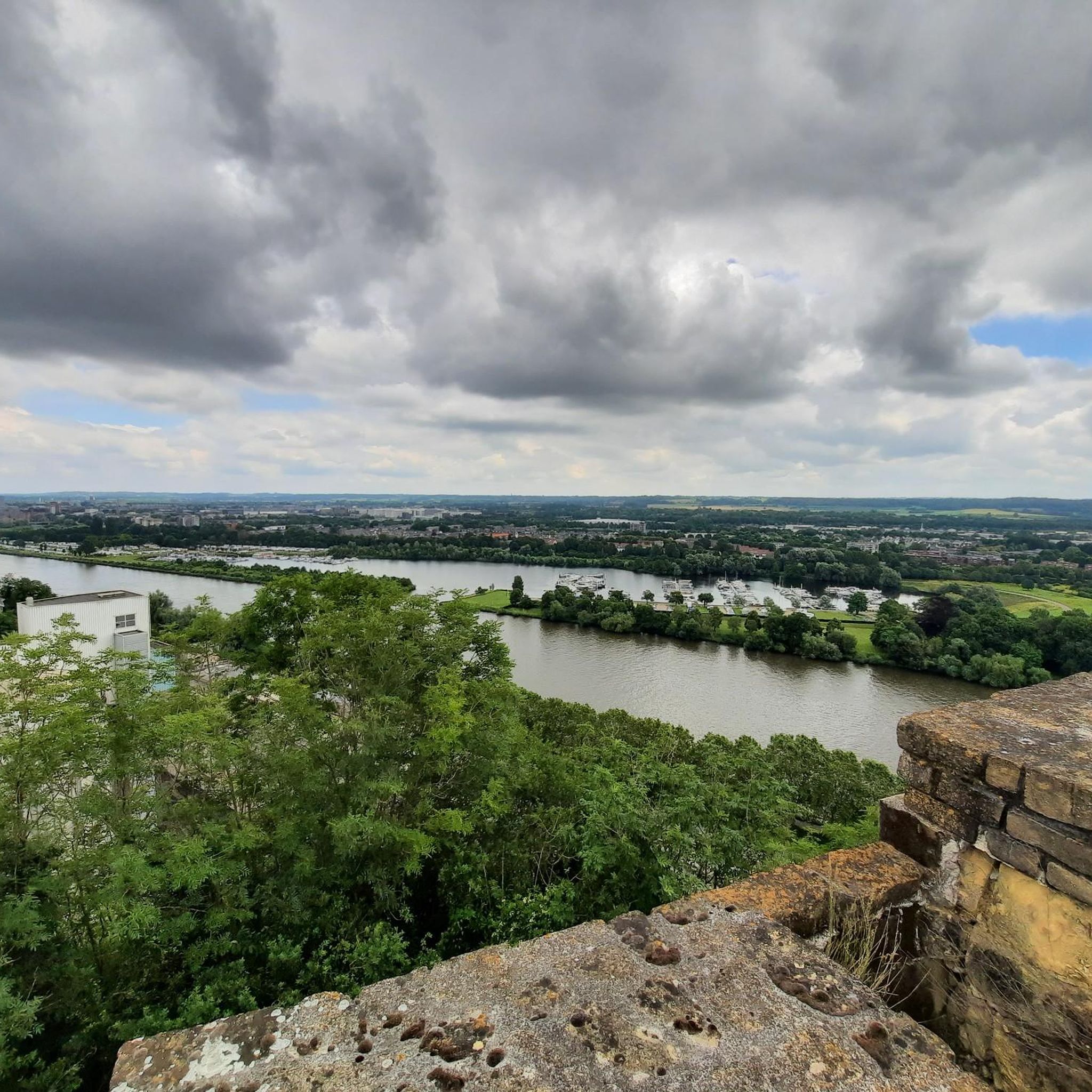
Very nice walking route along the chateau. Beautiful panorama. With a house in the valley below that used to be the border post.
4
0

Neercanne Castle was built on the original site of Roman fortifications, the caves of which still exist and are used as wine cellars. The original staircase with a banister on wide columns is still in the hall. The ceiling features relief depictions of weapon trophies. The castle is currently in use as a hotel and restaurant.
7
0

The Cannerbos is very compact and can therefore be walked in a morning or afternoon. You could say that the forest consists of floors, so you can view and walk nature from below and from higher up. Chateau Neercanne is located on the edge of the Cannerbos. This castle is the only terraced castle in the Benelux. Daniël Wolf van Dopff built this impressive castle in 1698.
4
0

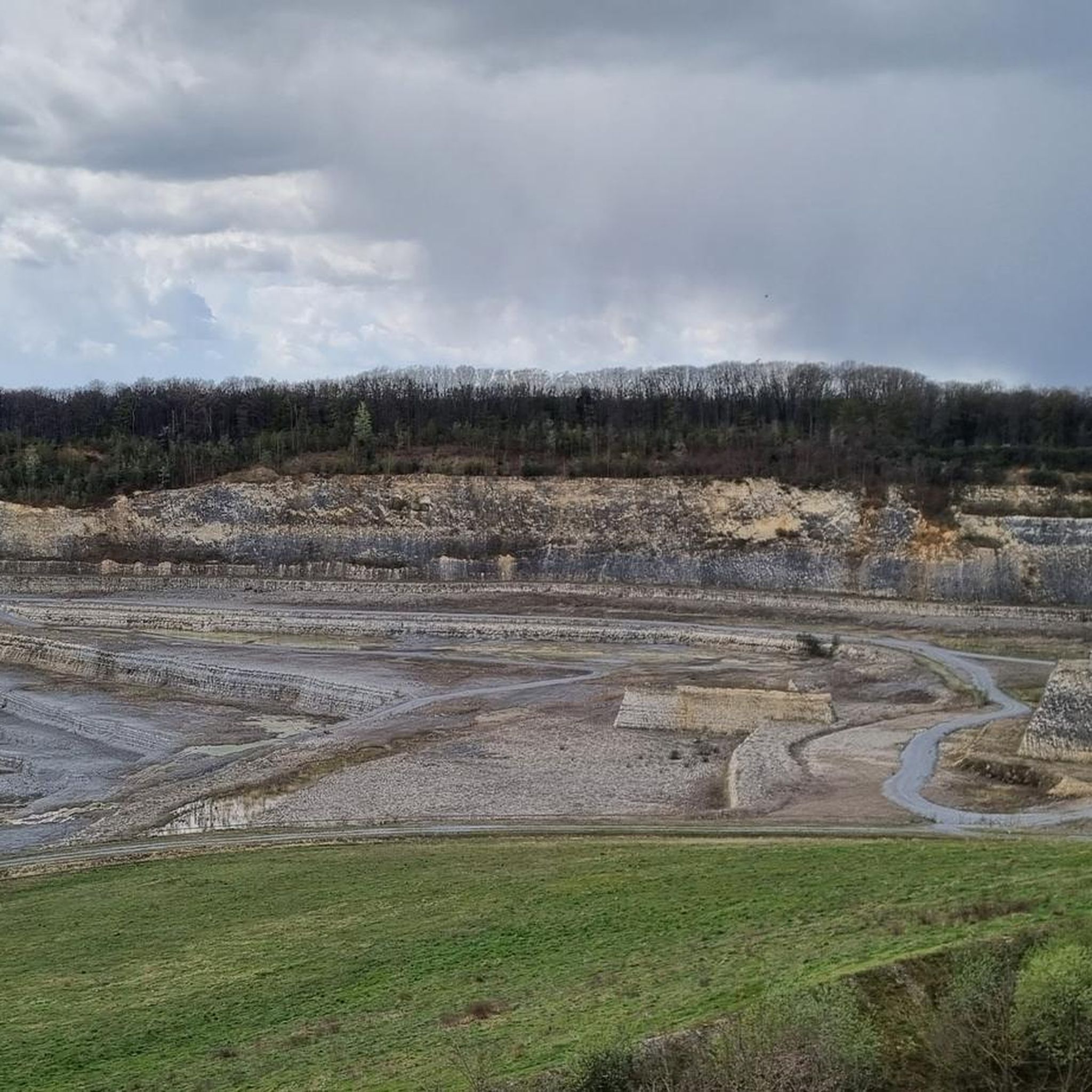
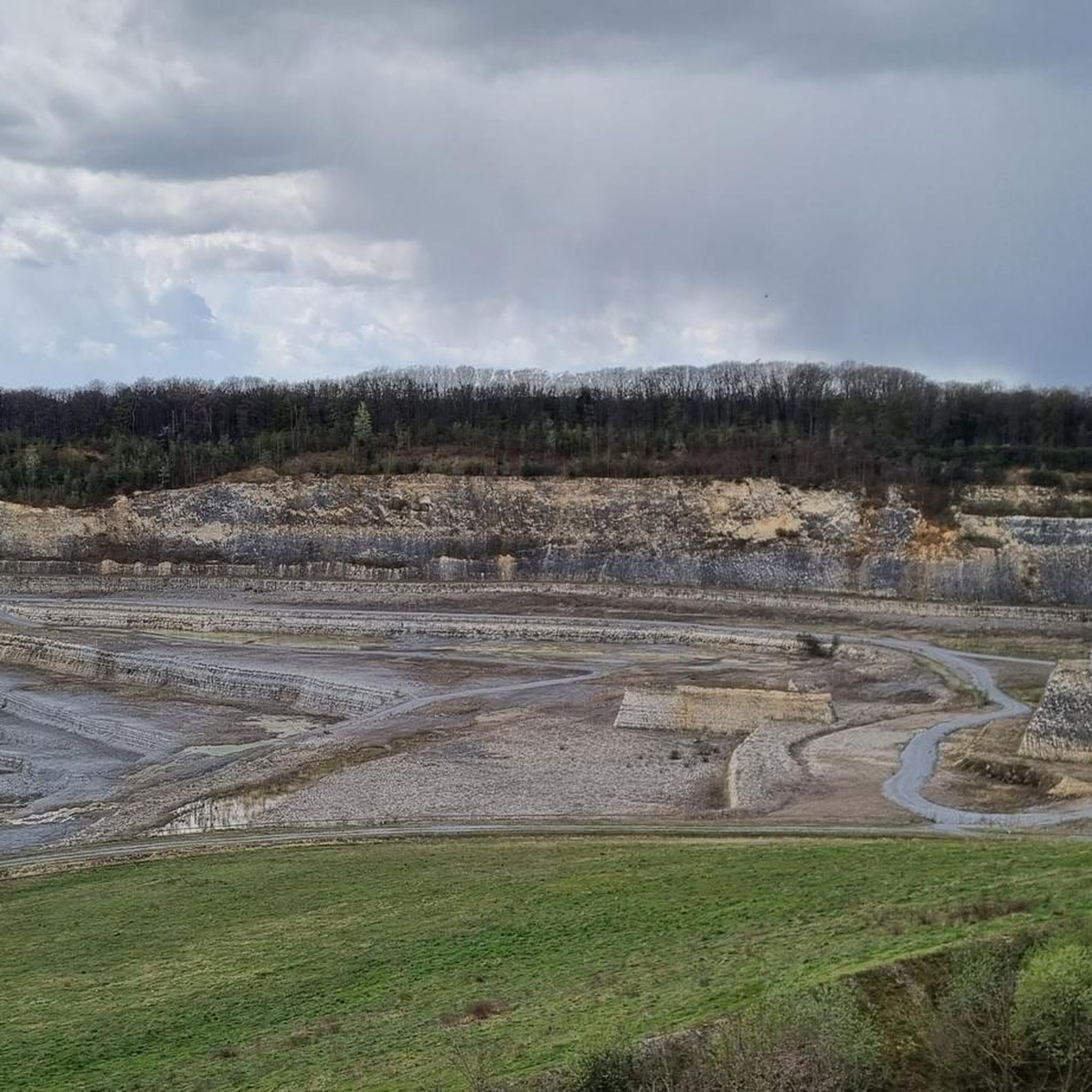
Greetje lived here until 1971. In a house that had been (largely) carved out of the quarry on behalf of her father. You can also see remains of the house outside the quarry. Dwellings in marl pits were generally not uncommon in the past. Just take a look near Meerssen and Valkenburg, for example. Greetje's story is told using an information board.
1
0

The landowners had built a house for the cave's resident. However, she preferred to stay in the cave and leave the house to her beloved animals...
0
0

The castle is right behind the Belgian border. Baron Daniël Wolf van Dopff, then military governor of Maastricht, had the palace built from 1698.
4
0
Neercanne Castle is a household name for anyone who has ever been to the region - and beyond. The castle, previously called Agimont Castle, is also known as the only terraced castle in the Netherlands. It is located a stone's throw from the Belgian border where you will find the village of Kanne (sub-municipality of Riemst). On the Dutch side it is close to Maastricht, with which it is strongly connected historically. Today the castle houses Restaurant Château Neercanne, while the Auberge de Neercanne is located in the former stables. In short: everything about culinary pleasure, parties and wine, albeit in a particularly historic and beautiful setting. Near the location of the current castle there were once defense works, probably of Roman origin. In addition, there are also old limestone quarries, as in the entire region, where many other peoples settled and where quite a lot can be found archaeologically. The limestone quarry is today used as a wine cellar and dining room. There was a castle here as early as 1316, when it was first mentioned. In 1465 it was set on fire by the people of Liège and plundered again in 1469. The castle was then restored. The outbuildings with the tower that characterizes the castle date from 1611 and were built in the Maasland Renaissance. The current main building took shape in 1698 after a major renovation by Daniel Wolff van Dopff, who in 1688 was put in charge of the construction of new fortifications on the west side of the city of Maastricht. He then became commander and then governor of the Maastricht fortress. More on the information board with the photos and of course on the Internet. The castle is made entirely of marlstone, with the exception of the chimney flues and door and window frames. The castle can be reached by car, but many walkers will undoubtedly prefer the stairs that go up via the terraces. Those who wish can walk even higher from the main level and enjoy beautiful views. You will find other sights on the plateau above the castle.
15
0
Frequently Asked Questions
What are the general difficulty levels for exploring caves in Sint Pietersberg & Jekerdal?
The difficulty varies depending on the specific cave or quarry. Some sites, like Château Neercanne, offer accessible experiences with restaurants and viewpoints. Others, such as Wijngaardgroeve (Devil's Cave), are described as challenging due to their nature as hand-dug quarries. Many historical sites, like the Castle cave, are intermediate and can involve winding paths and slopes.
Are there guided tours available for the caves in Sint Pietersberg & Jekerdal?
Yes, guided tours are available for certain historical sites. For example, the Former NATO Headquarters, Cannerberg, which functioned as a secret Cold War communications center, can only be visited during guided excursions. You can find more information and book tours via www.limburgs-landen.nl or www.cannerberg-navo.nl.
What are the best options for parking near the caves in Sint Pietersberg & Jekerdal?
Parking availability varies by location. For sites like Château Neercanne, direct car access is possible, though many visitors prefer to approach via scenic stairs. When planning your visit, it's advisable to check specific parking information for your chosen cave destination, especially those closer to Maastricht.
Can I reach the caves in Sint Pietersberg & Jekerdal using public transport?
The region is generally accessible, and public transport options are available to areas around Sint Pietersberg and Jekerdal, particularly from Maastricht. However, direct public transport access to every individual cave entrance might be limited. It's recommended to check local bus routes and schedules to the nearest villages or points of interest and plan for a short walk or taxi ride to the specific cave sites.
Are there family-friendly cave experiences in Sint Pietersberg & Jekerdal?
Yes, several locations offer family-friendly experiences. Château Neercanne is noted as family-friendly, offering a unique setting with a restaurant and historical context. Exploring the general area around the Castle cave, with its winding paths and natural formations, can also be an engaging activity for families.
What should I wear when visiting the caves in Sint Pietersberg & Jekerdal?
Temperatures inside caves and underground quarries are typically cooler and more constant than outside, regardless of the season. It's advisable to wear layers, including a light jacket or sweater, even in summer. Comfortable, sturdy walking shoes with good grip are essential, as paths can be uneven or damp.
Are there cafes or restaurants near the caves in Sint Pietersberg & Jekerdal?
Yes, culinary options are available. Château Neercanne, for instance, houses a restaurant and an auberge in its former stables, offering dining experiences within a historic setting. The proximity to Maastricht also means a wide range of cafes and restaurants are just a short distance away.
What kind of wildlife, including bats, can be found in the caves of Sint Pietersberg & Jekerdal?
The extensive underground networks in Sint Pietersberg & Jekerdal, including marl quarries and caves, provide important habitats for various species, particularly bats. These subterranean environments offer stable temperatures and shelter, making them crucial for bat hibernation and roosting. While direct encounters are not guaranteed, the presence of these creatures highlights the ecological significance of the cave systems.
What outdoor activities can I do near the caves in Sint Pietersberg & Jekerdal?
The region offers diverse outdoor activities. You can explore various MTB trails, including routes like the 'Albert Canal – View of the Albert Canal loop from Kanne'. There are also numerous running trails, such as the 'Little ENCI Lake – Fort Sint Pieter loop from Maastricht', and gravel biking routes like the 'Hoge Kempen National Park – Sprokkelstraat Forest Path loop from Maastricht'.
Are there any historical cave dwellings to visit in the region?
Yes, you can visit sites like Greetje's Cave Dwelling. This unique historical site features a house largely carved out of a quarry, where Greetje lived until 1971. An information board on site tells her story, offering insight into past dwelling practices in the marl pits of the region.
What are some notable viewpoints overlooking the Jekerdal and its caves?
The region offers several elevated spots with scenic views. From Château Neercanne, you can walk higher up from the main level to enjoy beautiful vistas. The area around the Castle cave also features winding paths and viewpoints that offer impressive backdrops of natural rock formations and limestone structures.
Most popular routes in Sint Pietersberg & Jekerdal
Most popular attractions in Sint Pietersberg & Jekerdal

Get inspired with the komoot mobile app


Explore more
Extend your search for the best caves by checking out these guides of the top ones in Sint Pietersberg & Jekerdal:
