The best cycling routes in Sint Pietersberg & Jekerdal
4.4
(4459)
39,663
riders
627
rides
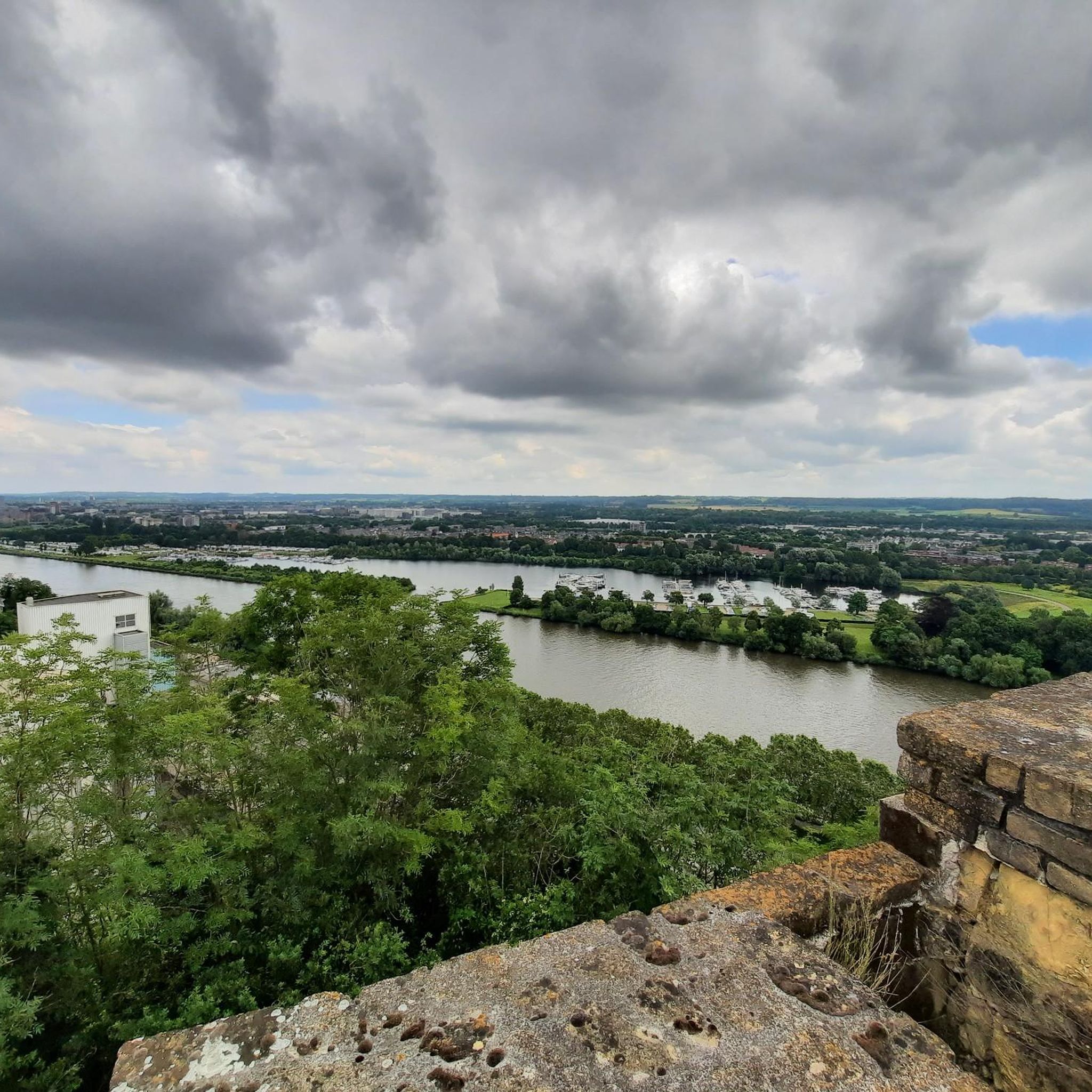
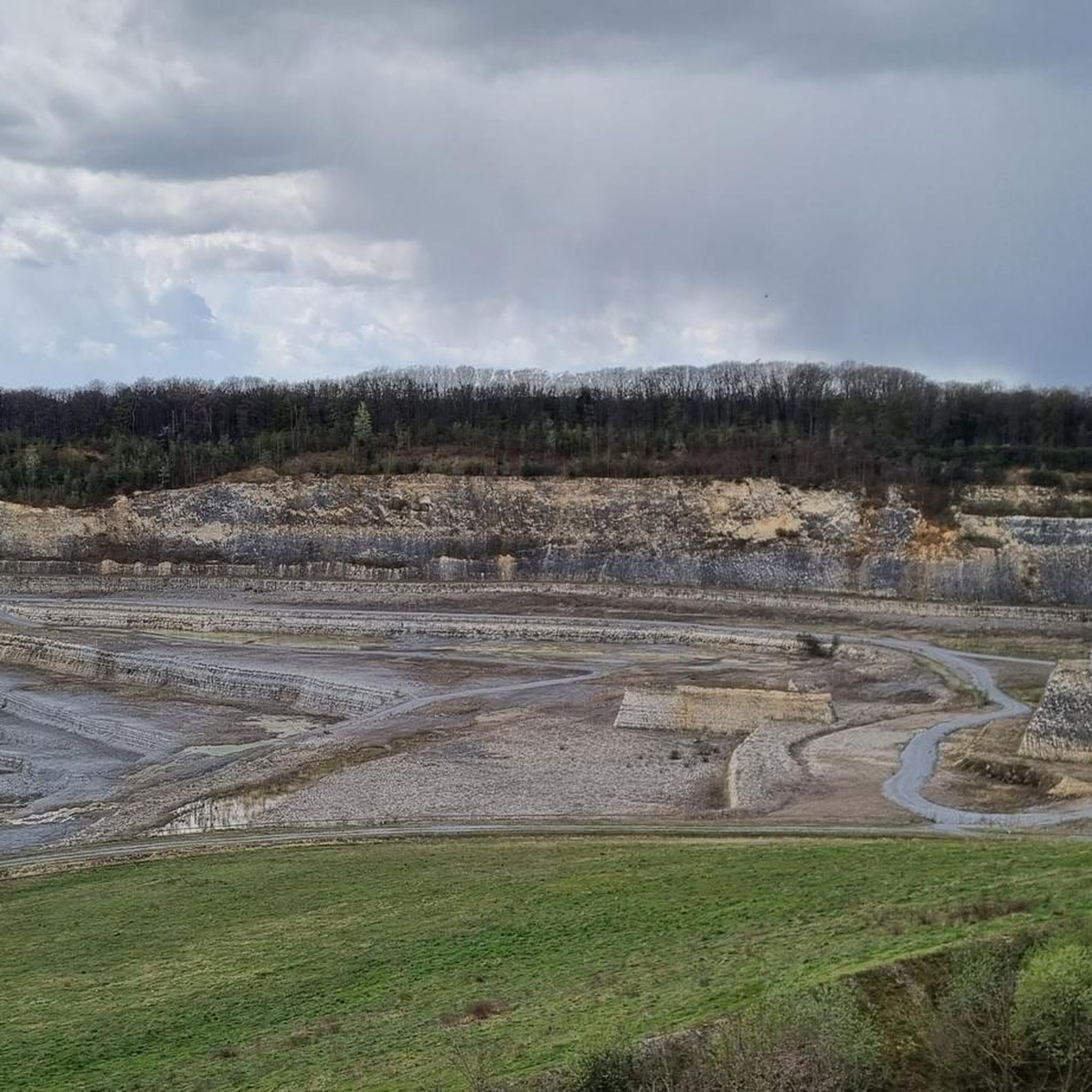
Touring cycling in Sint Pietersberg & Jekerdal offers varied terrain in the south-western part of Limburg, just south of Maastricht. The region is characterized by the prominent Sint Pietersberg hill, the meandering Jeker river valley, and the rewilded ENCI Quarry. These landscapes provide a mix of routes, from riverside paths to trails with notable elevation changes, often crossing into Belgium. Chalk grasslands, forests, and views of the Meuse Valley further define the area's cycling environment.
Best touring cycling routes in Sint Pietersberg & Jekerdal
- The most popular touring cycling route is Kanne Hairpin Road – Vroenhoven Bridge loop from Kanne, a 25.1 miles (40.4 km) trail that takes 2 hours 28 minutes to complete, offering varied terrain and views across the border into Belgium.
- Another top favourite among local touring cyclists is View of Château Neercanne loop from Villapark, a difficult 7.3 miles (11.7 km) path. This route features the historic Château Neercanne and sections through the Cannerbos.
- Local touring cyclists also love the Albert Canal – Albert Canal Towpath at Kanne loop from Kanne, a 13.4 miles (21.6 km) trail leading through the flat Albert Canal towpath, often completed in about 1 hour 28 minutes.
- Touring cycling in Sint Pietersberg & Jekerdal is defined by the Sint Pietersberg hill, the Jekerdal, and the Meuse Valley. The network offers options for easy rides along canals to more challenging routes with significant ascents.
- The routes in Sint Pietersberg & Jekerdal are highly rated by the komoot community with an average score of 4.4 stars from over 3700 reviews. More than 39000 touring cyclists have used komoot to explore Sint Pietersberg & Jekerdal's varied terrain.
Last updated: October 8, 2026
5.0
(1)
49
riders
Hard bike ride. Good fitness required. You may need to push your bike for some segments of this route.
3.2
(5)
38
riders
21.6km
01:27
70m
70m
Easy bike ride. Great for any fitness level. Mostly paved surfaces. Suitable for all skill levels.

4.7
(3)
25
riders
Easy bike ride. Great for any fitness level. Mostly paved surfaces. Suitable for all skill levels.
5.0
(1)
41
riders
11.5km
00:41
40m
40m
Easy bike ride. Great for any fitness level. Mostly paved surfaces. Suitable for all skill levels.
5.0
(2)
36
riders
50.3km
03:12
470m
470m
Hard bike ride. Very good fitness required. Mostly paved surfaces. Suitable for all skill levels.
Get access to more routes and recommendations from other explorers.
Already have an account?
Our route recommendations are based on thousands of hikes, rides, and runs completed by other people on komoot.
Start today with a free account
Your next adventure awaits.
Popular around Sint Pietersberg & Jekerdal
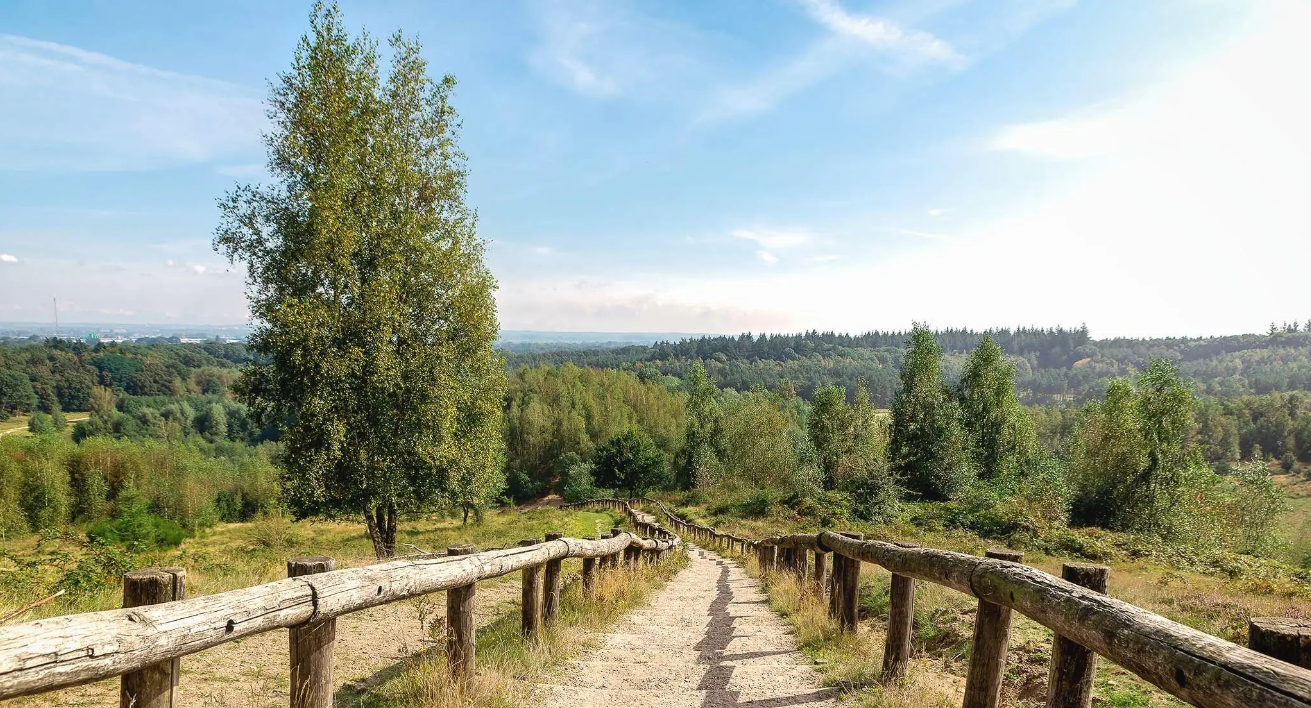
For hill seekers: The best trail runs in the Netherlands
LF-routes
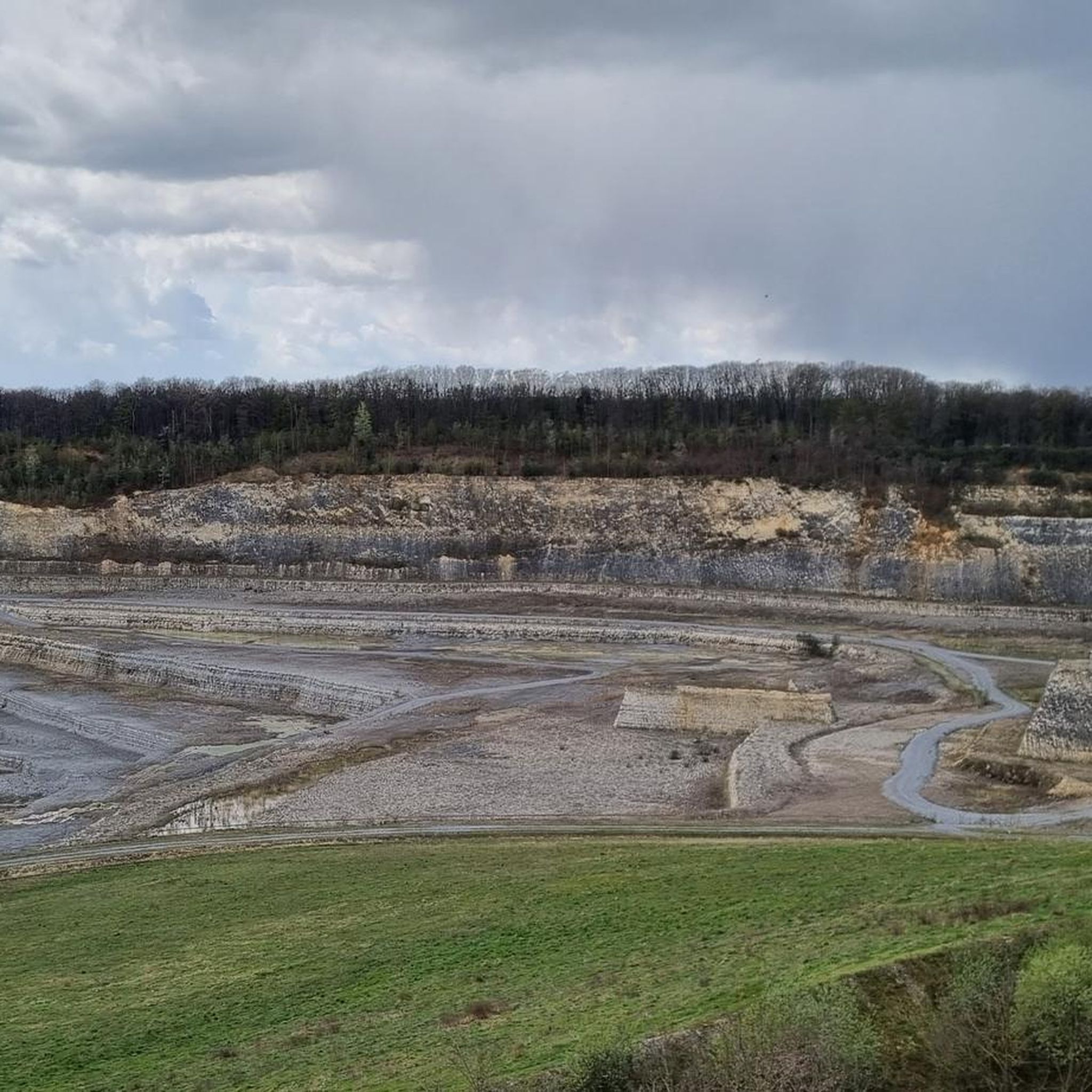
Road Cycling Routes in Sint Pietersberg & Jekerdal
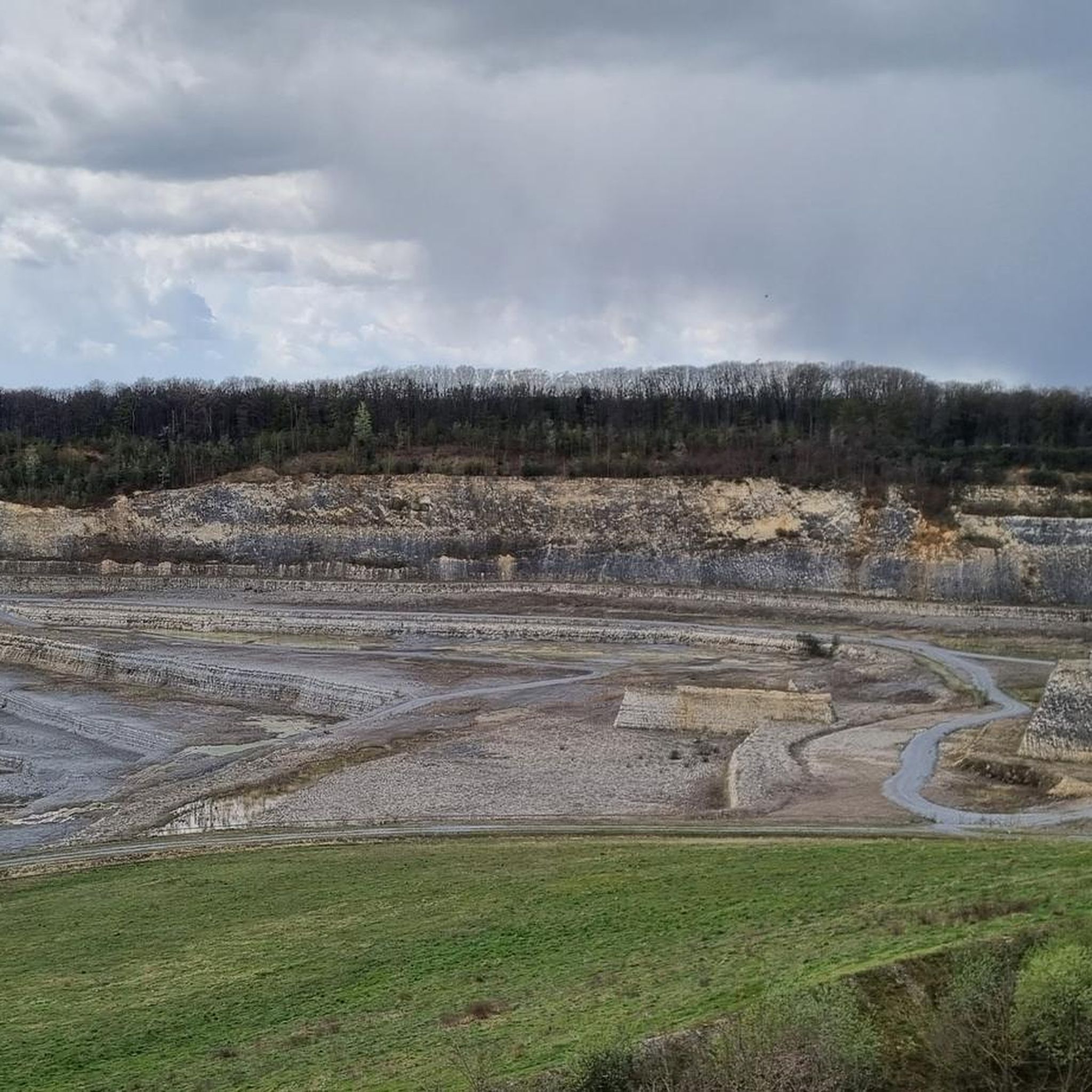
Hiking in Sint Pietersberg & Jekerdal
Running Trails in Sint Pietersberg & Jekerdal
MTB Trails in Sint Pietersberg & Jekerdal
Gravel biking in Sint Pietersberg & Jekerdal

Mountain Hikes in Sint Pietersberg & Jekerdal
Other adventures in Sint Pietersberg & Jekerdal


Tips from the Community

The Provincial House of Limburg on the Maas in Maastricht is the administrative heart of the province and a striking building on the riverbank. The complex, opened in 1985, combines modern architecture with a special location on the water and forms a recognizable part of the Maastricht skyline. In addition to its administrative function, the Provincial House is also a place where Limburg's history, culture, and society come together. Its location on the Maas, with views of the city and the surrounding nature, makes it a special spot along the river route through Maastricht.
1
0
The Sint Servaasbrug is one of Maastricht's most recognizable and historic monuments. This centuries-old stone arch bridge over the Maas River originally dates back to the 13th century and is often considered the oldest surviving bridge in the Netherlands. The bridge has been an important connection between the two banks of the city for centuries and is named after Saint Servatius, the patron saint of Maastricht. With its characteristic arches, stone piers, and views over the Maas, the bridge is a beloved spot for walkers, cyclists, and visitors who want to experience the rich history and atmosphere of Maastricht.
0
0

Along the entire Belgian-Dutch border (458 km), border posts were placed pursuant to the treaty of Maastricht of 8 August 1843. The demarcation of the border begins with border post number 1 at the Drielandenpunt in Vaals and ends with border post number 365 in the Zwin, west of Retranchement in Zeelandic Flanders. The cast-iron posts are provided with black-painted coats of arms of Belgium and the Netherlands in relief, the year 1843 and the post number. Between the cast-iron posts, 356 bluestone auxiliary stones or intermediate stones were also placed. These boundary stones are smaller than the cast-iron posts and are located at places where a country road crosses the border or at equal distance between widely spaced border posts, or where the border makes a corner at a very short distance from each other. Border post 365 was the last post until 1869. Further on towards the North Sea, the border was formed by the Zwin estuary. After the area was diked, border posts 366 to 369 were placed. They bear the year 1869.
3
0
Kasteel Neercanne is the only terraced castle in the Netherlands, built on an artificial terrace against the slope of the Cannerberg. The reconstructed baroque garden is also laid out in terraces. The castle houses a renowned restaurant, Château Neercanne.
3
0
Kasteel Neercanne or Château Neercanne, formerly Kasteel Agimont, is a 17th-century baroque castle in the Jekerdal in the southwest of the Dutch municipality of Maastricht. Neercanne is located on the Cannerweg, just on Dutch territory, close to the Belgian-Limburg village of Kanne. Neercanne is the only terraced castle in the Netherlands, built on a man-made terrace against the slope of the Cannerberg. The reconstructed baroque garden is also laid out in terraces. The castle houses a renowned restaurant, Château Neercanne.
3
0

A nice marketplace with many opportunities for a break.
1
0

Good location in the vicinity
2
0
Frequently Asked Questions
How many touring cycling routes are available in Sint Pietersberg & Jekerdal?
Sint Pietersberg & Jekerdal offers a wide selection of touring cycling routes, with over 640 options available. These routes cater to various skill levels, including 220 easy, 280 moderate, and 140 difficult trails.
What kind of terrain and difficulty levels can I expect for touring cycling in this region?
The region features varied terrain, from easy, flat paths along the Meuse and Albert Canal to more challenging routes with significant ascents and steep slopes, particularly around Sint Pietersberg. You'll find a mix of riverside paths, forest trails, and routes crossing into Belgium. Difficulty ranges from easy to difficult, with options for all abilities.
Are there any circular touring cycling routes in Sint Pietersberg & Jekerdal?
Yes, many routes in the area are circular. For example, the Kanne Hairpin Road – Vroenhoven Bridge loop from Kanne is a popular moderate route that takes you across the border into Belgium. Another option is the easy Albert Canal – Albert Canal Towpath at Kanne loop from Kanne, which follows the flat towpath.
What natural landscapes and features will I encounter while cycling?
You'll experience diverse natural beauty, including the prominent Sint Pietersberg hill with its unique 'kalkflora', the idyllic Jekerdal with vineyards and chalk grasslands, and the rewilded ENCI Quarry, now a distinctive landscape of valleys and plateaus. The region also features forests like the Cannerbos and scenic views of the Meuse Valley.
Are there specific viewpoints or landmarks to look out for on the routes?
Absolutely. You can cycle past historic sites like Fort Sint Pieter and the picturesque Château Neercanne. For panoramic views, consider visiting the ENCI Quarry Viewpoint or the Observant Hill Viewpoint. The View of Château Neercanne loop from Villapark specifically highlights the castle and sections through the Cannerbos.
Can I find family-friendly touring cycling routes in Sint Pietersberg & Jekerdal?
Yes, there are many easy routes suitable for families. The flat paths along the Albert Canal, such as the Maas–Juliana Canal Sluice – Saint Servatius Bridge loop from Maastricht, offer a relaxed cycling experience. The Jekerdal also provides gentle routes through vineyards and along the river, perfect for a family outing.
Are there any routes that explore the unique underground caves or former quarries?
While cycling directly through the underground marl caves is not typically part of touring routes, you can cycle around and to the entrances of these fascinating sites. The ENCI Quarry itself is a significant natural monument with distinct valleys and plateaus, offering unique cycling experiences around its rewilded landscape. You can also find highlights like Castle cave and Wijngaardgroeve (Devil's Cave) nearby.
What do other touring cyclists say about the routes in Sint Pietersberg & Jekerdal?
The touring cycling routes in Sint Pietersberg & Jekerdal are highly regarded by the komoot community, holding an average rating of 4.4 stars from over 3,700 reviews. More than 39,000 touring cyclists have explored the region using komoot, often praising the varied terrain, scenic views, and the blend of natural and historical attractions.
Is it possible to access the cycling routes using public transport?
Maastricht serves as a convenient hub for accessing the region, with good public transport connections. From Maastricht, you can easily reach various starting points for the cycling routes in Sint Pietersberg & Jekerdal, often allowing you to start your tour directly from the city or a short bus ride away.
What is the best time of year to go touring cycling in Sint Pietersberg & Jekerdal?
The region is enjoyable for touring cycling throughout much of the year. Spring and autumn offer pleasant temperatures and beautiful scenery, with blooming flowers in spring and vibrant foliage in autumn. Summer is also popular, though it can be warmer. Even in winter, some routes are accessible, especially the flatter sections, but always check local conditions.
Are there any routes that cross the border into Belgium?
Yes, many touring cycling routes in Sint Pietersberg & Jekerdal extend across the border into Belgium, offering diverse experiences. The Kanne Hairpin Road – Vroenhoven Bridge loop from Kanne is a prime example, providing varied terrain and views as you cycle between the two countries.
What kind of wildlife might I spot while cycling in the area?
The diverse habitats of Sint Pietersberg & Jekerdal support a variety of wildlife. In the chalk grasslands, you might see rare plants and numerous butterfly species. The rewilded ENCI Quarry is known for unique species like the Eurasian eagle-owl (oehoe), and the marl caves are significant wintering grounds for various bat species.
Most popular routes in Sint Pietersberg & Jekerdal
Most popular attractions in Sint Pietersberg & Jekerdal

Get inspired with the komoot mobile app


Explore more
Browse the best Cycling routes in other regions.
