Top 6 Lakes in Dijlevallei Tussen Mechelen En Rijmenam
Best lakes in Dijlevallei Tussen Mechelen En Rijmenam are situated within a picturesque region of Belgium, characterized by an extensive river landscape along the Dijle. This area features a variety of environments, including forests, meadows, and marshlands. The region offers natural beauty and recreational opportunities, with many routes predominantly following unpaved paths. It is known for its diverse vegetation and serves as a habitat for various wildlife.
Best lakes in Dijlevallei Tussen Mechelen En Rijmenam
- The most popular lakes is Nekkerspoel Pond, a lake that was created by sand extraction. This large pond is a habitat for water birds.
- Another must-see spot is Mispeldonk Nature Reserve, a natural area with varied ecosystems. It features poor grasslands, hay meadows, moist deciduous forests, and restored heathland areas.
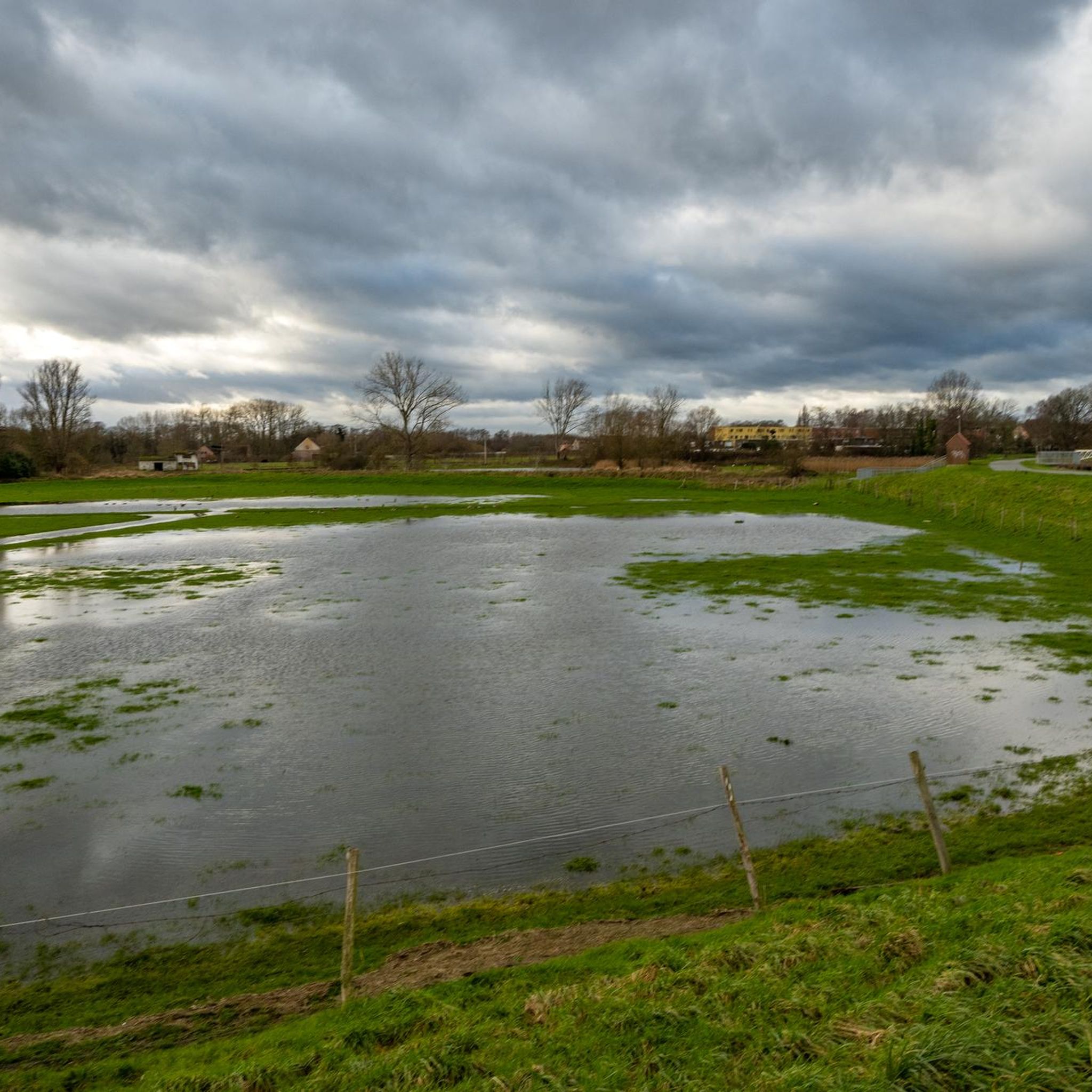
- Visitors also love Mechels Broek – View of Nekker Lake and Grazing Cows, a viewpoint offering views of Nekker Lake and grazing cattle. This area is part of a larger nature reserve.
- Dijlevallei Tussen Mechelen En Rijmenam is known for its natural lakes, fishing ponds, and wetland areas. Visitors can explore diverse aquatic environments and their surrounding landscapes.
- The lakes in Dijlevallei Tussen Mechelen En Rijmenam are appreciated by the komoot community, with more than 190 upvotes and 38 photos shared across 4 highlights.
Last updated: July 8, 2026
Mispeldonk Nature Reserve
Highlight • Natural
Source: natuurpunt.be/agenda/natuurwandeling-mispeldonk-bonheiden-28582
Translated by Google •
Tip by

Nekkerspoel Pond
Highlight • Lake
Translated by Google •
Tip by

Sign up now to discover places like this
Get recommendations on the best single tracks, peaks, & plenty of other exciting outdoor places.
Sign up for free
Ons Genoegen Fishing Pond
Highlight • Lake
The height or weight does not matter, together on the side 'that's fun'.
Translated by Google •
Tip by
Mechels Broek – View of Nekker Lake and Grazing Cows
Highlight • Viewpoint
Tip by

Start today with a free account
Your next adventure awaits.
Login or Signup
Popular around Dijlevallei Tussen Mechelen En Rijmenam
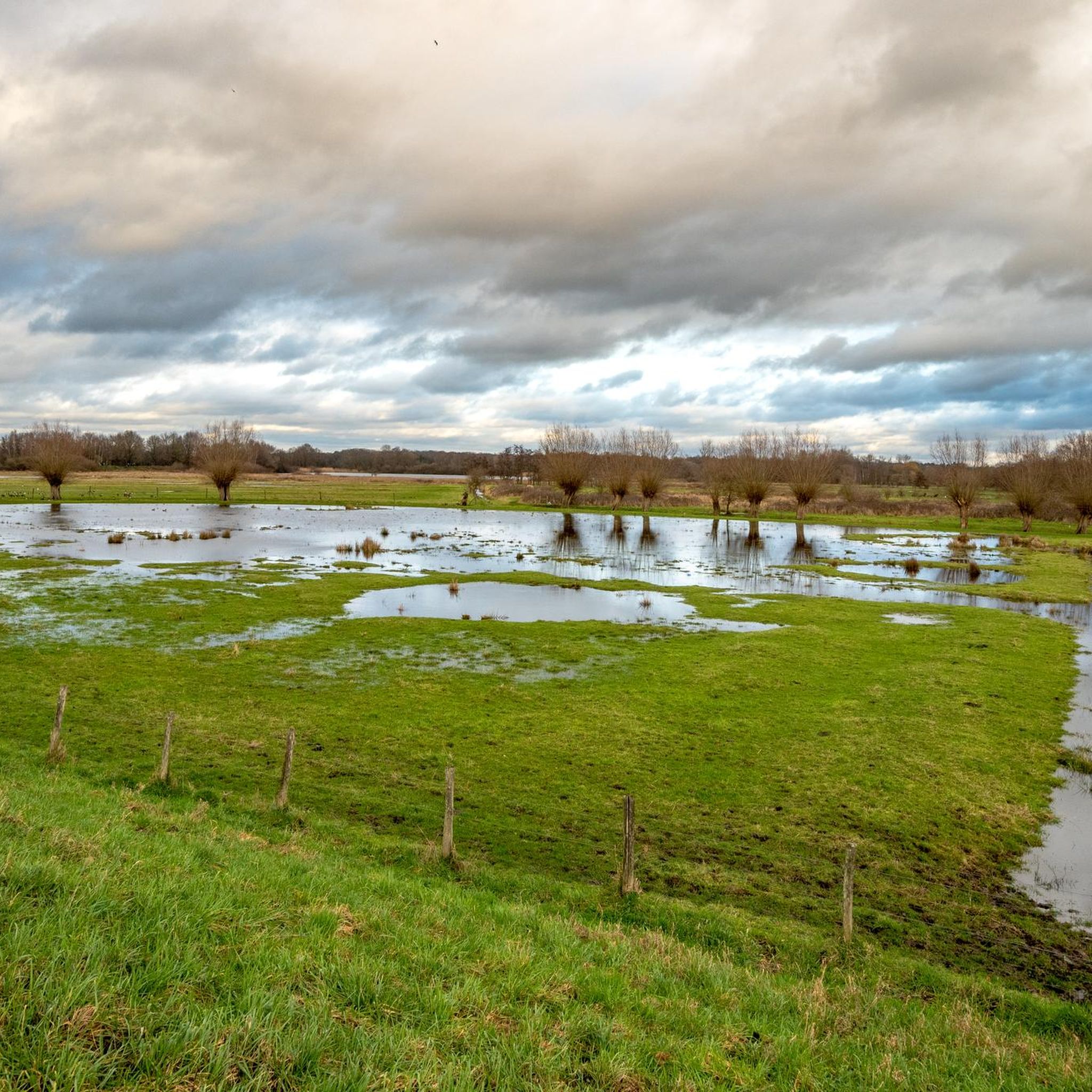
Road Cycling Routes in Dijlevallei Tussen Mechelen En Rijmenam
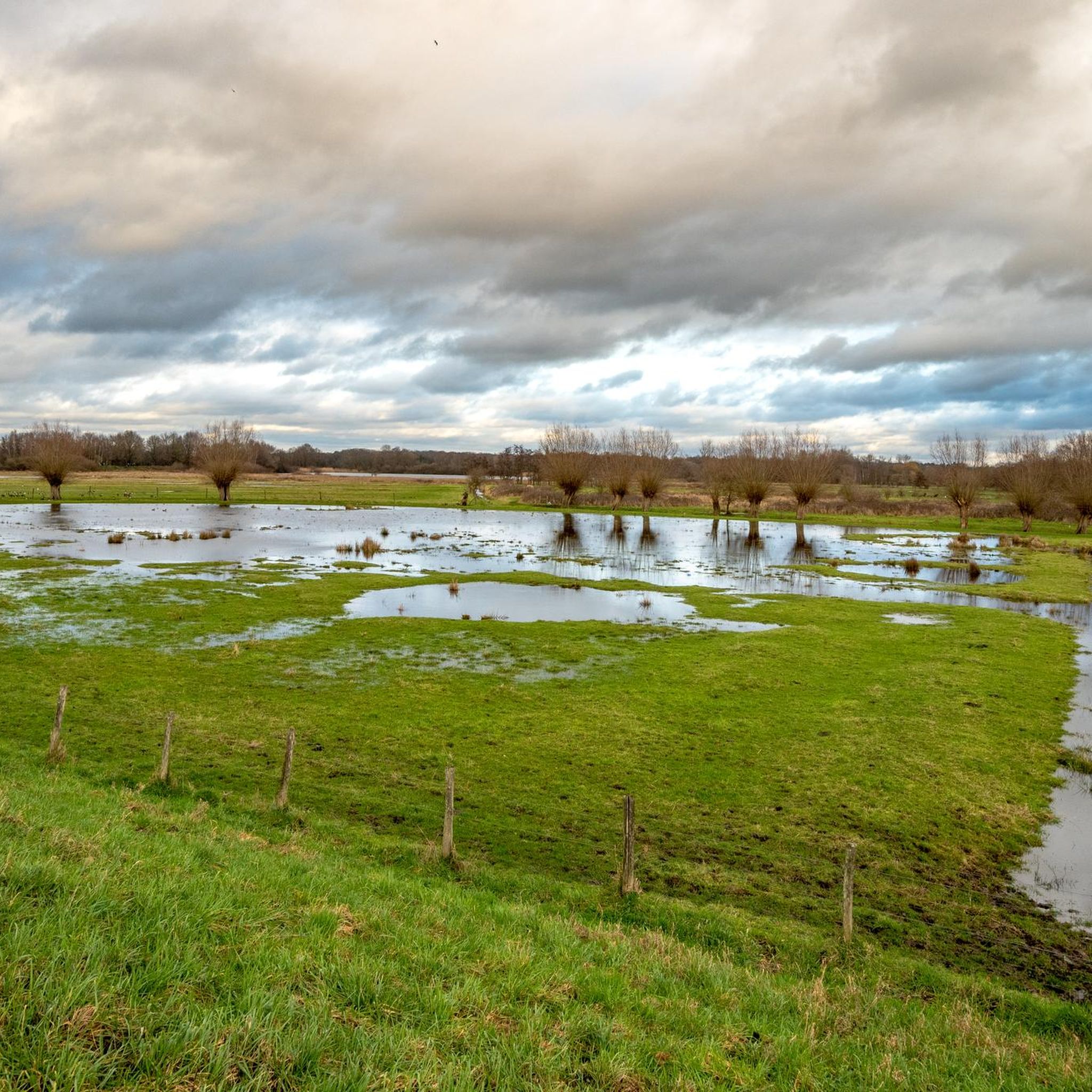
Hiking in Dijlevallei Tussen Mechelen En Rijmenam
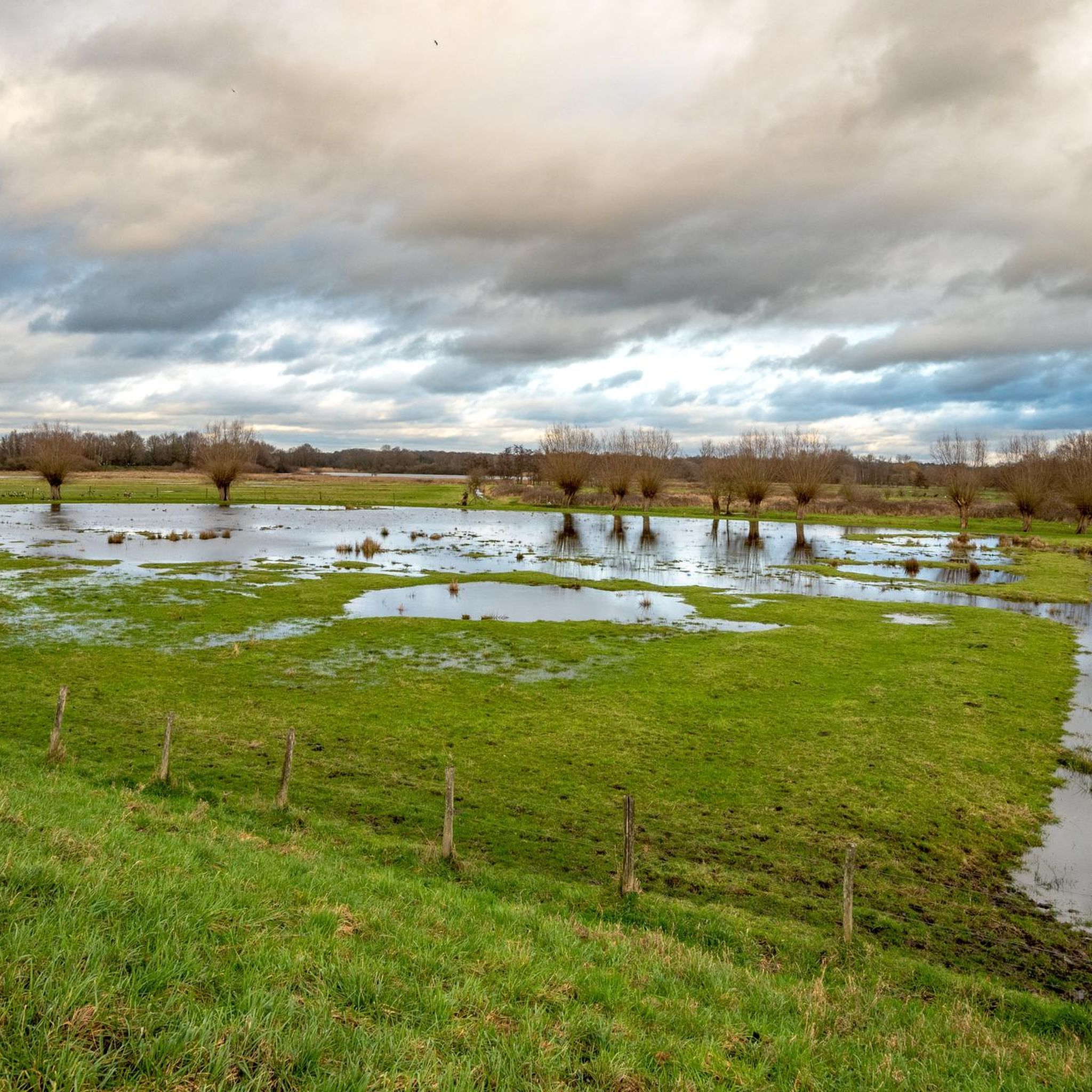
Cycling in Dijlevallei Tussen Mechelen En Rijmenam
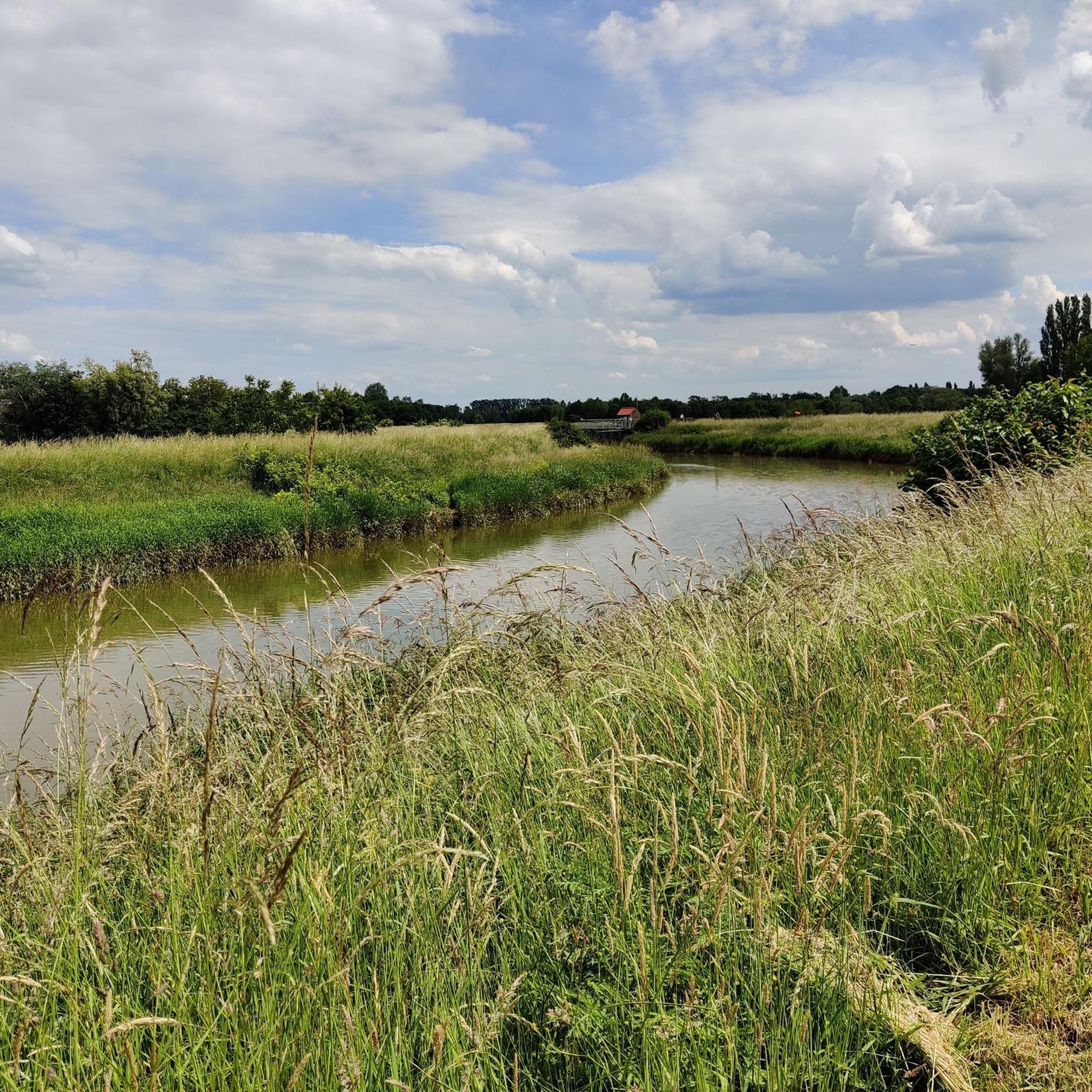
MTB Trails in Dijlevallei Tussen Mechelen En Rijmenam
Running Trails in Dijlevallei Tussen Mechelen En Rijmenam

Gravel biking in Dijlevallei Tussen Mechelen En Rijmenam
Tips from the Community


Mispeldonk Nature Reserve is a beautiful and valuable nature reserve in Bonheiden, located in the province of Antwerp. The area is known for its unique ecosystems, rich biodiversity and the natural beauty of the landscape. Here are some key points about Mispeldonk: Location and Size Mispeldonk is located between Bonheiden and the nearby municipality of Rijmenam, along the banks of the Dijle. The area is part of the larger Dijle landscape, which is known for its wet meadows, meandering waterways and rich flora and fauna. Mispeldonk covers approximately 50 hectares and consists of a mix of marshlands, meadows, forests and ponds. Ecological Importance Mispeldonk is a protected nature reserve because of its special ecological value. The area has a typical structure of a flood plain of the Dijle, which makes it an important habitat for many plant and animal species: • Flora: Various rare and protected plant species grow in the area, such as marsh marigolds, cuckoo flowers and water violets. The wet grasslands and marshes provide unique vegetation that is less common elsewhere in the region. • Fauna: Mispeldonk is an important habitat for birds such as the bluethroat, water rail and reed warbler. Amphibians such as the crested newt and the green frog can also be found there. Furthermore, the area is rich in insects, including butterflies and dragonflies, that thrive in the moist environment. Water management The nature reserve plays an important role in local water management. It is located in a flood-prone area along the Dijle and functions as a natural buffer against flooding. In the event of high water levels, the area can collect water and thus help prevent flooding in nearby villages. The nature reserve contributes to the preservation of water quality by filtering and purifying the water through natural processes. Recreation and Experience Mispeldonk is a popular place for nature lovers and hikers. The area is accessible via various hiking trails that lead through the meadows and forests. There are signposted routes that give walkers the chance to explore the diversity of the landscape and enjoy the peace and quiet of nature. Birdwatchers enjoy visiting the area because of the variety of bird species that can be seen, especially during the breeding season and the migratory bird periods. Management and Protection The nature reserve is managed by Natuurpunt, a Belgian organisation that is committed to nature conservation. Natuurpunt carries out management work to protect biodiversity and maintain the landscape. This includes mowing grasslands, removing invasive plant species and maintaining the walking paths. There is collaboration with local farmers for nature-friendly agriculture, whereby meadows are extensively grazed or mowed, so that they remain suitable for meadow birds and rare plants.
7
1

Beautiful walking area in nature
3
0

The large pond is said to have been created by sand extraction for the construction of the E19 and is a true paradise for thousands of water birds.
5
0

The Mispeldonk nature reserve originated, as the name suggests, on a higher area (donk) within a former meander of the Dijle. The residents of the historic Mispeldonk farm, which was already mentioned as a fief in the 14th century, were confronted with the former course of the river during wet winters. The original heathland on the donk and the sandy valley edges had been lost. Thanks to targeted nature management, heather is now growing again and insects that are tied to sandy soil have also found their way: bee and wasp species, sand tiger beetles. The hedge edges with, among other things, blackthorn are also striking. The Boeimeerbeek, the common thread through the area, is the habitat for the kingfisher. The grasslands are a paradise for butterflies and grasshoppers... Source: https://www.natuurpunt.be/agenda/natuurwandeling-mispeldonk-bonheiden-28582
10
0

early morning: very quiet, beautiful sunrise, awakening of the birds
4
1
This is where you will pass if you follow the A.S.Adventure path. With binoculars you can spot the birds better
9
1

Frequently Asked Questions
What natural features can I expect to see around the lakes in Dijlevallei Tussen Mechelen En Rijmenam?
The Dijlevallei is characterized by an extensive river landscape along the Dijle, featuring a rich variety of environments including forests, meadows, and marshlands. You can explore diverse aquatic environments and their surrounding landscapes. For instance, Mispeldonk Nature Reserve offers varied ecosystems with poor grasslands, hay meadows, moist deciduous forests, and restored heathland areas.
Are there good viewpoints to observe the lakes and surrounding nature?
Yes, the region offers several spots for scenic views. A popular one is Mechels Broek – View of Nekker Lake and Grazing Cows, which provides lovely views of Nekker Lake and grazing cattle. The area around Nekkerspoel Pond is also excellent for bird spotting.
What kind of wildlife can be observed near the lakes in this region?
The wetlands and nature reserves around the lakes are rich in wildlife. At Mechels Broek, which includes the Vijver van Nekkerspoel, you can observe various waterbirds such as bluethroats, reed warblers, garganey in spring, and ospreys and harriers in autumn. The area is also home to green frogs, alpine newts, and smooth newts. Mispeldonk Nature Reserve is known for its kingfishers, butterflies, and grasshoppers.
Are there family-friendly activities or lakes suitable for families?
Yes, several areas are suitable for families. Ons Genoegen Fishing Pond is a family-friendly spot, particularly for those interested in fishing. Vrijbroek Park in Mechelen, which features a lake, also offers a variety of recreational facilities and walking paths suitable for families.
What outdoor activities can I do near these lakes?
The region is ideal for various outdoor activities. You can enjoy walking and cycling paths around lakes like Eglegem Lake. For more structured activities, there are numerous routes for gravel biking, running, and road cycling. You can find detailed routes in the Gravel Biking Guide, Running Trails Guide, and Road Cycling Routes Guide for Dijlevallei Tussen Mechelen En Rijmenam.
Are there hiking or walking trails around the lakes?
Yes, the Dijlevallei offers many walking opportunities. Eglegem Lake has an approximately 3-kilometer walk around it. The Mechels Broek nature reserve, which includes the Vijver van Nekkerspoel, features a popular walking route called the 'Natuurreservaat Mechels Broek – Vijver van Nekkerspoel rondtocht'. Many routes in the area predominantly follow unpaved paths, making them ideal for experiencing the diverse vegetation.
What is the best time to visit the lakes in Dijlevallei Tussen Mechelen En Rijmenam?
The region offers beauty throughout the year, but spring and autumn are particularly rewarding for wildlife observation. In spring, you can spot various waterbirds like bluethroats and reed warblers, while autumn brings ospreys and harriers. The diverse vegetation is also vibrant during these seasons.
Is there public transport access to the lakes?
While specific public transport routes to each lake are not detailed, the region is generally accessible. Mechelen is a central point, and from there, local buses or cycling routes can often lead to the natural areas and lakes within the Dijlevallei.
Are there any cafes or places to eat near the lakes?
The region around Mechelen and Rijmenam offers various amenities. While specific cafes directly at every lake are not mentioned, you can find cafes and pubs in the nearby towns and villages, such as Mechelen, which are easily accessible from the lake areas.
What do visitors enjoy most about the lakes in Dijlevallei Tussen Mechelen En Rijmenam?
Visitors appreciate the natural beauty and tranquility of the region. The diverse ecosystems, opportunities for birdwatching, and the extensive network of walking and cycling paths are highly valued. The presence of grazing Galloway cattle at Mechels Broek and the serene escape offered by Eglegem Lake are also popular aspects.
Can I go wild swimming in any of the lakes?
While some lakes like Eglegem Lake are popular for activities like sailing and windsurfing, the region research does not explicitly mention designated wild swimming spots. It's advisable to check local regulations and safety guidelines before attempting to swim in natural waters.
Are the paths around the lakes generally accessible?
Many routes in the Dijlevallei predominantly follow unpaved paths, which might vary in accessibility depending on weather conditions. However, areas like Vrijbroek Park offer well-maintained walking paths. For specific accessibility needs, it's recommended to check the details of individual routes or parks.
Most popular routes in Dijlevallei Tussen Mechelen En Rijmenam
Most popular attractions in Dijlevallei Tussen Mechelen En Rijmenam

Get inspired with the komoot mobile app


Explore more
Still not found your perfect lake in Dijlevallei Tussen Mechelen En Rijmenam? Check out the guides of these regions to see even more beautiful places.
