Top 8 Castles in Parc Naturel Des Plaines De L’Escaut
Castles in Parc Naturel Des Plaines De L’Escaut are found within a natural park spanning seven communes in Wallonia, Belgium. This region offers a diverse landscape of forests, wetlands, and agricultural areas, providing a setting for various historical sites. The park is known for its mix of grand estates and medieval ruins, each contributing to the area's rich past. Visitors can explore these historical structures, often situated along walking and cycling trails.
Best castles in Parc Naturel Des Plaines De…
Last updated: October 11, 2026
Château de Beloeil
Highlight • Castle
/! \ the domain is not cyclable
more details on: chateaudebeloeil.com/chateau-de-beloeil-le-versailles-belge
(source …
Translated by Google •
Tip by

Templeuve Castle
Highlight • Castle
In 1278, Guillaume de Mortagne received the lordship of Rumez, which is now a hamlet within …
Translated by Google •
Tip by

Sign up now to discover places like this
Get recommendations on the best single tracks, peaks, & plenty of other exciting outdoor places.
Antoing Castle
Highlight • Castle
Translated by Google •
Tip by

Château de Bruyelle
Highlight • Castle
Translated by Google •
Tip by

Ruins of Vaulx Medieval Castle
Highlight • Castle
Translated by Google •
Tip by

Sign up for free to discover even more castles in Parc Naturel Des Plaines De L’Escaut.
Already have an account?
Start today with a free account
Your next adventure awaits.
Popular around Parc Naturel Des Plaines De L’Escaut
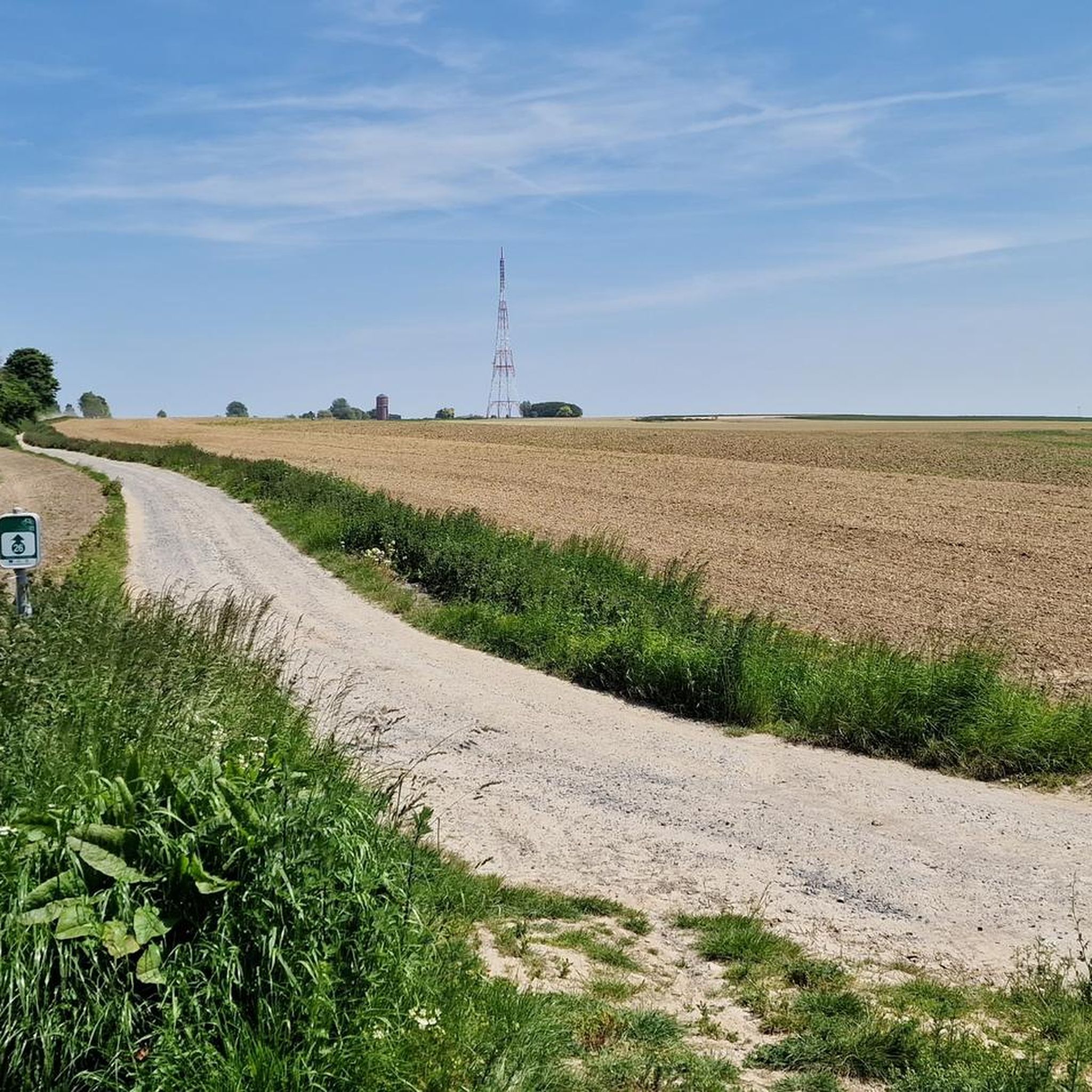
Hiking in Parc Naturel Des Plaines De L’Escaut
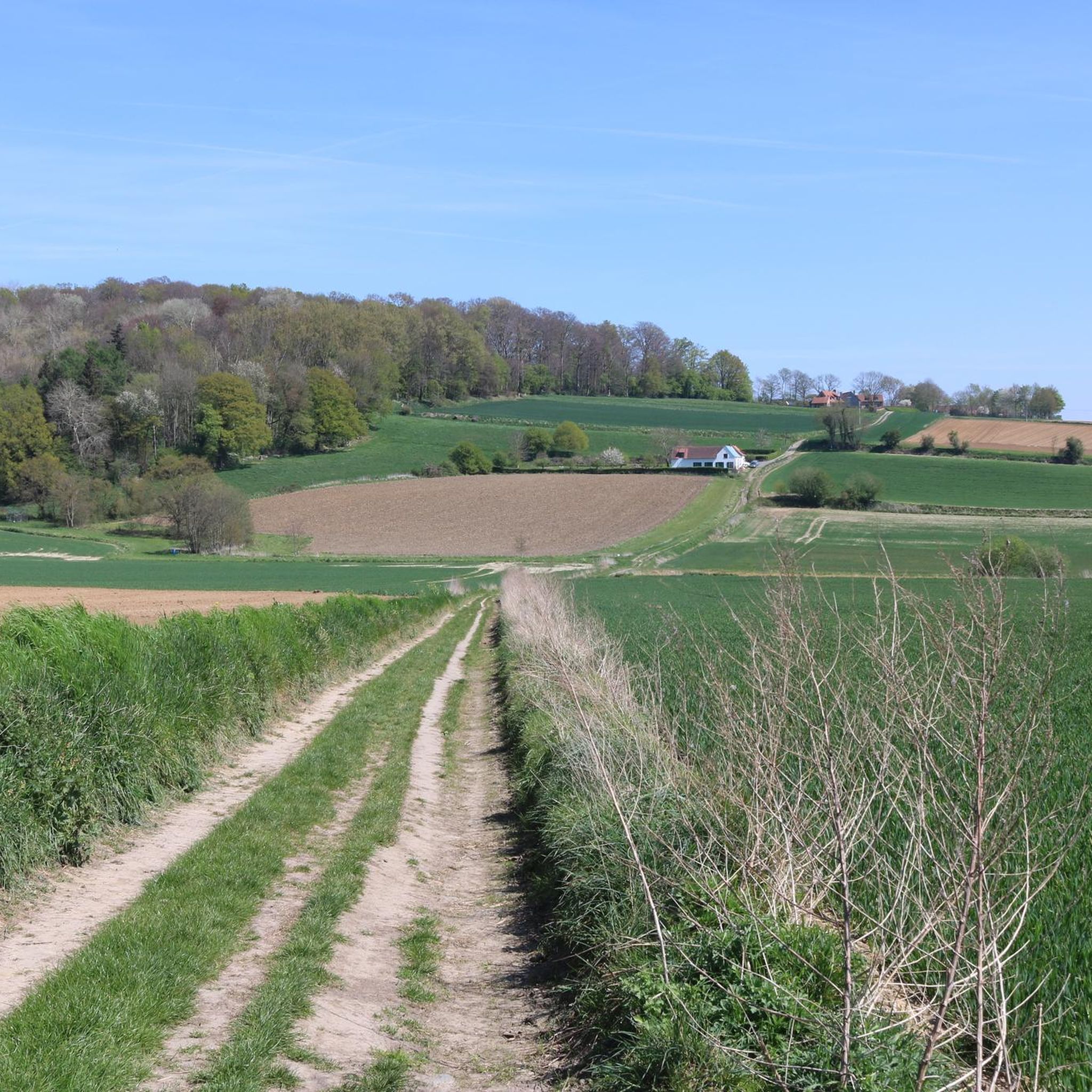
Running Trails in Parc Naturel Des Plaines De L’Escaut
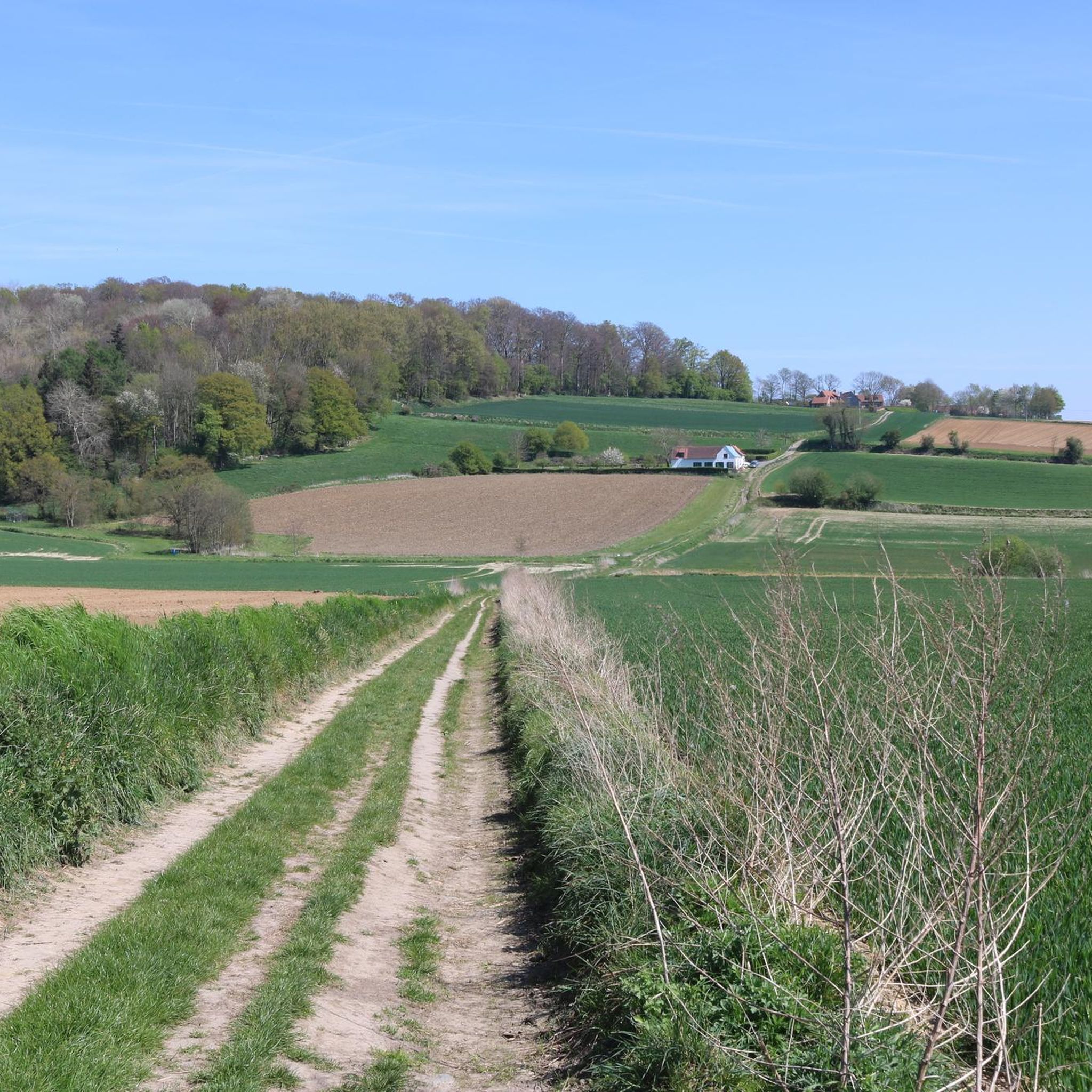
MTB Trails in Parc Naturel Des Plaines De L’Escaut
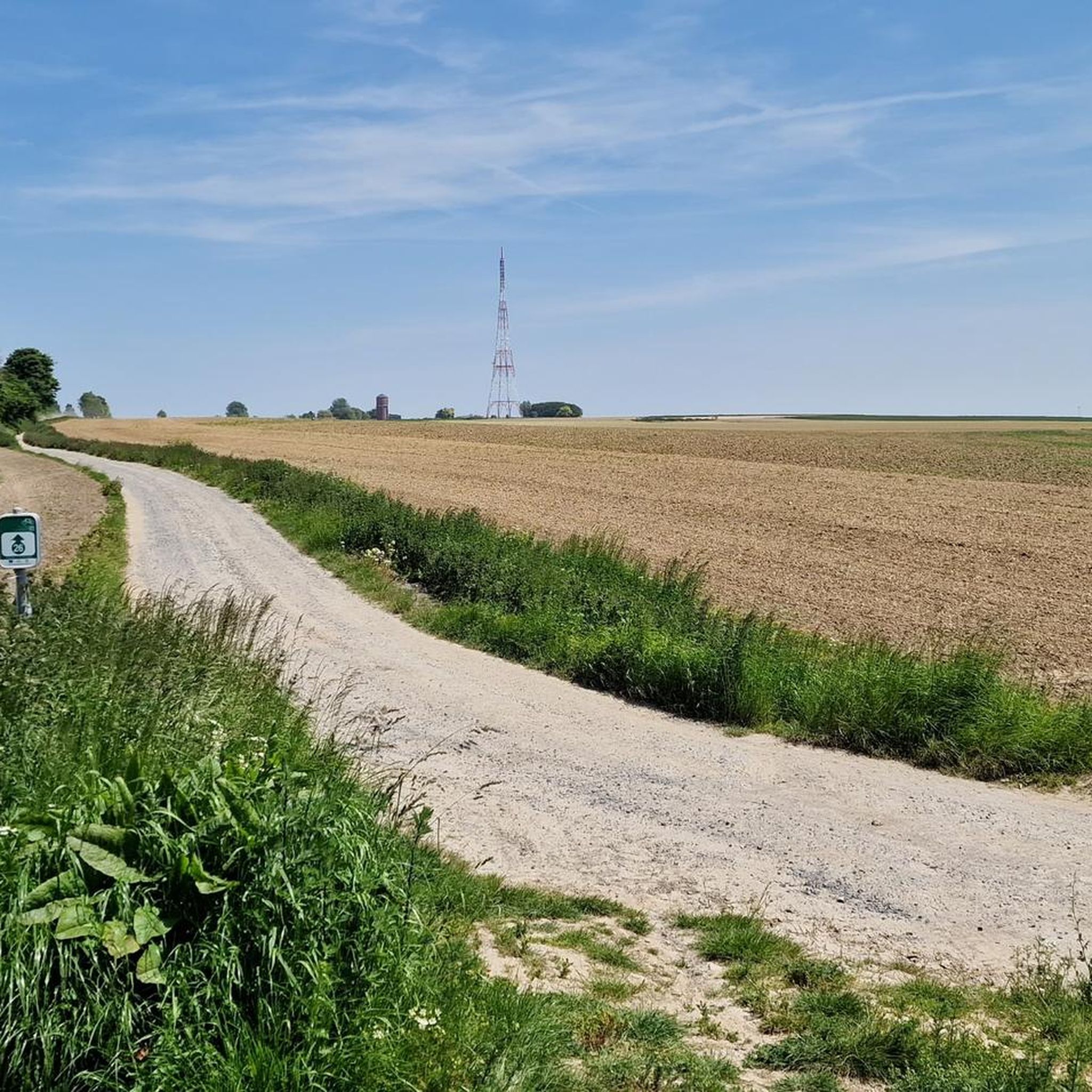
Cycling in Parc Naturel Des Plaines De L’Escaut
Road Cycling Routes in Parc Naturel Des Plaines De L’Escaut

Gravel biking in Parc Naturel Des Plaines De L’Escaut
Tips from the Community

Today, the Camille Depinoy municipal school is partly housed in the castle (park).
3
0
The lordship of Templeuve is already mentioned at the end of the 13th century. In 1278, Guillaume de Mortagne received the lordship of Rumez, which is now a hamlet within the municipality. Guillaume was also lord of Dossemer, near Templeuve. It is assumed that he also received the lordship of Templeuve from there. In any case, his son, Guillaume II, gave it to his wife as a dowry in the early 14th century. Dossemer and Templeuve remained in the hands of the Mortagne family until the end of the 14th century. This family presumably gradually expanded the manor, thus laying the foundation for the first fortified castle in Templeuve-en-Dossimer. In 1414, only Templeuve came into the possession of the du Quesnoy family. The Blondel and finally the Lannoy families followed. Around 1500, the castle likely became a manor house and a farm. The evolution of military weapons led the lords to demolish the old, cumbersome fortress and replace it with a lavish and modern residence. Out of respect for feudal traditions, which would continue for another two centuries, the moat was preserved, but the drawbridge was replaced by a permanent stone bridge. Originally, moats ran along all sides of the castle. The moat surrounding the castle on the east side was removed in 1845 by Victor de Formanoir de la Cazerie. The towers, a privilege of the noble lord, are preserved more as decoration than as a means of defense, as is the quadrangular shape, which was once dictated by military necessity. In short, its appearance as a 'castle' or 'fort' is more defined by tradition and grandeur than by military function. Source: Wikipedia
3
0

The Castle of Templeuve, also known as the Formanoir de la Cazerie Castle, is an old feudal castle in Flemish Gothic style in Templeuve in the province of Hainaut. From 1290, Guillaume de Mortagne built a fortified house with a tower there. In 1606, Nicolas II De Cambe (of Ghent) renovated parts of the castle. From 1728, the Demaizières family further modernized the castle.
1
0

The oldest fountain in Beloeil dates from 1824. Neo-classical style. At the top of the pillar, a cartouche bears the following inscription: "Princeps Henricus Oriens Populo Elargitur Unsam XVIMA octobris". This means that the pump was opened to the public on the occasion of the birth of Prince Henri de Ligne on October 16, 1824.
1
0

The Versailles of the Borinage. Beautiful Castle that could use a scaffolding refresh - or is that part of its charm?
2
0

Chateau d'Hollain/de Bruyelle: This castle was built by Phillippe des Enffans in 1760, on the site where a fortress had already stood in the 14th century; the estate still belongs to the du Chastel family. The castle was finished in 1786. The style of this castle is very pronounced Louis XV, both outside and more than certainly inside.
0
0

very nice passage along the Scheldt whatever the side of the bank despite certain passage where the coating is in very poor condition
2
0
superb castle and very nice cobbled climb, it feels like another time
0
0
Frequently Asked Questions
What are some of the most notable castles to visit in Parc Naturel Des Plaines De L’Escaut?
The region offers a mix of grand estates and historical ruins. Among the most notable are Beloeil Castle, often called the "Belgian Versailles" for its grandeur and extensive gardens, and Antoing Castle, a significant medieval structure rebuilt in the Gothic Revival style. For a glimpse into the medieval past, the Ruins of Vaulx Medieval Castle offer a different historical perspective.
Are there family-friendly castles in Parc Naturel Des Plaines De L’Escaut?
Yes, several castles in the region are considered family-friendly. Beloeil Castle and Templeuve Castle are both categorized as suitable for families, offering historical exploration in engaging settings. The spacious grounds of places like Château de Beloeil can be enjoyable for children.
What unique features can I expect to see at the castles in this region?
The castles offer diverse features. Château de Beloeil boasts spectacular gardens with water features, a rich library of 20,000 books, and exquisite 17th and 18th-century furniture. Templeuve Castle, while having evolved from a fortified structure, retains its moats and towers, showcasing a blend of tradition and grandeur. The Ruins of Vaulx Medieval Castle provide a historical landscape rather than an intact structure, offering a different kind of experience.
What outdoor activities can I do near the castles in Parc Naturel Des Plaines De L’Escaut?
The natural park offers numerous opportunities for outdoor activities. You can find various routes for gravel biking, road cycling, and easy hikes. For example, there are several easy hiking trails like the Grand Large Loop or the Avenue de l'Hermitage Circuit. You can explore more options on the Easy hikes in Parc Naturel Des Plaines De L’Escaut guide, the Gravel biking in Parc Naturel Des Plaines De L’Escaut guide, or the Road Cycling Routes in Parc Naturel Des Plaines De L’Escaut guide.
Are there hiking trails near the castles?
Yes, the Parc Naturel des Plaines de l'Escaut features many walking and cycling trails that often lead past historical sites and through diverse landscapes. For instance, the Bon-Secours forest, home to Château de l'Hermitage, offers beautiful avenues for walks. You can find detailed routes in the Easy hikes in Parc Naturel Des Plaines De L’Escaut guide.
What is the best season to visit the castles in Parc Naturel Des Plaines De L’Escaut?
While specific opening times vary, the spring and summer months (April to September) are generally ideal for visiting, as the gardens are in full bloom and the weather is pleasant for exploring the castle grounds and nearby outdoor trails. Some castles, like Beloeil Castle, have specific seasonal opening periods, so it's always best to check their official websites for current schedules.
Are dogs allowed at the castles or on nearby walks?
Rules vary by specific location. For example, at Beloeil Castle, dogs are generally allowed in the park but not inside the castle itself. Many of the surrounding natural trails and forest paths are suitable for dog walking, but always check local signage or specific castle policies before your visit.
Are there parking facilities available at the castles?
Yes, some castles, such as Beloeil Castle, offer parking facilities for visitors. It's advisable to check the specific castle's website or visitor information for details on parking availability and any associated fees before your trip.
How much time should I allocate for visiting a castle?
The time needed can vary depending on the castle and your interest. For a grand estate like Beloeil Castle, with its extensive gardens and interior collections, you might want to allocate 2-4 hours. For smaller sites or ruins like the Ruins of Vaulx Medieval Castle, an hour or less might suffice, especially if combined with a walk along the Scheldt river.
What do visitors enjoy most about the castles in Parc Naturel Des Plaines De L’Escaut?
Visitors frequently praise the historical significance and architectural beauty of the castles. The magnificent gardens and perspectives on water bodies at Château de Beloeil are often highlighted. The unique experience of exploring medieval ruins, like those at Vaulx, and the opportunity to combine castle visits with walks through the scenic natural park are also highly valued.
Are there any less crowded castles to visit in the region?
While Beloeil Castle and Antoing Castle are popular, smaller or less extensively featured sites like Templeuve Castle or the Ruins of Vaulx Medieval Castle might offer a quieter experience, especially during off-peak hours or seasons. The Château de l'Hermitage, located within the Bon-Secours forest, also offers guided tours by appointment, which can provide a more intimate visit.
Can I visit the castles using public transport?
The Parc Naturel des Plaines de l'Escaut encompasses several communes, and while some towns with castles might be accessible by public transport (like buses or regional trains), direct access to every castle entrance might be limited. For detailed public transport information to specific castle locations, it's recommended to consult local transport schedules or the visitor center at the Maison du Parc naturel in Péruwelz.
Most popular routes in Parc Naturel Des Plaines De L’Escaut
Most popular attractions in Parc Naturel Des Plaines De L’Escaut

Get inspired with the komoot mobile app


Explore more
Looking for the best castles somewhere else? Discover other guides in Parc Naturel Des Plaines De L’Escaut:
