Top 2 Castles in Naturpark Westhavelland
Best castles in Naturpark Westhavelland are primarily historical manor houses and estates, offering insight into the region's past. This area, known for its expansive natural landscapes and dark sky park status, features architectural styles ranging from Neo-Baroque to Baroque and Neo-Gothic. These sites provide a blend of cultural heritage and natural surroundings, often including parks and gardens. Visitors can explore these historical buildings, which sometimes house museums, restaurants, or event spaces.
Best castles in Naturpark Westhavelland
- The most popular castles…
Last updated: July 8, 2026
Lötze Castle
Highlight • Castle
Translated by Google •
Tip by

Lohm Castle
Highlight • Castle
Translated by Google •
Tip by

Sign up now to discover places like this
Get recommendations on the best single tracks, peaks, & plenty of other exciting outdoor places.
Sign up for free
Spiegelberg Castle
Highlight • Castle
Translated by Google •
Tip by

Start today with a free account
Your next adventure awaits.
Login or Signup
Popular around Naturpark Westhavelland
Tour Brandenburg – Cycle around Berlin in 18 stages
The Havel Cycle Path – in 6 stages from its source to its mouth
Altmark round-trip in Saxony-Anhalt
Europe’s Seasonal Birding Hotspots
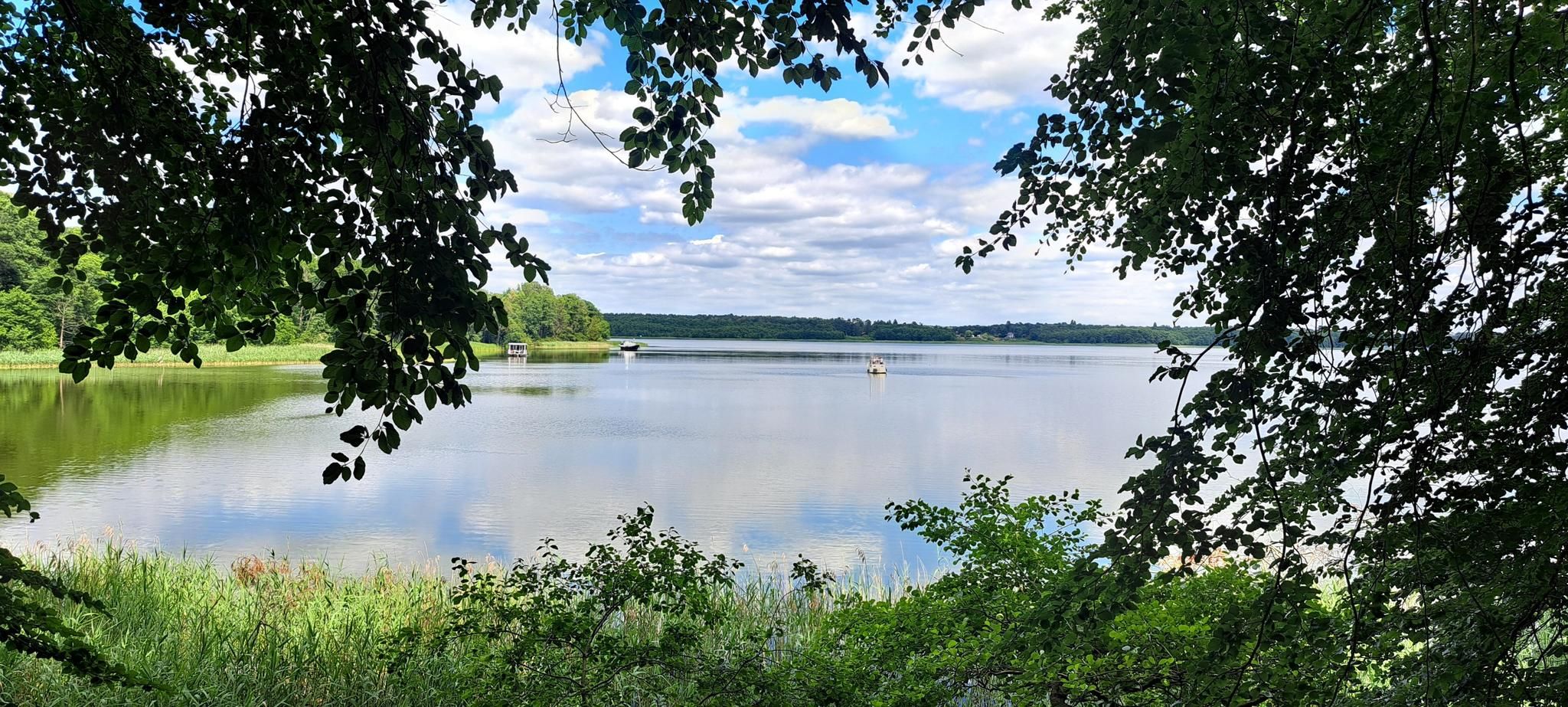
The National Natural Landscapes in Brandenburg
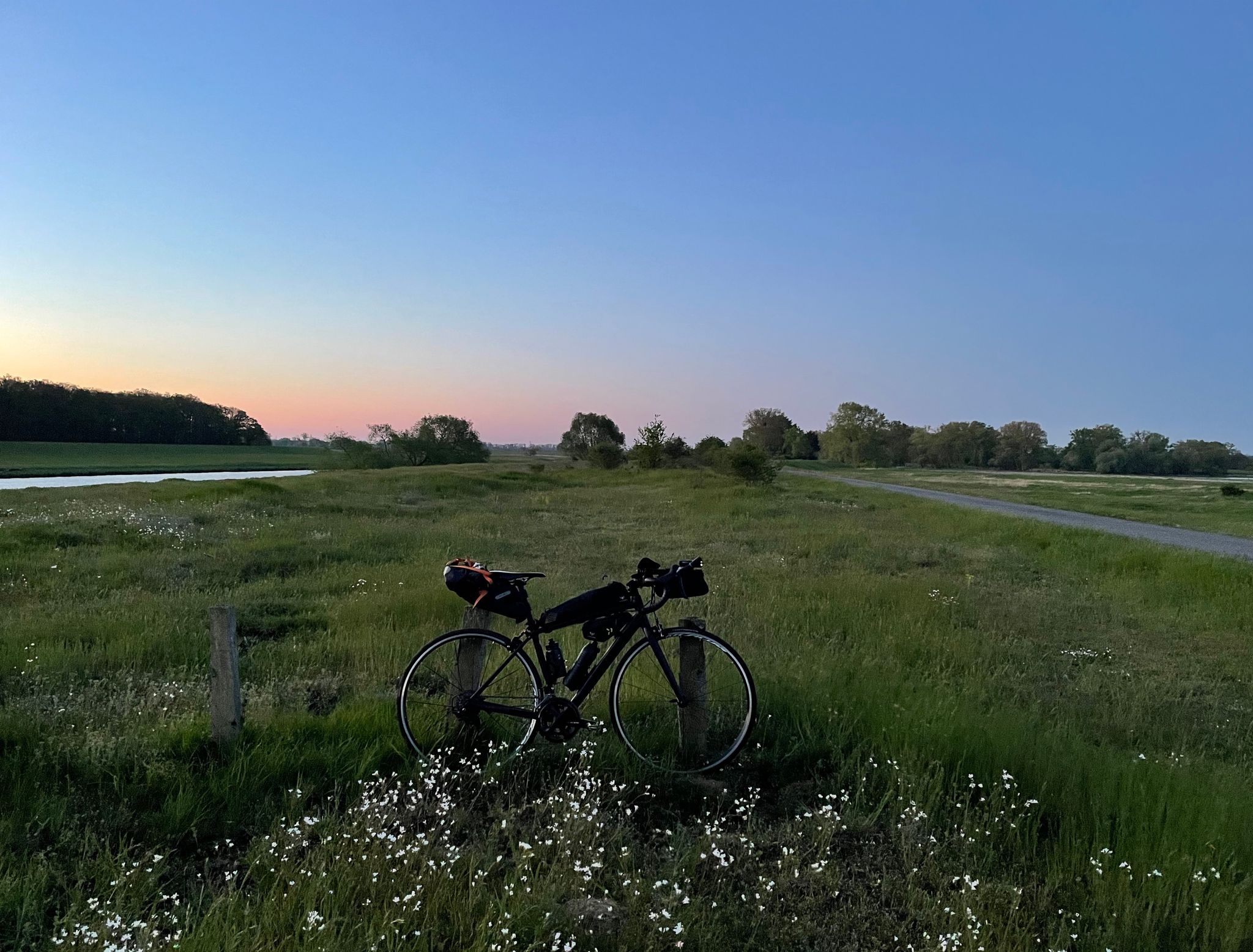
Overnighter between the Havel and Elbe in Germany
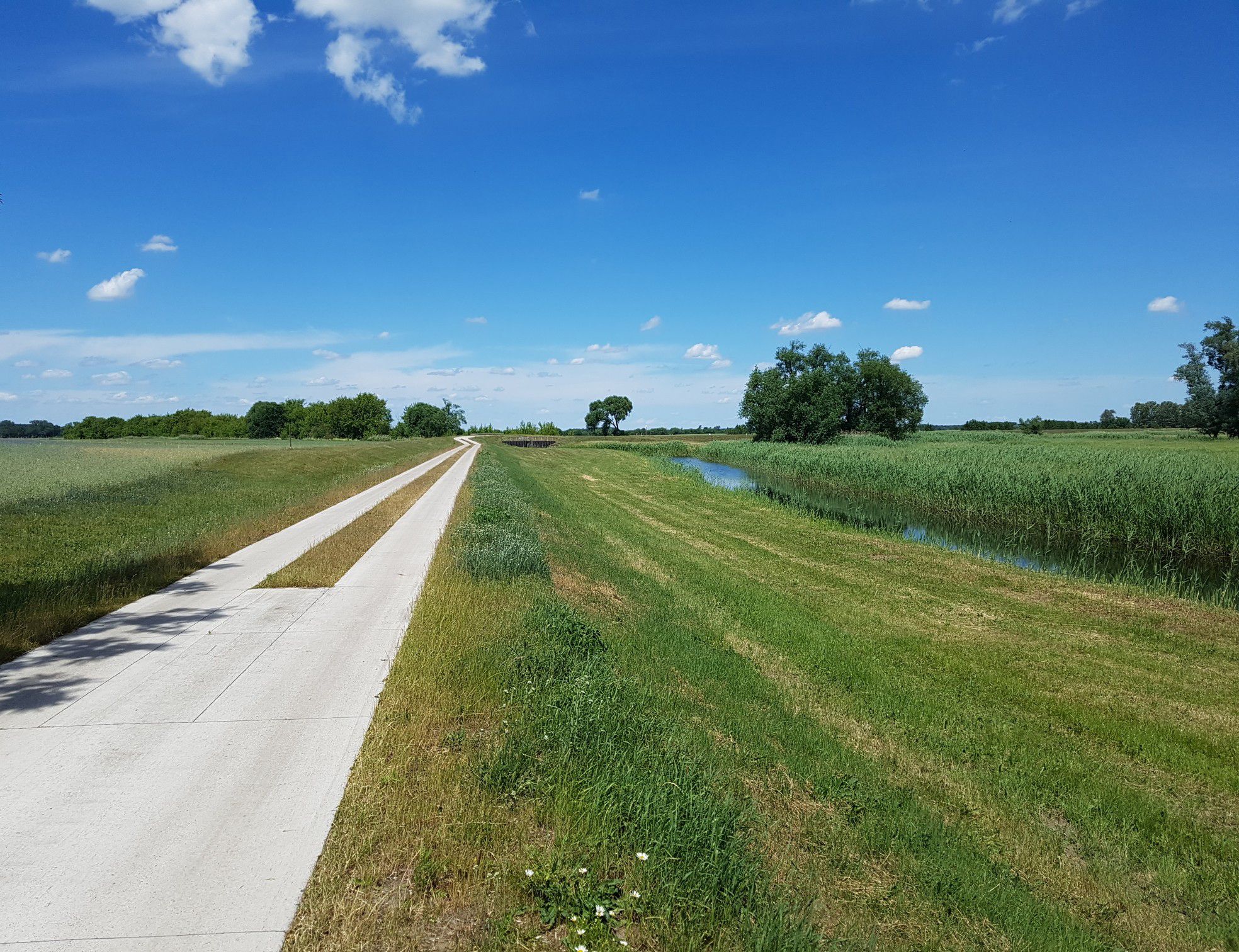
Through vast grasslands – Germany’s Havelland Cycle Route
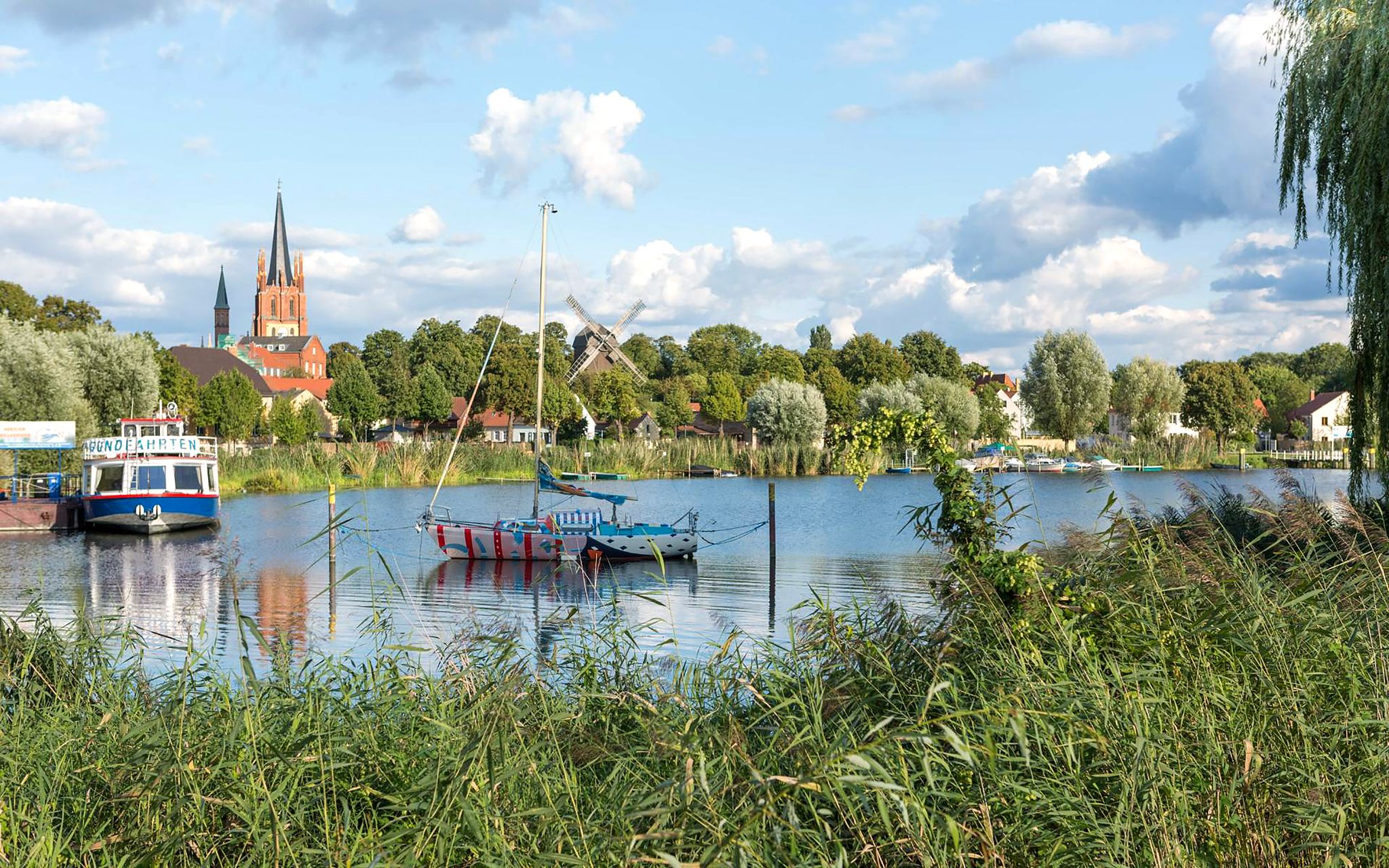
The FONTANE.RAD route – ride in the footsteps of writer Theodor Fontane
Cycling in Saxony-Anhalt – Where nature and culture combine
33 lakes for sunny weekends
Other adventures in Naturpark Westhavelland


Tips from the Community

Anyone traveling through southern Brandenburg on two wheels shouldn't simply pass by Lötze Castle. If only because it's not really a castle at all—or let's just say, it wasn't born as one. Originally, there was a brickworks here, diligently firing bricks for the surrounding estate. And as luck would have it: When the fire couldn't be controlled and the brickworks burned down in the 1920s, the then lord of the manor seized the opportunity and had a manor house built. Following the motto: If it's going to be hot, do it with style. Later, this was a children's summer camp. A time of change. Change. Then the market took over: the castle was sold, renovated, and polished. Today, the complex is privately owned, but the old walls continue to tell stories. Of brick dust and estate farming, of summers filled with children's laughter—and now of bungalows for guests who want to treat themselves to a few days of stately flair. For cyclists, Lötze is more than just a stopover: a place that shows that history doesn't always have to consist of castles and kings. Sometimes all it takes is a burnt-out kiln, a bit of entrepreneurial spirit—and a long-term perspective. The avenue leading there is quiet, the lake peeks through the trees. And those who stop feel: much has happened here—and much more will happen.
0
0


Schloss Lötze was not built as a castle, but as a brick factory. Bricks were burned for the region, but especially for the associated estate. The brick factory burned down in the 1920s and the owner took the opportunity to build a manor house. Until the fall of the wall, the castle was used as a children's holiday camp. The farm continued to flourish. The castle is now privately owned. The new owners renovated the castle and built an apartment complex with bungalows.
3
0

The castle was built in 1740 and was owned by the von Kröcher family. The Baroque style of the castle is unique for the Prignitz area. Today there is a branch office of the registry office and a hotel in the building. The owner is extremely friendly and has invited me to also look at the back of the building and the adjacent park. Should not be missed, so plan a short detour off the path!
0
0

The director of the mirror factory Henri de Moor, who made mirrors for the king, used to live in the castle. Today, a non-profit equestrian boarding school resides in the property.
2
0
Frequently Asked Questions
What types of historical buildings can I expect to find in Naturpark Westhavelland?
Naturpark Westhavelland features a variety of historical manor houses and estates, rather than traditional fortified castles. These range in architectural style from Neo-Baroque to Baroque and Neo-Gothic, offering a glimpse into the region's past.
Are there any castles with literary connections in the region?
Yes, Schloss Ribbeck (Ribbeck Castle), though not listed as a komoot highlight, is famously associated with Theodor Fontane's poem 'Herr von Ribbeck auf Ribbeck im Havelland'. It's a beautifully restored Neo-Baroque castle that now serves as a cultural center.
Which manor houses offer a blend of historical architecture and beautiful gardens?
Herrenhaus Kleßen is a magnificent example of Baroque architecture, meticulously restored and surrounded by the 'Märkischer Gutsgarten', which blends Märkisch and English styles, and an English Park by Kleßener See. It offers a holistic cultural and natural experience.
What is unique about Lötze Castle?
Lötze Castle was originally a brick factory that burned down in the 1920s. The owner then seized the opportunity to build a manor house. It later served as a children's holiday camp and is now privately owned, featuring an apartment complex with bungalows.
Can I visit Lohm Castle?
Yes, Lohm Castle, a Baroque-style building from 1740, houses a branch office of the registry office and a hotel. Visitors are often invited to explore the building's rear and the adjacent park.
Are there any castles with a Neo-Gothic architectural style?
Gutshaus Vietznitz is a notable example of Neo-Gothic architecture in the region. Erected around 1830 or 1860, it has historical ties to the aristocratic von Bredow family.
What kind of activities can families enjoy at these historical sites?
Herrenhaus Kleßen, for instance, includes an old schoolhouse that now hosts a toy museum, making it a great option for families. Many sites also have parks and gardens suitable for leisurely strolls.
What outdoor activities can I do near the castles in Naturpark Westhavelland?
The region offers various outdoor activities. You can find numerous cycling routes, such as the Havel cycle path, or explore easy hiking trails. For more options, check out the guides for Cycling in Naturpark Westhavelland and Easy hikes in Naturpark Westhavelland.
Are there running trails available near the castles?
Yes, Naturpark Westhavelland has several running trails. You can find routes like the Rathenow Tower loop or trails around Hohennauener-Ferchesar Lake. For detailed information, refer to the Running Trails in Naturpark Westhavelland guide.
What is the historical significance of Spiegelberg Castle?
Spiegelberg Castle once served as the residence for Henri de Moor, the director of a mirror factory who produced mirrors for the king. Today, it houses a non-profit equestrian boarding school.
What do visitors appreciate most about the castles in Naturpark Westhavelland?
Visitors often appreciate the diverse historical insights offered by these sites, from their unique architectural styles to their varied past uses. The blend of cultural heritage with the natural surroundings, including parks and gardens, is also highly valued.
Are there cafes or restaurants near these historical sites?
Yes, for example, Schloss Ribbeck features an acclaimed restaurant serving regional delicacies and a park café, making it a good spot for refreshments during your visit.
Most popular routes in Naturpark Westhavelland
Most popular attractions in Naturpark Westhavelland

Get inspired with the komoot mobile app


Explore more
Looking for the best castles somewhere else? Discover other guides in Naturpark Westhavelland:
