Top 5 Castles around Santiago Do Escoural
Best castles around Santiago Do Escoural are found in the broader vicinity of this region, known for its rich prehistoric archaeological sites. The area features a diverse landscape, offering insights into medieval and early modern fortified heritage. While Santiago do Escoural itself is renowned for ancient sites like Escoural Cave, the surrounding municipality of Montemor-o-Novo hosts significant historical fortifications. These historical sites provide a glimpse into Portugal's past within a natural setting.
Best castles around Santiago Do Escoural
- The most…
Last updated: July 1, 2026
Montemor-o-Novo Castle
Highlight • Castle
This castle was conquered from the Moors by order of D. Afonso Henriques, and its current walls were built during the reign of D. Dinis.
Translated by Google •
Tip by

Clock Tower
Highlight • Monument
Built during the reign of King Dinis (13th – 14th centuries), it became the castle’s main defence tower. …
Translated by Google •
Tip by

Sign up now to discover places like this
Get recommendations on the best single tracks, peaks, & plenty of other exciting outdoor places.
Sign up for free
Henriques Palace
Highlight • Historical Site
Translated by Google •
Tip by
Giraldo Castle
Highlight • Castle
Tip by
Castle Interpretive Center
Highlight • Historical Site
Open every day, except Mondays.
Translated by Google •
Tip by
Start today with a free account
Your next adventure awaits.
Login or Signup
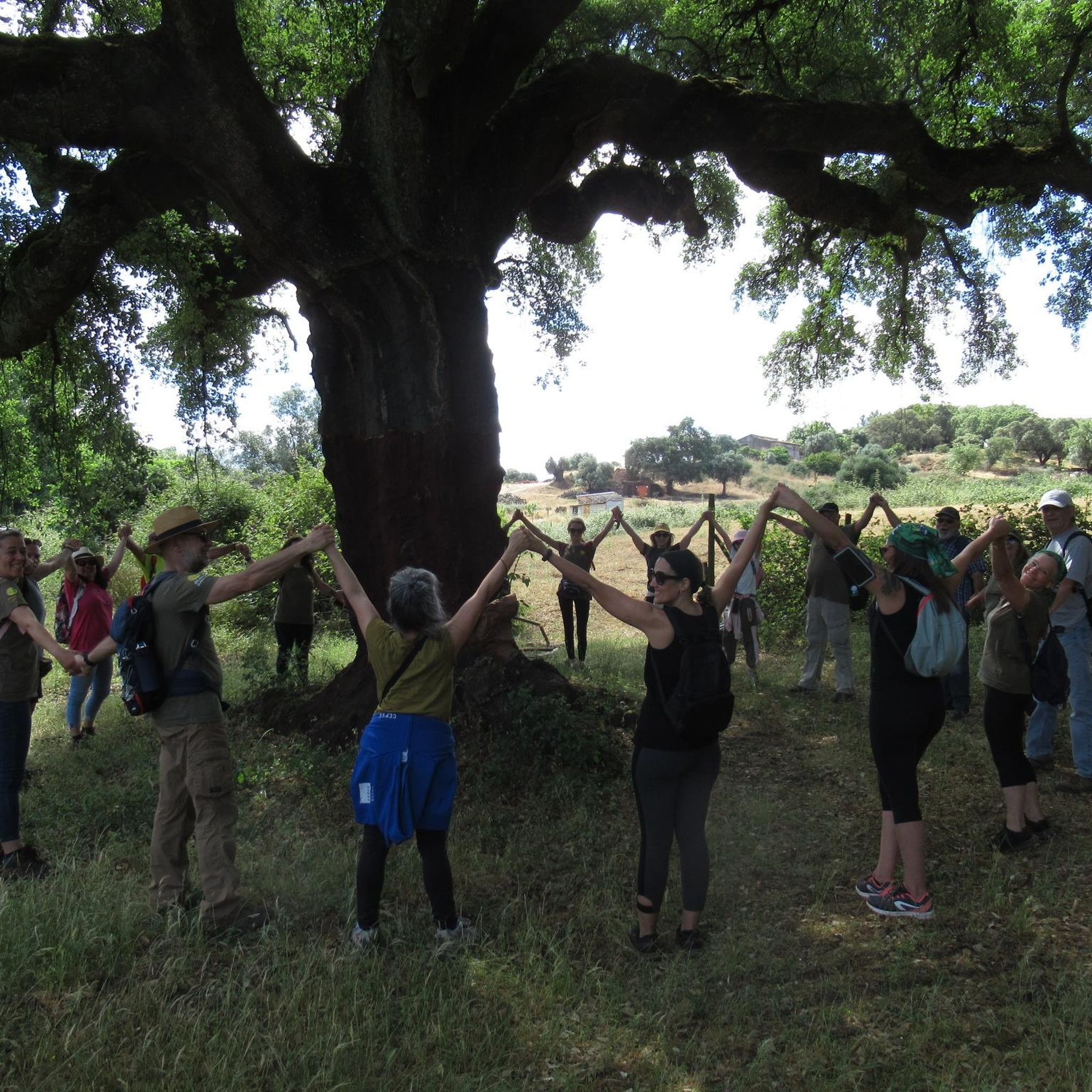
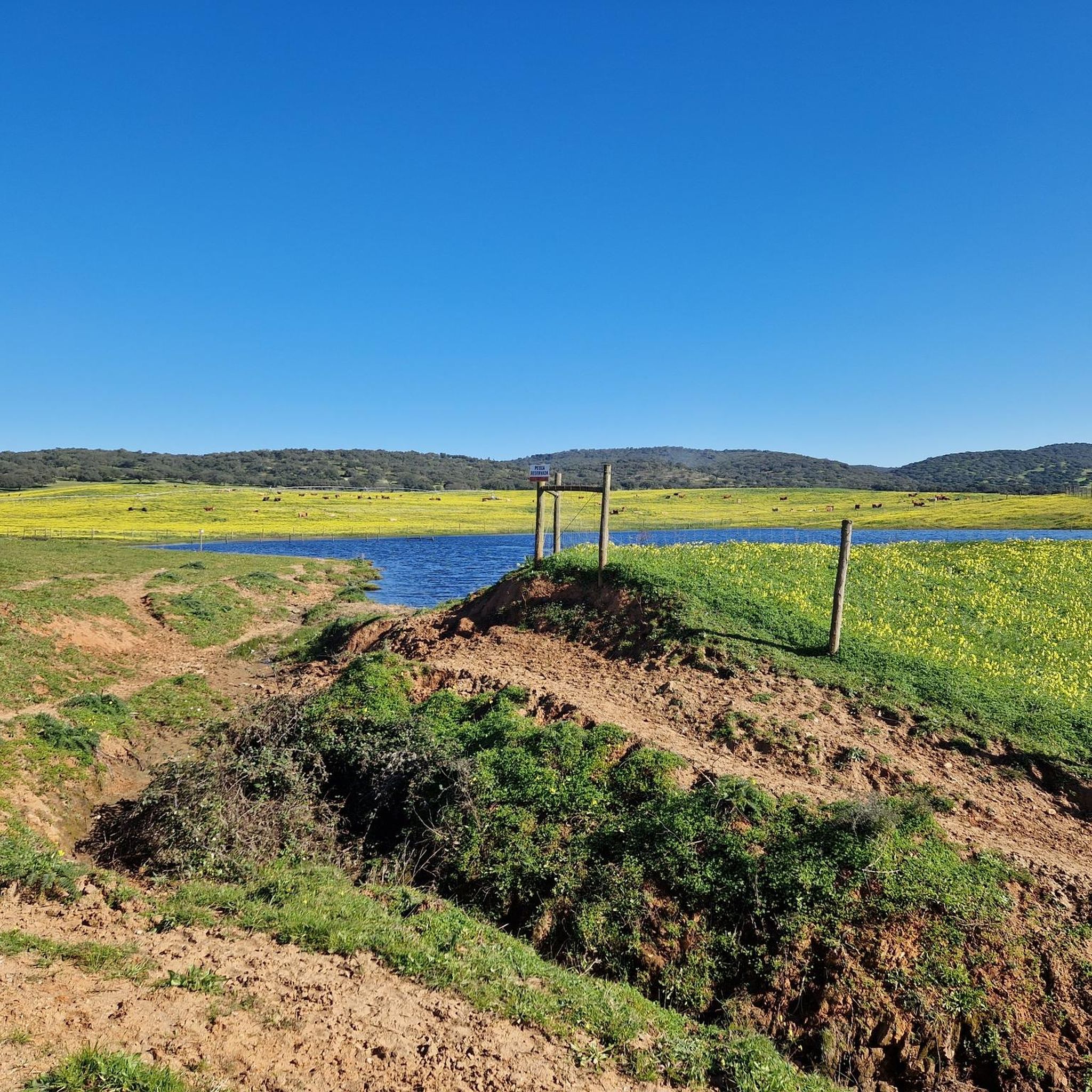
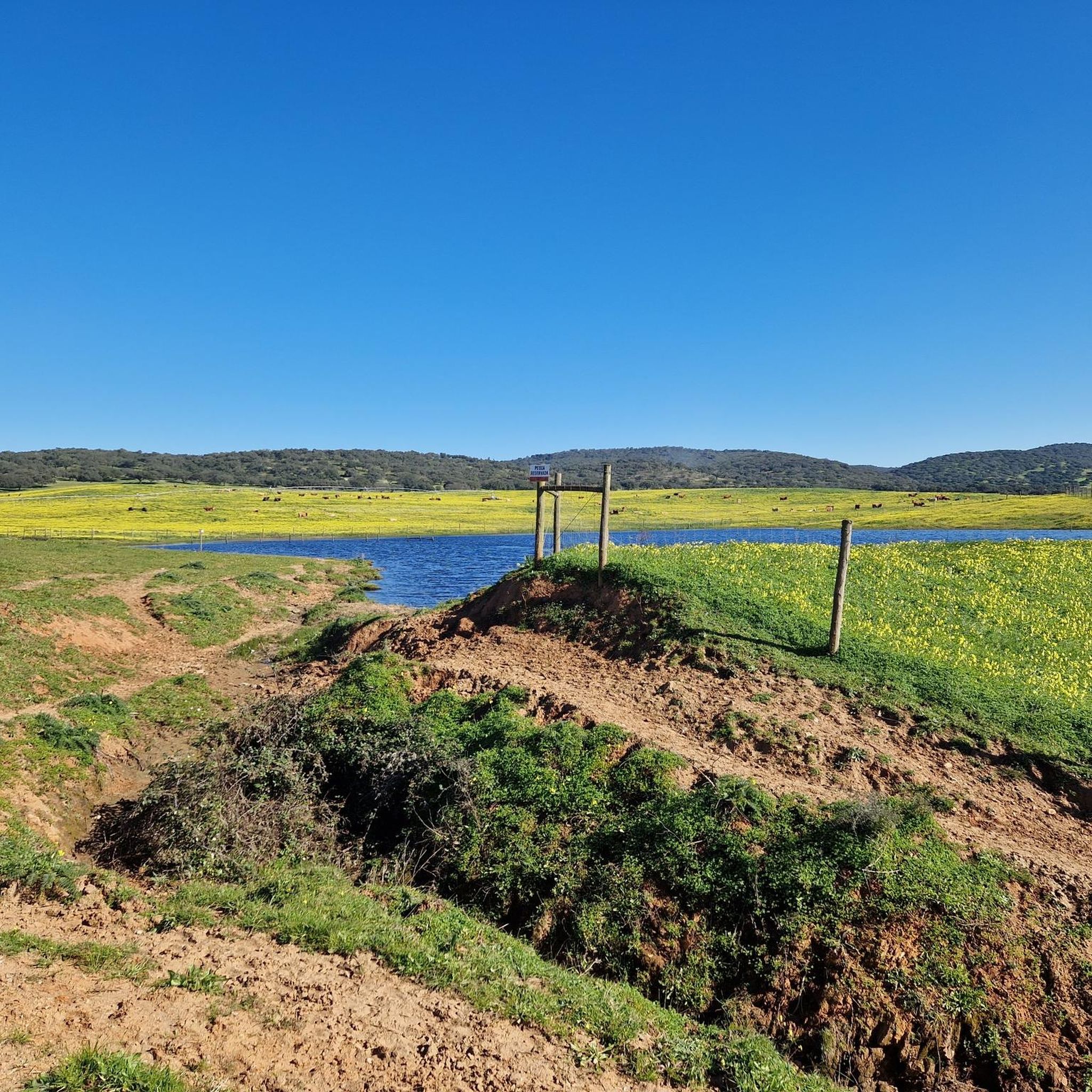

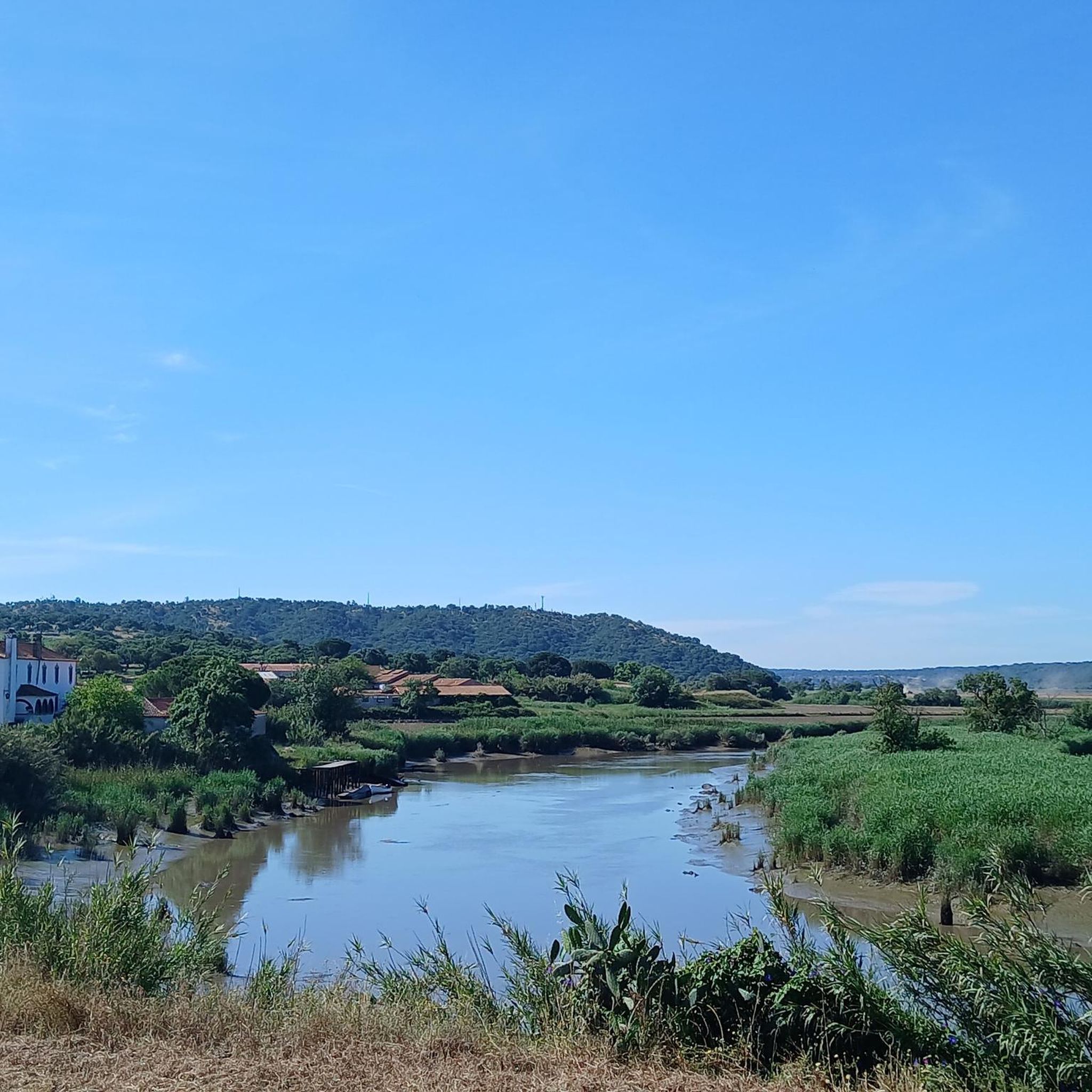
Tips from the Community

Place where the Peace Treaty of Alcáçovas was signed in 1479, between the kingdom of Portugal and the kingdom of Castile.
7
0

Housed in the old church of St. Tiago (18th and 14th centuries) within the castle, the castle's interpretation center presents aspects of Montemor's history since ancient times in a permanent exhibition. The wall paintings from the 17th and 18th centuries are also worth seeing.
0
1
Montemor-o-Novo Castle is located in the parish of Nossa Senhora da Vila, in the municipality of Montemor-o-Novo, in the district of Évora, in Alentejo, Portugal. In a dominant position on the highest hill in the region, the castle originally sheltered the village within its walls, which, as it developed, expanded along the slope to the north. Historical documents confirm that Vasco da Gama finalized his plans for his voyage to India in this castle. Background The earliest human occupation of this site possibly dates back to a prehistoric Romanized fort, according to the abundant archaeological evidence in the region. This was where the Roman roads from Santarém and the mouth of the River Tagus met, continuing via Évora to Mérida. The site would have been fortified for this reason. Centuries later, during the Muslim invasion of the Iberian Peninsula, the name Almançor remained in the region, in the toponymy of the Almansor river. Some authors claim that there was also a Muslim fortification here. The medieval castle During the Christian reconquest of the Iberian Peninsula, the town was conquered by Portuguese forces under the command of D. Sancho I (1185-1211). With a view to repopulating and defending it, the sovereign granted it a Charter in 1203. It is believed that the construction of the medieval castle began at this stage. During the reign of D. Dinis (1279-1325), major reforms were undertaken to the town's defences, including the construction of the town's fence, which was completed in 1365. Once the Avis dynasty was established, the domain of Montemor-o-Novo became a third part of the lordship of Constable D. Nuno Álvares Pereira. Throughout the 15th century, the castle underwent renovation work, carried out by master stonemason Afonso Mendes de Oliveira. In the 15th and 16th centuries, the town reached its greatest prosperity, due not only to regional trade, but also to the fact that the Court remained for long periods in Évora, which made the town the scene of events such as the Cortes of 1495, when King Manuel I (1495-1521) decided to discover the sea route to India. This sovereign granted the town a new charter in 1503. Later, under the reign of King Sebastian (1557-1578), it was granted the title of Notable Town (1563), considering it to be an ancient place with a large population.
7
1

Giraldo Castle, or Geraldo Castle, is located in Nossa Senhora de Guadalupe, in the current parish of Nossa Senhora da Tourega and Nossa Senhora de Guadalupe, in the Municipality of Évora, District of Évora, in Portugal. It is a castro, a proto-historic fortified structure with origins in the Bronze Age or even the Chalcolithic, but with traces of later occupations. It has a subcircular plan and an outer perimeter of 114 meters. The wall that has survived to the present day probably belonged to a period of medieval occupation. Sources from the 15th century refer to the fortification, associating it with the presence of Geraldo Sem Pavor, a warrior who conquered Évora from the Muslims in 1165. It is currently in the process of being classified.
5
1
The site in Nossa Senhora da Tourega e Nossa Senhora de Guadalupe has been continuously occupied since 3000 B.C. and 1000 A.D. It was founded on a castro fortified proto-historic structure, with its origin in the Bronze Age, Chalcolithic, with vestiges from older settlements. During the Middle Ages it was sporadically re-occupied and reconstructed. Records from the 15th century indicate that the castle was associated with Giraldo Sem Pavor, a warrior who conquered Évora from the Muslims in 1165. Today the site is being analyzed for classification.
5
0
Former Chapel of São Tiago, today it is a museum space: Castle Interpretation Centre. Open every day, except Mondays.
5
0
Paço dos Henriques (Henriques’s Palace), which is now owned by the Portuguese State and has been classified as a Building of Public Interest since 1993, belonged to the last lords of the town of Alcáçovas. According to tradition and local belief, this was once a royal palace, Ordered to be built by the Portuguese king Dom Dinis. This is a Place of Peace because it was there that took place the signature of the Alcáçovas-Toledo Treaty (also known as Alcáçovas’s Peace), that ended the Sucession War of Castile (1475-1479), where Afonso V of Portugal renounced the throne of Castile and King Fernando of Castile renounced the throne of Portugal. This Treaty also solved some issues related with the “new lands” discovered in the Atlantic Ocean, dividing them formally between Portugal and Castile. This explains the reason why this building is so important and emblematic, not only for Alcáçovas’ history, but for Portugal and the rest of the world.
12
0
Frequently Asked Questions
What are the main historical castles and fortifications to visit near Santiago do Escoural?
While Santiago do Escoural is known for prehistoric sites, the broader region offers significant historical fortifications. Key sites include the medieval Montemor-o-Novo Castle, the historically significant Henriques Palace where the Treaty of Alcáçovas-Toledo was signed, and the ruins of the Monastery of Nossa Senhora do Castelo das Covas.
Can I explore the Montemor-o-Novo Castle complex?
Yes, Montemor-o-Novo Castle offers extensive exploration. You can see remnants of its walls, the Paço dos Alcaides, the Church of Santiago (now the Castle Interpretive Center), and the Church of Santa Maria do Bispo. The Clock Tower, which was the castle’s main defense, also provides access to the complex.
What is the historical significance of Montemor-o-Novo Castle?
Montemor-o-Novo Castle is deeply rooted in Portuguese history. It was conquered from the Moors by D. Afonso Henriques, and its current walls were built during the reign of D. Dinis. Notably, Vasco da Gama finalized his plans for his voyage to India within this castle, making it a site of immense historical importance.
Are there any family-friendly historical sites or castles in the area?
Yes, the Henriques Palace is considered family-friendly and offers a glimpse into significant Portuguese history. Within Montemor-o-Novo Castle, the Castle Interpretive Center provides an engaging way to learn about the region's past.
What kind of outdoor activities can I do near these castles?
The region around Santiago do Escoural offers various outdoor activities. You can find easy hikes, such as the 'View of Montemor-o-Novo – Montemor-o-Novo Castle loop from Montemor-o-Novo' which is 3.5 km. For more options, explore the easy hikes around Santiago Do Escoural, or consider road cycling and mountain biking trails.
Are there any less crowded historical sites or castles to visit?
For a more serene and contemplative experience, consider visiting the ruins of the Monastery of Nossa Senhora do Castelo das Covas. Located in the isolated Serra de Monfurado, it offers a blend of history, architecture, and nature away from larger crowds.
What is the best time to visit the castles and historical sites in this region?
The Alentejo region generally experiences hot, dry summers and mild winters. Spring (April-May) and Autumn (September-October) are often ideal, offering pleasant temperatures for exploring the outdoor castle grounds and historical sites without the intense summer heat.
Is there parking available at the castles?
Yes, parking is typically available near the main historical sites. For Montemor-o-Novo Castle, there is parking from which you can access the complex via the Clock Tower entrance.
What natural features can I expect to see around the castles?
The castles are set within a diverse landscape. Montemor-o-Novo Castle offers panoramic views of the surrounding countryside. The Monastery of Nossa Senhora do Castelo das Covas is nestled in the rural Serra de Monfurado, part of a Site of Community Interest, providing a natural and historical experience.
Are there any viewpoints offering scenic views of the castles or surrounding area?
Yes, Montemor-o-Novo Castle itself is a prominent viewpoint, offering extensive panoramic views of the Alentejo landscape from its walls. The ruins of the Monastery of Nossa Senhora do Castelo das Covas also provide scenic vistas within its natural setting.
What is the <a href="https://www.komoot.com/highlight/7264226" target="_blank" rel="noopener">Giraldo Castle</a>?
Giraldo Castle, located near Évora, is a proto-historic fortified structure with origins dating back to the Bronze Age or Chalcolithic. It has been continuously occupied since 3000 B.C. and was sporadically re-occupied and reconstructed during the Middle Ages. It is associated with Giraldo Sem Pavor, who conquered Évora in 1165.
Can I visit the Escoural Cave, and is it a castle?
The Escoural Cave is a renowned prehistoric archaeological site, famous for its Middle Paleolithic occupations, Upper Paleolithic engravings, and Neolithic funerary chamber. It is not a castle in the traditional sense but an important ancient site near Santiago do Escoural. For more information, you can refer to Wikipedia.
Most popular attractions around Santiago Do Escoural

Get inspired with the komoot mobile app


Explore more
Looking for the best castles somewhere else? Discover other guides around Santiago Do Escoural:
