The best walks and hikes around Santiago Do Escoural
4.7
(49)
195
hikers
10
hikes
Hiking around Santiago Do Escoural offers exploration through Portugal's Alentejo region, characterized by rolling plains, tranquil olive groves, and extensive cork oak woodlands. The area is situated near the Serra de Monfurado, an ecologically significant zone with varied landscapes including agricultural estates and forest areas. This region also features notable archaeological sites, providing a blend of natural and historical interest for hikers.
Best hiking trails around Santiago Do Escoural
- The most popular hiking route is Megalithic Circuit of Évora, a 12.1 miles (19.4 km) trail that takes 5 hours 16 minutes to complete. This difficult route traverses an area rich in ancient megalithic monuments.
- Another top favourite among local hikers is Almendres Menhir – Almendres Cromlech loop from Guadalupe, a moderate 5.8 miles (9.4 km) path. This trail leads through the Alentejo landscape, connecting two significant prehistoric sites.
- Local hikers also love the Almendres Cromlech loop from Almendres Cromlech, a 3.1 miles (5.0 km) trail leading through cork oak woodlands, often completed in about 1 hour 21 minutes.
- Hiking around Santiago Do Escoural is defined by rolling plains, cork oak woodlands, and ancient megalithic monuments. The network offers options for easy, moderate, and difficult ability levels.
- The routes in Santiago Do Escoural are highly rated by the komoot community with an average score of 4.6 stars from over 40 reviews. More than 160 hikers have used komoot to explore Santiago Do Escoural's varied terrain.
Last updated: July 2, 2026
5.0
(1)
9
hikers
19.4km
05:17
280m
280m
Hike the Megalithic Route in Serra de Monfurado, a difficult 12.1-mile trail exploring ancient monuments and scenic Alentejo landscapes.
4.1
(17)
89
hikers
9.36km
02:35
160m
160m
Moderate hike. Good fitness required. Easily-accessible paths. Suitable for all skill levels.

Sign up for free
4.3
(10)
61
hikers
5.00km
01:21
70m
70m
Easy hike. Great for any fitness level. Easily-accessible paths. Suitable for all skill levels.
4.8
(6)
11
hikers
16.8km
04:33
230m
230m
Moderate hike. Good fitness required. Easily-accessible paths. Suitable for all skill levels.
5.0
(1)
11
hikers
4.38km
01:14
90m
90m
Easy hike. Great for any fitness level. Easily-accessible paths. Suitable for all skill levels.
Get access to more routes and recommendations from other explorers.
Sign up for free
Already have an account?
Our route recommendations are based on thousands of hikes, rides, and runs completed by other people on komoot.
Start today with a free account
Your next adventure awaits.
Login or Signup

Tips from the Community

Cromeleque dos Almendres, located near Évora, is the largest and most important megalithic monument in the Iberian Peninsula. Built between the late 6th and 3rd millennium BC, it is about 2000 years older than Stonehenge. VisitEvora +3 This "Portuguese Stonehenge" is composed of about 95 granite monoliths (menhirs) arranged in circles and ellipses on a gentle slope in the Serra do Monfurado. VisitEvora +1
1
0
The Cromeleque dos Almendres, located in Nossa Senhora de Guadalupe, Évora, is the most important megalithic monument on the Iberian Peninsula and one of the largest in Europe. Composed of about 95 stone monoliths (menhirs) arranged in concentric circles, this enclosure is about 2,000 years older than the famous Stonehenge. 👍🥾
1
0

Snack Bar in the center of Valverde, where you can eat good Alentejo snacks at very affordable prices. Very simple and family-friendly space. Closed on Wednesdays.
5
0
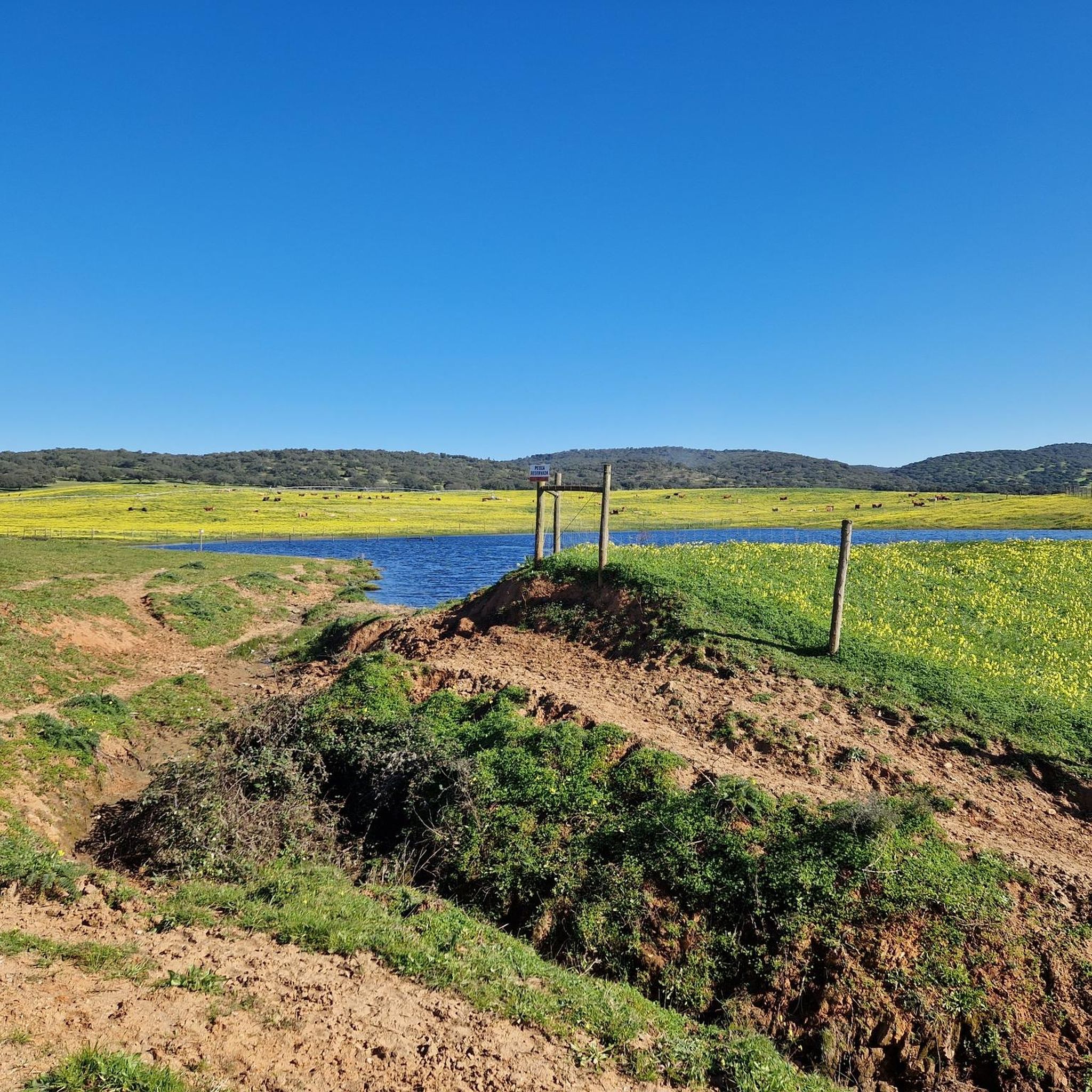
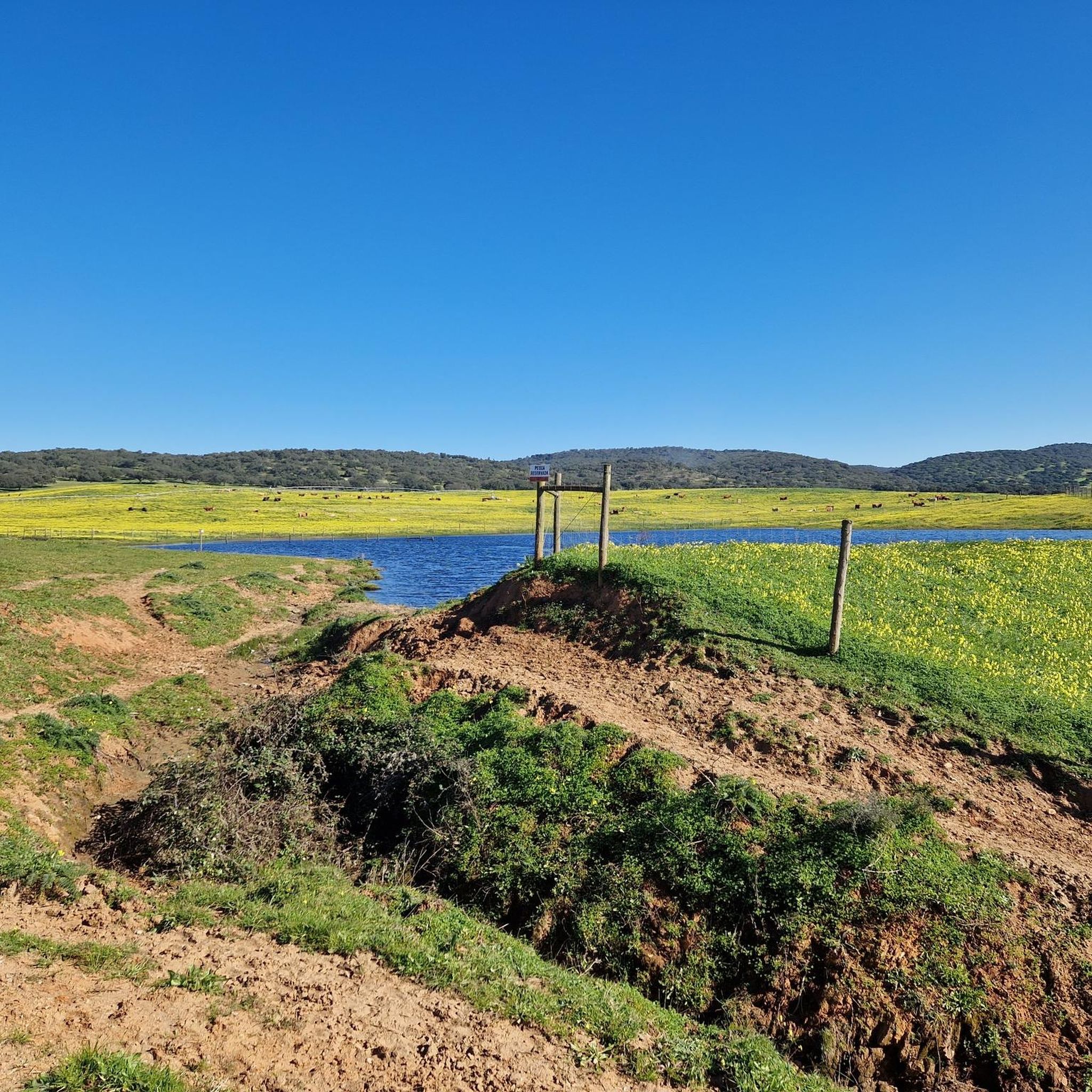
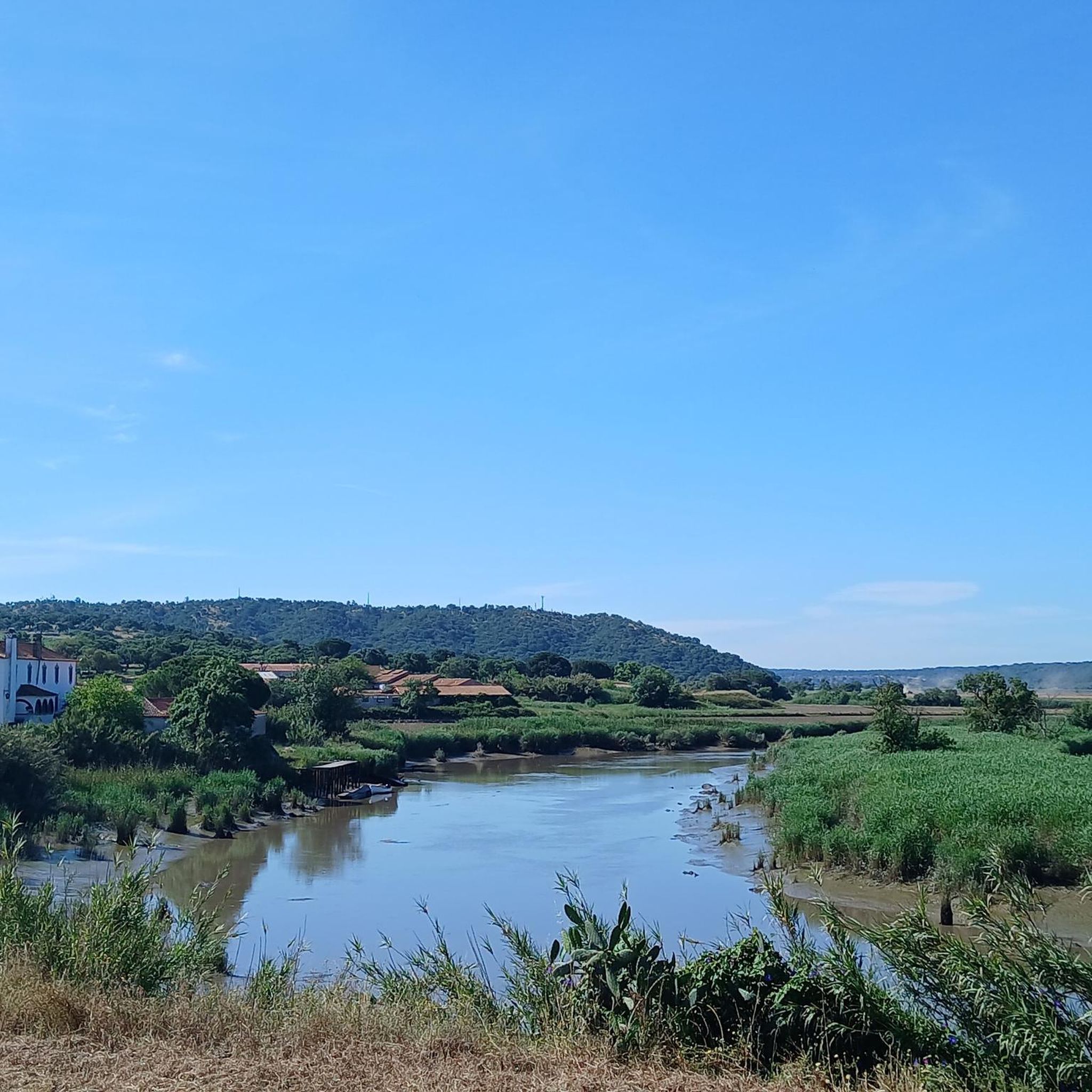
Dam on the Ribeira de Valverde, a tributary of the Sado River.
3
0
Giraldo Castle, or Geraldo Castle, is located in Nossa Senhora de Guadalupe, in the current parish of Nossa Senhora da Tourega and Nossa Senhora de Guadalupe, in the Municipality of Évora, District of Évora, in Portugal. It is a castro, a proto-historic fortified structure with origins in the Bronze Age or even the Chalcolithic, but with traces of later occupations. It has a subcircular plan and an outer perimeter of 114 meters. The wall that has survived to the present day probably belonged to a period of medieval occupation. Sources from the 15th century refer to the fortification, associating it with the presence of Geraldo Sem Pavor, a warrior who conquered Évora from the Muslims in 1165. It is currently in the process of being classified.
5
1
The site in Nossa Senhora da Tourega e Nossa Senhora de Guadalupe has been continuously occupied since 3000 B.C. and 1000 A.D. It was founded on a castro fortified proto-historic structure, with its origin in the Bronze Age, Chalcolithic, with vestiges from older settlements. During the Middle Ages it was sporadically re-occupied and reconstructed. Records from the 15th century indicate that the castle was associated with Giraldo Sem Pavor, a warrior who conquered Évora from the Muslims in 1165. Today the site is being analyzed for classification.
5
0
The Roman Villa of Our Lady of Tourega, or Villa Romana da Tourega, is the remains of a Roman villa located in the parish of Our Lady of Tourega and Our Lady of Guadalupe (in the former parish of Our Lady of Tourega), in the municipality and district of Évora. The Roman Villa of Tourega has been classified as a Site of Public Interest since 2012
5
0
Pego existing in Ribeira de Valverde, near Monte da Curva
6
1
Frequently Asked Questions
What types of hiking trails can I find around Santiago Do Escoural?
Santiago Do Escoural offers a diverse range of hiking trails, from easy strolls through cork oak woodlands to more challenging routes across rolling plains. The area features trails suitable for various fitness levels, including 6 easy, 3 moderate, and 1 difficult route, allowing you to choose an adventure that matches your experience.
What kind of terrain should I expect on hikes in Santiago Do Escoural?
The terrain around Santiago Do Escoural is characterized by picturesque rolling plains, tranquil olive groves, and extensive cork oak (montado) woodlands. You'll also encounter areas near the Serra de Monfurado with varied landscapes, including agricultural estates and forest areas with riparian galleries along water lines. Some trails, like the Megalithic Circuit of Évora, traverse areas rich in ancient megalithic monuments, adding a historical dimension to the natural scenery.
Are there any family-friendly hiking options in Santiago Do Escoural?
Yes, Santiago Do Escoural offers several easy trails that are suitable for families. For instance, the Almendres Cromlech loop from Almendres Cromlech is an easy 3.1-mile (5.0 km) trail through cork oak woodlands, often completed in about 1 hour 21 minutes, making it a great option for a shorter family outing. Another easy option is the Almendres Menhir loop from Guadalupe.
Can I bring my dog on the hiking trails in Santiago Do Escoural?
While specific dog policies can vary by trail, many outdoor areas in Portugal, especially in rural settings like Santiago Do Escoural, are generally welcoming to dogs, provided they are kept under control. It's always recommended to keep your dog on a leash, especially near livestock or protected natural areas, and to carry waste bags to clean up after them.
What historical or natural landmarks can I see while hiking in the area?
Santiago Do Escoural is rich in historical and natural landmarks. You can explore significant megalithic structures like the Almendres Cromlech and the Almendres Menhir, which are integrated into several hiking routes. The region is also home to the Great Dolmen of Zambujeiro and the impressive Great Cork Oak. Additionally, you might encounter historical mining vestiges in the Serra de Monfurado area, or even see the distant Montemor-o-Novo Castle on some routes.
Are there any circular hiking routes available?
Yes, several popular routes in Santiago Do Escoural are circular. Examples include the Almendres Menhir – Almendres Cromlech loop from Guadalupe, which is a moderate 5.8-mile (9.4 km) path, and the shorter Almendres Cromlech loop from Almendres Cromlech. These loops offer convenient starting and ending points, often returning you to your original location.
What is the best time of year to go hiking in Santiago Do Escoural?
The Alentejo region, including Santiago Do Escoural, experiences a typical Mediterranean climate. Spring (March to May) and Autumn (September to November) are generally the best times for hiking, offering milder temperatures and pleasant conditions. Summers can be very hot, making early morning or late afternoon hikes more advisable, while winters are generally mild but can be wet.
What do other hikers enjoy most about the trails in Santiago Do Escoural?
The hiking trails in Santiago Do Escoural are highly rated by the komoot community, with an average score of 4.6 stars from over 40 reviews. Hikers often praise the serene Alentejo landscape, the unique blend of natural beauty with ancient megalithic monuments, and the quiet, authentic Portuguese countryside experience.
Is public transport available to reach hiking trailheads?
While Santiago Do Escoural is a rural area, local bus services connect Montemor-o-Novo to Santiago Do Escoural. However, direct public transport to specific trailheads might be limited. It is often more convenient to reach the starting points by car, especially for routes located further into the countryside. Always check local bus schedules for the most up-to-date information.
Are there any permits required for hiking in the Alentejo region around Santiago Do Escoural?
Generally, permits are not required for hiking on established trails in the Alentejo region around Santiago Do Escoural. Most trails traverse public land or areas with established access. However, if you plan to enter private properties or specific protected natural reserves, it's always advisable to check for any specific regulations or access requirements beforehand.
Are there any longer, more challenging hikes in the area?
For those seeking a more challenging experience, the Megalithic Circuit of Évora is a difficult 12.1-mile (19.4 km) trail that takes approximately 5 hours 16 minutes to complete. This route offers significant elevation changes and traverses an area rich in ancient megalithic monuments, providing a rewarding challenge for experienced hikers.
What kind of wildlife might I encounter on the trails?
The Alentejo landscape, particularly the cork oak woodlands (montado) and the Serra de Monfurado, supports diverse plant and animal life. Hikers might spot various bird species, including raptors, and potentially wild boar, deer, or smaller mammals. The region's agro-silvo-pastoral activity also means you'll likely see grazing livestock.
Most popular attractions around Santiago Do Escoural

Get inspired with the komoot mobile app


Explore more
Browse the best Hikes in other regions.
