Top 8 Castles around The Municipal District of Cahir — Cashel
Best castles around The Municipal District of Cahir — Cashel are situated in Ireland's Golden Vale, a region known for its fertile lands and historical significance. The area features prominent medieval structures, often built on strategic locations like rocky outcrops or river islands. These sites offer insights into Ireland's past, from ancient kingships to Norman strongholds. The landscape provides a backdrop for exploring these historical landmarks.
Best castles around The Municipal District of Cahir — Cashel
- The most popular castles is Rock of Cashel, a historical site that stands on a dramatic limestone outcrop. It features a cluster of medieval buildings, including a round tower, a Romanesque chapel, and a Gothic cathedral.
- Another must-see spot is Cahir Castle, a castle. This 13th-century fortress is one of Ireland's largest and best-preserved, featuring a functioning portcullis and a restored great hall.
- Visitors also love Kearney's Castle, a castle. This late 15th-century tower house was modified around 1600 and again in 1990, serving as a fortified residence.
- The Municipal District of Cahir — Cashel is known for large medieval castles, historic castle complexes, and tower houses. Visitors can explore a variety of defensive and residential structures from different historical periods.
- The castles around The Municipal District of Cahir — Cashel are appreciated by the komoot community, with over 100 upvotes and more than 290 photos shared by visitors.
Last updated: June 30, 2026
Rock of Cashel
Highlight • Historical Site
Translated by Google •
Tip by

Cahir
Highlight • Settlement
Tip by

Sign up now to discover places like this
Get recommendations on the best single tracks, peaks, & plenty of other exciting outdoor places.
Sign up for free
Kearney's Castle
Highlight • Castle
Translated by Google •
Tip by

Cahir Castle
Highlight • Castle
Translated by Google •
Tip by

Ardfinnan Castle
Highlight • Castle
Tip by
Burncourt Castle (Ruin)
Highlight • Castle
Tip by

Ballagh Castle
Highlight • Castle
Tip by
Views toward the Rock of Cashel
Highlight • Viewpoint
Tip by
Start today with a free account
Your next adventure awaits.
Login or Signup
Popular around The Municipal District of Cahir — Cashel
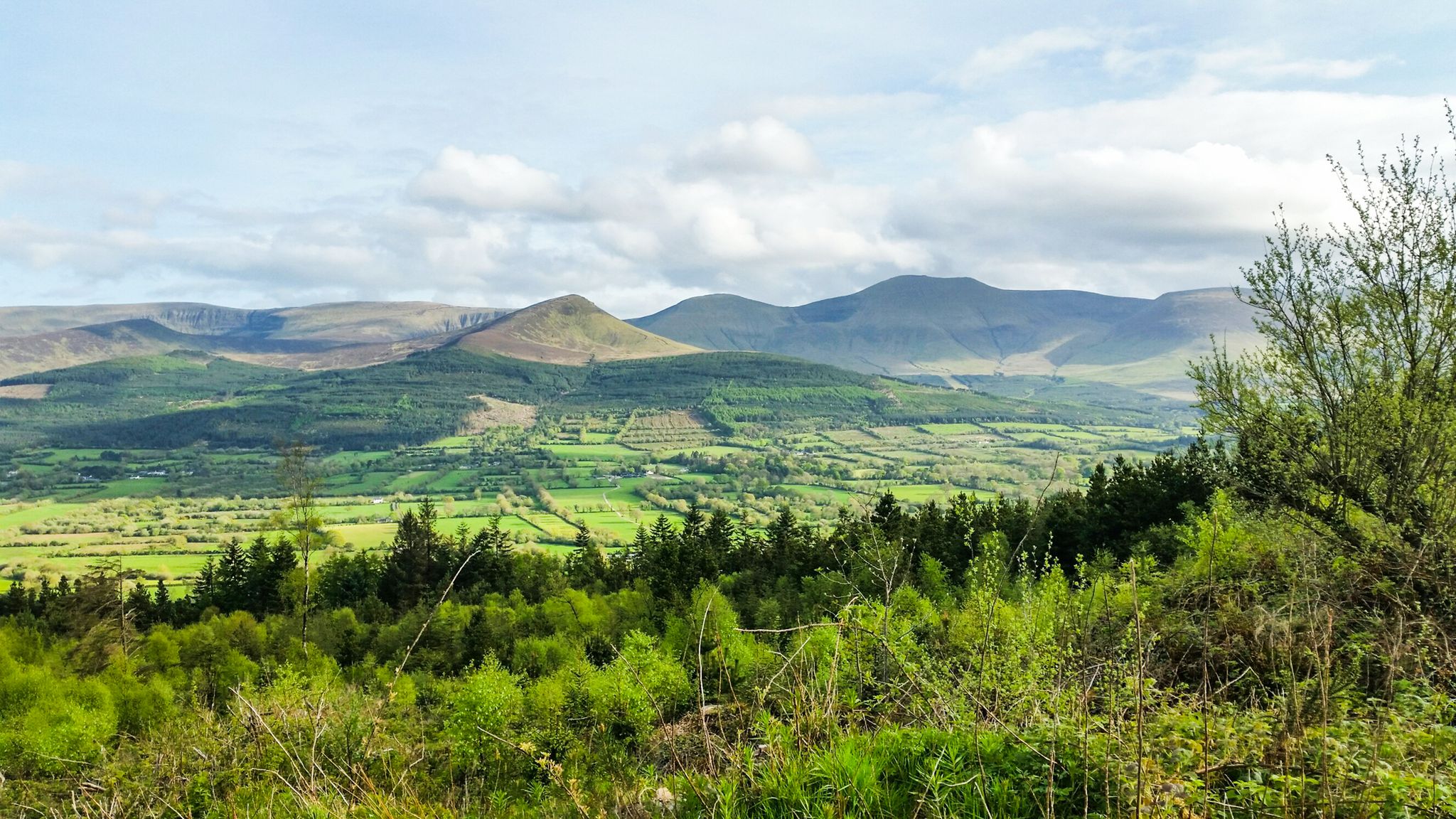
Hiking through the heart of the Emerald Isle – discover central Ireland
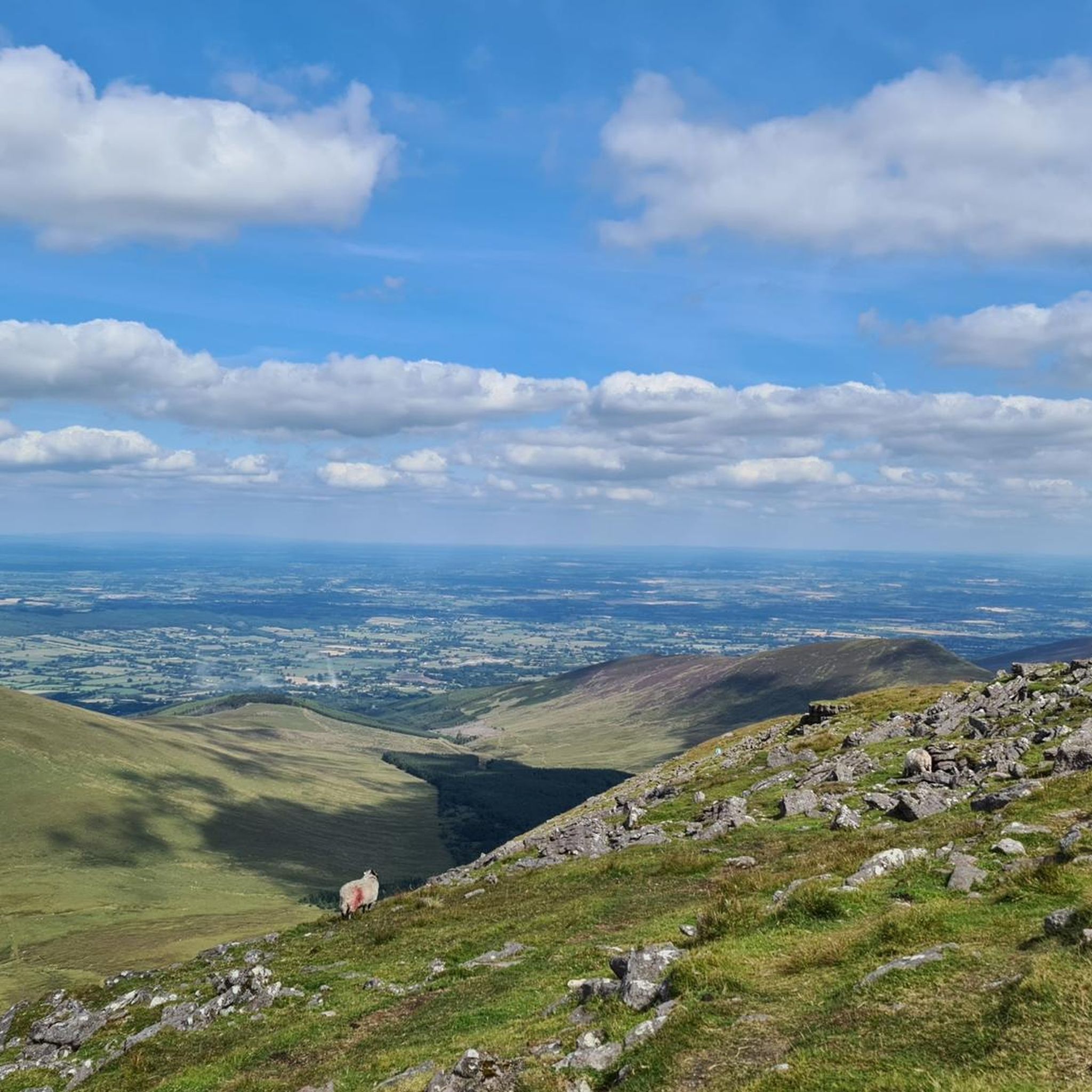
Hiking around The Municipal District of Cahir — Cashel
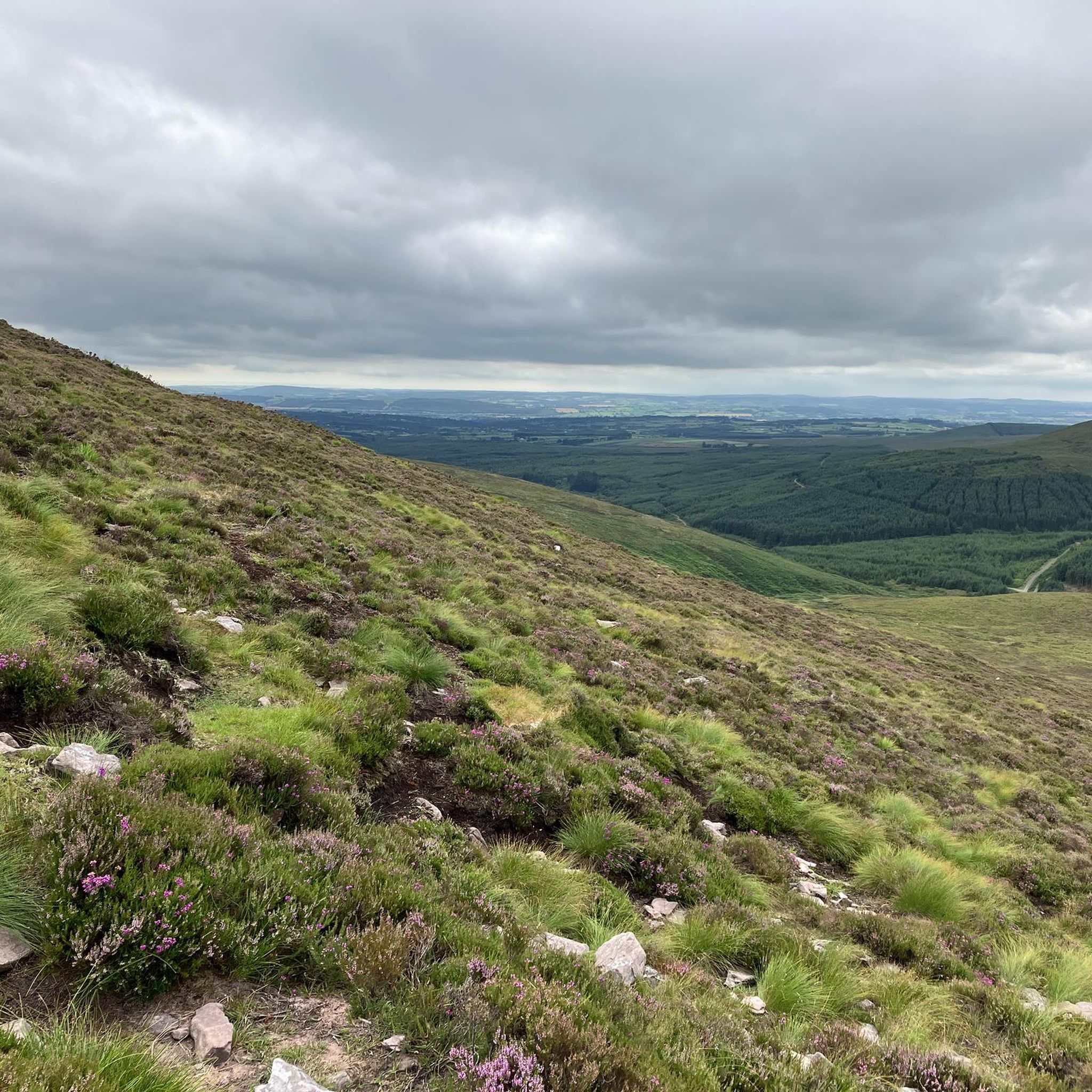
Running Trails around The Municipal District of Cahir — Cashel
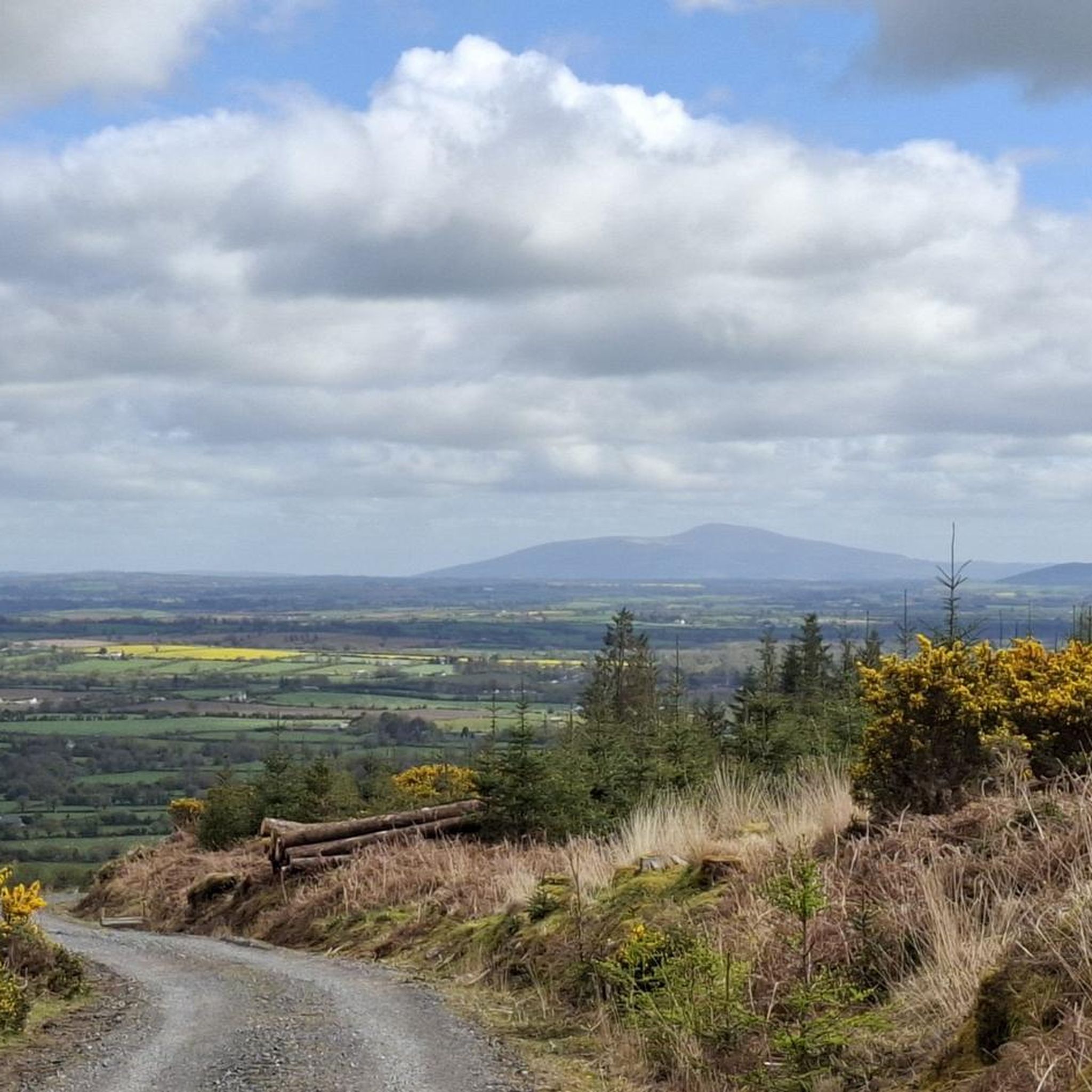
Cycling around The Municipal District of Cahir — Cashel
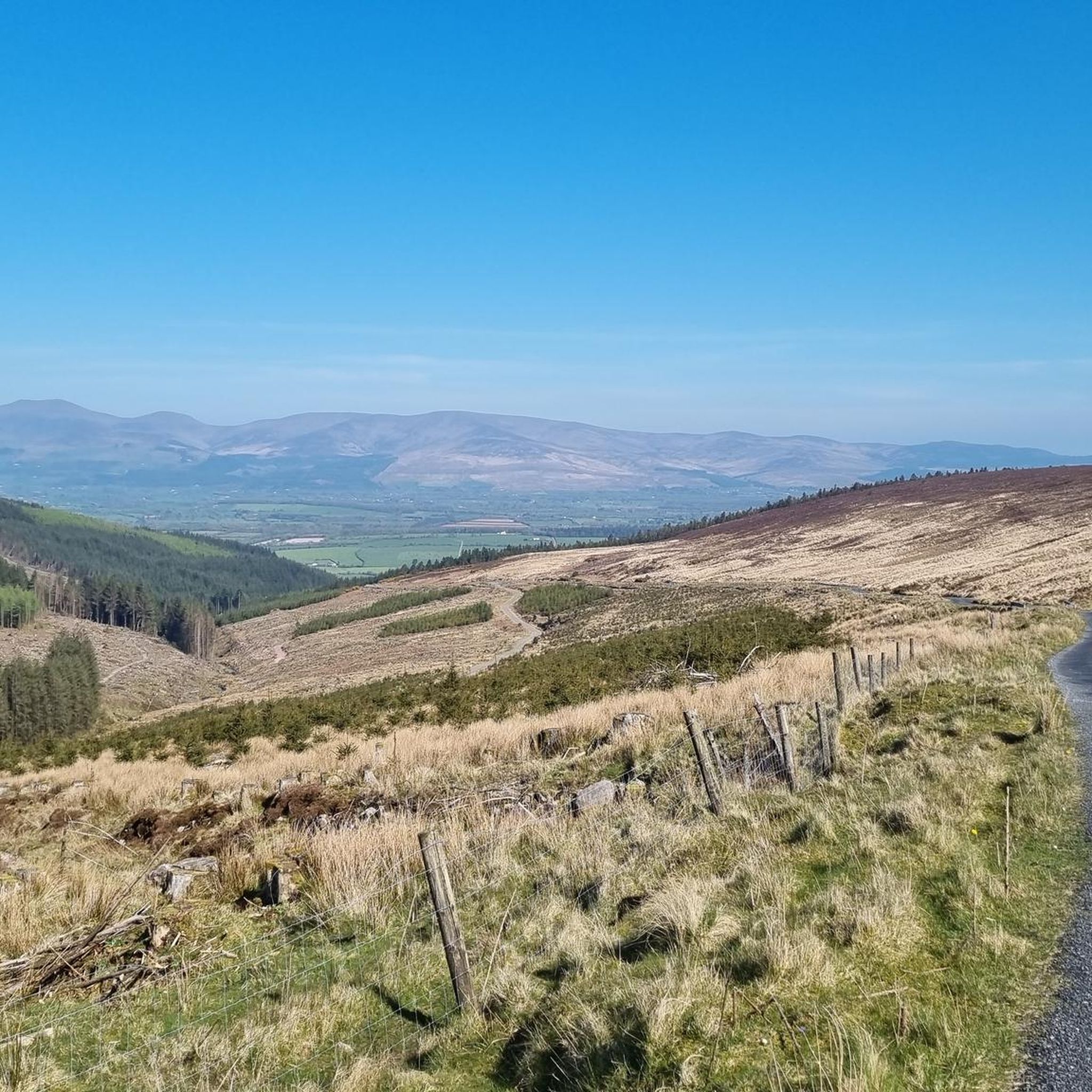
Road Cycling Routes around The Municipal District of Cahir — Cashel
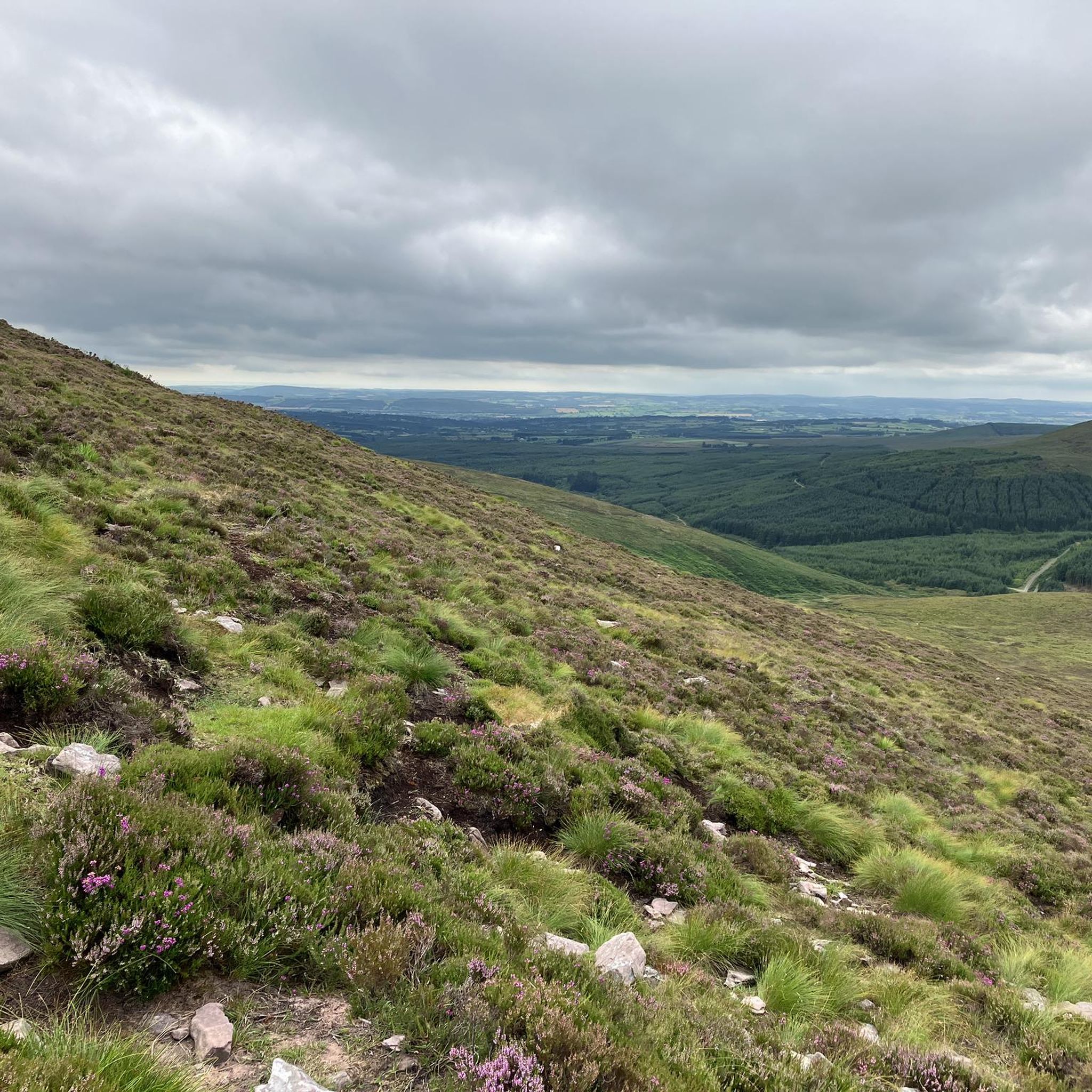
MTB Trails around The Municipal District of Cahir — Cashel
Other adventures around The Municipal District of Cahir — Cashel

Tips from the Community

Imposing facility, if you arrive early, people are not constantly walking through the picture.
0
0

Admission for adults is €5. Guided tours and a short film are available in various languages, but you can also explore the 13th-century castle on your own. Children in particular should enjoy exploring the many staircases, winding rooms, and the large courtyard. There's a small souvenir shop, restrooms, and brochures.
1
0
A charming little town that offers everything a tourist could wish for: the Castle and the Swiss Cottage, two real attractions, souvenir shops, cafes, pubs, colorful houses, parks, walking paths, and a river... You can spend a lovely day here. The good tourist information office is located at the (paid) parking lot right next to the castle.
2
0

Burncourt Castle is a fortified house and a National Monument in County Tipperary, Ireland. The castle was originally known as Everard's Castle, and was built by Richard Everard, 1st Baronet (d. 1650), son of politician and judge Sir John Everard. When Richard married Catherine Plunkett in 1620, his father awarded him a large estate around the River Tar. Around 1639 Sir Richard some of his land and began to build a fortified house. It was complete in 1641, and had 26 gables and seven chimneys. Archeological investigation found a cow skeleton in a pit that extended under the east wall of the castle. The cow appeared to have been killed and dismembered and left as a protective votive offering – the flanks were placed next to each other and the head placed on the upper backbone. The Everards took up residence just as the Irish Rebellion of 1641 began. In 1642 Sir Richard joined the Catholic Confederates at Kilkenny and became a member of the Supreme Council. Sir Richard's wife Catherine remained at the castle. In 1649, as Oliver Cromwell's Roundheads advanced on Everard's Castle, Lady Catherine burned it down, earning it the name of the Burned Court. Sir Richard Everard went on fight at the Siege of Limerick (1650–51), but was captured and hung in 1651 by Henry Ireton. Burncourt was abandoned. According to tradition Burncourt was seven years in building, seven years lived in and seven days burning. In the early 18th century, the painter Anthony Chearnley built a house adjoining the Burncourt ruin. The excavation also showed that there was no remaining debris from the castle burning, meaning that the roof slates and lead flashings were salvaged/looted for use elsewhere. https://en.m.wikipedia.org/wiki/Burncourt_Castle
0
0
Kearney's Castle is a late 15th century tower house standing on the east side of the main street in Cashel. The tower house was modified in c.1600 and again in about 1990. It is a five storey building with two caphouses, running from west to east. The castle is also known as Quirke's Castle. It was held by the Kearney family in the 17th century. Thomas Kearney was Alderman of Cashel in 1640. Lord Inchiquin, the Irish Protestant commander, is believed to have used the castle as a base, in the Sack of Cashel, during the confederate wars. Father John Kearney, a member of the Gaelic family, was hanged within the castle in 1652. http://www.megalithicireland.com/Kearney%27s%20Castle,%20Cashel,%20Tipperary.html
1
0

One of Ireland's most famous and picturesque sights: a mountain with a fortified monastery ruin and another monastery ruin in the valley. A beautiful complex; solitude, however, is something else entirely.
4
0
Frequently Asked Questions
What are the main historical castles to visit in the Municipal District of Cahir — Cashel?
The region is home to two exceptionally significant historical sites: The Rock of Cashel and Cahir Castle. The Rock of Cashel is an iconic cluster of medieval buildings, including a round tower, a Romanesque chapel, and a Gothic cathedral, standing on a dramatic limestone outcrop. Cahir Castle is one of Ireland's largest and best-preserved 13th-century fortresses, strategically located on a river island.
Are there family-friendly castles in the area?
Yes, both Cahir Castle and The Rock of Cashel are considered family-friendly. Cahir Castle, with its many staircases, winding rooms, and large courtyard, is particularly enjoyable for children to explore. The open grounds of The Rock of Cashel are also ideal for families, offering stunning views.
What outdoor activities can I do near these castles?
The area around the castles offers various outdoor activities. You can find numerous hiking trails, such as the Galtymore and Cush Mountain loop or the Lough Curra Trail. For cyclists, there are road cycling routes like the Hollyford and Thurles loop, and mountain biking trails, including the Fireroads loop. You can explore more options on the dedicated guides for hiking, road cycling, and MTB trails in the region.
How long should I plan for a visit to Cahir Castle?
While you can explore Cahir Castle on your own, guided tours and a short film are available to provide deeper insights. Visitors often spend a couple of hours exploring its keeps, staircases, and the Great Hall. The nearby town of Cahir also offers cafes and shops, making it easy to extend your visit to a half-day or more.
What makes The Rock of Cashel a significant historical site?
The Rock of Cashel is historically significant as the former seat of the kings of Munster. Legend states St. Patrick converted King Aenghus here, and Brian Boru was crowned High King in 978 AD. The site was later granted to the church, becoming a major ecclesiastical center. Its structures, including the 11th-century round tower and Cormac's Chapel with Ireland's only surviving Romanesque frescoes, showcase centuries of Irish history and architecture.
Are there any less-known or 'hidden gem' castles to explore?
Beyond the major sites, you can discover other historical structures like Kearney's Castle in Cashel, a late 15th-century tower house with a rich history. Ardfinnan Castle and the ruins of Burncourt Castle also offer glimpses into the region's past, often with fewer crowds.
What is the best time of year to visit the castles in this region?
The castles can be visited year-round. However, late spring (May-June) and early autumn (September-October) often offer pleasant weather for exploring the outdoor sites like The Rock of Cashel, with fewer crowds than peak summer. During winter, be prepared for cooler temperatures and potential rain, especially at exposed sites.
Are there accessible historical sites for visitors with mobility concerns?
While historical sites often present challenges for accessibility due to their age and structure, some areas may be more accessible than others. For specific accessibility information regarding Cahir Castle or The Rock of Cashel, it is recommended to check their official websites directly for the most up-to-date details on facilities and access routes. You can find information for Cahir Castle at heritageireland.ie and for The Rock of Cashel at heritageireland.ie.
Can I find places to eat or drink near Cahir Castle?
Yes, the town of Cahir, where Cahir Castle is located, offers a variety of cafes and pubs. It's a charming Irish town where you can find options for refreshments and meals before or after your castle visit.
Are there good viewpoints to see The Rock of Cashel from?
Yes, The Rock of Cashel itself offers stunning panoramic views of the surrounding Golden Vale countryside. Additionally, there are specific viewpoints, such as Views toward the Rock of Cashel, which provide excellent photographic opportunities of the iconic landmark from a distance.
What unique features does Cahir Castle offer?
Cahir Castle is notable for its exceptional state of preservation, including a fully functioning portcullis, one of the few remaining in Ireland. Visitors can also spot a culverin ball (a type of cannonball) still embedded in the wall from a 1599 siege. The castle's restored great hall with its impressive wood-beam ceiling and period furniture offers a tangible connection to medieval life.
What is the history behind Kearney's Castle?
Kearney's Castle is a late 15th-century tower house in Cashel, originally built as a fortified residence. It was modified around 1600 and again in 1990. The castle was held by the Kearney family in the 17th century and was reportedly used by Lord Inchiquin during the Sack of Cashel in the Confederate Wars. A member of the family, Father John Kearney, was hanged within its walls in 1652.
Most popular routes around The Municipal District of Cahir — Cashel
Most popular attractions around The Municipal District of Cahir — Cashel

Get inspired with the komoot mobile app


Explore more
Looking for the best castles somewhere else? Discover other guides around The Municipal District of Cahir — Cashel:
