The best traffic-free bike rides around The Municipal District of Cahir — Cashel
4.5
(17)
301
riders
11
rides
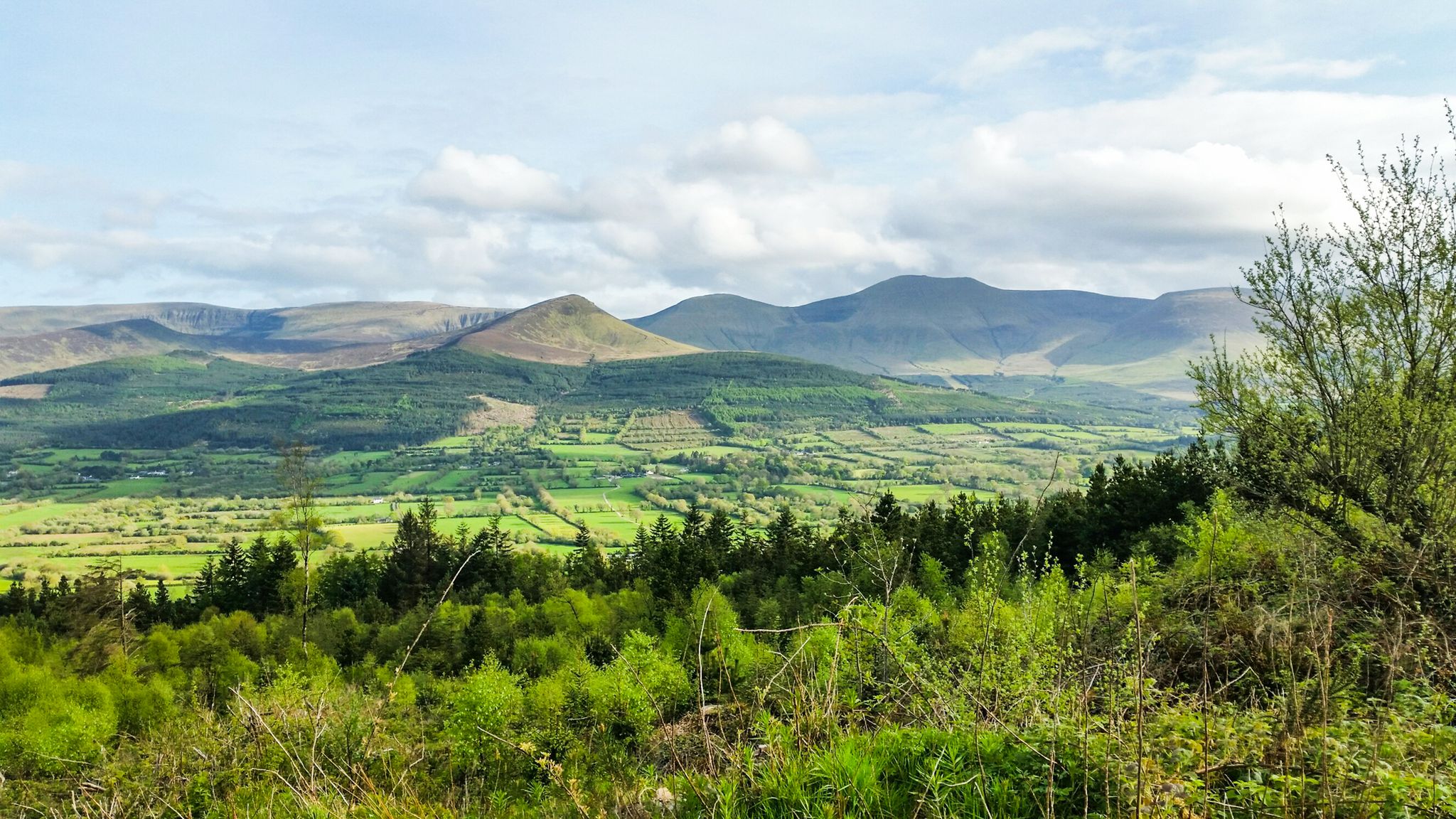
No traffic touring cycling routes around The Municipal District of Cahir — Cashel traverse a diverse landscape, featuring the fertile Golden Vale, the scenic Glen of Aherlow, and the imposing Galtee and Knockmealdown Mountains. The region is characterized by tranquil river valleys, such as the River Suir, and includes forested areas like Bansha Woods and Glengarra Wood. These physical features provide a variety of cycling experiences, from flat routes along waterways to more demanding climbs through mountain passes.
Best no traffic touring cycling routes around The Municipal District of Cahir — Cashel
- The most popular no traffic touring cycling route is Ardfinnan Castle loop from Clonmel, a 26.4 miles (42.5 km) trail that takes 2 hours 48 minutes to complete. This difficult route offers varied terrain through the countryside.
- Another top favourite among local touring cyclists is Ballyporeen & Mitchelstown Caves loop from Clogheen, a difficult 25.7 miles (41.4 km) path. This route features significant elevation gain through rural landscapes.
- Local touring cyclists also love the Nice views – Beautiful view and descent loop from Ballymacarbry, a 20.6 miles (33.2 km) trail leading through scenic views and descents, often completed in about 2 hours 59 minutes.
- Touring cycling around The Municipal District of Cahir — Cashel is defined by river valleys, forested areas, and mountain passes. The network offers options for different ability levels, from moderate routes to more challenging climbs.
- The routes in The Municipal District of Cahir — Cashel are highly rated by the komoot community with an average score of 4.9 stars from over 9 reviews. More than 130 touring cyclists have used komoot to explore The Municipal District of Cahir — Cashel's varied terrain.
Last updated: May 29, 2026
42.5km
02:49
560m
560m
Cycle the difficult 26.4-mile Ardfinnan Castle loop from Clonmel, gaining 1840 feet in elevation with scenic Irish countryside views.
41.4km
02:45
650m
650m
This difficult 25.7-mile touring cycling route from Clogheen features panoramic views, the Mitchelstown Caves entrance, and Burncourt Castle

Sign up for free
32
riders
33.2km
02:59
650m
650m
Hard bike ride. Very good fitness required. Mostly paved surfaces. Suitable for all skill levels.
22
riders
28.0km
02:40
630m
630m
Hard bike ride. Very good fitness required. Mostly paved surfaces. Suitable for all skill levels.
13
riders
35.3km
03:26
810m
810m
Hard bike ride. Very good fitness required. Mostly paved surfaces. Suitable for all skill levels.
Get access to more routes and recommendations from other explorers.
Sign up for free
Already have an account?
Our route recommendations are based on thousands of hikes, rides, and runs completed by other people on komoot.
Start today with a free account
Your next adventure awaits.
Login or Signup
Popular around The Municipal District of Cahir — Cashel
Other adventures around The Municipal District of Cahir — Cashel

Tips from the Community

Fireroads that wind through dense coniferous forest and open into sections with wide, scenic views. These gravel tracks provide a steady surface, ideal for hiking, cycling, or MTB, with gentle gradients and long, flowing stretches.
0
0
A beautiful blend of sweeping views and an enjoyable descent through the rolling landscape of the Galtee Mountains.
0
0

Carey's Castle Wood is a delightful mixed woodland on the north-western fringes of the Comeragh Mountains. The ruined castle that gives the woodland its name is a fine sight. Built on the banks of the Glenary River in the 1800s by the Carey family, it showcases a range of architectural styles. There's a network of paths and tracks through the woodland, making it a pleasant place to explore on foot.
0
0

Burncourt Castle is a fortified house and a National Monument in County Tipperary, Ireland. The castle was originally known as Everard's Castle, and was built by Richard Everard, 1st Baronet (d. 1650), son of politician and judge Sir John Everard. When Richard married Catherine Plunkett in 1620, his father awarded him a large estate around the River Tar. Around 1639 Sir Richard some of his land and began to build a fortified house. It was complete in 1641, and had 26 gables and seven chimneys. Archeological investigation found a cow skeleton in a pit that extended under the east wall of the castle. The cow appeared to have been killed and dismembered and left as a protective votive offering – the flanks were placed next to each other and the head placed on the upper backbone. The Everards took up residence just as the Irish Rebellion of 1641 began. In 1642 Sir Richard joined the Catholic Confederates at Kilkenny and became a member of the Supreme Council. Sir Richard's wife Catherine remained at the castle. In 1649, as Oliver Cromwell's Roundheads advanced on Everard's Castle, Lady Catherine burned it down, earning it the name of the Burned Court. Sir Richard Everard went on fight at the Siege of Limerick (1650–51), but was captured and hung in 1651 by Henry Ireton. Burncourt was abandoned. According to tradition Burncourt was seven years in building, seven years lived in and seven days burning. In the early 18th century, the painter Anthony Chearnley built a house adjoining the Burncourt ruin. The excavation also showed that there was no remaining debris from the castle burning, meaning that the roof slates and lead flashings were salvaged/looted for use elsewhere. https://en.m.wikipedia.org/wiki/Burncourt_Castle
0
0
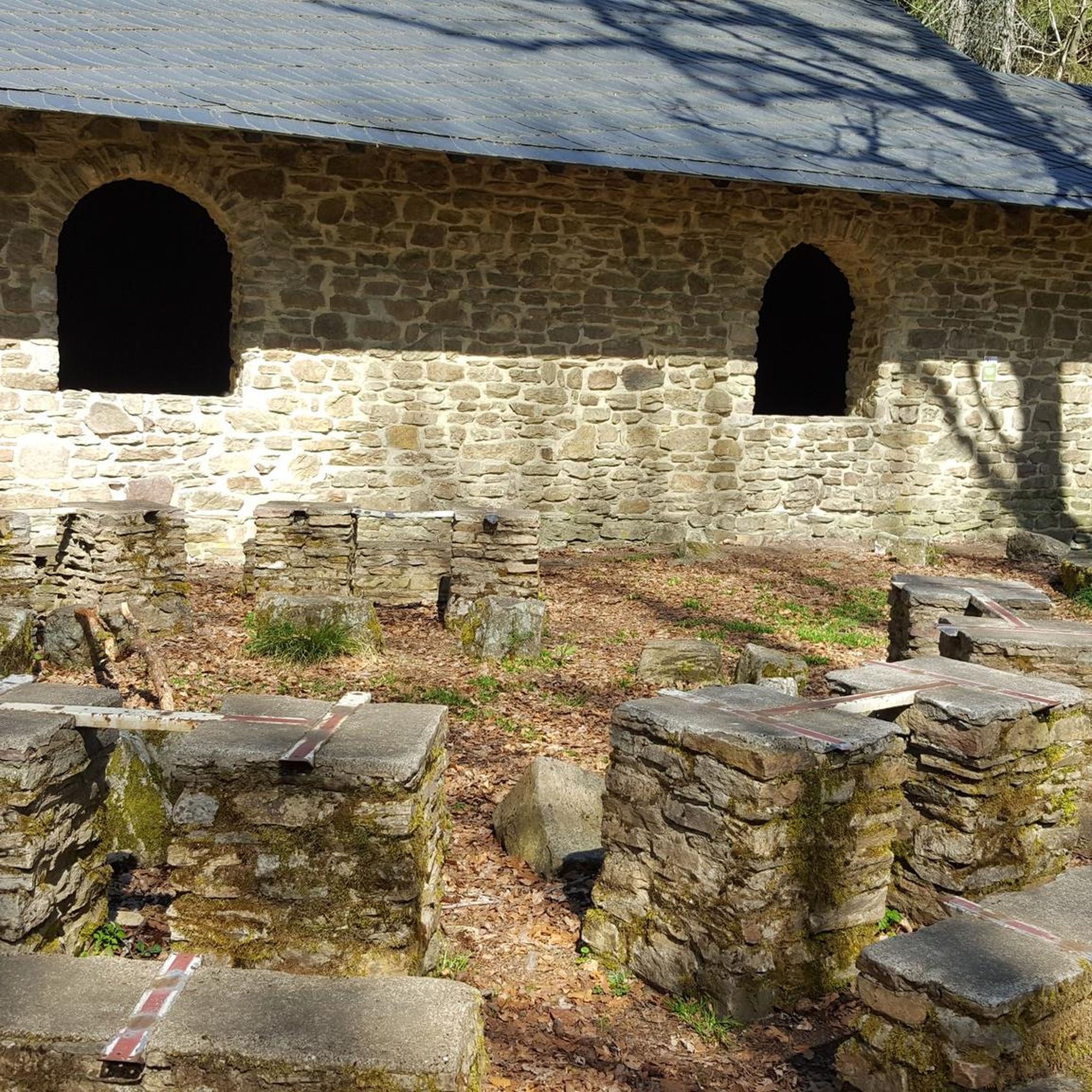
This is a beautiful mixed woodland that lies close to the Glenary River, a tributary of the Suir. The main feature of this site is the ruins of the castle that gives the forest its name. It is just 500m from the car park down a mixed woodland trail that leads to the river. It is believed to have been built at some stage during the 1800’s by the Carey family, who were local schoolmasters in the Clonmel area. A number of architectural styles are still evident in the ruined remains, including; Gothic windows, a Celtic round tower, a Norman Keep, and both Romanesque and Gothic arches. The remnants of a walled garden can be found to the southern side of the castle. An ice-house is located just off the trail beyond the castle. This is a stone-lined pit which used to serve as a ‘fridge’ when the castle was inhabited. Carey’s Castle was occupied by monks and up to recent years the ruins of the alms house was still in evidence. A real gem of a site for local historians. https://www.coillte.ie/site/careys-castle/
2
0
Mitchelstown Caves was discovered accidentally on the 3rd of May 1833, by Michael Condon who was quarrying limestone when he dropped his crowbar into a crevice. He stooped down to pull out a few boulders to retrieve the bar, next minute he found himself looking down into a vast series of underground chambers, passages and caverns. https://mitchelstowncave.com/
0
0
We were on the East Munster Trail. Unfortunately, the castle is on the other side of the Glenary River and cannot be reached from the hiking trail. What a pity.
0
1

Panoramic views await you as you head up the Shanrahan Climb. With an average gradient of 7.2%, it is pretty spicy.
0
0
Frequently Asked Questions
How many no-traffic touring cycling routes are available in The Municipal District of Cahir — Cashel?
There are 11 dedicated no-traffic touring cycling routes in The Municipal District of Cahir — Cashel, offering a variety of distances and difficulties for cyclists to explore.
What do other touring cyclists enjoy most about the no-traffic routes in The Municipal District of Cahir — Cashel?
The komoot community highly rates the touring cycling experience in this region, with an average score of 4.96 stars. Cyclists frequently praise the diverse landscapes, from tranquil river valleys to challenging mountain passes, and the seamless integration of historical sites like Cahir Castle and the Rock of Cashel into the routes.
Are there easy no-traffic touring cycling routes suitable for beginners or families?
Yes, there are 3 easy routes available. The region's River Suir Blueway offers tranquil stretches ideal for leisurely spins, providing a safe and scenic environment away from traffic. While specific easy routes are not detailed here, these areas are generally well-suited for less experienced cyclists or families.
Are there long-distance no-traffic touring cycling routes for experienced cyclists?
Absolutely. For experienced cyclists seeking a challenge, there are 6 difficult routes. An example is the Ardfinnan Castle loop from Clonmel, which covers over 42 km with significant elevation gain. Another demanding option is the Ballyporeen & Mitchelstown Caves loop from Clogheen, offering over 41 km of riding with challenging climbs.
Can I find circular no-traffic touring cycling routes in the area?
Yes, many of the no-traffic touring cycling routes in The Municipal District of Cahir — Cashel are designed as loops, allowing you to start and finish in the same location. Examples include the Ardfinnan Castle loop from Clonmel and the Ballyporeen & Mitchelstown Caves loop from Clogheen, providing convenient options for your tour.
What kind of scenery can I expect on these no-traffic touring cycling routes?
The routes traverse a diverse landscape, from the fertile Golden Vale to the scenic Glen of Aherlow. You'll encounter tranquil river valleys along the River Suir, explore forests like Bansha Woods and Glengarra Wood, and for more challenging rides, experience the imposing Galtee and Knockmealdown Mountains, including the dramatic Vee Pass.
What historical sites or landmarks can I visit along these no-traffic touring cycling routes?
The region is rich in history. You can cycle past iconic landmarks such as the Rock of Cashel, a legendary ecclesiastical site, and the impressive Cahir Castle. Other notable sites include Ardfinnan Castle and the charming Swiss Cottage, often integrated into routes along the River Suir.
Are there any routes that offer great views or natural features like lakes?
Yes, several routes provide stunning vistas and access to natural beauty. You can find highlights like Tremendous views across Tipperary, the challenging The Vee Climb, and serene lakes such as Bay Lough and Lake Muskry. These features are often part of routes that explore the mountainous and forested areas.
Where can I find parking for these no-traffic touring cycling routes?
Many routes start from towns like Cahir and Cashel, which typically offer public parking facilities. For routes beginning in more rural areas, look for designated car parks near trailheads or popular attractions. It's advisable to check specific route details for recommended starting points and parking information.
What is the best time of year for no-traffic bike touring in The Municipal District of Cahir — Cashel?
Spring and autumn generally offer the most pleasant conditions for touring cycling, with milder temperatures and beautiful scenery. Summer can also be excellent, though routes might be busier. Winter cycling is possible, especially on quieter roads, but be prepared for colder, wetter weather and shorter daylight hours.
Are there cafes or places to stop for refreshments near the quiet bike trails?
Yes, routes often pass through or near charming towns and villages like Cahir and Cashel, where you'll find cafes, pubs, and shops to refuel and relax. Even in more rural areas, some routes might have small local establishments or picnic spots. Planning your route with potential stops in mind is recommended.
Can I combine my bike tour with other activities like wild swimming?
While specific wild swimming spots directly on the no-traffic routes are not highlighted, the region's natural features, particularly the River Suir and various lakes, may offer opportunities for a refreshing dip. Always exercise caution, check local regulations, and prioritize safety when considering wild swimming.
Most popular routes around The Municipal District of Cahir — Cashel
Most popular attractions around The Municipal District of Cahir — Cashel

Get inspired with the komoot mobile app


Explore more
Browse the best Cycling routes in other regions.
