Top 6 Lakes around St. Agnes
Best lakes around St. Agnes offers a variety of water features, from man-made reservoirs to flooded quarries and coastal coves. The region, known for its Cornish countryside, provides diverse natural landscapes. These water bodies contribute to the area's appeal for outdoor activities and natural exploration. St. Agnes features both inland and coastal water environments.
Best lakes around St. Agnes
- The most popular lakes is Holywell Bay Beach and Gull Rocks, a natural monument and beach that features a long…
Last updated: June 30, 2026
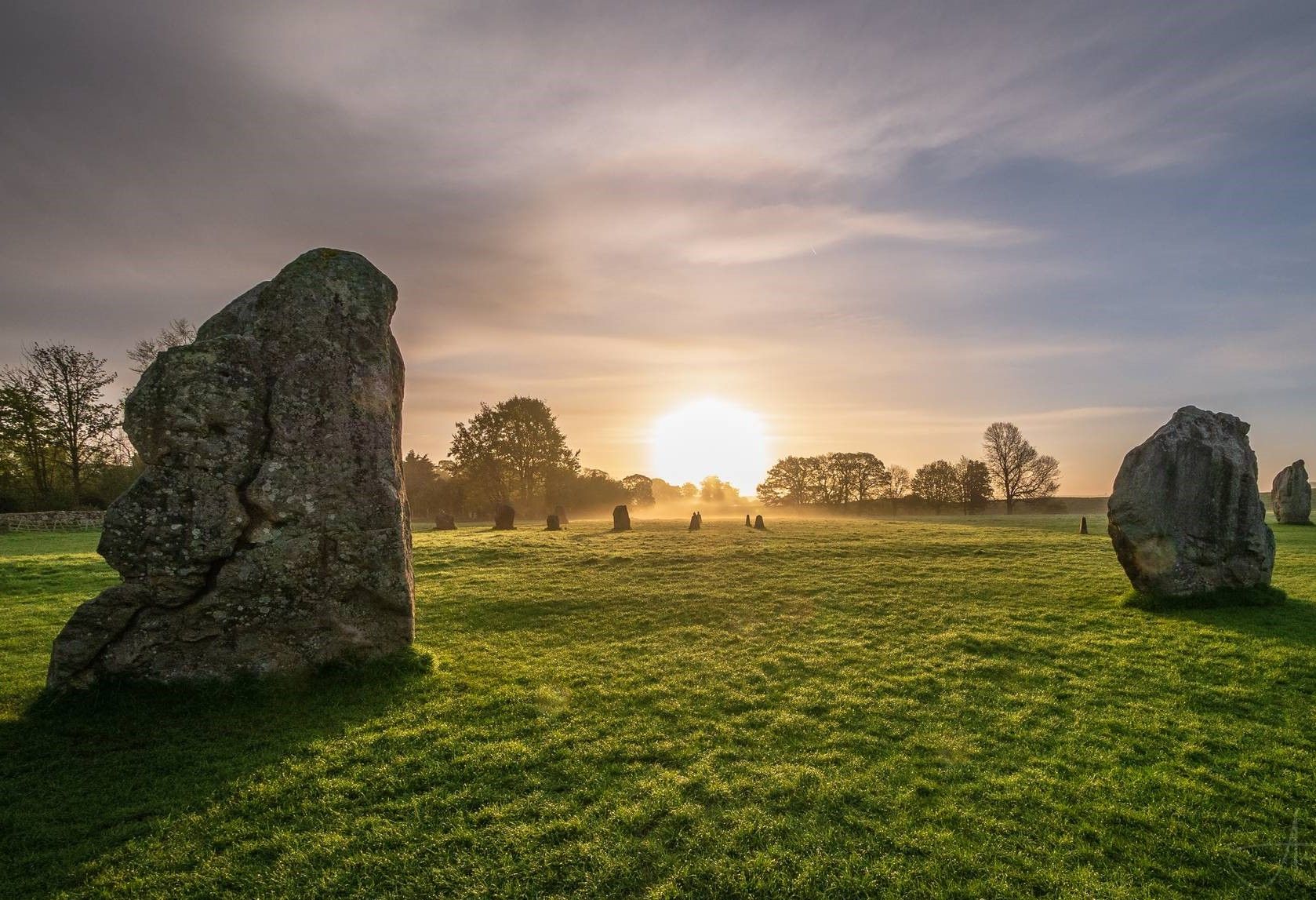
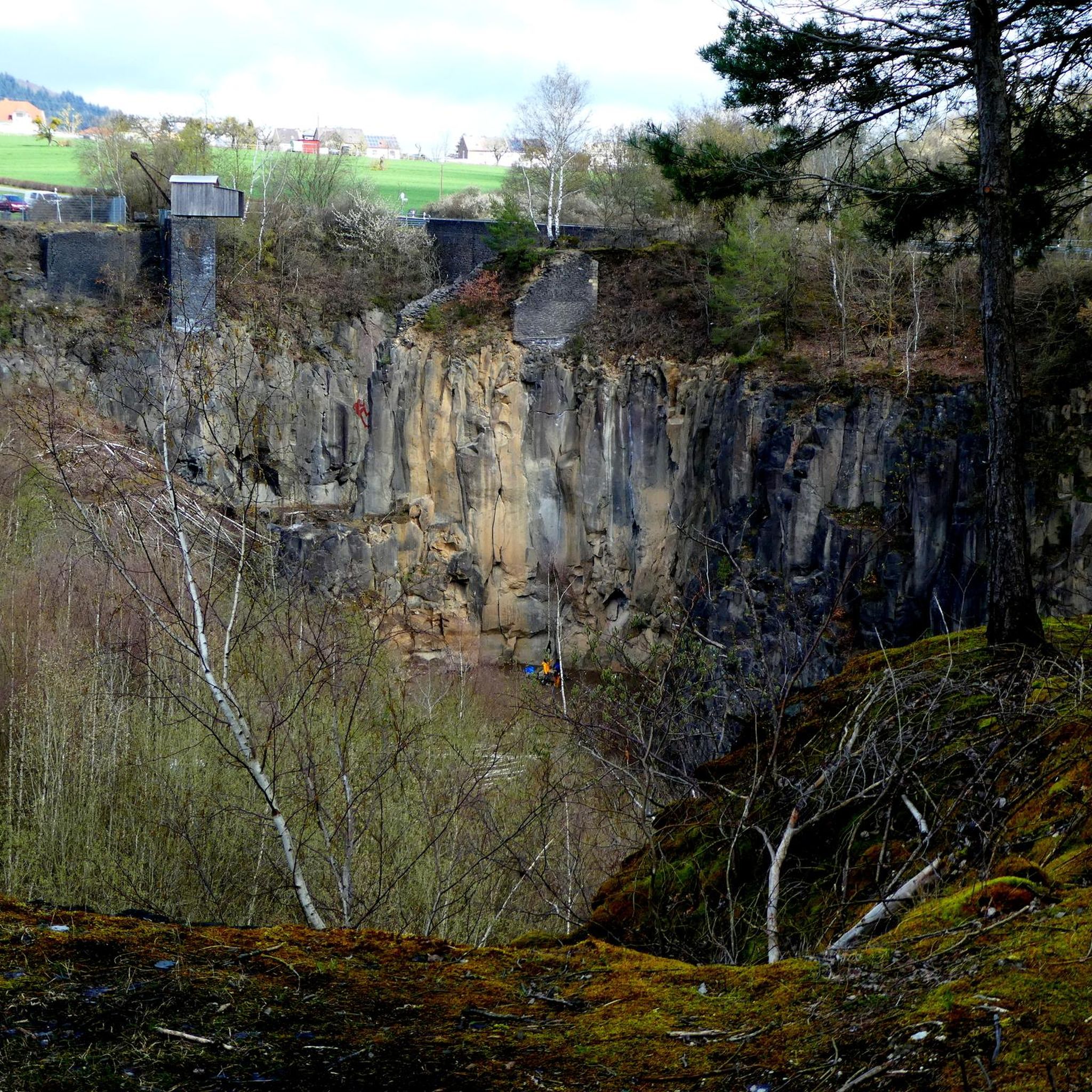
Carn Marth and Hick's Quarry Pool
Highlight • Viewpoint
Tip by

Basset's Cove
Highlight • Natural Monument
Translated by Google •
Tip by

Sign up now to discover places like this
Get recommendations on the best single tracks, peaks, & plenty of other exciting outdoor places.
Sign up for free
Portreath Harbour and Beach
Highlight • Beach
Tip by

Holywell Bay Beach and Gull Rocks
Highlight • Natural Monument
The beach is with its upstream twin …
Translated by Google •
Tip by

Stithians Reservoir Dam
Highlight • Monument
Tip by
Sign up for free to discover even more lakes around St. Agnes.
Sign up for free
Already have an account?
Start today with a free account
Your next adventure awaits.
Login or Signup
Other adventures around St. Agnes

Tips from the Community

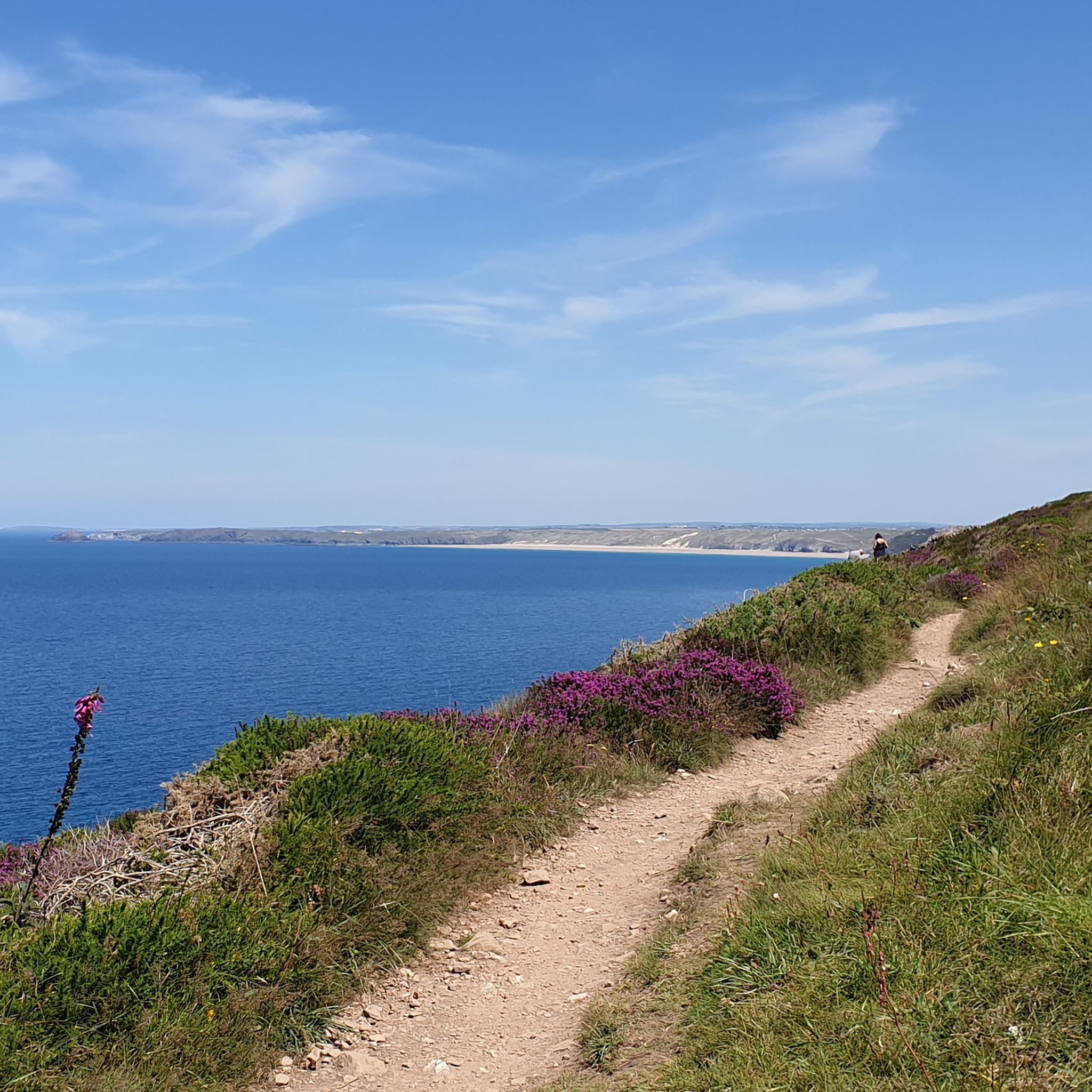
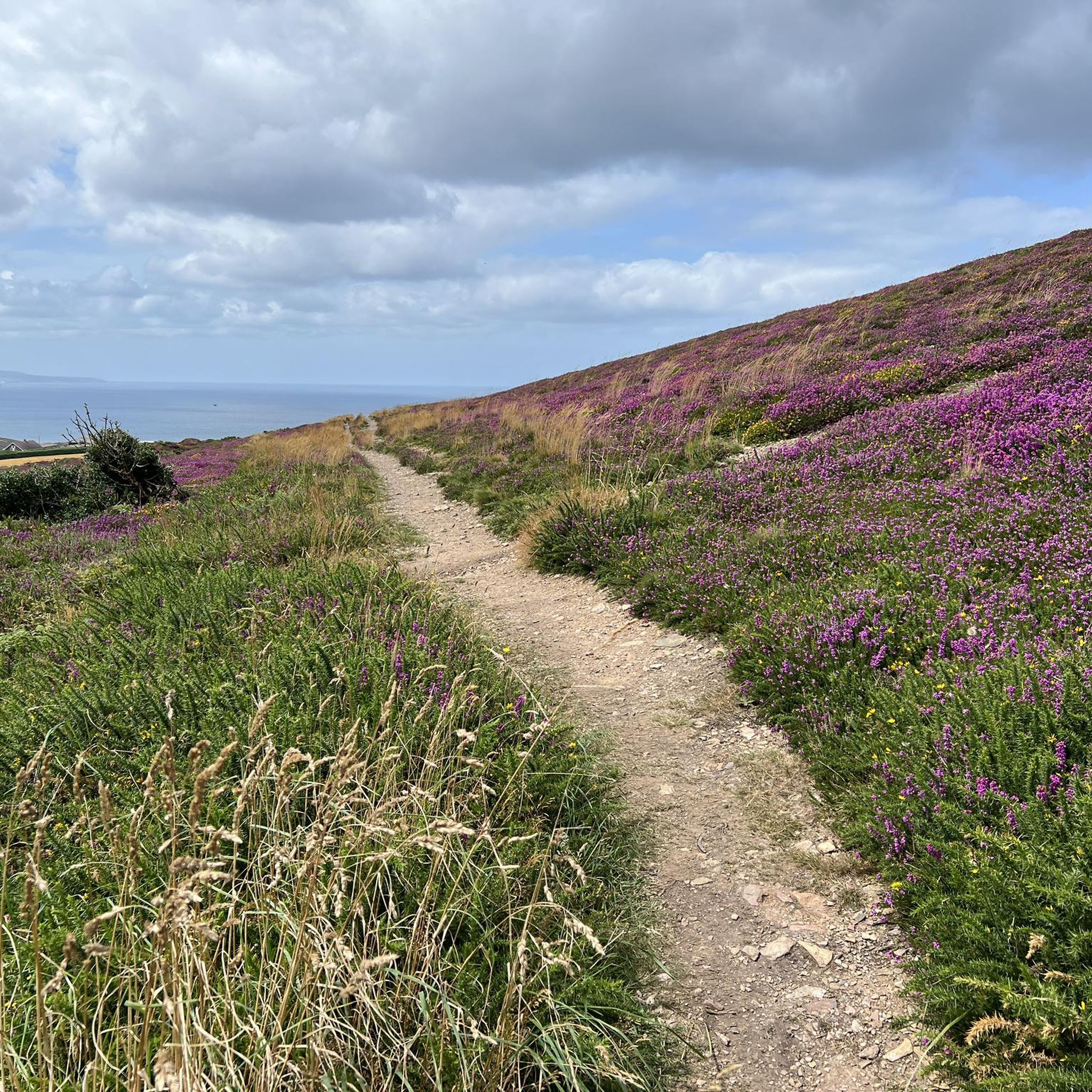
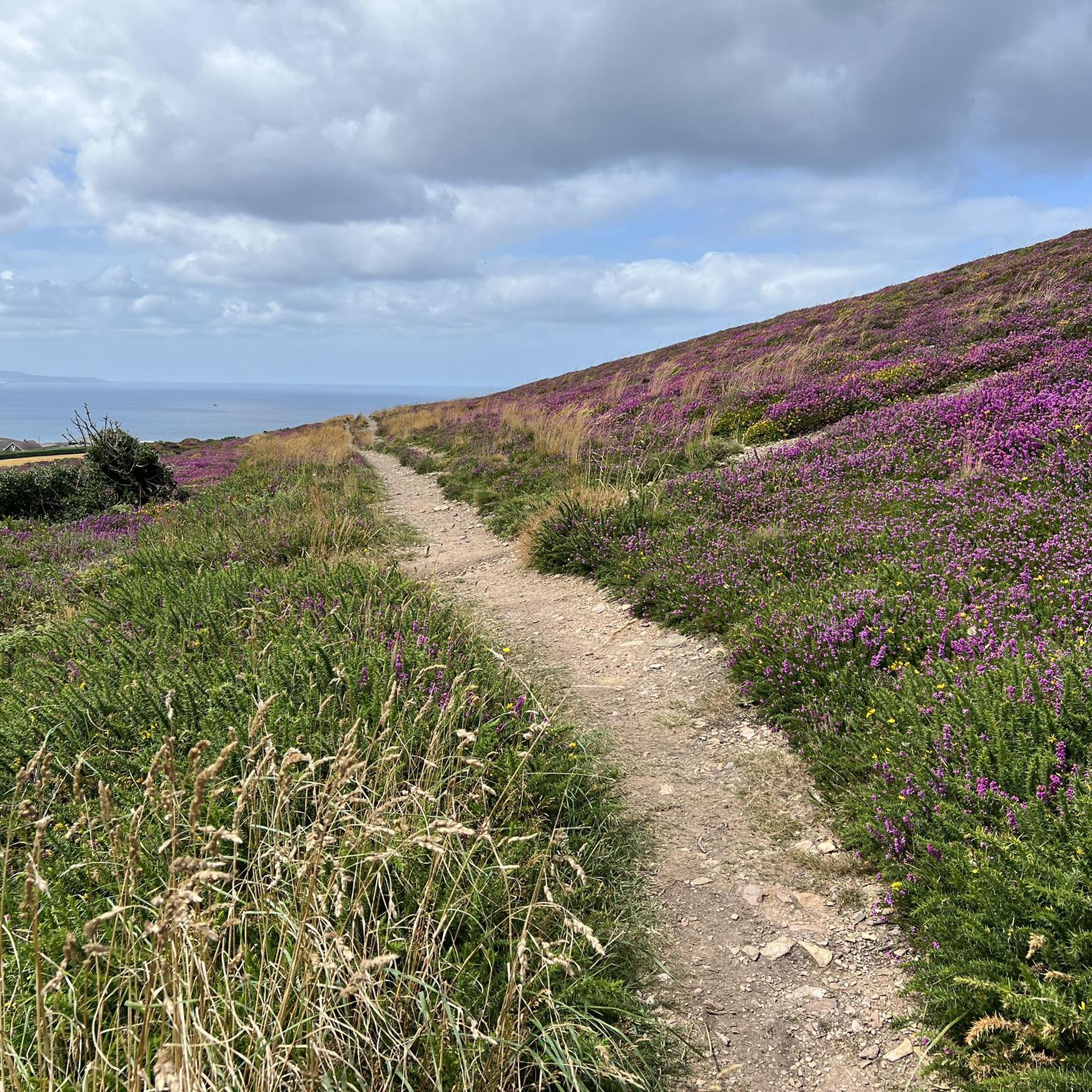
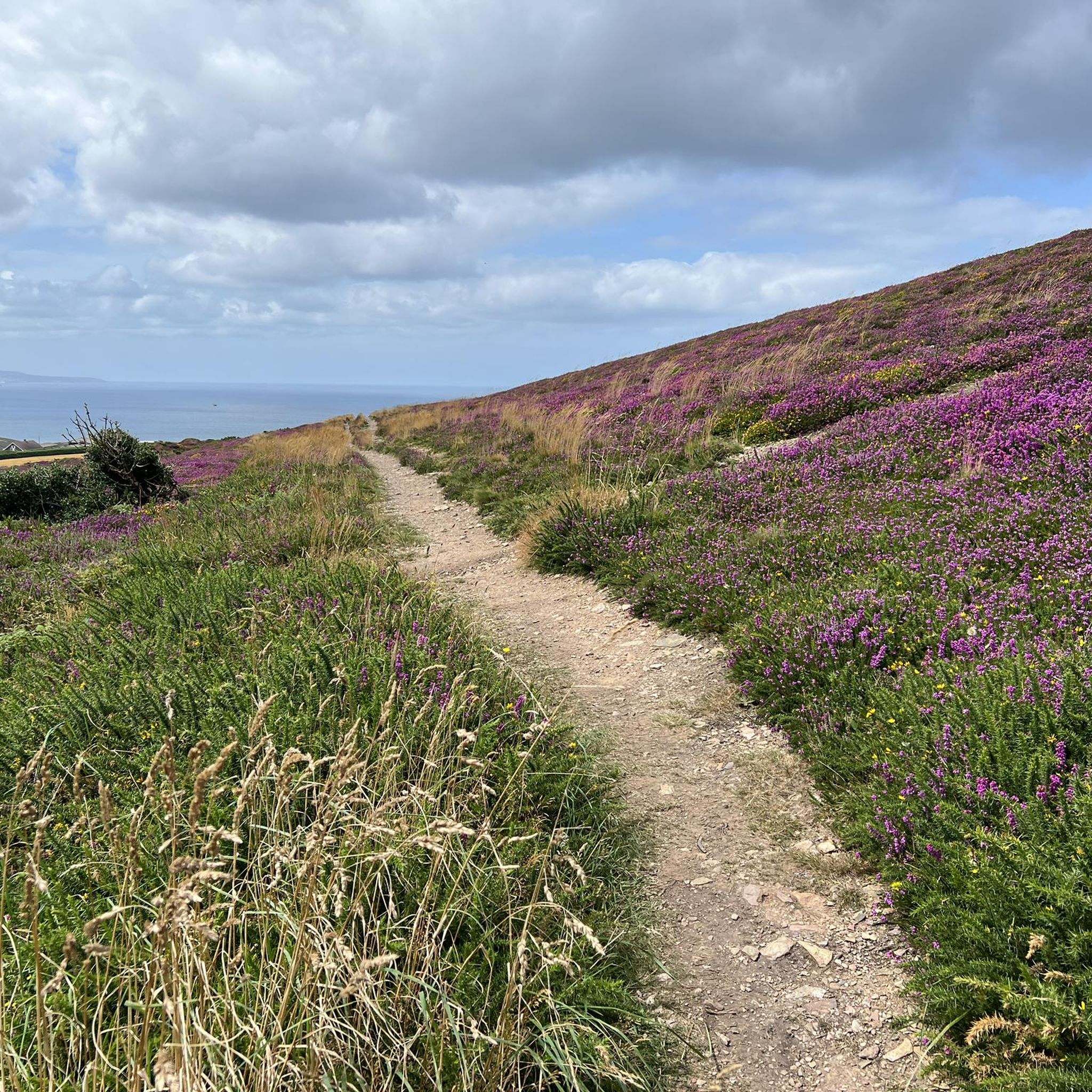
Breathtaking views. Especially when combined with the blooming heather!
0
0

Worth climb to the cairn for the downhill section on the main access road. Then drop into single track round the back lanes of Carharrack. Sweet! :)
0
0


Great view from the dam across the reservoir towards Carn Menellis
0
0

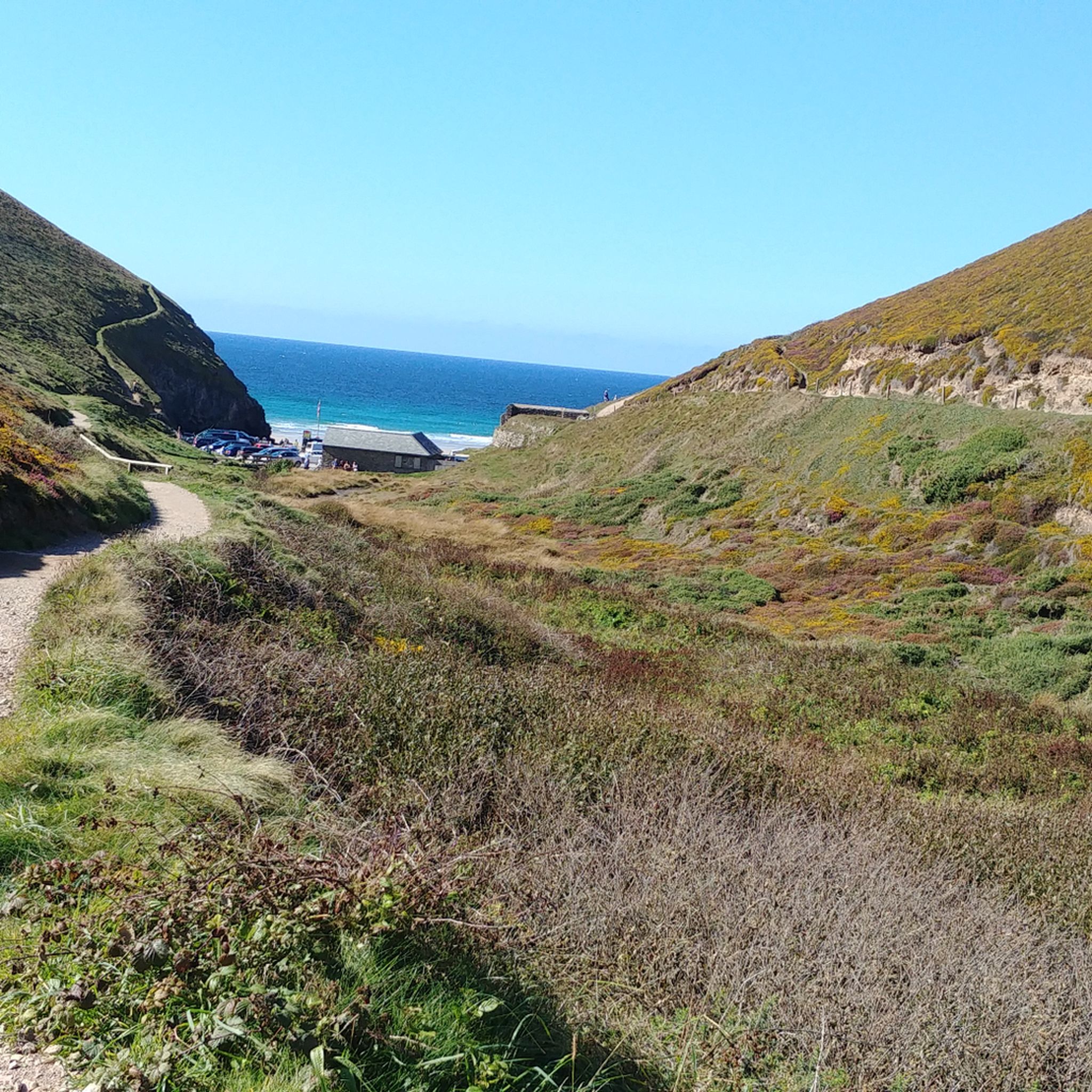
Portreath is a a small coastal village with a very narrow harbour and sandy beach. Rather than fish, this port was used to import Welsh coal and export copper. The original loading ramp can still be seen and given the narrowness of the harbour, navigating it must have been very difficult and dangerous. There are several cafes and shops in Portreath if you are in need of refuelling and/or rehydrating.
1
0


The 7.3 km long circular route takes you back to a time when Cornwall was covered by sea and then became a Europe-wide mountain range. The sedimentary rocks of this area around Portreath were deposited in a deep marine environment during the Devonian age (ca. 393 - 373 million years): Greywacken: Gray rock with fine to coarse grains (0.3 - 2 mm; 0.01 - 0.08 inch), consisting of quartz, feldspars and fragments of foreign rocks. In some cases, shiny/shimmering components can be seen (mica), the rocks form layers and banks. Siltstones: Light gray rock with fine grains (<0.063 mm; <0.002 inch) that are not visible to the naked eye. Layers can be recognized based on the color difference. Slate: Gray to black, sometimes slightly red to greenish colored rocks with very fine grains (<0.02 mm, <0.001 inch), the rocks appear foliated with very thin layers, often alternating with greywackes. The originally horizontal sedimentary layers of Cornwall were tectonically overprinted around 323 - 299 million years ago during the Variscan orogeny (mountain formation). During this time, the southern major continent Gondwana collided with the northern major continents Laurentia and Baltica as well as smaller continent fragments (terranes) such as Avalonia and Amorica. The orogeny ended approximately 270 million years ago with the formation of the supercontinent Pangea. Due to the pressure from the south, the sedimentary rocks were compressed, folded and internally transformed under increasing temperatures. This is how slates emerged from the original claystones. There are no deposits in the area for the period between the formation of the Devonian rocks until 3 million years ago. During the Ice Age 3 million years ago, the region of modern-day Cornwall lay in a tundra area south of the glaciers that covered the Northern Hemisphere. Periglacial deposits from this period can be observed on the cliffs.
0
0

The picturesque coastal town of Portreath arrives just past the halfway point of my final day's riding from Castledore to Land's End
1
0
Frequently Asked Questions
What types of water bodies can I find near St. Agnes?
The St. Agnes area features a variety of water bodies, including man-made reservoirs like Stithians Reservoir Dam, flooded former granite quarries such as Carn Marth and Hick's Quarry Pool, and coastal features like Holywell Bay Beach and Gull Rocks, which are often appreciated for their lake-like qualities.
Are there any natural lakes in the St. Agnes area?
While St. Agnes is known for its coastline, the inland water bodies are primarily man-made or former industrial sites reclaimed by nature. Stithians Reservoir Dam is a significant man-made reservoir, and Carn Marth and Hick's Quarry Pool is a flooded former granite quarry. Coastal features like Holywell Bay Beach and Gull Rocks are natural but are coastal rather than inland lakes.
Which lakes are suitable for families with children?
Several locations are family-friendly. Stithians Reservoir Dam offers watersports and bird watching, making it an engaging spot for families. Holywell Bay Beach and Gull Rocks is a long sandy beach perfect for family outings, and Portreath Harbour and Beach also has facilities suitable for families.
What outdoor activities can I do near these lakes?
The area around St. Agnes offers diverse outdoor activities. Near the lakes and coastal features, you can enjoy watersports like sailing, windsurfing, kayaking, and canoeing at Stithians Reservoir Dam. Bird watching and fly fishing are also popular there. For land-based activities, there are numerous running, road cycling, and general cycling routes available. You can explore these options further in the Running Trails around St. Agnes, Road Cycling Routes around St. Agnes, and Cycling around St. Agnes guides.
Are there good walking opportunities around the lakes near St. Agnes?
Yes, there are excellent walking opportunities. The paths around Stithians Reservoir Dam offer plenty to observe for nature enthusiasts. The area around Carn Marth and Hick's Quarry Pool provides incredible views over the rural Cornish countryside and is part of a rich historical mining landscape, ideal for exploration on foot.
What historical sites or features can I find near the lakes?
The region is rich in history, particularly related to mining and quarrying. Carn Marth and Hick's Quarry Pool is a former granite quarry, and the surrounding area is littered with disused mining works. Stithians Reservoir Dam, completed in 1962, submerged 274 acres of land and three country houses, adding a layer of modern history to its setting.
Is wild swimming permitted in the lakes near St. Agnes?
While Hick's Quarry Pool is mentioned as a place where swimming might be an option for some, it's important to exercise caution and check local regulations. For organized watersports, Stithians Reservoir Dam has a watersports centre, but specific wild swimming rules should be verified locally.
When is the best time to visit the lakes around St. Agnes?
The Cornish countryside is beautiful year-round. For watersports and enjoying the beaches like Holywell Bay Beach and Gull Rocks, warmer months are ideal. However, for bird watching at Stithians Reservoir Dam or exploring the historical landscapes around Carn Marth and Hick's Quarry Pool, any season can offer a rewarding experience, with winter providing a different, often quieter, perspective.
What do visitors enjoy most about the lakes and water features in St. Agnes?
Visitors frequently praise the stunning views, especially from elevated points like Carn Marth. The diverse activities available, from watersports at Stithians Reservoir Dam to surfing at Holywell Bay Beach, are also highly valued. The unique blend of natural beauty and rich mining history, as seen at Basset's Cove, makes the area particularly appealing.
Are there places to eat or drink near the lakes?
Yes, for instance, Portreath Harbour and Beach, while a coastal feature, has several cafes and shops where you can refuel. While specific pubs directly adjacent to inland lakes like Stithians Reservoir are not detailed, surrounding villages and towns in the St. Agnes region offer various dining options.
Can I bring my dog to the lake trails in St. Agnes?
Many outdoor areas in Cornwall are dog-friendly, but it's always best to check specific signage at each location. Coastal paths and many rural trails are generally welcoming to dogs, often requiring them to be on a lead. For specific lake areas like Stithians Reservoir Dam, it's advisable to look for local guidelines regarding pets.
Most popular routes around St. Agnes
Most popular attractions around St. Agnes

Get inspired with the komoot mobile app


Explore more
Still not found your perfect lake around St. Agnes? Check out the guides of these regions to see even more beautiful places.
