Top 20 Castles in the Dinaric Alps Mountains
Castles in the Dinaric Alps Mountains offer a journey through millennia of history within a dramatic mountain range. This region, stretching across the Balkan Peninsula, is characterized by its rugged terrain, diverse landscapes, and rich cultural heritage. Visitors can explore fortifications that showcase ancient Roman foundations, medieval engineering, and Ottoman and Austro-Hungarian reconstructions. The castles are often strategically positioned, providing views of rivers, cities, and surrounding peaks.
Best castles in the Dinaric Alps Mountains
- The most popular castles is Diocletian's…
Last updated: June 29, 2026
Diocletian's Palace Walls
Highlight • Historical Site
Translated by Google •
Tip by

Old Town alley, Kotor
Highlight • Historical Site
Translated by Google •
Tip by

Sign up now to discover places like this
Get recommendations on the best single tracks, peaks, & plenty of other exciting outdoor places.
Sign up for free
St. John Fortress (Sveti Ivan Fortress)
Highlight • Castle
Translated by Google •
Tip by

Fortica Fortress, Omiš
Highlight • Castle
Translated by Google •
Tip by

San Giusto Castle and the Roman Ruins of Trieste
Highlight • Castle
Translated by Google •
Tip by

Kamerlengo Fortress, Trogir
Highlight • Castle
Translated by Google •
Tip by

Ruins of Badanj Castle
Highlight • Castle
Translated by Google •
Tip by

Historic stone alleys of Korčula's Old Town
Highlight • Historical Site
Translated by Google •
Tip by

Budva Old Town
Highlight • Historical Site
Translated by Google •
Tip by
Ston City Walls
Highlight • Monument
Translated by Google •
Tip by

Sign up for free to discover even more castles in the Dinaric Alps Mountains.
Sign up for free
Already have an account?
Start today with a free account
Your next adventure awaits.
Login or Signup
Popular around Dinaric Alps Mountains

Triathlon 360 – my journey around the world
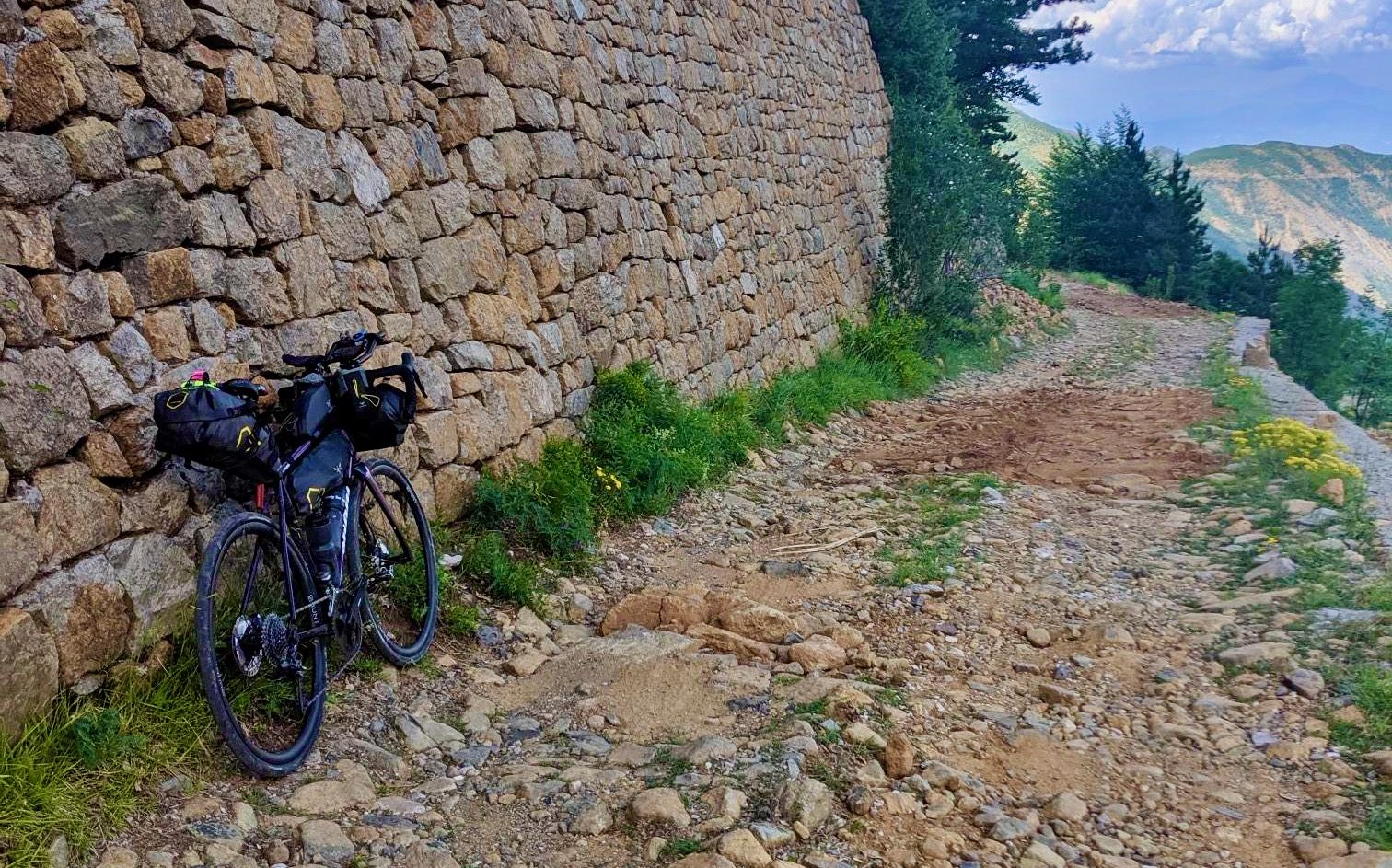
Traversing the Dinaric Alps — bikepacking from the mountains to the sea
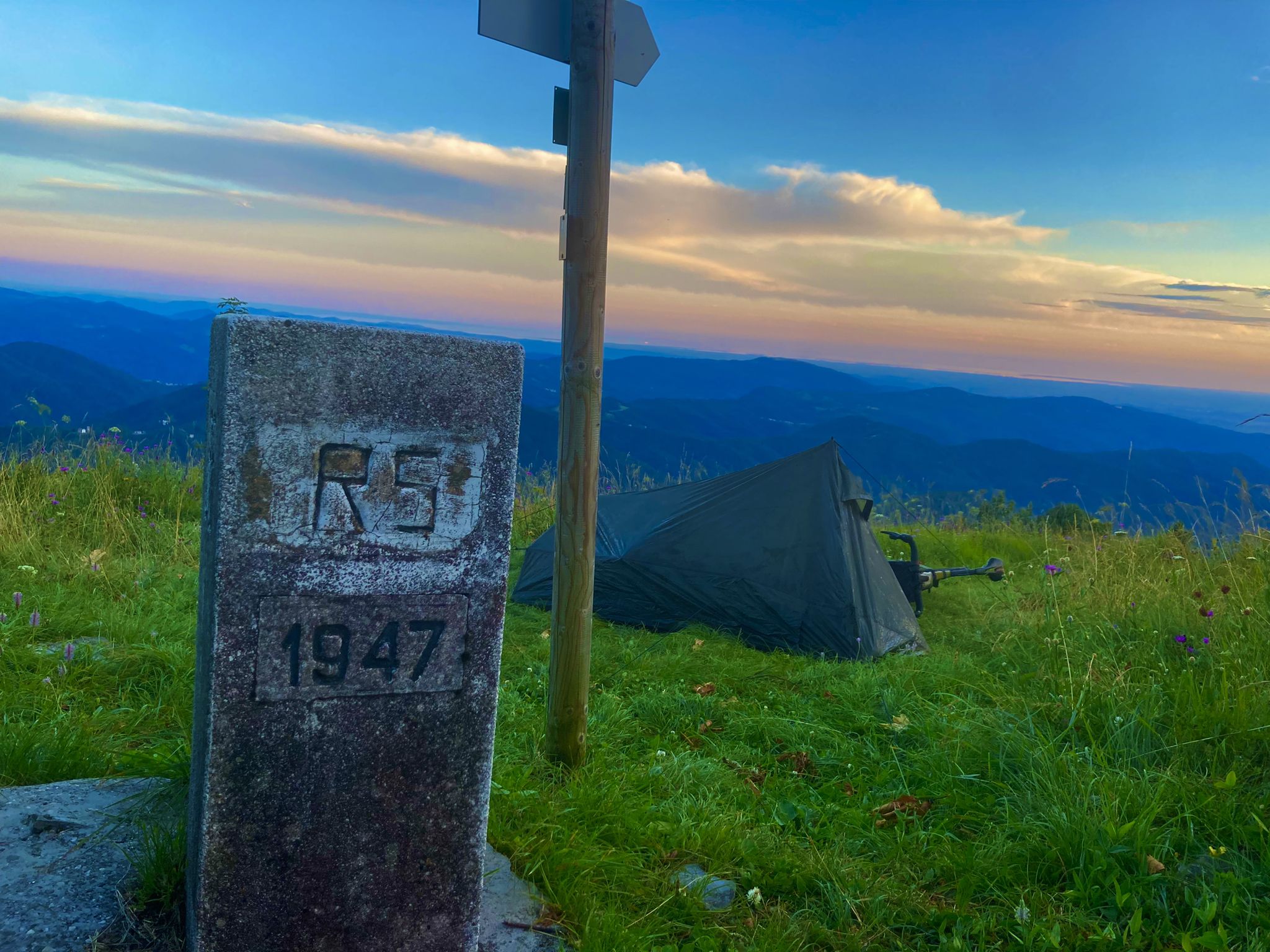
From Bavaria to the Adriatic - My Bikepacking Adventure to Croatia 2023
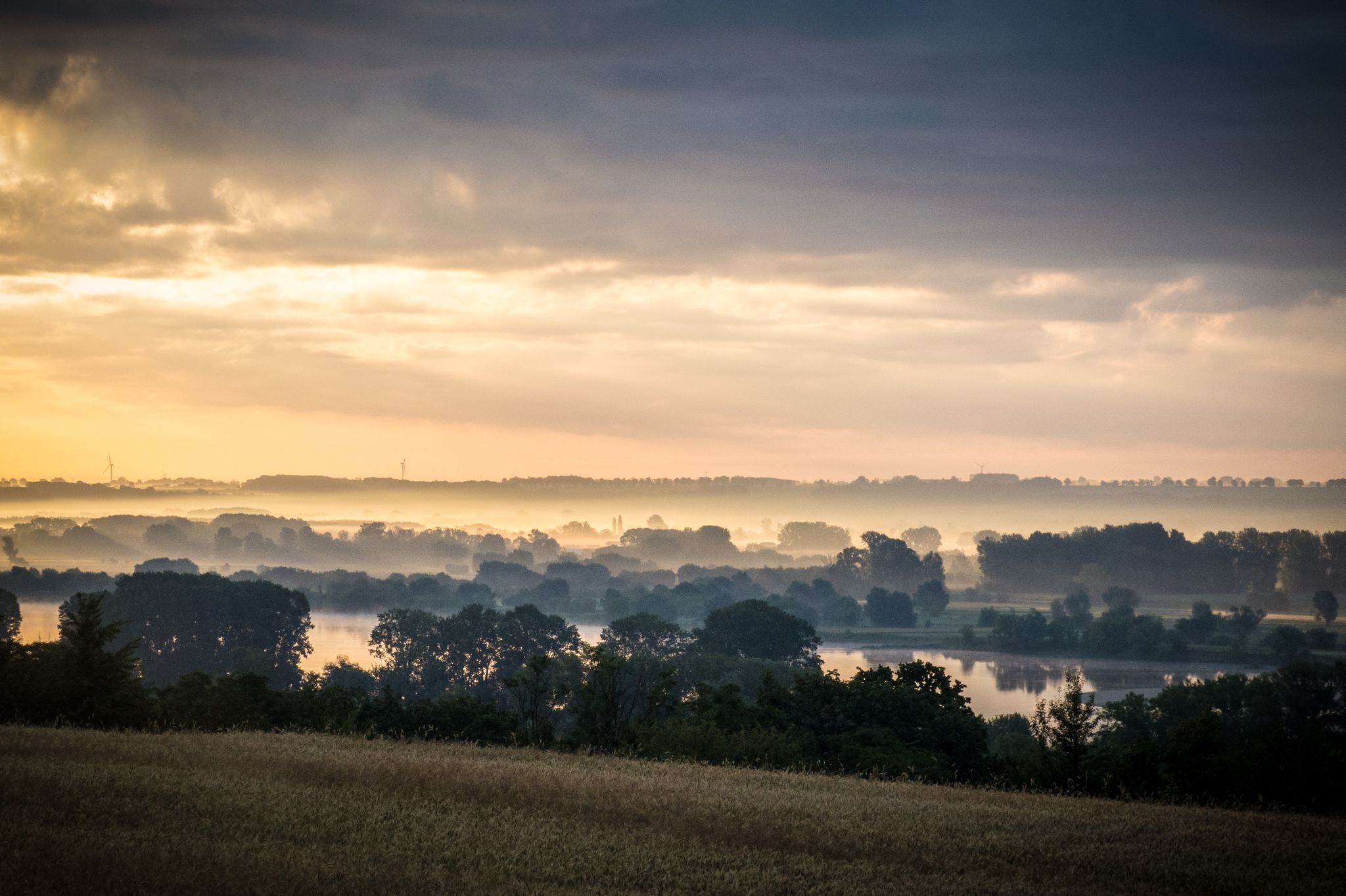
EuroVelo 9 – The Amber Route from the Baltic to Adriatic Sea
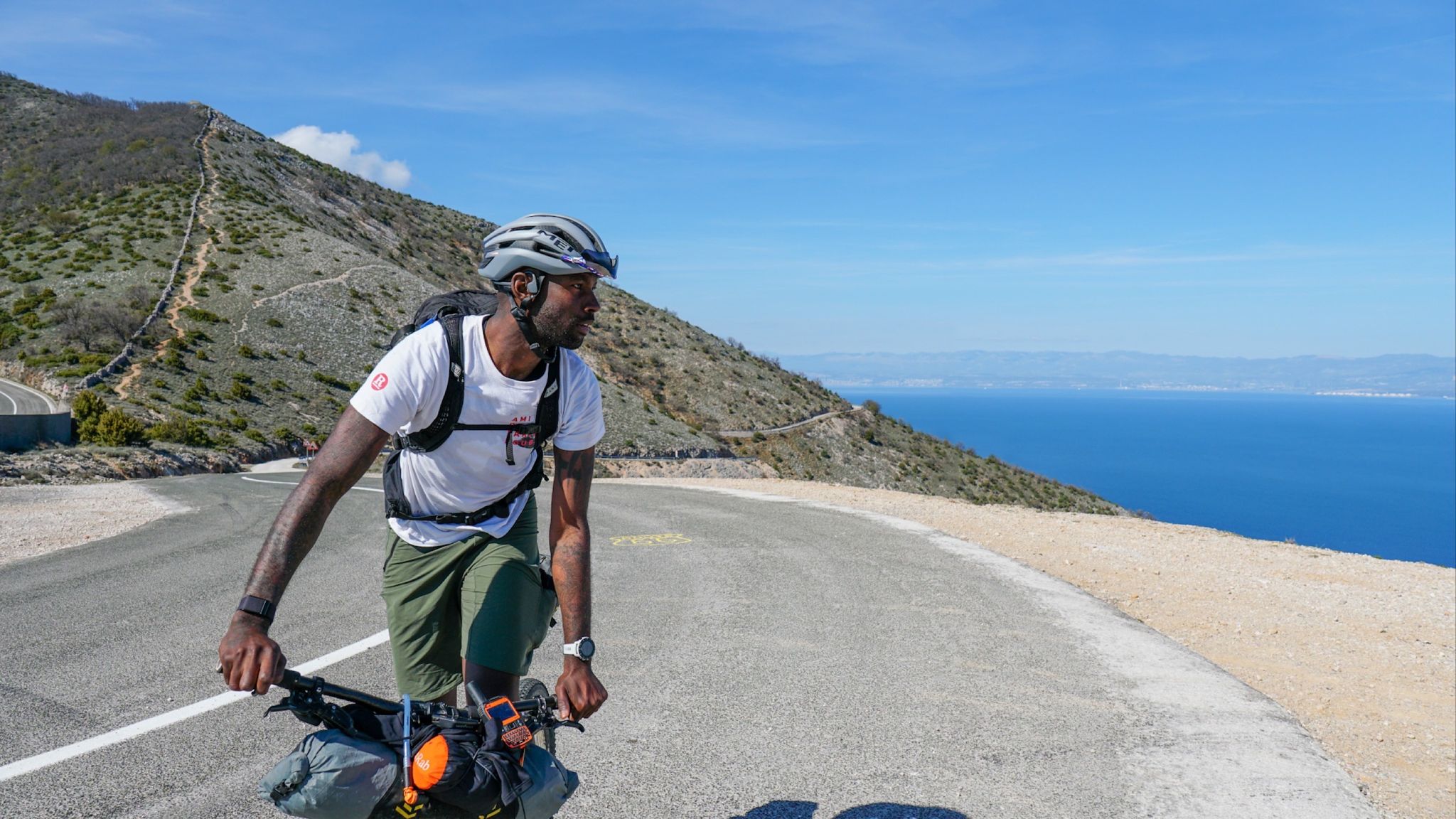
Slovenian mountains to island hopping around the Adriatic Crest
The Dinaric Alps – explore the Adriatic Sea in a different way
Slovenia West Loop (Soča Variation) – Bikepacking
The West Loop — Bikepacking Slovenia in five days
The Ciro Trail — Along the railtrail from Mostar to Dubrovnik
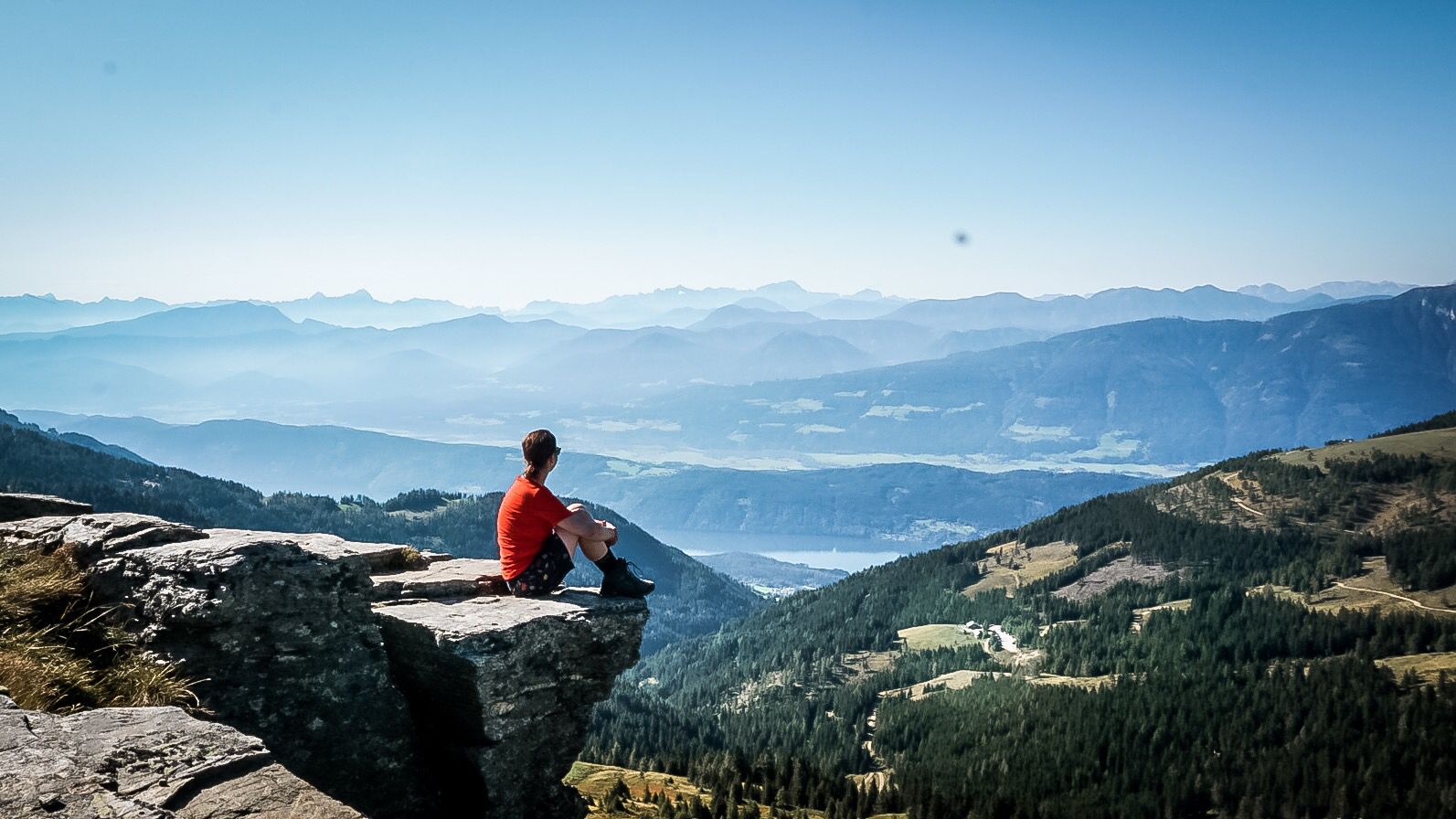
Alpe-Adria-Trail: My long-distance hike from the glacier to the sea
Other adventures in the Dinaric Alps Mountains


Tips from the Community

A historic old town, designated a UNESCO World Heritage Site in 1979. Many preserved buildings and ruins founded by the Romans around the 3rd century.
1
0

The old town, surrounded by medieval walls and laid out in a herringbone pattern, is known for its good air circulation and shelter from the wind. It is considered one of the best-preserved medieval cities in the Mediterranean and is a candidate for UNESCO World Heritage status.
1
0

You could almost believe you were standing in front of the Great Wall of China
2
0

This makes it one of the oldest settlements on the Adriatic.
3
0
Budva's old town, called Stari Grad, is more than 2,500 years old
3
0

Trieste is a worthwhile destination at any time of the year! There is a lot to discover 👀 and good restaurants, cafes and bars 😋
3
1

Imposing fortress at the southwestern end of the island
0
0

This is one entrance to Korčula's old town, but there are other entrances. Korčula's old town is often referred to as the little Dubrovnik, so Korčula is also an absolute highlight, but not cheap!
0
0
Frequently Asked Questions
What are some of the most historically significant castles in the Dinaric Alps?
The Dinaric Alps are rich in history, featuring fortifications from various eras. Notable examples include Diocletian's Palace Walls, a partially preserved Roman palace in Split, Croatia. Further north, San Giusto Castle in Trieste, Italy, showcases nearly 200 years of military architectural evolution. In Bosnia and Herzegovina, the Kastel Fortress in Banja Luka is the oldest fortification in the country, with Roman, Ottoman, and Austro-Hungarian influences. Croatia's Knin Fortress, once a royal seat, is one of Europe's largest military fortifications.
Are there any unique or unusual castles to visit in the Dinaric Alps?
Absolutely. Predjama Castle in Slovenia stands out as one of Europe's most dramatic, built directly into the mouth of a cavern, halfway up a 123-meter-high cliff. It's recognized as the largest cave castle globally. Another unique site is Ostrožac Castle near Cazin, Bosnia and Herzegovina, which not only boasts medieval and Ottoman architecture but also hosts an open-air sculpture park with over 130 monumental sculptures.
What kind of views can I expect from castles in the Dinaric Alps?
Many castles in the Dinaric Alps are strategically positioned to offer breathtaking panoramic views. From Fortica Fortress above Omiš, Croatia, you'll get a wonderful view of the town and coastline. Knin Fortress provides spectacular vistas of the city, the Krka River, surrounding mountains, and Dinara, Croatia's tallest peak. The Walls of Ston, Croatia, offer stunning views of the towns, the Adriatic Sea, and ancient salt pans.
Are there family-friendly castles or activities for children?
Yes, several castles offer engaging experiences for families. Diocletian's Palace Walls and Kamerlengo Fortress in Trogir are listed as family-friendly highlights. Predjama Castle, with its secret passages and the legend of Erazem Lueger, can be particularly captivating for children. The open-air sculpture park at Ostrožac Castle also provides a unique and interactive cultural experience for all ages.
What outdoor activities can I do near these castles?
The Dinaric Alps region offers a variety of outdoor activities. You can find numerous MTB trails, waterfall hikes, and cycling routes throughout the mountains. For example, the area around Knin Fortress is excellent for hiking, offering views of the Krka River and Dinara mountain. The 14km cave system beneath Predjama Castle is also open to visitors from May to September, providing an adventurous underground exploration.
What is the best time of year to visit castles in the Dinaric Alps?
The best time to visit castles in the Dinaric Alps generally depends on your preference for weather and crowds. Spring (April-May) and autumn (September-October) offer pleasant temperatures for exploring and fewer crowds. Summer (June-August) is popular but can be hot, especially for exposed sites like Fortica Fortress. If you wish to explore the cave system beneath Predjama Castle, it's typically open from May to September.
Are there any castles that are less crowded or considered 'hidden gems'?
While the main highlights attract many visitors, exploring some of the less-known sites can offer a more tranquil experience. Ostrožac Castle, with its fairytale appearance and unique sculpture park, might be less frequented than more famous sites. The Walls of Ston, while impressive, offer a long walk that can spread out visitors, allowing for moments of solitude and stunning views.
What do visitors enjoy most about the castles in the Dinaric Alps?
Visitors frequently appreciate the dramatic settings and rich history of the castles. The unique integration of structures with natural landscapes, such as Predjama Castle built into a cliff, is a major draw. The panoramic views from fortresses like Fortica Fortress and Knin Fortress are also highly praised. Many enjoy the opportunity to step back in time and explore the architectural evolution from Roman foundations to medieval and Ottoman reconstructions.
Can I find cafes or restaurants near the castles?
Yes, many castles, especially those in or near towns, have amenities nearby. Kastel Fortress in Banja Luka, for instance, has a restaurant within its ramparts. Knin Fortress also features a restaurant. In general, castles located in or close to cities like Split (for Diocletian's Palace Walls) or Trieste (for San Giusto Castle) will have a wide array of cafes and restaurants within easy reach.
Are there any castles that are particularly challenging to reach but offer great rewards?
Yes, for those seeking a challenge, St. John Fortress (Sveti Ivan Fortress) above Kotor, Montenegro, is a prime example. It requires climbing 1350 steps to reach the top, but the reward is an unparalleled view of the Bay of Kotor and the old town. Similarly, the ascent to Fortica Fortress in Omiš can be demanding, especially in high temperatures, but offers a beautiful vista.
What are the Walls of Ston and why are they significant?
The Walls of Ston, located on Croatia's Pelješac Peninsula, are an extraordinary defensive system. Originally 7 kilometers long, with 40 towers and five forts, they were built in the 14th century by the Republic of Ragusa to protect its valuable salt pans. They are considered Europe's largest remaining fortification system and the world's second largest after the Great Wall of China. Walking along them offers stunning panoramic views of the towns, the Adriatic Sea, and the ancient salt pans.
Most popular routes in the Dinaric Alps Mountains
Most popular attractions in the Dinaric Alps Mountains

Get inspired with the komoot mobile app


Explore more
Looking for the best castles somewhere else? Discover other guides in the Dinaric Alps Mountains:
