Easy hikes and walks in the Dinaric Alps Mountains
4.5
(46883)
273,002
hikers
5,500
hikes
Hiking in the Dinaric Alps Mountains offers diverse landscapes shaped by dramatic karst topography, featuring extensive limestone formations and deep canyons. The region is characterized by numerous rivers that have carved spectacular gorges, alongside lush forests, including old-growth beech pockets, and high alpine pastures. This varied terrain provides a blend of natural beauty, from glacial lakes to significant peaks, making it a notable destination for outdoor activities.
Best easy hiking trails in the Dinaric Alps Mountains
- The most popular easy…
Last updated: August 17, 2026
4.7
(443)
2,937
hikers
6.28km
01:41
70m
70m
Easy hike. Great for any fitness level. Easily-accessible paths. Suitable for all skill levels.
4.0
(12)
35
hikers
5.42km
01:26
60m
60m
Easy hike. Great for any fitness level. Easily-accessible paths. Suitable for all skill levels.

Sign up for free
4.8
(129)
2,143
hikers
Easy hike. Great for any fitness level. Easily-accessible paths. Suitable for all skill levels.
4.7
(185)
2,623
hikers
4.04km
01:24
210m
210m
Easy hike. Great for any fitness level. Easily-accessible paths. Suitable for all skill levels.
4.6
(302)
1,960
hikers
Easy hike. Great for any fitness level. Easily-accessible paths. Suitable for all skill levels.
4.7
(41)
112
hikers
6.24km
01:56
240m
240m
Easy hike. Great for any fitness level. Easily-accessible paths. Suitable for all skill levels.
4.7
(278)
1,059
hikers
Easy hike. Great for any fitness level. Easily-accessible paths. Suitable for all skill levels.
4.7
(269)
992
hikers
Easy hike. Great for any fitness level. Easily-accessible paths. Suitable for all skill levels.
4.8
(141)
1,807
hikers
Easy hike. Great for any fitness level. Easily-accessible paths. Suitable for all skill levels.
4.6
(255)
1,509
hikers
Easy hike. Great for any fitness level. Easily-accessible paths. Suitable for all skill levels.
Get access to more routes and recommendations from other explorers.
Sign up for free
Already have an account?
Our route recommendations are based on thousands of hikes, rides, and runs completed by other people on komoot.
Start today with a free account
Your next adventure awaits.
Login or Signup
Popular around Dinaric Alps Mountains
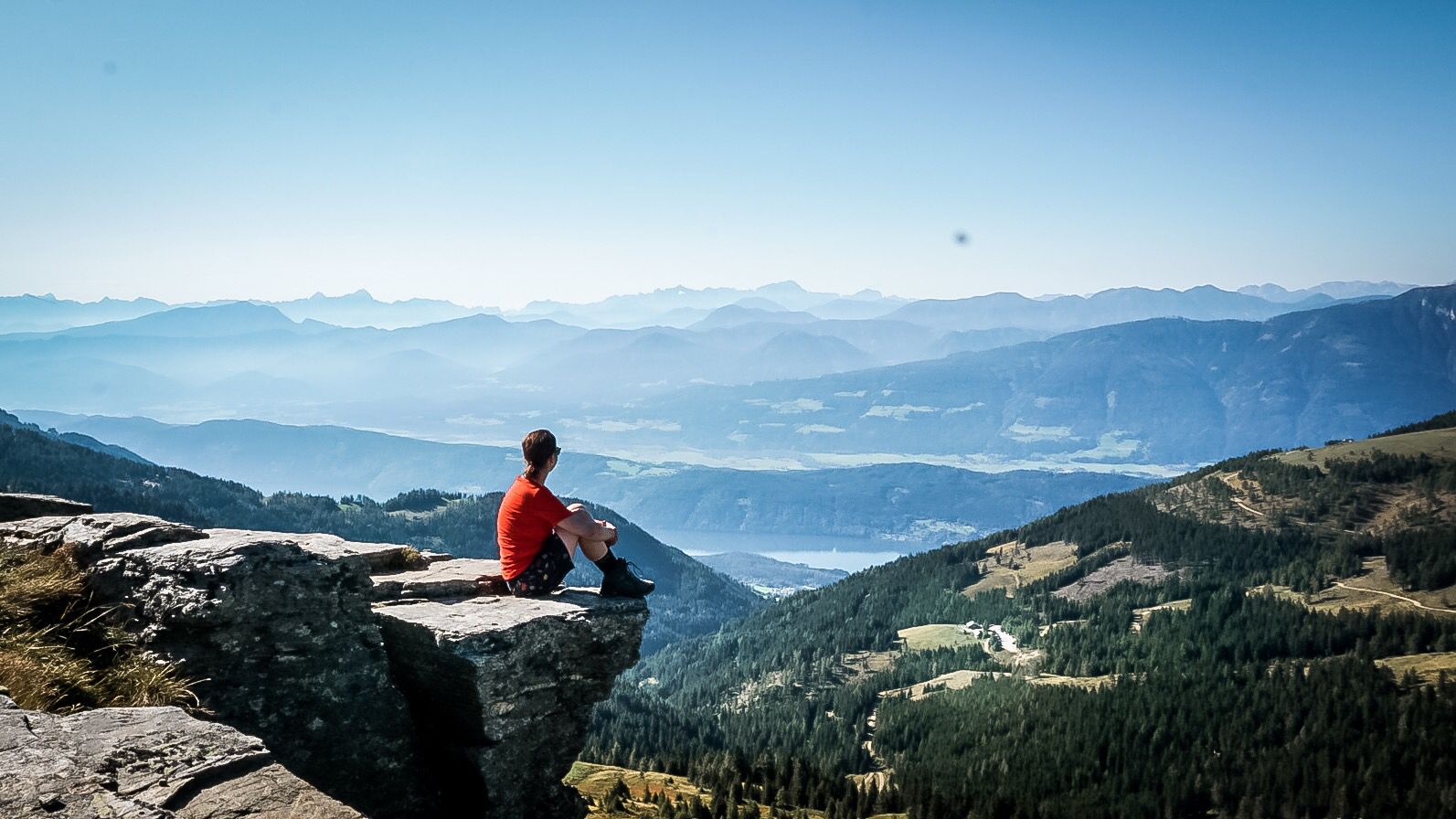
Alpe-Adria-Trail: My long-distance hike from the glacier to the sea
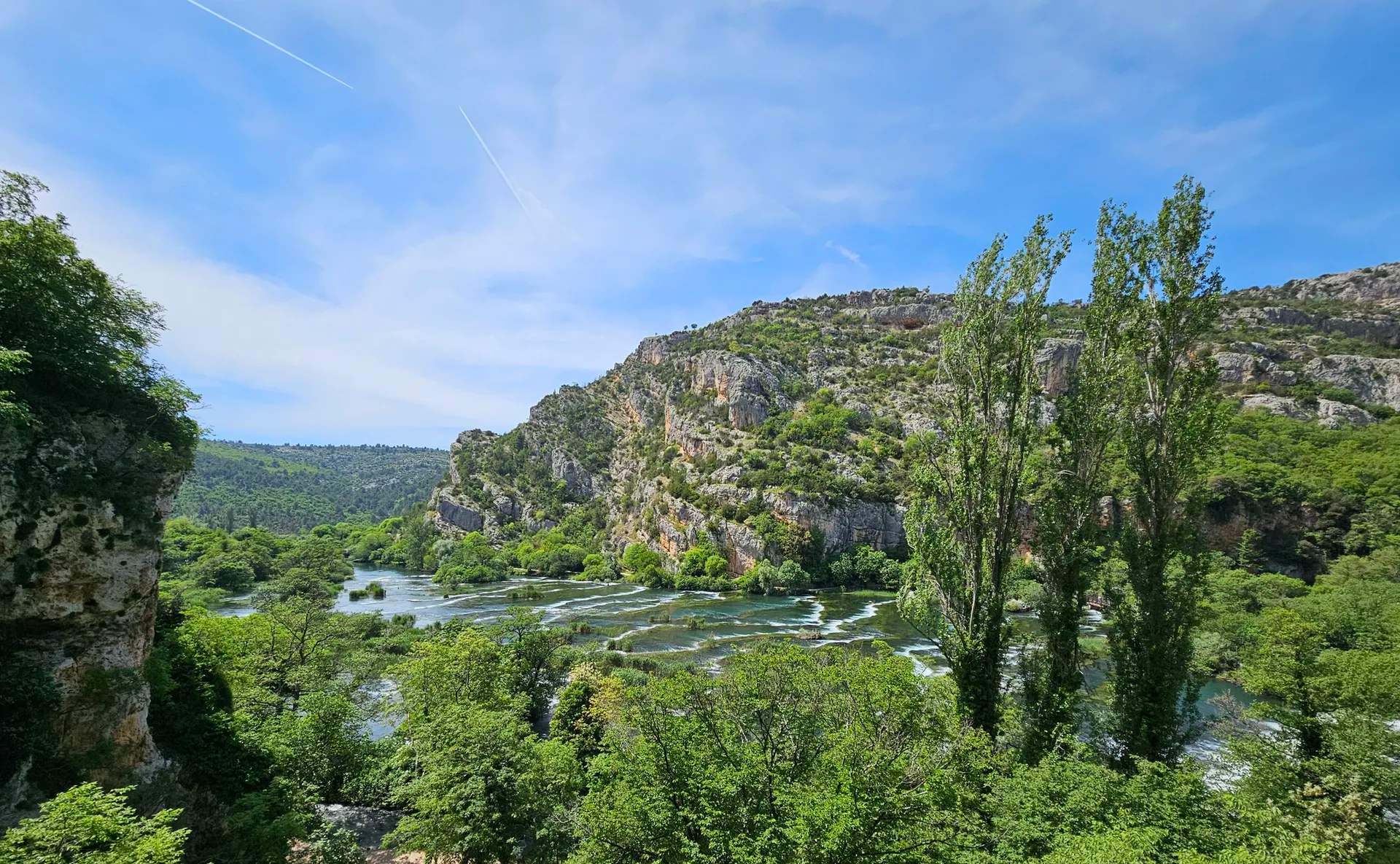
Between karst, cliffs and cascades – hiking Croatia's National Parks
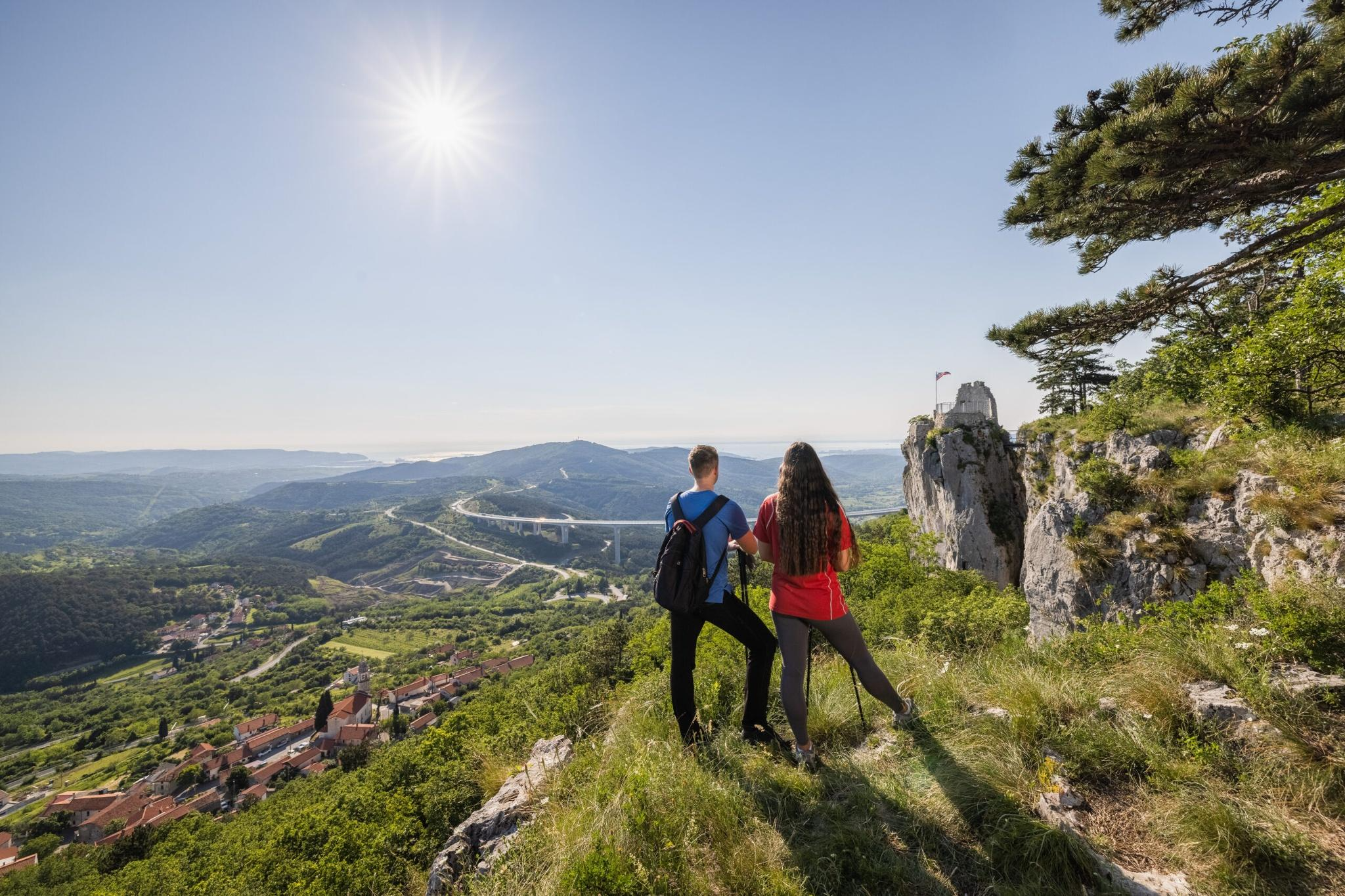
Hiking adventures in Slovenia for families away from the hustle and bustle
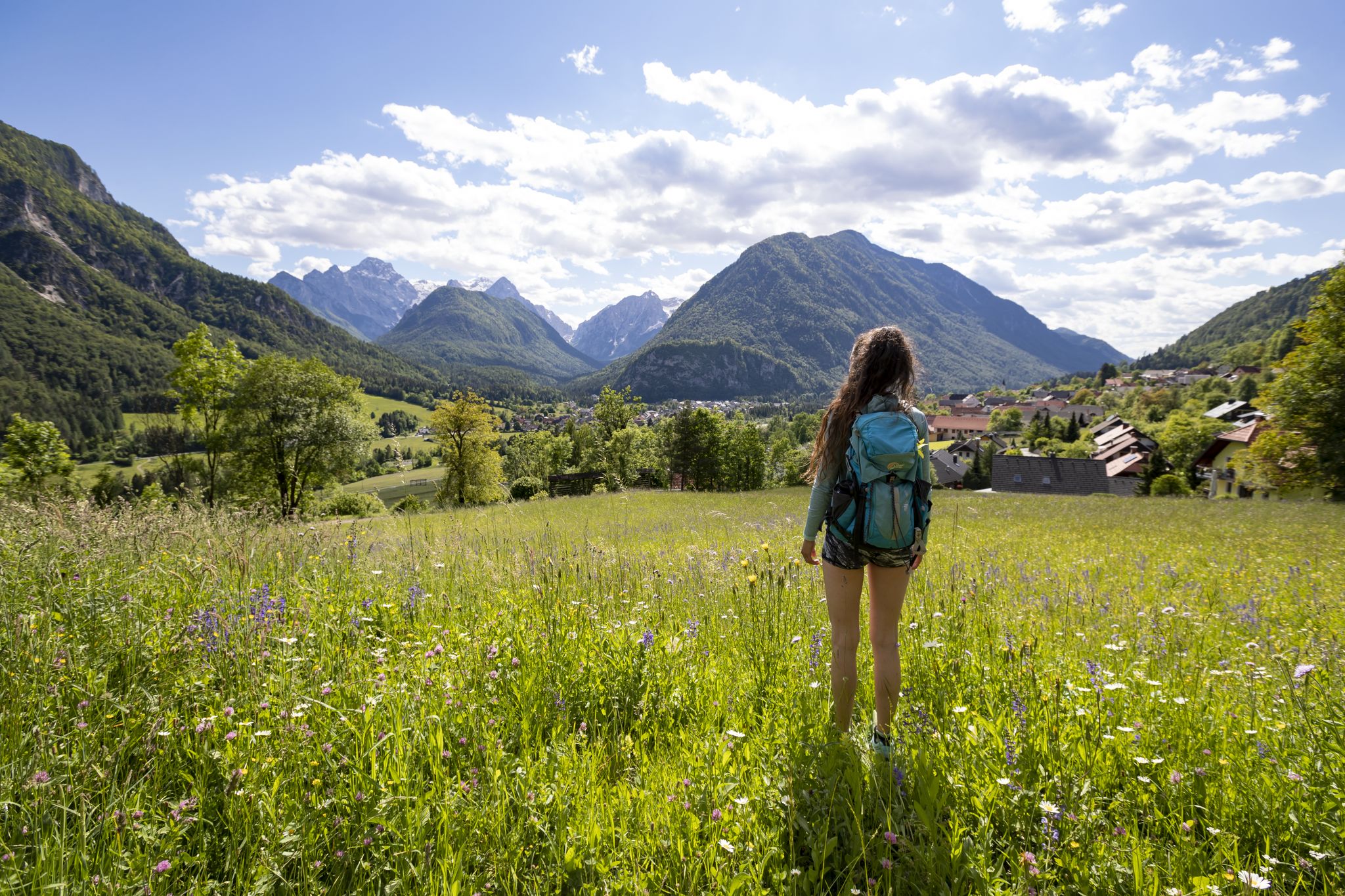
Uniquely secluded - long-distance hiking on Slovenia's Juliana Trail
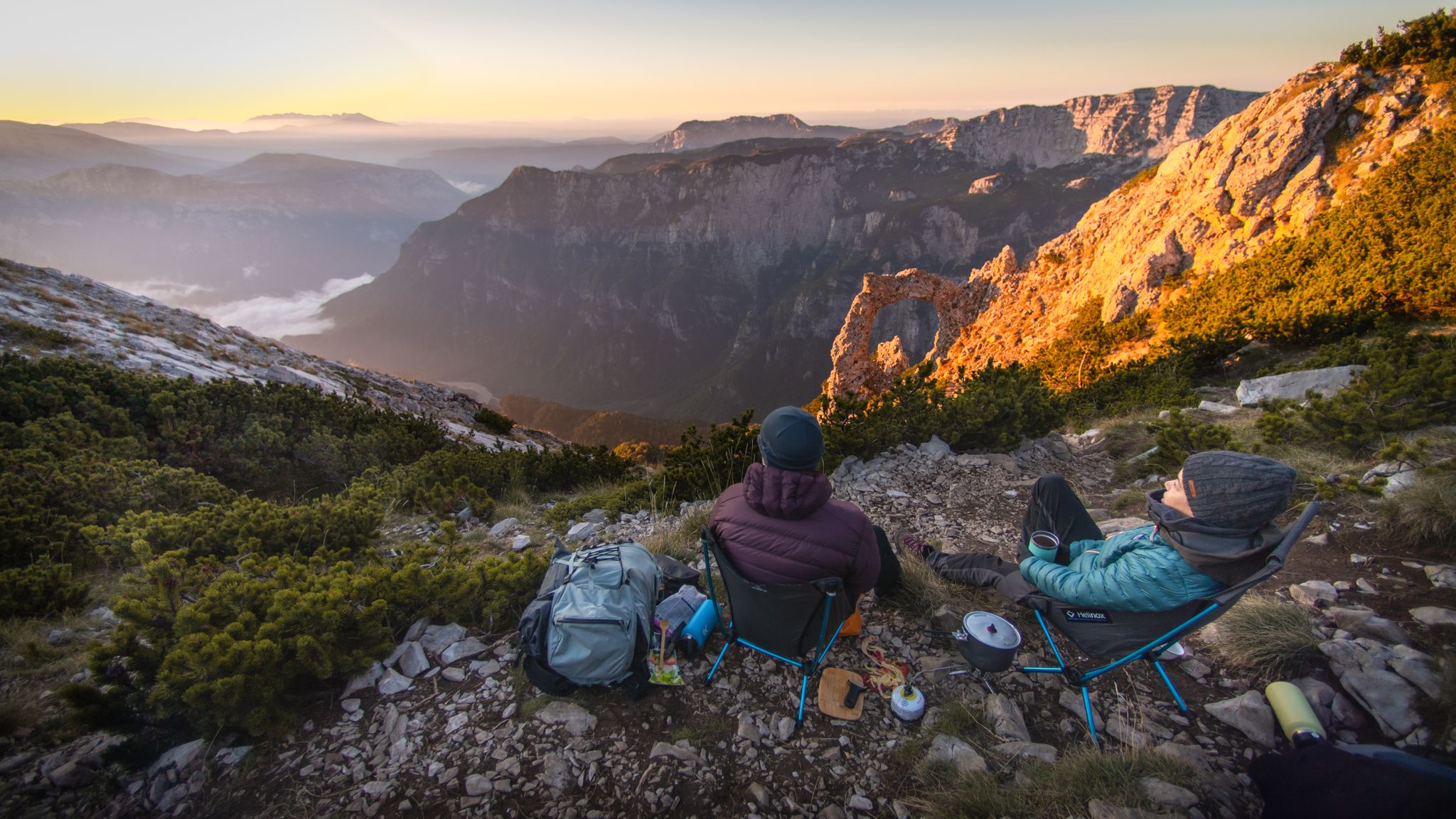
Warm earth and wild mountains — hiking in the Bosnian Alps
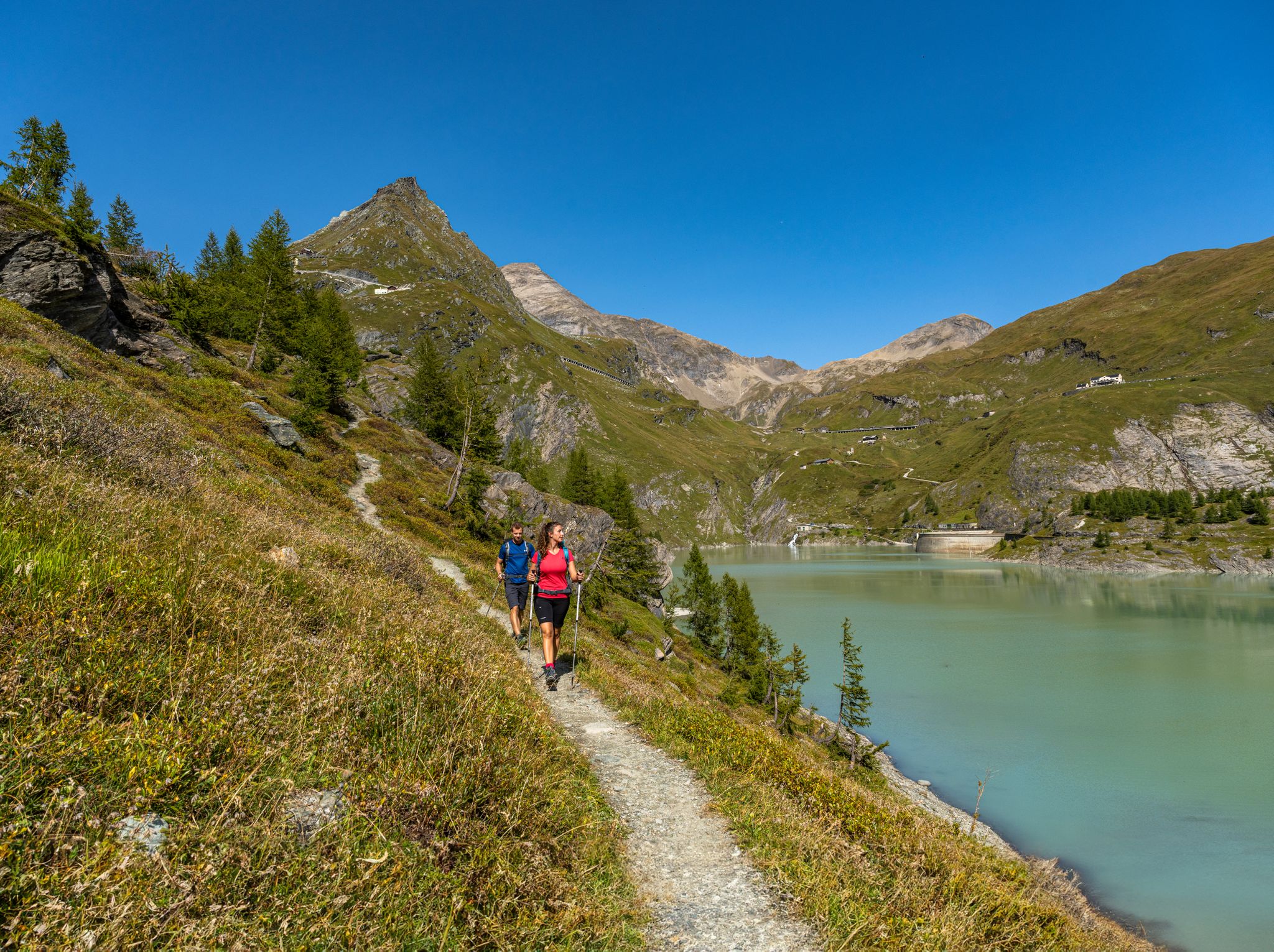
From the Grossglockner to the sea on the Alpe Adria Trail
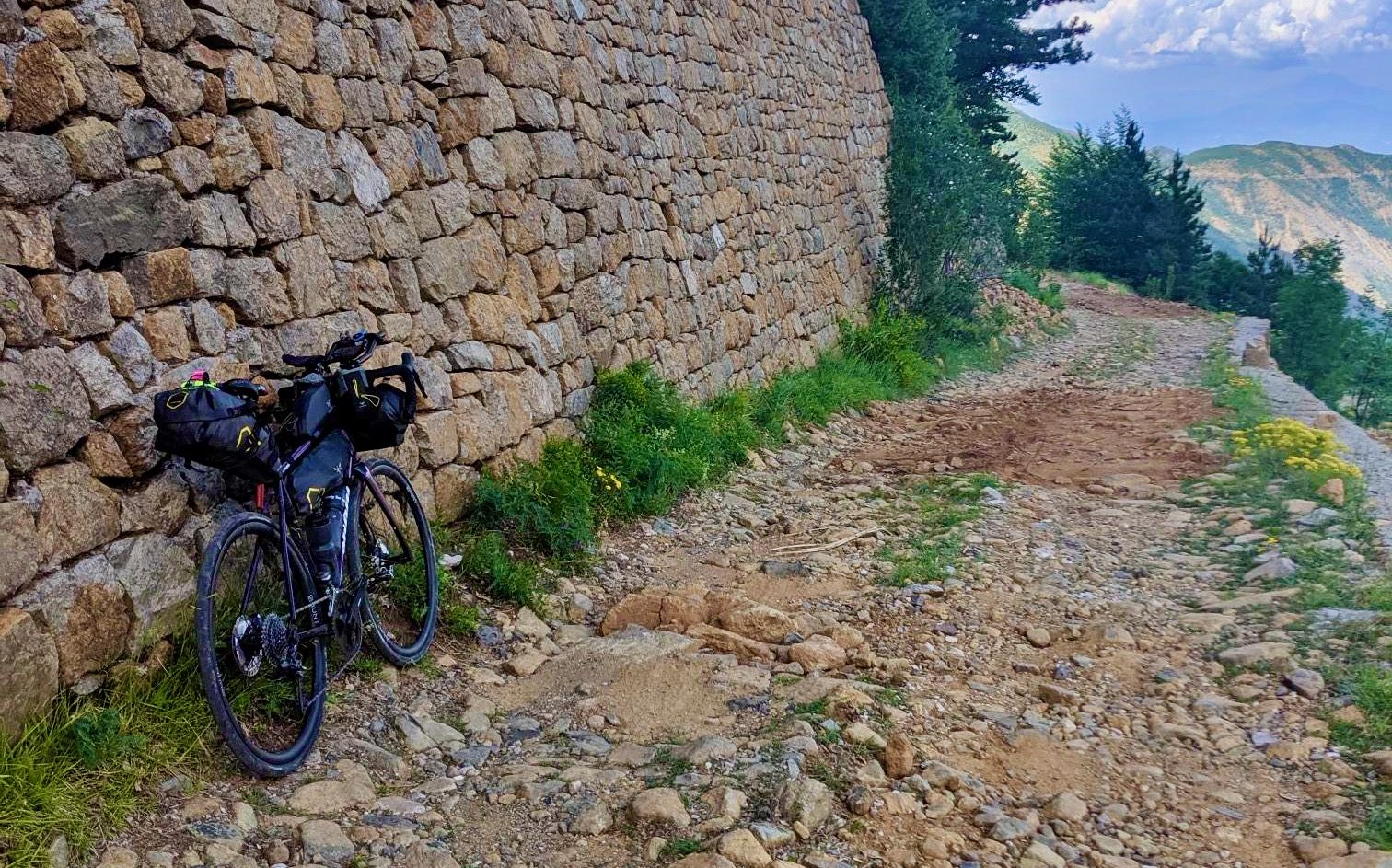
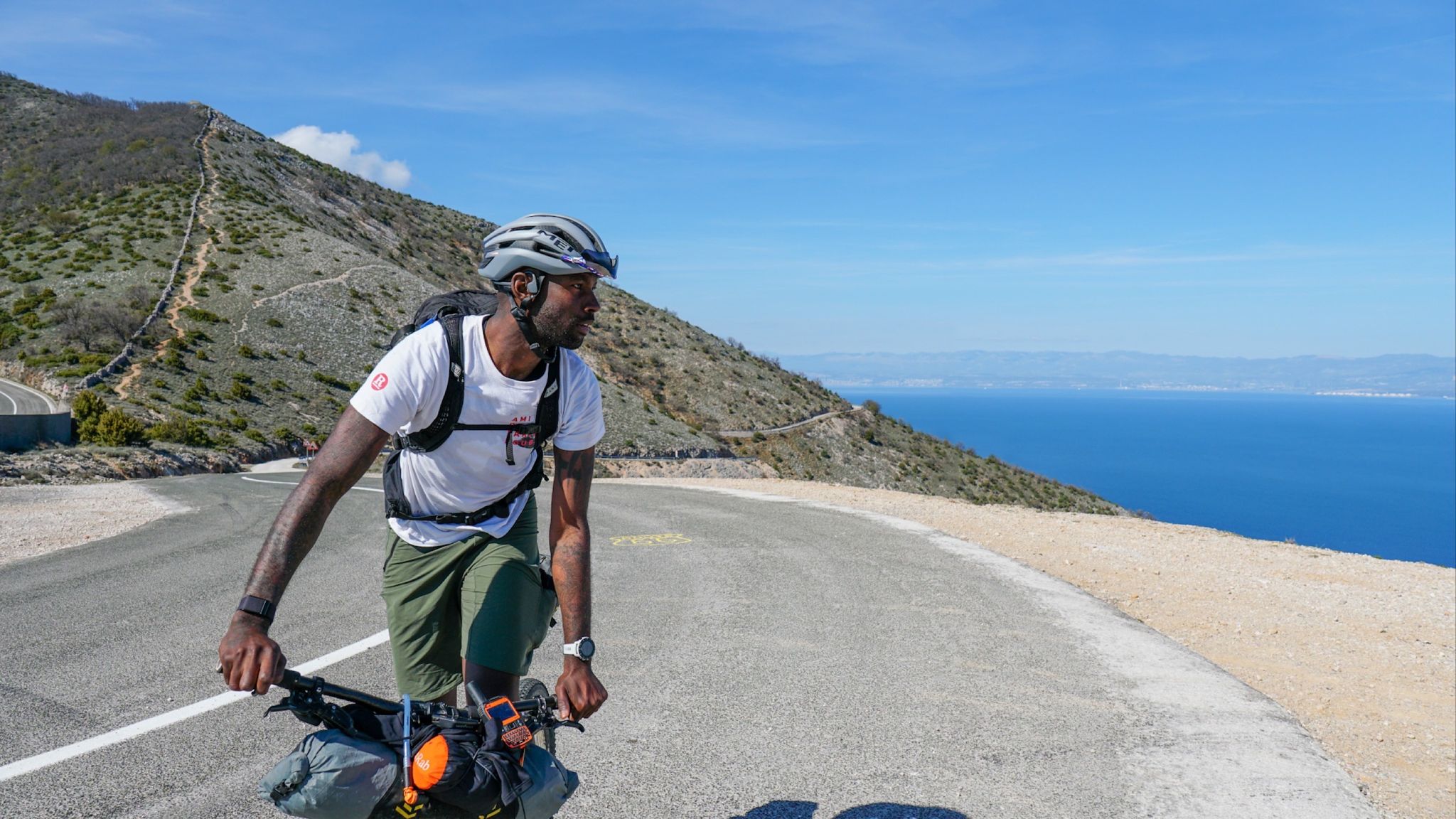
Traversing the Dinaric Alps — bikepacking from the mountains to the sea
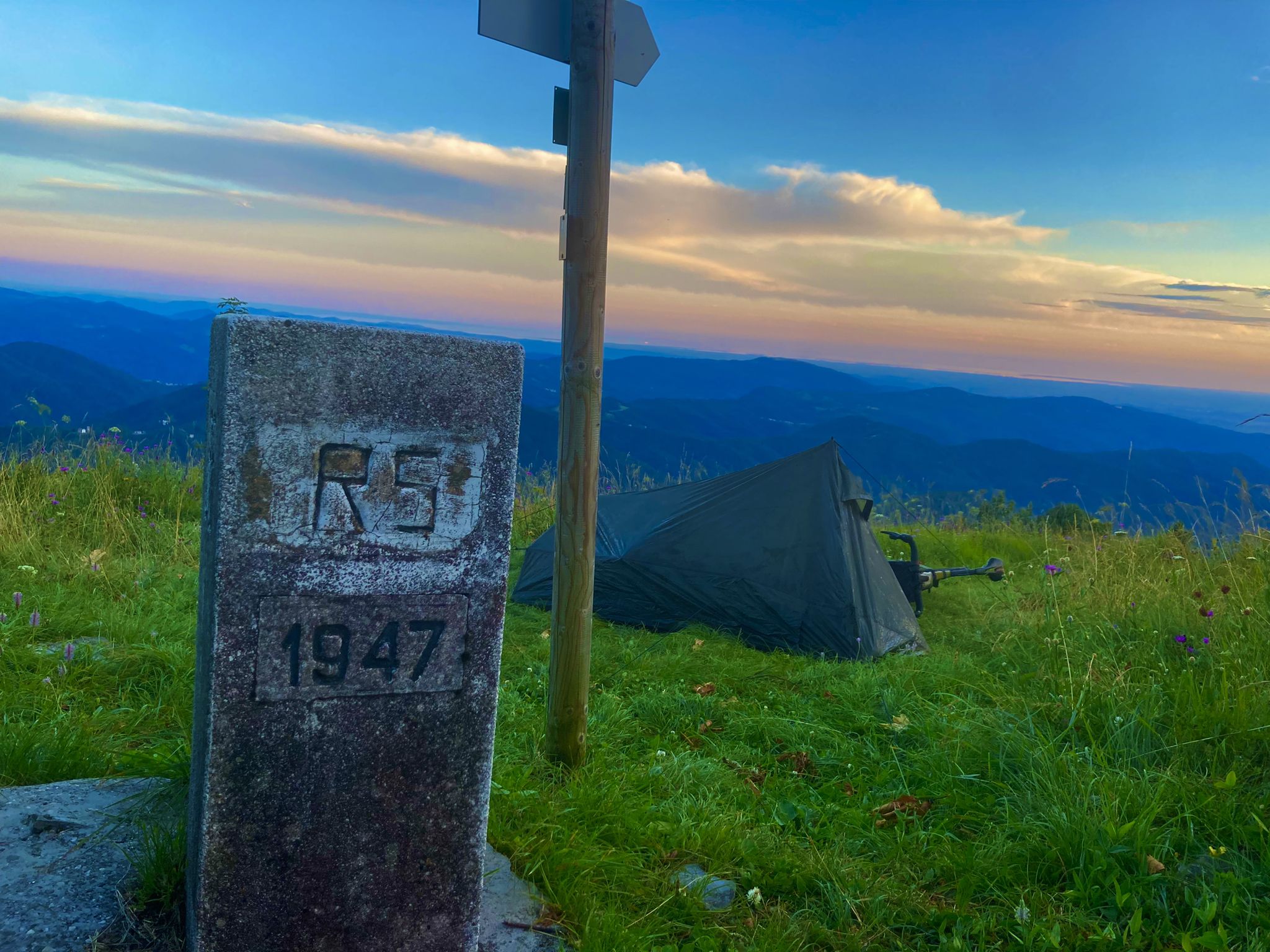
From Bavaria to the Adriatic - My Bikepacking Adventure to Croatia 2023
EuroVelo 9 – The Amber Route from the Baltic to Adriatic Sea
Slovenian mountains to island hopping around the Adriatic Crest
Other adventures in the Dinaric Alps Mountains


Tips from the Community

The Milanovac is part of the Lower Lakes of Plitvice and is located above Gavanovac. On the eastern shore, you walk over wooden boardwalks and along steep karst slopes. Depending on the light, mineral content, and algae growth, the water glows green, blue, or turquoise.
1
0

Great rainforest. You should allow at least 1 hour for the circular route and wear sturdy shoes. The path is not difficult, but sandals are not enough.
0
0
Nice place if you walk around the lake. Takes about 1 hour. You should wear sturdy shoes, the path is partly rocky.
0
0


The statue of Italo Svevo in Trieste is a silent homage to one of the city's most important writers – and a real highlight. 📚🗿. 📍 Location & Atmosphere Location: Piazza Attilio Hortis, right next to the municipal library and not far from the Grand Canal. Surroundings: The statue stands in a small garden surrounded by trees and benches – a quiet place that invites reflection and reading. Style: Bronze, life-size, with a slightly ironic gaze – Svevo appears to be emerging from a conversation or on his way to a coffee shop. 🧠 Literary Context Italo Svevo (born Ettore Schmitz) was a Trieste writer of Jewish origin, known for his masterpiece La coscienza di Zeno ("Zeno's Conscience"), which was heavily influenced by Freud and psychoanalysis. Connection to James Joyce: The statue stands near Joyce's – the two were friends, and Joyce helped Svevo's literary rediscovery. Trieste as a literary location: The city was a melting pot of languages, cultures, and ideas – perfect for Svevo's introspective and modern novels.
0
0
The Teatro Romano di Trieste is a fascinating testament to Roman urban planning and culture – and a real highlight for someone like you, Kai, who likes to combine history with urban movement and architectural depth. 🏛️ Historical Overview Built: End of the 1st century AD, likely under Emperor Trajan Funded by: Quintus Petronius Modestus, a Trieste patrician and Flamen (priest) of the imperial cult Capacity: Around 6,000 spectators Location then: Directly on the seafront, outside the city walls Location today: In the heart of the city, at the foot of the Colle di San Giusto – due to land reclamation and urban growth 🧱 Architectural Details Cavea: Semi-circular spectator stands, divided into four wedge-shaped sections (cunei) Orchestra: The central stage area in front of the cavea Scaenae frons: The stage backdrop – today only fragmentarily preserved Colonnade: Formed the upper edge of the stands, partially reconstructed Statue niches: Once adorned with figures of the imperial family and local dignitaries 🕰️ Rediscovery & Political Significance Destruction: Likely in 568 by the Lombards Rediscovery: In 1938 under Mussolini – an entire city district was demolished to expose the Roman ruins Ideology: The excavation was intended to emphasize Trieste's "Roman continuity" and underline its belonging to Italy
2
0

beautiful building in the old town
0
0

Frequently Asked Questions
How many easy hiking trails are available in the Dinaric Alps Mountains?
There are over 2,000 easy hiking trails in the Dinaric Alps Mountains, offering a wide range of options for all skill levels. The komoot community has explored more than 240,000 routes in the region.
What makes hiking in the Dinaric Alps Mountains unique for easy trails?
The Dinaric Alps are characterized by their dramatic karst topography, featuring unique limestone formations, deep canyons, and extensive cave systems. Even on easy trails, you'll encounter diverse landscapes, from lush forests and alpine pastures to spectacular rivers and glacial lakes, offering a blend of natural beauty and cultural heritage.
What do other hikers enjoy most about the easy trails in the Dinaric Alps Mountains?
The easy trails in the Dinaric Alps Mountains are highly rated by the komoot community, with an average score of 4.5 stars from over 40,000 reviews. Hikers often praise the stunning scenic views, the diverse natural features like waterfalls and lakes, and the well-maintained paths that make exploration accessible.
Are there easy trails that feature waterfalls in the Dinaric Alps Mountains?
Yes, the region is home to beautiful waterfalls. For an easy hike featuring cascading waters, consider the Plitvice Lakes National Park – Milanovački Waterfall loop from Plitvička Jezera. This trail leads you through the park's famous lakes and past the Milanovački Waterfall and Upper Lakes Waterfalls.
Can I find easy loop trails in the Dinaric Alps Mountains?
Absolutely. Many easy trails in the Dinaric Alps Mountains are designed as loops, perfect for a relaxed outing. An example is the The second lake – Stunning view loop from Žabljak, which offers scenic views around a beautiful lake.
Are there family-friendly easy hikes in the Dinaric Alps Mountains?
Yes, the Dinaric Alps offer several family-friendly easy hikes. These trails are generally well-maintained with minimal elevation gain, suitable for children. The paths around glacial lakes or through gentle forest areas are often ideal for families looking for a pleasant outdoor experience.
What is the best time of year for easy hiking in the Dinaric Alps Mountains?
The best time for easy hiking in the Dinaric Alps Mountains is typically from late spring (May) through early autumn (October). During these months, the weather is generally mild, trails are clear of snow, and the natural scenery is at its most vibrant. Summer offers warmer temperatures, while spring and autumn provide cooler air and fewer crowds.
Are there easy trails that offer views of historic sites or old towns?
Yes, some easy trails combine natural beauty with cultural exploration. The Kotor Old Town – Kotor City Walls loop from Kotor is an excellent example, allowing you to explore historic city walls and enjoy panoramic vistas of Kotor's ancient architecture.
Are there easy trails suitable for dogs in the Dinaric Alps Mountains?
Many easy trails in the Dinaric Alps Mountains are dog-friendly, especially those in less protected areas or on designated paths. It's always advisable to check specific park regulations if you plan to visit a national park, but generally, dogs on a leash are welcome on most general hiking routes.
Can I find easy hikes with good viewpoints in the Dinaric Alps Mountains?
Absolutely. The Dinaric Alps are known for their dramatic landscapes, and many easy trails lead to rewarding viewpoints. While specific routes vary, look for trails that traverse higher ground or follow river canyons, as these often provide stunning vistas of the surrounding karst formations, forests, and water features. The View of Lake Gavanovac and the waterfalls is a notable highlight.
Are there easy trails near lakes in the Dinaric Alps Mountains?
Yes, the Dinaric Alps feature several picturesque glacial lakes that are perfect for easy walks. The Stone carving of a bear head – Ancient Mountain Elm loop from Biogradsko jezero is an easy route that explores the beautiful surroundings of Biogradsko jezero, offering a tranquil lakeside experience.
What kind of natural monuments can I expect to see on easy hikes?
Beyond waterfalls, easy hikes in the Dinaric Alps can lead you to various natural monuments shaped by the region's unique karst geology. This includes impressive rock formations, deep river canyons like the Tara, and diverse flora and fauna. The region's rich biodiversity means you might encounter unique plant species and observe wildlife in their natural habitats.
Most popular routes in the Dinaric Alps Mountains
Most popular attractions in the Dinaric Alps Mountains

Get inspired with the komoot mobile app


Explore more
Browse the best Hikes in other regions.
