Top 20 Gorges in the Dinaric Alps Mountains
Best canyons in the Dinaric Alps Mountains are found across a rugged mountain range known for dramatic karst landscapes. These deep river canyons are carved through Mesozoic limestone and dolomite, offering unique geological features. The region features over 20 gorges, providing diverse outdoor experiences.
Best canyons in the Dinaric Alps Mountains
- The most popular canyons is Grunas Waterfall, a waterfall known for its cold mountain water and scenic beauty. It is a highly recommended spot for its natural appeal. …
Last updated: June 24, 2026
Grunas Waterfall
Highlight • Waterfall
Translated by Google •
Tip by

Paklenica National Park — Gorges and Waterfalls
Highlight • Gorge
We were there in April and it was nice and empty.
I can only recommend the low season for traveling and hiking. There are some places on …
Translated by Google •
Tip by

Sign up now to discover places like this
Get recommendations on the best single tracks, peaks, & plenty of other exciting outdoor places.
Sign up for free
Škocjan Caves Entrance
Highlight • Cave
Translated by Google •
Tip by

Great Skocjan Valley Park
Highlight • Gorge
Translated by Google •
Tip by

Zelške Caves
Highlight • Cave
The entrance to the water caves from which the Rak River springs is under the small natural bridge in the Rakov Škocjan Karst Reserve. The water that …
Translated by Google •
Tip by

Paklenica National Park
Highlight • Natural Monument
Translated by Google •
Tip by

Little Natural Bridge (Mali naravni most), Rakov Škocjan
Highlight • Natural Monument
Rakov Škocjan is a picturesque karst canyon that was formed when the cave ceiling collapsed. This is proven by the mighty natural bridges that rise …
Translated by Google •
Tip by
Postojna Cave
Highlight • Cave
Translated by Google •
Tip by
Rosandra Valley
Highlight • Gorge
Translated by Google •
Tip by

Bačva Second Waterfall
Highlight • Waterfall
Translated by Google •
Tip by

Sign up for free to discover even more gorges in the Dinaric Alps Mountains.
Sign up for free
Already have an account?
Start today with a free account
Your next adventure awaits.
Login or Signup
Popular around Dinaric Alps Mountains

Triathlon 360 – my journey around the world
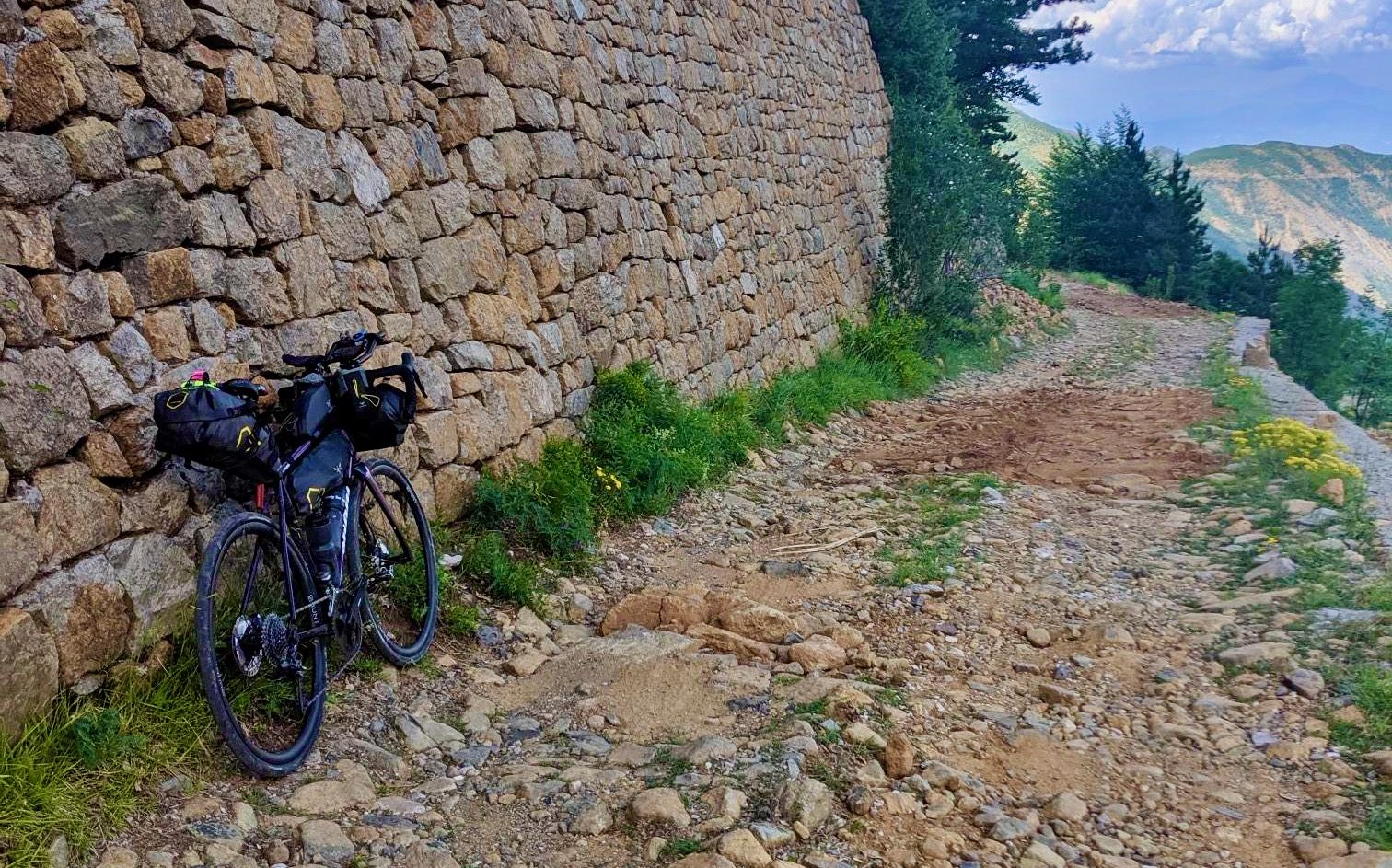
Traversing the Dinaric Alps — bikepacking from the mountains to the sea
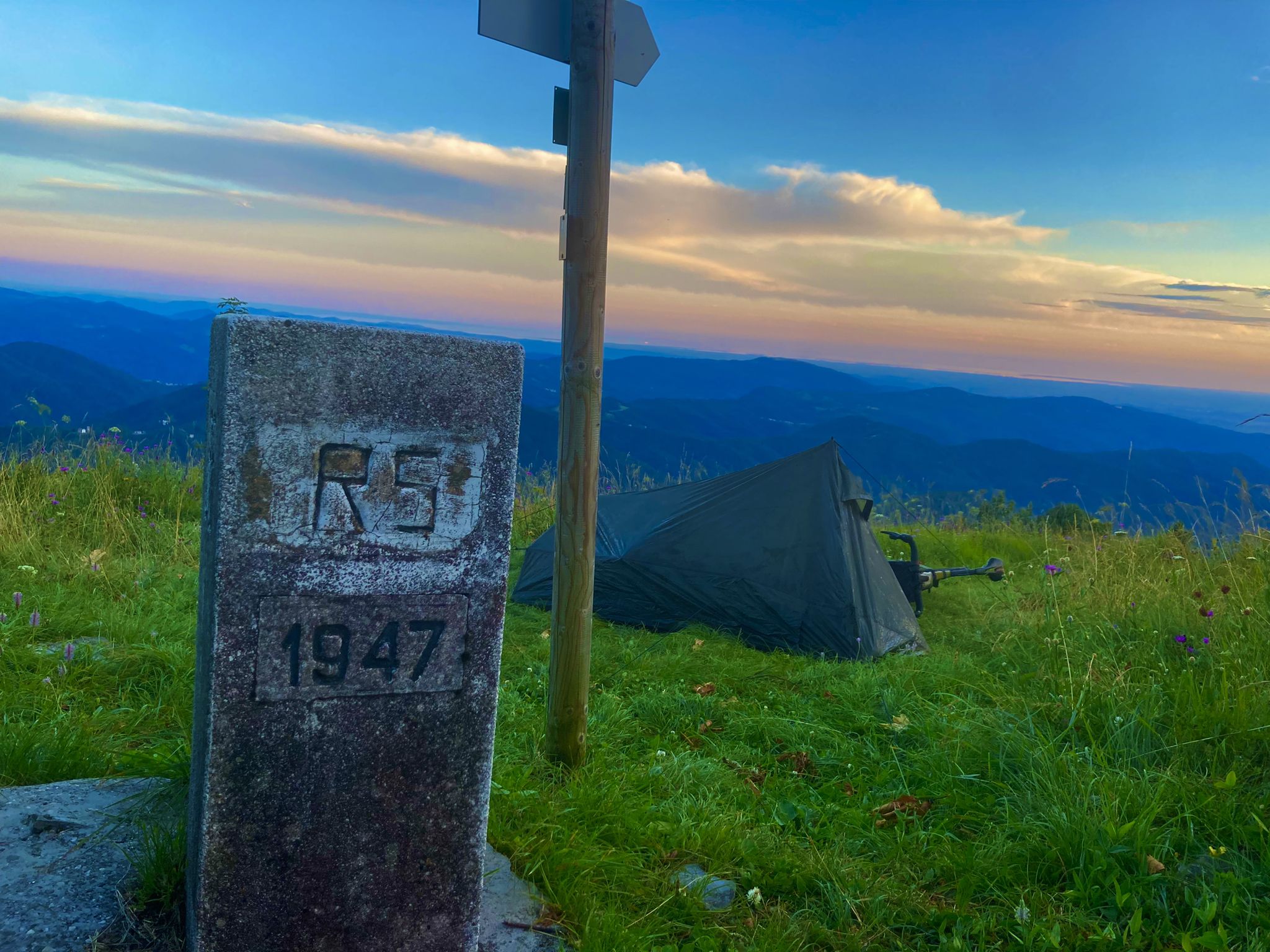
From Bavaria to the Adriatic - My Bikepacking Adventure to Croatia 2023
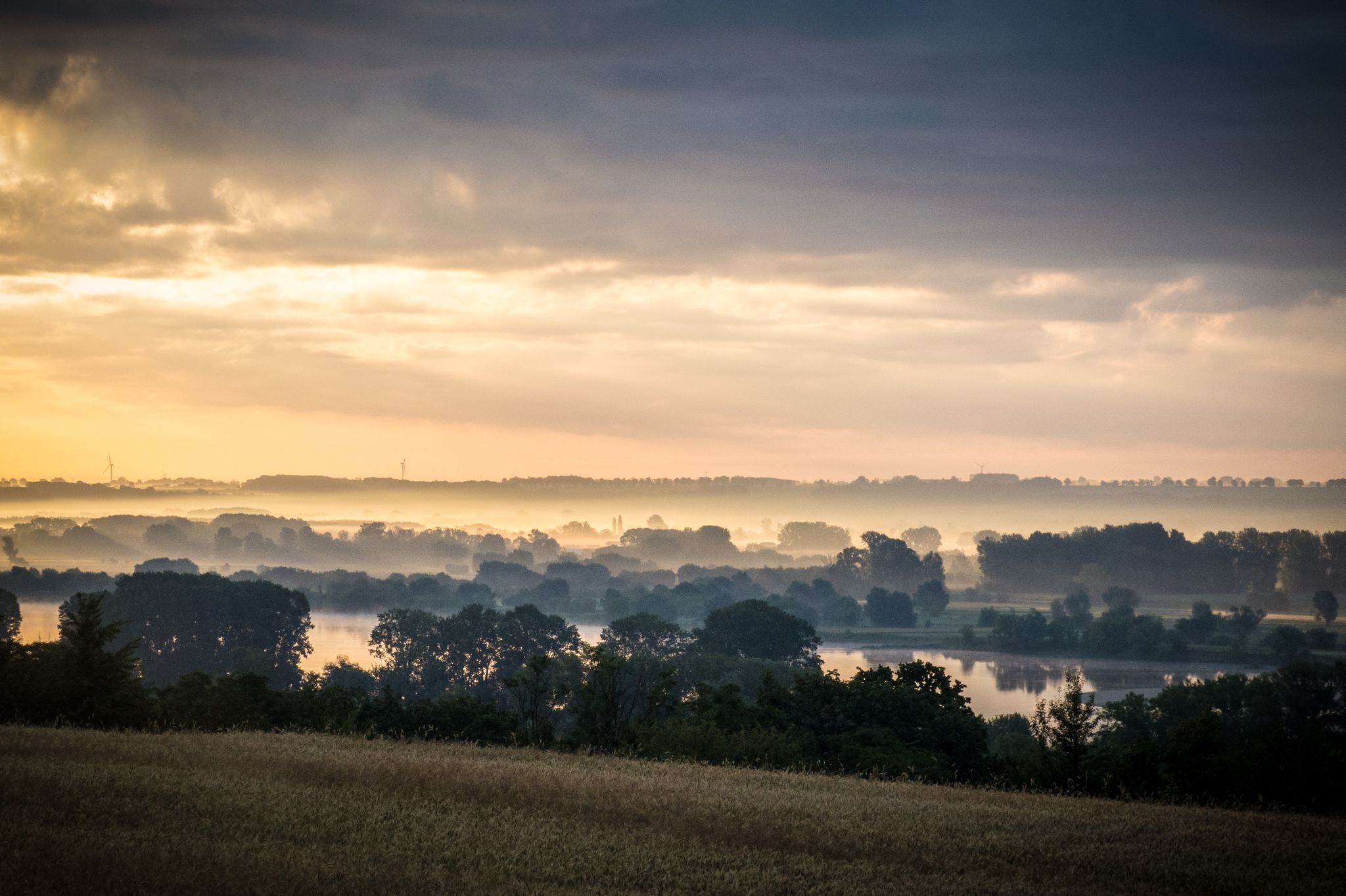
EuroVelo 9 – The Amber Route from the Baltic to Adriatic Sea
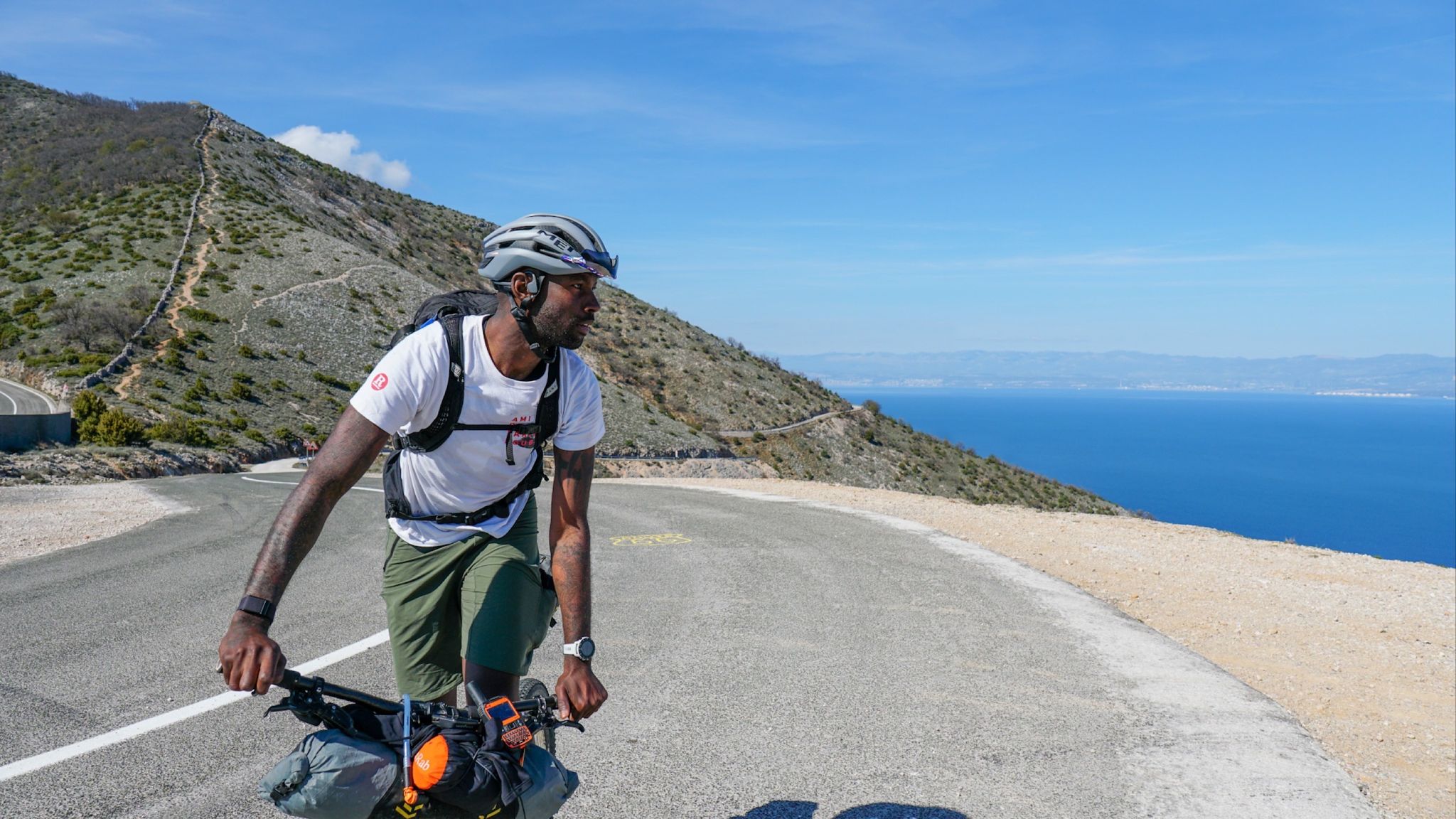
Slovenian mountains to island hopping around the Adriatic Crest
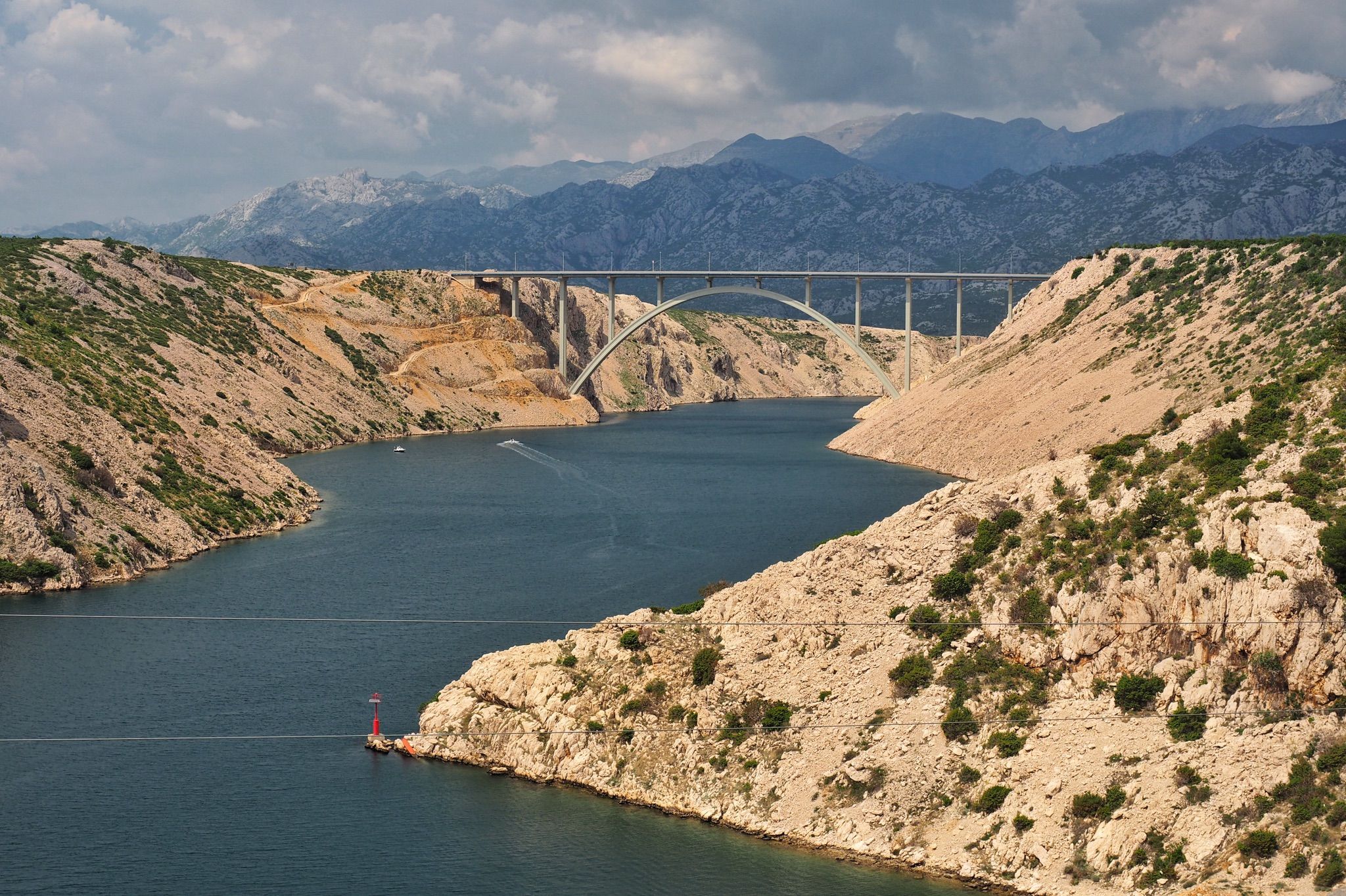
The Dinaric Alps – explore the Adriatic Sea in a different way
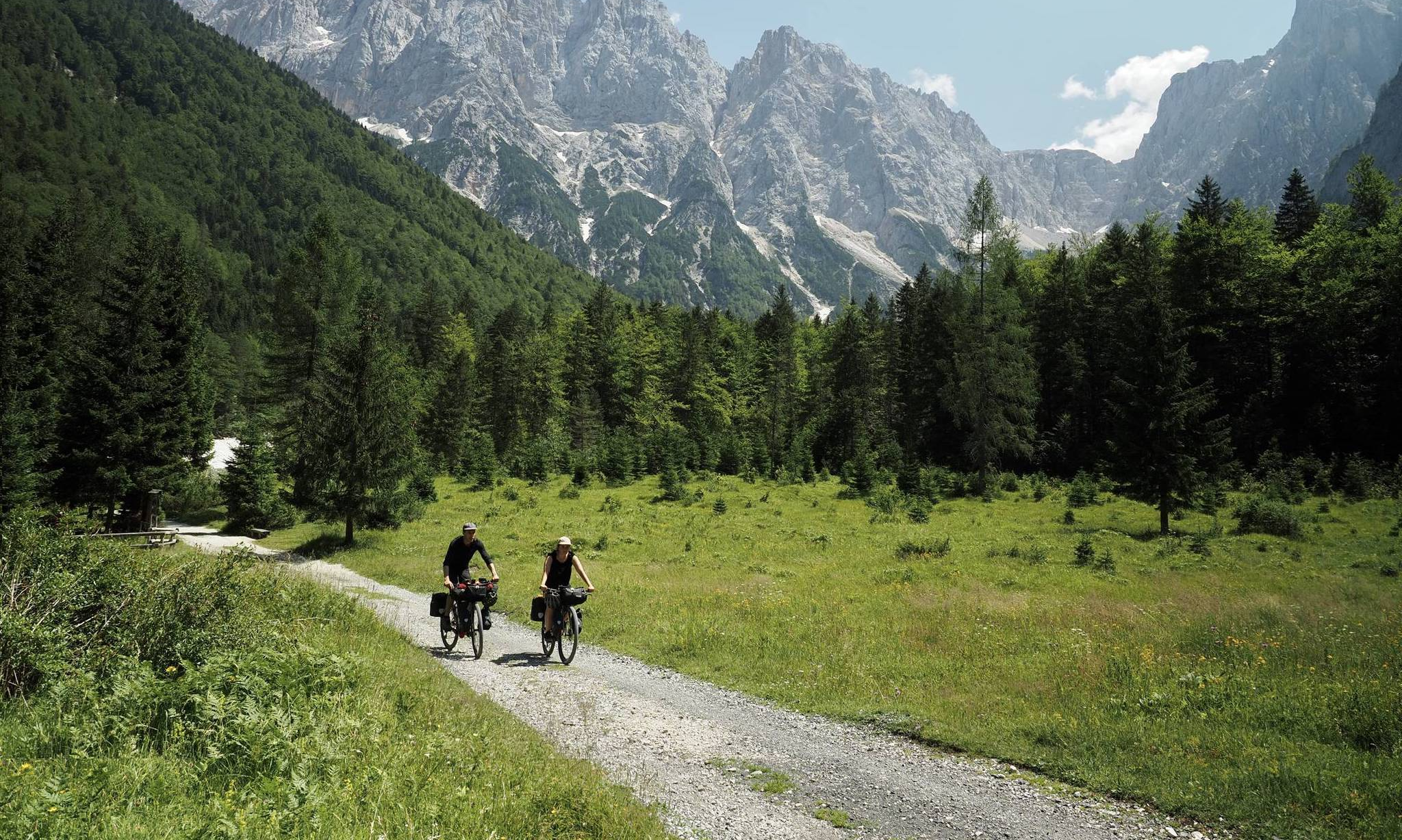
Slovenia West Loop (Soča Variation) – Bikepacking
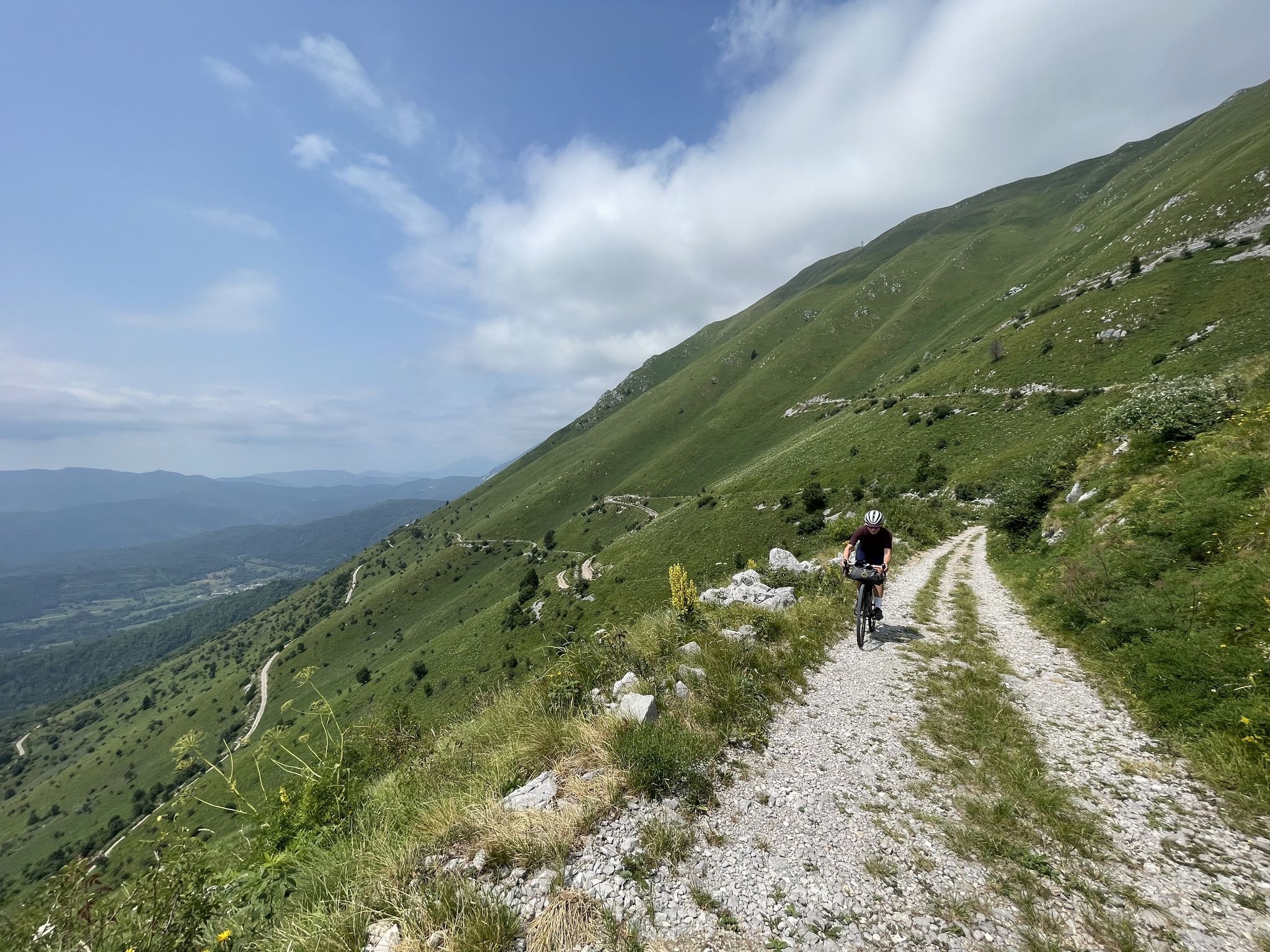
The West Loop — Bikepacking Slovenia in five days
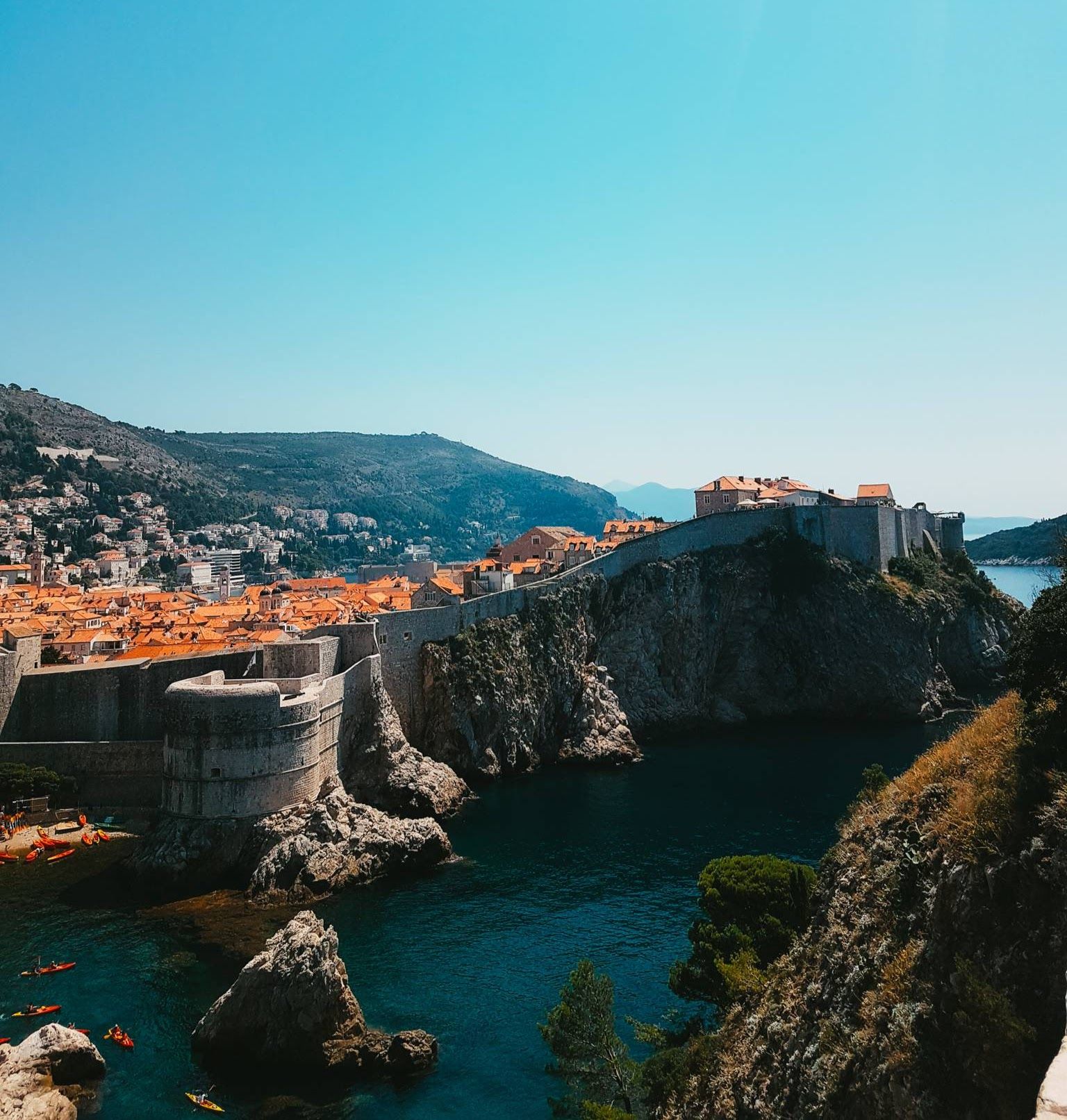
The Ciro Trail — Along the railtrail from Mostar to Dubrovnik
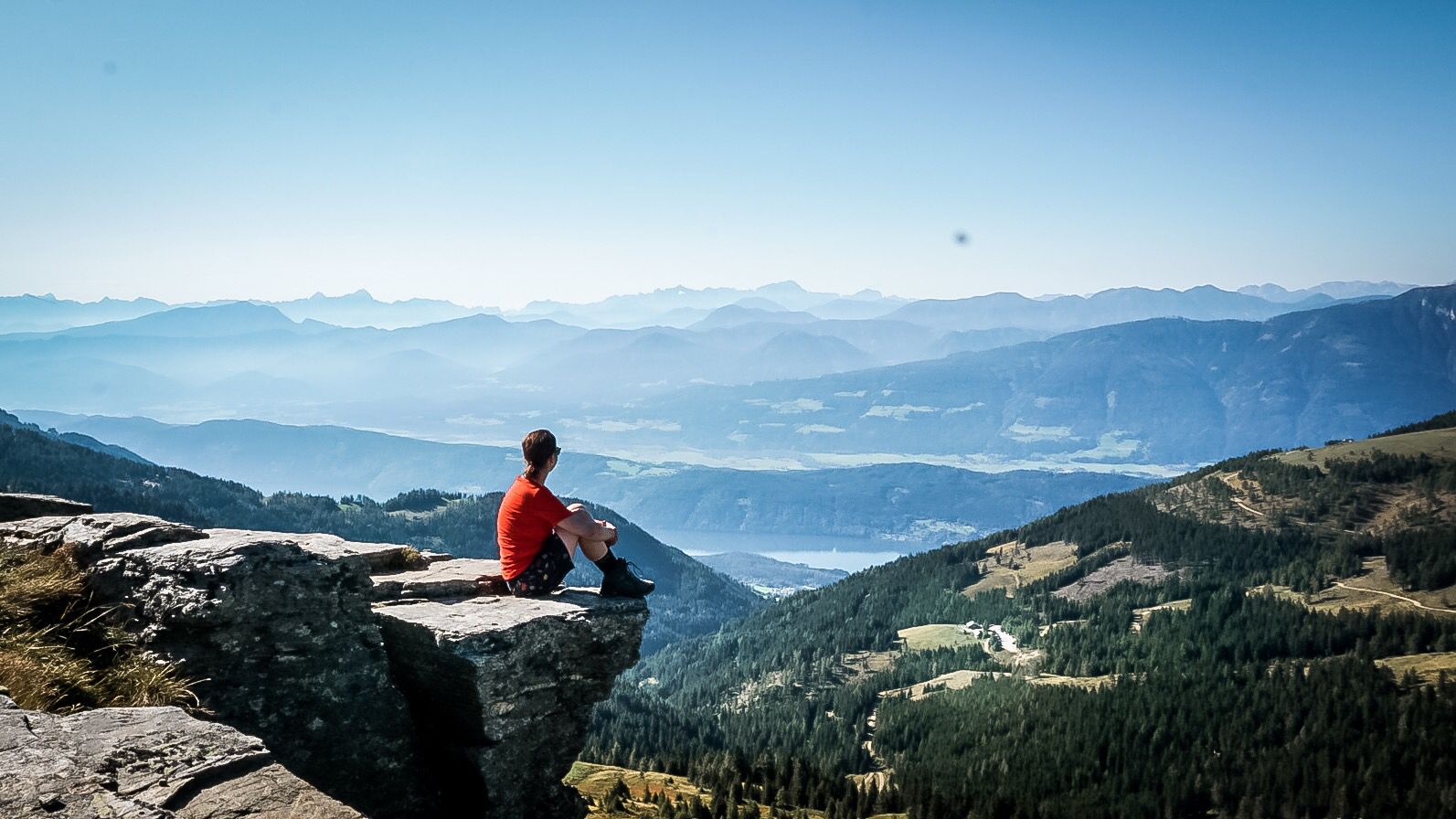
Alpe-Adria-Trail: My long-distance hike from the glacier to the sea
Other adventures in the Dinaric Alps Mountains


Tips from the Community

Located behind Trieste, Val Rosandra is a unique nature reserve where the homonymous stream has carved the only deeply incised valley of the Trieste Karst. The landscape is dominated by rugged limestone cliffs, white scree slopes, and vegetation that blends Mediterranean and continental species. Famous for its 36-meter-high waterfall, the valley is a sanctuary of biodiversity and history: it hosts the remains of a 1st-century AD Roman aqueduct and the ancient church of Santa Maria in Siaris. A prime location for Trieste's mountaineering, its cliffs were the school of Emilio Comici. Between arduous trails and views of the Gulf, Val Rosandra represents a concentration of wild nature and millennia-old testimonies, suspended between the Karst plateau and the Adriatic Sea.
0
0

The national park is subject to a fee. A five-day ticket for climbers currently costs €24. Those who want to climb to the last parking lot pay an additional €5 per day. In return, there are approximately 500 climbing routes of all lengths and difficulty levels. Many easy, long, gradual climbs stand out.
8
0
Paklenica National Park is a national park located in the Velebit mountain range, 30 km northeast of the city of Zadar on the Croatian Adriatic Sea and approximately one kilometer from Starigrad-Paklenica. It encompasses Mediterranean, continental, and alpine climate zones and was declared a national park in 1949. The highest peaks are Vaganski Vrh at 1,757 m above sea level and Sveto Brdo (1,750 m above sea level). Source: Wikipedia
10
0

Very pretty, but we left too late, so it was too hot, so we had to cut the walk a little short. It's best to start around 7 a.m. (June)
1
0

One of the most popular places for trekking enthusiasts in Trieste. It offers numerous routes to reach the waterfall of over 40 m, the heart of the valley, of different lengths and difficulties, from the "Sentiero dell'Amicizia" to the more complex "Via delle Acque"
0
0

…an impressive natural spectacle and rightly a UNESCO World Heritage Site 👀
3
0
...an impressive cave system worth seeing! 👀
4
0

A corner of paradise hidden among the mountains: Val Rosandra enchants with its wild beauty and timeless charm.
0
0
Frequently Asked Questions
What are some of the most popular canyons to visit in the Dinaric Alps Mountains?
The Dinaric Alps are home to many impressive canyons. Among the most popular are the Grunas Waterfall, known for its cold mountain water and scenic beauty, and Paklenica National Park — Gorges and Waterfalls, which offers extensive hiking trails and fresh spring water. Another notable site is Zelške Caves, where the Rak River emerges from a 3 km long cave system featuring natural bridges.
What kind of outdoor activities can I do in the Dinaric Alps canyons?
The canyons in the Dinaric Alps offer a wide range of outdoor activities. You can enjoy white-water rafting, kayaking, and canoeing, especially in the Tara River Canyon during spring snowmelt. Canyoning is popular in challenging spots like Nevidio Canyon and Hrčavka Canyon within Sutjeska National Park. Hiking is widely available, with trails offering panoramic views, and some areas like the Vrbas Canyon are excellent for fly-fishing. Rock climbing is also an option in places like Matka Canyon.
Are there any family-friendly canyon experiences in the Dinaric Alps?
Yes, several areas offer experiences suitable for families. While some canyons are challenging, others provide easier access and activities. For instance, Postojna Cave, which is part of a larger karst system, is noted as family-friendly. Many national parks also feature well-maintained trails and viewpoints that are accessible for various ages, allowing families to enjoy the natural beauty without extreme challenges.
What unique natural features can I expect to see in the Dinaric Alps canyons?
The Dinaric Alps are renowned for their dramatic karst landscapes. You'll encounter deep river canyons carved through Mesozoic limestone and dolomite, creating unique geological formations. Expect to see stunning waterfalls, such as the Bačva Second Waterfall, numerous caves like the Škocjan Caves Entrance, and natural bridges. The region also boasts clear, clean rivers, dense forests, and diverse flora and fauna, including primeval rainforests like Perucica in Sutjeska National Park.
What is the best time of year to visit the canyons in the Dinaric Alps?
The best time to visit the canyons generally depends on your planned activities. For white-water rafting and canyoning, spring (during snowmelt) and early summer offer thrilling conditions. For hiking and general exploration, late spring, summer, and early autumn provide pleasant weather and accessible trails. The water in canyons like Nevidio remains cold even in summer, so be prepared if you plan to swim or canyon.
Are there opportunities for hiking near the canyons in the Dinaric Alps Mountains?
Absolutely. Hiking is one of the most popular activities in the Dinaric Alps canyons. Many canyons, including those within national parks like Paklenica and Sutjeska, feature extensive trail networks. The Rakitnica Canyon, for example, offers spectacular views for hikers traversing the Via Dinarica trail. For easier options, you can explore trails listed in the Easy hikes in the Dinaric Alps Mountains guide, which includes routes like 'The second lake – Stunning view loop from Žabljak'.
What other sports or activities can I find near these canyons?
Beyond hiking and canyoning, the Dinaric Alps offer a variety of sports. The Vrbas Canyon is a prime location for water sports like rafting, kayaking, and canoeing, and has hosted international competitions. Cycling is also popular, with routes available for road cyclists, as detailed in the Road Cycling Routes in the Dinaric Alps Mountains guide. Running trails are also abundant, with options like the 'Nature Reserve Val Rosandra — ring tour' found in the Running Trails in the Dinaric Alps Mountains guide.
What makes the Tara River Canyon unique?
The Tara River Canyon, often called the 'Tear of Europe,' is a UNESCO World Heritage Site and is considered the deepest canyon in Europe. It stretches for 82 kilometers, reaching depths of 1,333 meters in some parts. It's famous for its remarkably clear and clean water, which is safe to drink directly from the river, and its numerous rapids and cascades. The canyon is a prime destination for white-water rafting and is surrounded by dense, ancient forests.
What is the difficulty level for canyoning in places like Nevidio Canyon?
Nevidio Canyon, meaning 'Unseen,' is known as an ultimate destination for canyoning and adrenaline seekers. It offers a challenging experience involving hiking, swimming through crystal-clear pools, jumping from cliffs, and abseiling down waterfalls. While challenging, it is accessible to both beginners and experienced canyoneers, provided they go with licensed guides and proper equipment. The water remains cold, around 10 degrees Celsius, even in summer.
Can I find historical or cultural sites near the canyons?
Yes, some canyon areas are close to sites of historical and cultural significance. For example, Sutjeska National Park, which contains several impressive canyons, also holds historical importance related to World War II. Matka Canyon in North Macedonia is home to several medieval monasteries hidden within its cliffs. Additionally, the region's karst landscapes often feature ancient cave systems that have been significant to human history.
What do visitors enjoy most about the Dinaric Alps canyons?
Visitors consistently praise the Dinaric Alps canyons for their stunning natural beauty and the diverse range of outdoor experiences. Many highlight the 'beautiful' and 'wonderful' tours, appreciating the cold mountain water and scenic views, as noted for Grunas Waterfall. The 'impressive and unique' landscapes, like those around Little Natural Bridge (Mali naravni most), Rakov Škocjan, and the opportunity to explore 'mystical' cave systems are also frequently mentioned as highlights.
Are there any national parks that feature canyons in the Dinaric Alps?
Yes, several national parks in the Dinaric Alps are home to spectacular canyons. Paklenica National Park in Croatia is well-known for its gorges and waterfalls, offering excellent hiking opportunities. Sutjeska National Park in Bosnia and Herzegovina features the deep canyon of the Sutjeska River and the challenging Hrčavka Canyon. Durmitor National Park in Montenegro encompasses the famous Tara River Canyon and Nevidio Canyon.
Most popular routes in the Dinaric Alps Mountains
Most popular attractions in the Dinaric Alps Mountains

Get inspired with the komoot mobile app


Explore more
Already discovered everything in this region? See additional gorges in the Dinaric Alps Mountains for your next adventure:
