Top 20 Castles in the Apennine Mountains
Best castles in the Apennine Mountains are found along Italy's rugged spine, offering a glimpse into centuries of history. This mountain range features diverse landscapes, from high peaks to forested valleys, providing a natural backdrop for historic fortresses. The region is characterized by its dramatic topography and rich cultural heritage, with many castles strategically positioned for defense and panoramic views. Exploring these sites allows for an understanding of the area's historical significance and natural beauty.
Best castles in the Apennine Mountains
- The most popular castles is Rocca Calascio Castle, a castle that is among the highest in the Apennines, located at an altitude of 1,460 meters. It is known for its medieval origin and its inclusion in the Gran Sasso and Monti della Laga National Park.
- Another must-see spot is Guaita Tower (First Tower), a castle. This tower is one of the three fortresses perched on Monte Titano, symbolizing San Marino and offering panoramic views of the surrounding landscapes.
- Visitors also love Forte Diamante, a castle. This fort dominates the Parco delle Mura and provides remarkable views of the surrounding mountains.
- Apennine Mountains is known for medieval castles, fortresses, and historic towers. The region offers a variety of castles to see and explore, from ruined strongholds to well-preserved structures with cultural centers.
- The castles in the Apennine Mountains are appreciated by the komoot community. The guide features more than 780 highlights, with over 1000 photos and more than 1200 upvotes from visitors.
Last updated: May 25, 2026
Piazza della Signoria and the Palazzo Vecchio, Florence
Highlight • Historical Site
Translated by Google •
Tip by

Palazzo Vecchio and Statue of David (Replica)
Highlight • Historical Site
Next to the Palazzo Vecchio is the Loggia dei Lanzi. The arcade was built between 1376 and 1382 by Benci di Cione and Simone di Francesco Talenti in the Gothic style. The building was originally used for rallies and receptions of the Republic of Florence and was later named after the mercenaries (Lanzichenecchi) Cosimo I de ’Medicis, who were housed here in the 16th century.
The Feldherrnhalle in Munich was built on the model of the Loggia dei Lanzi. Source: Wikipedia
Translated by Google •
Tip by

Sign up now to discover places like this
Get recommendations on the best single tracks, peaks, & plenty of other exciting outdoor places.
Sign up for free
Montefioralle Castle
Highlight • Castle
The village presents a medieval urban structure and preserves ancient stone houses, part of the castle and most of the walls with three gates.
It's not sure that it can be the birthplace of Amerigo Vespucci, as someone claims; but indeed the noble Vespucci family owned a palace in this village.
Tip by

Rocca Calascio Castle
Highlight • Castle
Translated by Google •
Tip by

Guaita Tower (First Tower)
Highlight • Castle
Translated by Google •
Tip by

Forte Diamante
Highlight • Castle
Translated by Google •
Tip by

Historic Center of Bevagna
Highlight • Historical Site
Translated by Google •
Tip by

de' Rossi Palace
Highlight • Historical Site
Translated by Google •
Tip by

San Marino Old Town
Highlight • Historical Site
The cityscape of San Marino is characterized by three mighty castles, also called the Three Towers, which can be visited.
Especially from the Piazza della Libertà you have a fantastic panoramic view of the rugged landscapes of the Apennines.
Translated by Google •
Tip by

Vignola Castle
Highlight • Castle
Translated by Google •
Tip by

Sign up for free to discover even more castles in the Apennine Mountains.
Sign up for free
Already have an account?
Start today with a free account
Your next adventure awaits.
Login or Signup
Popular around Apennine Mountains
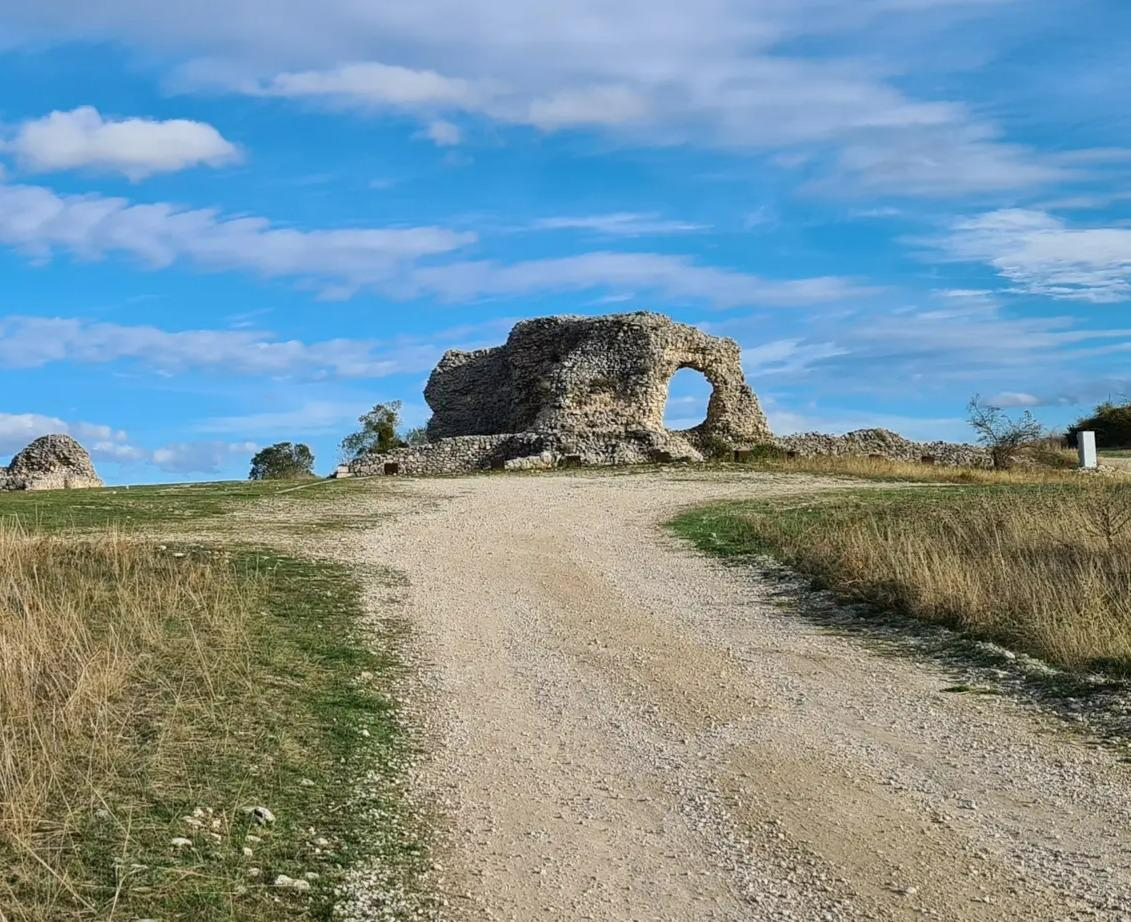
Tratturo Magno – On the roads of transhumance
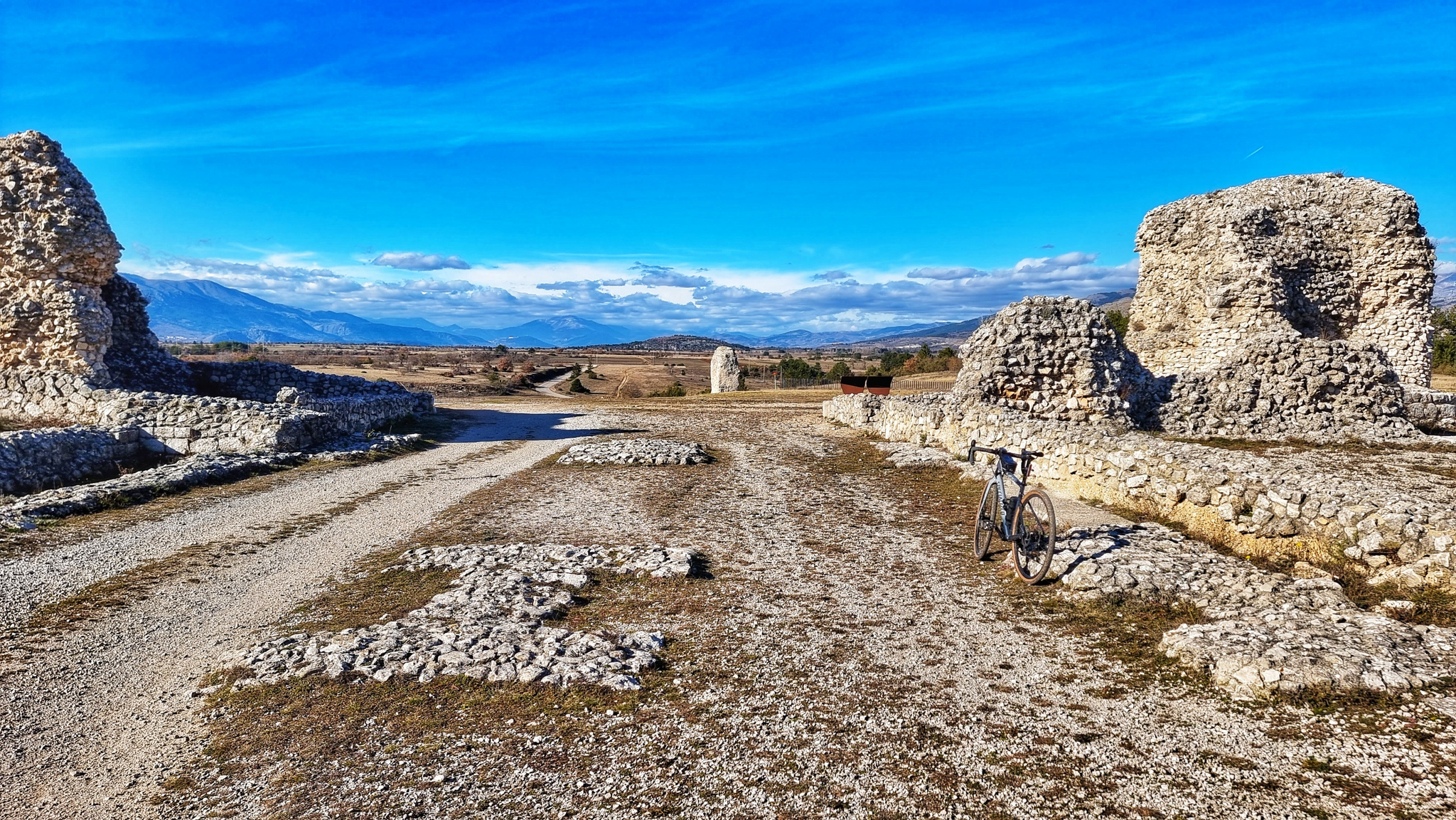
The Tratturo Magno – From the Apennines to the TavoIiere, 300 kilometers
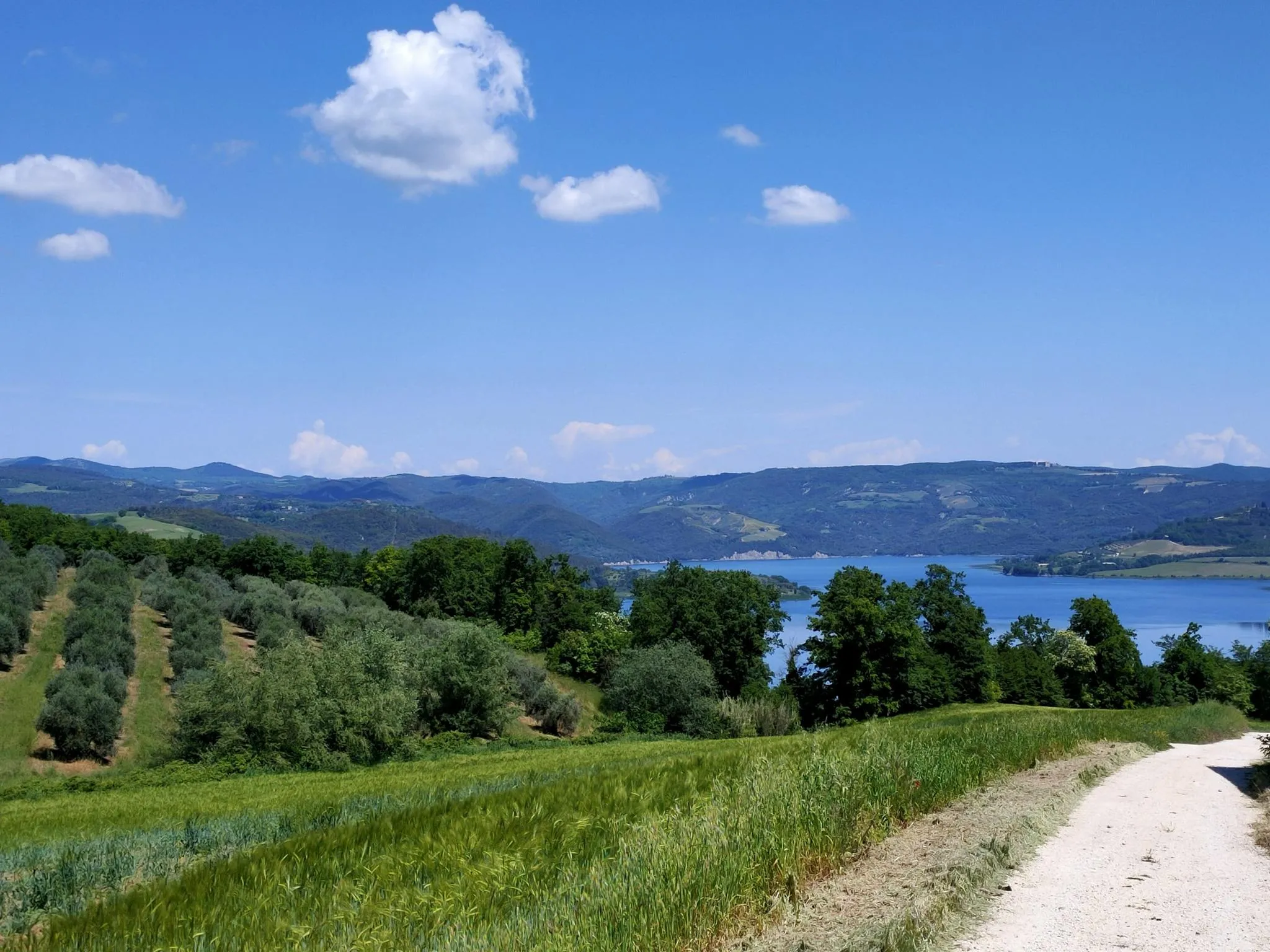
Italian Coast2Coast – From Portonovo to Orbetello
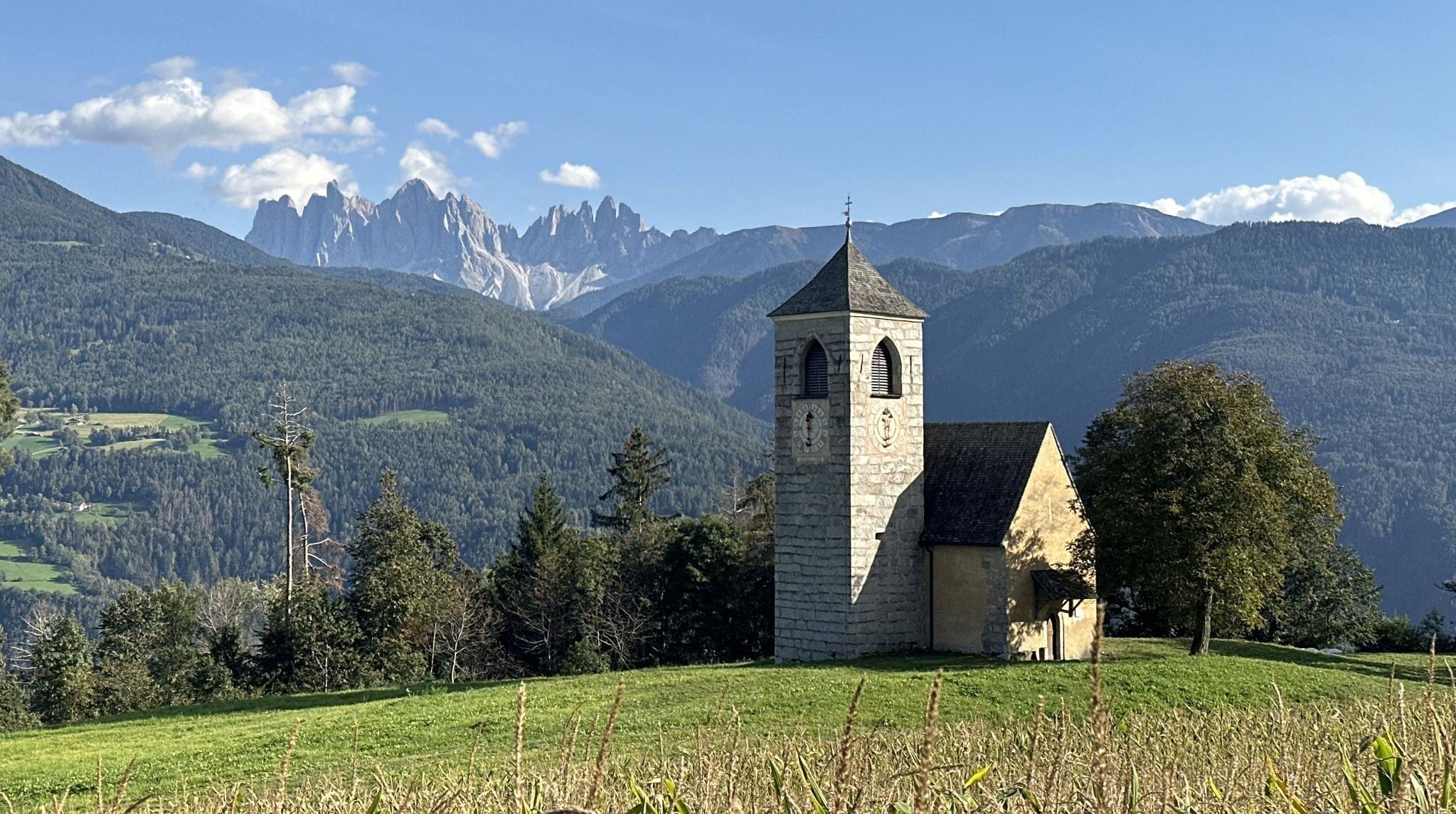
Via Romea Germanica – History, nature and spirituality
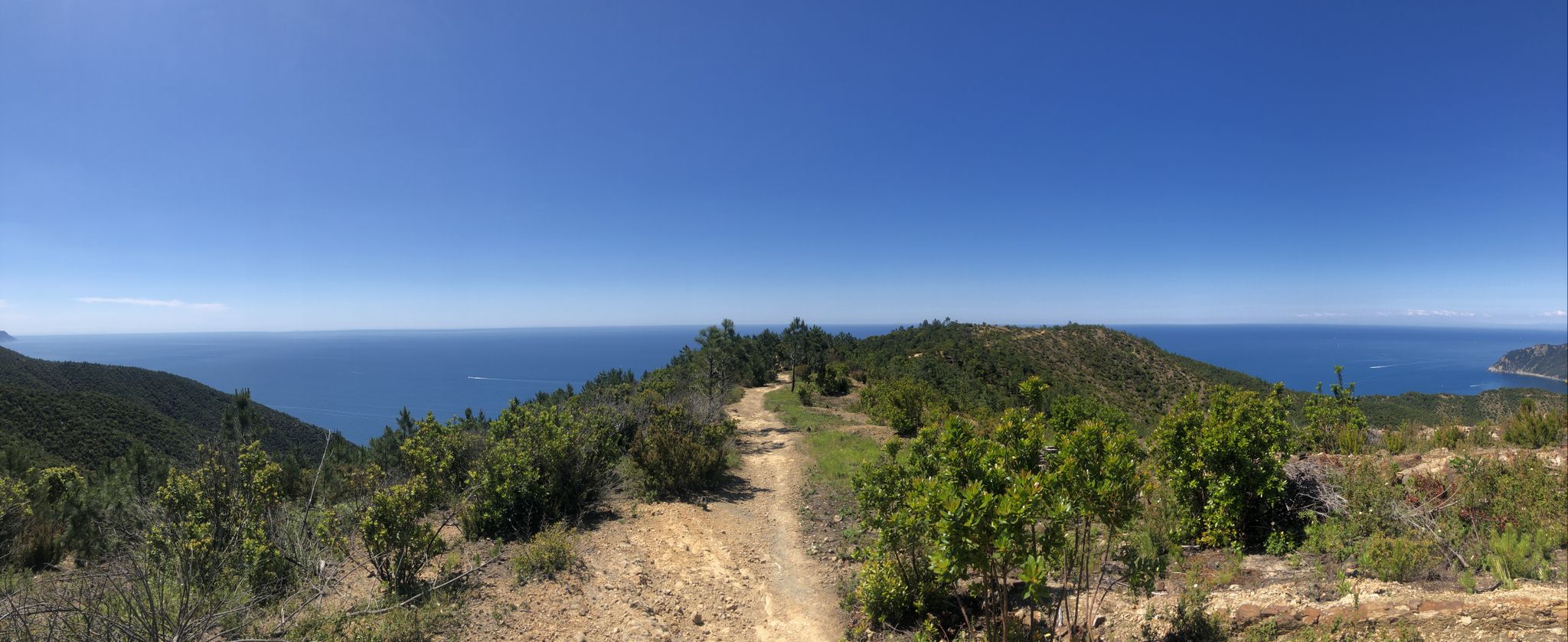
Via della Costa – A breathtaking hike along the Italian Riviera
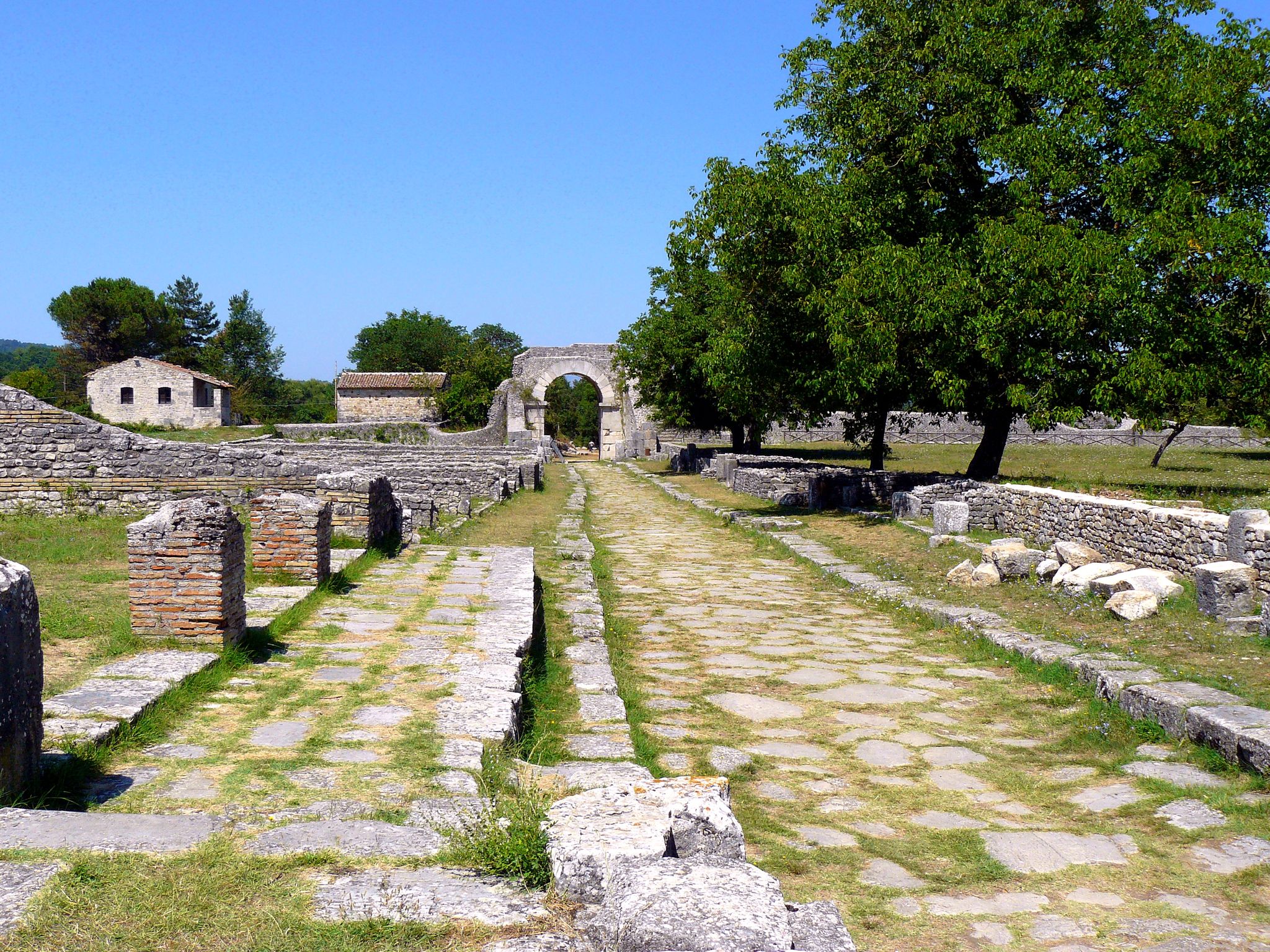
Sentiero Italia – On the tracks of the Samnites and Romans in Molise
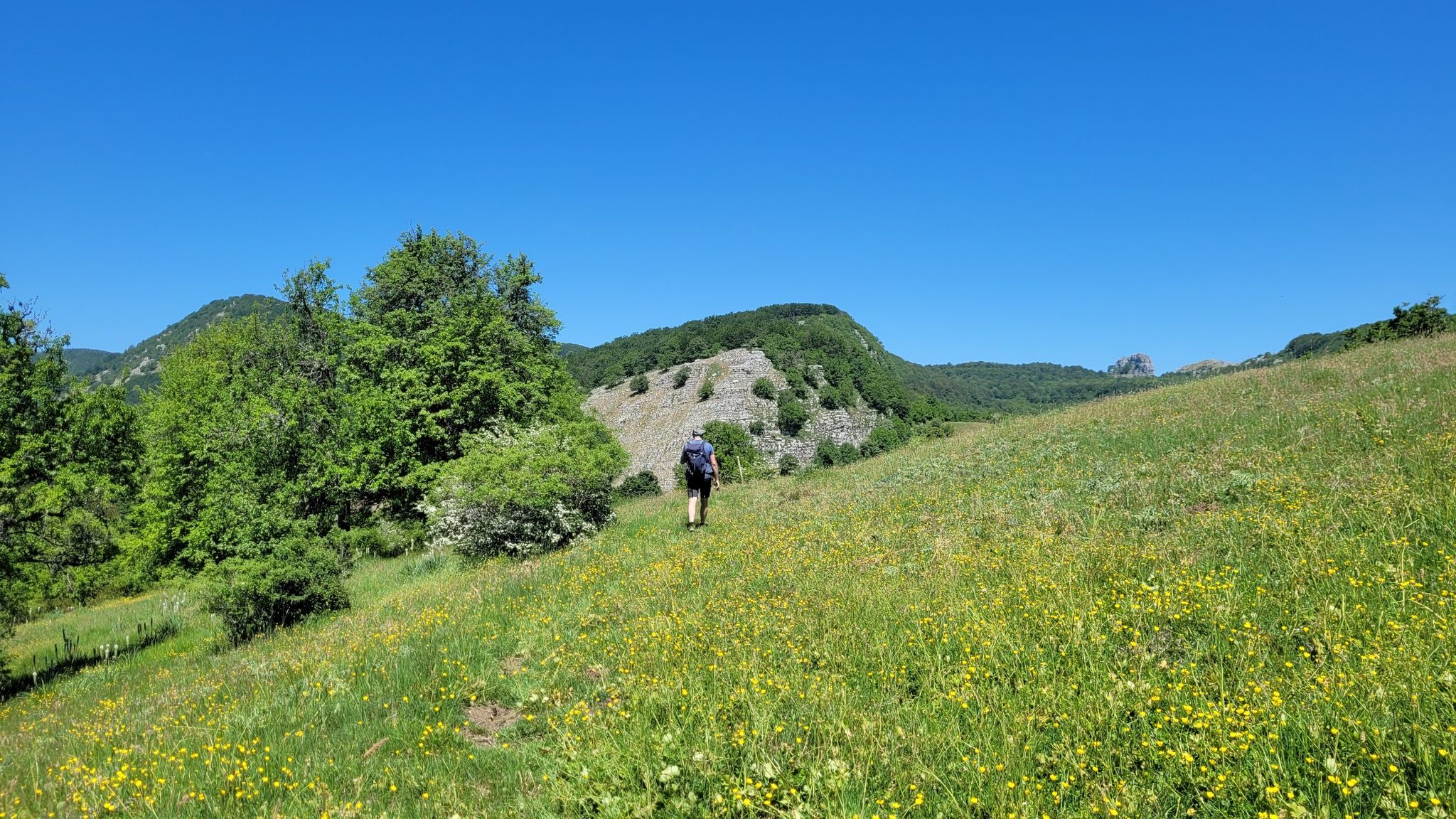
Sentiero Italia – A journey into the heart of Campania
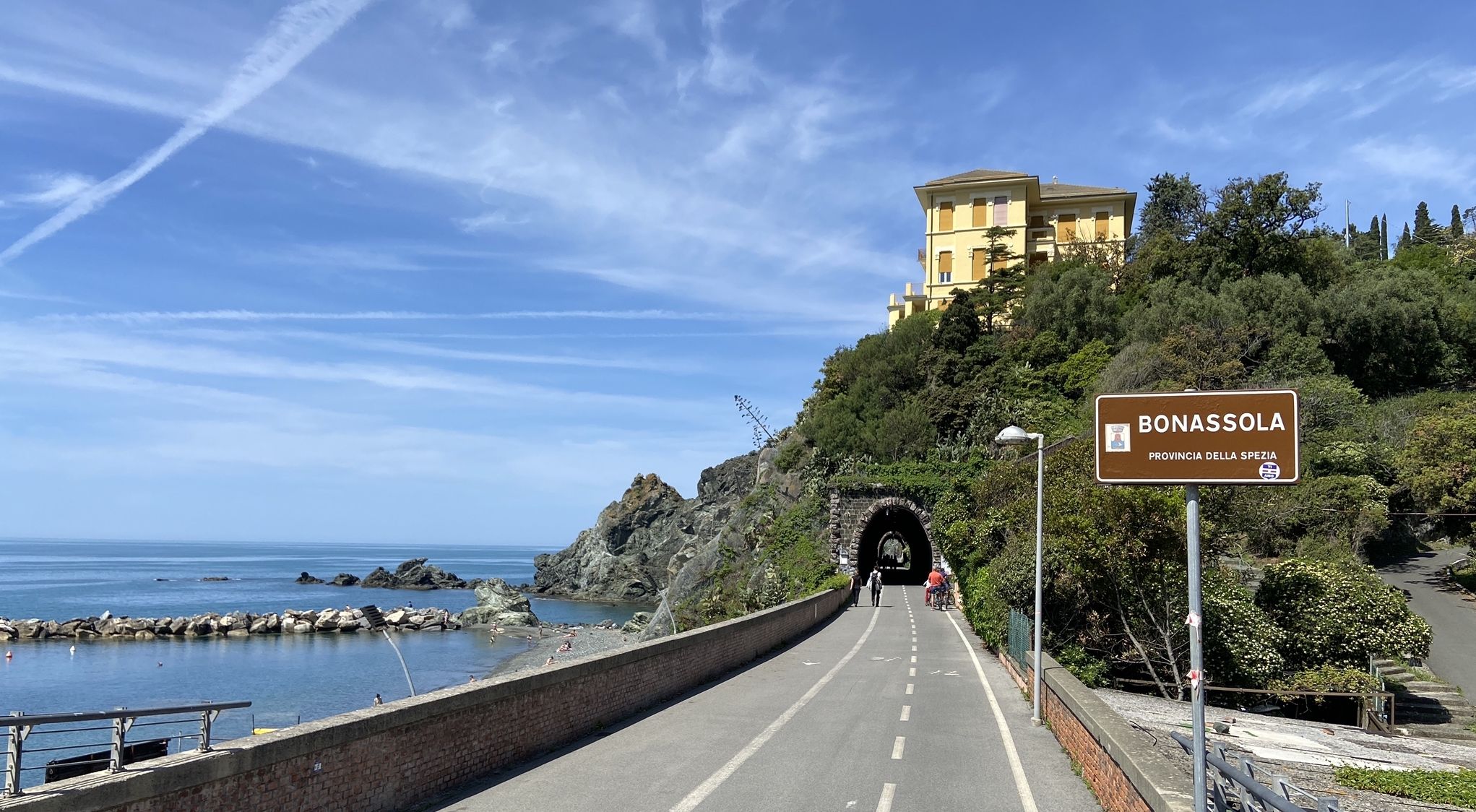
Pedalling to Portofino and the Cinque Terre — sea and mountains
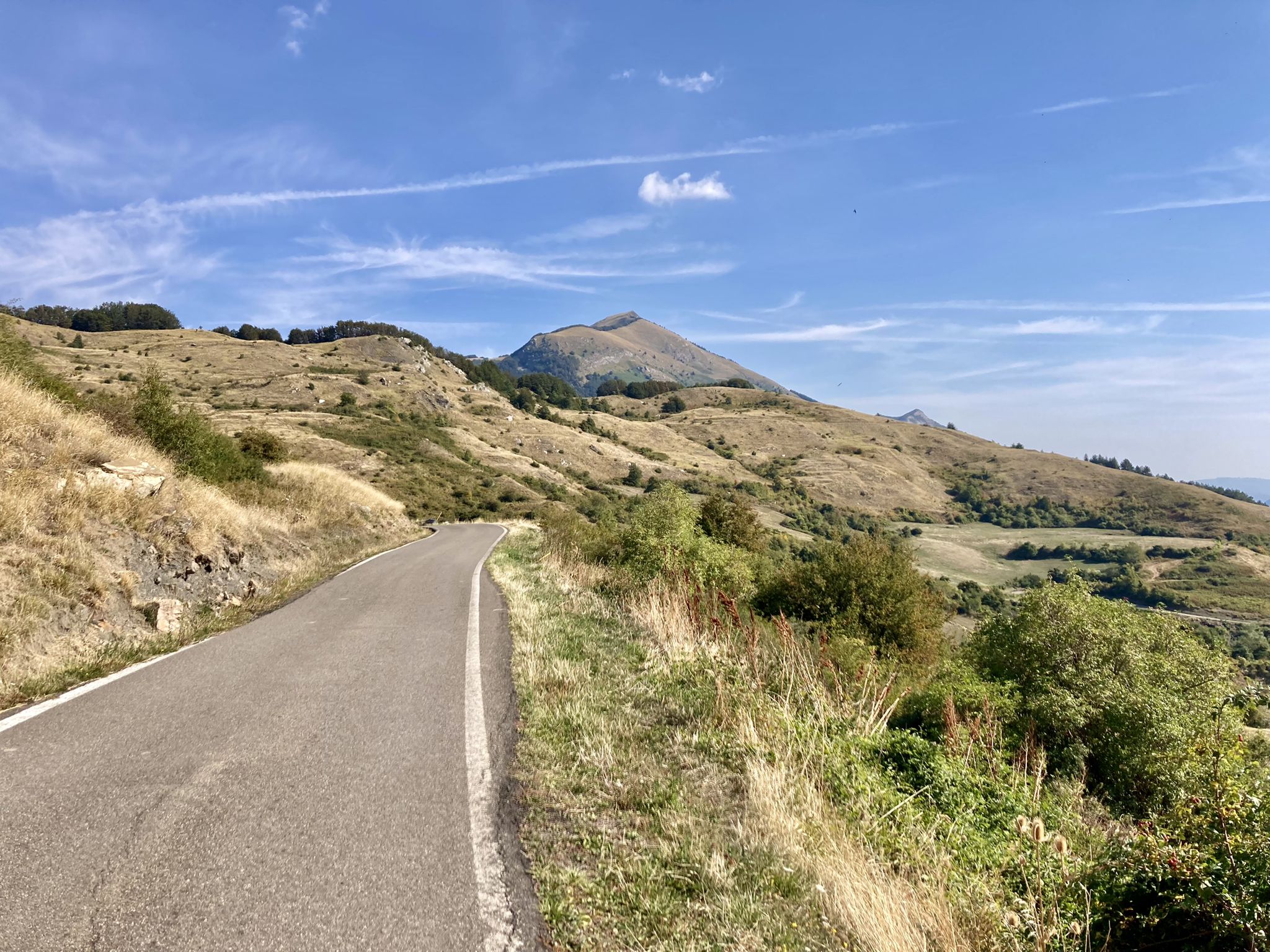
Apperò l'Appennino – five days of Italy's Emilian climbs
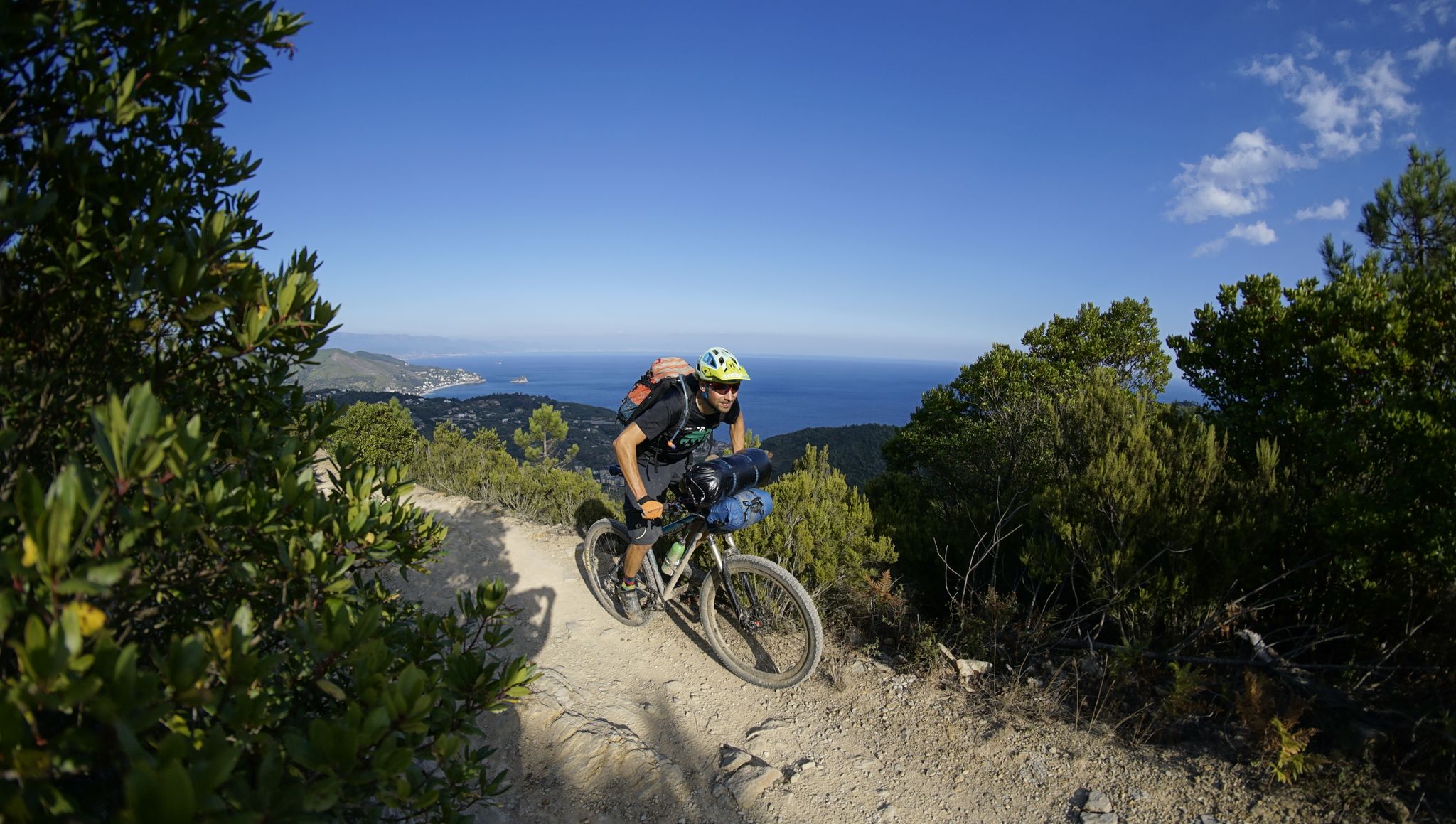
Alta Via Stage Race – Only the brave
Other adventures in the Apennine Mountains


Tips from the Community


It will be my next destination
2
0

The highest of the forts in Genoa and the only one not in the city municipality, but in that of Sant'Olcese. Easily accessible from the Baita del Diamante (Trensasco), Camporsella or from the Parco del Peralto, it offers truly stunning views and sunsets.
0
0

Bevagna / Region – Umbria / Province – Perugia (PG) The town, surrounded by a city wall with towers and gates, has an intact medieval structure (12th-13th centuries). In the upper part of the town, numerous Roman remains can still be seen: the ruins of a temple, the theater, and a thermal bath complex, of which a frigidarium with a magnificent black and white floor mosaic depicting marine figures from the 2nd century AD survives. The medieval town structure, with its squares and noble houses, developed over the Romanesque foundations: The magnificent Piazza Silvestri is home to the Palazzo dei Consoli (1270), which houses the Torti Theater, the Romanesque churches of San Silvestro and San Michele Arcangelo, both from the late 12th century, and the church of San Domenico e Giacomo (1291). Worth seeing is the Palazzo Comunale (late 18th century), which houses the historical archives, the library, and the art gallery. The Baroque churches of the Monastery of Santa Margherita and San Filippo are also very interesting. At the highest point in the town stands the Church of San Francesco (late 13th century). Next to the altar, one can see the stone on which St. Francis knelt when he preached to the flock of birds at Pian d'Arca. The 18th-century Palazzo Lepri houses the Museum of Bevagna, with works that tell the story of the town from pre-Roman times to the 18th century: archaeological finds from the ancient city of Mevania, medieval documents, and paintings by Dono Doni, Fantino, and Corrado Giaquinto. In the surrounding area, the Sanctuary of Madonna delle Grazie (late 16th century), the Sanctuary of Madonna della Valle, and the Monastery of Annunziata (11th century), formerly a defensive castle, rise up against the hillsides. Text / Source: Umbria Tourism.it contatti@umbriatourism.it https://www.umbriatourism.it/de/bevagna
14
1

A visit is highly recommended during the off-season.
2
0

Climbing to the fort from Trensasco.
0
0

I was very impressed by the infrastructure of the city, it's something you have to see and it's on the mountain.
4
0

Inserted among the most beautiful villages in Italy, this hamlet of Greve in Chianti reserves an atmosphere suspended in time, between stone houses and alleys and medieval fortifications.
0
0
Frequently Asked Questions
What are some of the most historically significant castles in the Apennine Mountains?
The Apennine Mountains are rich in history. Rocca Calascio Castle, for instance, is a ruined fortress dating back to the 10th century, known for its military origins and its dramatic setting. Cantelmo Castle in Pettorano Sul Gizio is another medieval stronghold with round turrets and bastion walls, offering insights into the town's past. The Three Towers of San Marino also hold significant historical value as symbols of the city-state.
Are there any castles in the Apennine Mountains that offer breathtaking panoramic views?
Yes, many castles in the Apennines are strategically located for defense and offer stunning vistas. Rocca Calascio Castle, as the highest fortress in the Apennines, provides panoramic views over the mountains and the Campo Imperatore plateau. The Three Towers of San Marino, perched on Monte Titano, also offer fantastic views of the rugged Apennine landscapes. Additionally, Sestola Castle in the Modena Apennines is known for its high perch and scenic outlooks.
What kind of outdoor activities can I do near the castles in the Apennine Mountains?
The Apennine Mountains offer a variety of outdoor activities near its castles. You can find numerous hiking trails, with options ranging from moderate to difficult, such as the 'Anello dell’Acquacheta' or the 'Sentiero delle Cascate'. There are also opportunities for cycling and gravel biking, with routes like the 'Gravel ride between the Taro and Enza rivers' or the 'Parma Hills Grand Tour'. For more details on routes, check out the Gravel biking in the Apennine Mountains, Waterfall hikes in the Apennine Mountains, and Cycling in the Apennine Mountains guides.
Are there family-friendly castles to visit in the Apennine Mountains?
Several castles and historical sites in the Apennine Mountains are considered family-friendly. For example, the Piazza della Signoria and the Palazzo Vecchio in Florence, and the Historic Center of Bevagna are listed as family-friendly highlights. Montefioralle Castle and Vignola Castle also offer family-friendly experiences, often with easy access and engaging historical contexts.
What is the best time of year to visit the Apennine Mountains for castle exploration and hiking?
While specific data on the best time to visit is not provided, the Apennine Mountains offer diverse experiences throughout the year. Spring and autumn generally provide pleasant weather for both castle exploration and hiking, with milder temperatures and beautiful landscapes. Summer can be warm but is ideal for higher altitude castles like Rocca Calascio Castle. Winter can be challenging for hiking but offers a unique, snow-covered beauty for castle views, especially in areas like the Gran Sasso and Monti della Laga National Park.
Can I find castles that are part of national parks or natural reserves in the Apennine Mountains?
Yes, Rocca Calascio Castle is notably part of the Gran Sasso and Monti della Laga National Park, making it a key attraction for those exploring the area's natural beauty alongside its historical significance. This integration offers visitors the chance to combine castle visits with nature walks and scenic exploration.
Are there any castles in the Apennine Mountains that are particularly unique or off-the-beaten-path?
The castles of the Modena Apennines, such as Montecuccolo, Sestola, Montefiorino, Roccapelago, Guiglia, Montese, and Pompeano, are often set in peculiar, off-the-beaten-path locations amidst nature. They stand on rocky spurs, offering unique historical insights and picturesque settings away from the more crowded tourist routes. Sestola Castle, for example, also functions as a cultural center.
What are the typical visiting times or how long should I plan for a castle visit in the Apennine Mountains?
Visiting times can vary greatly depending on the castle. For larger, more complex sites like the Three Towers of San Marino or castles with museums like Cantelmo Castle, you might want to allocate 2-3 hours. For ruined fortresses like Rocca Calascio Castle, the visit itself might be shorter, but the journey to and from the site, often involving scenic walks, can extend the overall experience to half a day or more. Always check specific opening hours for each location.
What kind of historical insights can I gain from visiting these Apennine castles?
Visiting Apennine castles offers a deep dive into centuries of history, from medieval military strategies to local governance and daily life. You can learn about defensive architecture, the lives of noble families, and the strategic importance of these strongholds in controlling trade routes and territories. Many castles, like Cantelmo Castle, feature displays and dioramas that recount the town's history, while others, like Sestola Castle, house museums dedicated to mountain civilization.
What do other visitors say about the castles in the Apennine Mountains?
Visitors frequently praise the dramatic settings and panoramic views offered by many Apennine castles. For Rocca Calascio Castle, visitors describe it as a 'magical place' and a 'spectacle that is difficult to describe'. The Piazza della Signoria and the Palazzo Vecchio are considered an 'absolute must do' for their historical depth and artistic value. The region's castles are appreciated by the komoot community, with over 780 highlights, more than 1000 photos, and over 1200 upvotes.
Are there any castles in the Apennine Mountains that are accessible for visitors with mobility challenges?
While many castles in the rugged Apennine terrain may present accessibility challenges due to their historical nature and elevated positions, some sites offer better access. For example, the Piazza della Signoria and the Palazzo Vecchio in Florence are listed as wheelchair accessible. It is advisable to check specific accessibility details for individual castles before planning your visit, as conditions can vary.
Can I find information about specific routes or trails that lead to or around these castles?
Yes, komoot offers various guides with routes that lead to or around castles in the Apennine Mountains. For instance, you can find routes for gravel biking, waterfall hikes, and general cycling that often pass by or offer views of these historical sites. Explore guides like Gravel biking in the Apennine Mountains or Waterfall hikes in the Apennine Mountains for detailed trail information and maps.
What are some of the natural features surrounding the castles in the Apennine Mountains?
The castles in the Apennine Mountains are set against a backdrop of diverse natural features. Rocca Calascio Castle is located within the Gran Sasso and Monti della Laga National Park, offering views of the Campo Imperatore plateau. Cantelmo Castle overlooks the Gizio River, nestled in a forested hill. Many castles in the Modena Apennines are found on rocky spurs, providing commanding views of valleys and surrounding nature. The entire region is characterized by rugged mountains, high peaks, and forested valleys.
Most popular routes in the Apennine Mountains
Most popular attractions in the Apennine Mountains

Get inspired with the komoot mobile app


Explore more
Looking for the best castles somewhere else? Discover other guides in the Apennine Mountains:
