Top 20 Natural Monuments in the Apennine Mountains
Best natural monuments in the Apennine Mountains are characterized by rugged peaks, diverse ecosystems, and unique geological formations. This region, forming the backbone of peninsular Italy, offers a variety of natural landscapes. The Apennine Mountains provide extensive opportunities to explore its natural features, from high-altitude plateaus to ancient forests. The area is home to numerous protected parks, preserving significant biodiversity and geological wonders.
Best natural monuments in the Apennine Mountains
- The most popular natural monuments is Monte Adone summit,…
Last updated: June 26, 2026
View of Manarola
Highlight • Viewpoint
Translated by Google •
Tip by

Coastal Trail Between Levanto and Monterosso
Highlight (Segment) • Trail
Translated by Google •
Tip by

Sign up now to discover places like this
Get recommendations on the best single tracks, peaks, & plenty of other exciting outdoor places.
Sign up for free
Corno Grande Western Summit
Highlight • Summit
Tip by

Start of the Path of the Gods
Highlight • Trail
Translated by Google •
Tip by

Cinque Terre Hiking Path Vernazza-Monterosso
Highlight • Trail
Translated by Google •
Tip by

Campo Imperatore
Highlight • Natural Monument
Showing Translation
Tip by

View of Monterosso and the Cinque Terre Coast
Highlight • Viewpoint
Translated by Google •
Tip by

Monte Adone summit
Highlight • Summit
Translated by Google •
Tip by

View of Monterosso al Mare from Punta Mesco
Highlight • Viewpoint
Translated by Google •
Tip by

View of Corniglia
Highlight • Viewpoint
Translated by Google •
Tip by
Sign up for free to discover even more natural monuments in the Apennine Mountains.
Sign up for free
Already have an account?
Start today with a free account
Your next adventure awaits.
Login or Signup
Popular around Apennine Mountains
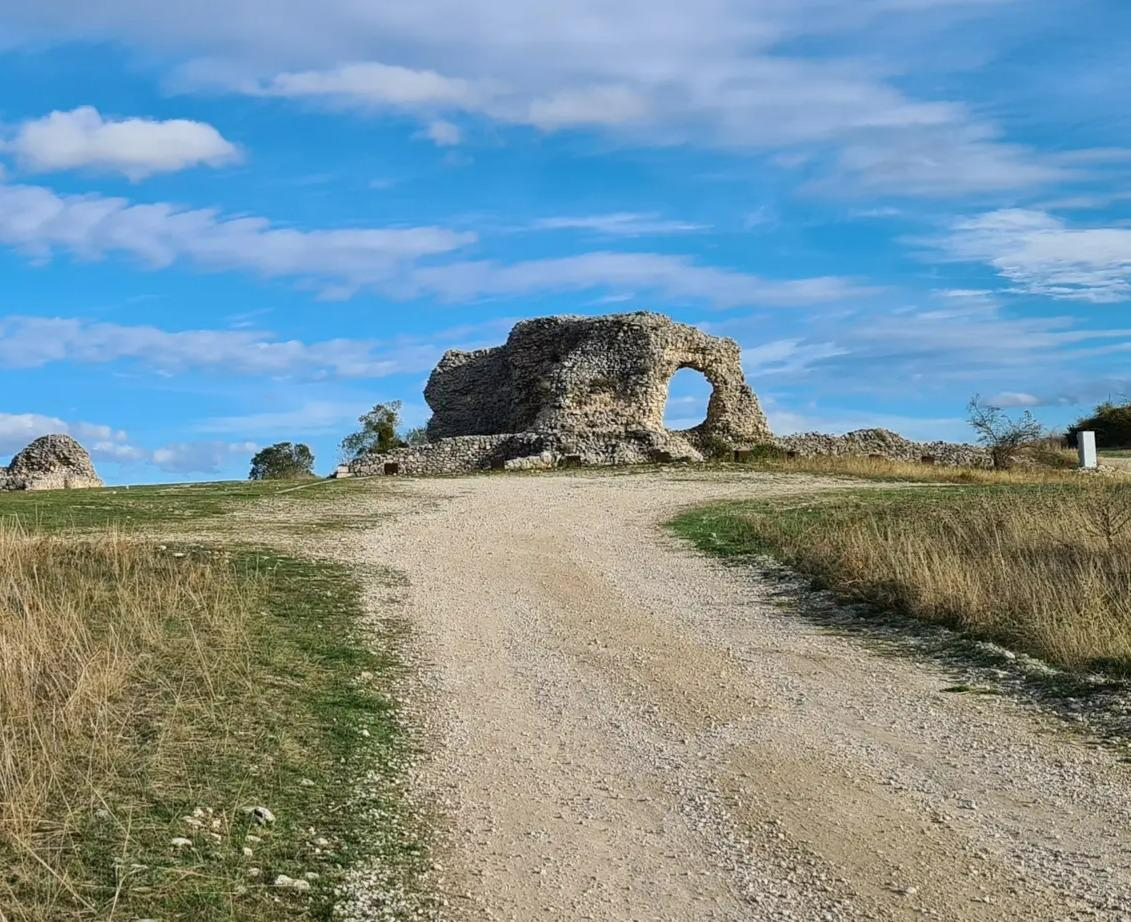
Tratturo Magno – On the roads of transhumance
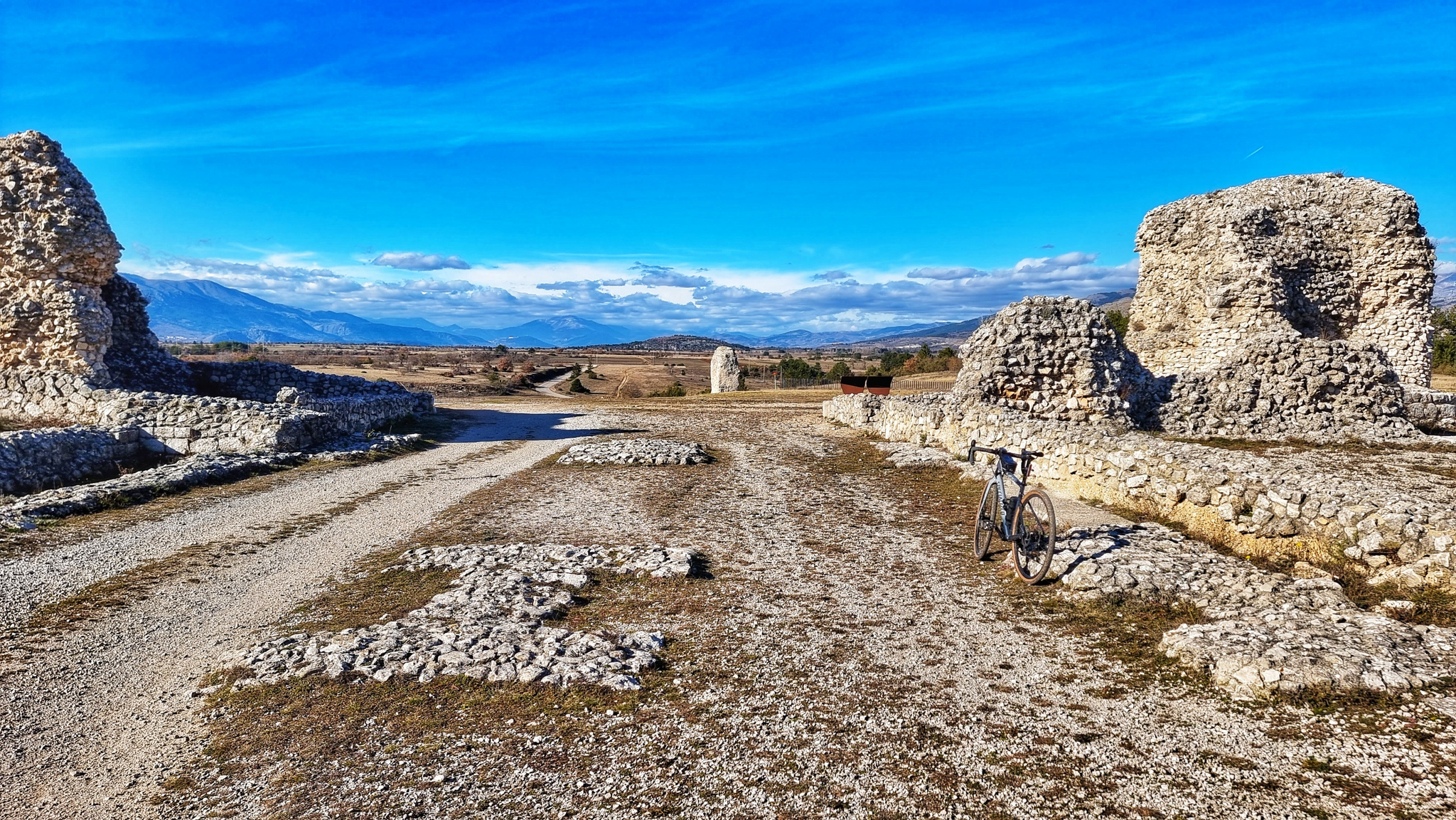
The Tratturo Magno – From the Apennines to the TavoIiere, 300 kilometers
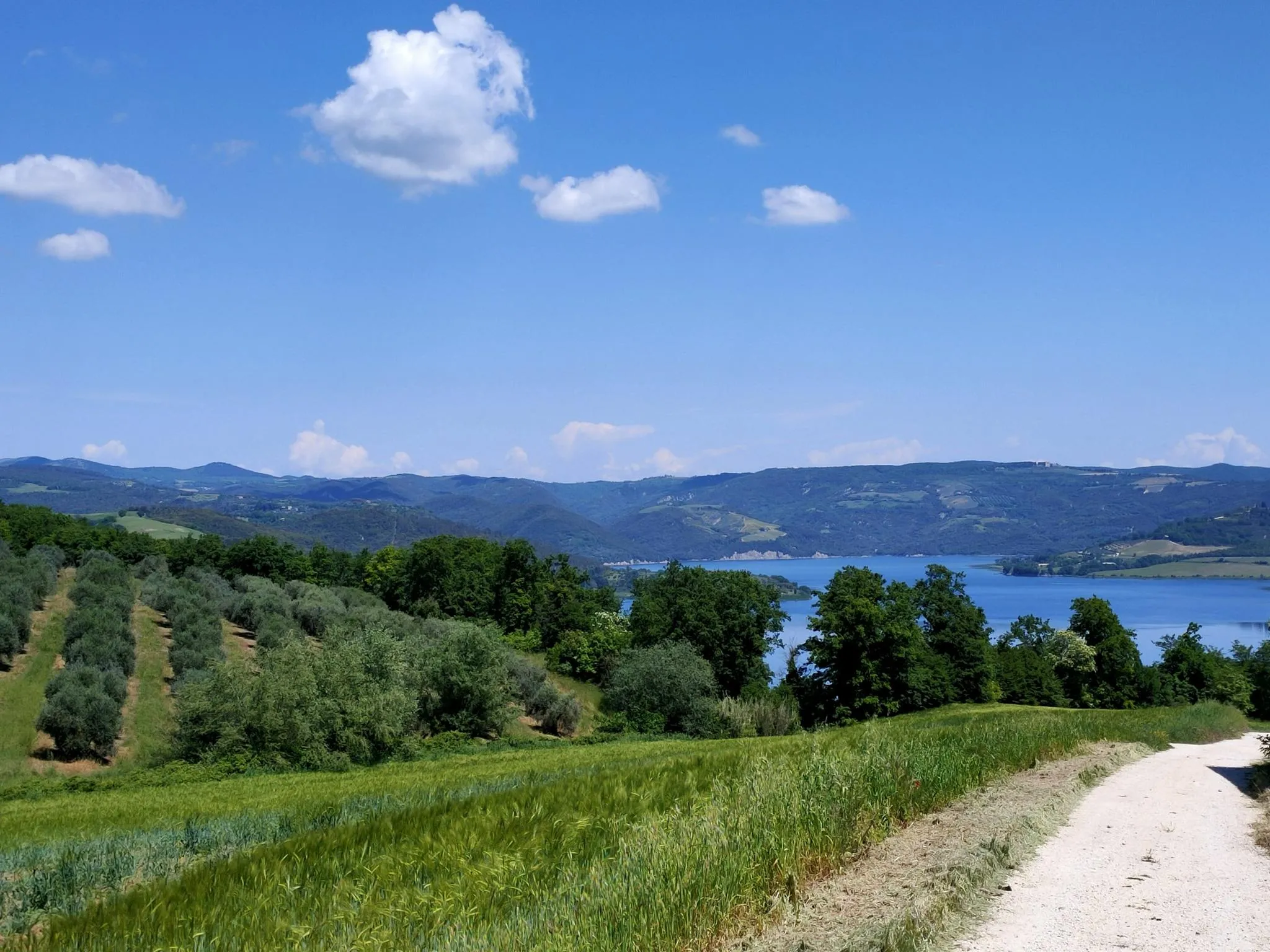
Italian Coast2Coast – From Portonovo to Orbetello
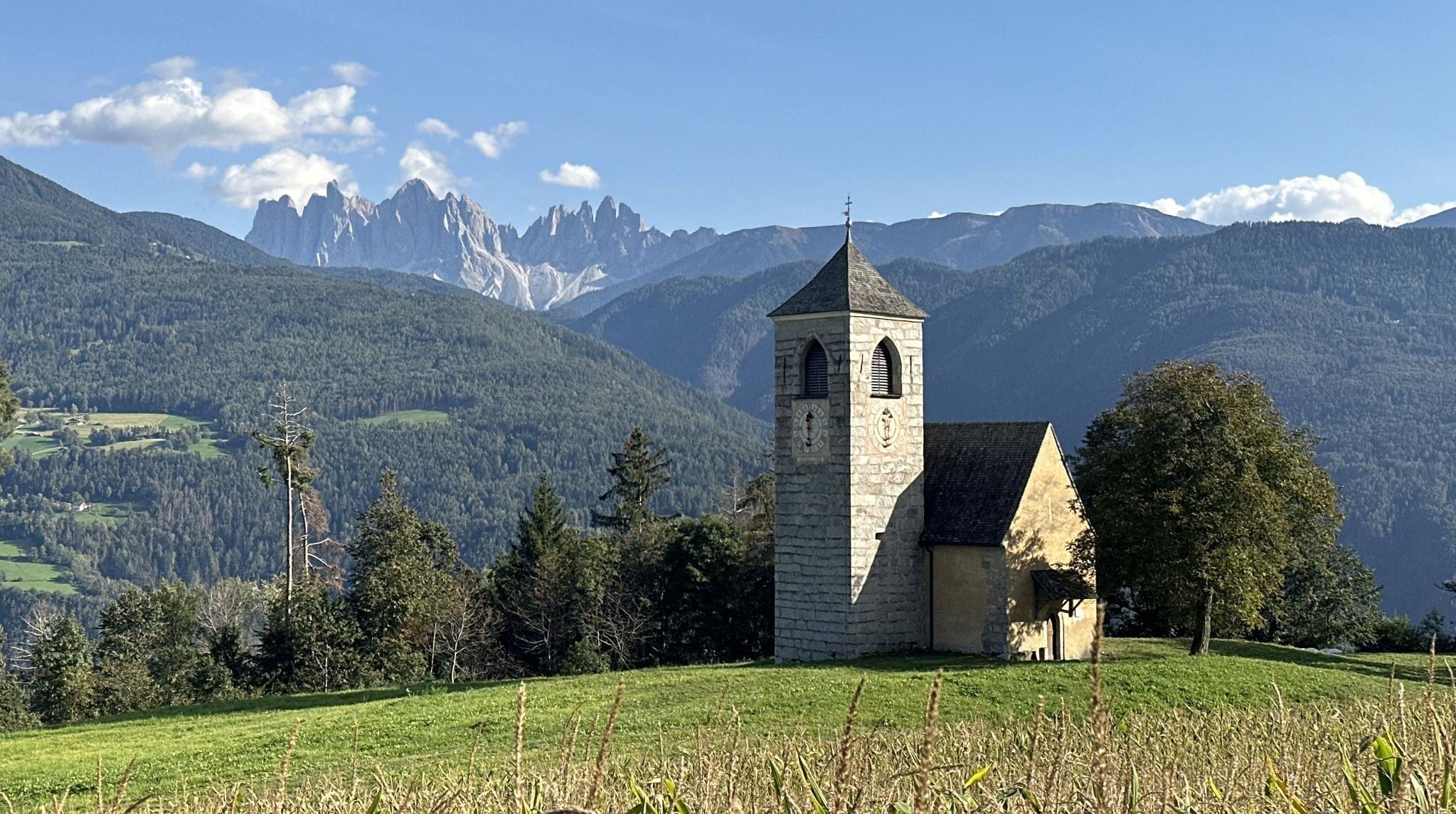
Via Romea Germanica – History, nature and spirituality
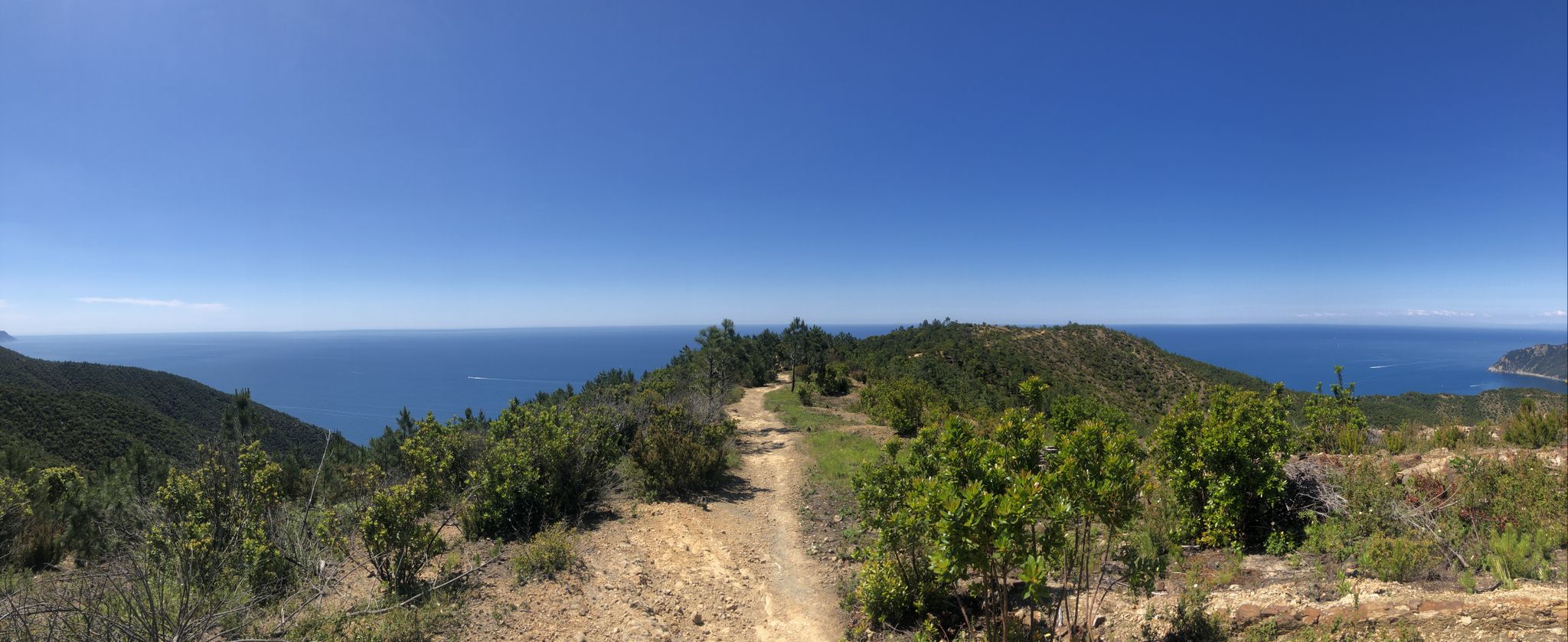
Via della Costa – A breathtaking hike along the Italian Riviera
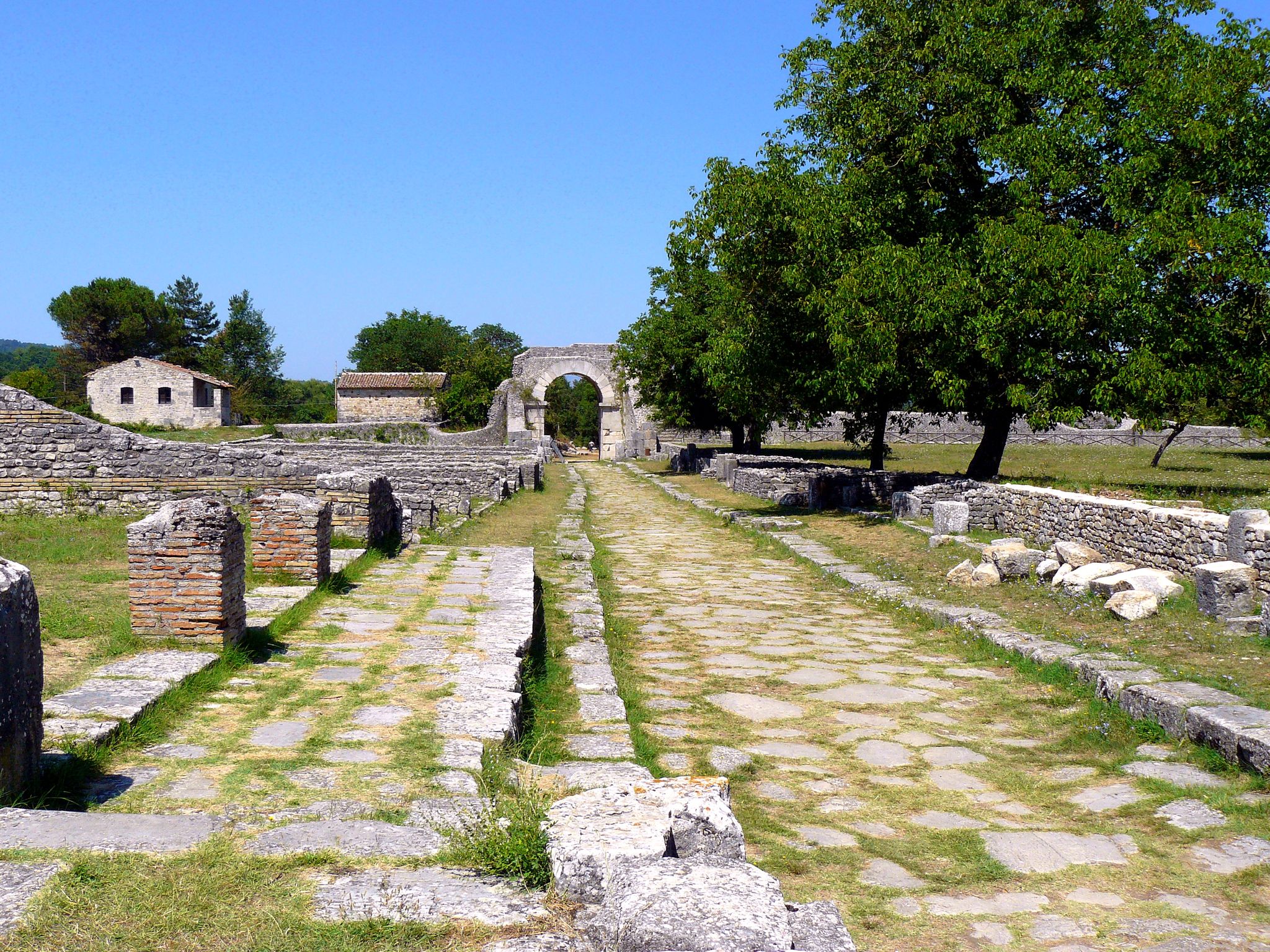
Sentiero Italia – On the tracks of the Samnites and Romans in Molise
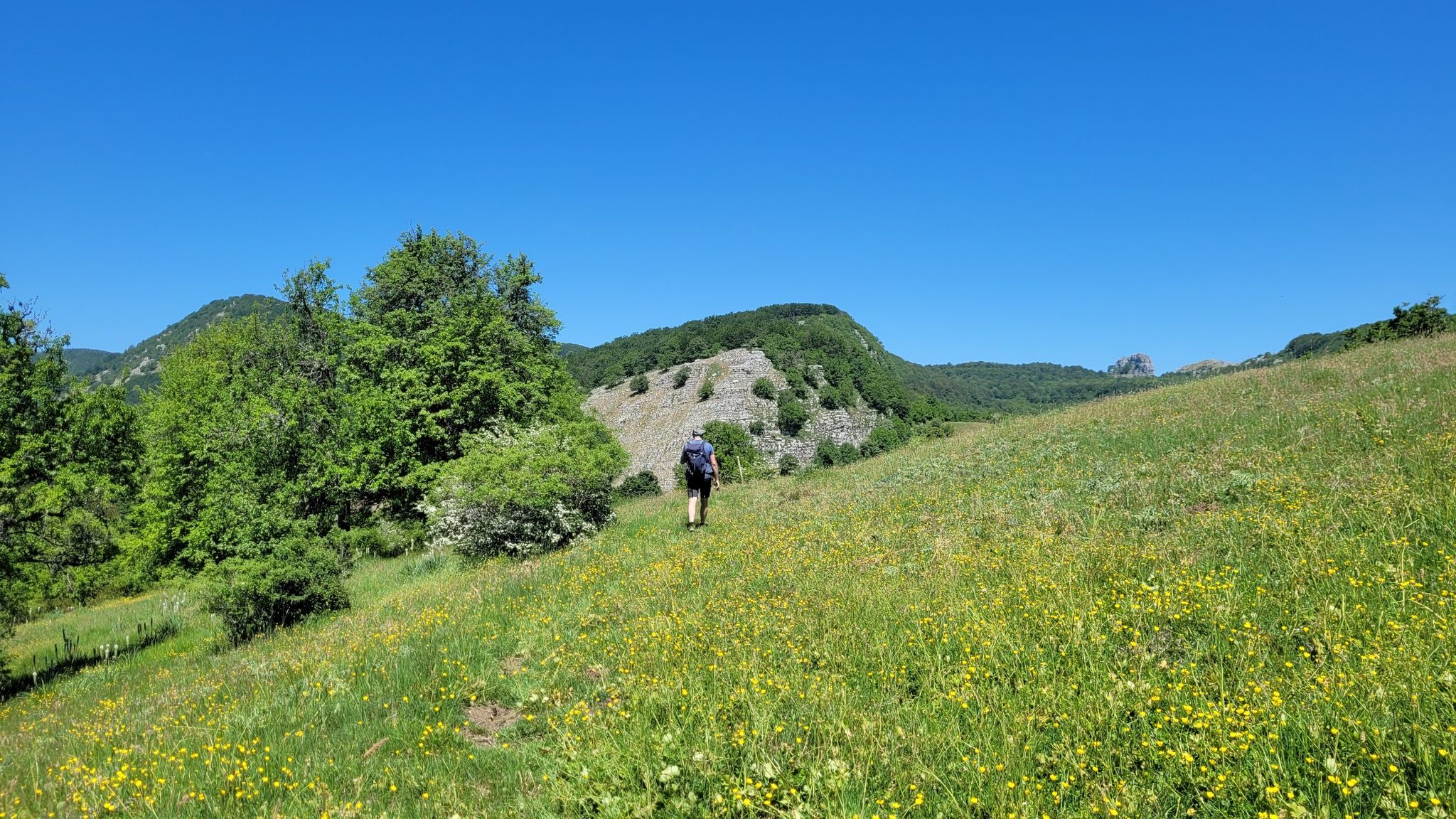
Sentiero Italia – A journey into the heart of Campania
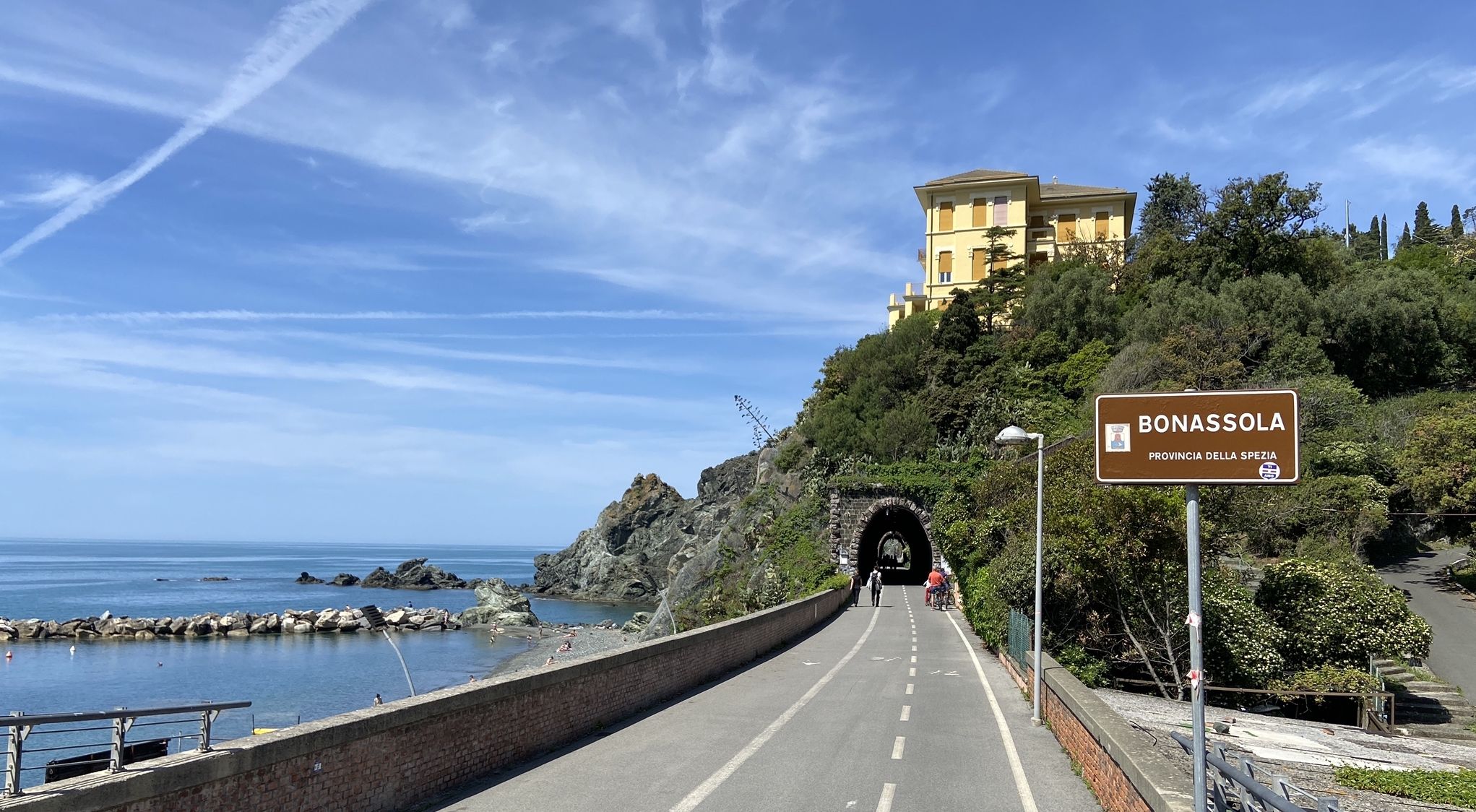
Pedalling to Portofino and the Cinque Terre — sea and mountains
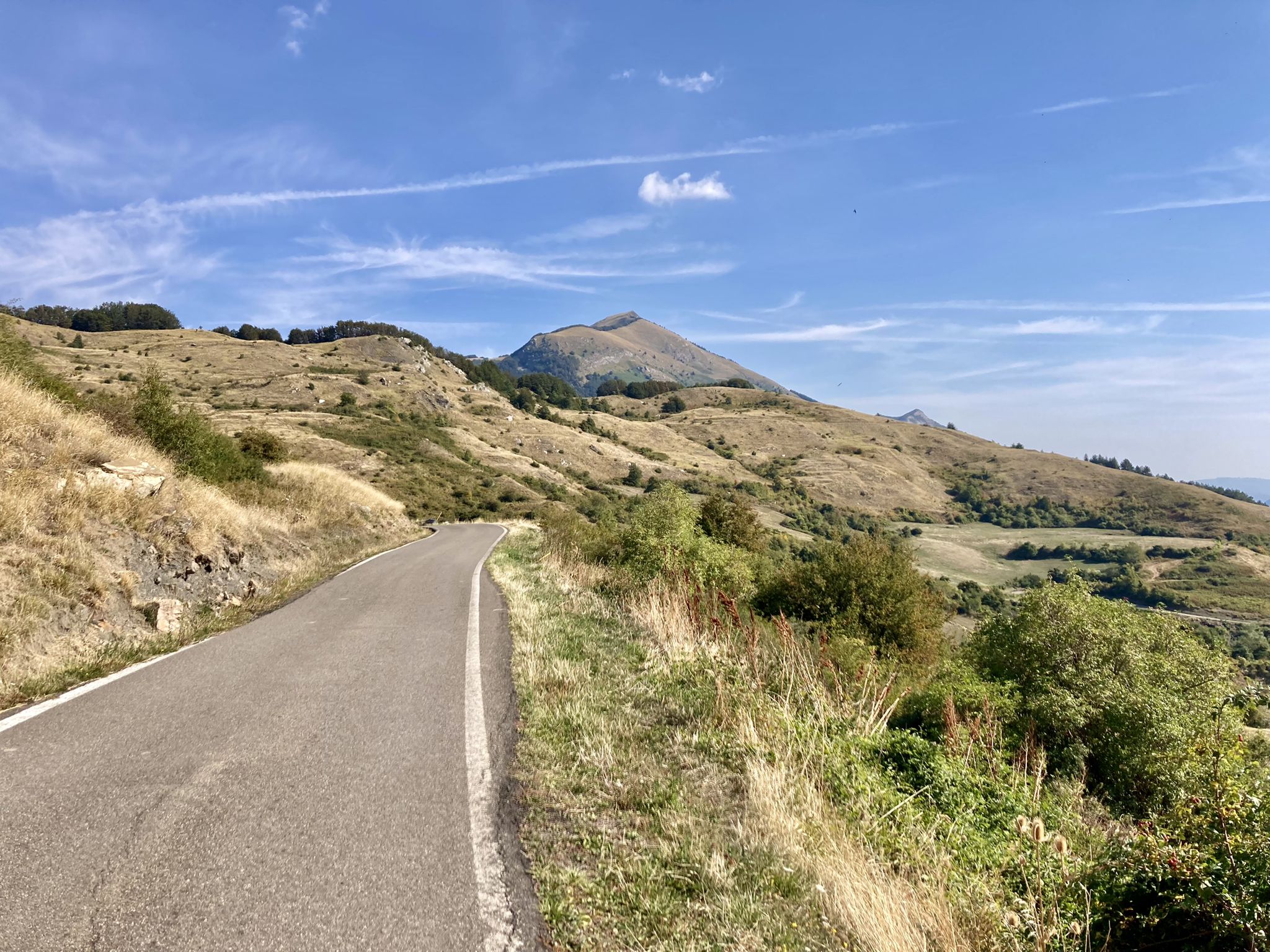
Apperò l'Appennino – five days of Italy's Emilian climbs
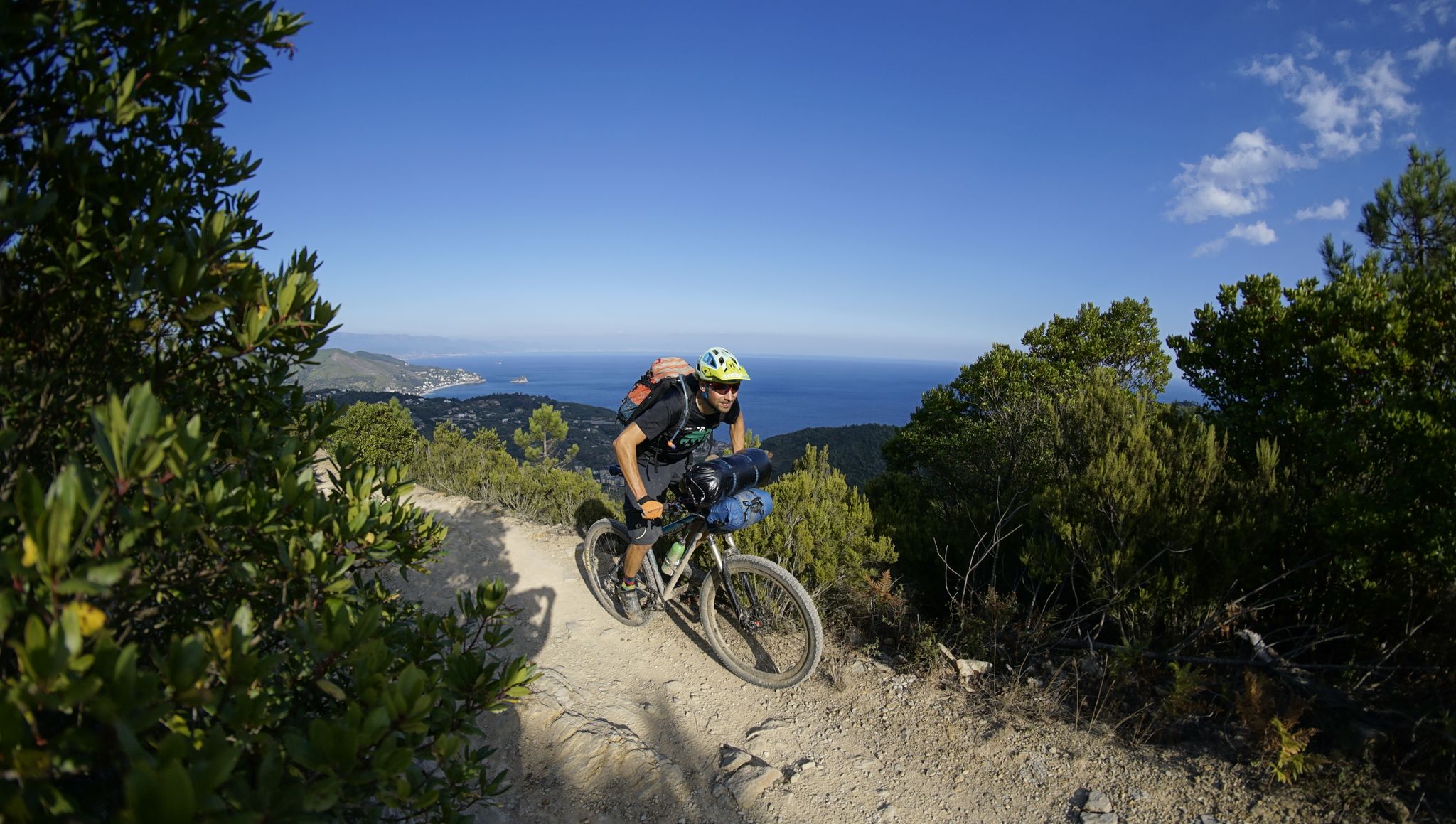
Alta Via Stage Race – Only the brave
Other adventures in the Apennine Mountains


Tips from the Community

The Funivia del Gran Sasso d'Italia (the cable car to Campo Imperatore) was originally opened in 1934 and was recently reopened on June 15, 2026, after a period of significant maintenance. The cable car connects the valley station in Fonte Cerreto (Assergi, at 1,117 meters) with the Campo Imperatore plateau (at 2,130 meters). The cable car to Campo Imperatore has a rich history. The first installation was built in 1934 during the reign of Benito Mussolini and was considered a technical masterpiece and one of the longest cable cars in the world at the time. It also played a role in the spectacular liberation of Mussolini during World War II. The original cabins remained in use until 1985. After a complete modernization, the current cable car was put into operation in 1988. With two cabins for 100 passengers each, it covers a distance of over 3 kilometers and an altitude difference of 1,013 meters in just seven minutes. Following extensive safety works, including the replacement of the support cables, the cable car has been fully operational again since June 2026. Opening hours: During the summer season (until the end of August 2026), the cable car to Campo Imperatore is open daily from 07:30 to 19:30. The cabins depart every 30 minutes. Please note that in case of strong winds or other extreme weather conditions, the cable car may be temporarily taken out of service to ensure the safety of travelers.
3
0
Campo Imperatore is one of Italy's most impressive natural areas. This vast, treeless high plain at an altitude of approximately 2,000 meters is not called 'Little Tibet' for nothing. Surrounded by the rugged peaks of the Gran Sasso massif, it offers a spectacular setting for hikers of all levels. From relaxed walks across the rolling plateau between grazing sheep and horses to challenging climbs of Monte Aquila, the Rifugio Duca degli Abruzzi, or even Corno Grande (2,912 m), the highest peak in the Apennines. Thanks to accessibility by car or cable car, you can start your hike right in the middle of the high mountains, with breathtaking panoramas along the way and a landscape that has served as a backdrop for countless films.
4
0

The view of Monterosso from up here is beautiful!
7
0
This hiking trail is truly beautiful, but not a walk in the park.
9
0

The Normal Route is a fairly simple route, except for the last 400 meters, the gully and the ridge, which, being EEA grade (expert equipped hikers), require considerable physical strength and technique. Mountaineering boots are also required, and a helmet is recommended. Since the ridge is also quite technical, it is absolutely not suitable for those with a fear of heights, the elderly, children, or anyone without mountaineering experience.
3
0

The hike on the Sentiero degli Dei from Bomerano to Positano is a highlight on the Amalfi Coast. Breathtaking views accompany the path, which does not require a guide, but does require good shoes and plenty of water. After about 30 minutes, the path splits into a higher and a lower route, which later merge again. The destination is Nocelle, where you can fortify yourself with a refreshing lemon slush. From there, two paths lead down to Positano, either via Montepertuso or directly over hundreds of steps. Setting off early in the morning is recommended.
3
0

Overcrowded in high season, as even in low season the path is already very full. There are a lot of hiking groups there. Otherwise a very nice view of Monterosso🏖👍
2
0

Attention ⚠️!! New rules for the high season. Not entirely uninteresting for tour planning 😉. https://www.travelnews.ch/here-and-there/26314-cinque-terre-neue-regeln-gegen-massentourismus.html For general information: https://www.cinqueterre.eu.com/de/wanderwege#monterosso-vernazza
7
2
Frequently Asked Questions
What are some of the most popular natural monuments in the Apennine Mountains?
The Apennine Mountains offer a diverse range of natural monuments. Highly popular spots include the Monte Adone summit, known for its wonderful panoramic views, and Lake Scaffaiolo, a picturesque high mountain lake. The Coastal Trail Between Levanto and Monterosso also draws many visitors with its stunning views of the Cinque Terre.
Are there natural monuments suitable for families in the Apennine Mountains?
Yes, several natural monuments in the Apennines are family-friendly. While specific highlights may vary in difficulty, many areas within national parks like the Monti Sibillini or Abruzzo, Lazio and Molise National Park offer accessible trails and viewpoints. For example, the View of Manarola in Cinque Terre is reachable via an easy path, offering breathtaking scenery that families can enjoy together.
What kind of unique geological features can I expect to see in the Apennine Mountains?
The Apennine Mountains are rich in unique geological formations. In Majella National Park, you'll find extensive karstic rock formations, including numerous caves and canyons like the Valle dell'Orta and the high-altitude Cavallone Caves. Gran Sasso d'Italia features Campo Imperatore, a vast high-altitude plateau, and the Calderone glacier. Abruzzo, Lazio and Molise National Park boasts Camosciara, with its striking white dolomite landscapes.
Where can I find high mountain peaks and challenging trails in the Apennines?
For high mountain peaks and challenging trails, the Gran Sasso d'Italia Massif is an excellent choice, home to Corno Grande, the highest peak in the Apennines. The Corno Grande Western Summit offers a challenging ascent with rewarding views. Majella National Park also features Monte Amaro, the second-highest peak, providing strenuous hiking opportunities amidst rugged terrain.
What are some natural monuments known for their coastal views?
The Ligurian coast, part of the Apennine region, offers spectacular coastal natural monuments. The Coastal Trail Between Levanto and Monterosso and the Cinque Terre Hiking Path Vernazza-Monterosso provide stunning vistas of the sea and picturesque villages. Other viewpoints like the View of Monterosso and the Cinque Terre Coast and the View of Monterosso al Mare from Punta Mesco are also highly recommended for their panoramic coastal scenery.
Can I spot wildlife near the natural monuments in the Apennines?
Yes, the Apennine Mountains are a haven for wildlife. National parks like Majella, and Abruzzo, Lazio and Molise are crucial refuges for endangered species such as the Marsican brown bear, Apennine wolf, and Apennine chamois. Monti Sibillini National Park is home to wild boar and golden eagles. While spotting these animals requires patience and luck, the diverse ecosystems across the region offer excellent opportunities for wildlife observation.
Are there any natural monuments with historical or cultural significance?
Beyond their natural beauty, some areas hold historical significance. For instance, Gran Sasso d'Italia features ancient villages and historic monuments like Rocca Calascio. The legends surrounding Monte Sibilla and Lago di Pilato in Monti Sibillini National Park add a mystical allure. Additionally, the View of Monterosso al Mare from Punta Mesco is near a historical site, blending natural beauty with cultural heritage.
What outdoor activities can I do near the natural monuments in the Apennine Mountains?
The Apennine Mountains offer extensive opportunities for outdoor activities. You can find numerous hiking trails, from easy walks to challenging mountaineering routes, especially in parks like Gran Sasso and Monti Sibillini. For cycling enthusiasts, there are many road cycling routes, including challenging loops like the Passo del Vestito and Versilia Loop. Mountain biking is also popular, with trails such as the Great Alto Bidente Loop. You can explore more options in the Road Cycling Routes in the Apennine Mountains and MTB Trails in the Apennine Mountains guides.
Are there easy hiking trails near the natural monuments?
Yes, there are many easy hiking trails that allow you to experience the natural beauty of the Apennines. For example, you can find pleasant walks around Lake Vagli or explore the Portofino Lighthouse Trail. These trails are generally less strenuous and suitable for a wider range of fitness levels. For more options, refer to the Easy hikes in the Apennine Mountains guide.
What do visitors enjoy most about the natural monuments in the Apennine Mountains?
Visitors frequently praise the breathtaking panoramic views, such as those from the Monte Adone summit. The serene beauty of high mountain lakes like Lake Scaffaiolo and the dramatic coastal scenery of the Cinque Terre are also highly appreciated. Many enjoy the sense of accomplishment after challenging hikes and the opportunity to immerse themselves in diverse natural landscapes, from rugged peaks to lush forests.
When is the best time to visit the natural monuments in the Apennine Mountains?
The best time to visit largely depends on the activity. Spring and early summer (May-June) are ideal for hiking and enjoying the blooming wildflowers, especially the famous 'Fiorita' in Monti Sibillini's Piano Grande. Late summer and early autumn (September-October) offer pleasant temperatures and vibrant foliage. For winter sports or experiencing snow-covered landscapes, the colder months are suitable, particularly in higher elevations like Gran Sasso.
Are there any natural monuments with unique water features like lakes or gorges?
Absolutely. The Apennines feature several stunning water-related natural monuments. Lake Scaffaiolo is a picturesque high mountain lake. Monti Sibillini National Park is home to the dramatic Gole dell'Infernaccio (gorges) and the legendary Lago di Pilato. Abruzzo, Lazio and Molise National Park boasts the heart-shaped Lake Scanno, formed by an ancient landslide. Gran Sasso also includes pristine Alpine lakes like Lake Campotosto.
Most popular routes in the Apennine Mountains
Most popular attractions in the Apennine Mountains

Get inspired with the komoot mobile app


Explore more
Extend your search for the best caves by checking out these guides of the top ones in the Apennine Mountains:
