Top 20 Caves in the Apennine Mountains
Best caves in the Apennine Mountains are found throughout this mountain range, which forms the backbone of Italy. The region is home to numerous cave systems, showcasing diverse geological formations and underground landscapes. Notable features include extensive karst systems and the recently recognized Evaporitic Karst and Caves of Northern Apennines, a UNESCO World Heritage site. These natural sites offer insights into millions of years of geological processes.
Best caves in the Apennine Mountains
- The most popular caves is Soprasasso Caves…
Last updated: May 26, 2026
Punta Chiappa Battery
Highlight • Historical Site
Translated by Google •
Tip by

Soprasasso Caves
Highlight • Cave
Translated by Google •
Tip by

Sign up now to discover places like this
Get recommendations on the best single tracks, peaks, & plenty of other exciting outdoor places.
Sign up for free
Hermitage of the Carceri
Highlight • Religious Site
The Shrine of the Hermitage of the Prisons
An ancient Franciscan shrine on Monte Subasio, 4 km from Assisi and 800 meters above sea level, …
Translated by Google •
Tip by

Howling Cave of Premilcuore
Highlight • Cave
Translated by Google •
Tip by

The Icehouse of Cattiglio
Highlight • Cave
Translated by Google •
Tip by

Hermitage of Saint Bartholomew in Legio
Highlight • Religious Site
Translated by Google •
Tip by

Embrace Waterfall
Highlight • Waterfall
Translated by Google •
Tip by

Tambura Ridge
Highlight • Summit
Translated by Google •
Tip by

Cave of the Madonna della Pace of Pietrapiana
Highlight • Cave
Translated by Google •
Tip by

Valadier Temple
Highlight • Religious Site
The …
Translated by Google •
Tip by

Sign up for free to discover even more caves in the Apennine Mountains.
Sign up for free
Already have an account?
Start today with a free account
Your next adventure awaits.
Login or Signup
Popular around Apennine Mountains
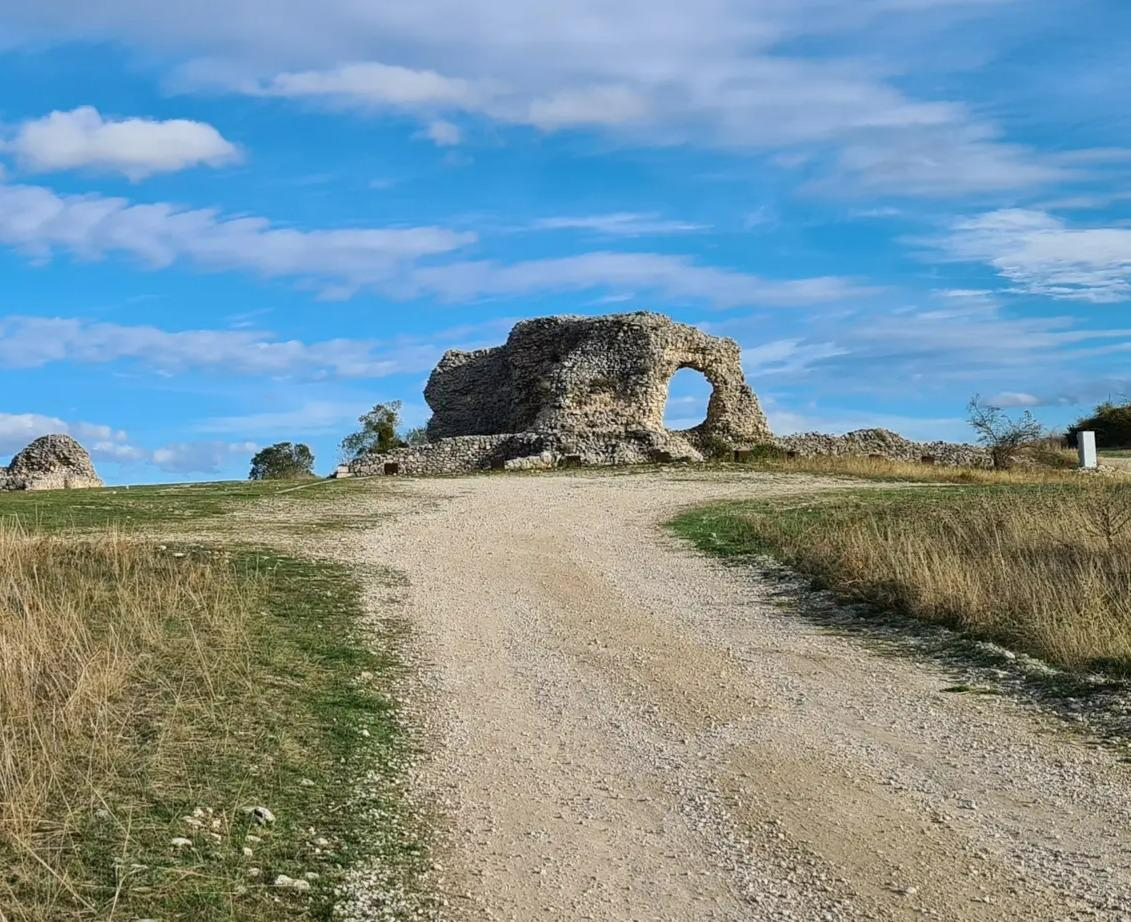
Tratturo Magno – On the roads of transhumance
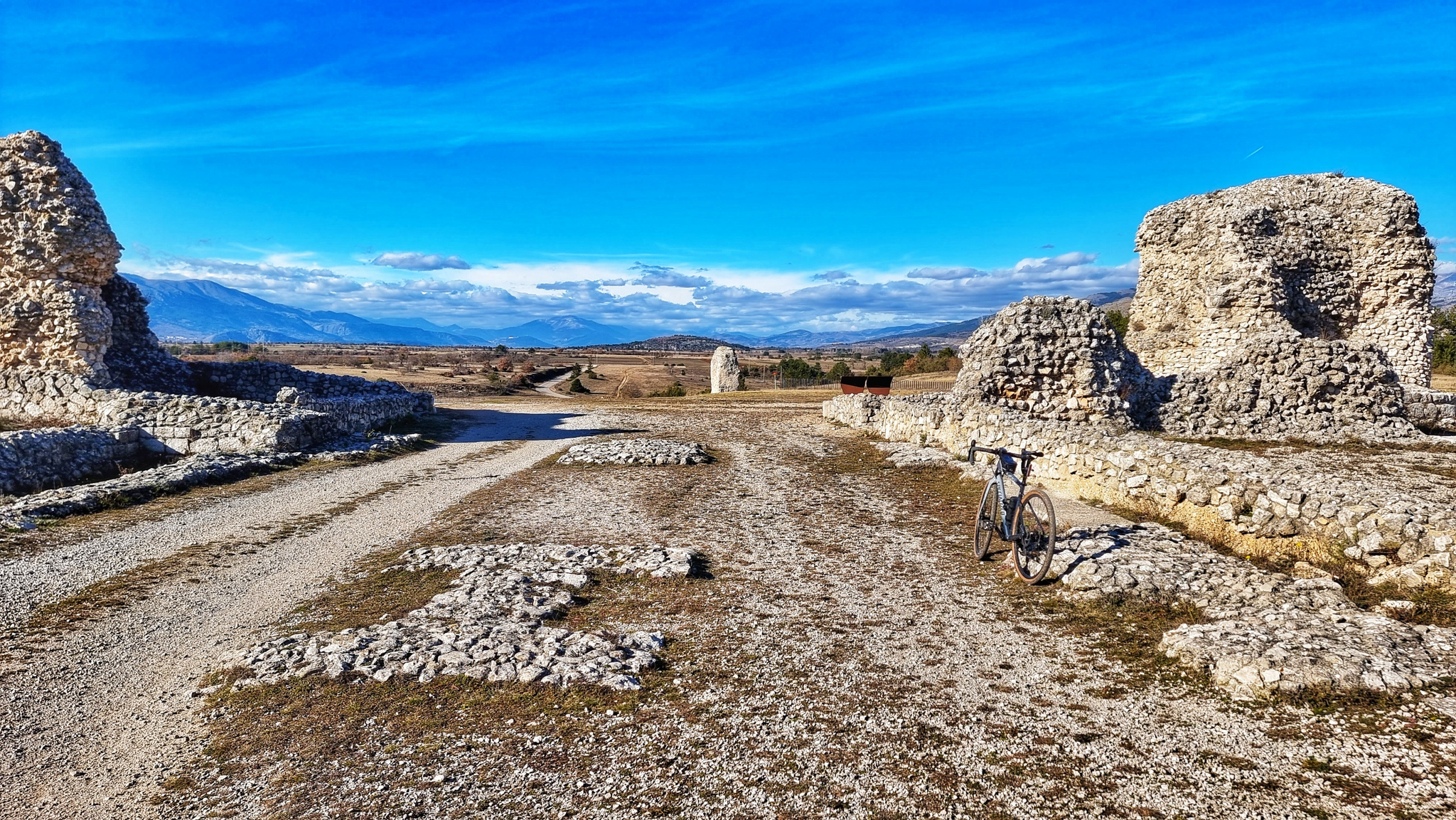
The Tratturo Magno – From the Apennines to the TavoIiere, 300 kilometers
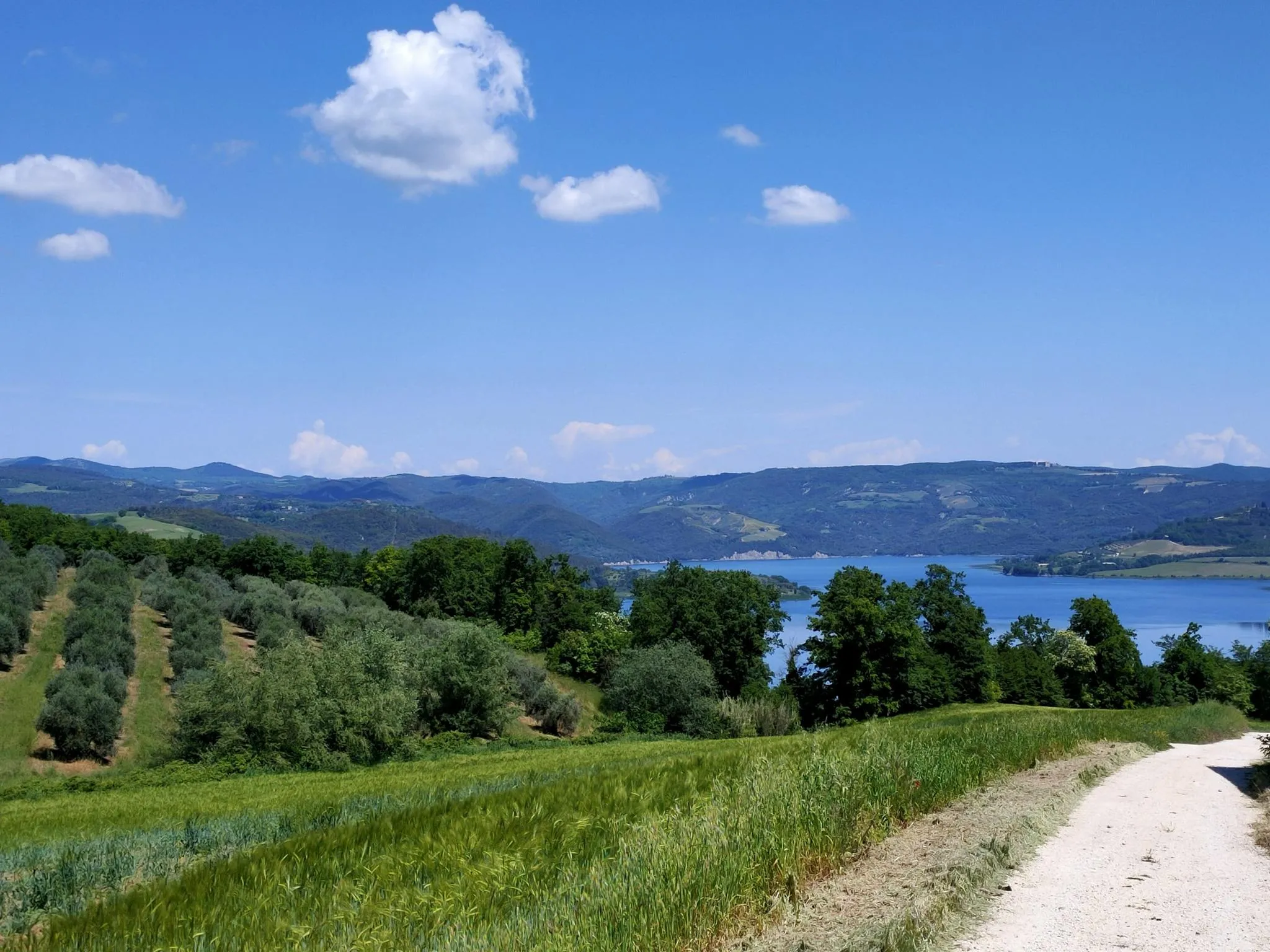
Italian Coast2Coast – From Portonovo to Orbetello
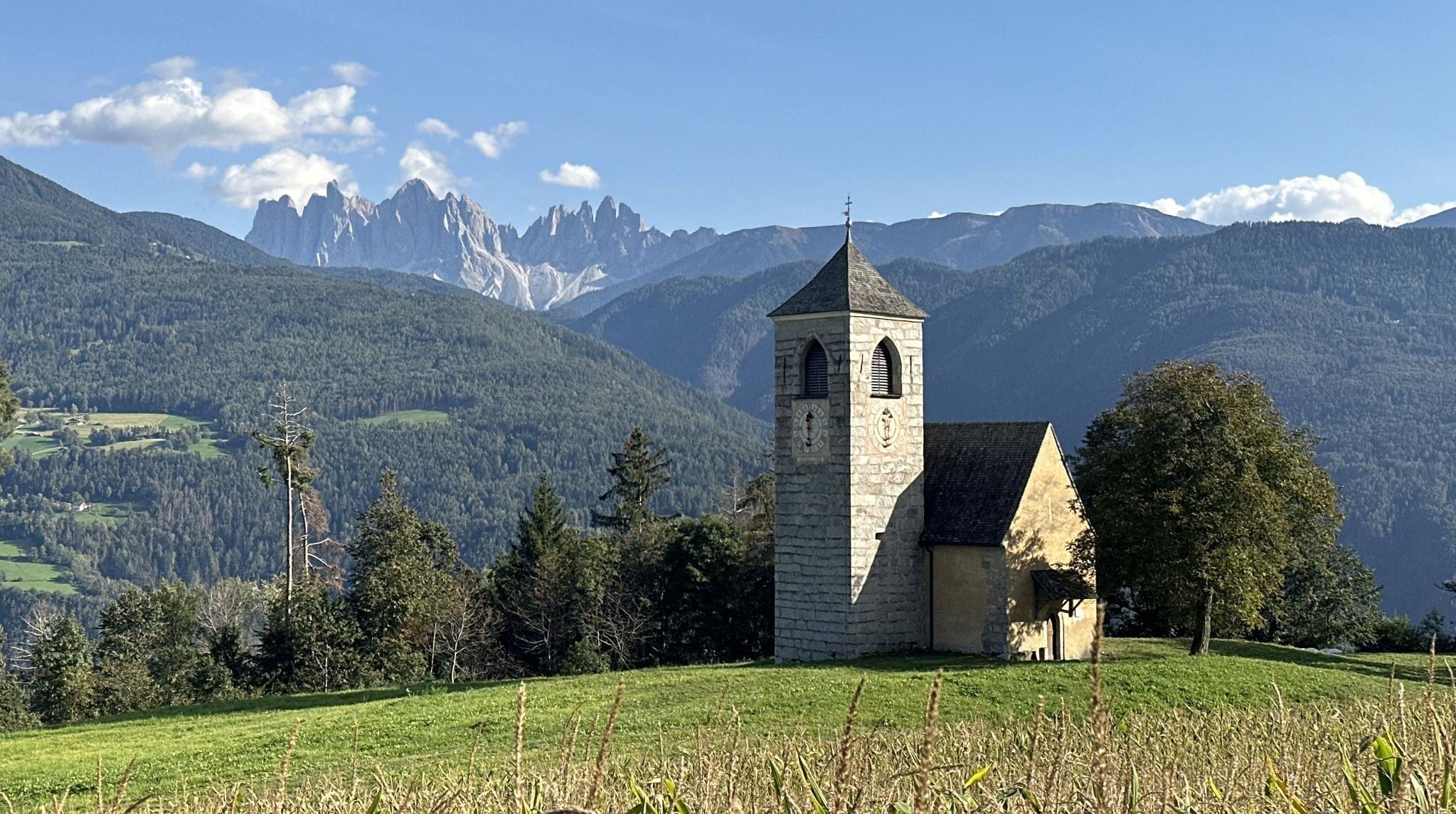
Via Romea Germanica – History, nature and spirituality
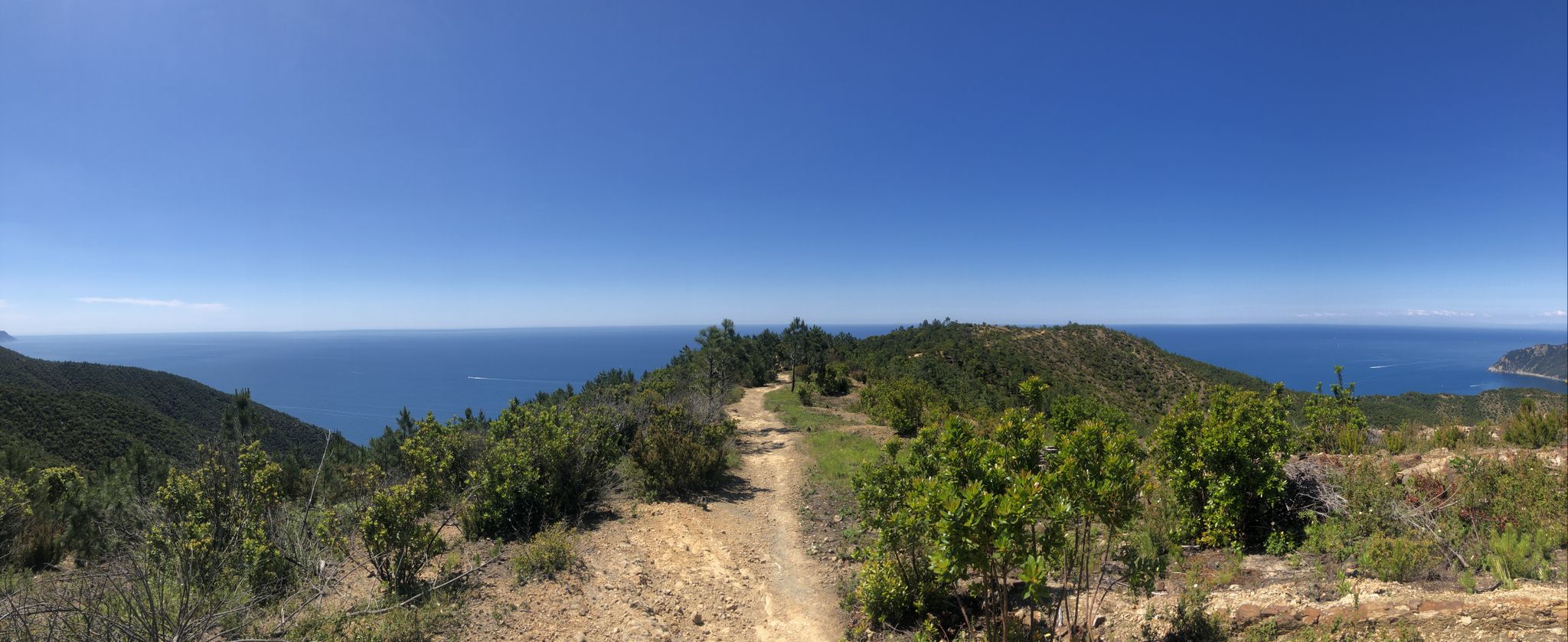
Via della Costa – A breathtaking hike along the Italian Riviera
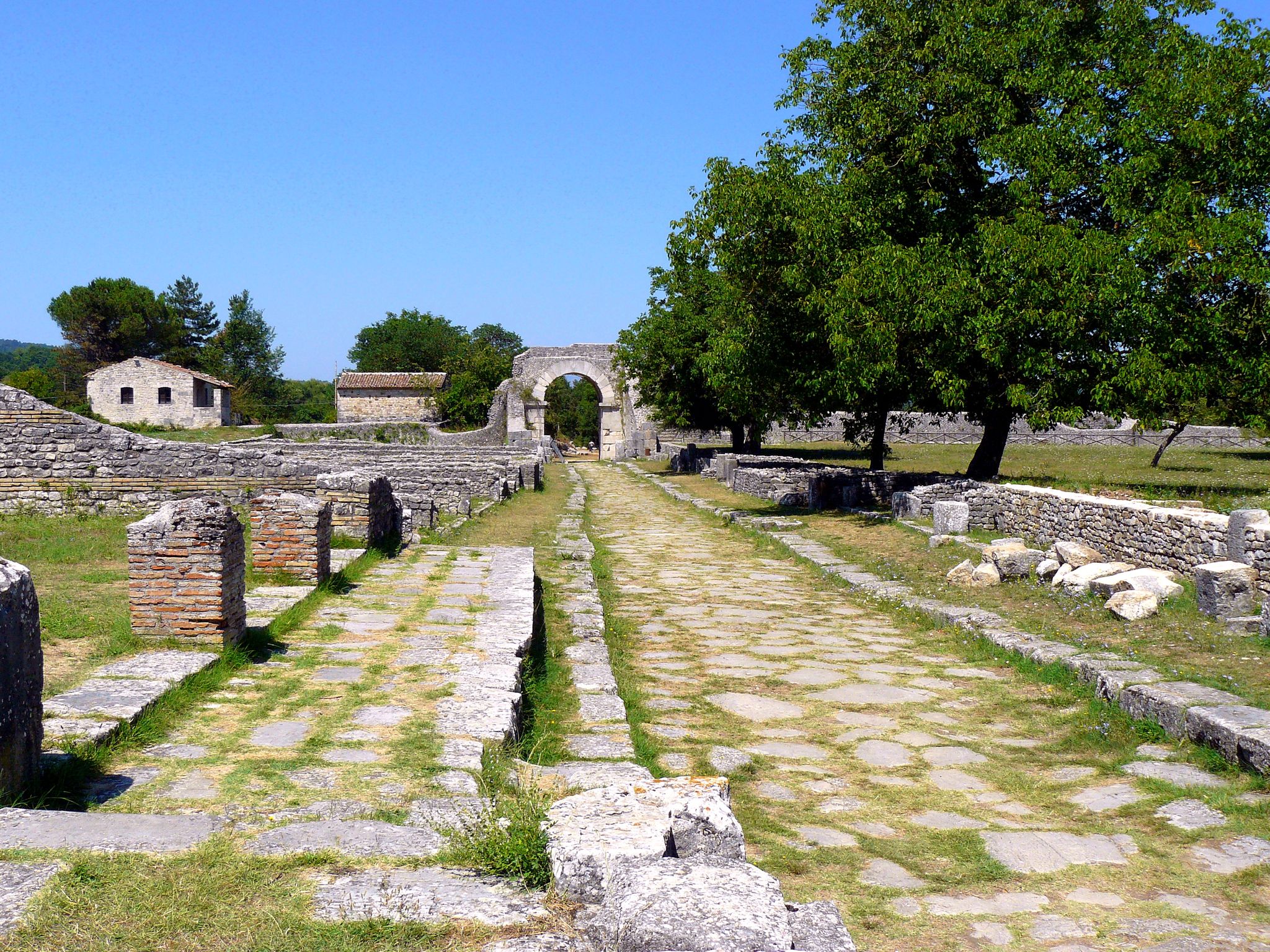
Sentiero Italia – On the tracks of the Samnites and Romans in Molise
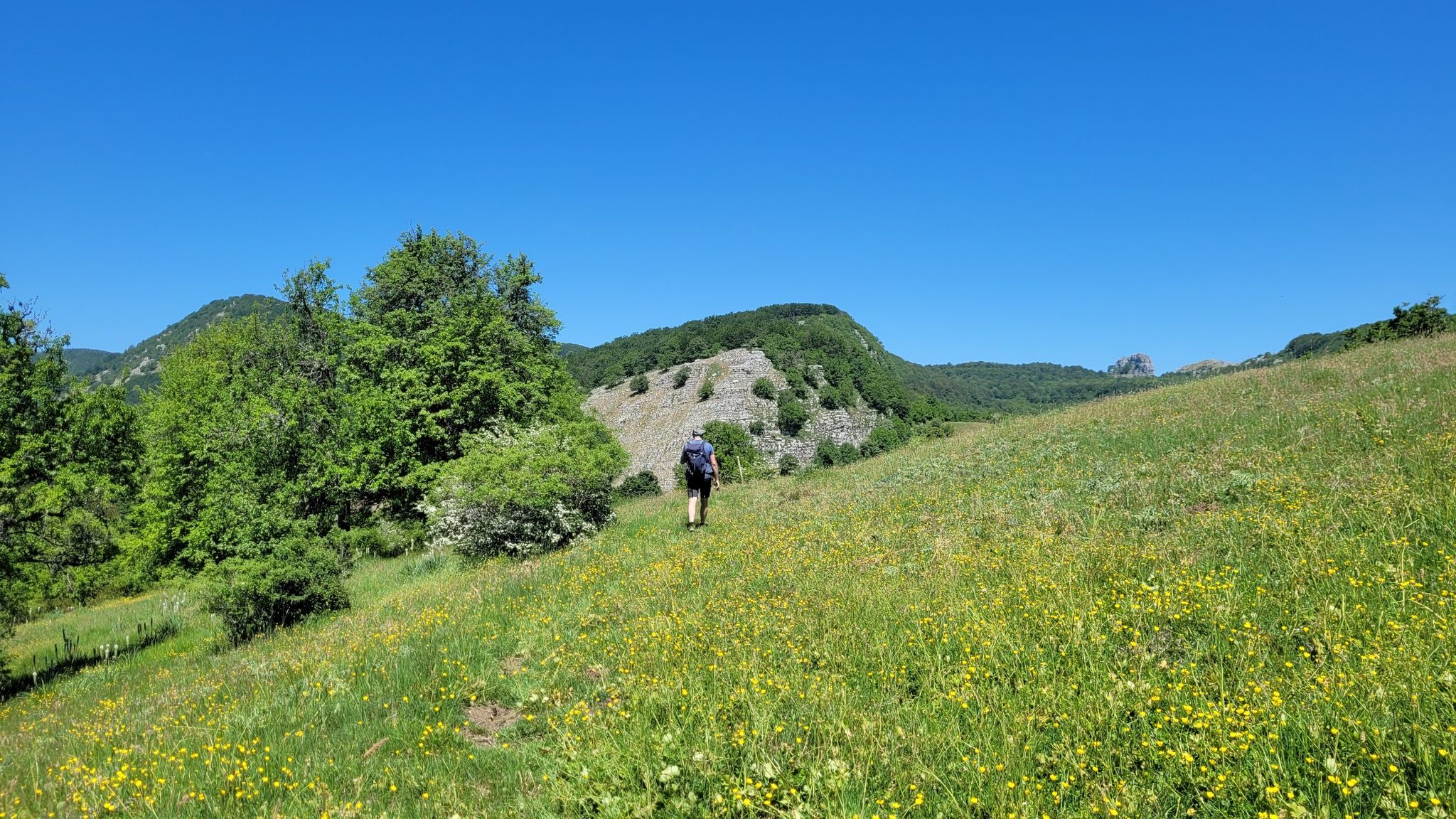
Sentiero Italia – A journey into the heart of Campania
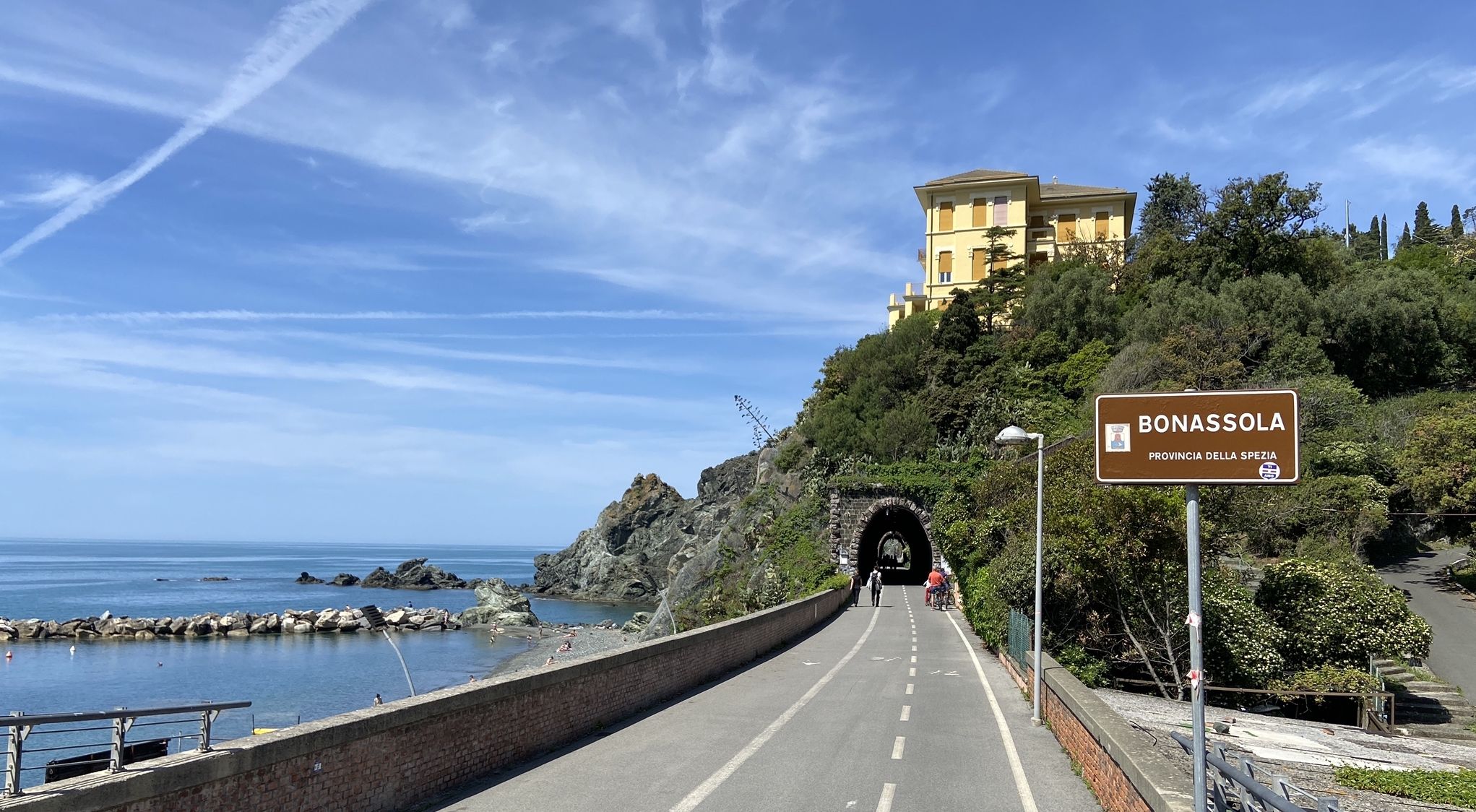
Pedalling to Portofino and the Cinque Terre — sea and mountains
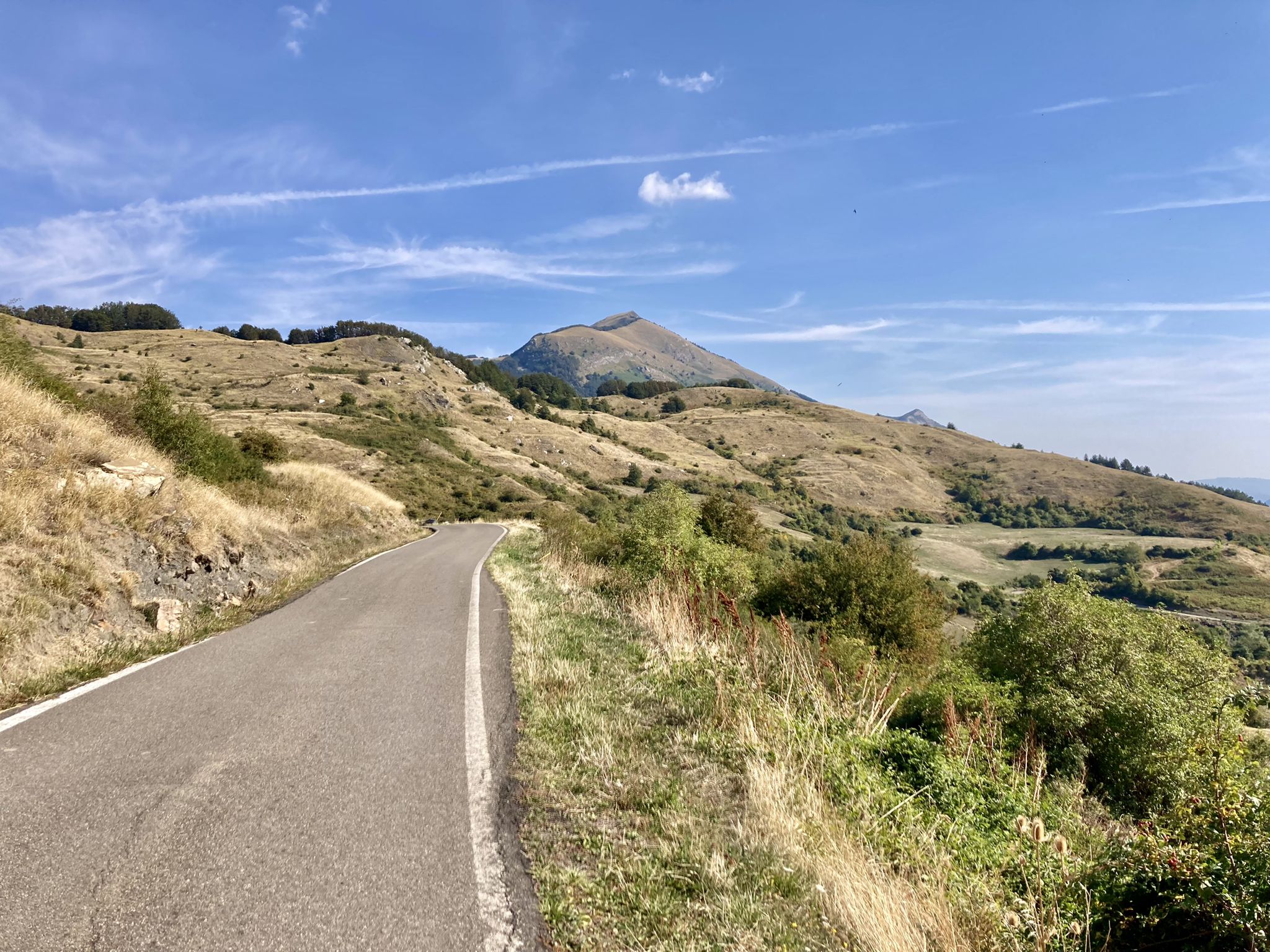
Apperò l'Appennino – five days of Italy's Emilian climbs
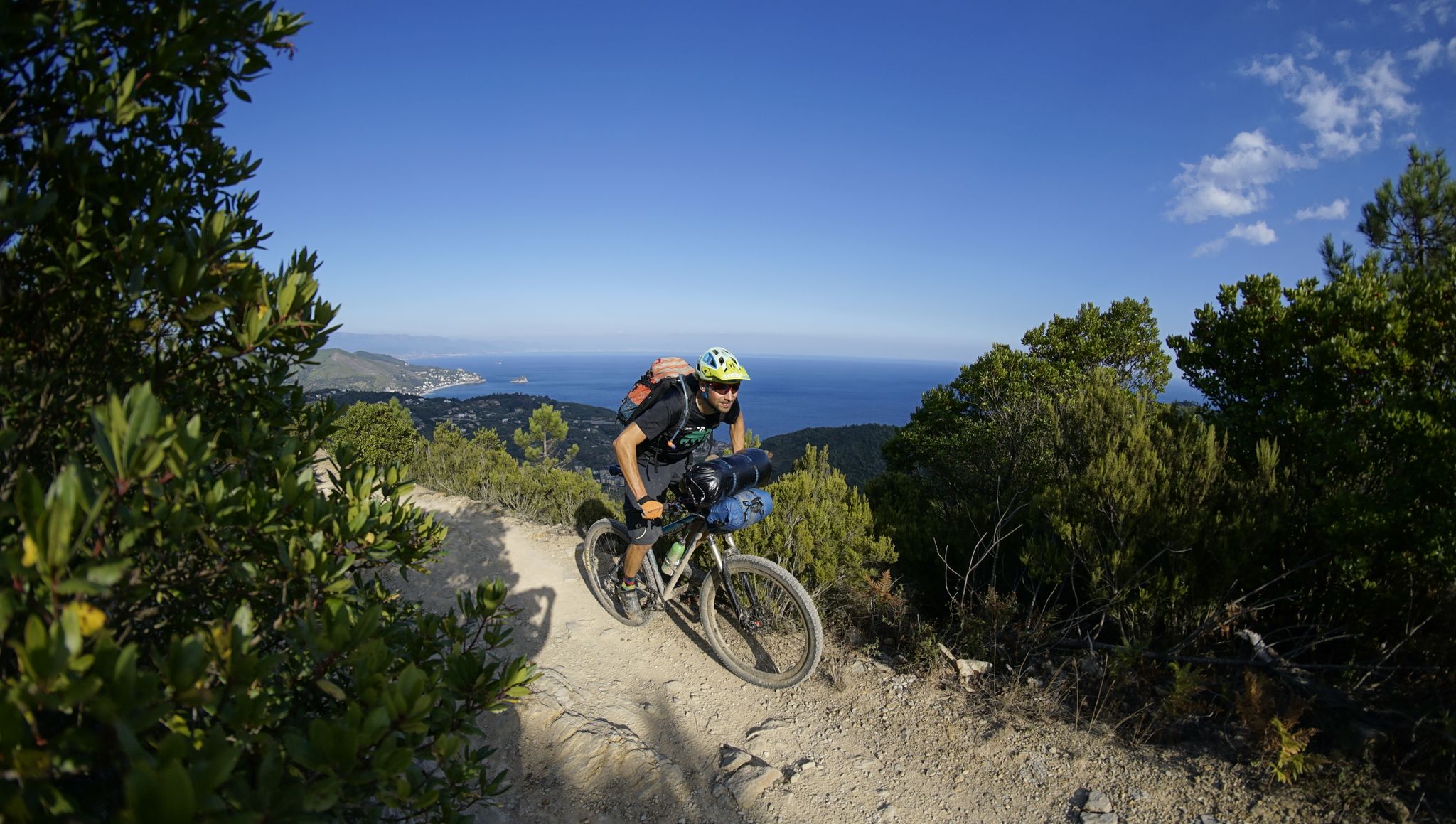
Alta Via Stage Race – Only the brave
Other adventures in the Apennine Mountains


Tips from the Community

The Hermitage of San Bartolomeo in Legio is located in the Majella National Park, between the villages of Abbateggio and Roccamorice. It is a very evocative hermitage, set on the rocky wall of the Vallone dello Spirito, where the Capo La Vena stream flows. The hermitage's oratory is almost entirely embedded in the rock. There is also a 16th-century altar with a niche containing an 19th-century wooden statue depicting the saint. On August 25th, San Bartolomeo is celebrated in Roccamorice, and on this occasion, the villagers carry the wooden statue of the saint in procession from the hermitage to the village church.
1
0

Streams, gorges, waterfalls, caves and cool pools to dive into and large, flat, smooth rocks where you can sunbathe while being lulled by the sound of the flowing water, amplified by the natural acoustics, making it sound like a scream.
0
0

Eremo delle Carceri, the resting place of St. Francis, Assisi The Eremo delle Carceri is a pilgrimage site located in the dense forest of Monte Subasio, about 4 km from Assisi and at an altitude of 800 m. St. Francis and his first brothers imprisoned themselves for devotion, living a simple life, and praying more devoutly. The word "carceri," which may be confusing, does not mean "prison" but comes from the Latin "carcer," meaning a solitary, isolated place. This is where the term "carcerare" comes from, referring to monks and describing their practice of retreating to pray as hermits. In 1215, Benedictine monks donated the Eremo delle Carceri to Saint Francis, which became one of the most important places in his life: Immersed in a quiet, peaceful, centuries-old holm oak forest, Saint Francis followed his calling here and learned to pray devoutly. The Grotto of Saint Francis, among stories and legends Through a narrow passage, one reaches the Grotto of Saint Francis, where, according to the history of Francis of Assisi, the saint experienced his first true meditation and became a different person. Another story is that of Saint Rufinus, a companion of Saint Francis who managed to resist the devil. It is said that the hole in the grotto floor was caused by the devil when he was defeated and sank into the abyss. Many mistakenly believe that St. Francis's famous sermon to the birds took place here, but historical sources definitively link the legend to Piandarca, a town in the municipality of Cannara. Text / Source: Umbria Tourism.it https://www.umbriatourism.it/de/-/eremo-delle-carceri-der-ruheort-des-heiligen-franziskus
13
0
Hermitage of the Prisons, Assisi The Shrine of the Hermitage of the Prisons An ancient Franciscan shrine on Monte Subasio, 4 km from Assisi and 800 meters above sea level, in the heart of a forest of centuries-old holm oaks, is one of the Franciscan shrines guarded by the Friars Minor of the Seraphic Province of Saint Francis of Assisi. The word "carcere" does not mean "prison": it comes from the Latin "carcer," meaning a remote, solitary place, therefore suitable for the life of prayer. Francis, his companions, and, after them, the friars, came here for some prayers. Hermitage of the Prisons, Via Eremo delle Carceri, 38, 06081 Assisi PG, Italy Text/Source: SERAPHIC PROVINCE OF ST. FRANCIS OF ASSISI OF THE UMBRIAN FRIES MINOR https://www.santuarioeremodellecarceri.org/
13
0


An absolute must if you are visiting the region. It can also be easily combined with the Frasassi Caves. The temple set into the rock is truly something impressive. The ticket costs 6 euros. The path to the temple offers a beautiful view of the valley and numerous places to sit allow people who are not good at walking to visit the temple. There are even sanitary facilities at the top. The temple is unspectacular inside, but its location is all the more impressive.
5
0

Timeless suggestive place
1
0
Particular "gruyere" caves
0
0
Frequently Asked Questions
What are some of the most impressive cave systems in the Apennine Mountains?
The Apennine Mountains are home to several remarkable cave systems. Among the most impressive are the Grotte di Frasassi in Marche, known for their immense chambers and unique formations, and the Grotte di Castellana in Puglia, famous for the dazzling 'White Cave'. The Grotta del Vento in Tuscany offers diverse itineraries through stunning geological features, while the Evaporitic Karst and Caves of Northern Apennines in Emilia-Romagna is a UNESCO World Heritage site recognized for its extensive gypsum karst system.
Are there family-friendly caves to visit in the Apennine Mountains?
Yes, several caves in the Apennine Mountains are suitable for families. For instance, the Soprasasso Caves in the Bolognese Apennines offer an accessible path and fascinating formations. The Labante Caves are also considered family-friendly, with a small waterfall and unique geological composition. Guided tours at major sites like Grotte di Frasassi are designed to be accessible to a wide range of visitors, including families.
What unique geological formations can be found in the Apennine caves?
The caves in the Apennine Mountains showcase a variety of unique geological formations. You can find towering stalactites, delicate stalagmites, flowstones, and crystal-clear underground lakes. The Grotte di Frasassi feature formations resembling 'Niagara Falls' and 'Organ Pipes', while the 'White Cave' at Grotte di Castellana is renowned for its pure white alabaster. The Evaporitic Karst and Caves of Northern Apennines are particularly significant for their gypsum karst terrain and rare minerals.
What is the best time of year to visit the caves in the Apennine Mountains?
Caves in the Apennine Mountains can be visited year-round, as their internal temperatures remain relatively constant. For example, Grotte di Frasassi maintain about 14°C, Grotte di Castellana about 17°C, and Grotta del Vento around 10-10.7°C. This makes them a refreshing escape during hot summer days and a sheltered attraction during cooler months. It's always advisable to check specific cave opening hours and tour availability, especially during off-peak seasons.
Are there guided tours available for cave exploration in the Apennines?
Yes, guided tours are widely available for many of the major cave systems in the Apennine Mountains. Sites like Grotte di Frasassi and Grotta del Vento offer guided tours in multiple languages, explaining the geology and history of the caves. Some locations, such as the Evaporitic Karst and Caves of Northern Apennines, even offer opportunities for more adventurous activities like 'potholing' with guides.
What should I wear when visiting caves in the Apennine Mountains?
Due to the constant cool temperatures inside the caves, it is advisable to bring a jacket or wear warm layers, even during summer. Comfortable, non-slip walking shoes are also recommended, as paths can sometimes be damp or uneven. For more adventurous caving experiences, specialized gear might be required, which would typically be provided or specified by the tour operator.
What outdoor activities can I do near the caves in the Apennine Mountains?
The Apennine Mountains offer a wide range of outdoor activities near its cave systems. You can find numerous hiking trails, from easy walks to challenging mountain hikes. For example, you can explore Mountain Hikes in the Apennine Mountains or Easy hikes in the Apennine Mountains. There are also extensive MTB Trails for cycling enthusiasts.
Are there any caves known for their historical or cultural significance?
Beyond their natural beauty, some caves in the Apennine Mountains hold historical or cultural significance. For example, the Hermitage of the Carceri incorporates caves used for religious retreat. The Valadier Temple is built within a cave, offering a unique blend of natural and man-made architecture. Additionally, the Cave of the Madonna della Pace of Pietrapiana is another site with religious connections.
Can I find accommodation or restaurants near the Apennine caves?
Yes, you can typically find accommodation, cafes, and restaurants in the towns and villages surrounding the major cave attractions in the Apennine Mountains. Popular cave systems like Grotte di Frasassi and Grotte di Castellana are situated in regions with established tourism infrastructure, offering various options for dining and lodging to suit different preferences and budgets.
What is the 'Howling Cave' and where is it located?
The Howling Cave of Premilcuore is a unique natural monument where the Rabbi river flows into a whirlpool and forms a waterfall. The natural acoustics of the cave amplify the sound of the water, creating a 'howling' effect, giving the cave its distinctive name. It is located in the Apennine Mountains, near Premilcuore.
Are there any caves in the Apennines that were historically used for practical purposes?
Yes, some caves in the Apennine Mountains have a history of practical use. For instance, The Icehouse of Cattiglio is a natural cave that was traditionally used for food preservation. Its constant low temperature, maintained by the rocks and forest shade, made it an ideal natural refrigerator, sometimes enhanced by filling it with snow in winter.
How accessible are the caves in the Apennine Mountains by public transport?
Accessibility by public transport varies significantly depending on the specific cave location. Major tourist caves like Grotte di Frasassi often have better connections, possibly with bus services from nearby towns or train stations. More remote caves might require private transport or a combination of public transport and a significant walk or taxi ride. It is recommended to check specific travel information for each cave you plan to visit.
Most popular routes in the Apennine Mountains
Most popular attractions in the Apennine Mountains

Get inspired with the komoot mobile app


Explore more
Extend your search for the best caves by checking out these guides of the top ones in the Apennine Mountains:
