The 20 Most Amazing Peaks in the Apennine Mountains
Best mountain peaks in the Apennine Mountains form the backbone of peninsular Italy, offering diverse features and attractions. While generally lower in elevation than the Alps, these mountains boast rugged beauty and significant biodiversity. The region is characterized by its natural landscapes, including national parks and high-altitude plains. Visitors can explore a range of environments, from Mediterranean scrub to alpine flowers, alongside a rich cultural heritage.
Best mountain peaks in the Apennine Mountains
- The most popular mountain peaks is Monte…
Last updated: May 26, 2026
Corno Grande Western Summit
Highlight • Summit
Tip by

Monte Adone summit
Highlight • Summit
Translated by Google •
Tip by

Sign up now to discover places like this
Get recommendations on the best single tracks, peaks, & plenty of other exciting outdoor places.
Sign up for free
Crater of Mount Vesuvius
Highlight • Volcano
Translated by Google •
Tip by

Monte Forato Natural Arch
Highlight • Natural Monument
Translated by Google •
Tip by

Forte Diamante
Highlight • Castle
Translated by Google •
Tip by

Sofia Peak
Highlight • Summit
Translated by Google •
Tip by

Lake of the Nymph
Highlight • Lake
Translated by Google •
Tip by

Monte Cimone Summit
Highlight • Summit
Too bad for the significant anthropization of the summit due to the weather station and the military base below.
Magnificent view that reaches up …
Translated by Google •
Tip by

Bismantova Rock
Highlight • Natural Monument
Translated by Google •
Tip by

Laghetto del Cavone
Highlight • Lake
Translated by Google •
Tip by

Sign up for free to discover even more peaks in the Apennine Mountains.
Sign up for free
Already have an account?
Start today with a free account
Your next adventure awaits.
Login or Signup
Popular around Apennine Mountains
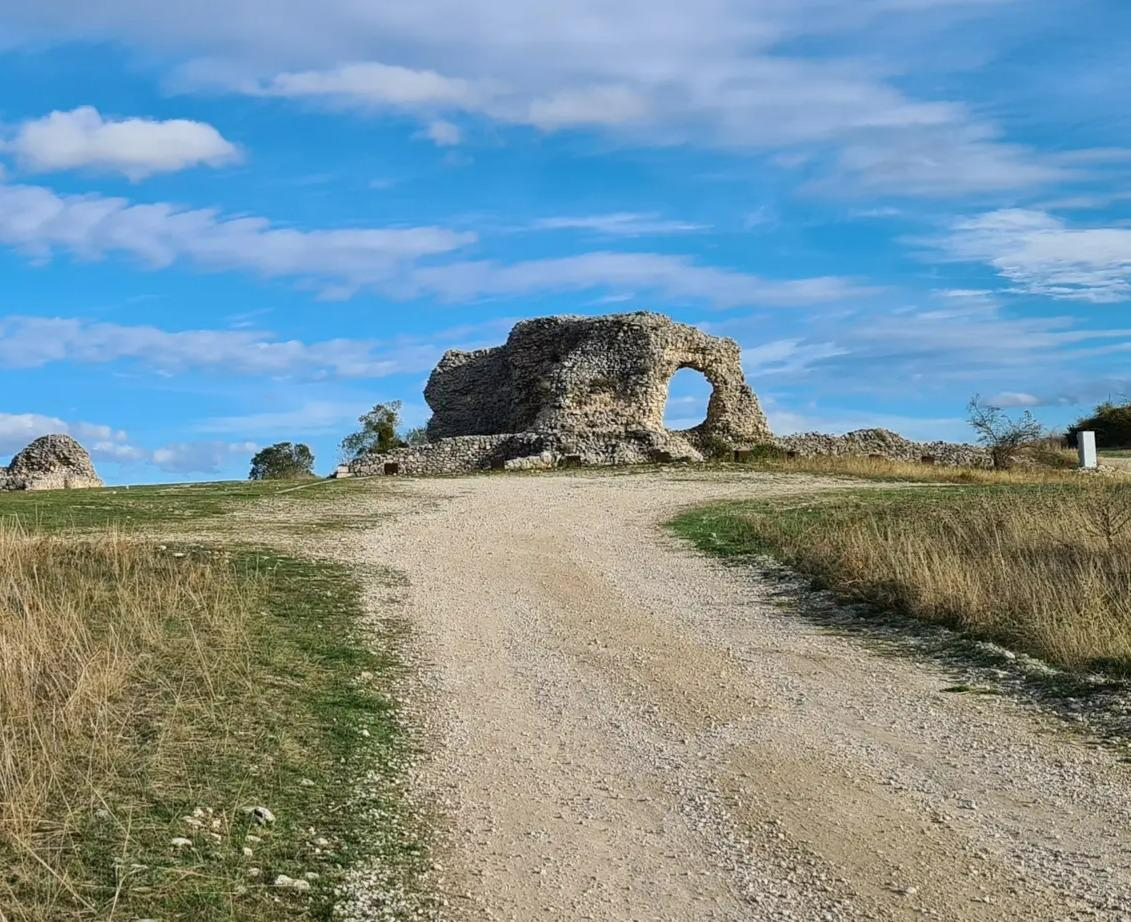
Tratturo Magno – On the roads of transhumance
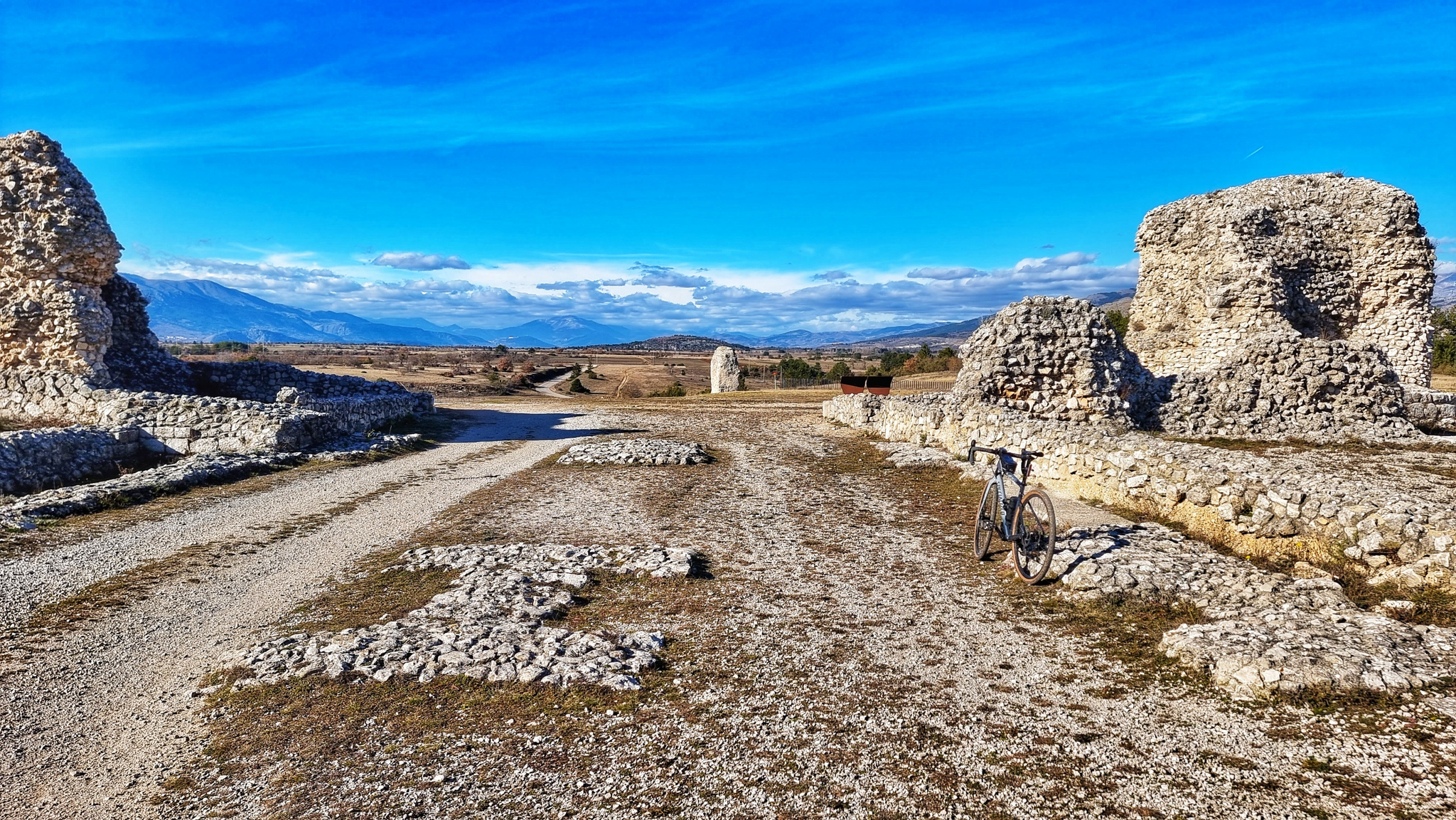
The Tratturo Magno – From the Apennines to the TavoIiere, 300 kilometers
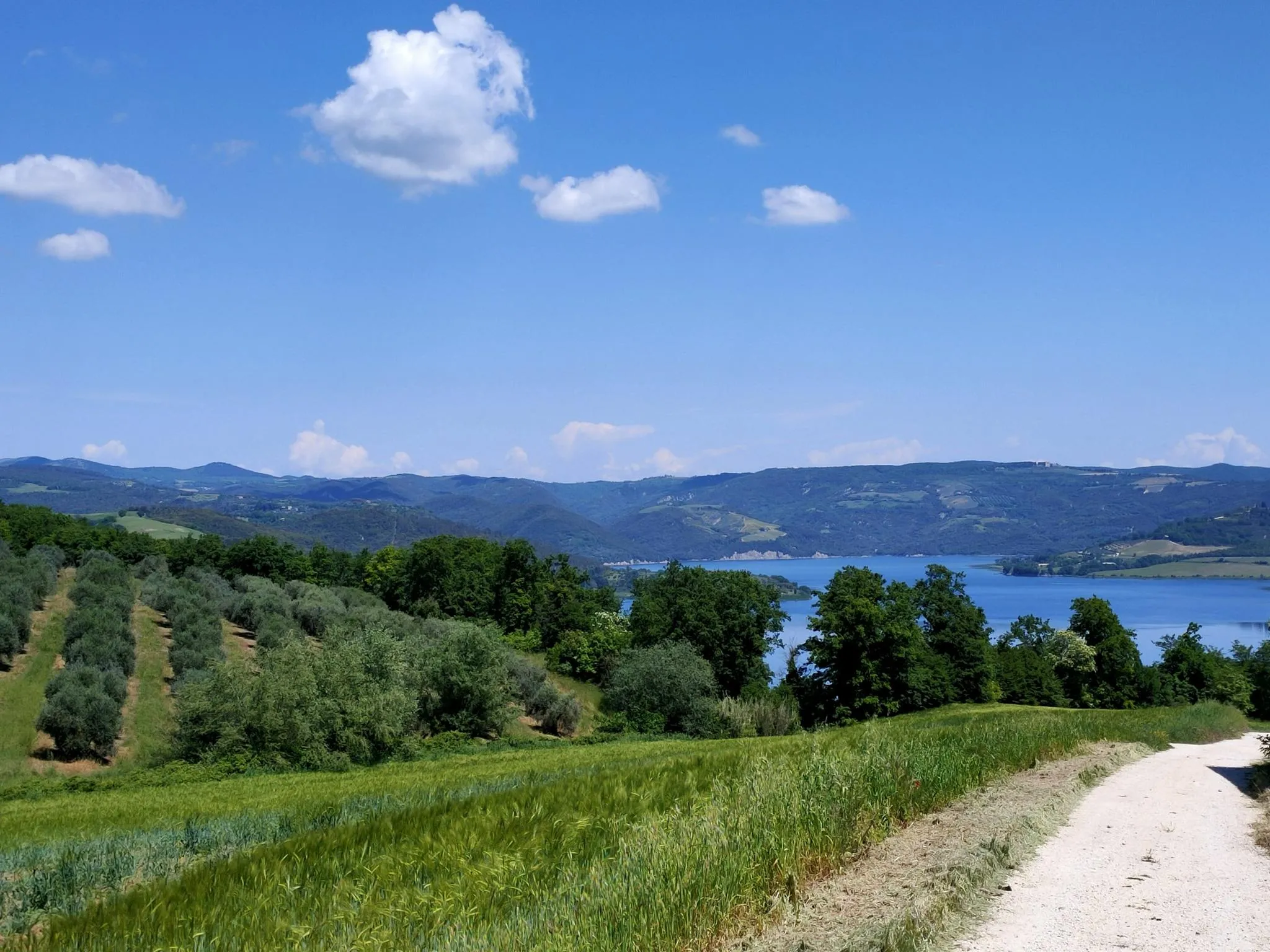
Italian Coast2Coast – From Portonovo to Orbetello
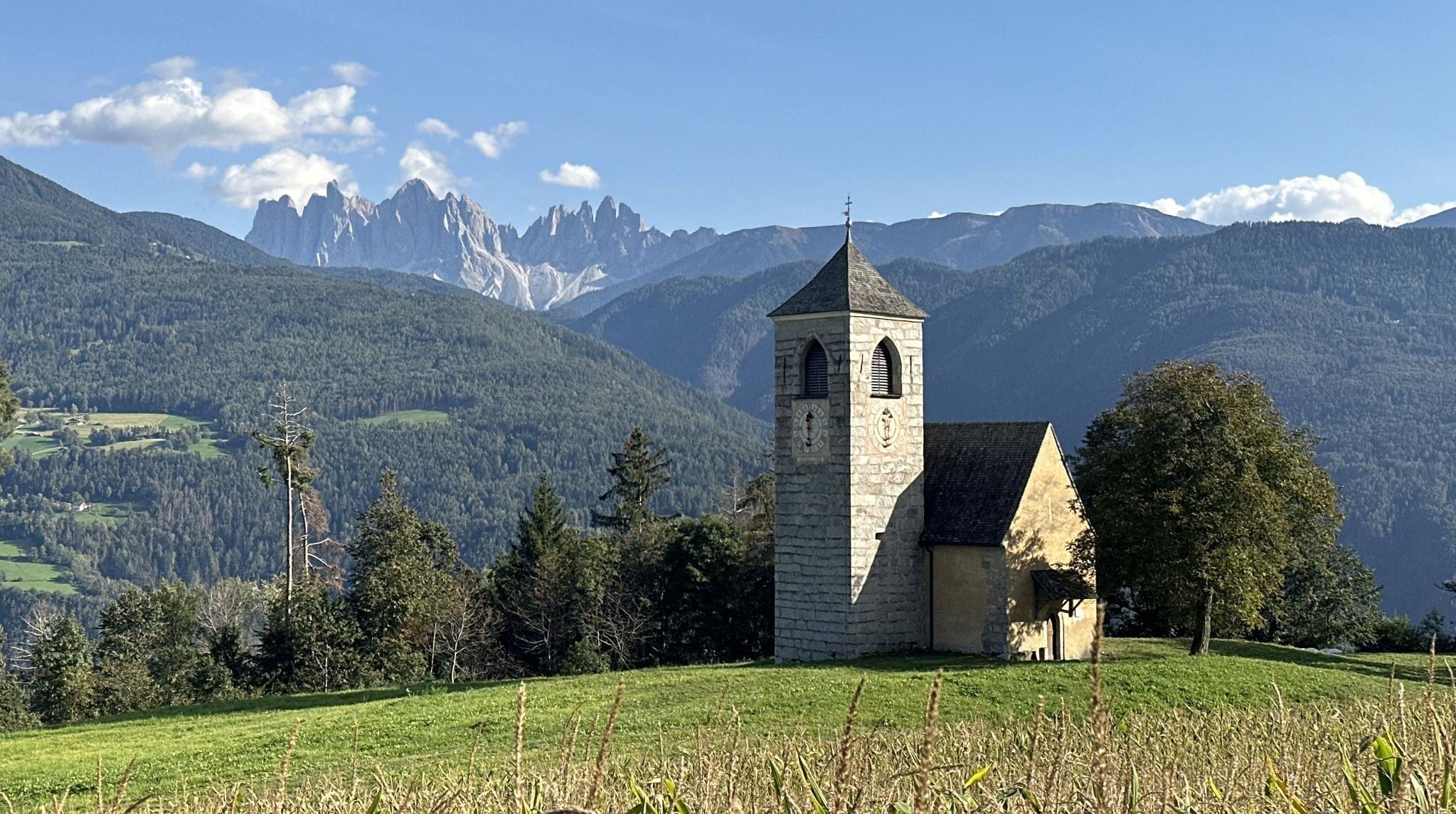
Via Romea Germanica – History, nature and spirituality
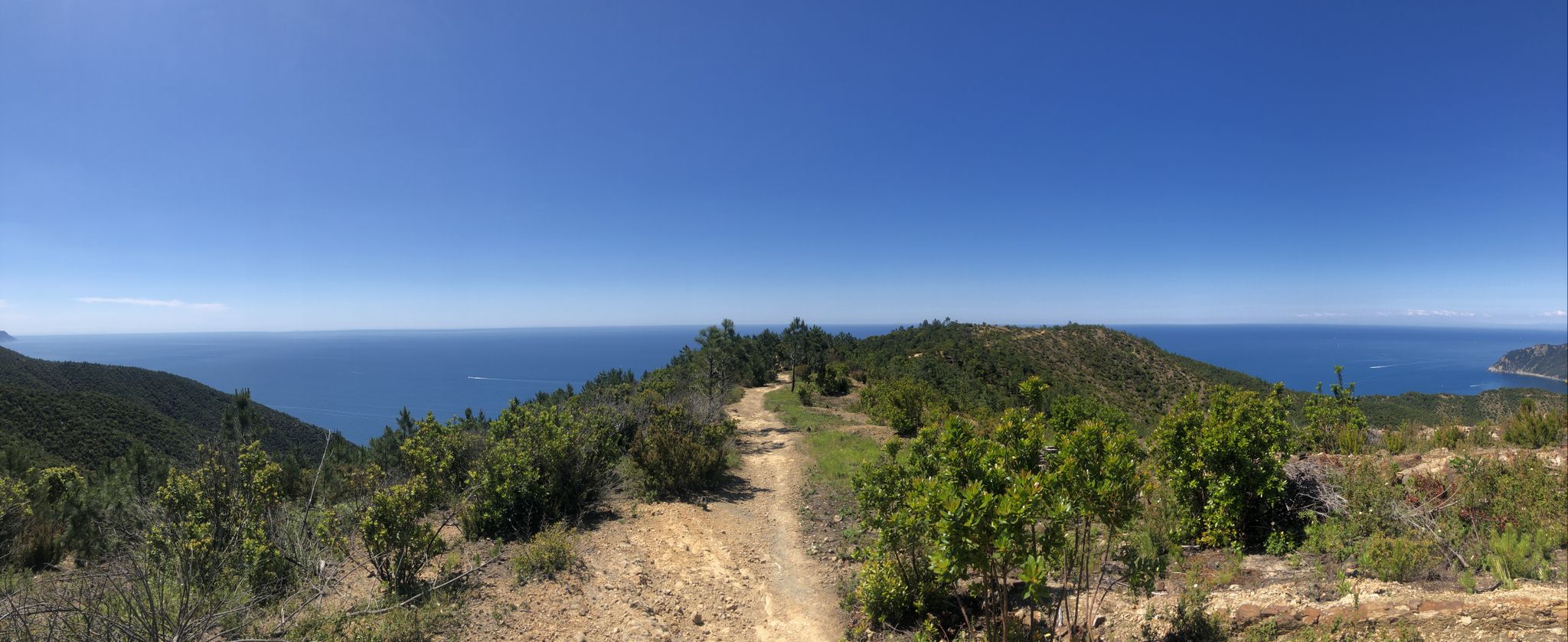
Via della Costa – A breathtaking hike along the Italian Riviera
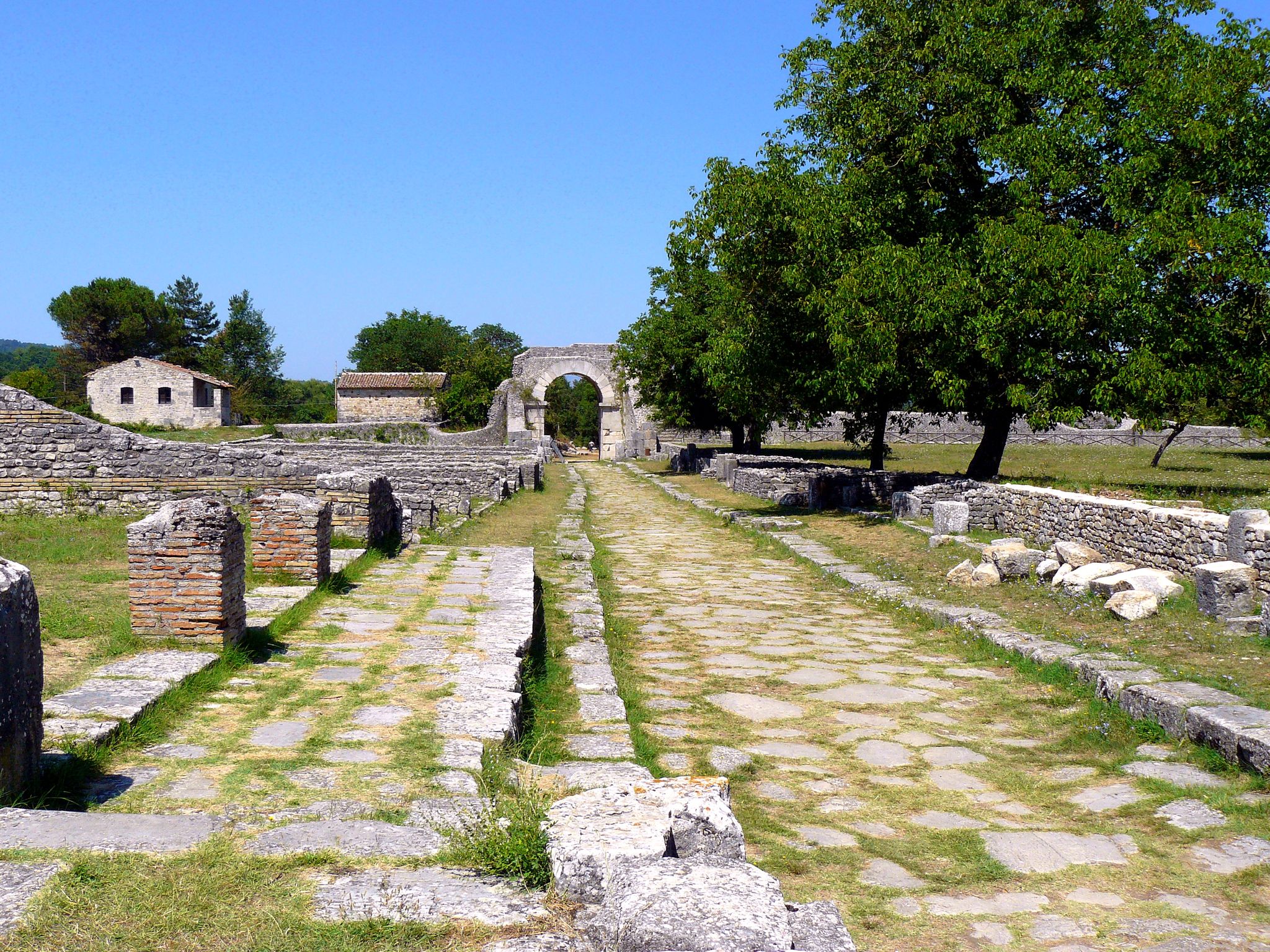
Sentiero Italia – On the tracks of the Samnites and Romans in Molise
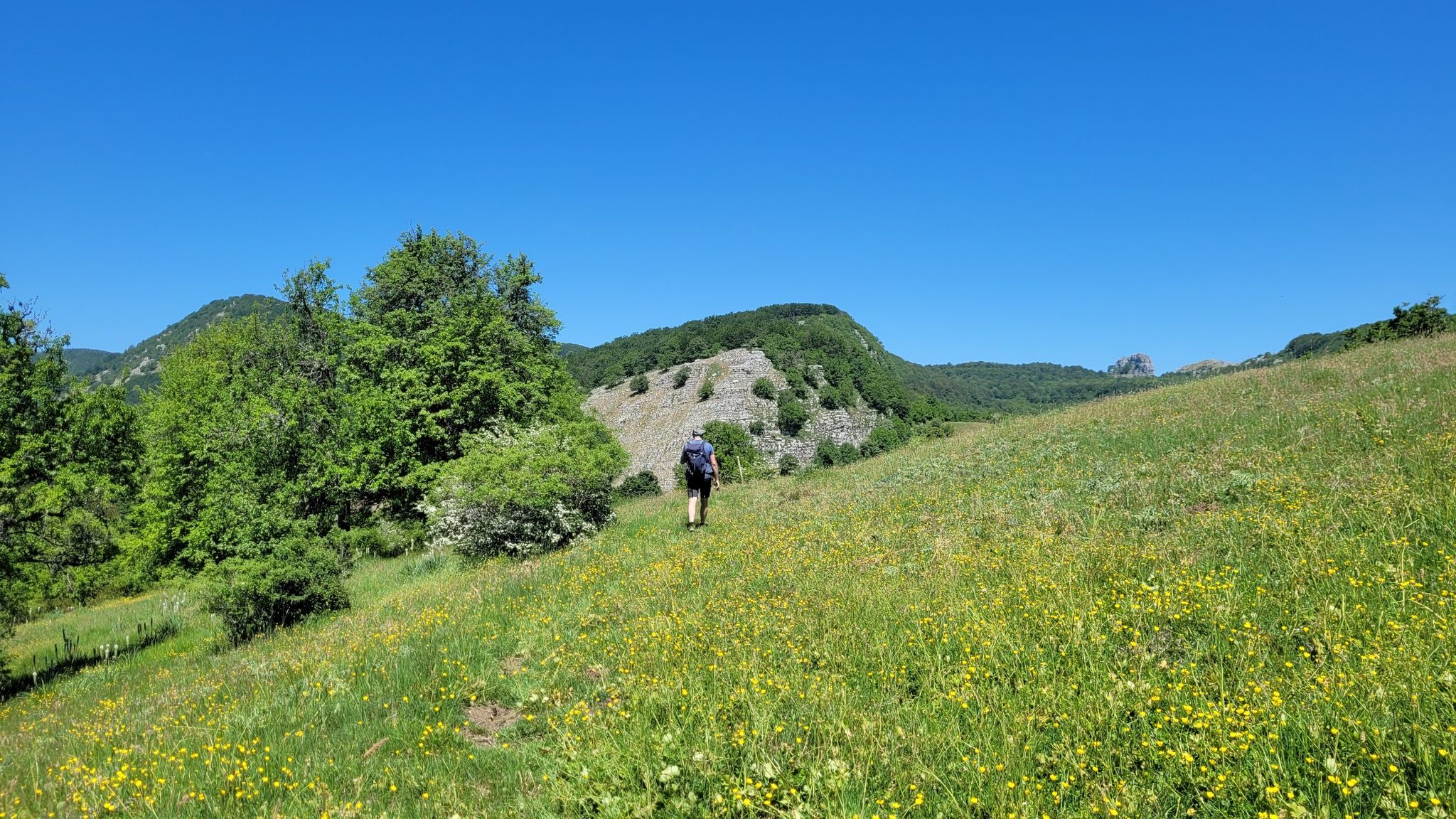
Sentiero Italia – A journey into the heart of Campania
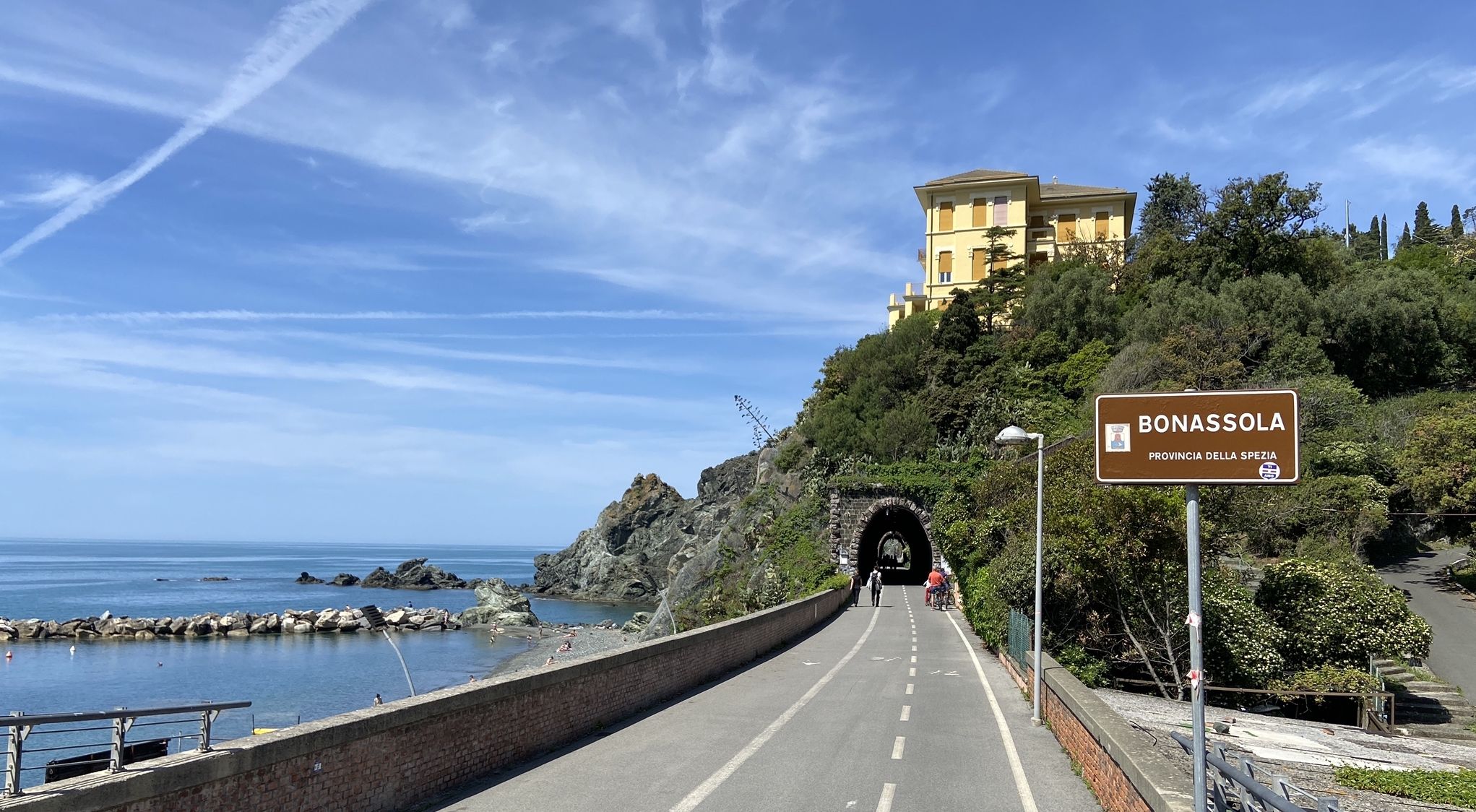
Pedalling to Portofino and the Cinque Terre — sea and mountains
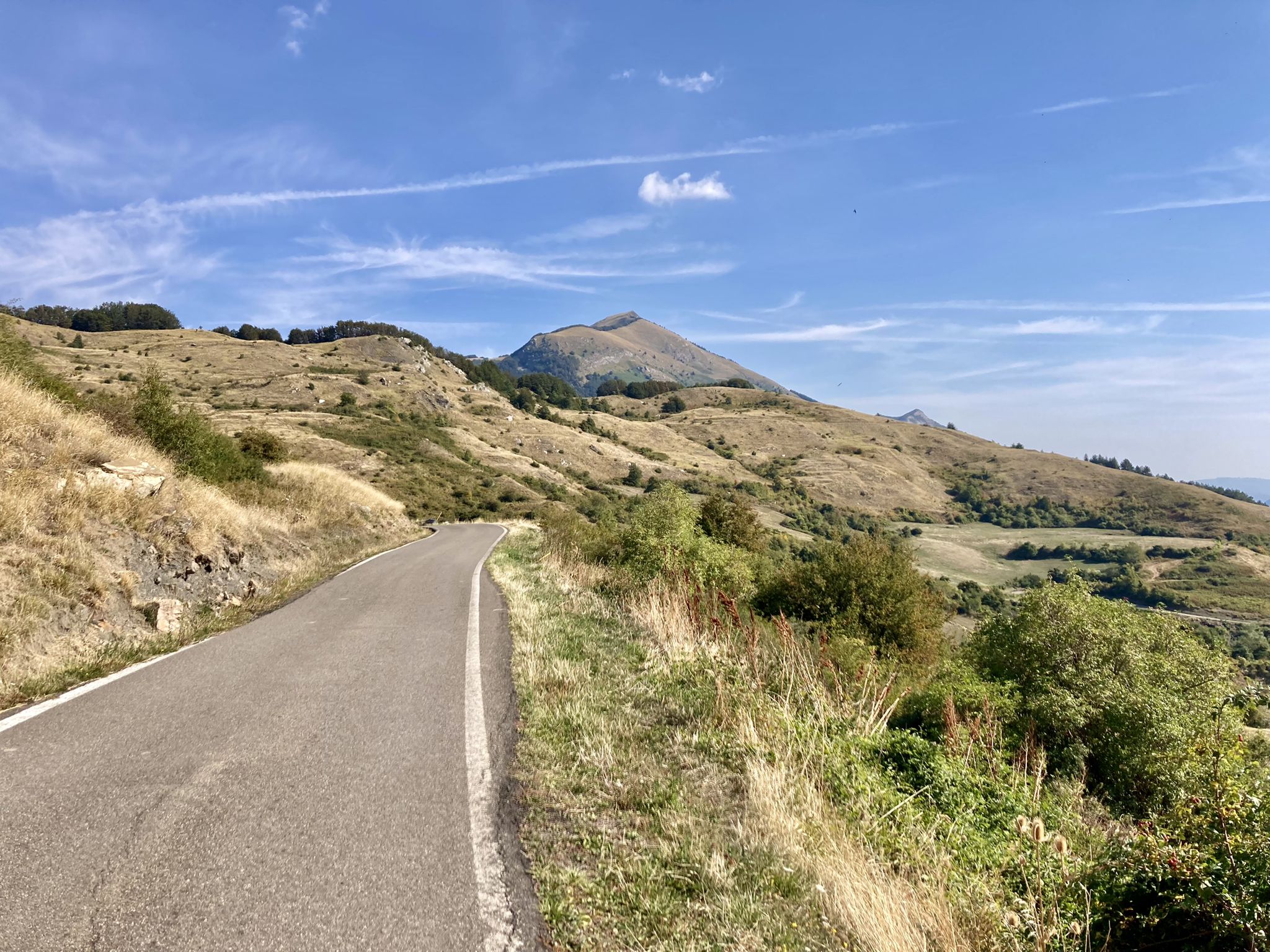
Apperò l'Appennino – five days of Italy's Emilian climbs
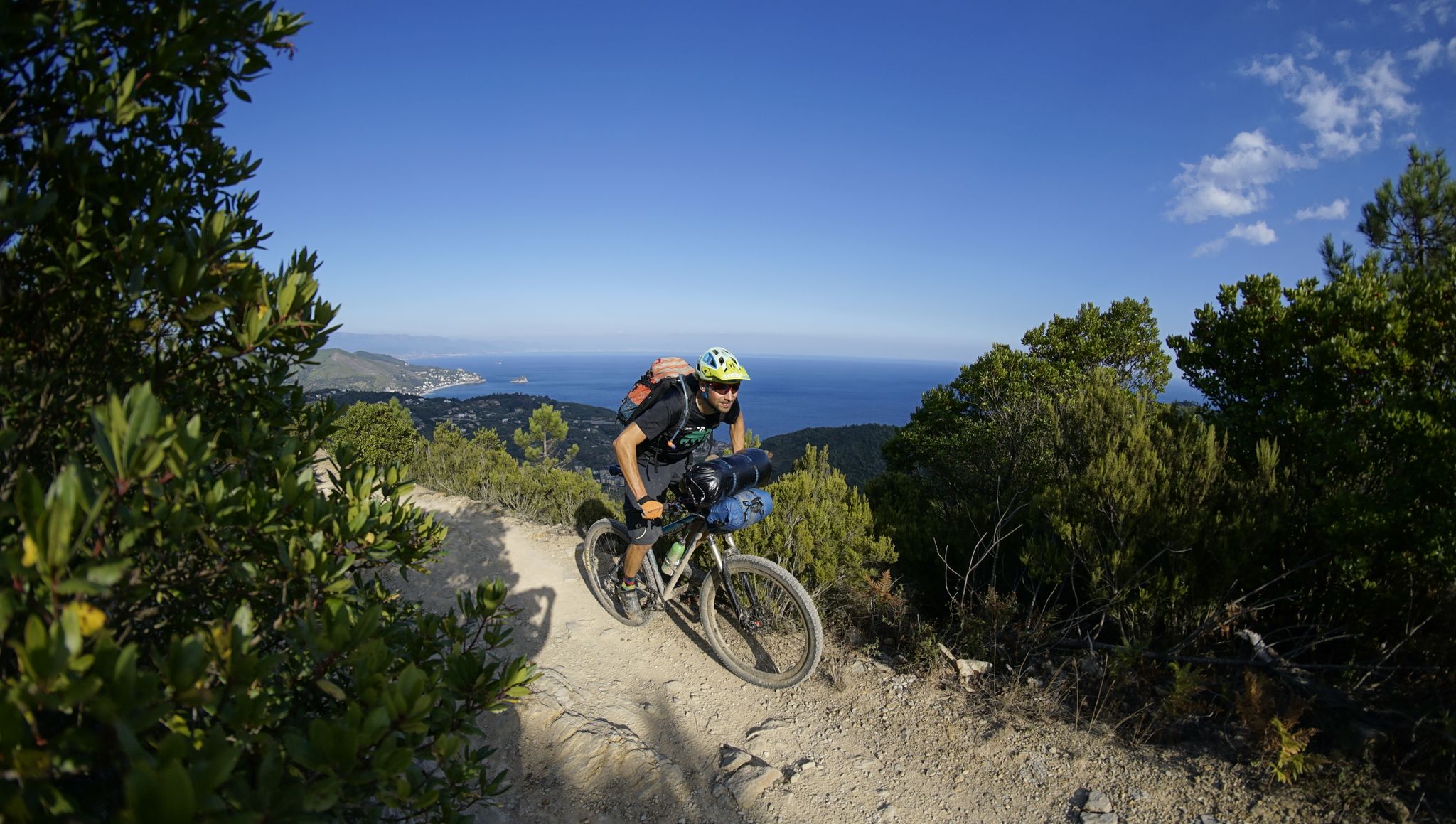
Alta Via Stage Race – Only the brave
Other adventures in the Apennine Mountains


Tips from the Community

In winter, with the right snow conditions, the Punta Sofia cross is a popular destination, ascending from the Balzi dell'Ora or the north gullies, or from the east face (a more complicated option). In other seasons, it's a beautiful hike along the various CAI trails. On clear days, you can admire a breathtaking view.
0
0


La Pietra needs no further comments. Whether you are hikers, climbers or simple tourists, go there. You will find a unique and fascinating place for young and old. If you venture to the summit and are not experienced with mountain trails, use suitable footwear (a small shoe is enough) and be careful with children. If you look at some photos, you will understand well once at the summit what the danger can be. Stay away from exposed points and enjoy the panorama…
0
0

The Normal Route is a fairly simple route, except for the last 400 meters, the gully and the ridge, which, being EEA grade (expert equipped hikers), require considerable physical strength and technique. Mountaineering boots are also required, and a helmet is recommended. Since the ridge is also quite technical, it is absolutely not suitable for those with a fear of heights, the elderly, children, or anyone without mountaineering experience.
2
0

The highest of the forts in Genoa and the only one not in the city municipality, but in that of Sant'Olcese. Easily accessible from the Baita del Diamante (Trensasco), Camporsella or from the Parco del Peralto, it offers truly stunning views and sunsets.
0
0

A nice highlight to visit. The easiest way to reach it is from the east from path 12.
1
0
A nice highlight to visit. The easiest way to reach it is from the east from path 12
1
1

Climbing to the fort from Trensasco.
0
0
Frequently Asked Questions
What are some of the most notable mountain peaks in the Apennine Mountains?
The Apennine Mountains offer a variety of impressive peaks. Beyond the popular Monte Adone summit, you can explore Corno Grande, the highest peak in the Apennines, located in the Gran Sasso massif. Monte Amaro in the Majella massif is the second highest, known for its wild landscapes. Other significant peaks include Monte Vettore in the Monti Sibillini, Monte Cimone in the Tuscan-Emilian Apennines, and Monte Pollino in Italy's largest national park.
What is the highest peak in the Apennine Mountains?
The highest peak in the Apennine Mountains is Corno Grande, standing at 2,912 meters (9,554 ft). It is part of the Gran Sasso d'Italia massif in Abruzzo and offers breathtaking views, extending to the Adriatic Sea on clear days.
What unique natural features can I find among the Apennine peaks?
The Apennine Mountains are rich in natural wonders. You can visit the Monte Forato Natural Arch, a distinctive rock formation created by erosion. The region also features the Calderone Glacier on Corno Grande, one of Europe's southernmost glaciers, and the vast Campo Imperatore plateau, often called 'Little Tibet.' Additionally, you can explore the Bismantova Rock, an imposing isolated rock bastion offering 360° views, and the Crater of Mount Vesuvius, an active volcano.
Are there family-friendly mountain peaks or areas in the Apennine Mountains?
Yes, several areas are suitable for families. The Lake of the Nymph, located at the foot of Monte Cimone, is an excellent starting point for various tours and offers catering services. Similarly, Laghetto del Cavone is another family-friendly lake area surrounded by woods and meadows, perfect for relaxing and outdoor activities.
What kind of wildlife can I expect to see in the Apennine Mountains?
The Apennine Mountains are a haven for wildlife. The Gran Sasso e Monti della Laga National Park, home to Corno Grande, is a biological paradise where you might spot the Apennine wolf and Italian chamois. Majella National Park is also known for its wildlife, including the Marsican brown bear and the Apennine wolf, with opportunities for wolf observation at the Wolf Wildlife Area in Pretoro. Pollino National Park is famous for its ancient Bosnian pines.
What outdoor activities and routes are available near the Apennine mountain peaks?
The Apennine Mountains offer a wide range of outdoor activities. You can find numerous routes for mountaineering, mountain biking, and gravel biking. For mountaineering, consider routes like the Campo Imperatore – Corno Grande loop or the Monte Vettore loop. Mountain biking enthusiasts can explore the Great Alto Bidente Loop or the Great Sibillini Ring. Gravel biking options include routes around Assisi and the Parma Hills. You can find more details on these activities in the Mountain Hikes, MTB Trails, and Gravel Biking guides for the region.
Are there challenging hiking routes for experienced mountaineers in the Apennine Mountains?
Absolutely. The Apennines provide challenging ascents for experienced mountaineers. The climb to Corno Grande, the highest peak, offers various routes for different skill levels, including demanding sections. Other difficult mountaineering routes include the Ferrata Danesi – Corno Piccolo loop and the Pier Paolo Ventricini Trail – Corno Piccolo loop. These routes often feature significant elevation gains and rugged terrain.
Can I find multi-day hiking options in the Apennine Mountains?
Yes, the vast national parks within the Apennines, such as Majella National Park and Pollino National Park, offer extensive networks of trails suitable for multi-day hikes. These parks allow you to immerse yourself in wild landscapes and explore diverse ecosystems over several days. The 'Spiritual Trail' in Majella, connecting ancient hermitages, is a notable example of a longer route with cultural significance.
What do visitors particularly enjoy about the mountain peaks in the Apennine Mountains?
Visitors frequently praise the stunning panoramic views from summits like Monte Adone summit and Bismantova Rock. The sense of accomplishment after a challenging climb, the unique natural formations like the Monte Forato Natural Arch, and the serene beauty of places like the Lake of the Nymph are also highly appreciated. The komoot community has shared over 231 photos and given 264 upvotes across 1141 highlights, reflecting the region's appeal.
Are there any historical or cultural sites near the Apennine peaks?
Yes, the Apennine Mountains are rich in history and culture. Majella National Park, for instance, features the 'Spiritual Trail' which connects numerous ancient hermitages and places of worship carved into the rock. You can also find quaint villages like Guardiagrele, known for traditional crafts, and Sulmona, famous for its confetti. Additionally, historical structures like Forte Diamante offer glimpses into the region's past.
What is the best time to visit the Apennine Mountains for hiking?
The best time for hiking in the Apennine Mountains generally depends on the specific peak and your desired activity. Summer and early autumn offer ideal conditions for most high-altitude treks, with pleasant temperatures and clear skies. However, some peaks like Monte Cimone are popular year-round, accessible in both summer and winter with appropriate equipment for snow and ice.
Which Apennine peaks offer views of the sea?
Corno Grande, the highest peak in the Apennines, offers breathtaking views that can extend to the Adriatic Sea on clear days. The Ligurian Apennines, with peaks like Monte Maggiorasca, also provide unique views where the mountains meet the coast, offering a distinct blend of hiking and coastal exploration.
Most popular routes in the Apennine Mountains
Most popular attractions in the Apennine Mountains

Get inspired with the komoot mobile app


Explore more
See even more amazing summits in the Apennine Mountains with these guides:
