Attractions and Places To See in the Apennine Mountains - Top 20
Best attractions and places to see in the Apennine Mountains include a diverse range of natural landscapes, historical landmarks, and cultural sites. This mountain range, forming the backbone of Italy, extends approximately 1,200 km and features numerous national parks and charming villages. Visitors can explore diverse ecosystems, well-preserved forests, and montane grasslands. The region also hosts ancient ruins and traditional mountain towns.
Best attractions and places to see in the Apennine Mountains
- The most popular attractions is View of Vernazza…
Last updated: May 26, 2026
Vernazza
Highlight • Settlement
Translated by Google •
Tip by

View of Vernazza and the sea
Highlight • Viewpoint
Translated by Google •
Tip by

Sign up now to discover places like this
Get recommendations on the best single tracks, peaks, & plenty of other exciting outdoor places.
Sign up for free
View of Vernazza from the Monterosso Trail
Highlight • Viewpoint
Translated by Google •
Tip by

View of Vernazza from the Vernazza–Corniglia Trail
Highlight • Viewpoint
Translated by Google •
Tip by

Florence Cathedral (Cathedral of Santa Maria del Fiore)
Highlight • Religious Site
Translated by Google •
Tip by

Ponte Vecchio
Highlight • Bridge
Translated by Google •
Tip by

Piazza della Signoria and the Palazzo Vecchio, Florence
Highlight • Historical Site
Translated by Google •
Tip by

View of Manarola
Highlight • Viewpoint
Translated by Google •
Tip by

Coastal Trail Between Levanto and Monterosso
Highlight (Segment) • Trail
Translated by Google •
Tip by

Corno Grande Western Summit
Highlight • Summit
Tip by

Sign up for free to discover even more attractions in the Apennine Mountains.
Sign up for free
Already have an account?
Start today with a free account
Your next adventure awaits.
Login or Signup
Popular around Apennine Mountains
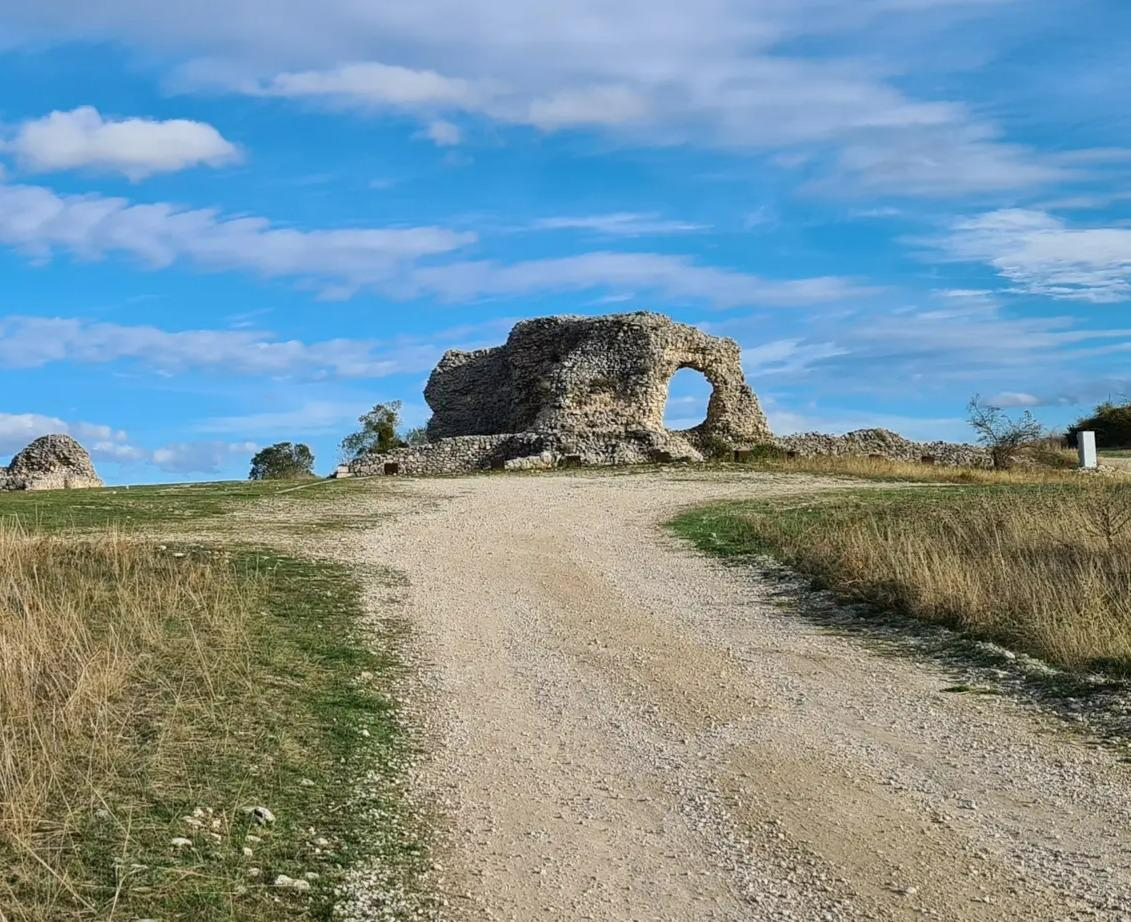
Tratturo Magno – On the roads of transhumance
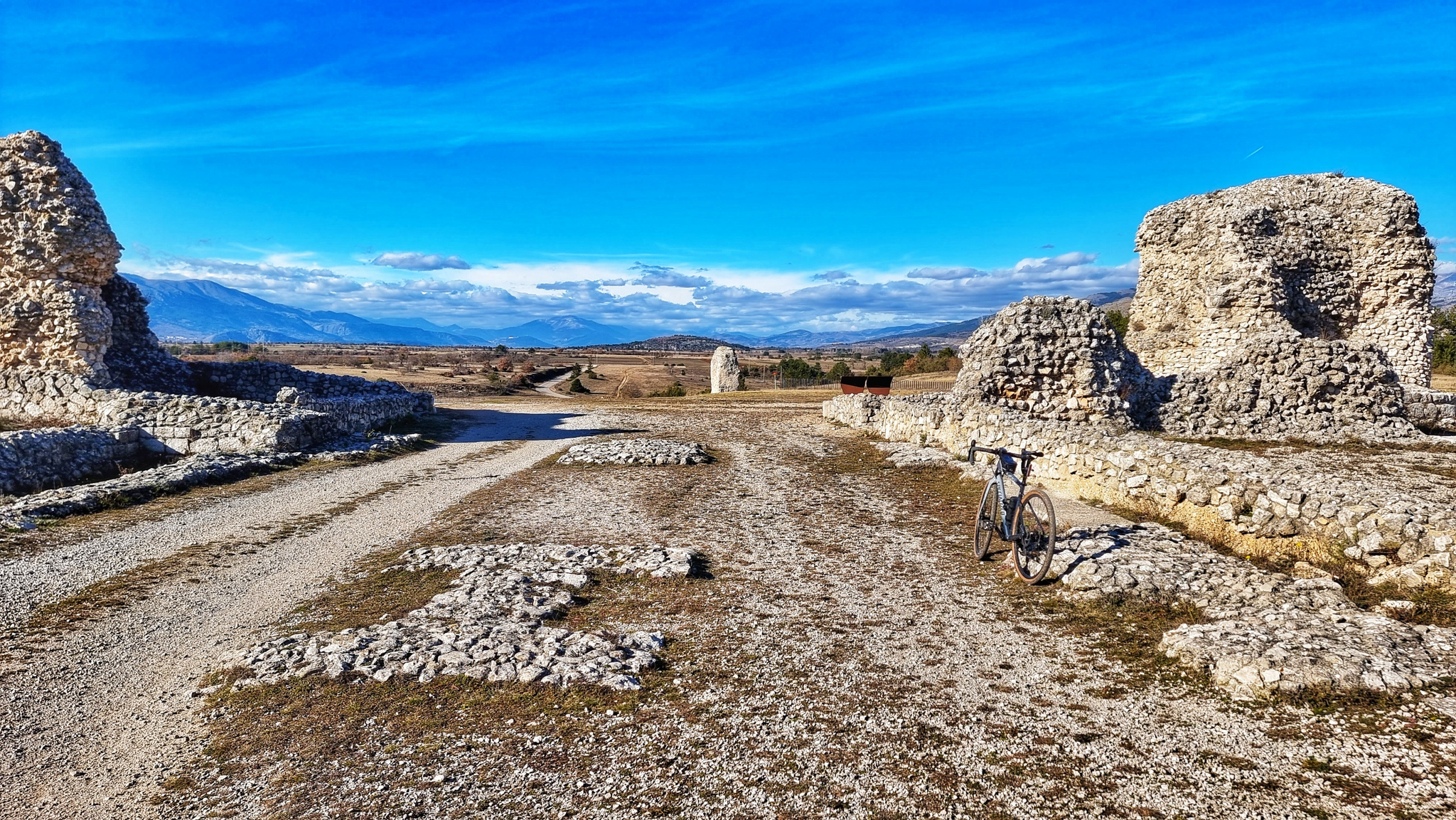
The Tratturo Magno – From the Apennines to the TavoIiere, 300 kilometers
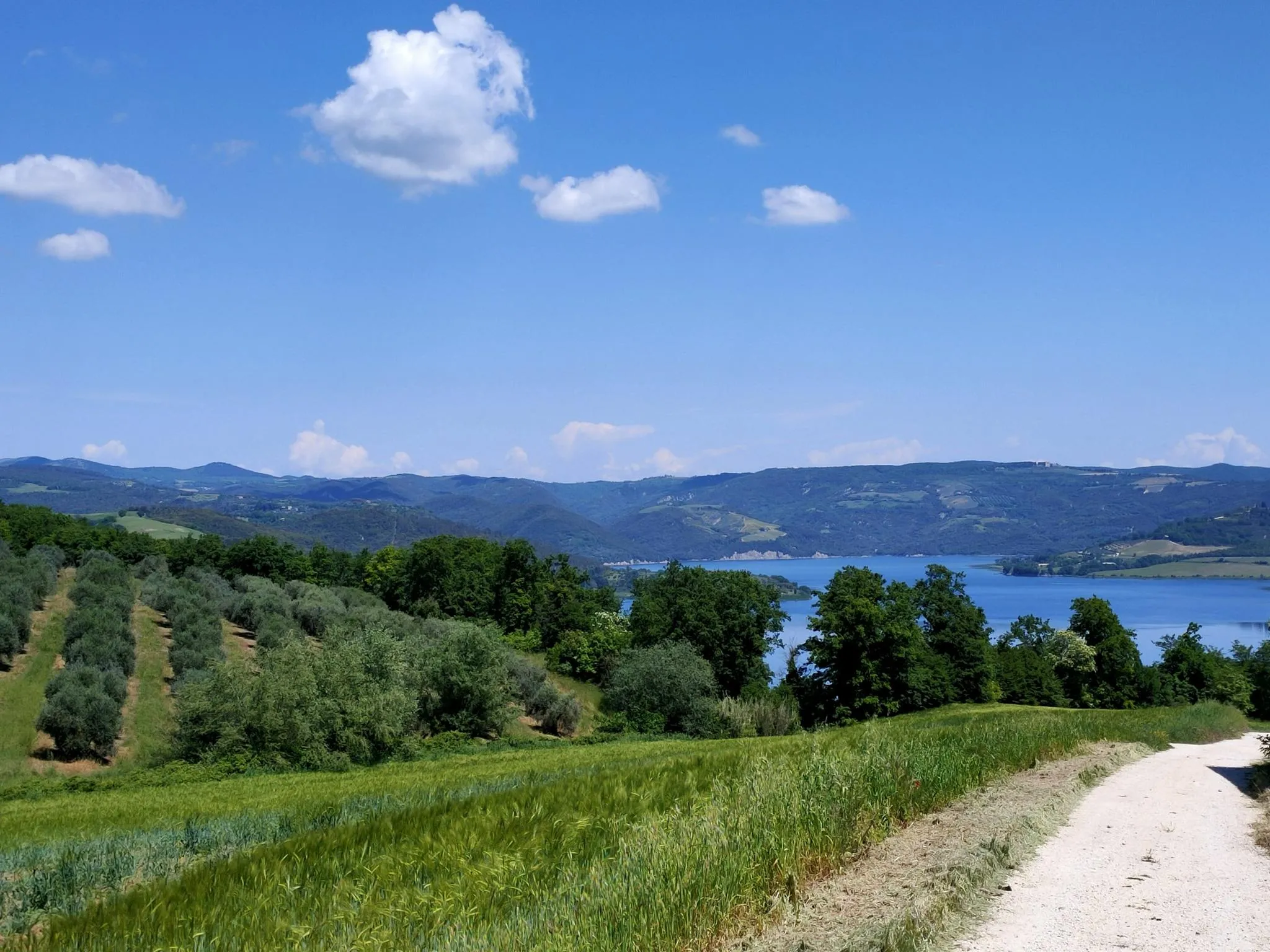
Italian Coast2Coast – From Portonovo to Orbetello
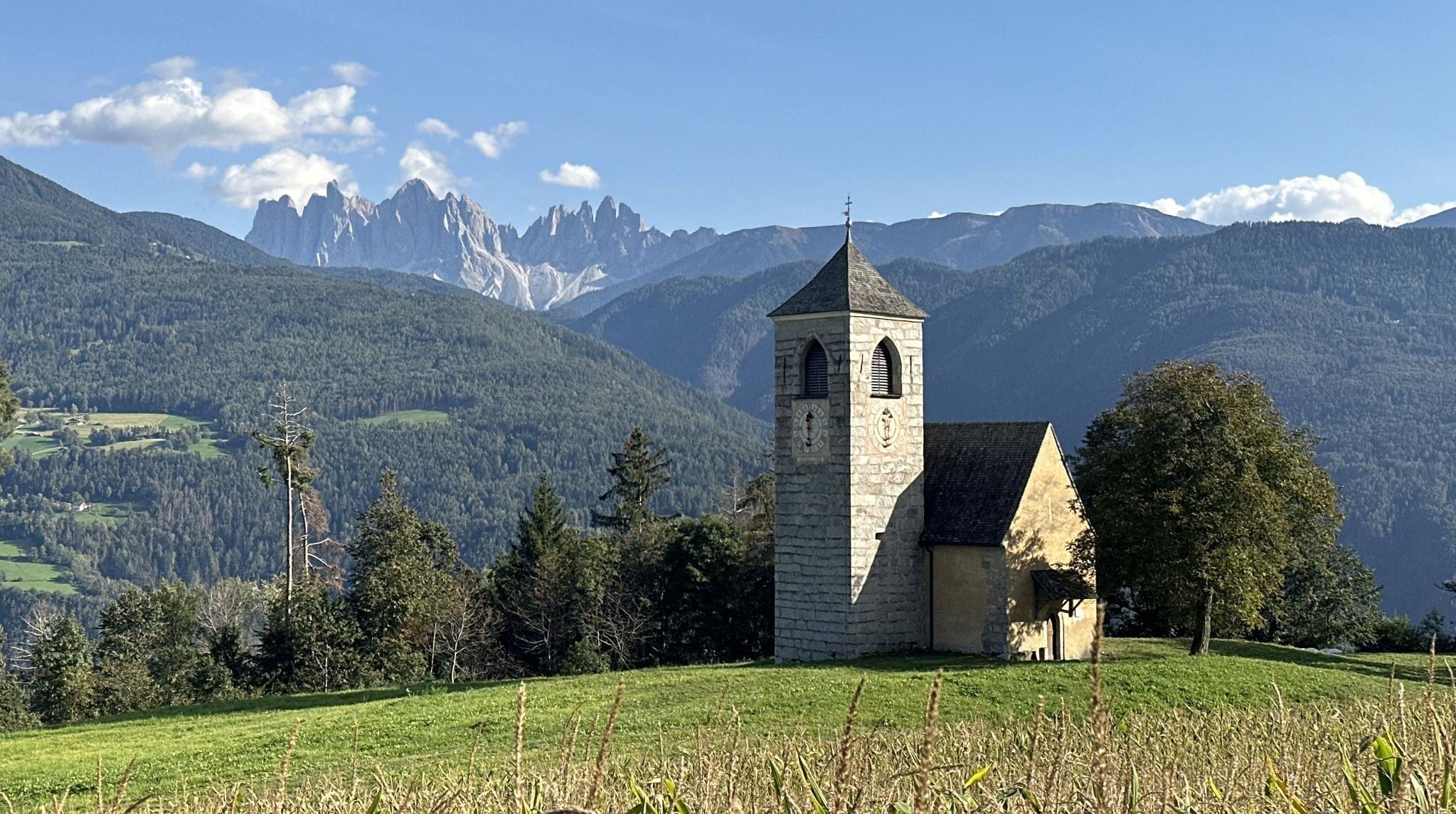
Via Romea Germanica – History, nature and spirituality
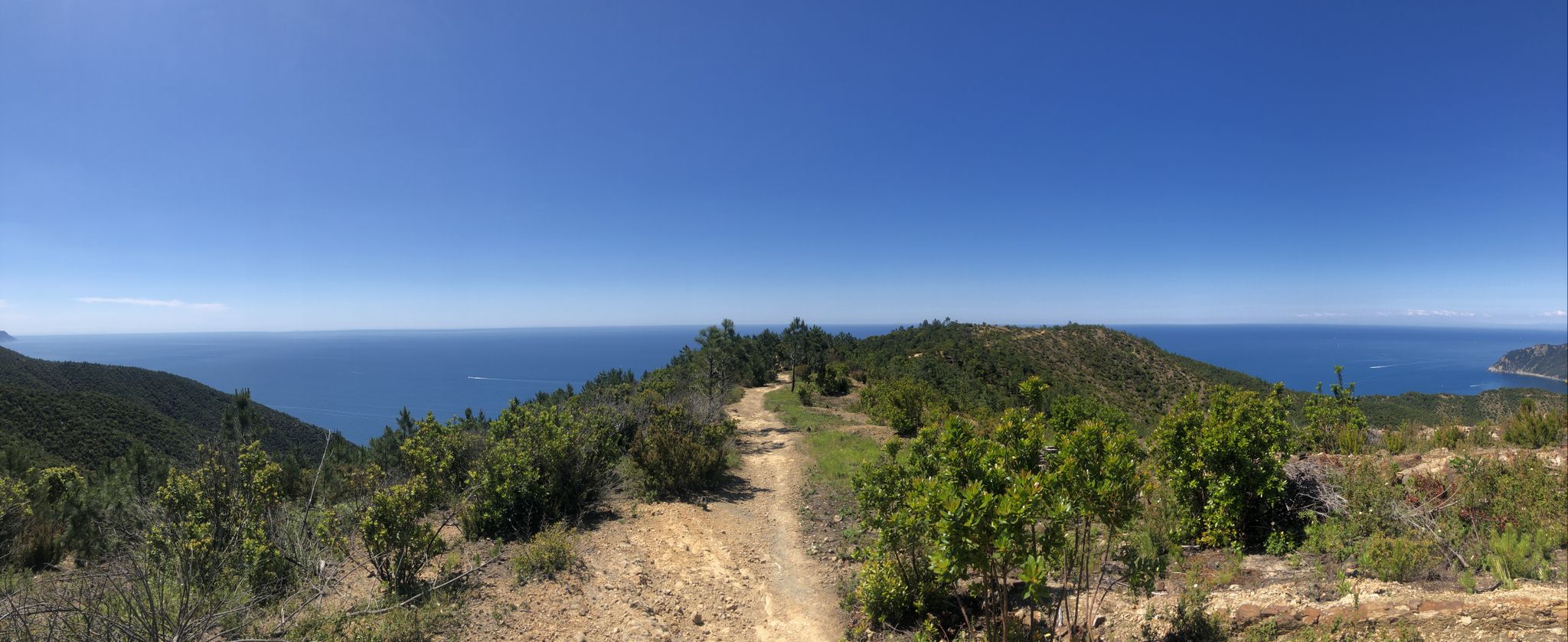
Via della Costa – A breathtaking hike along the Italian Riviera
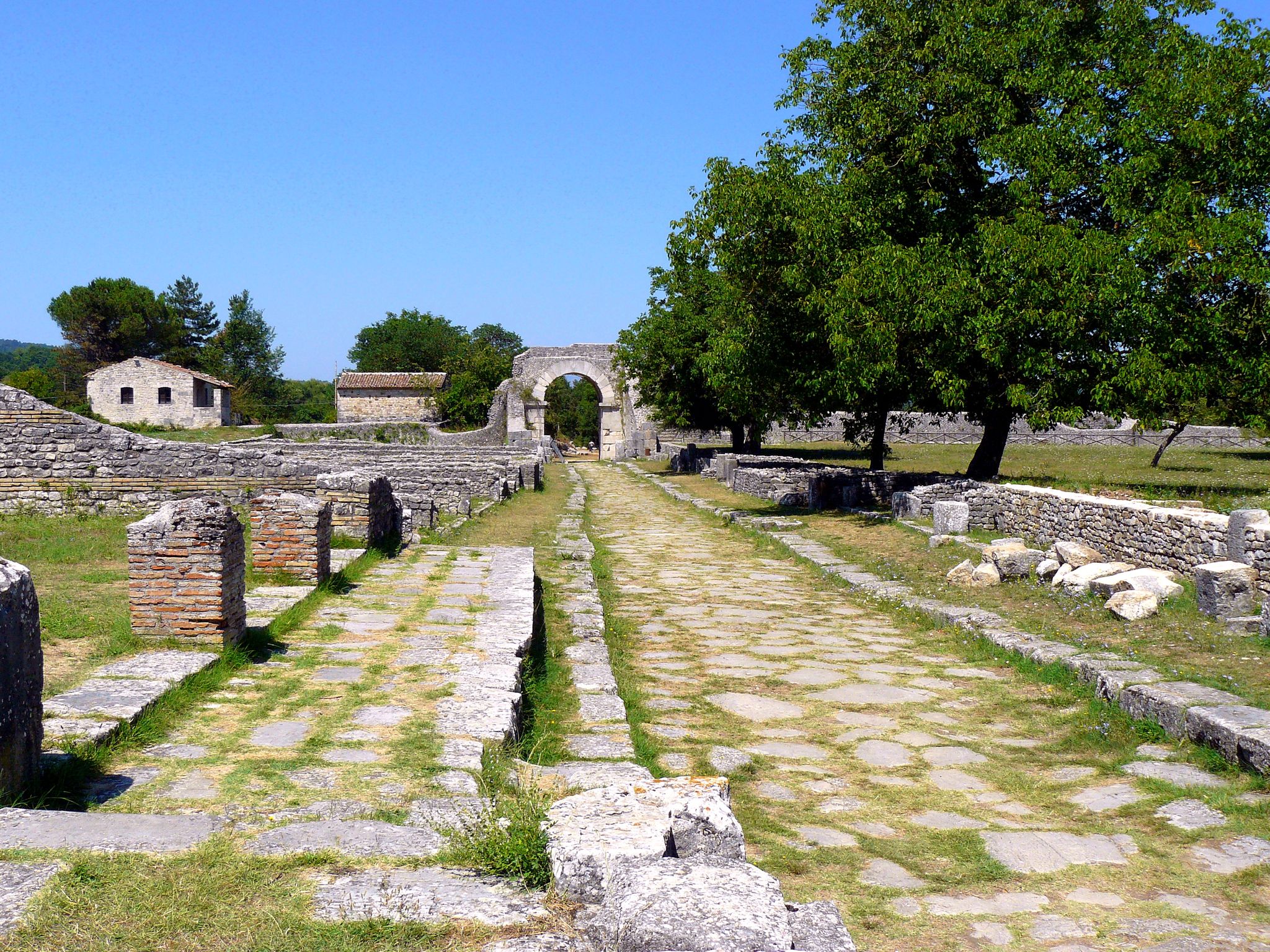
Sentiero Italia – On the tracks of the Samnites and Romans in Molise
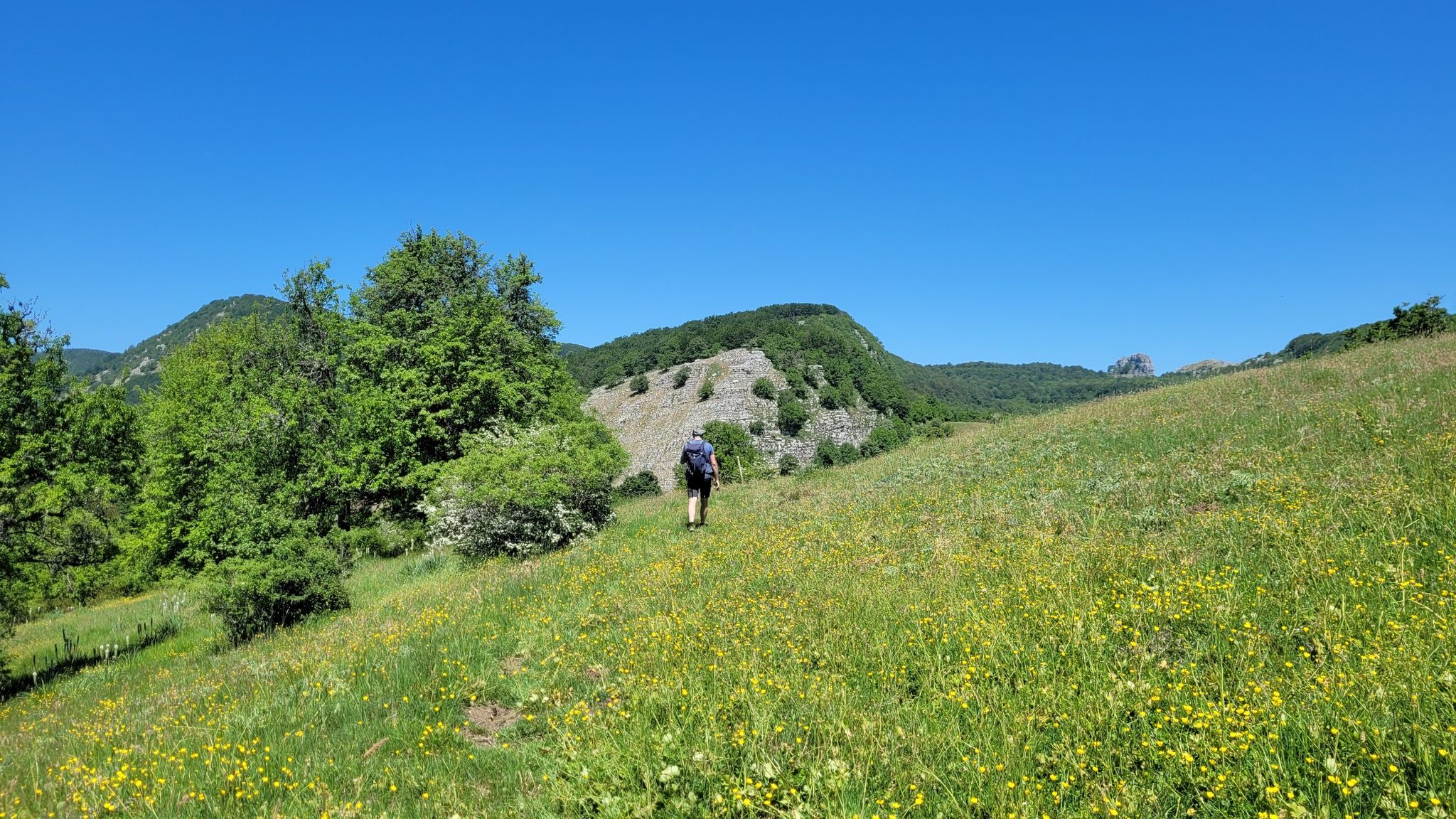
Sentiero Italia – A journey into the heart of Campania
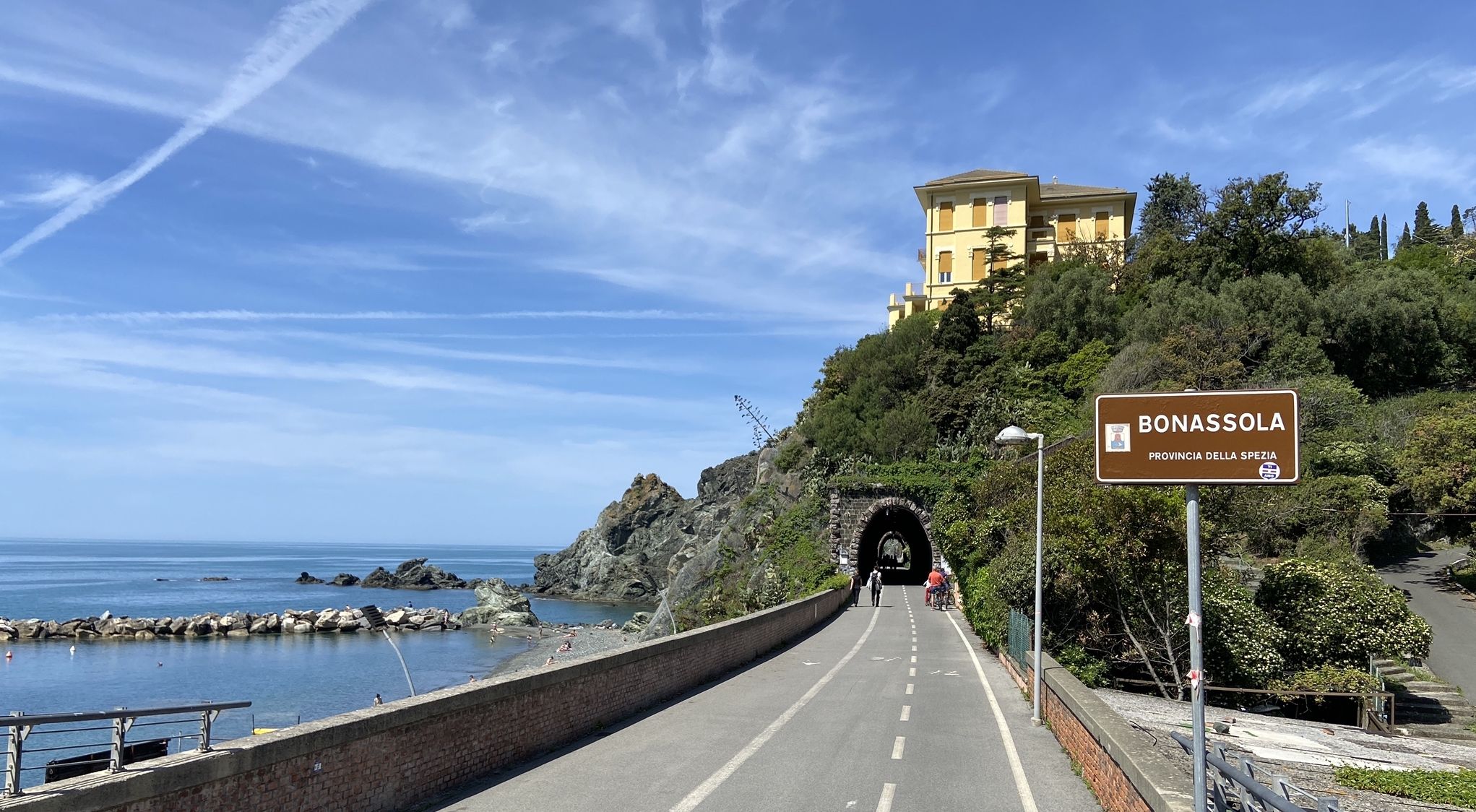
Pedalling to Portofino and the Cinque Terre — sea and mountains
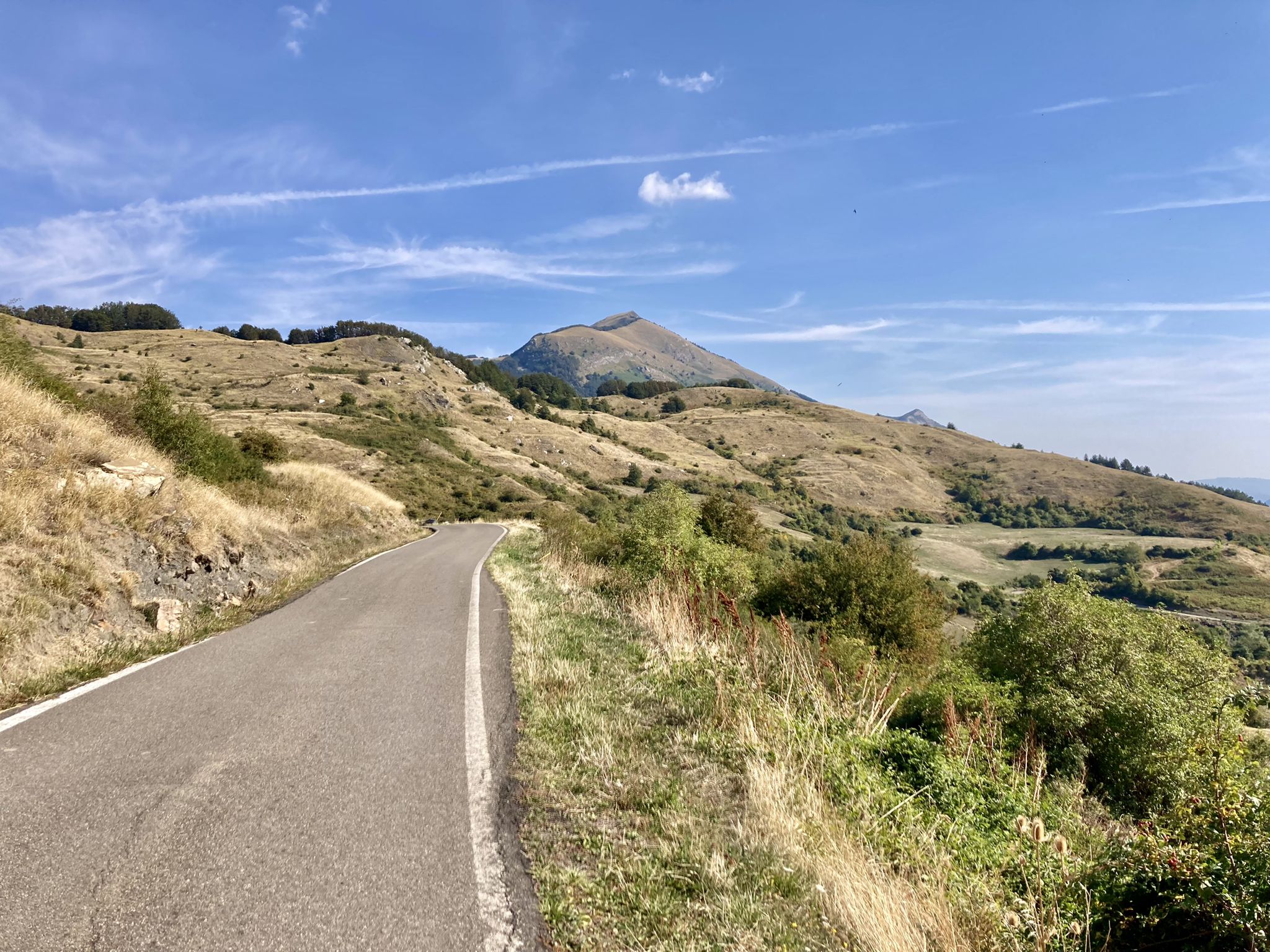
Apperò l'Appennino – five days of Italy's Emilian climbs
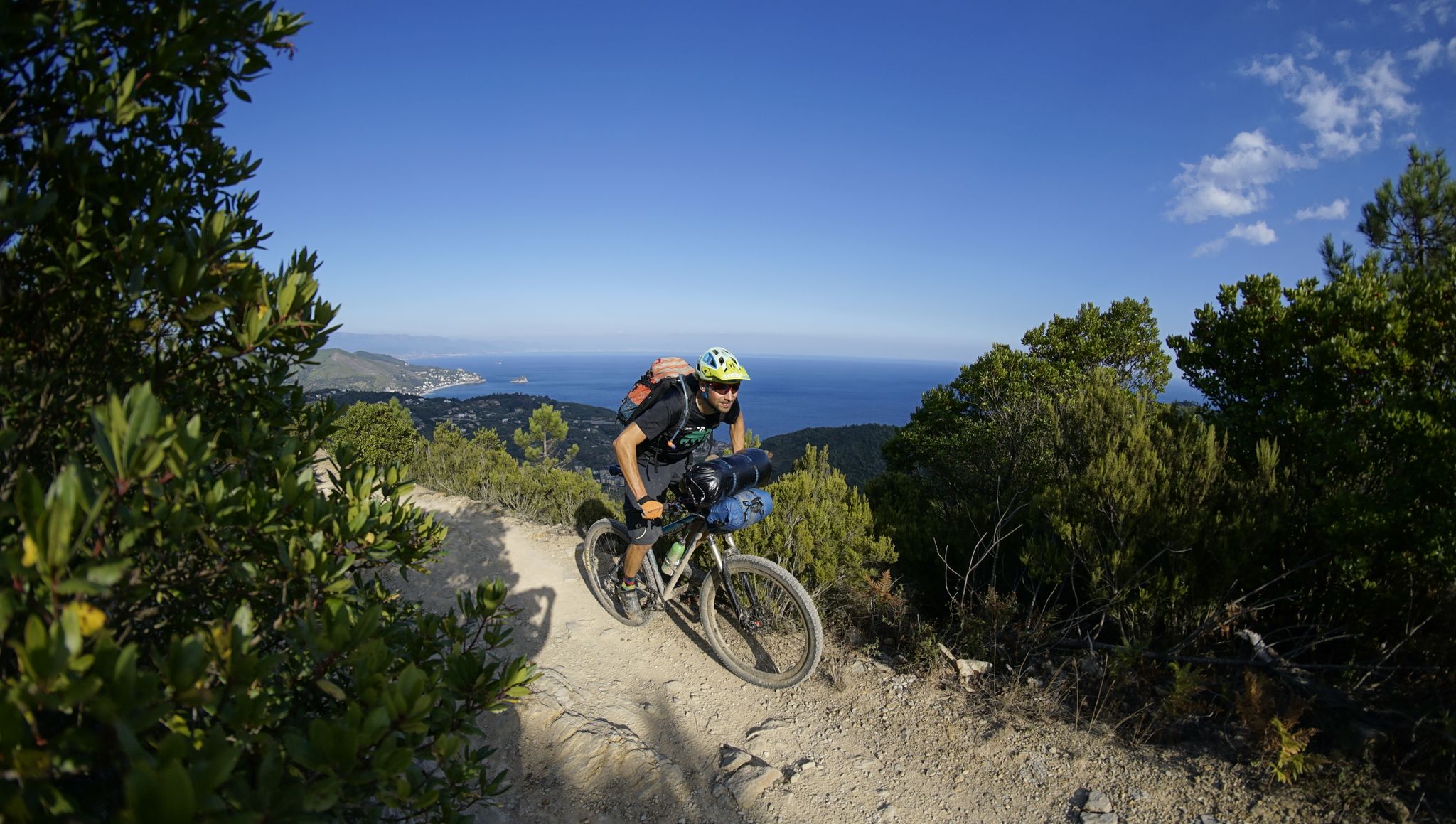
Alta Via Stage Race – Only the brave
Other adventures in the Apennine Mountains


Tips from the Community

The Normal Route is a fairly simple route, except for the last 400 meters, the gully and the ridge, which, being EEA grade (expert equipped hikers), require considerable physical strength and technique. Mountaineering boots are also required, and a helmet is recommended. Since the ridge is also quite technical, it is absolutely not suitable for those with a fear of heights, the elderly, children, or anyone without mountaineering experience.
2
0

Very beautiful views. The hiking trail offers spectacular views of the villages and the sea. However, it should be noted that the hike is quite demanding. There is also the possibility of visiting the villages by train or boat
1
0

Here is the appropriate website to book a ticket https://www.florence-museum.com/de/kathedrale-von-florenz-dom.php
8
1
I have copied the link for the new rules for the Monterosso-Vernazza-Corniglia hiking trails in high season. https://www.travelnews.ch/here-and-there/26314-cinque-terre-neue-regeln-gegen-massentourismus.html And for general information: https://www.cinqueterre.eu.com/de/wanderwege#monterosso-vernazza
9
2
At Pentecost, the number of visitors was OK. Sure, we weren't alone here, but it was still absolutely within the limits. We started in Corniglia via Vernazza to Monterosso. The path is quite challenging with its elevation, I wouldn't want to hike it in the heat of summer, especially since prices are now going up from June to September to curb the crowds of tourists. If possible, try to avoid the off-season, you can only win 😉. I have the link for the new rules here: https://www.travelnews.ch/here-and-there/26314-cinque-terre-neue-regeln-gegen-massentourismus.html
5
0

The path that connects Vernazza to Monterosso is one of the jewels of Liguria and of the whole of Italy. There is no shortage of spectacular views, among the most beautiful in the Cinque Terre.
1
1

This central square is famous not only for its imposing buildings and elaborate statues, but also for its deep-rooted history that dates back to the Middle Ages. The square is dominated by the majestic Palazzo Vecchio, which once served as the seat of government and now houses a museum. Its battlements and sturdy tower tell stories of power, intrigue and Florence's political importance in the past. Just outside the Palazzo Vecchio stands a copy of Michelangelo's David, which seems to form a permanent sentinel, highlighting the city's artistic mastery. Another striking feature of the square is the Fountain of Neptune, a work by Bartolomeo Ammannati depicting the sea god Neptune. This impressive work of art symbolizes the Medici's power over the sea and the importance of water in Florentine culture and history. A popular gathering place for locals and visitors alike, Piazza della Signoria offers a fascinating insight into the heart and soul of Florence. It is surrounded by other important landmarks, including the Uffizi Gallery, one of the most famous art galleries in the world, making the square an unmissable destination for art lovers and history buffs.
8
0

A very beautiful building. Unfortunately, it doesn't really come into its own because the buildings around it are very dense. Even from a distant hill you can actually only see the roof structure.
7
0
Frequently Asked Questions
What are some significant natural features to explore in the Apennine Mountains?
The Apennine Mountains are rich in natural beauty. You can visit the Corno Grande Western Summit, the highest peak in the range, which is also home to the Calderone glacier. Other notable natural attractions include the Acquacheta Waterfall in the Foreste Casentinesi National Park and the Gola della Rossa and Frasassi Caves. The region also boasts twelve national parks, such as Gran Sasso e Monti della Laga, Majella, and Monti Sibillini, offering diverse ecosystems and landscapes.
Where can I find the best panoramic views in the Apennine Mountains?
For breathtaking vistas, consider visiting viewpoints in the Cinque Terre region, such as the iconic View of Vernazza and the sea, or the View of Vernazza from the Monterosso Trail. The Cisa Pass and Cirone Pass also offer stunning views, connecting Tuscany and Emilia-Romagna. Additionally, the Logarghena Meadows provide a panoramic balcony over Lunigiana.
Are there any unique historical landmarks or cultural sites in the Apennine Mountains?
Yes, the Apennines are dotted with historical and cultural gems. Florence, at the foothills, features the magnificent Florence Cathedral (Cathedral of Santa Maria del Fiore), the historic Ponte Vecchio, and the Piazza della Signoria and the Palazzo Vecchio. Further into the mountains, you can explore unique structures like Rocchetta Mattei and the 12th-century Torre di Montorio in the Bolognese Apennines, as well as Roman ruins like Alba Fucens and numerous medieval villages.
What outdoor activities can I do near these attractions?
The Apennine Mountains offer extensive opportunities for outdoor enthusiasts. You can find numerous routes for cycling, gravel biking, and road cycling. For example, explore routes like the Amalfi Drive or the tour of Lake Trasimeno for cycling, or tackle challenging gravel rides around Assisi. For more details on cycling routes, visit the Cycling in the Apennine Mountains guide, the Gravel biking in the Apennine Mountains guide, or the Road Cycling Routes in the Apennine Mountains guide.
Are there hiking trails suitable for different skill levels?
Absolutely. The Apennines cater to various hiking abilities. The Cinque Terre region offers coastal paths like the Coastal Trail Between Levanto and Monterosso, which can range from intermediate to challenging. Many national parks, such as Majella and Monti Sibillini, provide a network of trails from easy walks to demanding multi-day treks. Long-distance routes like the European walking route E1, the Grand Italian Trail, and the Alta Via dei Parchi also traverse the range.
What are some family-friendly activities available in the Apennine Mountains?
Many attractions in the Apennine Mountains are suitable for families. The charming villages of Cinque Terre, including Vernazza, offer a car-free environment to explore. Historical sites like the Florence Cathedral and Ponte Vecchio are also family-friendly. National parks provide opportunities for easy walks and wildlife spotting. During winter, ski villages in Abruzzo like Rocarasso are popular family destinations.
What is the best time to visit the Apennine Mountains?
The best time to visit depends on your planned activities. For hiking and exploring natural and cultural sites, spring (April-June) and autumn (September-October) offer pleasant temperatures and beautiful scenery. Summer (July-August) is ideal for higher altitude treks and enjoying the coastal areas, though it can be crowded. Winter (December-March) transforms parts of the Apennines into a skiing destination, particularly in the Abruzzo region.
Can I find traditional mountain towns and villages to visit?
Yes, the Apennine Mountains are home to numerous traditional mountain towns and villages, each with its own unique charm, specific cuisines, and cultural traditions. The five colorful villages of Cinque Terre – Vernazza, Manarola, Riomaggiore, Corniglia, and Monterosso al Mare – are particularly famous and are UNESCO World Heritage sites. Assisi in the central Apennines is another renowned cultural and religious site.
What do visitors enjoy most about the Apennine Mountains?
Visitors frequently praise the stunning panoramic views, especially from spots like the View of Vernazza and the sea, which is highly recommended for photography during the golden hour. The unique character of car-free fishing villages like Vernazza is also a highlight. The region's blend of natural beauty, historical depth, and diverse outdoor activities consistently receives high appreciation from the komoot community.
Are there opportunities for wildlife spotting in the Apennine Mountains?
Yes, the Apennine Mountains are a crucial refuge for diverse wildlife. National parks like Abruzzo, Lazio and Molise National Park are particularly known for protecting European predators such as the Italian wolf and the Marsican brown bear. The well-preserved forests and grasslands across the range provide habitats for a rich variety of flora and fauna, making it an excellent region for nature observation.
What are some unique culinary experiences available in the Apennine Mountains?
The Apennine Mountains offer unique culinary experiences, with many traditional mountain towns boasting specific cuisines and local products. Visitors can embark on food tours to explore the distinct gastronomies of the mountain regions. The area is also known for producing unique wines, particularly in regions like Montefalco.
Most popular routes in the Apennine Mountains
Most popular attractions in the Apennine Mountains

Get inspired with the komoot mobile app


Explore more
Still not found the Highlight you’re looking for? See guides of the top attractions in other regions:
