Top 20 Castles in the Baetic System Mountains
Castles in the Baetic System Mountains are found across the southern and eastern Iberian Peninsula, a region characterized by diverse mountain ranges like the Sierra Nevada. This area is historically rich, with fortifications reflecting centuries of Moorish and Christian influences. Many castles are strategically located on hills, offering panoramic views and insights into past defensive roles. The Baetic System Mountains provide a unique blend of natural landscapes and historical architecture for exploration.
Best castles in the Baetic System Mountains
- The…
Last updated: May 26, 2026
The Alcazaba of Málaga and the Roman Theatre
Highlight • Historical Site
Translated by Google •
Tip by

San Nicolás Viewpoint
Highlight • Viewpoint
Translated by Google •
Tip by
Sign up now to discover places like this
Get recommendations on the best single tracks, peaks, & plenty of other exciting outdoor places.
Sign up for free
Alhambra
Highlight • Historical Site
Translated by Google •
Tip by

Partal Palace 🏰 Alhambra
Highlight • Historical Site
Translated by Google •
Tip by
El Castell de Guadalest and the Guadalest Reservoir
Highlight • Historical Site
Translated by Google •
Tip by
Alcazaba of Almería
Highlight • Castle
The Alcazaba was built under Caliph Abd ar-Rahman III in the 10th century. built on …
Translated by Google •
Tip by

Colomares Castle
Highlight • Monument
Translated by Google •
Tip by

Moclín Castle
Highlight • Castle
Translated by Google •
Tip by

Mondragón Palace
Highlight • Historical Site
I was lucky enough to see a wedding coming out right inside it as I was passing by.
Translated by Google •
Tip by

Zahara de la Sierra Castle
Highlight • Castle
Translated by Google •
Tip by
Sign up for free to discover even more castles in the Baetic System Mountains.
Sign up for free
Already have an account?
Start today with a free account
Your next adventure awaits.
Login or Signup
Popular around Baetic System Mountains

Triathlon 360 – my journey around the world
European Divide Trail — 7,600 km across the continent
GR 238 Tierra del Vino - A journey on foot through lands of silence
Badlands 2024 – extreme experiences and a sense of joy
TransAlmería Gravel – Summits, dry riverbeds and deserts
Mozarabic Way to Santiago – Gravel between two worlds
Path of the Tasters - Bikepacking in the Valencian ranges
Road to Lisbon – bikepacking the Alps, Pyrenees and Picos de Europa
Badlands 2021 — 750km of gravel in the Spanish deserts
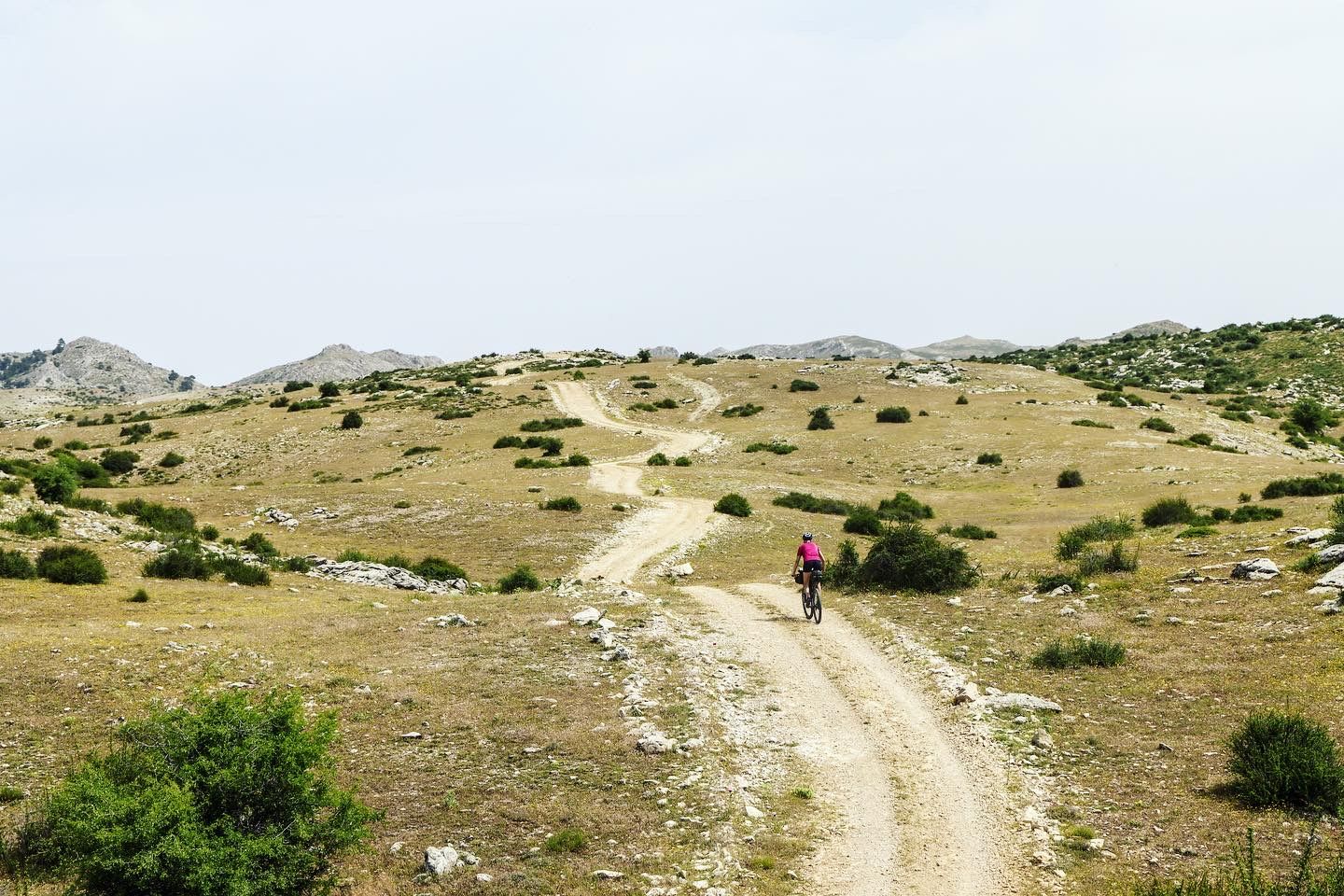
Bikepacking the mountains and deserts of Andalucía
Other adventures in the Baetic System Mountains


Tips from the Community

It is a very interesting structure in honor of Columbus. A visit is worthwhile.
0
0

What to see in Moclín Moclín Castle: A 14th-century Nasrid fortress with walls and cisterns. Impressive views of the Sierra Nevada mountains and the Granada plain. Gollizno Route (PR-A 84): A circular trail (8 km) with a suspension bridge, viewpoints, and the Velillos River canyon. Includes the La Luz Dam and the Malalmuerzo Cave. Historic Hermitages: San Antón (at the entrance to the village). Virgen de las Angustias (Our Lady of Sorrows), surrounded by nature.
1
0
Moclín is a charming destination, ideal for those who enjoy history, nature, and panoramic views. It's a typical Andalusian white village, peaceful and with cobbled streets that preserve its traditional essence. It stands out for its historical heritage (Nasrid castle, hermitages) and its natural surroundings, perfect for hiking.
1
0

We didn't manage to visit the castle... unfortunately. It was constantly closed. We did see people upstairs, but we don't understand how they got there.
0
0
Nasrid origin (11th century): it served the old Azitini Mosque and was supplied by the Aynadamar irrigation ditch, a sophisticated Andalusian hydraulic system. Christian reconstruction (17th century): on top of the original Muslim cistern, next to the current Church of San Nicolás. The current structure dates from 1646 according to Henríquez de Jorquera.
9
0

Public museum in a 14th-century house with gardens, courtyards, balconies, and water features. Address: Pl. Mondragón, s/n, 29400 Ronda, Málaga, Spain Province: Málaga Phone: +34 952 87 08 18 Opening Hours: Friday 9:30 AM–7:00 PM Saturday 10:00 AM–2:00 PM, 3:00 PM–6:00 PM Sunday (Fiesta Nacional de España) 10:00 AM–3:00 PM Opening hours may vary Monday (Fiesta Nacional de España (celebration)) 10:00 AM–2:00 PM, 3:00 PM–6:00 PM Opening hours may vary Tuesday 9:30 AM–7:00 PM Wednesday 9:30 AM–7:00 PM Thursday 9:30 AM–7:00 PM
3
0
The name Palacio de Mondragón is very well-known in Ronda. But its other name, Palacio del Marqués de Villasierra (once a very important resident of Ronda), is less well-known. In any case, this palace is Ronda's most important monument (besides the bridge and the bullring), for both historical and architectural reasons. There is a legend that this was the residence of the great Moorish king Abbel Malik. He was the son of the Sultan of Morocco, Abul Asan. A few years after his death, the then-kingdom of Ronda passed into the hands of Granada, just before Ronda was conquered by Catholic soldiers. It is known that the last governor, Hamet el Zegri, lived in this palace. To this day, it is not known exactly what the palace looked like during the Moorish period. A few Mudéjar remains provide a general idea. What is more known is that the most significant changes were made later by the Christian rulers. The current location of the garden, for example, dates from that period. The current Gothic-style patio and various wooden ceilings were built at that time. The palace is now open to the public, very beautiful and well worth a visit. Not only can you admire the beautiful palace with its garden and stunning views, but it also houses a museum showcasing the history of the palace and the Ronda region.
3
0

See: https://rondatoday.com/rondas-mondragon-palace/
0
2
Frequently Asked Questions
What historical periods do the castles in the Baetic System Mountains represent?
The castles in the Baetic System Mountains primarily reflect centuries of Moorish and Christian influences. Many structures date back to the Islamic period, with subsequent additions and modifications after the Reconquista. You'll find a blend of architectural styles, from formidable Moorish fortresses to Renaissance-era castles, showcasing the region's rich and often turbulent past.
Are there family-friendly castles to visit in the Baetic System Mountains?
Yes, several castles in the region offer family-friendly experiences. For example, The Alcazaba of Málaga and the Roman Theatre is categorized as family-friendly, combining historical exploration with accessible sites. Colomares Castle is another highlight often enjoyed by families. Many castles, even those in ruins, offer engaging historical narratives and impressive views that can captivate visitors of all ages.
Can I combine a castle visit with outdoor activities like hiking or biking?
Absolutely. The Baetic System Mountains are ideal for combining historical exploration with outdoor adventures. Many castles are situated amidst stunning natural landscapes, offering opportunities for hiking, running, or gravel biking. You can find various routes, such as those listed in the Running Trails in the Baetic System Mountains or Gravel biking in the Baetic System Mountains guides, that pass near these historical sites.
What kind of natural landscapes surround these castles?
The castles in the Baetic System Mountains are often perched on strategic hills, offering panoramic views of diverse landscapes. These can range from the snow-capped peaks of the Sierra Nevada to the lush valleys of the Alpujarra, and the rugged terrain of natural parks like Sierra Mágina or Sierras de Cazorla, Segura y Las Villas. Many castles provide breathtaking vistas of mountains, rivers, and coastal areas, reflecting the region's varied geography.
What is the best time of year to visit castles in the Baetic System Mountains?
The best time to visit is generally during the spring (April to June) and autumn (September to November). During these seasons, the weather is pleasant for exploring outdoor sites, and the landscapes are particularly beautiful. Summers can be very hot, especially inland, while winters can bring colder temperatures and sometimes snow to higher elevations, which might affect accessibility to some sites.
Are there any castles with significant Moorish heritage in the region?
Yes, the Baetic System Mountains are rich in castles with profound Moorish heritage. The most iconic example is the Alhambra in Granada, a UNESCO World Heritage Site and a masterpiece of Islamic architecture. Other notable examples include the Alcazaba of Almería, built under Caliph Abd ar-Rahman III, and Moclín Castle, which served as a crucial frontier fortress for the Nasrid kingdom.
Can I visit the famous Alhambra in the Baetic System Mountains?
Yes, the world-renowned Alhambra complex is located within the Baetic System Mountains, specifically in Granada. It's an expansive palace and fortress, a UNESCO World Heritage Site, and a prime example of Islamic architecture. You can explore its royal palaces, fortified walls, and the beautiful Generalife gardens. Due to its popularity, it's highly recommended to book tickets well in advance. More information can be found on Wikipedia.
What do visitors enjoy most about the castles in the Baetic System Mountains?
Visitors frequently praise the stunning panoramic views offered by these strategically located castles, such as those from The Alcazaba of Málaga or Moclín Castle. The rich historical insights into Moorish and Christian cultures, the impressive architecture, and the opportunity to explore ancient fortifications are also highly valued. The komoot community has shared over 800 photos and given more than 700 upvotes to highlights in the region, reflecting widespread appreciation.
Are there any castles in the Sierra Nevada area?
Yes, the Sierra Nevada and its surrounding areas within the Baetic System are home to several significant castles. Besides the Alhambra in Granada, you can visit the unique Partal Palace 🏰 Alhambra, or the Castillo de La Calahorra near Guadix, known for its pioneering Spanish Renaissance architecture. The Castillo Árabe de Lanjarón in La Alpujarra also offers a glimpse into the region's Islamic past.
Are there castles in the Jaén province within the Baetic System?
Yes, Jaén province, particularly areas like Sierra Mágina and Sierras de Cazorla, Segura y Las Villas Natural Park, features several notable castles. Examples include the strategically important Castillo de Albanchez de Mágina, Solera Castle with its elevated position, and the picturesque Castle of La Iruela, which has Almohad origins and Templar connections. Hornos de Segura Castle also offers dramatic views and a strong sense of medieval history.
What are some lesser-known but interesting castles to visit?
Beyond the most famous sites, the Baetic System Mountains hold many fascinating castles. Consider visiting Castillo de La Calahorra, which boasts an austere exterior contrasting with a lavish Renaissance interior. El Castell de Guadalest, though smaller, offers stunning views of its reservoir. These sites provide unique historical perspectives without the crowds of larger attractions.
Are there any castles near the coast in the Baetic System Mountains?
Yes, some castles are located near or offer views of the coast. The Alcazaba of Málaga and the connected Castillo de Gibralfaro provide spectacular views of Málaga city and its port. Further east, Santa Bárbara Castle in Alicante dominates the city's skyline from Mount Benacantil, offering panoramic views of Alicante Bay.
What kind of architectural features can I expect to see in these castles?
The castles in the Baetic System Mountains display a wide range of architectural features. You'll find robust curtain walls, formidable keeps, various tower designs (square, round, D-shaped), strong gatehouses, and sometimes even moats. Many castles, particularly those with Moorish origins, feature intricate tile work, delicate arches, and sophisticated water systems, while Christian additions often include more austere, defensive structures.
Most popular routes in the Baetic System Mountains
Most popular attractions in the Baetic System Mountains

Get inspired with the komoot mobile app


Explore more
Looking for the best castles somewhere else? Discover other guides in the Baetic System Mountains:
