Top 20 Castles in the Sistema Central Mountains
Castles in the Sistema Central Mountains offer a glimpse into Spain's historical and architectural heritage. This region, known for its diverse landscapes, features numerous fortifications that served as defensive structures and noble residences. The castles are often constructed from local materials like granite and brick, showcasing various architectural styles including Gothic, Mudéjar, and Renaissance influences. Many are situated in strategic locations, providing historical context to the surrounding countryside.
Best castles in the Sistema Central Mountains
- The most popular castles is…
Last updated: July 1, 2026
Manzanares el Real Castle
Highlight • Castle
Translated by Google •
Tip by

Royal Monastery of San Lorenzo de El Escorial
Highlight • Historical Site
Translated by Google •
Tip by

Sign up now to discover places like this
Get recommendations on the best single tracks, peaks, & plenty of other exciting outdoor places.
Sign up for free
Old Castle of Manzanares
Highlight • Castle
Translated by Google •
Tip by

Miranda del Castañar
Highlight • Settlement
Translated by Google •
Tip by
Castle of Arenas de San Pedro
Highlight • Castle
Translated by Google •
Tip by

Valdecorneja Castle
Highlight • Castle
Translated by Google •
Tip by
El Barco de Ávila
Highlight • Settlement
Translated by Google •
Tip by
Castle of the Constable Dávalos (Castle of the Sad Countess)
Highlight • Castle
Translated by Google •
Tip by
Castle of the Mendoza Family (Buitrago de Lozoya)
Highlight • Castle
Translated by Google •
Tip by

Castle of El Barco de Ávila
Highlight • Castle
Translated by Google •
Tip by
Sign up for free to discover even more castles in the Sistema Central Mountains.
Sign up for free
Already have an account?
Start today with a free account
Your next adventure awaits.
Login or Signup
Popular around Sistema Central Mountains
Sendero Español GR 10 — De este a oeste
Following in the footsteps of the Lusitanian leader — Viriato Path GR 63
Height Challenges — Ports in Castilla y León
Monumental and Natural History — The Way of La Vera GR-111
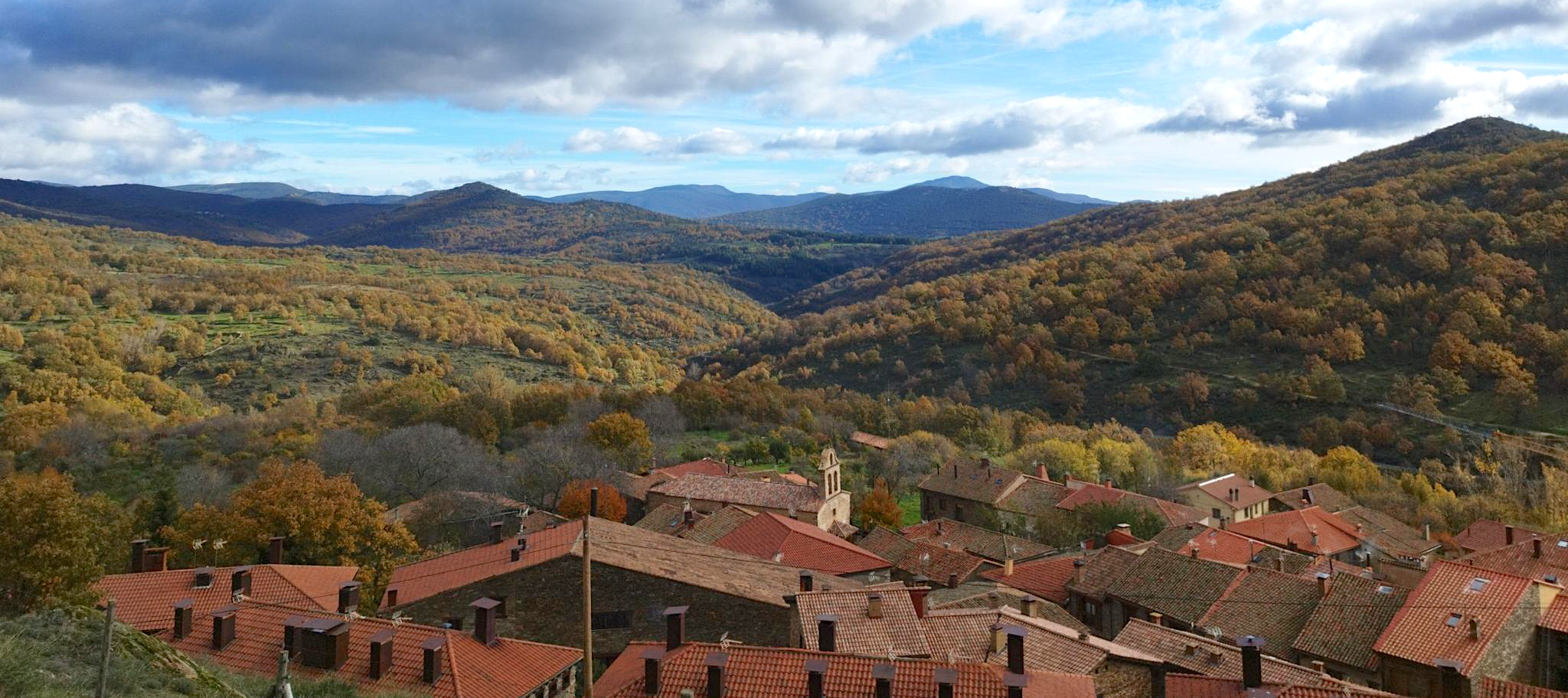
Sierra del Rincón, Biosphere Reserve — On Foot along the GR 303
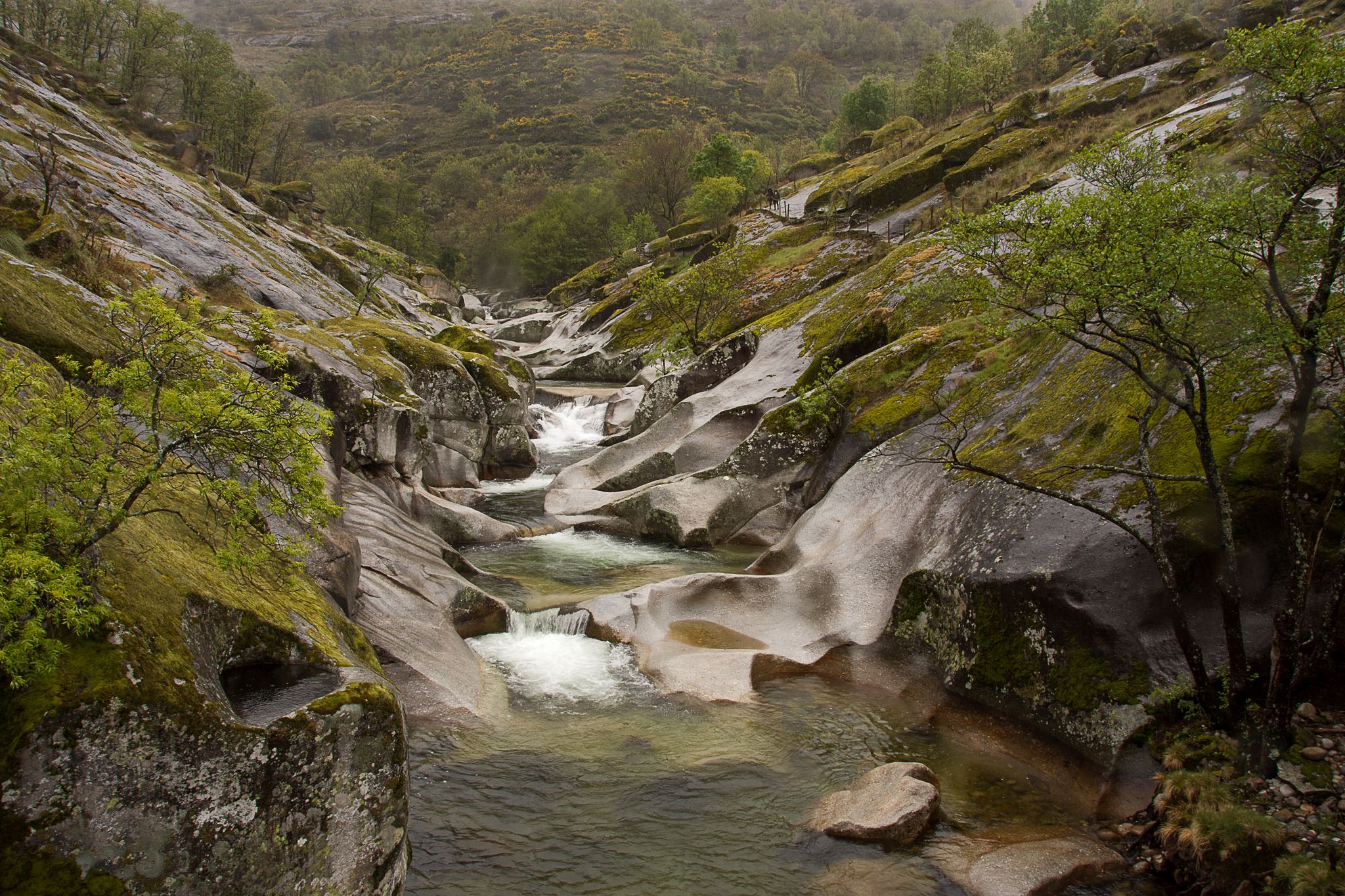
Six routes to discover Extremadura on foot
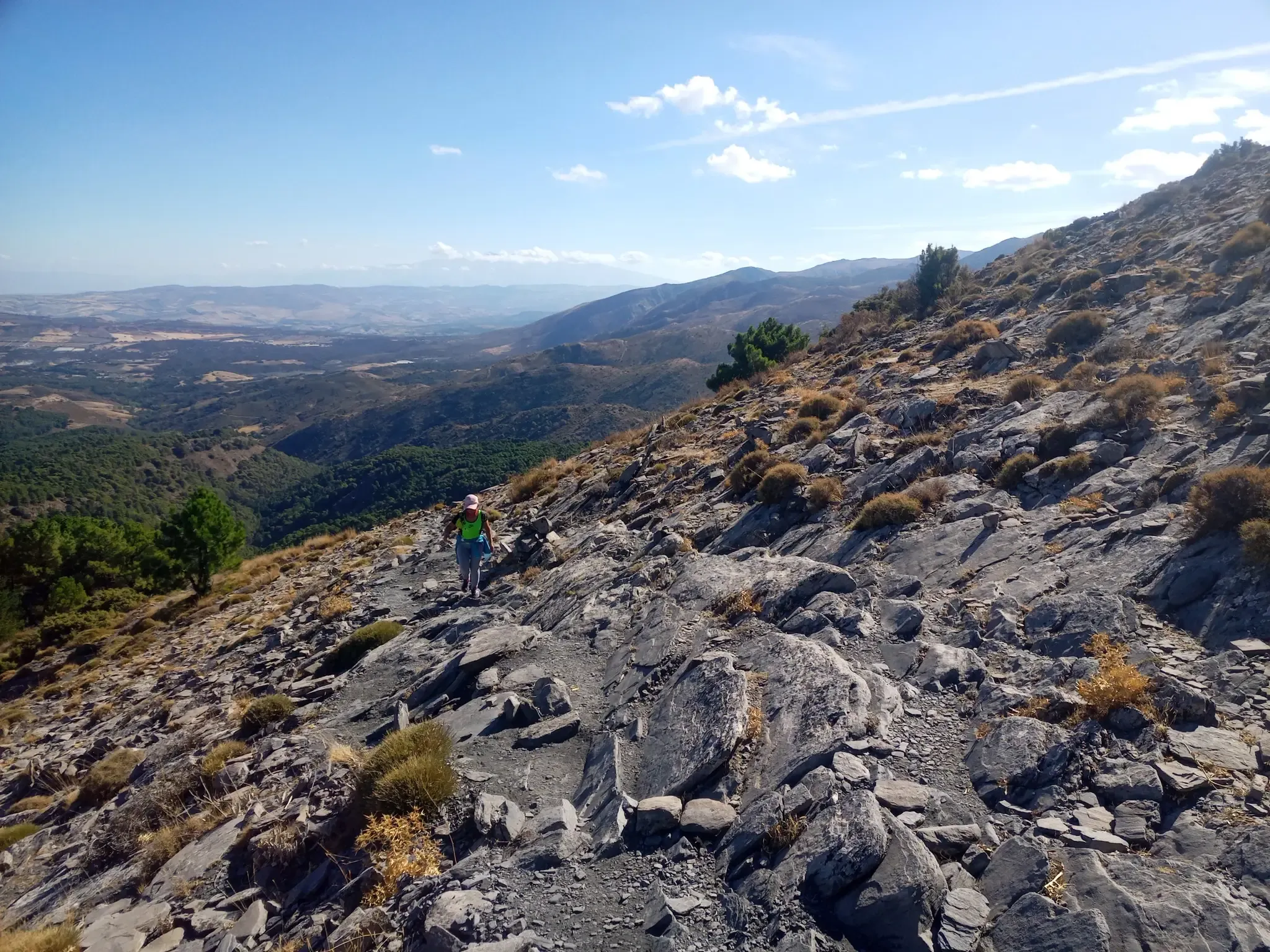
12 hiking gems throughout Spain
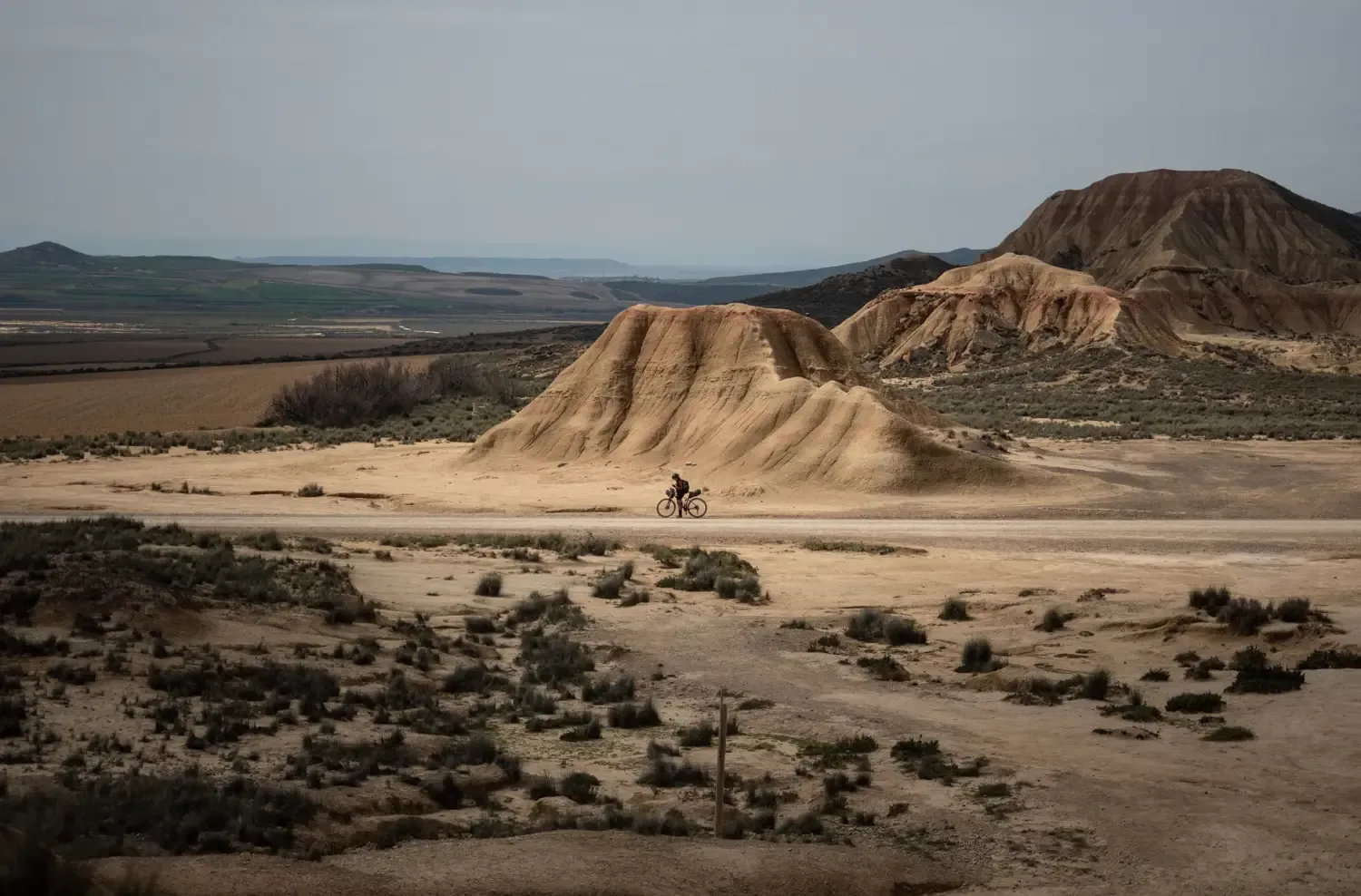
9 mountain biking routes in undiscovered Spain
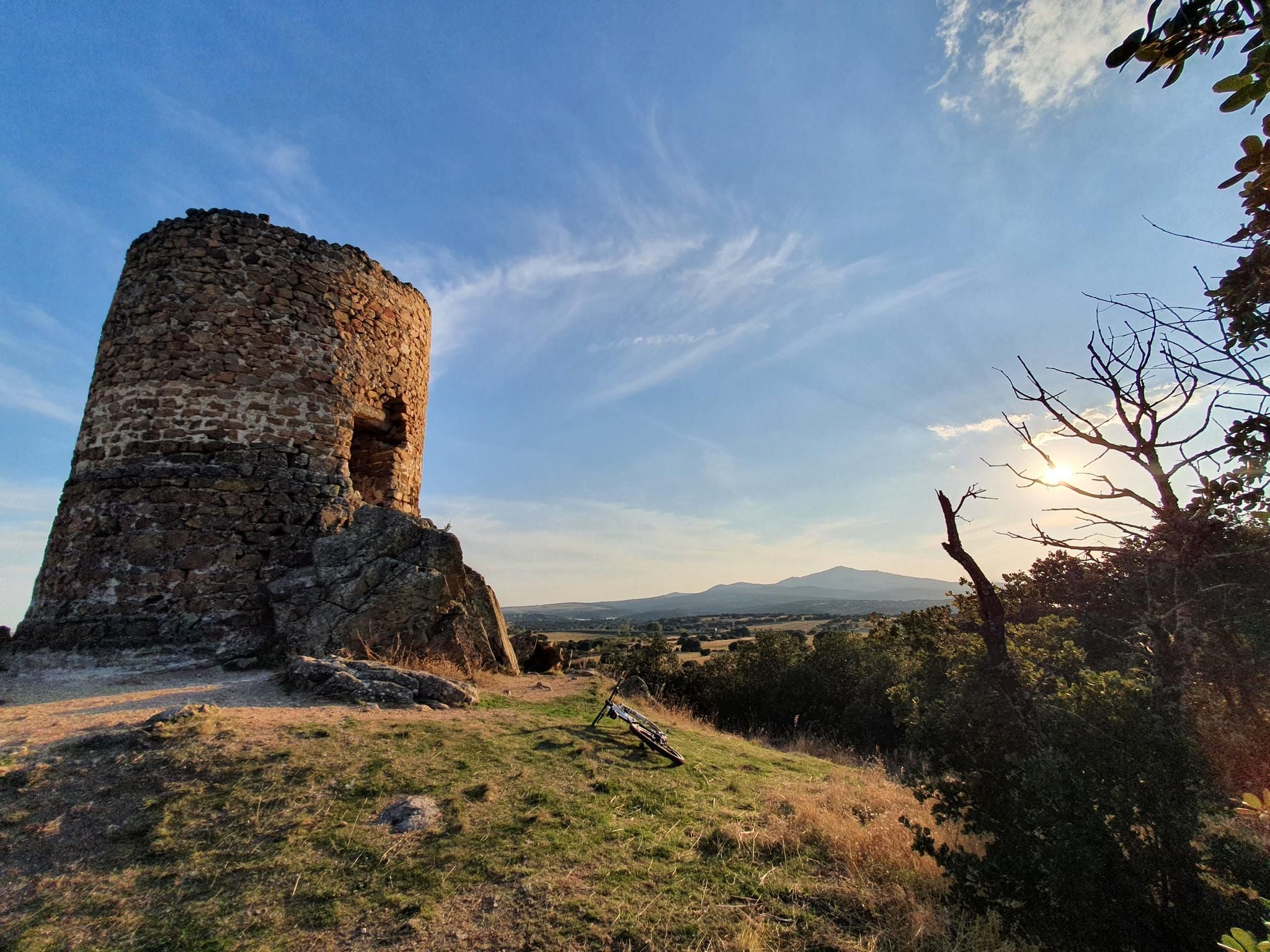
Along the paths of Marca Media — Route of the watchtowers of Madrid
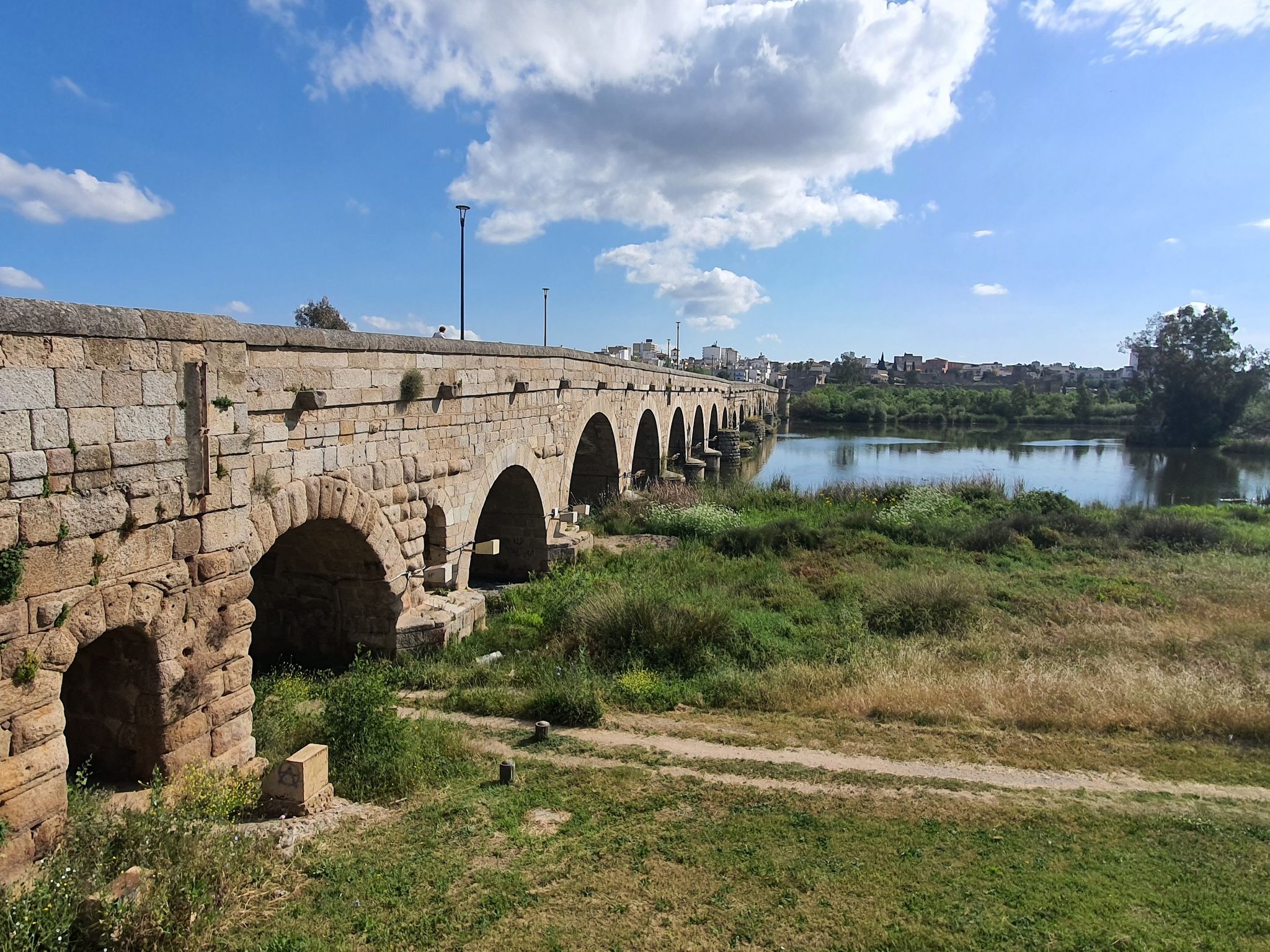
Gijón to Sevilla in Spain – Vía de la Plata (GR 100)
Other adventures in the Sistema Central Mountains


Tips from the Community

Beautiful place full of history.
0
0

Manzanares el Real Castle, also known as Mendoza Castle: Built in 1475 by order of Diego Hurtado de Mendoza, 1st Duke of the Infantado, on the site of a former Romanesque-Mudéjar church. Its architecture is Isabelline Gothic, with a square floor plan, cylindrical towers, and an octagonal keep. It served as the palatial residence of the powerful Mendoza family, who even established a literary court there. Declared a Historic-Artistic Monument in 1949. Today it houses a Medieval Interpretation Center, with exhibits of tapestries, armor, furniture, and audiovisual presentations about life in the Middle Ages.
1
0
This village is located in the Sierra de Gredos mountains (Ávila) and is famous for its natural surroundings, the Castle of Constable Dávalos, the Mosquera Palace, and the Eagle Caves. It is also ideal for hiking and rural tourism.
7
0
What to see in Miranda del Castañar Medieval Walls: Over 600 meters remain intact, with four gates facing the cardinal directions: San Ginés, Nuestra Señora, La Villa, and El Postigo. Zúñiga Castle: A 15th-century fortress, symbol of the former County of Miranda. Although the interior is not open to the public, its exterior and keep are impressive. Square Bullring: Considered one of the oldest in Spain, built in the 16th century on the site of the former parade ground. Church of Santiago and San Ginés: Gothic in style (13th-16th centuries), with a detached 17th-century bell tower. Houses with Coats of Arms: More than 80 noble coats of arms adorn the facades, reflecting the town's aristocratic past.
1
0
Miranda del Castañar, one of the most beautiful villages in Spain, is located in the Sierra de Francia (Salamanca): Founded in 1213 by Alfonso IX of León as a town and council, it was the administrative capital of the Sierra de Francia. In the 15th century, the County of Miranda was created under the control of the Zúñiga family, consolidating its strategic importance.
1
0

The Monastery of El Escorial was built by King Philip II in the 16th century to commemorate a military victory and serve as a royal pantheon for the Habsburg dynasty. Designed by architects Juan Bautista de Toledo and Juan de Herrera, it is characterized by its sober, Renaissance style. Today it is a UNESCO World Heritage Site.
6
1

It is a key point when you go on a route to show the area to other cyclists
0
0
Valdecorneja Castle, located in El Barco de Ávila, is a medieval gem that dominates the Tormes River valley from a strategic, elevated position. It is one of the most emblematic monuments in the province of Ávila and a must-see for history and architecture lovers.
2
0
Frequently Asked Questions
What are some of the most historically significant castles in the Sistema Central Mountains?
The Sistema Central Mountains are rich in history. Notable castles include Manzanares el Real Castle, a well-preserved 15th-century fortress known for its Castilian Late Gothic architecture. Another significant site is the Royal Monastery of San Lorenzo de El Escorial, a UNESCO World Heritage Site built by King Philip II. While not a castle, the Ávila City Walls are an impressive Romanesque fortification from the 11th to 14th centuries.
Which castles in the Sistema Central Mountains offer unique architectural styles?
The region showcases diverse architectural styles. Coca Castle stands out with its distinctive Spanish Gothic-Mudéjar military architecture, built primarily of brick with intricate geometric patterns. Manzanares el Real Castle exemplifies Castilian Late Gothic (Isabelline) architecture, blending Castilian, Flemish, Mudéjar, and Italian influences, constructed entirely of granite. Pedraza Castle, while extensively rebuilt, retains elements from its 13th-century origins and offers a glimpse into medieval fortress design.
Are there any less-known or 'hidden gem' castles worth visiting in the Sistema Central Mountains?
Beyond the most popular sites, you might consider exploring the Old Castle of Manzanares, which offers a historical perspective on the region's fortifications. The Valdecorneja Castle is another site that provides a glimpse into the area's past without the crowds of larger attractions.
What do visitors particularly enjoy about the castles in the Sistema Central Mountains?
Visitors frequently praise the historical depth and architectural beauty of the castles. For instance, Manzanares el Real Castle is celebrated as one of the best-preserved medieval fortresses in Spain, offering an interpretation center and cultural activities. The Ávila City Walls are admired for their magnificent preservation and historical importance, providing an unforgettable experience to walk along them.
Are the castles in the Sistema Central Mountains suitable for family visits?
Yes, many castles in the Sistema Central Mountains are family-friendly. Manzanares el Real Castle, the Royal Monastery of San Lorenzo de El Escorial, and the Walls of Ávila are all categorized as family-friendly. These sites often provide engaging experiences for all ages, such as dramatized visits at Manzanares el Real Castle.
Can I visit the castles in the Sistema Central Mountains using public transport?
While specific public transport options vary by castle, major sites like Royal Monastery of San Lorenzo de El Escorial and the Ávila City Walls are generally accessible by public transport from larger cities. For more remote castles, a combination of public transport and a short taxi ride or a car might be necessary. It's advisable to check local transport schedules for each specific destination.
Is parking available at the castles in the Sistema Central Mountains?
Most major castles and historical sites in the Sistema Central Mountains, such as Manzanares el Real Castle and the sites in Ávila, typically have designated parking areas nearby. However, during peak season or for smaller, more remote locations, parking might be limited. It's recommended to check the specific castle's official website for detailed parking information before your visit.
What is the best time of year to visit the castles in the Sistema Central Mountains?
The best time to visit the castles is generally during the spring (April to June) and autumn (September to October). The weather is pleasant for exploring, and the natural scenery is beautiful. Summer can be hot, especially in July and August, while winter can bring colder temperatures, though some castles remain open year-round. Always check individual castle opening hours, as they may vary seasonally.
What outdoor activities can I do near these castles?
The Sistema Central Mountains offer a variety of outdoor activities. You can find numerous hiking opportunities, from easy walks to challenging mountain hikes. For example, there are easy hikes like the circular route around Rio Eresma or the Valle del Jerte. For more adventurous trekkers, there are mountain hikes in areas like Gredos and Peñalara. Gravel biking is also popular, with routes around the Lozoya Reservoir and Manzanares el Real.
Are there hiking trails that lead directly to or around the castles?
While many castles are accessible by road, some are situated in areas with nearby walking routes. For instance, the village of Pedraza, home to Pedraza Castle, is a picturesque location for walks. The Ávila City Walls themselves offer a unique walking experience. You can explore various easy hikes and mountain hikes in the Sistema Central Mountains, many of which pass through or near historical towns and natural landmarks.
Can I bring my dog to the castles or on nearby trails?
Policies regarding dogs vary significantly by castle. Many indoor castle areas or protected historical sites do not permit dogs, with the exception of service animals. However, the surrounding natural areas and many outdoor trails in the Sistema Central Mountains are often dog-friendly. It's best to check the specific rules for each castle or trail before planning your visit with a pet.
How long should I allocate for visiting a castle in the Sistema Central Mountains?
The duration of a castle visit depends on its size and the depth of your interest. For a comprehensive tour of a major site like Manzanares el Real Castle or the Royal Monastery of San Lorenzo de El Escorial, you should plan for at least 2-3 hours. Smaller castles or ruins might only require an hour. If you plan to explore the surrounding town or take a nearby walk, allocate a full half-day or even a full day.
Are there accessible routes for visitors with mobility challenges at the castles?
Accessibility varies greatly among the castles due to their historical nature. While some modern visitor centers or ground-level areas might be accessible, many older structures with stairs, uneven terrain, or narrow passages may present challenges. It is highly recommended to contact the specific castle directly or check their official website for detailed accessibility information before your visit.
Most popular routes in the Sistema Central Mountains
Most popular attractions in the Sistema Central Mountains

Get inspired with the komoot mobile app


Explore more
Looking for the best castles somewhere else? Discover other guides in the Sistema Central Mountains:
