Top 10 Mountain Passes in the Lewis Range
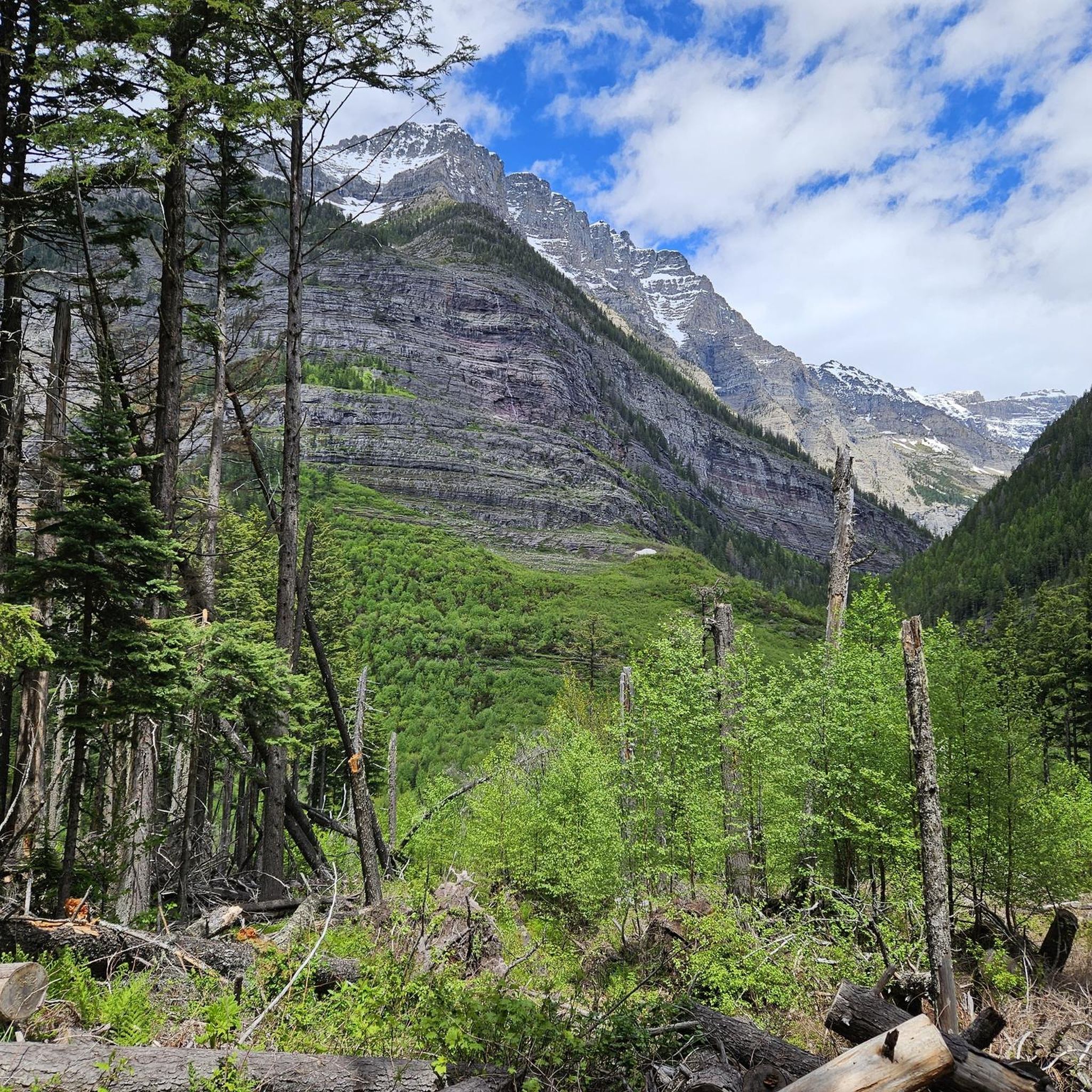
Best mountain passes in the Lewis Range are found within a prominent subrange of the Rocky Mountains, spanning northern Montana and extending into southern Alberta, Canada. This region forms the eastern boundary of Glacier National Park and is traversed by the Continental Divide. The dramatic landscapes are shaped by the ancient Lewis Overthrust, a geological event that created rugged peaks. Visitors can explore a variety of passes offering access to trails, scenic views, and historical significance.
Best mountain passes in…
Last updated: May 14, 2026
Logan Pass
Highlight • Mountain Pass
Translated by Google •
Tip by

Glacier National Park
Highlight • Natural Monument
Tip by

Sign up now to discover places like this
Get recommendations on the best single tracks, peaks, & plenty of other exciting outdoor places.
Sign up for free
Going-to-the-Sun Road Trail
Highlight (Segment) • Trail
Tip by

Marias Pass Memorial Square: Roosevelt Obelisk, Stevens
Highlight • Monument
The pass traverses the Continental Divide in the …
Tip by

Triple Divide Pass
Highlight • Mountain Pass
Tip by

Glacier National Park
Highlight • Natural Monument
Tip by

Stoney Indian Pass
Highlight • Mountain Pass
Tip by
Siyeh Pass Switchbacks
Highlight (Segment) • Mountain Pass
Translated by Google •
Tip by

Trail to Siyeh Pass
Highlight (Segment) • Trail
Translated by Google •
Tip by
Summit Campground ⛺️ Continental Divide Trail
Highlight • Rest Area
Tip by
Start today with a free account
Your next adventure awaits.
Login or Signup
Popular around Lewis Range
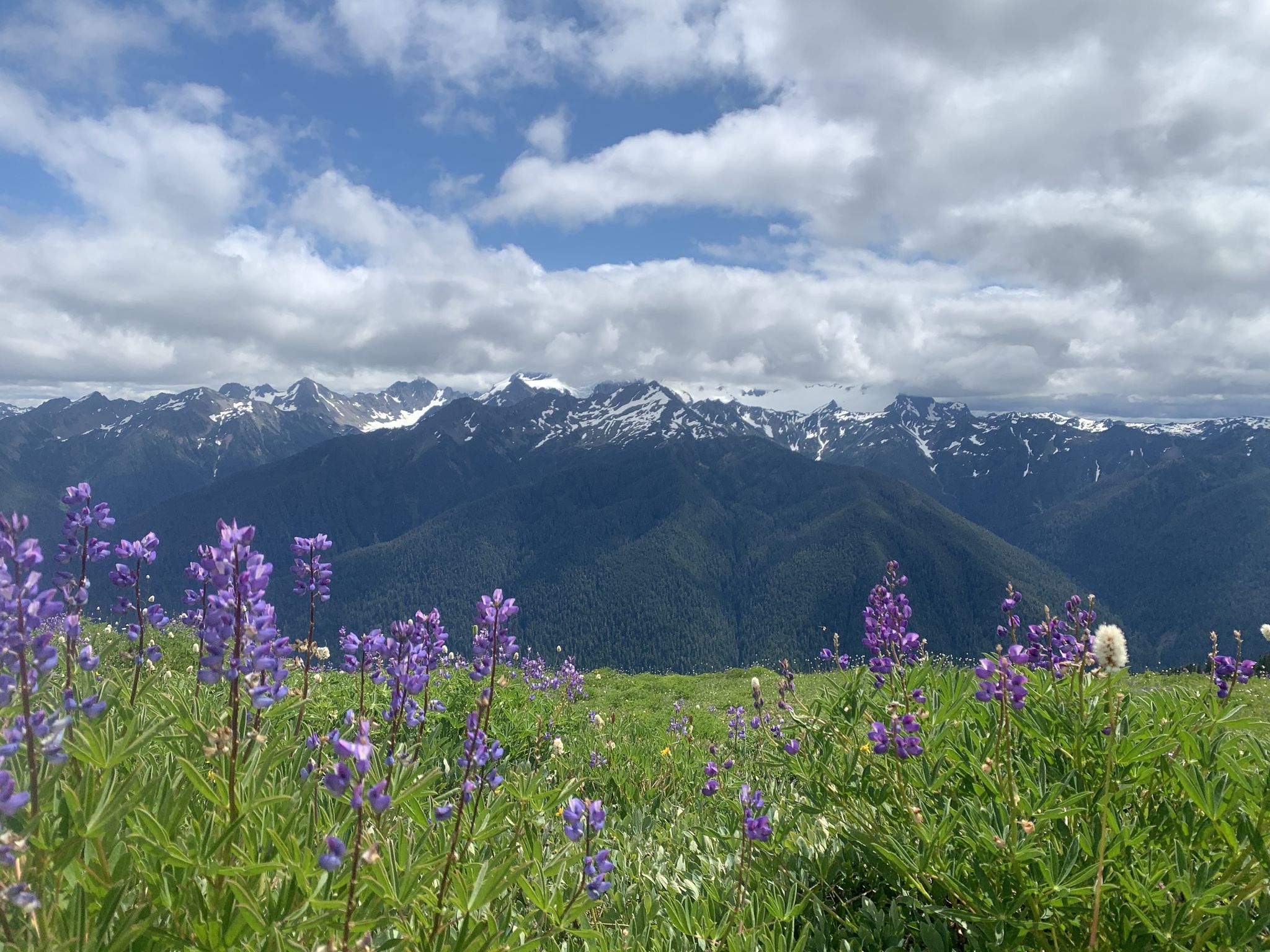
Pacific Northwest National Scenic Trail — From Alpine to Alava through the untamed Northwest
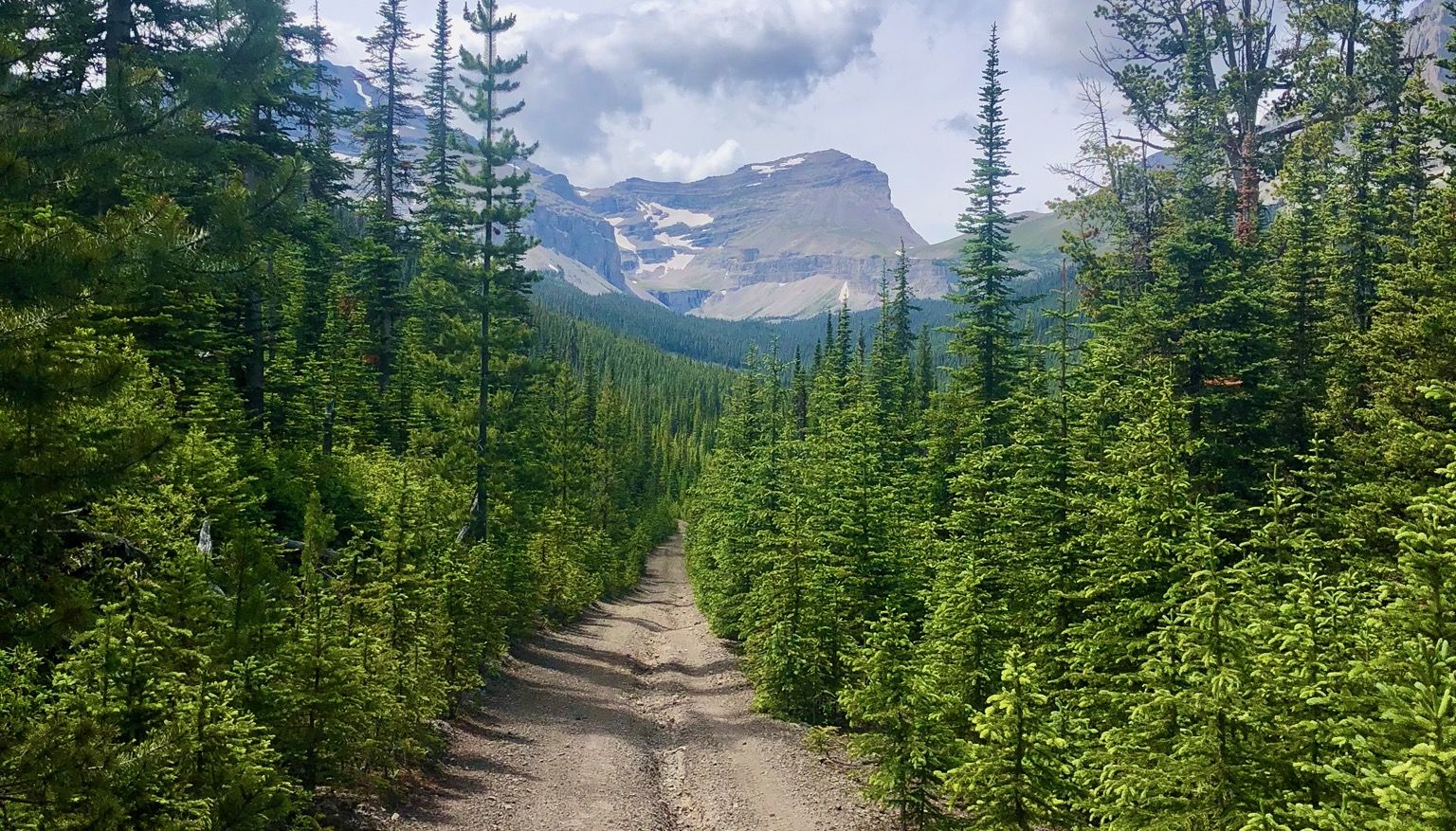
Run the Rockies – mountain range fastpack #5
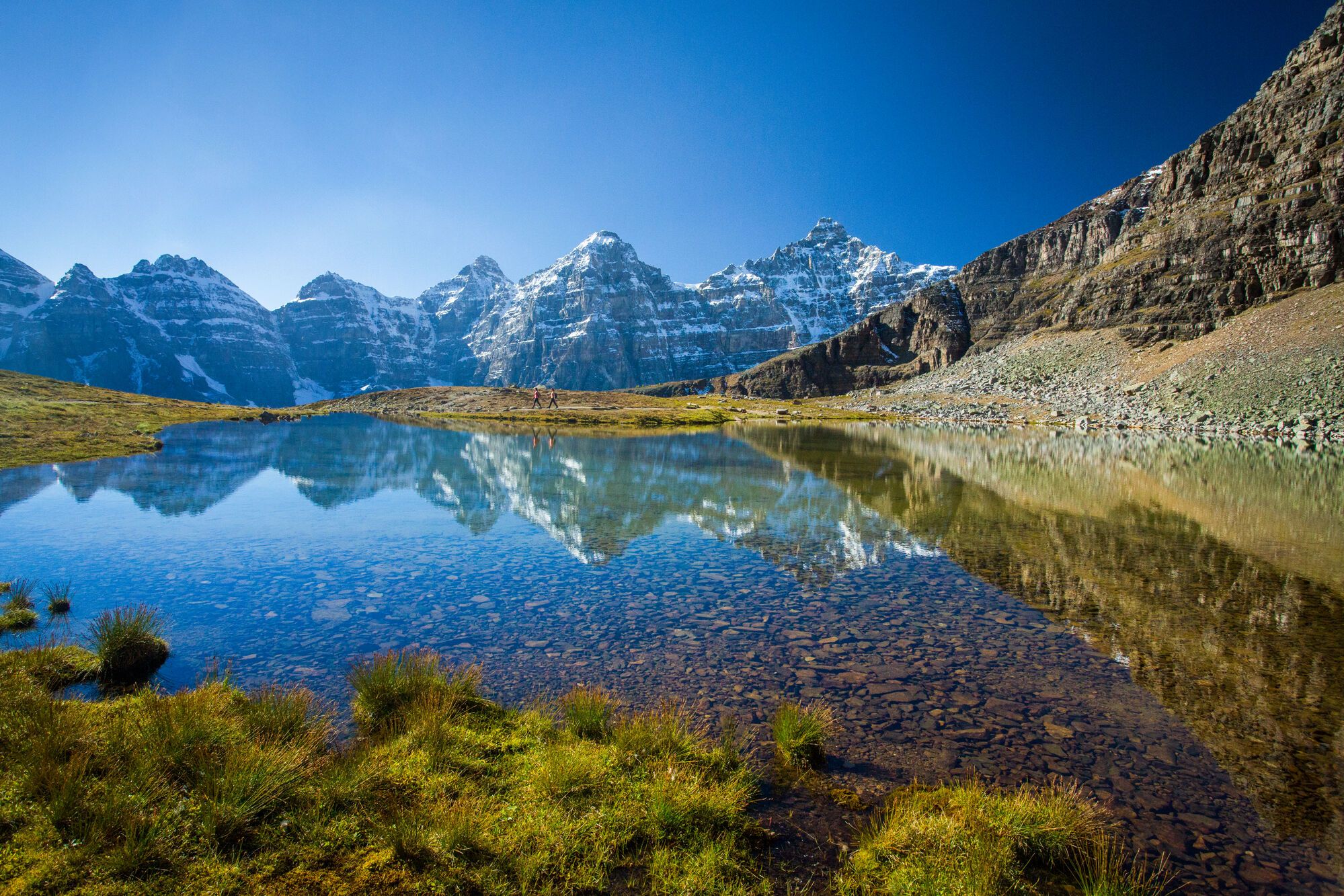
Spectacular road trip hikes – discover Calgary and Southern Alberta
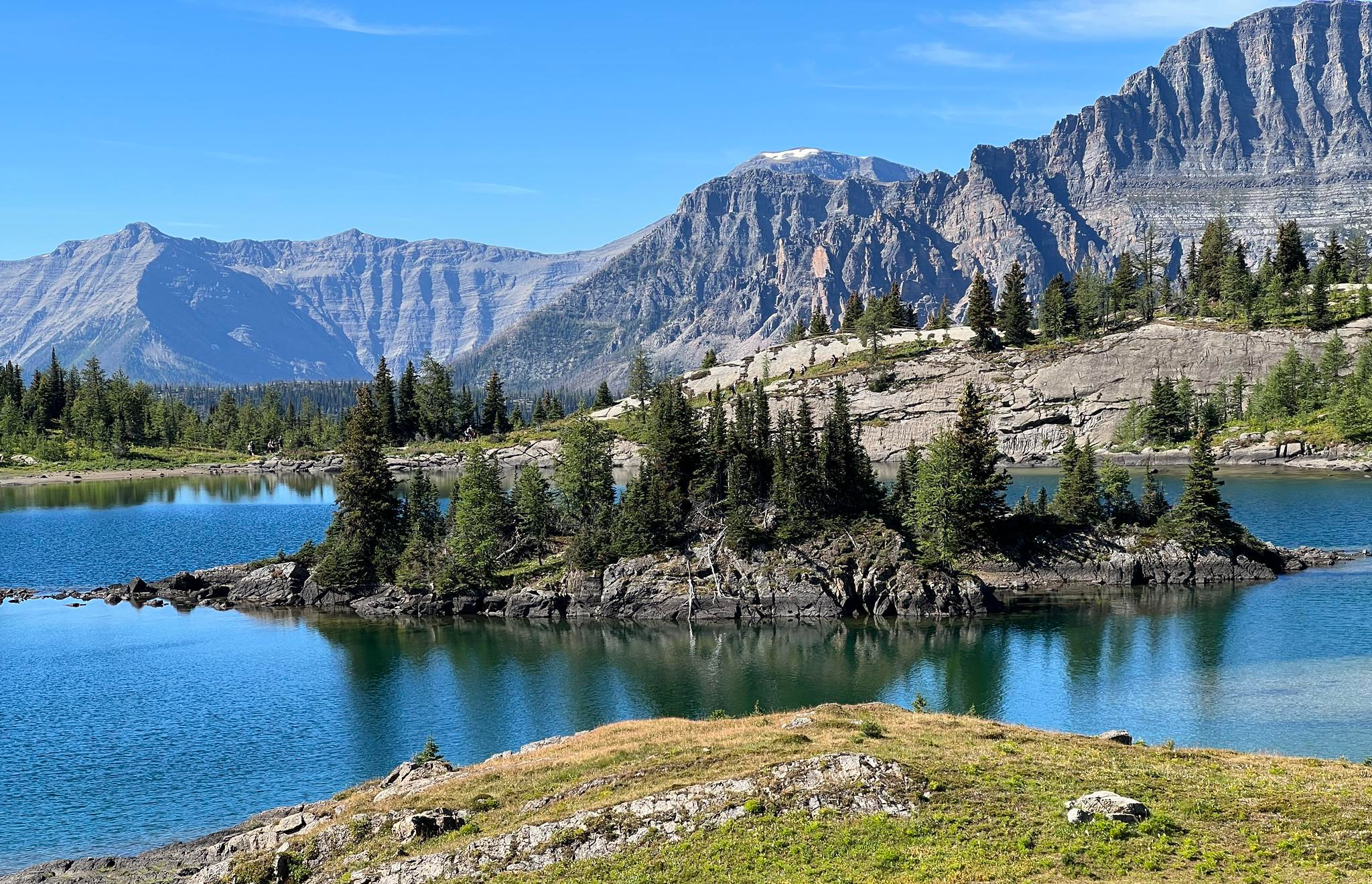
Great Divide Trail – Section A to E: Waterton to Maligne Lake
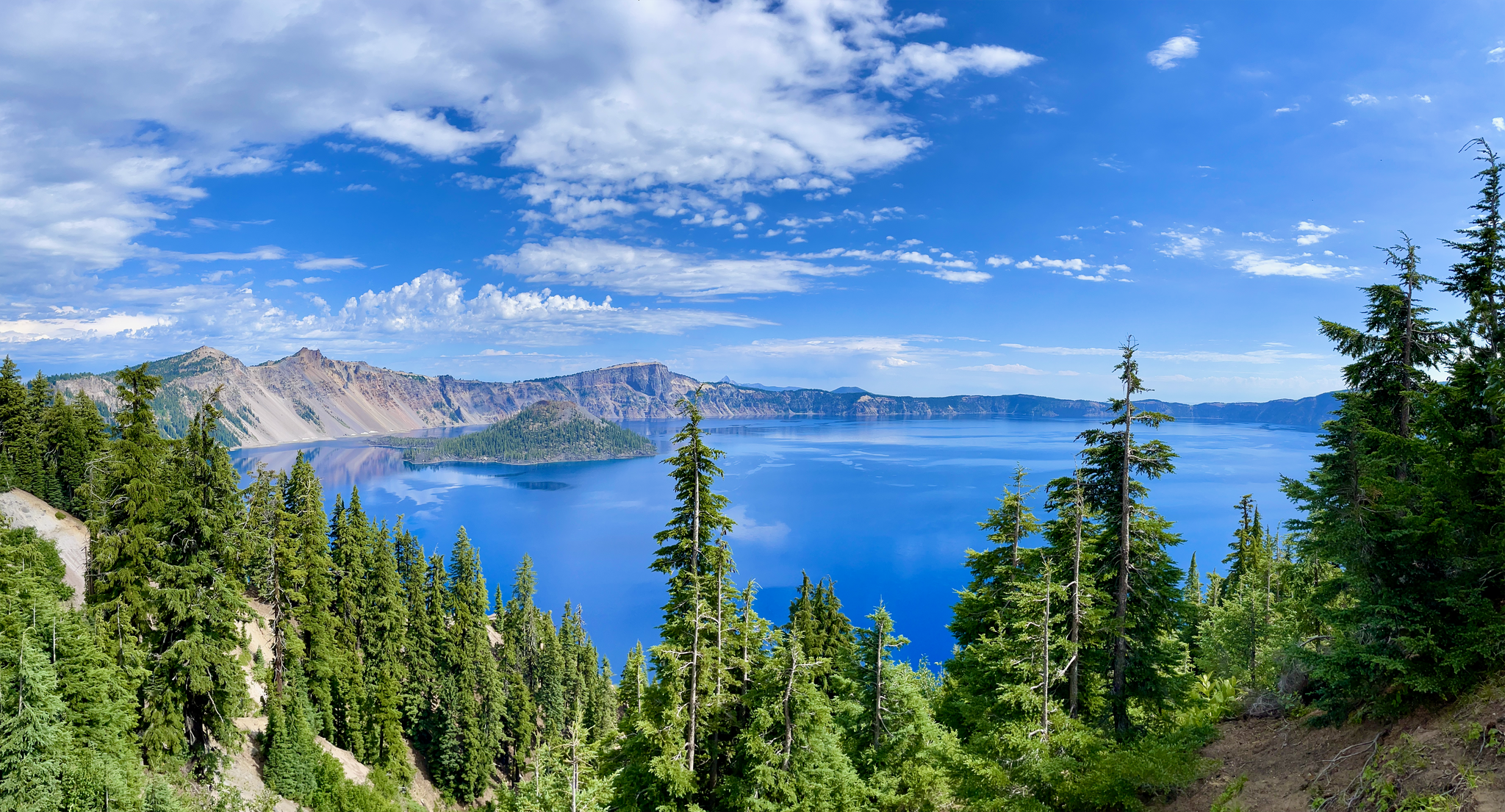
The pristine beauty of the US National Parks
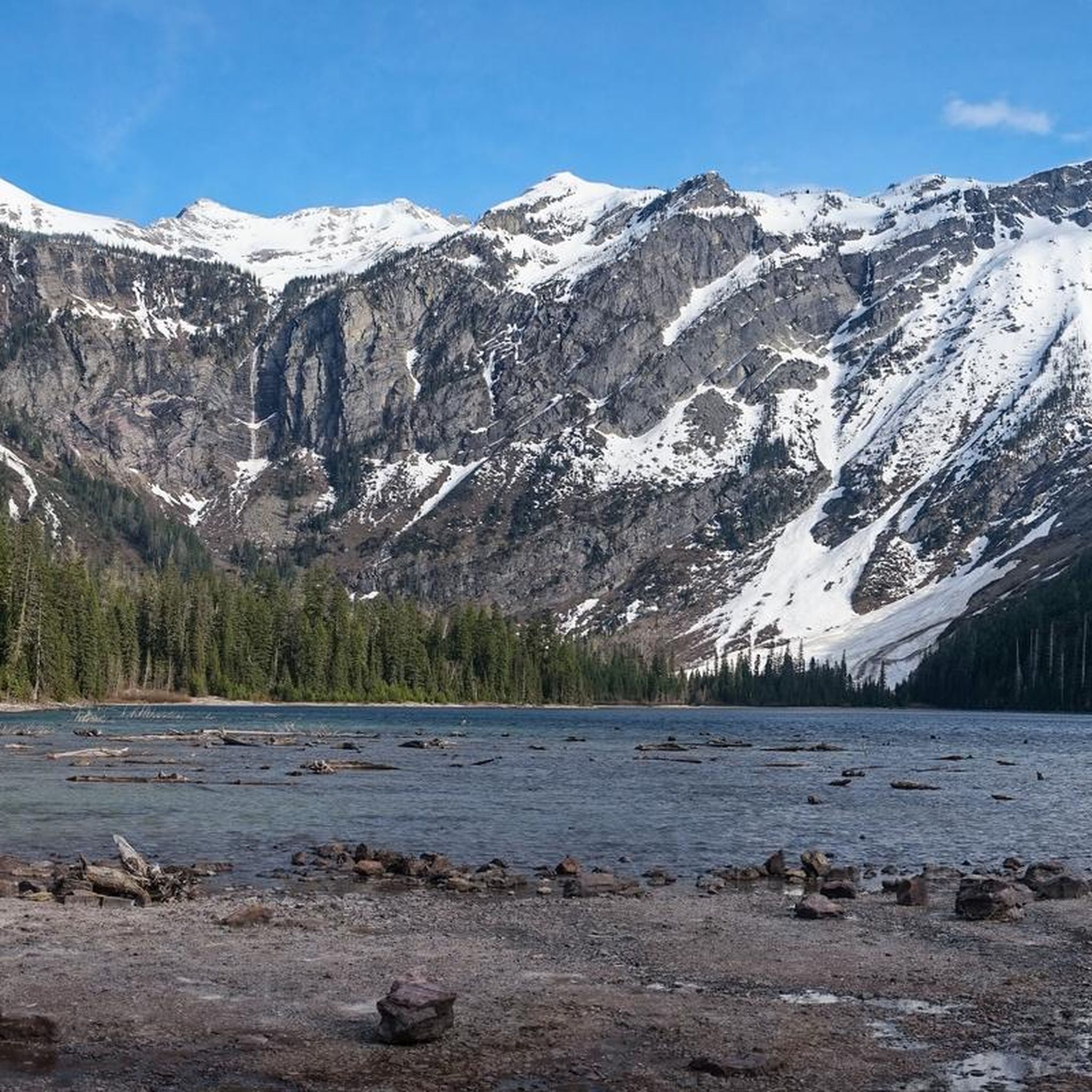
Hiking in the Lewis Range
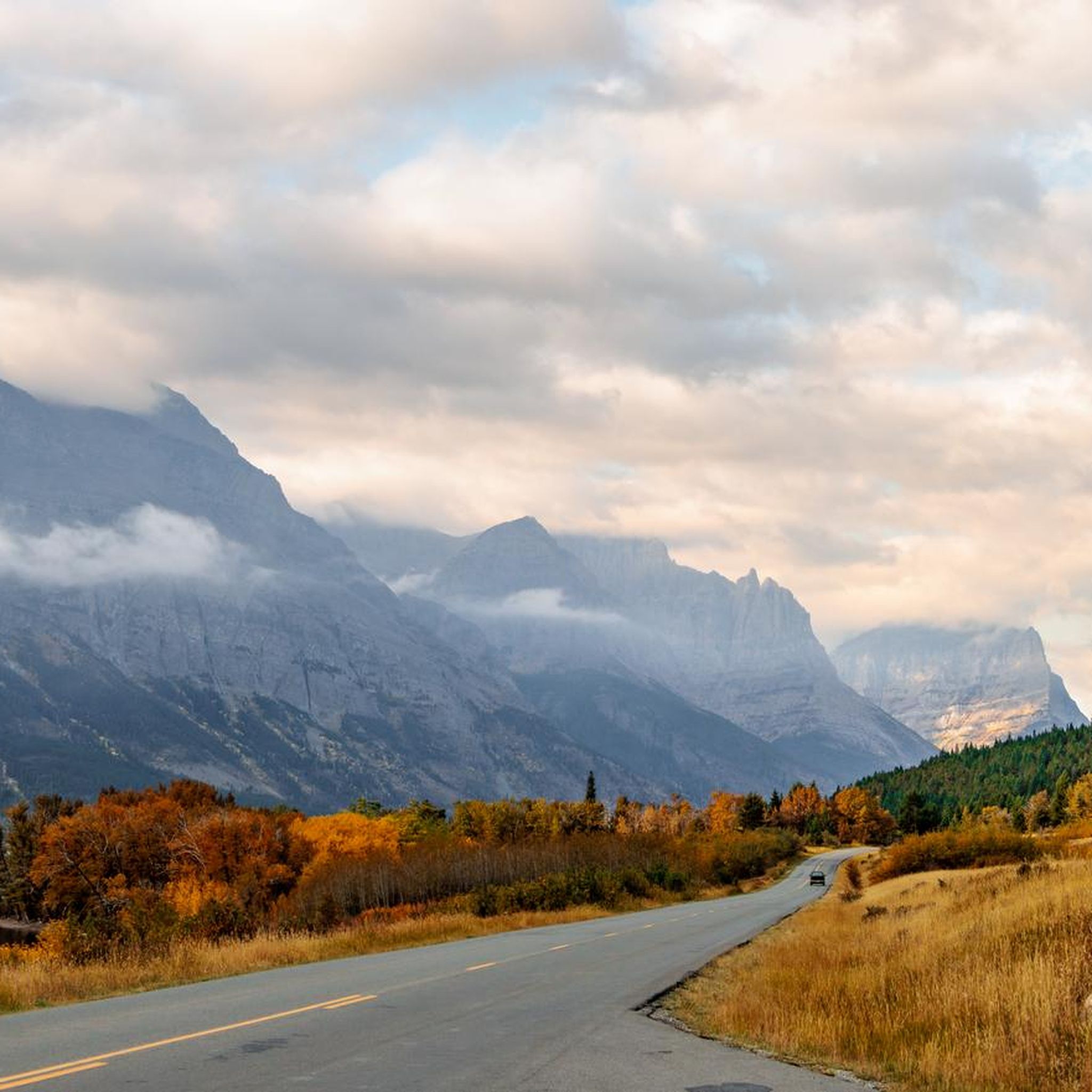
Cycling in the Lewis Range
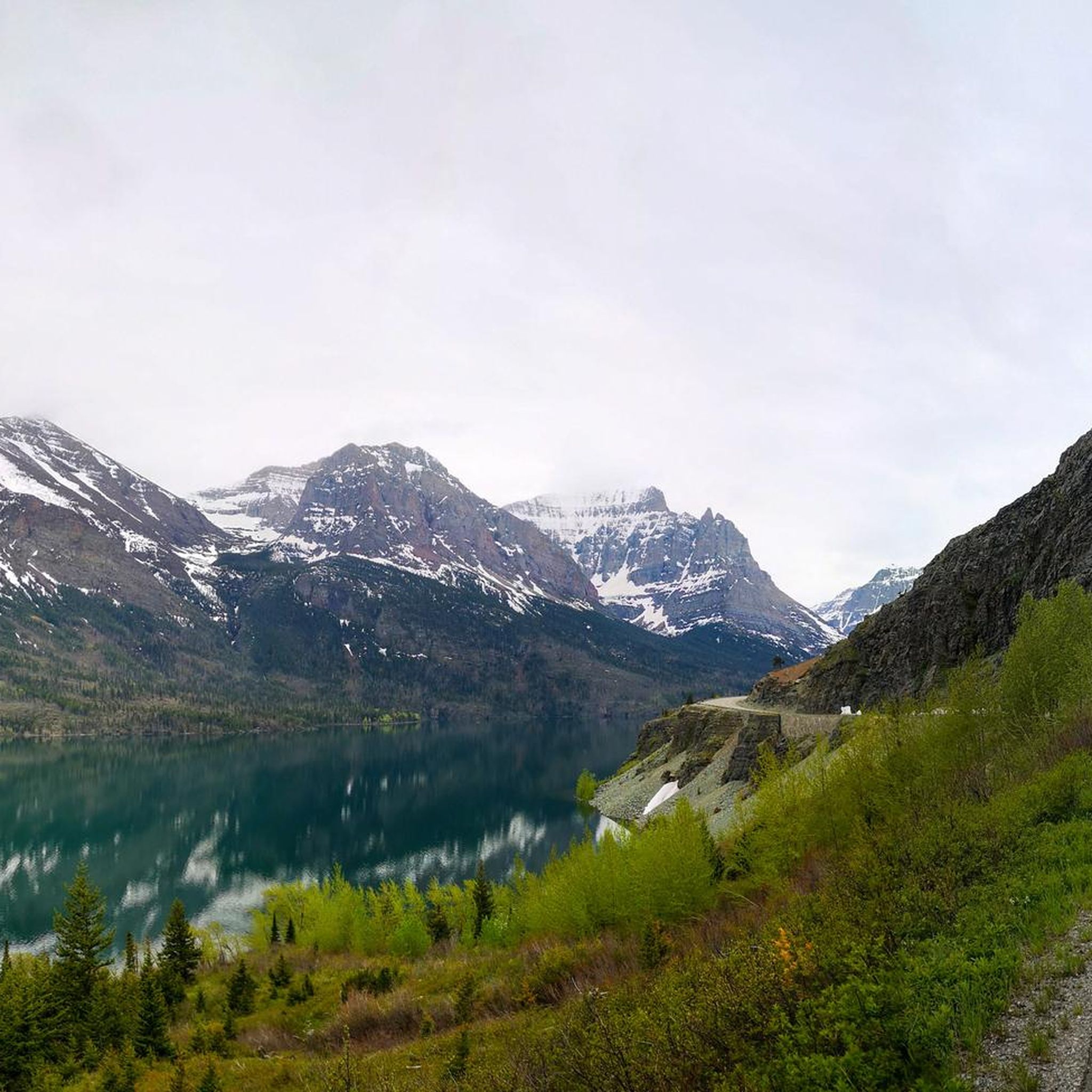
Road Cycling Routes in the Lewis Range
Running Trails in the Lewis Range
Other adventures in the Lewis Range


Tips from the Community

This area is really so incredibly beautiful.
3
0

Reaching the summit of Logan Pass by bike is a true high point—literally and figuratively—of any ride in Glacier National Park. At 6,646 feet, the pass straddles the Continental Divide and offers sweeping views of alpine meadows, rugged peaks, and likely some mountain goats. The visitor center at the top has restrooms, water, interpretive displays, and rangers on hand to answer questions. It’s also a jumping-off point for iconic hikes like the Hidden Lake Overlook and Highline Trail.
0
0

Glacier National Park spreads out over 1 million acres and is home to over 130 named lakes, rugged mountains, and dense forests. Established as the 10th national park in the United States, it was carved by ancient glaciers, creating U-shaped valleys. It once had 150 glaciers; only about 25 remain today, with projections indicating they may vanish by 2030 due to climate change. The area was home to multiple tribes, such as the Blackfeet, Salish, Kootenai, and Pend d’Oreille, who have inhabited the region for over 10,000 years.
0
0

This is a stunning and scenic road that traverses the Continental Divide at Logan Pass. This road, recognized as an engineering marvel and a National Historic Landmark, offers unparalleled vistas of snow-capped mountains, chances to spot wildlife like mountain goats, bears, bighorn sheep, and the opportunity to ride on one of the nation's most scenic routes. It's essential to be aware of peak season restrictions, which are enforced from June 15 through Labor Day. These restrictions include a ban on bicycles between Apgar Campground and Sprague Creek Campground in both directions from 11 am to 4 pm. During the spring, before full vehicle access begins, cyclists can enjoy a more leisurely ride without any restrictions. For detailed information, please refer to the National Park Service (NPS) website.
0
0

Triple Divide Peak is an extremely unique geological feature! Two of the continents principal divides (the Northern Divide and the Continental Divide) converge at this exact point and form the “hydrological apex” of North America. That is to say, if a drop of rain landed on the very top of this peak, it could flow into any one of three oceans: The Hudson Bay, the Atlantic, or the Pacific! Rainfall on the southwestern side of the peak will eventually drain into the Pacific Ocean near Astoria, Oregon. Rainfall on the northern side will drain into the Hudson Bay. And rainfall on the southeastern side will make its way down to New Orleans, emptying into the Gulf of Mexico- part of the Atlantic Ocean. Incredible!
1
0
Stoney Indian Pass is the route less traveled by as CDT hikers begin (or end) their journey, though as you can see, it is absolutely worth taking as an alternate if you choose not to enter Canada! Along the west side of the pass, you are treated to the gorgeous Stoney Indian Lake, while the east side of the pass is laden with waterfall after breathtaking waterfall, all set against the backdrop of stunning glacially carved peaks!
0
0

Glacier National Park is one of the most popular National Parks in the United States. Most of the Montana visitors just travel to the state to see the park and its natural beauty. The landscape was shaped during the last ice age by huge glaciers that gave the park its name. You will find stunning ice blue lakes, towering mountains and wildlife is abundant. Glacier National Park is also home of black bears and Grizzlies. The iconic Continental Divide Trail start at the Canadian border of Glacier National Park and runs through it. Backcountry camping is only allowed in established campground and you will need to apply for a permit as early as possible.
3
0

A small trail that offers good insights into the magnificent nature that you can experience on a hike. Is not far from the visitor center.
1
0
Frequently Asked Questions
What are some of the most scenic mountain passes in the Lewis Range?
For breathtaking views, Logan Pass is a must-visit, offering panoramic vistas and serving as the highest point reachable by car in Glacier National Park. The Siyeh Pass Switchbacks also provide dream views of Goat Mountain, Boulder Creek, lakes, and glaciers. Additionally, the Going-to-the-Sun Road Trail, which traverses the Continental Divide at Logan Pass, is renowned for its unparalleled vistas of snow-capped mountains.
Are there historical mountain passes in the Lewis Range region?
Yes, the region is rich in history. Lewis and Clark Pass, located on the Continental Divide, is unique as the only roadless mountain pass on the entire Lewis and Clark National Historic Trail. It was a crucial pathway for Native Americans for thousands of years. Another historically significant pass is Marias Pass, known for its role in transportation history and geological formations. While not strictly within the Lewis Range, Lemhi Pass, where Meriwether Lewis first crossed the Continental Divide in 1805, is also a National Historic Landmark offering an immersive historical experience.
What kind of wildlife can I expect to see around the Lewis Range mountain passes?
Wildlife viewing is a common and exciting experience around the Lewis Range passes. At Logan Pass, you might spot bighorn sheep, mountain goats, marmots, and pikas, with occasional bear sightings. The historic Lewis and Clark Pass is also one of the few places along the expedition's route where grizzly bears might still be encountered. In areas like Lemhi Pass, you have a greater chance to see elk, deer, and moose.
What hiking opportunities are available near the mountain passes in the Lewis Range?
The Lewis Range offers numerous hiking opportunities. From Logan Pass, popular trails include the Hidden Lake Overlook Trail and the iconic Highline Trail. Other notable hikes in the region include the Bullhead Lake via Swiftcurrent Pass Trail, Iceberg Lake Trail, and the St. Mary and Virginia Falls Trail. For more detailed information on these and other routes, you can explore the Waterfall hikes in the Lewis Range guide.
Are there family-friendly mountain passes or activities in the Lewis Range?
Yes, several areas cater to families. Logan Pass is considered family-friendly due to its accessibility by car and shorter, well-maintained paths like the one leading to the Hidden Lake Overlook. The Marias Pass Memorial Square is also listed as family-friendly, offering historical interest in an accessible setting.
What is the best time of year to visit the mountain passes in the Lewis Range?
The best time to visit the mountain passes in the Lewis Range is typically during the summer months, from late June through early September, when the roads and trails are generally free of snow and fully accessible. This period offers the most favorable weather for hiking and sightseeing. However, it's always advisable to check current conditions, especially for higher elevation passes like Logan Pass, as snow can persist into July.
What are the cycling options around the mountain passes in the Lewis Range?
The Lewis Range provides excellent cycling opportunities, particularly along the famous Going-to-the-Sun Road Trail. This road offers challenging rides with incredible scenery. Cyclists can explore routes like the Logan Pass loop from Lake McDonald Lodge or Avalanche Creek. During the spring, before full vehicle access, cyclists can enjoy a more leisurely ride without restrictions. For more cycling routes, refer to the Road Cycling Routes in the Lewis Range guide or the Cycling in the Lewis Range guide.
What geological features are prominent in the Lewis Range mountain passes?
The Lewis Range is renowned for its dramatic landscapes shaped by the ancient Lewis Overthrust, a significant geological event where older Precambrian rocks were pushed over younger Cretaceous formations. This geological history contributes to the rugged and unique mountain peaks. You can observe these dramatic folded layers along passes like Marias Pass, which offers a unique blend of natural beauty and geological significance.
Are there any challenging mountain passes for experienced hikers in the Lewis Range?
Yes, for experienced hikers seeking a challenge, passes like Triple Divide Pass and Stoney Indian Pass are categorized as challenging. The ascent to the Siyeh Pass Switchbacks also requires stamina, with steep switchbacks and scree making the walk difficult but rewarding with views of the Preston valley.
What do visitors enjoy most about the mountain passes in the Lewis Range?
Visitors consistently praise the incredible natural beauty and stunning views found throughout the Lewis Range. Many highlight the well-maintained paths and the opportunity to experience magnificent nature on hikes, especially from places like Logan Pass. The chance to spot abundant wildlife, from bighorn sheep to bears, and the sense of awe inspired by the dramatic landscapes shaped by ancient glaciers are also frequently mentioned as major draws.
Can I find camping facilities near the mountain passes?
Yes, there are camping facilities available in the vicinity of the Lewis Range mountain passes. For instance, the Summit Campground ⛺️ Continental Divide Trail is a facility located near a mountain pass, offering a convenient stop for those exploring the area. Within Glacier National Park, backcountry camping is allowed in established campgrounds, though permits are required and should be applied for in advance.
What is the significance of the Continental Divide in the Lewis Range?
The Continental Divide traverses much of the higher elevations of the Lewis Range, forming a crucial geographical feature. Passes like Logan Pass and Lewis and Clark Pass are situated directly on the Continental Divide. This means that water on one side flows towards the Pacific Ocean, while water on the other side flows towards the Atlantic or Arctic Oceans, making it a fascinating point of interest for visitors.
Most popular routes in the Lewis Range
Most popular attractions in the Lewis Range

Get inspired with the komoot mobile app


Explore more
See even more epic mountain passes by checking out these guides in the Lewis Range:
