Top 6 Caves in Dorset
Best caves in Dorset are found within a county known for its dramatic coastline and rich geological history. The region features a selection of intriguing caves, showcasing both natural formations and areas marked by human activity. Dorset's landscape includes notable limestone strata, chalk headlands, and disused quarries. These sites offer insights into geological processes and industrial heritage.
Best caves in Dorset
- The most popular caves is Stair Hole rock arches, a natural monument that is a small cove where you can see the extraordinary folds of limestone strata known as the ‘Lulworth Crumple’. This unique rock structure was created during the Alpine orogeny and exposed by subsequent erosion.
- Another must-see spot is Bat's Head and Butter Rock, a natural monument which is a chalk headland on the Dorset coast with a small cave at its base. It offers views over the coastline and to the rock arch of Durdle Door, with the distinct Butter Rock nearby.
- Visitors also love Winspit Quarry Caves, a disused stone quarry on the cliffs near Worth Matravers. It operated until around 1940, providing stone for buildings, and has been used as a filming location.
- Dorset is known for its natural formations, disused quarries, and sea caves. These range from geological wonders to historical sites and coastal features.
- The caves in Dorset are appreciated by the komoot community. With over 240 upvotes and 120 photos, the komoot community appreciates these diverse locations.
Last updated: October 11, 2026
Stair Hole rock arches
Highlight • Natural Monument
Tip by

Winspit Quarry Caves
Highlight • Cave
Winspit is a disused quarry on the cliffs near Worth Matravers in the Isle of Purbeck, Dorset, England that is no longer in use. To the west and east are the hills of West Man and East Man.
Until around 1940 Winspit was used as a stone quarry, providing stone for buildings in London. During World War II it was used as a site for naval and air defences. After the war the caves were opened to the public. They were used as a location for the planet Mecron II in the Blake's 7 episode "Games", and in Doctor Who they were used in the story "The Underwater Menace", and then as the planet Skaro in the serial "Destiny of the Daleks", the quarry's stone cottage and two other larger buildings, (which were just empty derelict shells, with their roofs missing), were used in "Destiny", they were transformed into the external ruins of the long abandoned Dalek city and disused Kaled Bunkers. Later for the 2012 Disney film John Carter it was used as the scene location for the "Orkney Dig". The quarry is now a lesser-known tourist attraction. Recently many of Winspit's caves have been closed off for public safety and bat conservation.
en.wikipedia.org/wiki/Winspit
Tip by

Sign up now to discover places like this
Get recommendations on the best single tracks, peaks, & plenty of other exciting outdoor places.
Bat's Head and Butter Rock
Highlight • Natural Monument
Translated by Google •
Tip by

Cave Hole
Highlight • Viewpoint
The Blow Hole of Cave Hole.
Cave Hole was earlier known as Keeve's Hole and regularly featured in recorded history and wider lore of smuggling. It is made up of a series of caves with steep roof sections, tunnels and ledges, and represents the first stage in cave collapse. The cave and its surrounding area is frequently used for deep-water soloing. The cave's blowhole, which stretches far into the solid rock, was formed when the roof of the cave was broken through to the surface. For the protection of people looking down into the cave, an iron grill has been installed across it. Whenever a powerful easterly gale occurs, the sea shoots up through the fissures.
Various small craft have been driven into the cave by east and south easterly gales, the largest of which was a 40-ton vessel from Cowes in 1780. Frank and Ann Davison were shipwrecked at the cave in 1949. The pair had set sail for the West Indies. Frank drowned but Ann managed to scramble ashore. A local tale has long reputed that the cave is home to Roy Dog - a black dog, "as high as man, with large fiery eyes, one green, one red". It is said that the creature emerges from the watery depths to seize any traveler passing by Cave Hole and drags them down into his dark watery domain.
Tip by

View of Tilly Whim Caves
Highlight • Natural Monument
Translated by Google •
Tip by

Start today with a free account
Your next adventure awaits.
Popular around Dorset
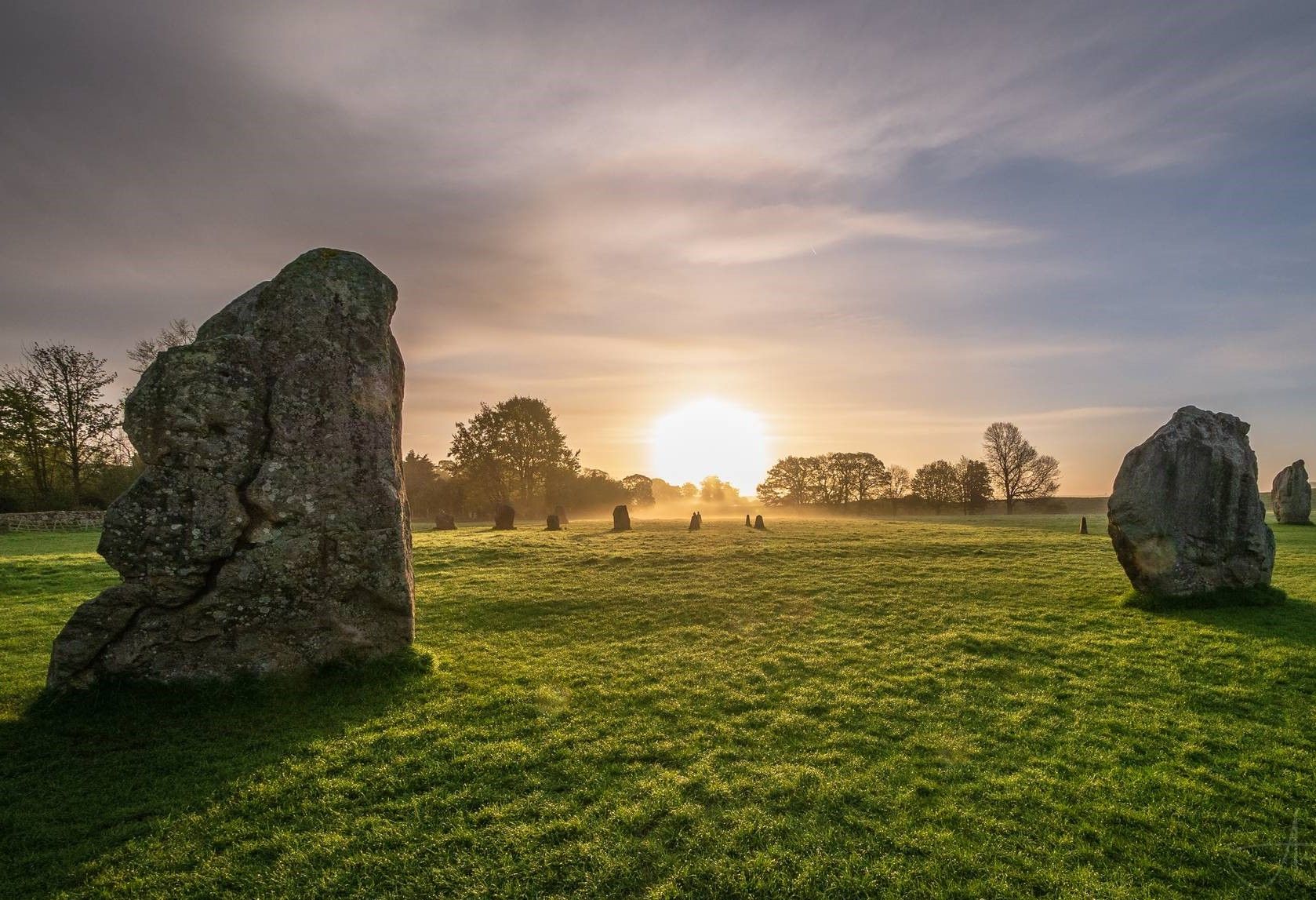
Celtic Way — An epic pilgrimage through prehistory and wild beauty
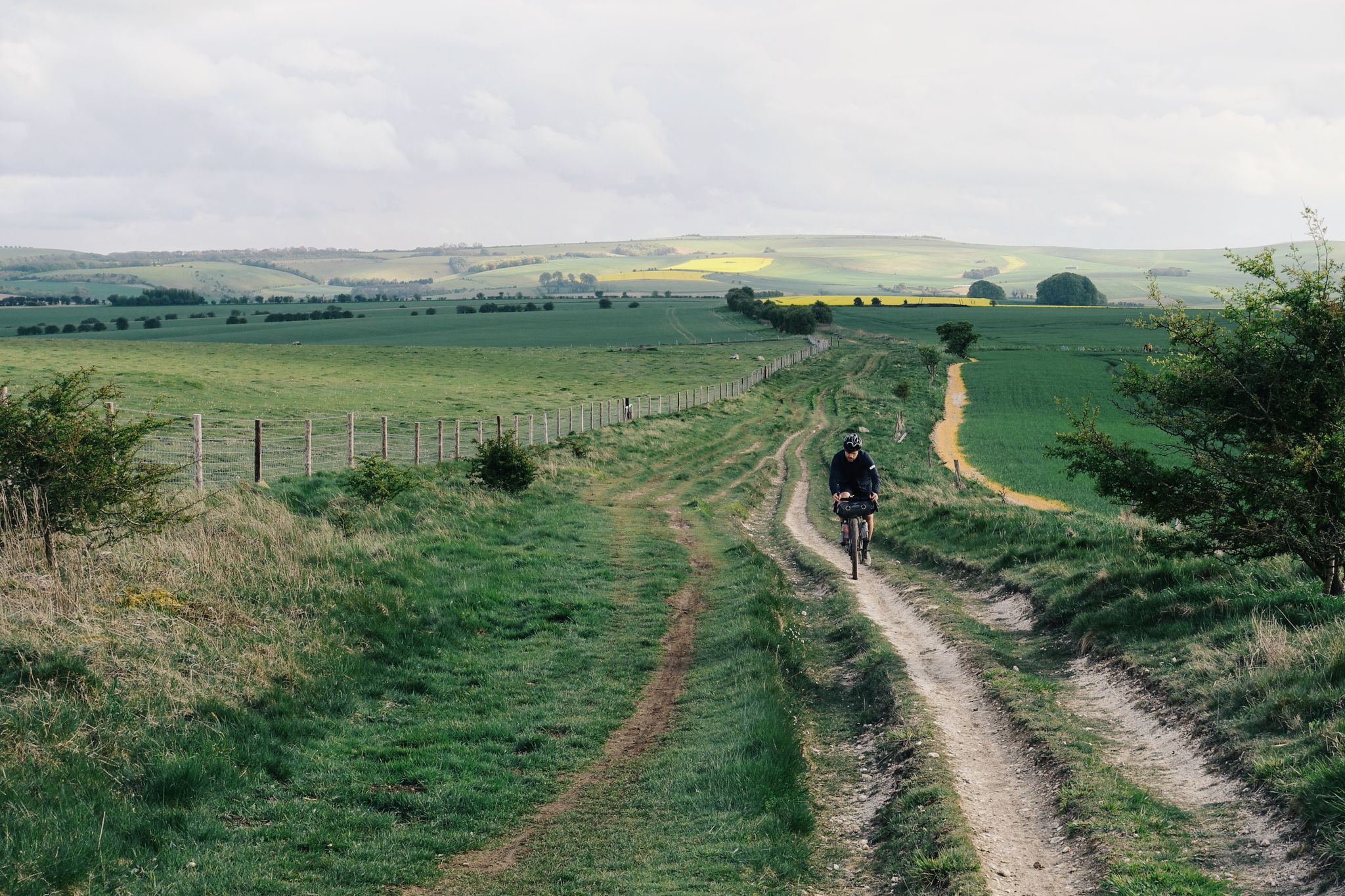
The Old Chalk Way
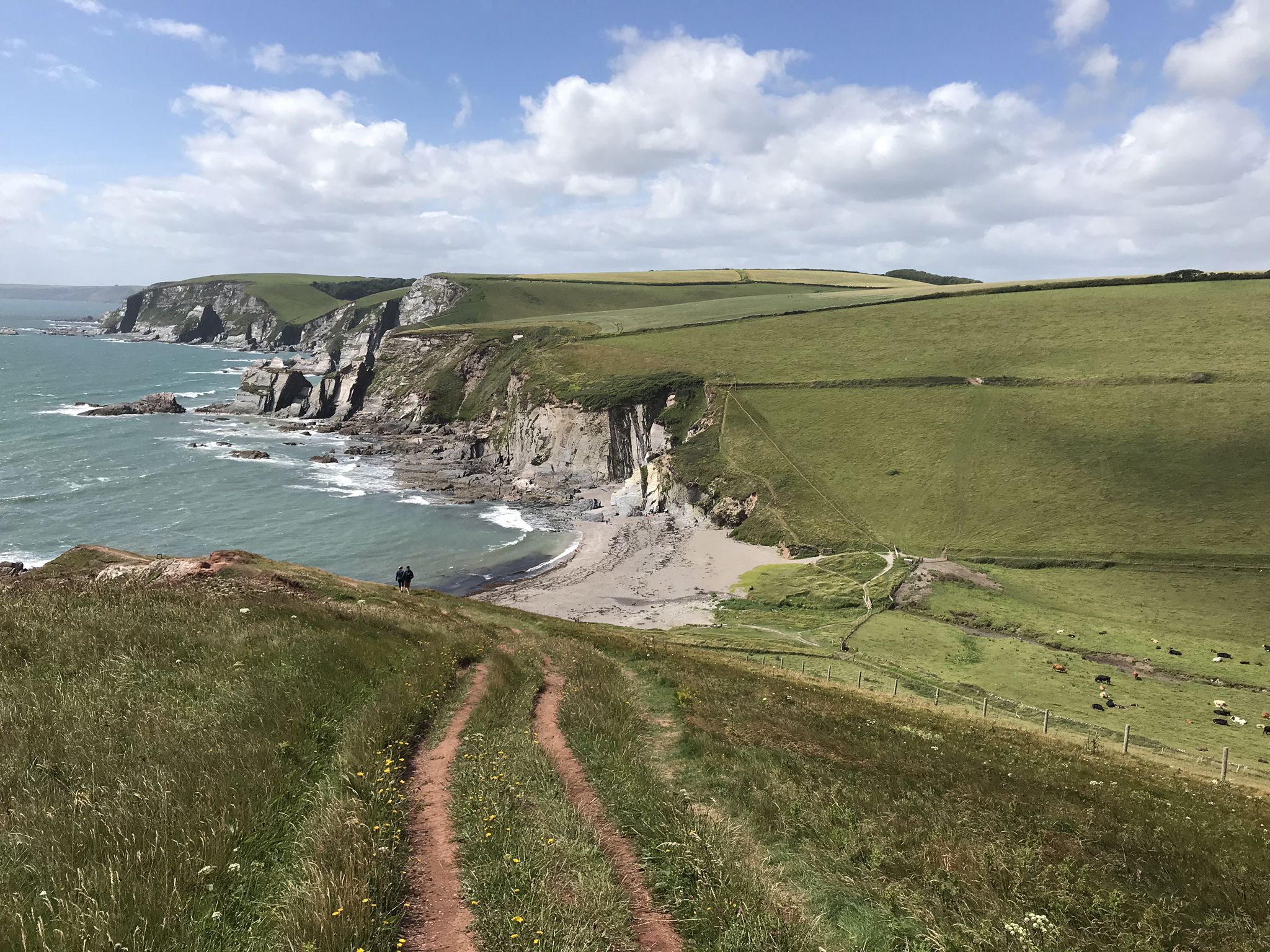
E9 Plymouth to Dover — An epic exploration of England's south coast
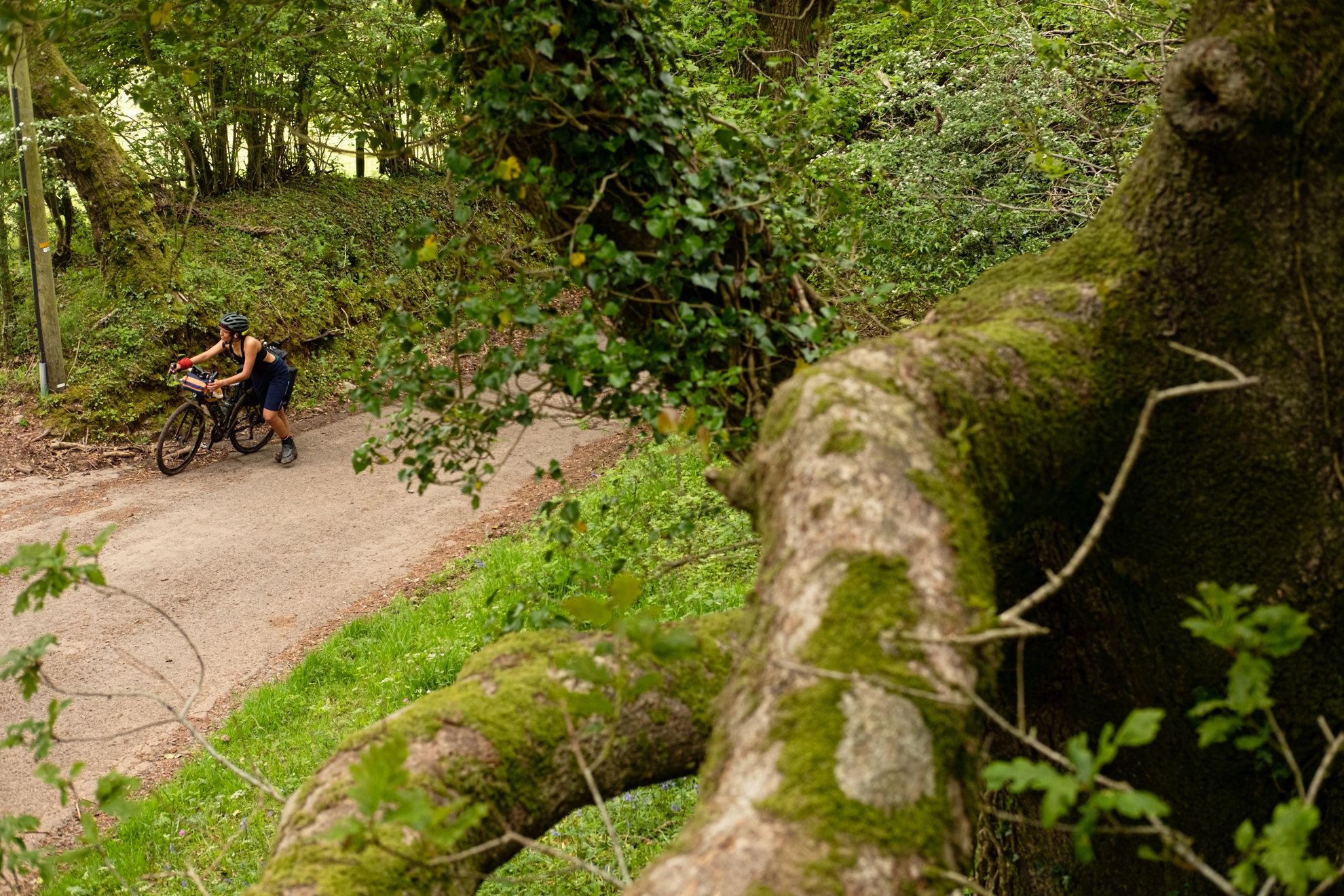
Just Around The Corner — exploring the best of the South West by bike
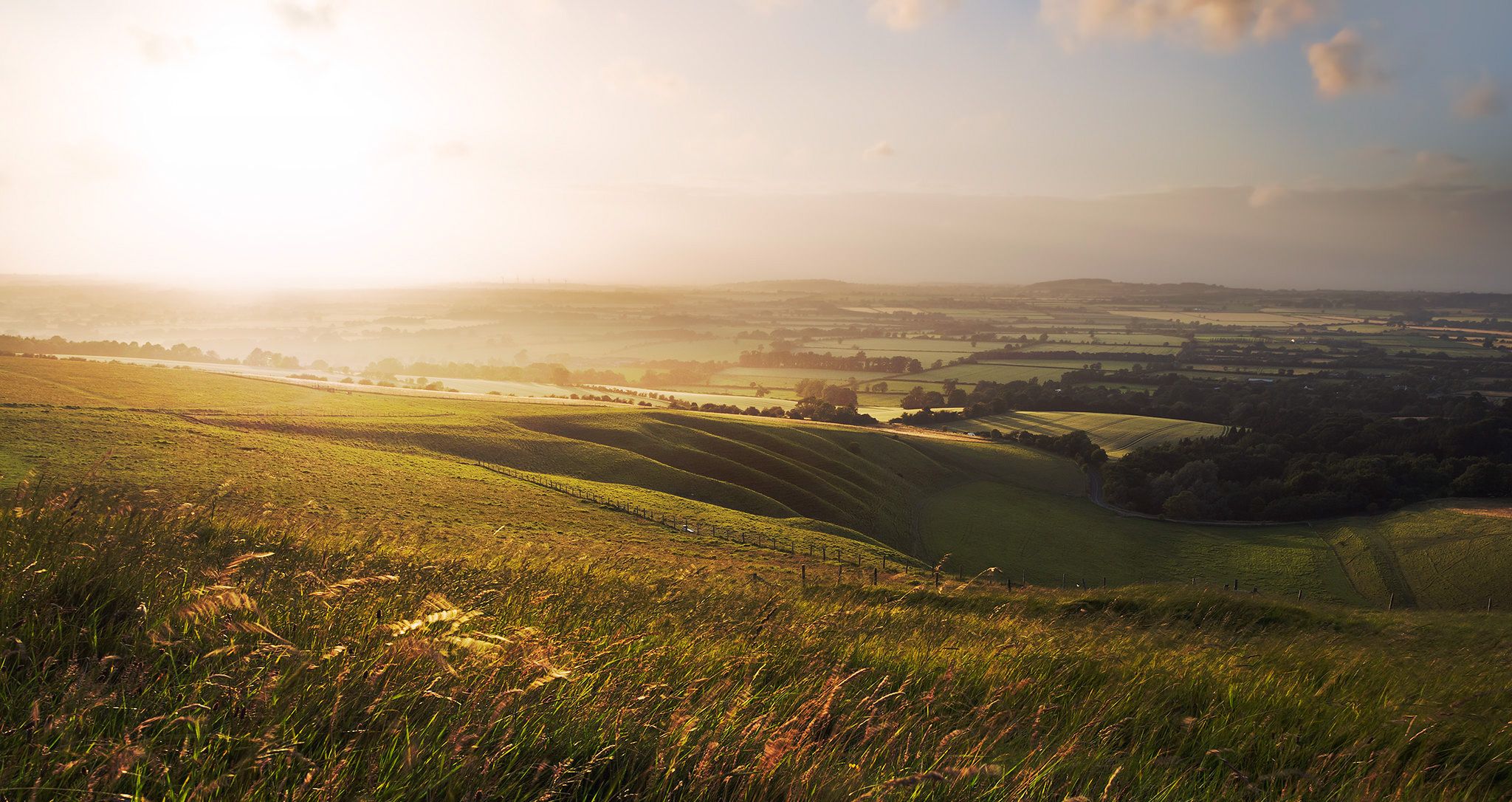
Hiking the Greater Ridgeway — Following Roman roads across England
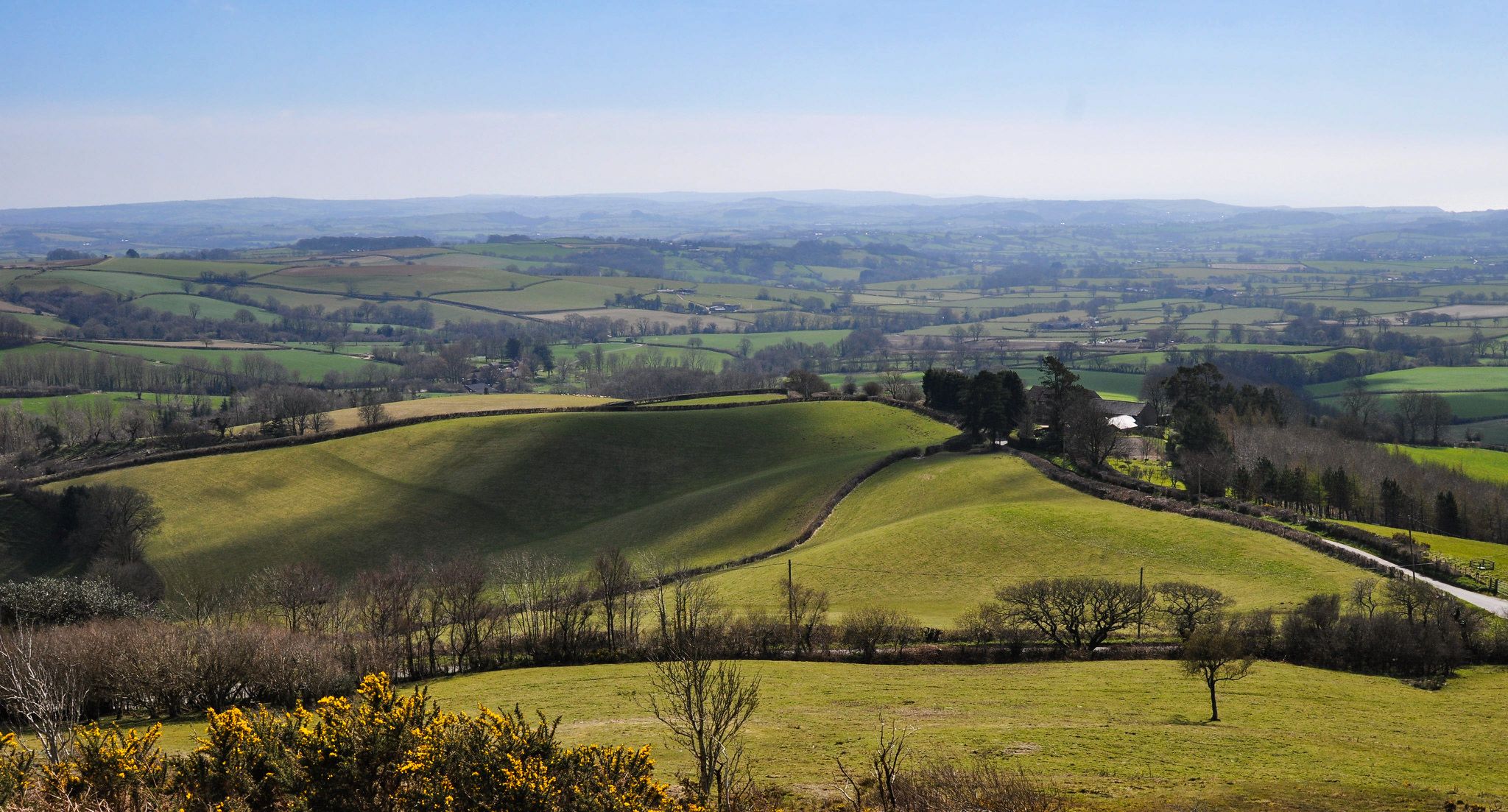
Hiking the Orange Way — Southern England in the footsteps of a king

Cycle the Greater Ridgeway Trail — English Channel to North Sea

Wessex Ridgeway — An ancient and beautiful ridge hike
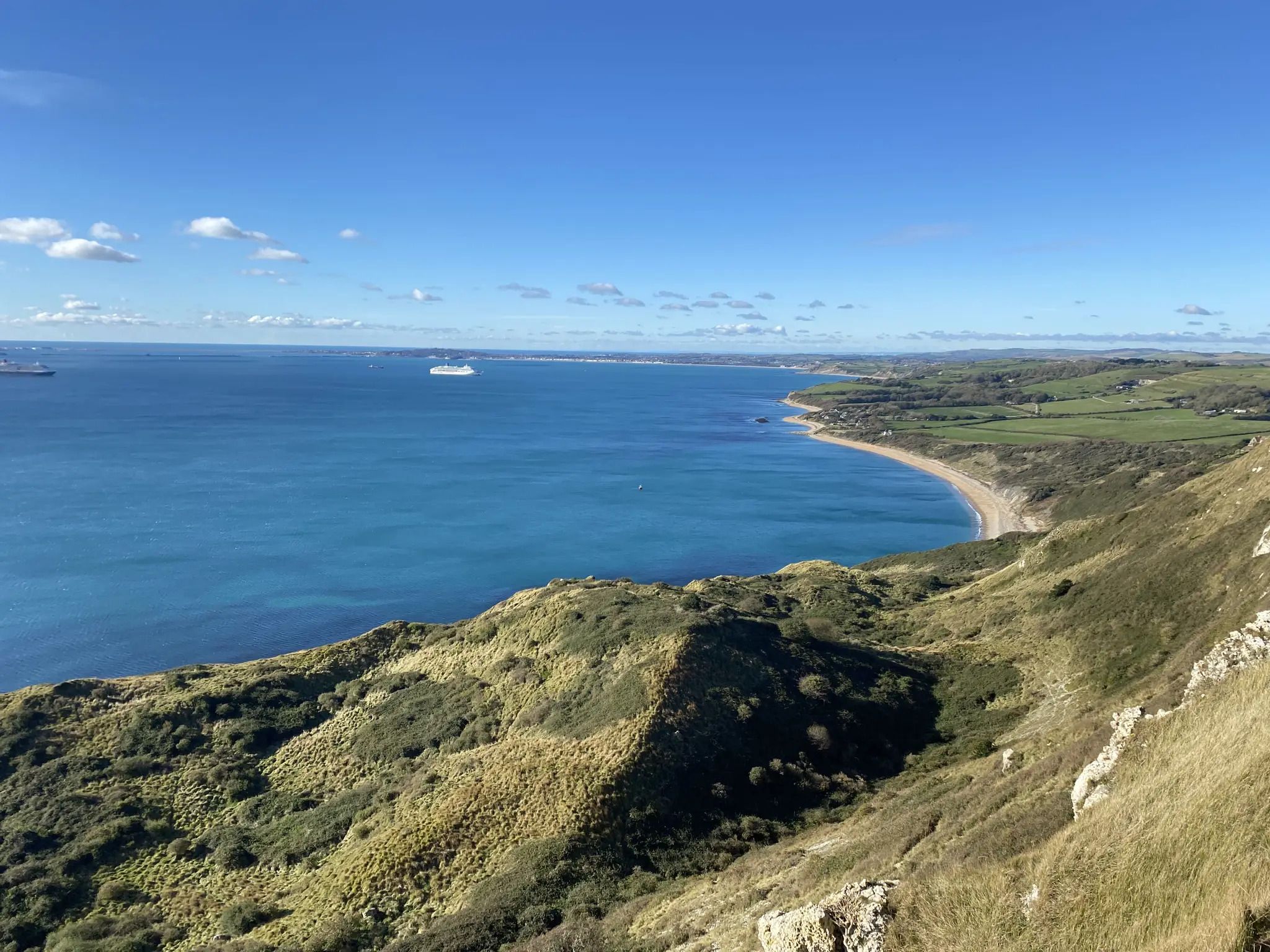
Jurassic Coast – Long Distance Walking in the South of England
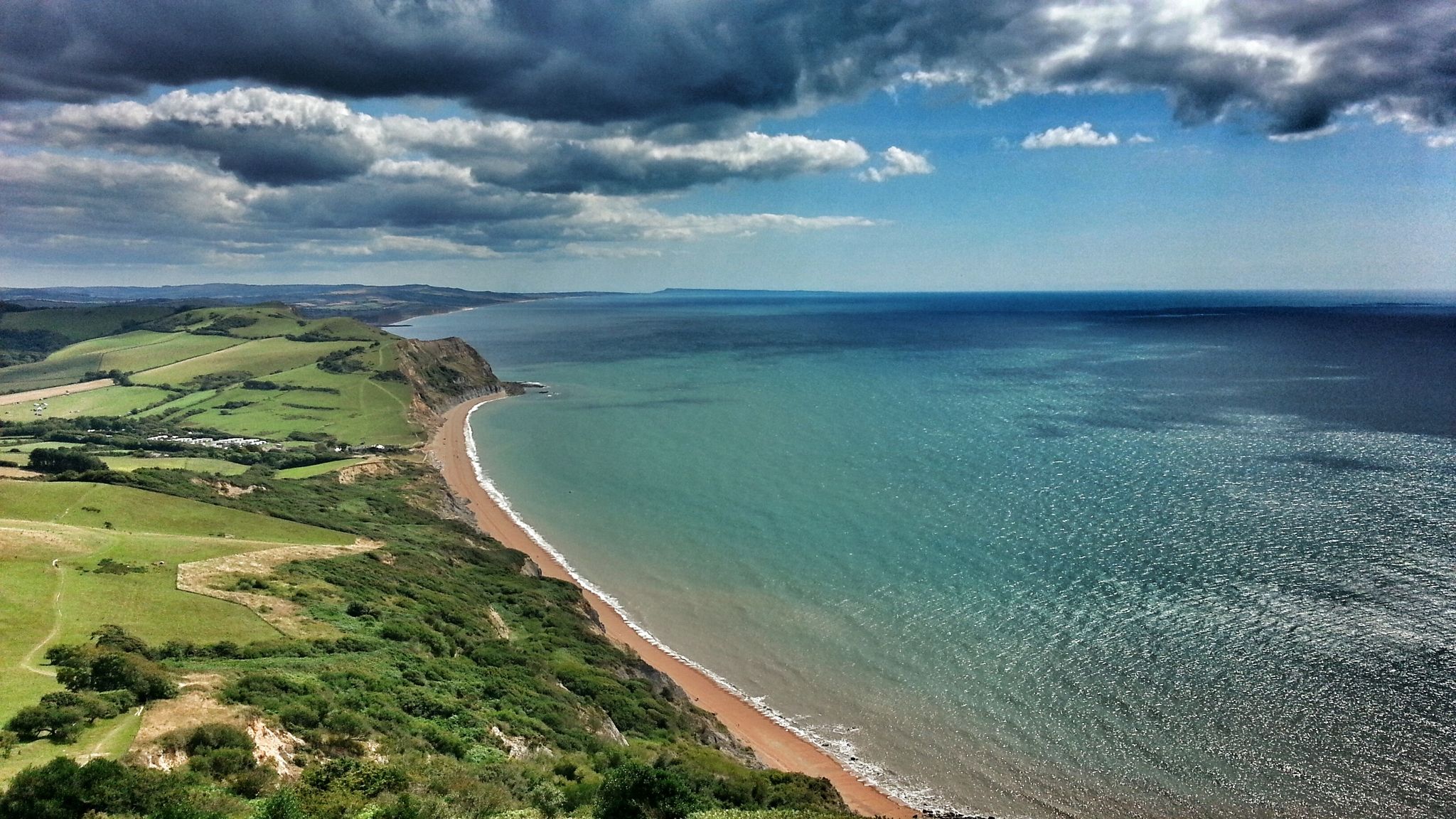
Monarch's Way: Part 3 — Conquer the longest inland trail in England
Other adventures in Dorset


Tips from the Community

A short detour to Stair Hole is worthwhile. The bizarrely shaped rock blocks and the limestone formation eroded by the sea offer a fascinating insight into the forces of erosion. The viewpoints also offer beautiful photo opportunities of the rugged coast and the turquoise water.
2
0

A great space for lunch and to explore for heading back up onto the coast path
0
0

Stair Hole is a fascinating and impressive place on the Jurassic Coast in southern England that is definitely worth a visit. The cliffs and rocks that jut out into the sea here are breathtakingly beautiful and provide a dramatic backdrop for photographers and nature lovers. Particularly impressive is the natural rock formation that leads into the water like a staircase (hence the name) – a real highlight for any visitor. The area is perfect for coastal walks, where you can enjoy the fresh sea air and admire the impressive natural surroundings. Stair Hole is a place that combines tranquility and beauty and leaves a lasting impression. An absolute must for anyone who wants to experience the wild beauty of the English coast!
3
0

A wonderful area. Breathtaking views of the cliffs and the sea; it's worth coming here for hiking and, in the summer, definitely for swimming. I recommend staying at the nearby Durdle Door Holiday Park.
0
0


The quarry caves are closed now due to rock falls. And if you weren't aware, there is a bat cave located just off the main path as you go up the steep hill to the east, home to the Greater Horseshoe bat.
0
0

Kayakers often drive through the small cave. It is beautiful to look at and the colorful kayaks with the turquoise sea make a beautiful photo opportunity
5
0

Old disused quarry
0
0
Frequently Asked Questions
What are the most popular caves and geological formations to visit in Dorset?
Dorset offers a variety of intriguing sites. Among the most popular are Stair Hole rock arches, known for the extraordinary 'Lulworth Crumple' limestone folds, and Winspit Quarry Caves, a disused quarry with industrial history. Another notable spot is Bat's Head and Butter Rock, a chalk headland featuring a small cave at its base.
Are there any caves in Dorset with historical significance?
Yes, several caves in Dorset have rich histories. Winspit Quarry Caves were a working stone quarry until around 1940 and served as a filming location for TV shows. Cave Hole on the Isle of Portland has a history tied to smuggling, and the Smugglers' Cave in Bacon Hole was historically used for storing contraband.
What natural features can I expect to see when visiting Dorset's caves?
Dorset's caves and coastal formations showcase diverse natural features. At Stair Hole rock arches, you can observe the 'Lulworth Crumple,' an impressive example of folded limestone strata. Bat's Head and Butter Rock features a chalk headland and a small cave, offering views of the coastline. Cave Hole is known for its blowhole, where sea spray dramatically shoots up during gales.
Are there family-friendly caves or accessible options in Dorset?
While many caves in Dorset require careful exploration, Stair Hole rock arches offers relatively easy access via a path, including options for wheelchairs, making it a good choice for families or those seeking easier access to geological wonders. Some parts of Winspit Quarry Caves are currently closed due to rock falls and bat conservation, so always check local conditions.
What outdoor activities can I do near the caves in Dorset?
The area around Dorset's caves offers various outdoor activities. You can find numerous cycling routes, including road cycling, gravel biking, and general touring. For example, explore Road Cycling Routes in Dorset, discover Gravel biking in Dorset, or check out general Cycling in Dorset for routes that pass near many coastal attractions.
What should I know about visiting Winspit Quarry Caves?
Winspit Quarry Caves are a disused stone quarry near Worth Matravers, known for their industrial history and use as a filming location. However, it's important to note that some parts of the quarry caves are currently closed to the public due to rock falls and for bat conservation. Always respect signage and safety warnings.
Are there any caves in Dorset known for deep-water soloing?
Yes, Cave Hole on the Isle of Portland is a popular spot for deep-water soloing. This large cave, also known as Keeve's Hole, features a series of tunnels, ledges, and steep roof sections, making it an attractive location for this climbing activity.
What is the best time of year to visit the caves in Dorset?
While specific conditions can vary, visiting Dorset's coastal caves is generally more pleasant during milder weather, typically from spring through early autumn. This avoids the harsher conditions of powerful easterly gales that can affect sites like Cave Hole, where sea spray can shoot up through fissures. Always check local weather and tide conditions before planning your visit.
Can I see wildlife in or near Dorset's caves?
Yes, some caves in Dorset are important for wildlife. For instance, the Tilly Whim Caves, which are former stone quarries, are now closed to the public but serve as nesting grounds for seabirds and roosts for bats. Similarly, parts of Winspit Quarry Caves are closed for bat conservation.
What are the access challenges for caves like the Smugglers' Cave?
The Smugglers' Cave, located in Bacon Hole near Mupe Rocks and Bacon Hole, is known for its remote and rugged location. Access is challenging, typically requiring a walk on foot and access from the beach at Mupe Bay. Its hidden nature and the 45-degree entrance slope due to crumpled strata contribute to its adventurous appeal but also its difficulty.
Are there any caves in Dorset that are former quarries?
Yes, Dorset has several notable former quarry caves. Winspit Quarry Caves is a prominent example, having operated until around 1940. Similarly, the Tilly Whim Caves consist of three former stone quarries that were worked predominantly in the 18th century for Purbeck Stone.
Most popular routes in Dorset
Most popular attractions in Dorset

Get inspired with the komoot mobile app


Didn’t find what you were looking for?
Discover more caves in Dorset region by region:
Explore more
Extend your search for the best caves by checking out these guides of the top ones in Dorset:
