The best hikes from bus stations in Dorset
4.6
(8407)
69,933
hikers
889
hikes
Bus station hiking trails in Dorset offer access to a diverse landscape, characterized by the dramatic coastline of the Jurassic Coast, rolling chalk ridges, and tranquil river valleys. Over half of the county is designated an Area of Outstanding Natural Beauty, providing varied terrain for outdoor activities. The region features limestone cliffs, ancient woodlands, and open heathlands, suitable for different hiking abilities.
Best bus station hiking trails in Dorset
- The most popular bus station hiking route is Kimmeridge Bay and Clavell Tower loop from Kingston — Dorset, a 9.5 miles (15.3 km) moderate trail that takes 4 hours 16 minutes to complete. This route explores coastal paths and offers views of the iconic Clavell Tower.
- Another top favourite among local hikers is Purbeck Ridgeway, a moderate 9.4 miles (15.1 km) path. This trail follows a prominent chalk ridge, providing panoramic views across the Isle of Purbeck and the coastline.
- Local hikers also love the Poole Harbour Trails 4, a 4.3 miles (6.9 km) trail leading through the diverse landscapes around Poole Harbour, often completed in about 1 hour 45 minutes.
- Hiking in Dorset is defined by dramatic coastal paths, rolling chalk ridges, and tranquil river valleys. The network of bus station hiking trails offers options for various ability levels, from easy strolls to more challenging ridge walks.
- The routes in Dorset are highly rated by the komoot community with an average score of 4.6 stars from more than 7,100 reviews. More than 65,000 hikers have used komoot to explore Dorset's varied terrain.
Last updated: October 1, 2026
4.9
(71)
449
hikers
15.3km
04:16
280m
280m
Embark on a moderate 9.5-mile (15.3 km) hike around Kimmeridge Bay and Clavell Tower, offering dramatic coastal views and varied terrain. This route involves 906 feet (276 metres) of elevation gain and typically takes about 4 hours and 16 minutes to complete. You will traverse natural paths, asphalt, gravel, and unpaved sections, including some steep ascents and descents, especially along the South West Coast Path. Look out for the iconic Clavell Tower, a Grade II listed folly perched dramatically above Kimmeridge Bay, providing a stunning visual landmark. From high points like Swyre Head, you can enjoy panoramic vistas of the Jurassic Coast, including Corfe Castle and the Isle of Portland. The trail also winds through woodlands and pastures, offering a diverse walking experience.
Before you set out, be aware that some sections can be narrow and rough, requiring good fitness and sure-footedness. The trail is accessible for much of its length, but prepare for the
4.9
(17)
199
hikers
15.1km
04:15
290m
310m
Moderate hike. Good fitness required. Mostly accessible paths. Sure-footedness required.

4.3
(30)
148
hikers
6.88km
01:45
20m
20m
Embark on Poole Harbour Trails 4, an easy hike that guides you through a pleasant mix of riverside paths and open heathland. This route spans 4.3 miles (6.9 km) with a gentle elevation gain of just 61 feet (18 metres), making it a straightforward option for a relaxing outing. You can expect to complete the journey in about 1 hour and 44 minutes, enjoying views of the River Frome and the rich wildlife of the Purbeck Heaths as you go.
When planning your visit, remember that the trail is generally accessible and suitable for many walkers, with no stiles to navigate. While key junctions are waymarked, it's a good idea to carry a map or leaflet for extra guidance. For details on parking or public transport options to the trailhead, you should check local information specific to Wareham before you set out.
This trail offers a chance to explore the Purbeck Heaths National Nature Reserve, an area known for its diverse birds and marine life. A particular highlight is the View of the Wetlands, providing a scenic backdrop to your hike. You can also discover Wareham's historic Saxon Walls, a well-preserved ancient earthwork, adding a touch of history to your outdoor adventure.
4.5
(17)
121
hikers
8.49km
02:19
130m
130m
Hike the moderate Macmillan Way and Melbury Park Loop, a 5.3-mile (8.5 km) route through Dorset's rolling hills, historic villages, and deer
4.7
(11)
50
hikers
7.98km
02:18
190m
190m
Moderate hike. Good fitness required. Easily-accessible paths. Suitable for all skill levels.
Get access to more routes and recommendations from other explorers.
Already have an account?
Our route recommendations are based on thousands of hikes, rides, and runs completed by other people on komoot.
Start today with a free account
Your next adventure awaits.
Popular around Dorset

Hikes from bus stations in Dorset AONB

Hikes from bus stations around Purbeck
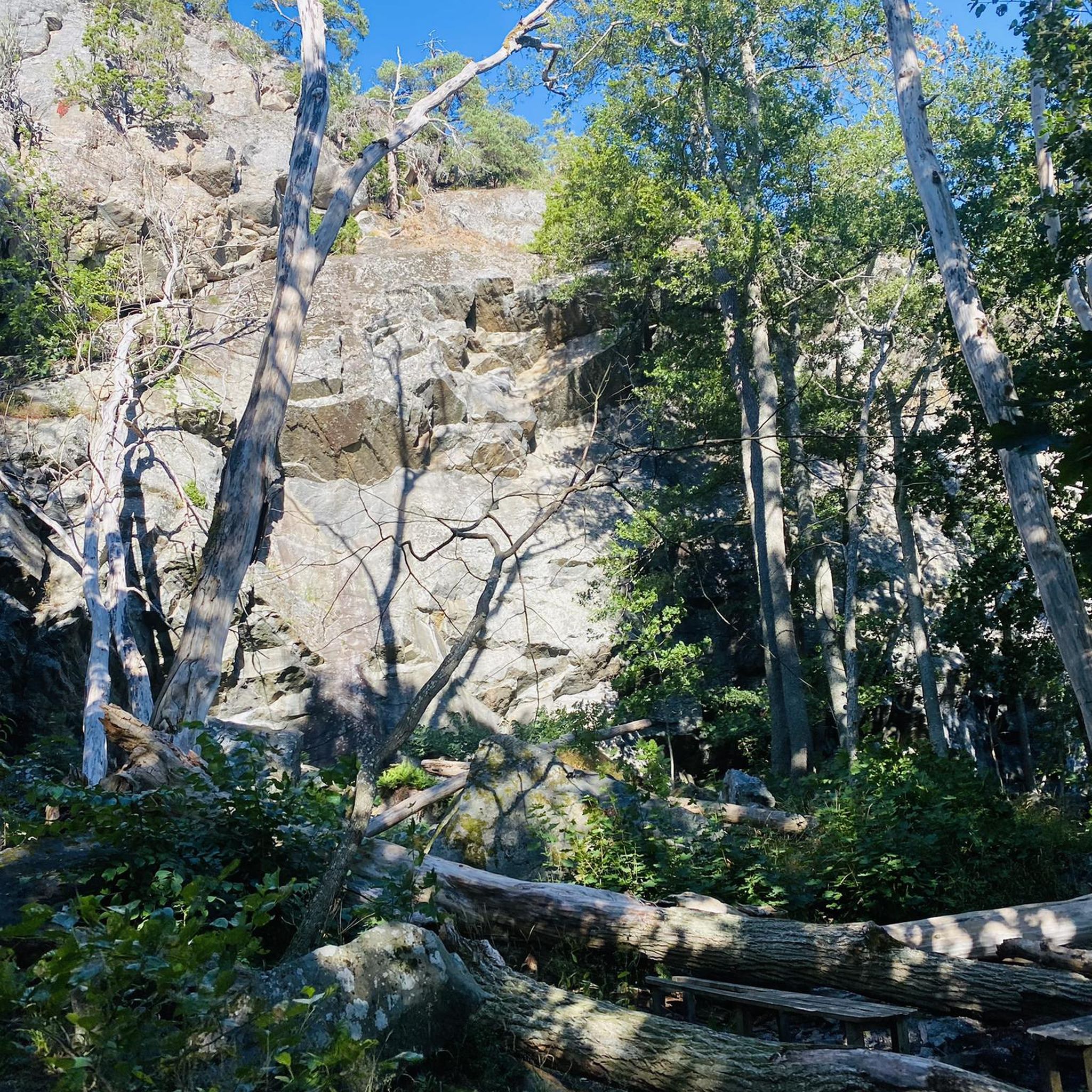
Hikes from bus stations in West Dorset
Hikes from bus stations around Weymouth And Portland
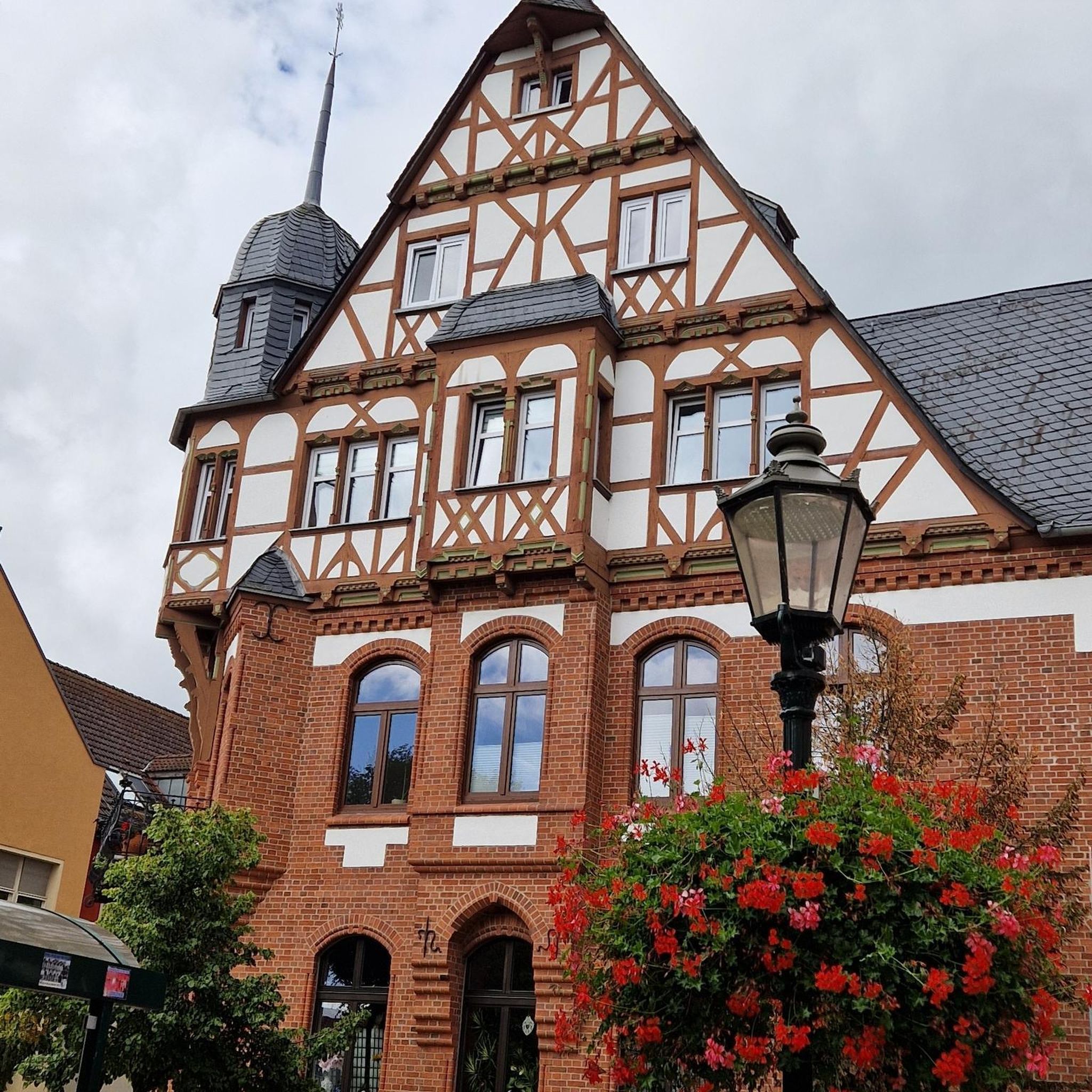
Hikes from bus stations around Christchurch

Hikes from bus stations in East Dorset
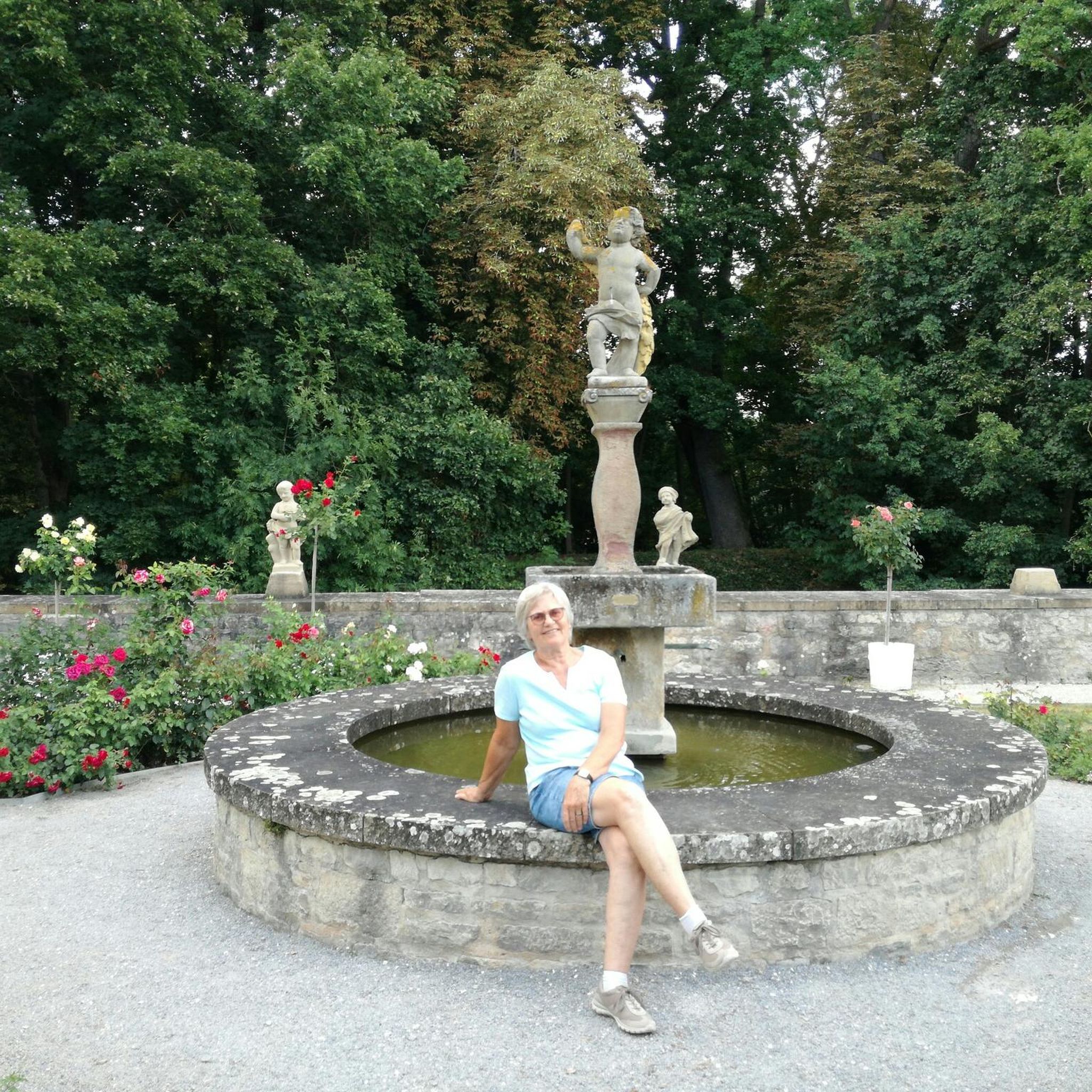
Hikes from bus stations in North Dorset
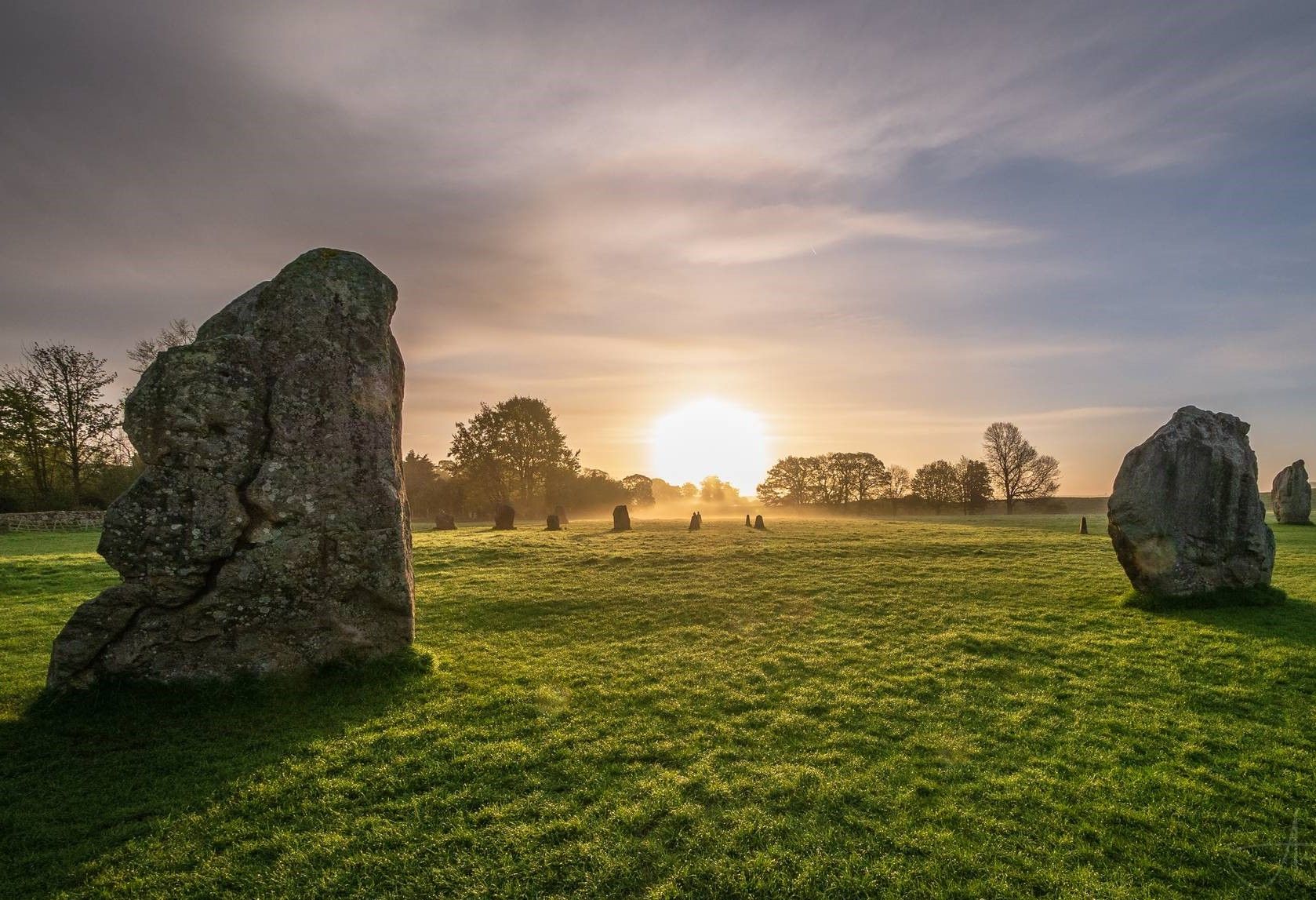
Celtic Way — An epic pilgrimage through prehistory and wild beauty
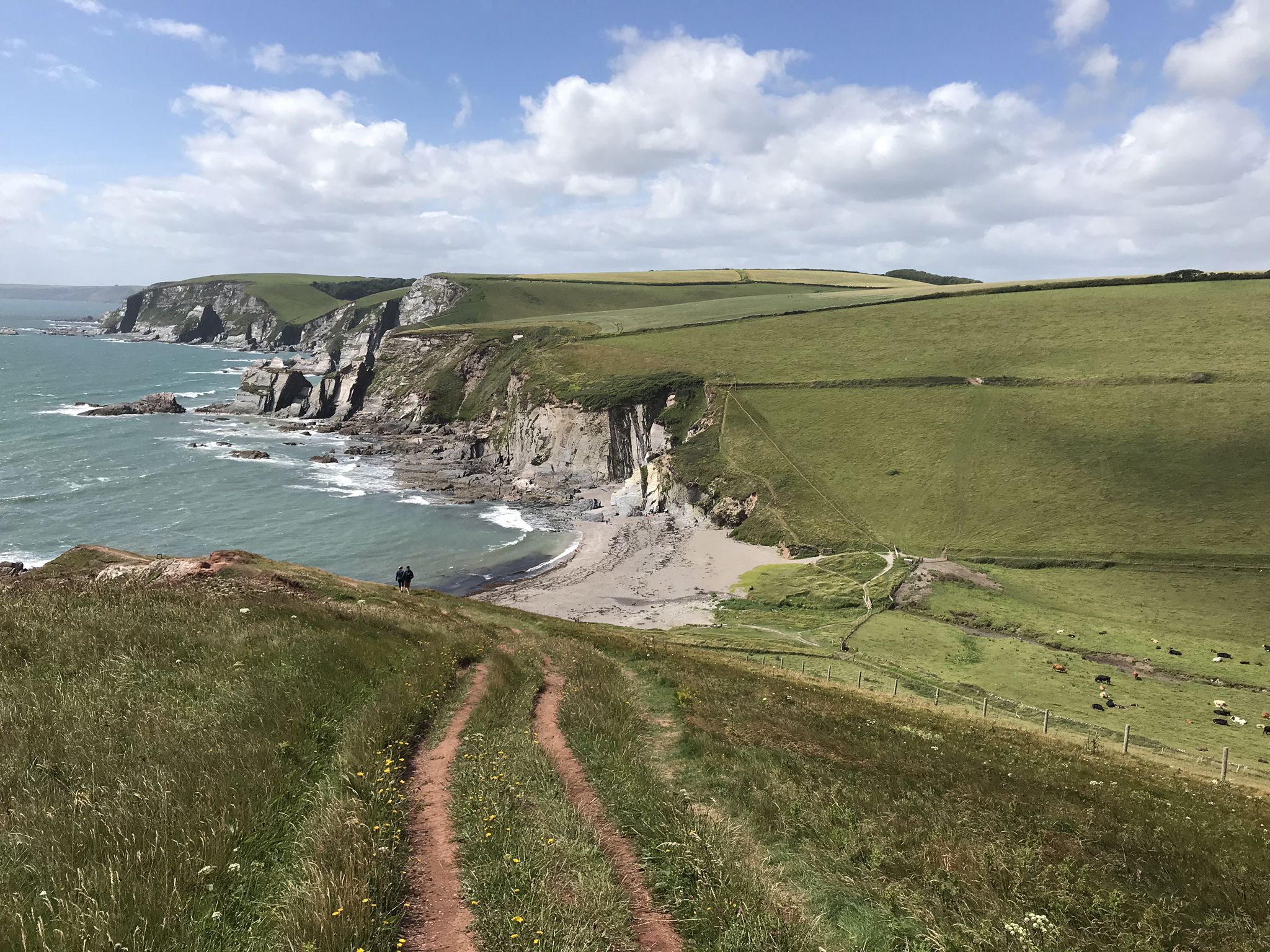
E9 Plymouth to Dover — An epic exploration of England's south coast
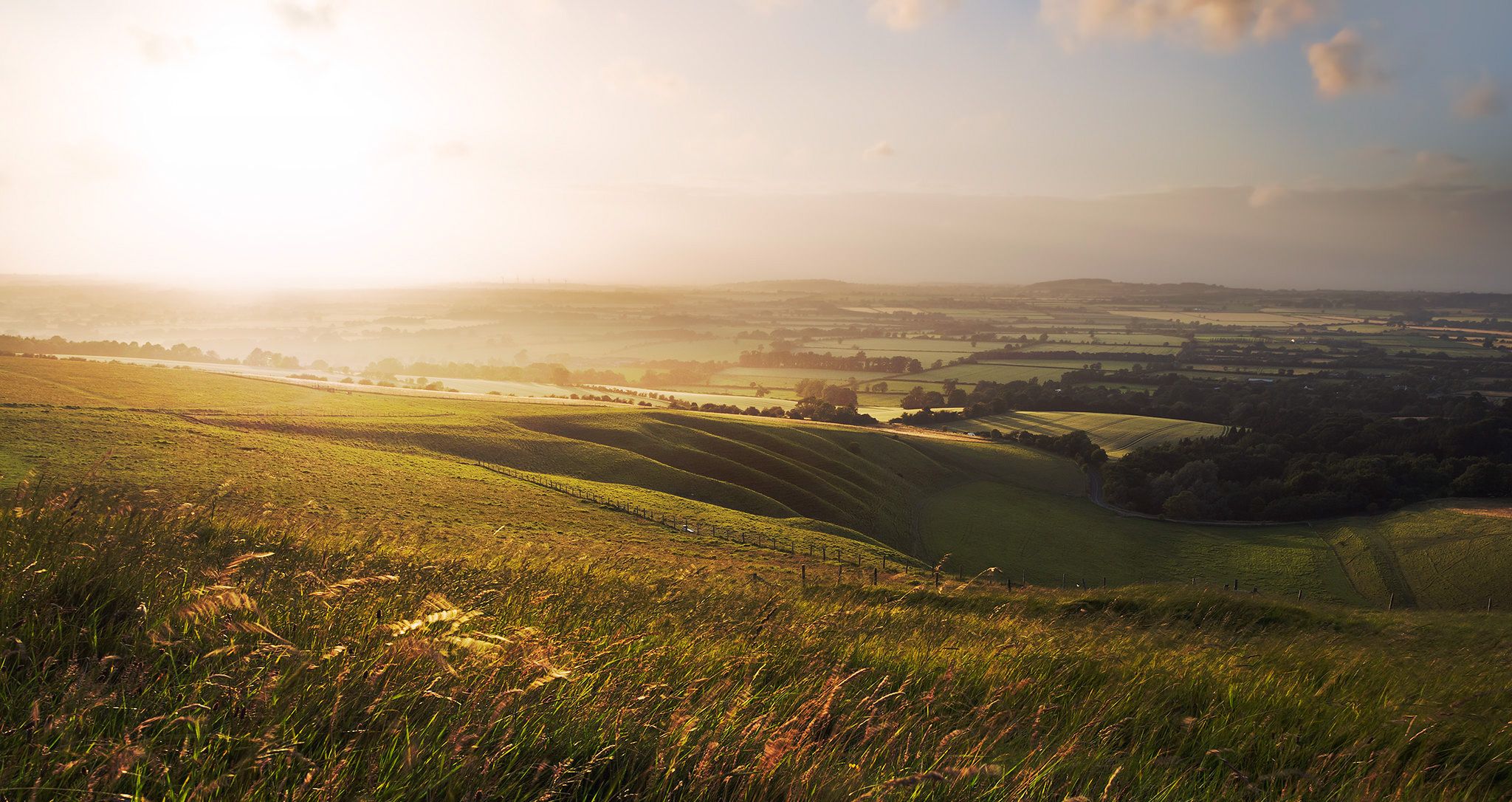
Hiking the Greater Ridgeway — Following Roman roads across England
Other adventures in Dorset


Tips from the Community

The Old Town Hall in Corfe Castle, Dorset, is famous as the smallest town hall in England. Rebuilt around 1774 following a fire, its ground floor utilizes stone salvaged from the historic castle ruins. The tiny building features a 350-square-foot former council chamber on the first floor. Today, it is managed by the Corfe Castle Town Trust and houses a free local history museum on its ground floor.
0
0
The "Why" Behind the Hill Burt didn't just put it there because it looked nice. He dedicated it to his uncle and mentor, John Mowlem (another massive figure in Swanage history). But there was a practical side, too: A Landmark: It served as a waypoint for ships navigating the tricky waters around Old Harry Rocks. The View: Burt was obsessed with showing off the beauty of his hometown. By placing it on the ridge, he essentially gave people a reason to climb the hill and look down at the town he was helping to build. The Great Disappearing Act (WWII) If you look closely at the obelisk today, it looks remarkably "clean." That’s because the one you see now is a reconstruction. During World War II, the original stone obelisk was considered a "navigational hazard." The British military was worried that German pilots would use the tall, white stone pillar as a landmark to help them find their bearings for bombing raids on nearby Bournemouth or Poole. So, in 1941, they knocked it down. For decades, it lay in pieces in the grass. It wasn't until 1973 that the Encombe Estate and local residents gathered the resources to rebuild it (using a mix of the original stone and some fresh Purbeck masonry) to celebrate "Plant a Tree in '73"—though ironic, as there isn't a tree in sight on that windy ridge!
0
0
If you’ve been hiking those ridges, that lone stone pillar standing guard over Swanage has likely caught your eye. It’s officially known as the Ballard Down Obelisk (or the Burt Memorial), and the story behind it is a classic tale of Victorian pride, a bit of eccentricity, and some very literal "re-gifting." The "Stolen" Monument The obelisk wasn't originally built for the Purbeck Hills. It actually started its life in London. In the mid-1800s, it served as a monument to a man named James Thompson, standing near the entrance to the Vauxhall Bridge. However, when the bridge was being rebuilt in the late 19th century, the obelisk became an "obstruction" and was destined for the scrap heap. Enter George Burt: The Man Who Moved London Swanage looks the way it does today largely because of George Burt, a local businessman who ran a massive masonry firm in London. He had a habit of taking "architectural leftovers" from London and shipping them back to Swanage as ballast on his empty stone boats. When he saw the obelisk was going to be demolished in 1892, he stepped in. He didn't just save it; he dismantled it, shipped it down the coast, and hauled it all the way to the top of Ballard Down.
0
0
If the view from Studland Hill is a grand "reveal," the view from Rollington Hill is more of a slow, scenic immersion into the Purbeck countryside. While Studland Hill (part of the Nine Barrow Down ridge) looks at Swanage from the north/northeast, Rollington Hill sits a bit further west, closer to Corfe Castle. From here, you’re looking down the "barrel" of the valley toward the sea.
0
0
On June 15, 1945. A RAF Liberator JT985 flying to India crashed into a ridge in the Purbeck Hills shortly after takeoff from RAF Holmsley South, killing all 27 occupants (24 passengers, 3 crew) on board. The cause was likely the pilot flying too low in poor visibility.
1
0

DO NOT WALK THIS ROUTE in shorts in the summer. There’s a 2km stretch. Fully overgrown with nettles & brambles.. Wife and I stung so badly we needed a trip to the chemist afterward.. LONG TROUSERs only.. & then to be honest.. I wouldn’t bother..
0
0

one of the best preserved Saxon churches in the south west of England containing the effigy of Lawrence of Arabia by Eric Kennington.
0
0

End of the Esplanade past the rocks on the beach is great at sunset
0
0
Frequently Asked Questions
How many bus-accessible hiking trails can I find in Dorset?
Dorset offers a vast network of hiking trails accessible from bus stations, with over 900 routes available. These range from easy strolls to more challenging treks across the county's diverse landscapes.
Are there bus station hikes suitable for beginners or those looking for an easy walk?
Yes, Dorset has plenty of easy bus-accessible hikes. Over 450 routes are classified as easy, perfect for a relaxed day out. An example is the Poole Harbour Trails 4, offering gentle terrain and scenic views.
Can I find challenging bus station hikes in Dorset?
Absolutely. For those seeking a more demanding adventure, Dorset features over 50 difficult bus-accessible routes. These often involve significant elevation changes and longer distances, providing a rewarding experience across the region's rugged terrain, such as the dramatic Jurassic Coast.
Are there any circular bus station routes available?
Many bus-accessible routes in Dorset are circular, allowing you to start and end your hike at the same bus stop without needing to retrace your steps. The Kimmeridge Bay and Clavell Tower loop from Kingston is a great example of a moderate circular hike offering stunning coastal views.
What kind of natural features can I expect to see on bus station hikes in Dorset?
Dorset's bus-accessible trails showcase an incredible variety of natural beauty. You can explore the dramatic cliffs and arches of the UNESCO World Heritage Jurassic Coast, rolling chalk downlands, ancient woodlands, and vast heathlands. Keep an eye out for iconic landmarks like Durdle Door and Old Harry Rocks, often accessible via coastal paths.
Are there any specific attractions or landmarks along these bus-accessible routes?
Many bus-accessible routes pass by or lead to significant landmarks. For instance, you can hike to the highest point on the south coast, Golden Cap Summit, offering panoramic views. Other notable spots include the Hambledon Hill Iron Age hill fort and the picturesque Colmer's Hill. The region is rich in both natural and historical points of interest.
Are bus station hikes in Dorset suitable for families?
Yes, many bus-accessible trails in Dorset are suitable for families, especially the easier routes that traverse gentle terrain. Look for paths through woodlands or along sheltered coves, which often provide a more relaxed experience for all ages. The Moors Valley Country Park — Play Trail is a great option for families, though it's part of a larger park system.
Can I bring my dog on bus station hikes in Dorset?
Dorset is generally very dog-friendly, and many bus-accessible hiking trails welcome dogs. However, it's always best to check specific route details for any restrictions, especially in nature reserves or areas with livestock. Remember to keep dogs on a lead where necessary and clean up after them.
What do other hikers enjoy the most about hiking in Dorset?
The komoot community highly rates hiking in Dorset, with an average score of 4.58 stars from over 7,100 ratings. Reviewers often praise the stunning coastal scenery, the variety of landscapes from chalk ridges to ancient woodlands, and the well-maintained paths that make exploring the region a joy.
Are there any bus-accessible routes that explore the Purbeck Hills?
Yes, the Purbeck Hills are a highlight of Dorset, offering glimmering green grasses and coastal views. The Purbeck Ridgeway is a fantastic moderate route that can be accessed by bus, allowing you to experience this iconic landscape and its dramatic vistas.
Can I find bus station hikes that offer views of the famous Cerne Abbas Giant?
While not directly listed in the provided routes, the Cerne Abbas Giant is a notable landmark in Dorset's rolling countryside. Many ancient trails throughout the Area of Outstanding Natural Beauty (AONB) connect hikers with such historical sites. You can often find bus services to villages near these attractions, allowing for walks that include views of the chalk figure.
Most popular routes in Dorset
Most popular attractions in Dorset

Get inspired with the komoot mobile app


Didn’t find what you were looking for?
Check out more Hikes throughout Dorset below and find the perfect route in your destination.
Explore more
Browse the best Hikes in other regions.
