Clwydian Range And Dee Valley National Landscape
Clwydian Range And Dee Valley National Landscape
Top 5 Castles around Clwydian Range And Dee Valley National Landscape
Best castles around Clwydian Range And Dee Valley National Landscape are situated within a region characterized by its dramatic hills, deep valleys, and rich historical significance. This area, designated a National Landscape, offers a blend of natural beauty and ancient heritage. The landscape features prominent hillforts and medieval fortifications, reflecting centuries of Welsh history. Visitors can explore these historical sites amidst varied terrain, from river valleys to elevated ridges.
Best castles around Clwydian Range And Dee Valley National Landscape
- The most popular castles is Dinas Bran Castle, a castle that is an enchanting ruin sitting atop a rugged and prominent hilltop above Llangollen. This 13th-century native Welsh castle offers expansive views over the Dee Valley.
- Another must-see spot is Chirk Castle, a castle completed in 1310 during the reign of Edward I. This medieval castle guards the entrance to the Ceiriog Valley and features extensive gardens and parkland.
- Visitors also love Statue of Hercules at Chirk Castle, a historical site within the grounds of Chirk Castle. This figure, commissioned in June 1720, was recovered and restored in 1987.
- Clwydian Range And Dee Valley National Landscape is known for its ruined medieval castles and well-preserved historical estates. The region offers a variety of castles to see and explore, from dramatic hilltop ruins to continuously inhabited fortresses.
- The castles around Clwydian Range And Dee Valley National Landscape are appreciated by the komoot community, with 291 upvotes and 262 photos shared across 3 highlights.
Last updated: July 5, 2026
Dinas Bran Castle
Highlight • Castle
In fine weather, especially in morning and evening light, fantastic for photo sessions!
Translated by Google •
Tip by

Chirk Castle Gates
Highlight • Monument
The castle was bought by Sir Thomas Myddelton in 1593 for £5,000 (approx. £11 million as of 2008). His son, Thomas Myddelton of Chirk Castle was a Parliamentarian during the English Civil War, but became a Royalist during the 'Cheshire rising' of 1659 led by George Booth, 1st Baron Delamer. Mullioned and transomed windows were inserted in the 16th and 17th centuries; the castle was partly demolished in the English Civil War and then rebuilt. Following the Restoration, his son became Sir Thomas Myddelton, 1st Baronet of Chirke. The castle passed down in the Myddelton family to Charlotte Myddelton (on the death of her father in 1796).
Tip by

Sign up now to discover places like this
Get recommendations on the best single tracks, peaks, & plenty of other exciting outdoor places.
Sign up for free
Chirk Castle
Highlight • Castle
Tip by

Hawk House — Chirk Castle Gardens
Highlight • Historical Site
Tip by

Statue of Hercules at Chirk Castle
Highlight • Historical Site
Tip by
Start today with a free account
Your next adventure awaits.
Login or Signup
Popular around Clwydian Range And Dee Valley National Landscape
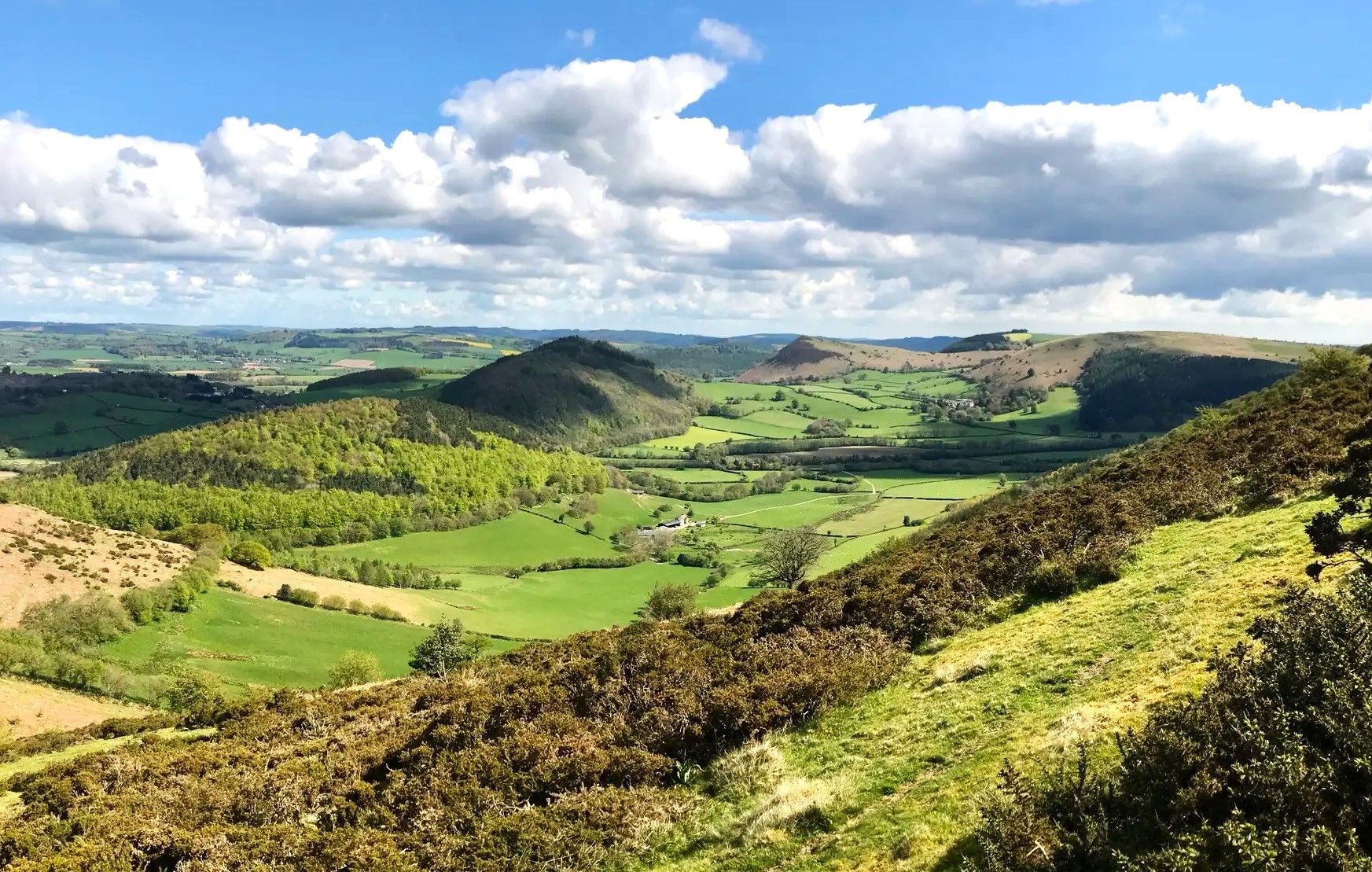
Offa's Dyke Path — Epic coast-to-coast hike along ancient monument
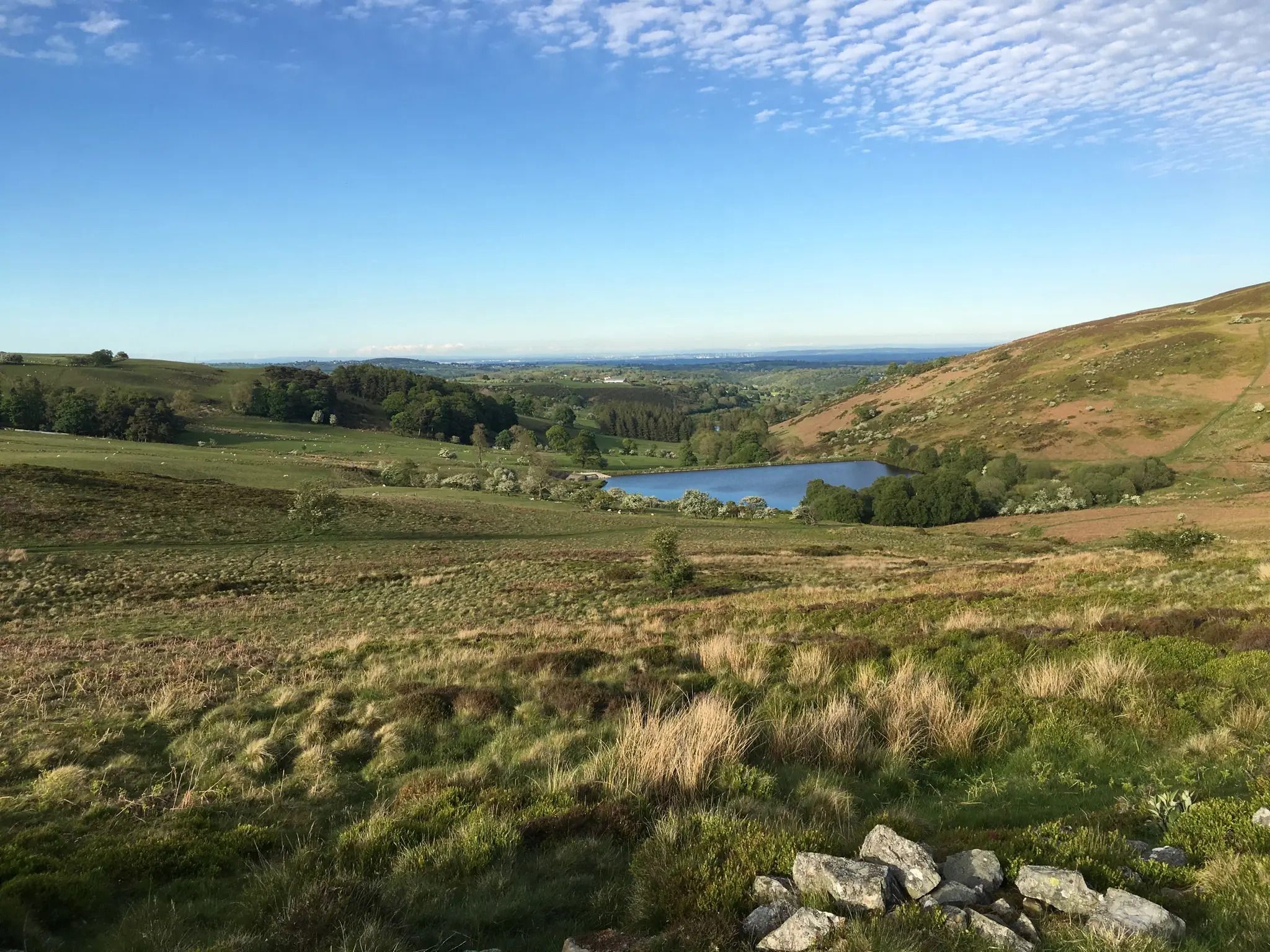
North-East Wales' Secret MTB Paradise — The Triban Trail
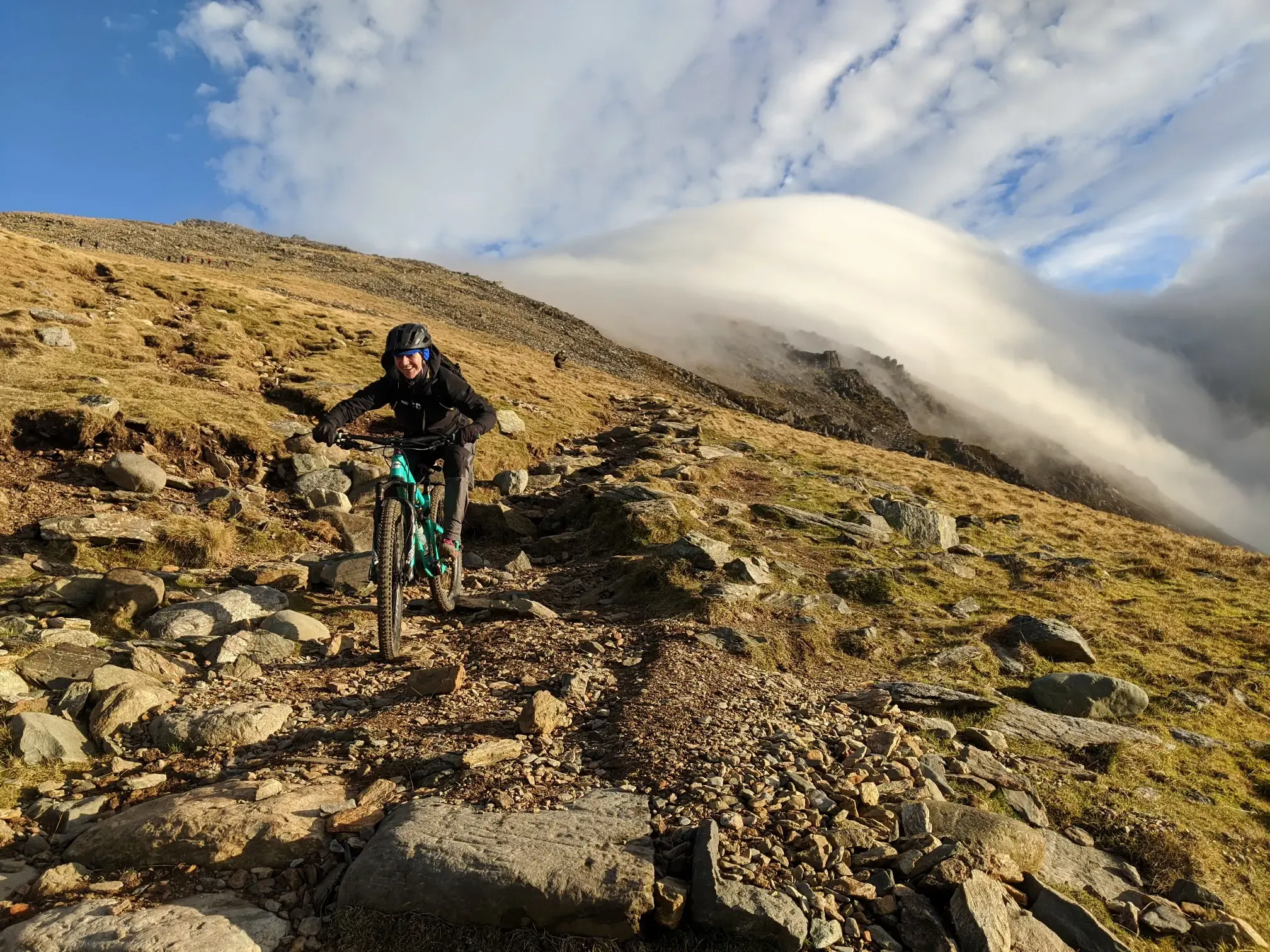
North Wales mountain biking — Gogledd Cymru's finest
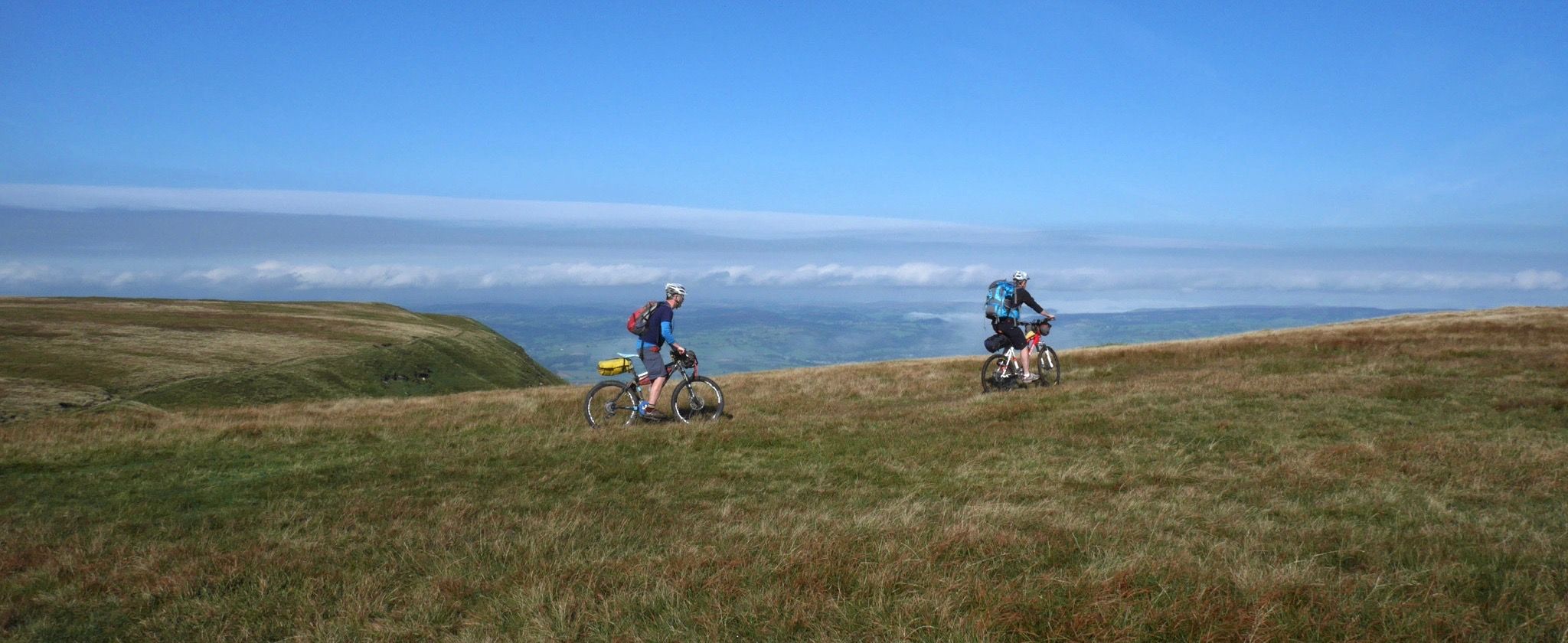
Trans-Wales bikepacking in 4 days
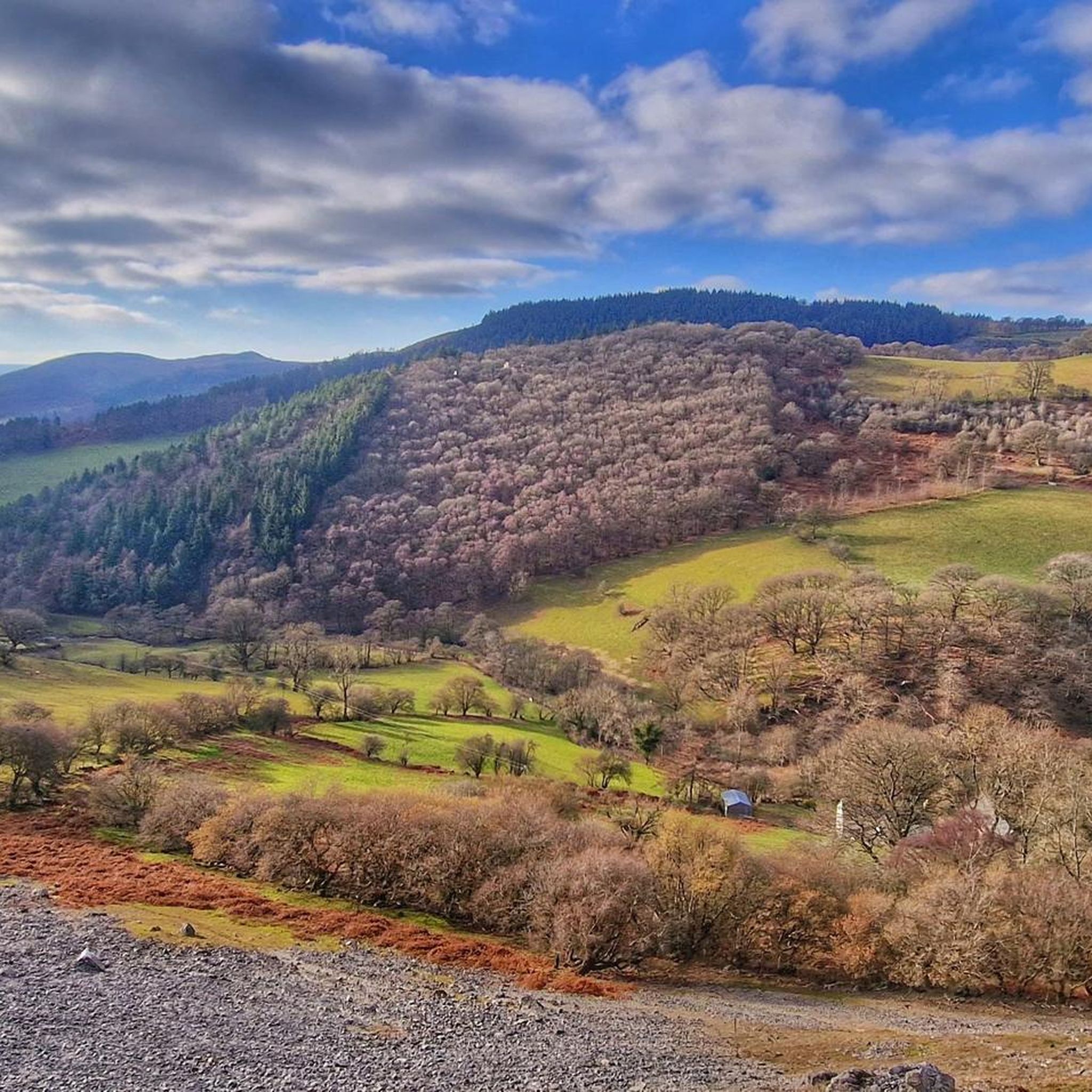
Hiking around Clwydian Range And Dee Valley National Landscape
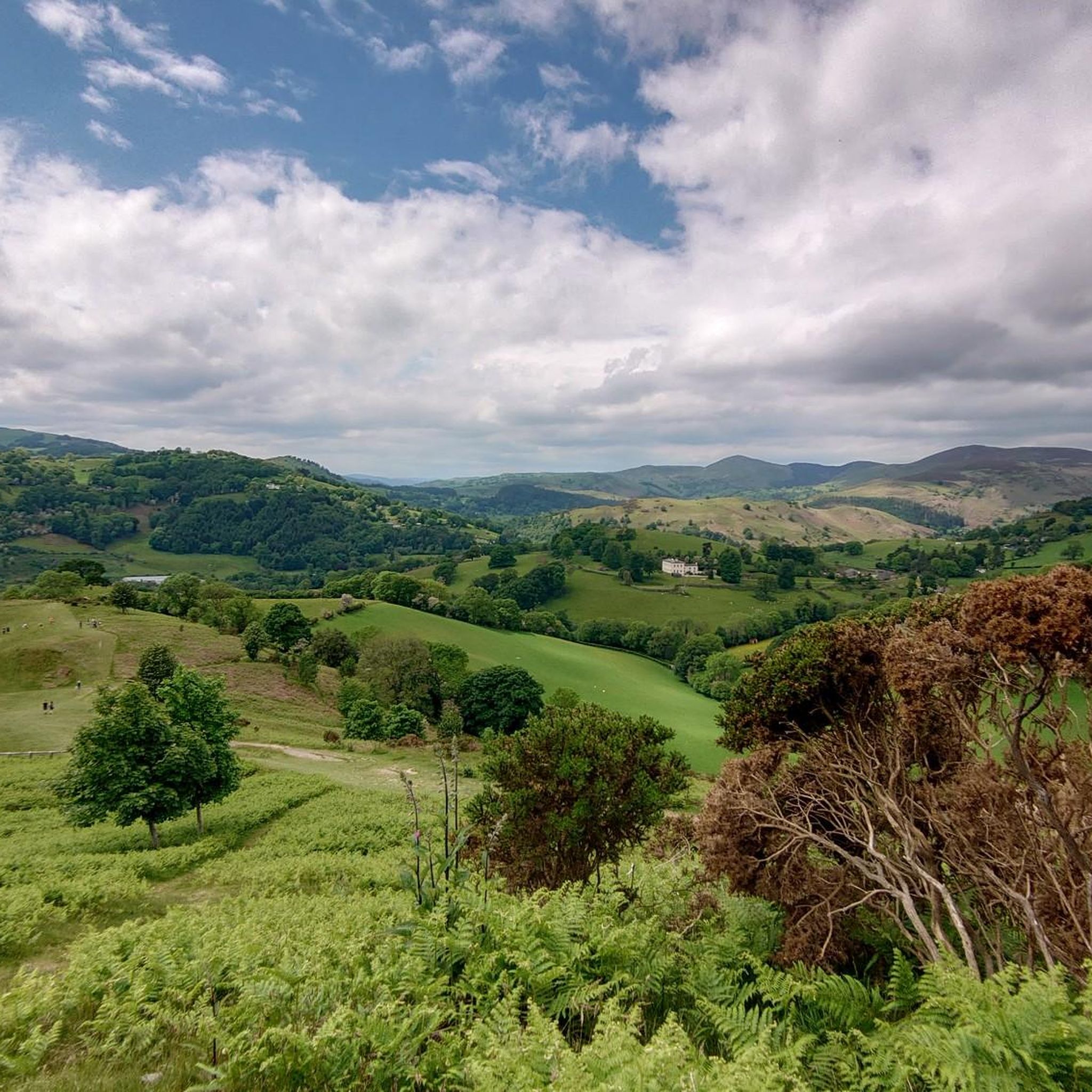
Running Trails around Clwydian Range And Dee Valley National Landscape
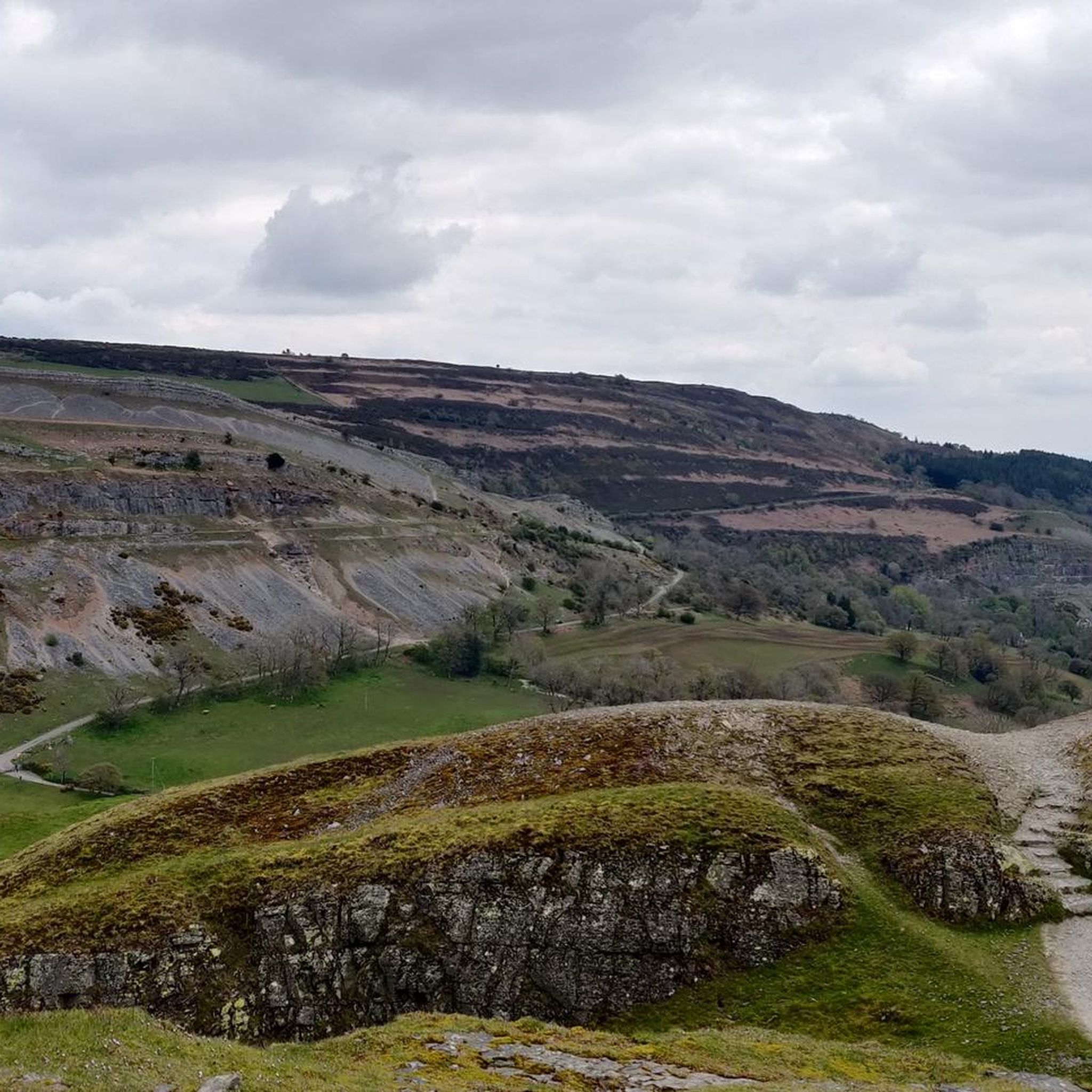
MTB Trails around Clwydian Range And Dee Valley National Landscape
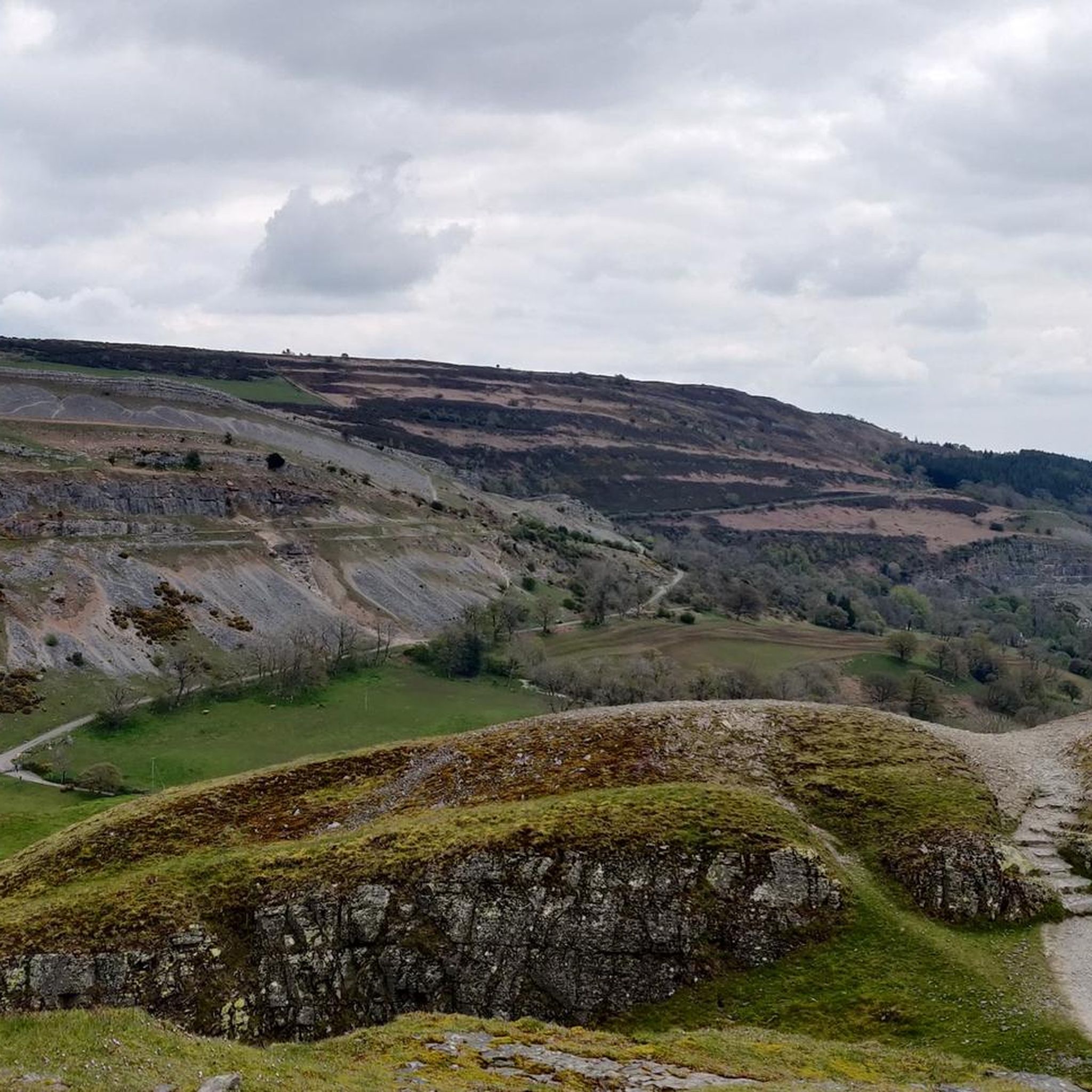
Cycling around Clwydian Range And Dee Valley National Landscape
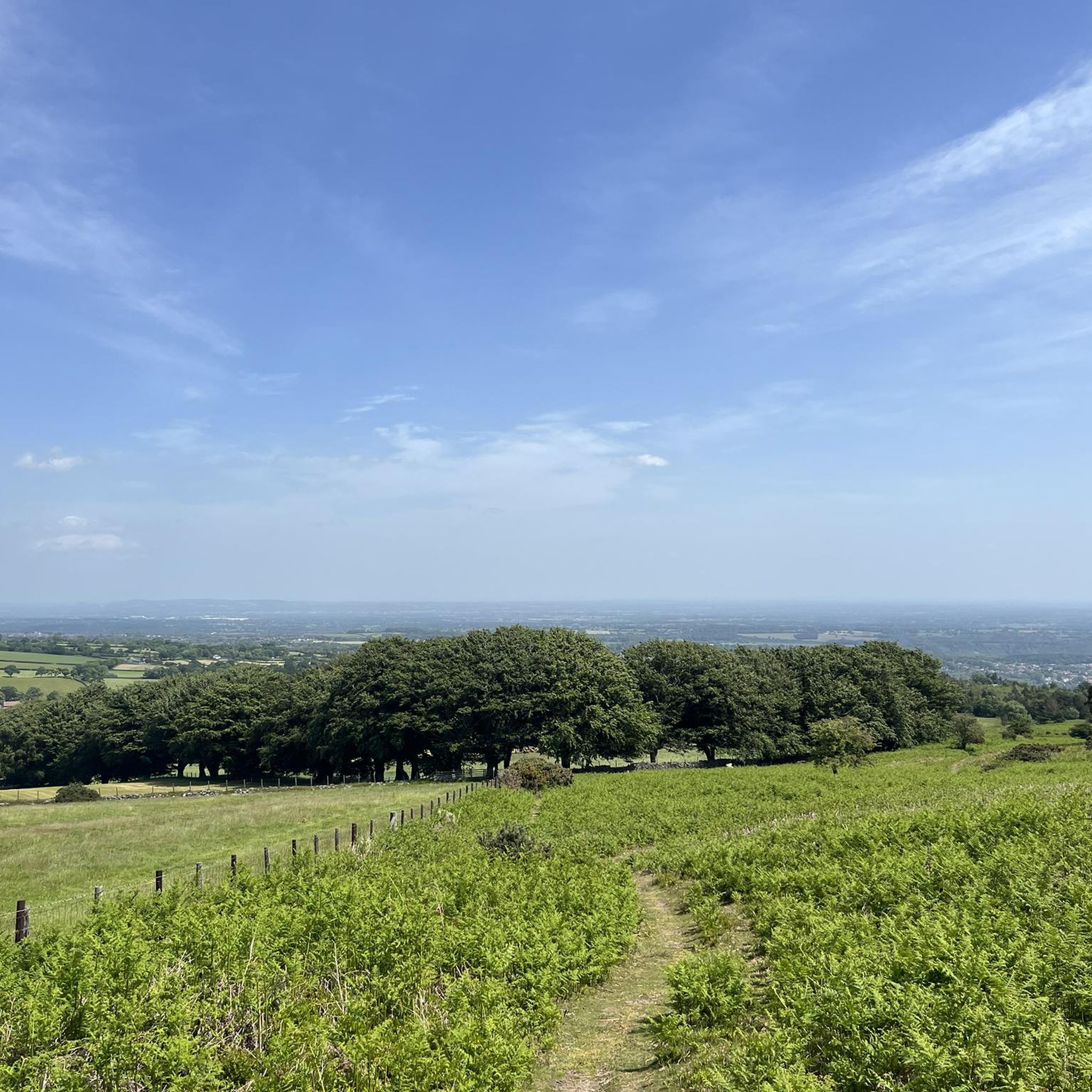
Road Cycling Routes around Clwydian Range And Dee Valley National Landscape

Gravel biking around Clwydian Range And Dee Valley National Landscape
Other adventures around Clwydian Range And Dee Valley National Landscape


Tips from the Community

Climbed from ‘the back’ according to the locals. There is space for about 5-7 cars to park on this side. Free parking and. No charge for admission.
0
0

no cyclevtrails other than the driveway up to castle but nice tearoom.
0
0

Went up on a beautiful crisp late morning hike from car park but could be nice to go from town of Llangollen
0
0

The castle was built in 1295 by Roger Mortimer de Chirk, uncle of Roger Mortimer, 1st Earl of March as part of King Edward I's chain of fortresses across the north of Wales, guarding the entrance to the Ceiriog Valley. It was the administrative centre for the Marcher Lordship of Chirkland. The castle was bought by Sir Thomas Myddelton in 1593 for £5,000 (approx. £18 million as of 2024). His son, Thomas Myddelton of Chirk Castle was a Parliamentarian during the English Civil War, but became a Royalist during the 'Cheshire rising' of 1659 led by George Booth, 1st Baron Delamer. Mullioned and transomed windows were inserted in the 16th and 17th centuries; the castle was partly demolished in the English Civil War and then rebuilt. Following the Restoration, his son became Sir Thomas Myddelton, 1st Baronet of Chirke. The castle passed down in the Myddelton family to Charlotte Myddelton (on the death of her father in 1796). Charlotte had married Robert Biddulph, who changed his name to Robert Myddelton-Biddulph, leaving the castle on his death to their son Robert. It then passed down in the Myddelton-Biddulph family.
5
0
Linear earthwork that runs 176 miles that runs along the border of England and Wales. It was named after King Offa the 8th century ruler of the Kingdom of Mercia. Beautiful spot for photo, very pieceful and a great walk.
0
1
Spring is a wonderful time to visit the garden at Chirk Castle as fresh buds burst into bloom. The daffodils make a fabulous sight. Varieties include Narcissus cyclamineus and Narcissus King Alfred. One of the best places to spot them is opposite the long border in the meadow area affectionately known as ‘The Daffodil Lawn’, but they can also be seen along Lime Tree Avenue near the Hercules statue from where you’ll also get a fantastic view of the castle.
1
0
The castle was built in 1295 by Roger Mortimer de Chirk, uncle of Roger Mortimer, 1st Earl of March as part of King Edward I's chain of fortresses across the north of Wales. It guards the entrance to the Ceiriog Valley. It was the administrative centre for the Marcher Lordship of Chirkland.
3
1
The figure, commissioned by Sir Robert Myddleton in June 1720, was one of two, the other being Mars, both being sited in the forecourt of the castle flanking the approach to the barbican, and within the iron gates. He is not present in Tilleman's painting of the front of the castle of c1720, but appears in the Badeslade print of 1742. At the re-landscaping of the park in 1770 undertaken by William Emes, a pupil of Launcelot Brown, Hercules was moved to the E arm of Deershed (Deerslidd) Wood and later lost. He was recovered in 1987 and restored, the armature replaced with stainless steel, and resited in the present position on an artificial eminence on the lime avenue on the eastern axis, a vista originally established by Sir Thomas Myddleton in the formal landscaping work of 1653. The sculptor, once believed to be Van Nost, is not recorded.
1
1
Frequently Asked Questions
What makes the castles in the Clwydian Range and Dee Valley National Landscape unique?
The castles in this region offer a blend of dramatic natural settings and rich history. You'll find everything from ruined 13th-century native Welsh strongholds, like Dinas Bran Castle perched on a conical hill, to well-preserved Edwardian fortresses such as Denbigh Castle, and continuously inhabited medieval castles like Chirk Castle, which boasts lavish interiors and extensive gardens.
Which castles offer the most dramatic views of the surrounding landscape?
For truly spectacular panoramic views, Dinas Bran Castle is unparalleled. Its hilltop location above Llangollen provides expansive vistas over the Dee Valley. Denbigh Castle also offers stunning views of the pastoral Vale of Clwyd and the Clwydian Range. Chirk Castle's gardens provide beautiful outlooks over the Cheshire and Salop plains.
Are there family-friendly castles to visit in the region?
Yes, Chirk Castle is particularly family-friendly. Its extensive gardens, including Hawk House — Chirk Castle Gardens and the Statue of Hercules at Chirk Castle, offer plenty of space for exploration, and there's a natural play area within the estate. Denbigh Castle also has an on-site exhibition that can engage younger visitors.
Can I combine a castle visit with outdoor activities like hiking?
Absolutely. Many castles are situated within beautiful walking country. For example, the climb to Dinas Bran Castle is a rewarding hike in itself, offering a challenging walk with stunning views. You can find various running and hiking trails in the wider area, including routes like 'Castell Dinas Bran and Pontcysyllte loop from Llangollen' or 'Castell Dinas Brân from Llangollen loop', which are part of the running trails and easy hikes guides for the region.
What is the best time of year to visit the castles in the Clwydian Range and Dee Valley?
The castles are generally accessible year-round. Spring and summer offer pleasant weather for exploring the grounds and gardens, especially at Chirk Castle. Autumn provides beautiful foliage, enhancing the dramatic settings of castles like Dinas Bran. Even in winter, the ruins of Dinas Bran and Denbigh can be atmospheric, though paths may be muddy and weather conditions more challenging.
Are there any castles with well-preserved interiors or extensive gardens?
Chirk Castle stands out as a magnificent medieval fortress that has been continuously inhabited. It features lavish interiors, including a 17th-century Long Gallery and an 18th-century saloon, showcasing over 700 years of history. The castle is also surrounded by award-winning gardens spanning 5.5 acres, with manicured lawns, herbaceous borders, and a rose garden.
What historical periods do the castles in this region represent?
The castles primarily represent the medieval period of Welsh history. Dinas Bran Castle is a 13th-century native Welsh castle built by the Princes of Powys Fadog. Denbigh Castle and Chirk Castle were both constructed by Edward I in the late 13th and early 14th centuries as part of his 'iron ring' of fortifications to assert English dominance over Wales.
Is it possible to visit these castles using public transport?
While some castles, like Dinas Bran Castle, are accessible via public footpaths from nearby towns like Llangollen, reaching others might require a combination of public transport and walking or a short taxi ride. It's advisable to check local bus routes and schedules for specific castle locations before planning your trip.
What kind of natural features or wildlife can I expect to see near the castles?
The castles are set within the stunning Clwydian Range and Dee Valley National Landscape. You'll encounter dramatic hills, river valleys, and expansive countryside. Chirk Castle's 480-acre estate parkland is a Site of Special Scientific Interest, important for rare invertebrates, veteran trees, bats, and fungi. The climb to Dinas Bran Castle offers views of the Dee Valley and surrounding hills, often with local birdlife.
Are there accessible options for visitors with mobility challenges?
Accessibility varies significantly between castles. Ruined hilltop castles like Dinas Bran Castle involve steep climbs and uneven terrain, making them challenging. Chirk Castle, managed by the National Trust, generally offers better accessibility for its grounds and some parts of the castle, but it's always best to check their official website for specific access information before visiting.
Where can I find refreshments or places to eat near the castles?
Chirk Castle has a café on site, offering refreshments for visitors. For Dinas Bran Castle, the nearby town of Llangollen offers numerous pubs, cafes, and restaurants. Denbigh town, close to Denbigh Castle, also provides various options for dining and refreshments.
What do visitors particularly enjoy about exploring these castles?
Visitors frequently highlight the breathtaking views, the sense of history, and the opportunity for invigorating walks. The dramatic setting of Dinas Bran Castle is often praised for its photographic opportunities, especially in morning and evening light. At Chirk Castle, the blend of austere medieval architecture with elegant interiors and award-winning gardens is a major draw. The immersive historical experience at Denbigh Castle, with its sound installations, is also highly appreciated.
Most popular routes around Clwydian Range And Dee Valley National Landscape
Most popular attractions around Clwydian Range And Dee Valley National Landscape

Get inspired with the komoot mobile app


Explore more
Looking for the best castles somewhere else? Discover other guides around Clwydian Range And Dee Valley National Landscape:
