Top 20 Lakes in the Coast Mountains
Best lakes in the Coast Mountains are primarily located in British Columbia, Canada, offering diverse natural beauty. This region is characterized by rugged mountain ranges, glacial formations, and extensive forest cover. The lakes here are often glacier-fed, contributing to their distinct colors and pristine conditions. These natural features create a landscape suitable for various outdoor activities.
Best lakes in the Coast Mountains
- The most popular lakes is Lost Lake, a lake that was formed when glaciers retreated from the…
Last updated: July 1, 2026
Lost Lake
Highlight • Lake
Tip by

Garibaldi Lake
Highlight • Lake
Translated by Google •
Tip by

Sign up now to discover places like this
Get recommendations on the best single tracks, peaks, & plenty of other exciting outdoor places.
Sign up for free
Lower Joffre Lake
Highlight • Lake
The lake receives water from nearby glaciers, mainly …
Translated by Google •
Tip by

Upper Joffre Lake
Highlight • Lake
Tip by

Joffre Lakes Trail
Highlight • Trail
Tip by
Seaplanes on Green Lake
Highlight • Lake
Tip by

Cleveland Dam
Highlight • Structure
Tip by

Beaver Lake
Highlight • Lake
Showing Translation
Tip by
Middle Joffre Lake
Highlight • Lake
Tip by
Logger's Lake
Highlight • Lake
Tip by
Sign up for free to discover even more lakes in the Coast Mountains.
Sign up for free
Already have an account?
Start today with a free account
Your next adventure awaits.
Login or Signup
Popular around Coast Mountains
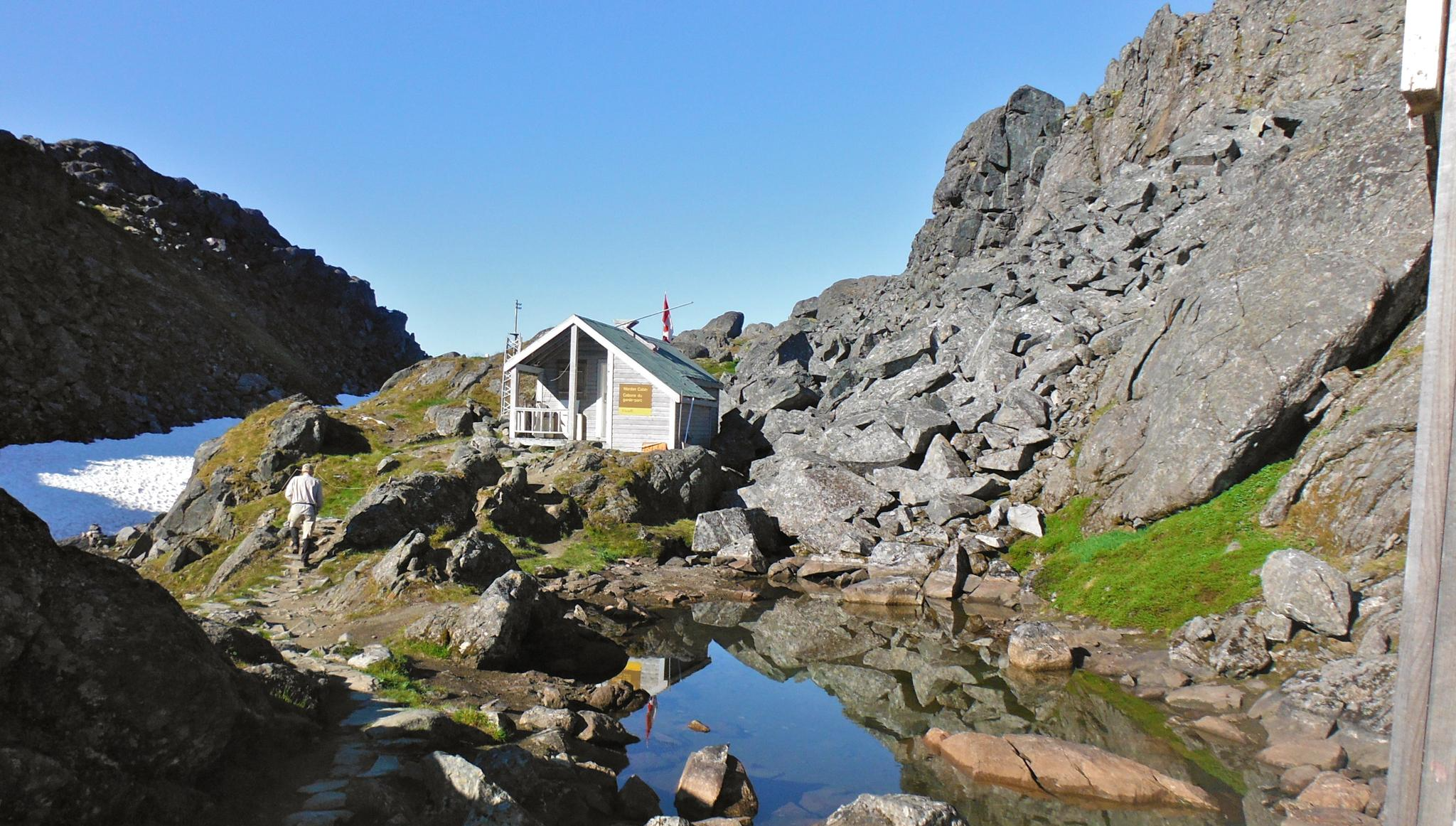
The Chilkoot Trail — Gold Rush history among soaring mountains
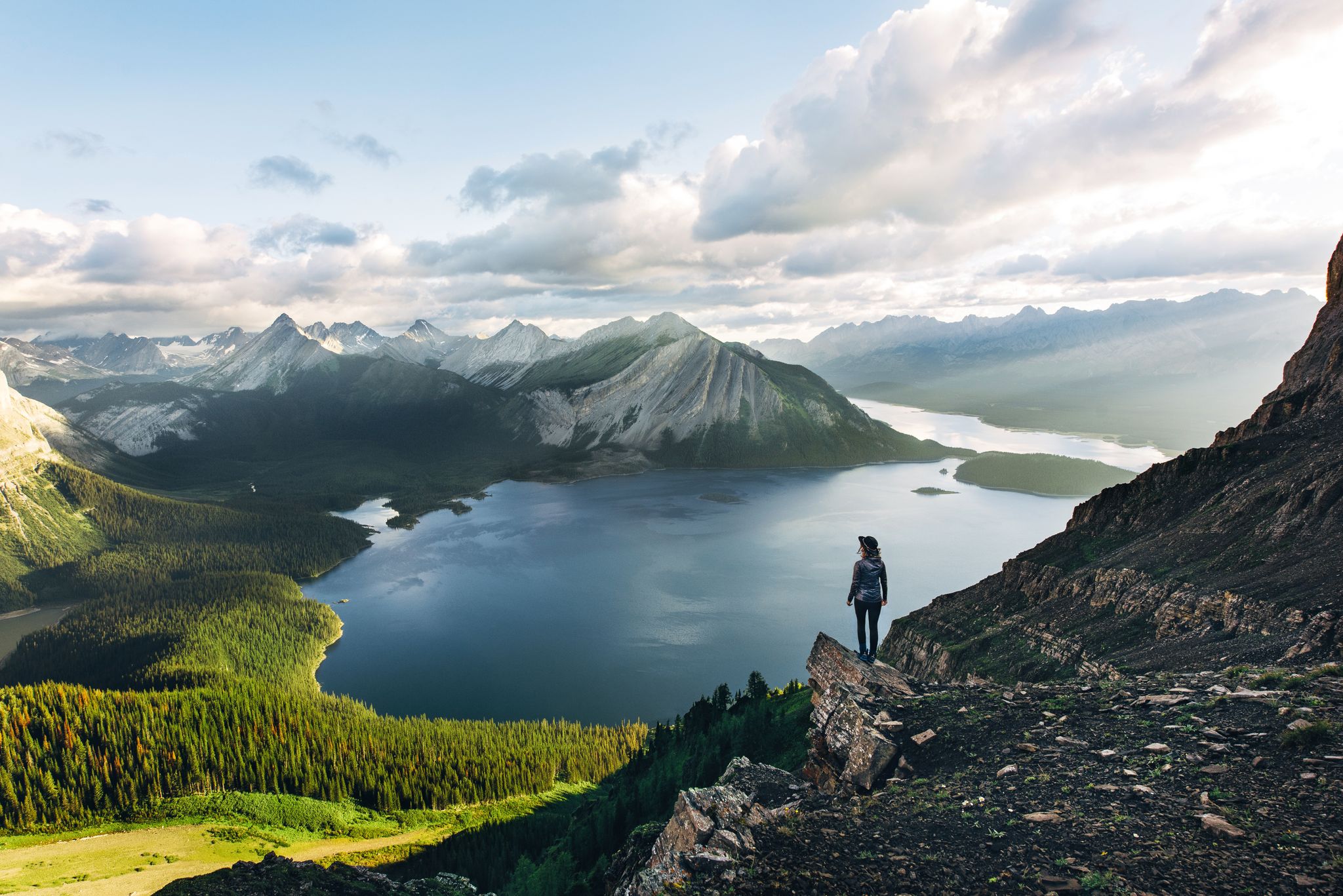
Long-distance hiking in Canada – between mountains and coast
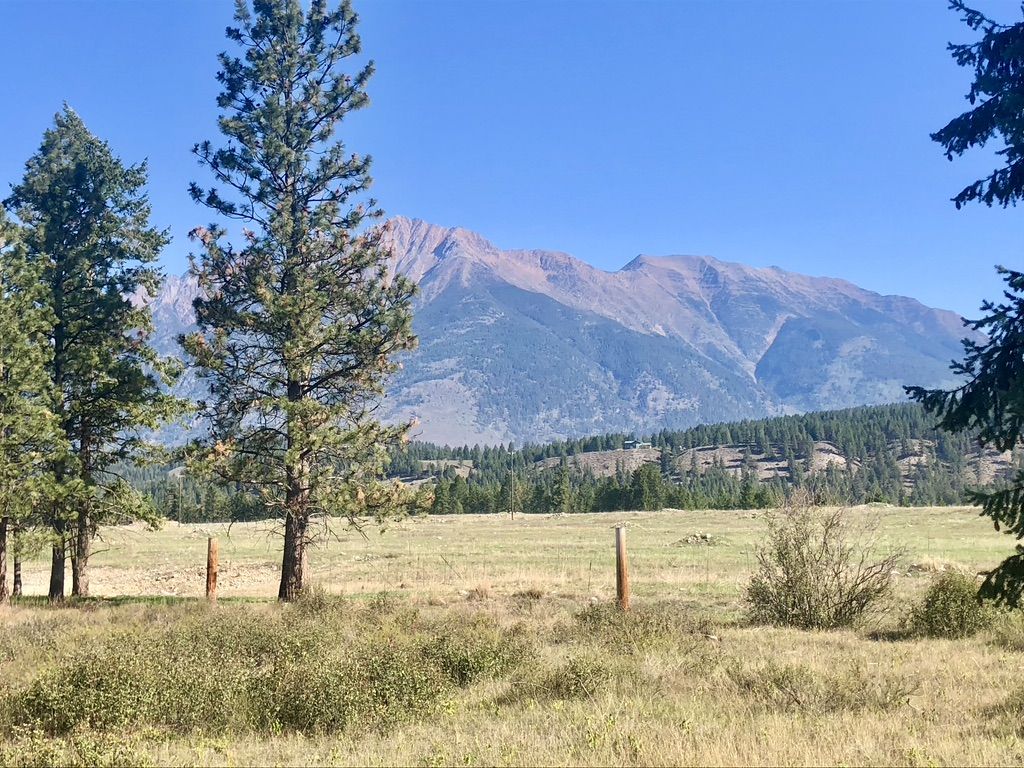
Cross Canada Ride — heading east for 6,800km
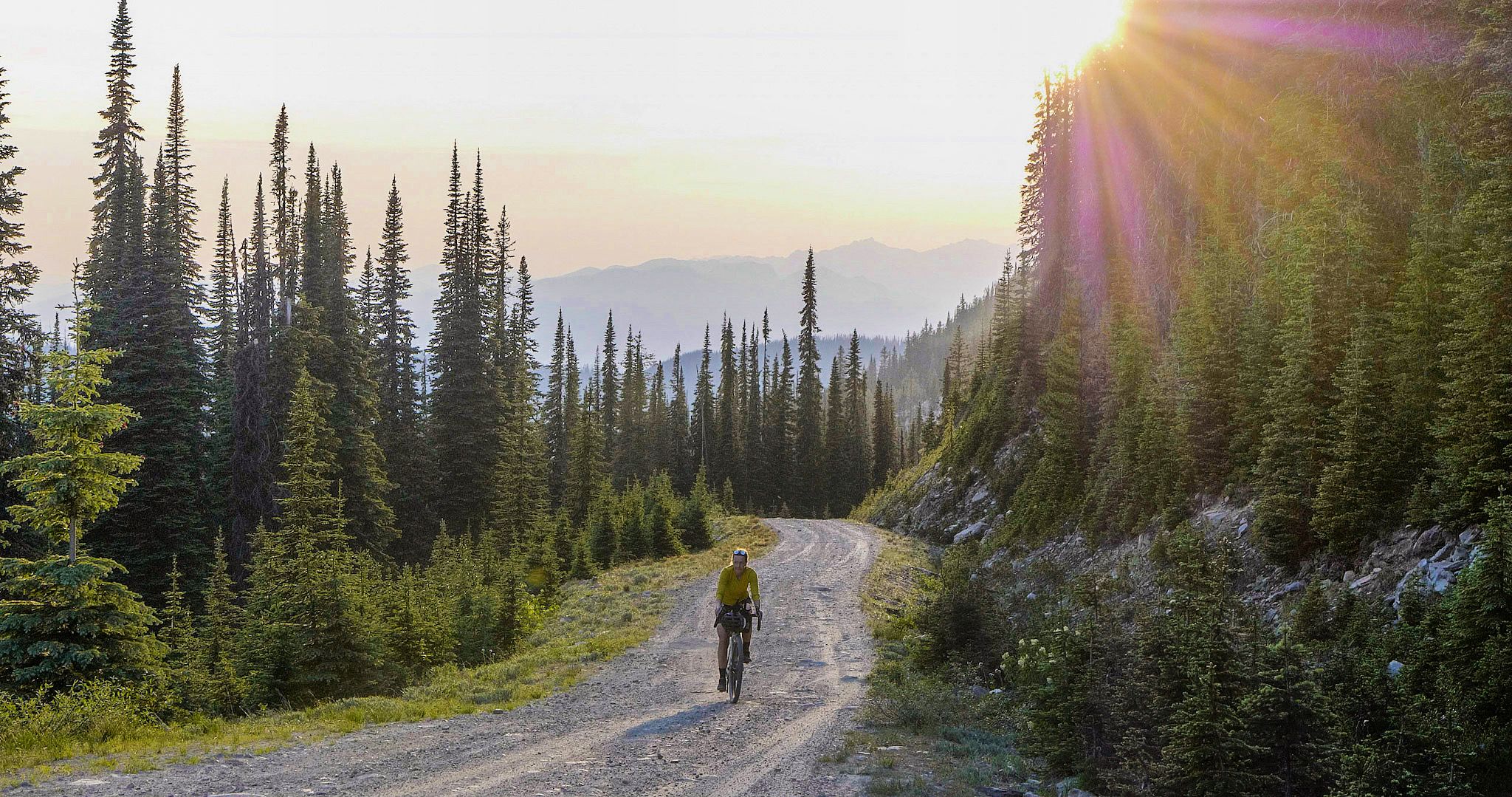
BC Epic 1000
Around the World in 80 Days
Vancouver roundtrip — Bikepacking British Columbia
The Yukon, larger than life – hiking in the Canadian Great North
Canada by train – scenic hikes from Western stations
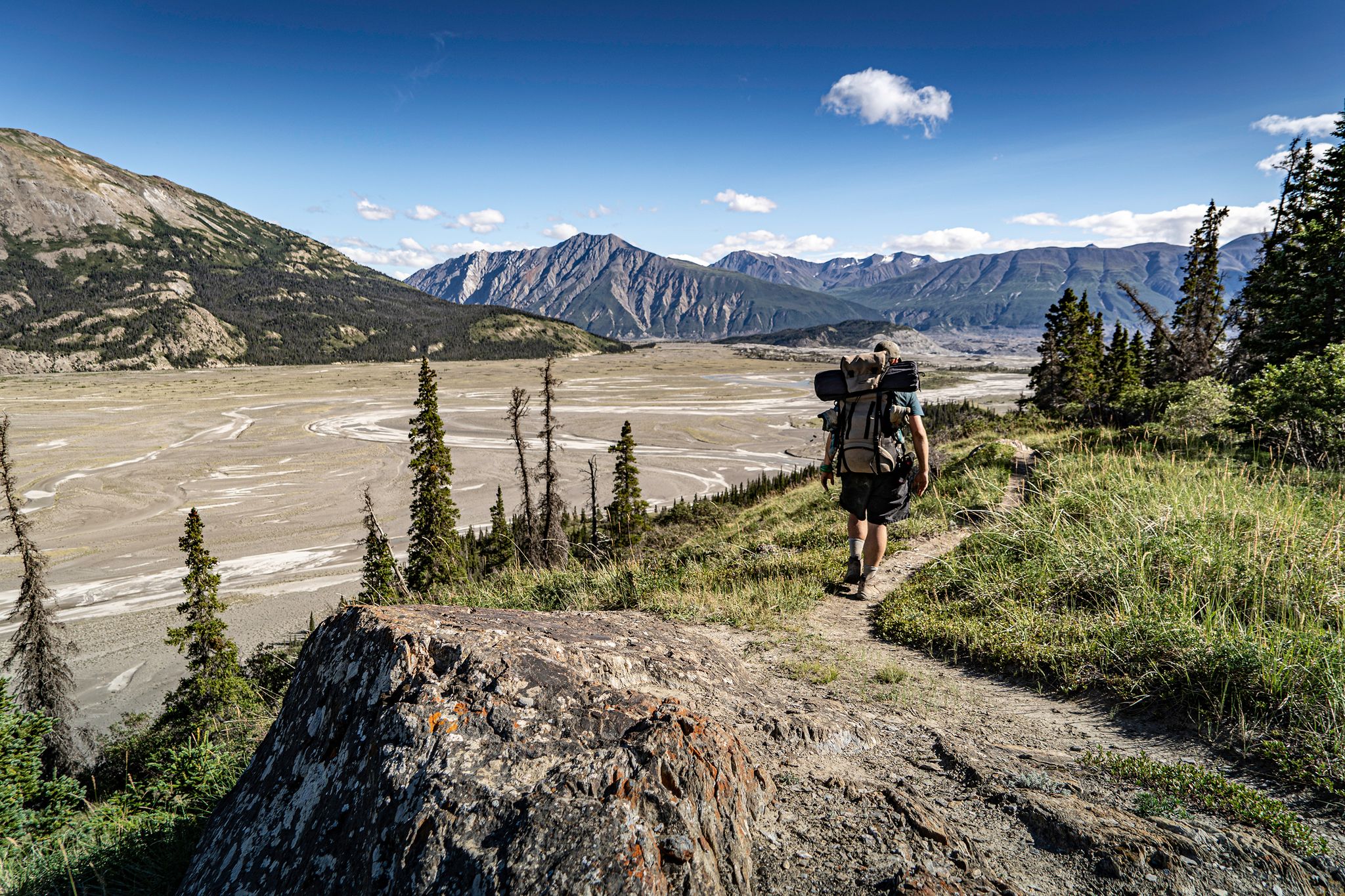
Adventure Yukon – stunning hikes on your road trip
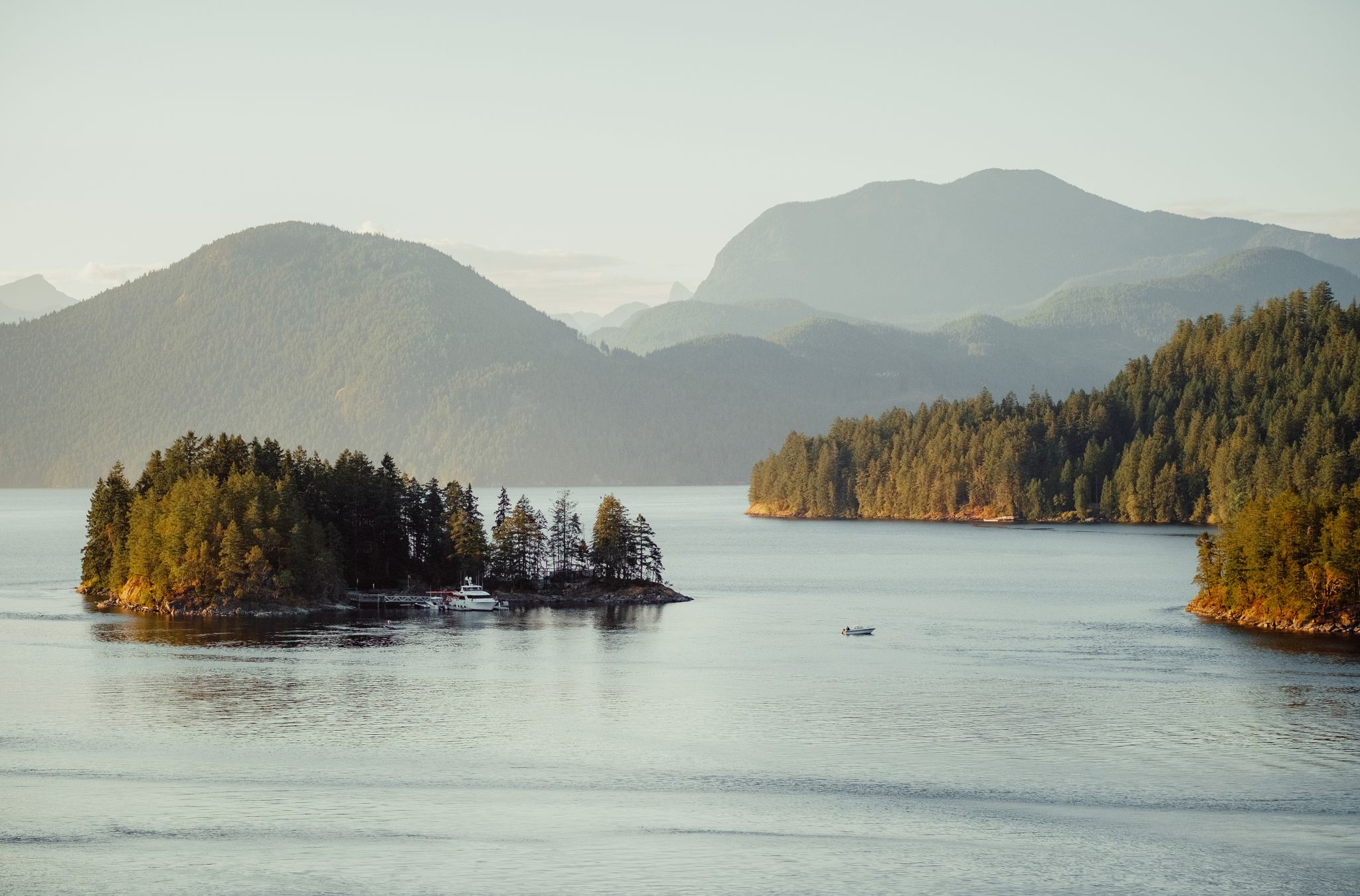
Pacific charm and peak happiness in British Columbia
Other adventures in the Coast Mountains


Tips from the Community

Built in 1954, this dam holds back Capilano Lake. It has a pretty impressive 91-metre spillway and is responsible for a large portion of the Lower Mainland's drinking water. The dam is part of the Capilano River Regional Park.
1
0

Tucked in the forest just outside Whistler Village, Lost Lake is a beautiful, quiet spot surrounded by tall evergreens and mountain views. It’s a popular spot for swimming and paddleboarding in summer, with trails around its perimeter perfect for hiking and biking. In winter, the area transforms into a snowy network of cross-country ski and snowshoe trails, offering a quiet escape just minutes from town.
1
0

Access to the Joffre Lakes Trail is located at the top of a pass. Joffre Creek drains west into the Lillooet River, while Cayoosh Creek flows east and empties into Duffey Lake, which drains into the Fraser River. During the summer months, you must register for the Joffre Lakes Trail free of charge – for information, see the following website: https://bcparks.ca/reservations/day-use-passes/#joffre-lakes Registration is required to ensure a manageable number of hikers in the park – a maximum of 500 people per day. The trail leads to the park's three lakes: Lower Lake, Middle Lake, and Upper Lake. The Lower Joffre Lake is just a few hundred meters from the parking lot. Joffre Lakes Park is known for its turquoise lakes and panoramic views of snow-capped peaks; the base of the Matier Glacier is visible. Below the Upper Joffre Lake, Holloway Falls plunge into the depths. The trail ends at Upper Joffre Lake, but it is possible to continue along the western shore to the Joffre Lakes Backcountry Campground and further to the southern end of the lake, where rushing streams carry the waters of the Matier Glacier. (Visit May 28, 2025)
2
0
Middle Joffre Lake lies at an elevation of approximately 1,520 m and is easily accessible via a well-trodden trail—with an elevation gain of approximately 250 m from the parking lot on Duffey Lake Road. On the north shore of the lake, where Joffre Creek emerges, there are magnificent views of the mountains, including the peak of Mount Matier and its glacial base, as well as Slalok Mountain. During our descent in the afternoon (visit on May 28, 2025), numerous swimmers had entered the lake.
2
0
Upper Joffre Lake lies at an elevation of 1,570 m and is easily accessible along a shady forest trail. Below the lake, the ascent takes you past the rushing Holloway Falls. There is an elevation difference of approximately 60 meters between Middle and Upper Joffre Lake. The lakeshore offers a stunning panorama, including Joffre Peak and Slalok Mountain, as well as the glacial base of Mount Matier; the mountain peak itself is not visible from here. (Visit May 28, 2025)
2
0
Two airlines offer scenic flights over the mountains, glaciers, and fjords during the summer months of May to September from the Green Lake Floatplane Dock. Flights to Vancouver and Vancouver Island are also available during this period. https://harbourair.com/locations/whistler/ https://www.whistlerreservations.com/summer-activities/whistler-float-plane-tour
2
0
Lost Lake was formed when glaciers retreated from the valley, leaving behind a buried block of ice. After the ice melted, a circular depression was created that filled with water, forming a so-called kettle lake. https://fireandicegeoregion.ca/geosite/lost-lake/ https://www.legendswhistler.com/whistler/news/2019/4/11/lost-lake-whistler/
2
0

The direct route from the parking lot to Garibaldi Lake is easily doable even in early May, as the snow on the trails is already packed. Before that, we hiked up to Panaroma Ridge, which is almost impossible without snowshoes or something similar at this time of year (1.80 meters of snow), but at least you're completely alone there.
0
0
Frequently Asked Questions
What are some of the most scenic lakes in the Coast Mountains?
The Coast Mountains are home to many stunning lakes. Garibaldi Lake is renowned for its striking turquoise glacial waters and panoramic mountain views. The Joffre Lakes system, including Lower Joffre Lake and Middle Joffre Lake, offers vibrant turquoise colors from glacial till. Logger's Lake, a unique crater lake, also provides a stunning natural setting.
Are there family-friendly lakes in the Coast Mountains?
Yes, several lakes are ideal for families. Lost Lake, just outside Whistler Village, is popular for swimming and paddleboarding, with easy trails. Alta Lake offers sandy beaches, picnic areas, and rentals for canoes and kayaks. Cultus Lake, though not a highlight in the guide, is also known as a family favorite with clear waters and recreational activities.
What kind of natural features can I expect to see around the lakes?
The lakes in the Coast Mountains showcase diverse natural features. Many are glacier-fed, resulting in vibrant turquoise waters, like Garibaldi Lake and the Joffre Lakes. You can find kettle lakes formed by retreating glaciers, such as Lost Lake, and even unique crater lakes like Logger's Lake, nestled in an extinct volcano. Surrounding landscapes often include snow-capped peaks, extensive forests, and waterfalls.
What outdoor activities can I do near these lakes?
The lakes offer a wide range of outdoor activities. Many are excellent for swimming, paddleboarding, canoeing, and kayaking, especially Lost Lake and Alta Lake. Hiking is very popular, with trails ranging from easy walks to challenging alpine routes. For more detailed hiking options, explore the Mountain Hikes in the Coast Mountains or Easy hikes in the Coast Mountains guides. In winter, some areas like Lost Lake transform into cross-country ski and snowshoe trails.
Are there challenging hikes to alpine lakes in the Coast Mountains?
Yes, for those seeking a challenge, the Coast Mountains offer demanding hikes to stunning alpine lakes. The trail to Garibaldi Lake, for instance, is a challenging 9-kilometer hike with significant elevation gain, rewarding hikers with pristine glacial beauty. The Joffre Lakes Trail also involves a climb to reach the upper lakes. You can find more challenging routes in the Mountain Hikes in the Coast Mountains guide.
What is the best time to visit the lakes in the Coast Mountains?
The best time to visit largely depends on your desired activities. Summer (June to September) is ideal for swimming, paddleboarding, and hiking, as trails are clear and weather is warm. However, popular spots like Joffre Lakes may require day-use passes during peak summer. Fall offers beautiful foliage, while winter transforms the landscape for cross-country skiing and snowshoeing around lakes like Lost Lake.
Are there any lakes where I can watch seaplanes?
Yes, Green Lake is a great spot for watching seaplanes. Two airlines offer scenic flights over the mountains, glaciers, and fjords from the Green Lake Floatplane Dock during the summer months (May to September). It's a unique viewpoint for aviation enthusiasts.
What do visitors enjoy most about the lakes in the Coast Mountains?
Visitors frequently praise the stunning natural beauty, especially the vibrant turquoise colors of the glacier-fed lakes like Garibaldi Lake and the Joffre Lakes. The opportunity for refreshing swims after strenuous hikes, the serene forest settings, and the variety of recreational activities like paddleboarding and hiking are also highly appreciated. Many enjoy the peaceful escape and photographic opportunities.
Are there any unique or hidden gem lakes worth exploring?
While popular lakes draw crowds, Logger's Lake offers a unique experience as a crater lake within an extinct volcano, accessible via the scenic Crater Rim Trail. Beaver Lake in Stanley Park is also considered a charming spot, known for its beautiful water lilies and birdwatching opportunities, offering a peaceful detour.
Are permits or reservations required to visit certain lakes?
Yes, for some popular destinations, permits or reservations are necessary, especially during peak seasons. For example, day-use passes are required for Joffre Lakes during summer months to manage visitor numbers. If you plan to camp at Garibaldi Lake, booking a campground in advance is mandatory. Always check the latest regulations before your visit.
Can I go wild swimming in the lakes?
Many lakes in the Coast Mountains offer opportunities for wild swimming, though the water can be very cold, especially in glacier-fed lakes like Garibaldi Lake. Lakes like Lost Lake and Logger's Lake are particularly inviting for a refreshing dip after a hike. Harrison Lake, the largest in the southern Coast Mountains, is also a popular spot for swimming.
Are there opportunities for road cycling near the lakes?
Yes, the Coast Mountains region provides excellent opportunities for road cycling. While not directly on the lake shores, many routes offer scenic views and pass through areas with access to lakes. You can explore various options, including easy, moderate, and difficult routes, by checking the Road Cycling Routes in the Coast Mountains guide.
Most popular routes in the Coast Mountains
Most popular attractions in the Coast Mountains

Get inspired with the komoot mobile app


Explore more
Still not found your perfect lake in the Coast Mountains? Check out the guides of these regions to see even more beautiful places.
