Top 3 Lakes around Longridge
Best lakes around Longridge are primarily reservoirs and private fisheries, as the area is not characterized by large natural lakes. These bodies of water serve as significant recreational destinations, offering opportunities for walking, angling, and wildlife observation. The landscape around Longridge features robust stone constructions of Victorian-era waterworks and diverse habitats. The region provides a mix of managed waters and natural settings for outdoor activities.
Best lakes around Longridge
- The most popular lakes is Brockholes Nature Reserve, a lake…
Last updated: June 30, 2026
Brockholes Nature Reserve
Highlight • Lake
Tip by

Dean Clough Reservoir
Highlight • Viewpoint
Tip by

Sign up now to discover places like this
Get recommendations on the best single tracks, peaks, & plenty of other exciting outdoor places.
Sign up for free
Haslam Park Lake and Savick Brook Bridges
Highlight (Segment) • Bridge
Tip1
Quote from the Park's website:
"The park's paths are perfect for walking/cycling"
tinyurl.com/Haslam-Park
The park is a good start point, with parking, to explore Haslam Nature Reserve, …
Tip by

Beacon Fell Tarn
Highlight • Lake
Tip by

Blackburn to Chorley
Highlight (Segment) • Viewpoint
Tip by

Start today with a free account
Your next adventure awaits.
Login or Signup
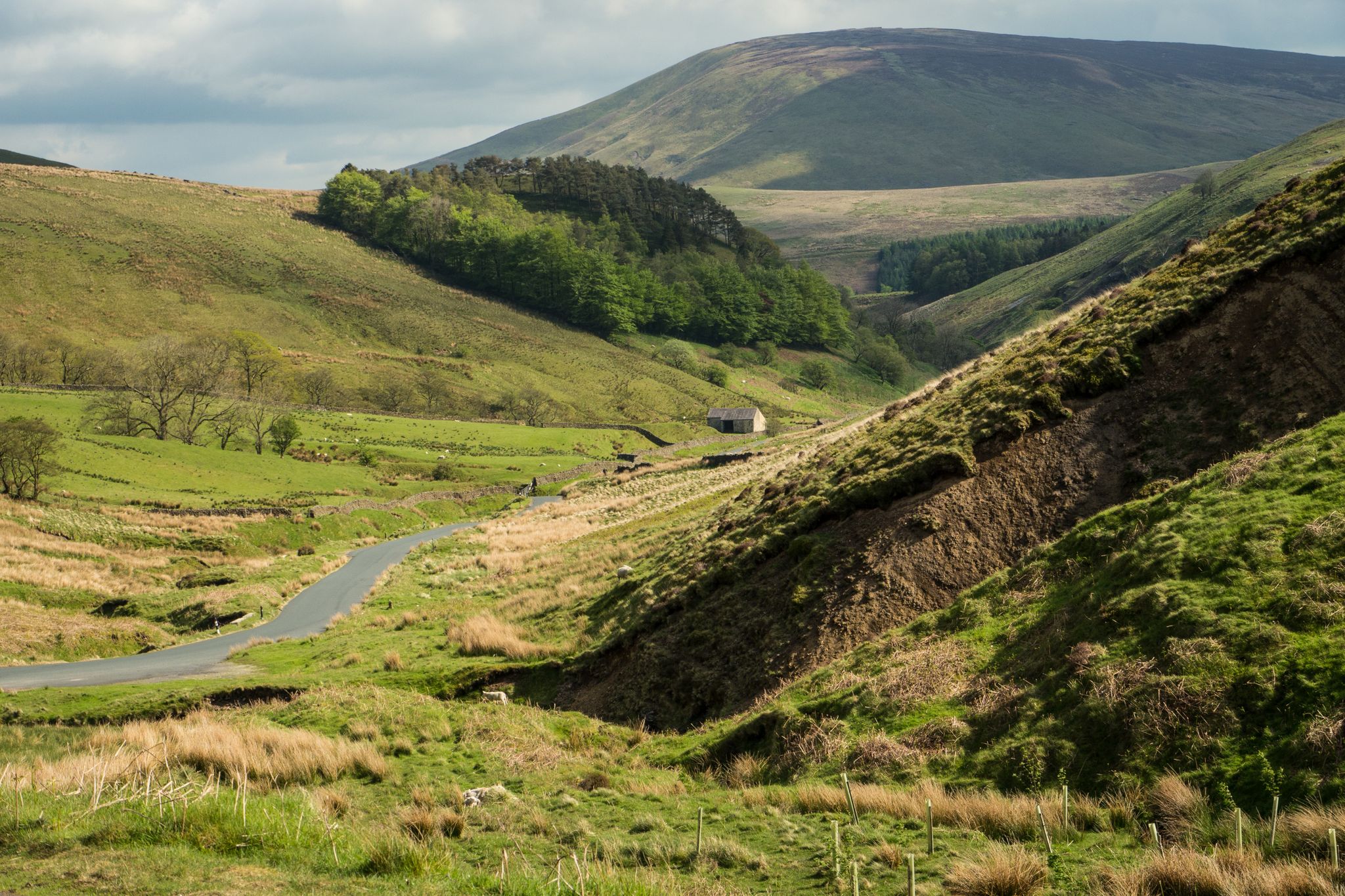
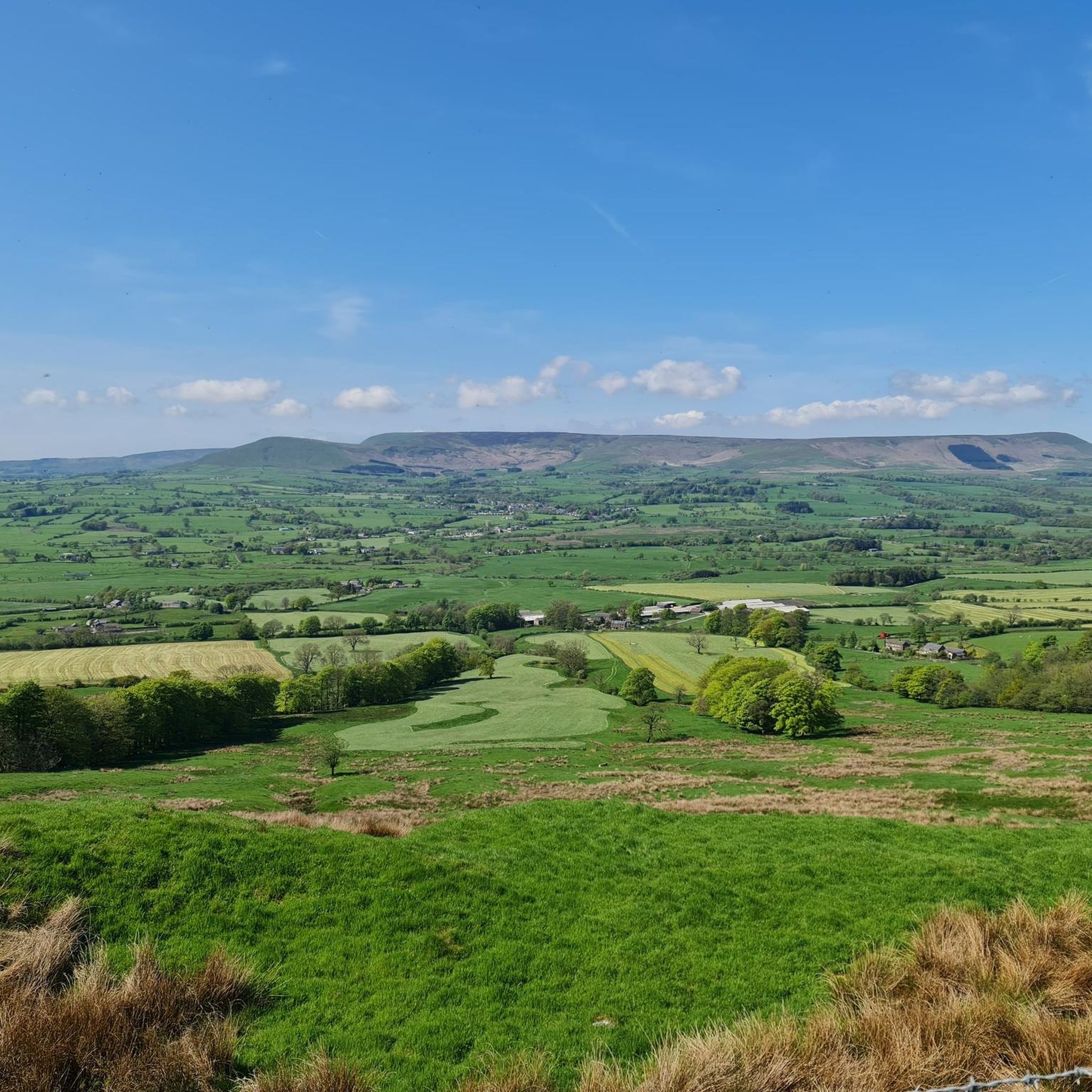
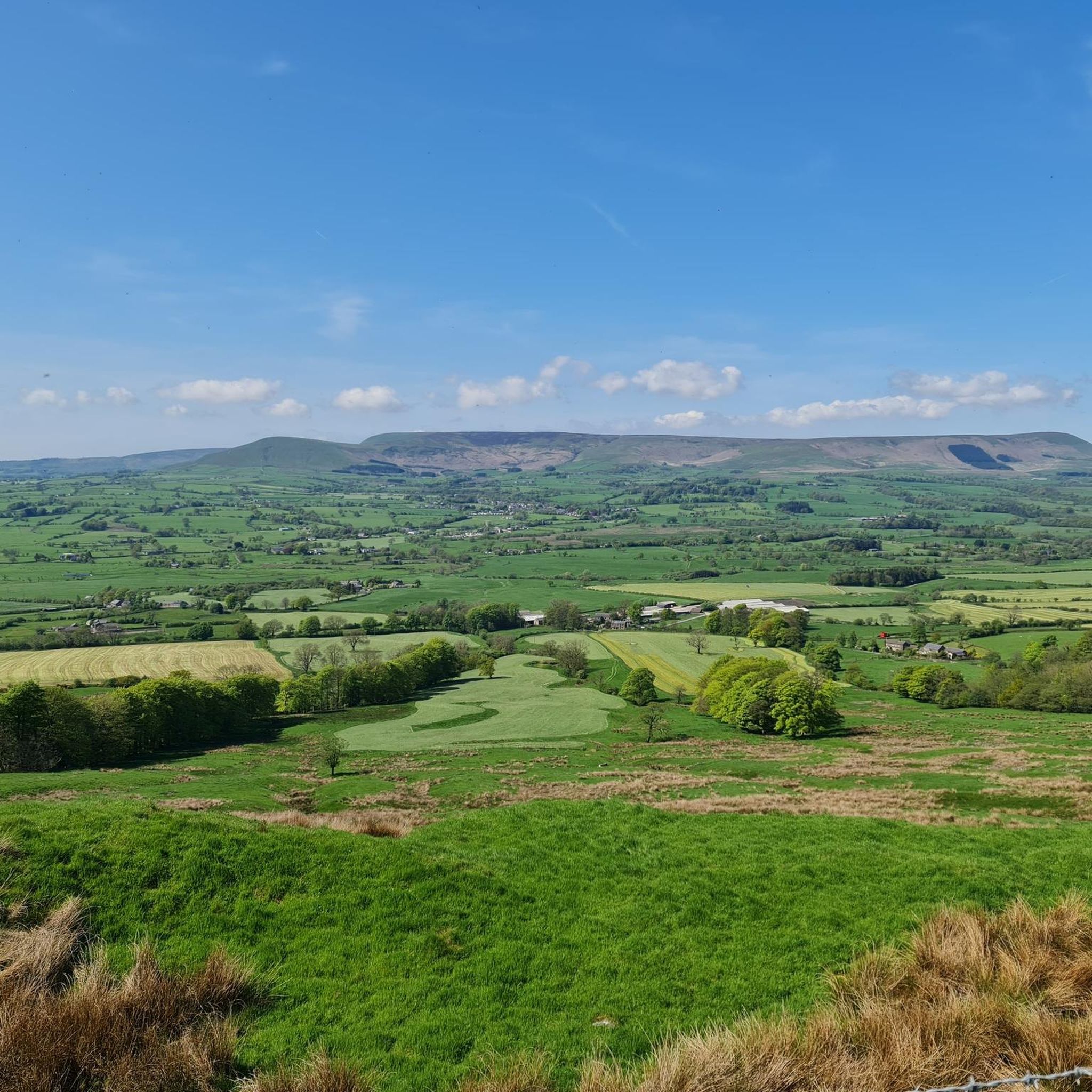
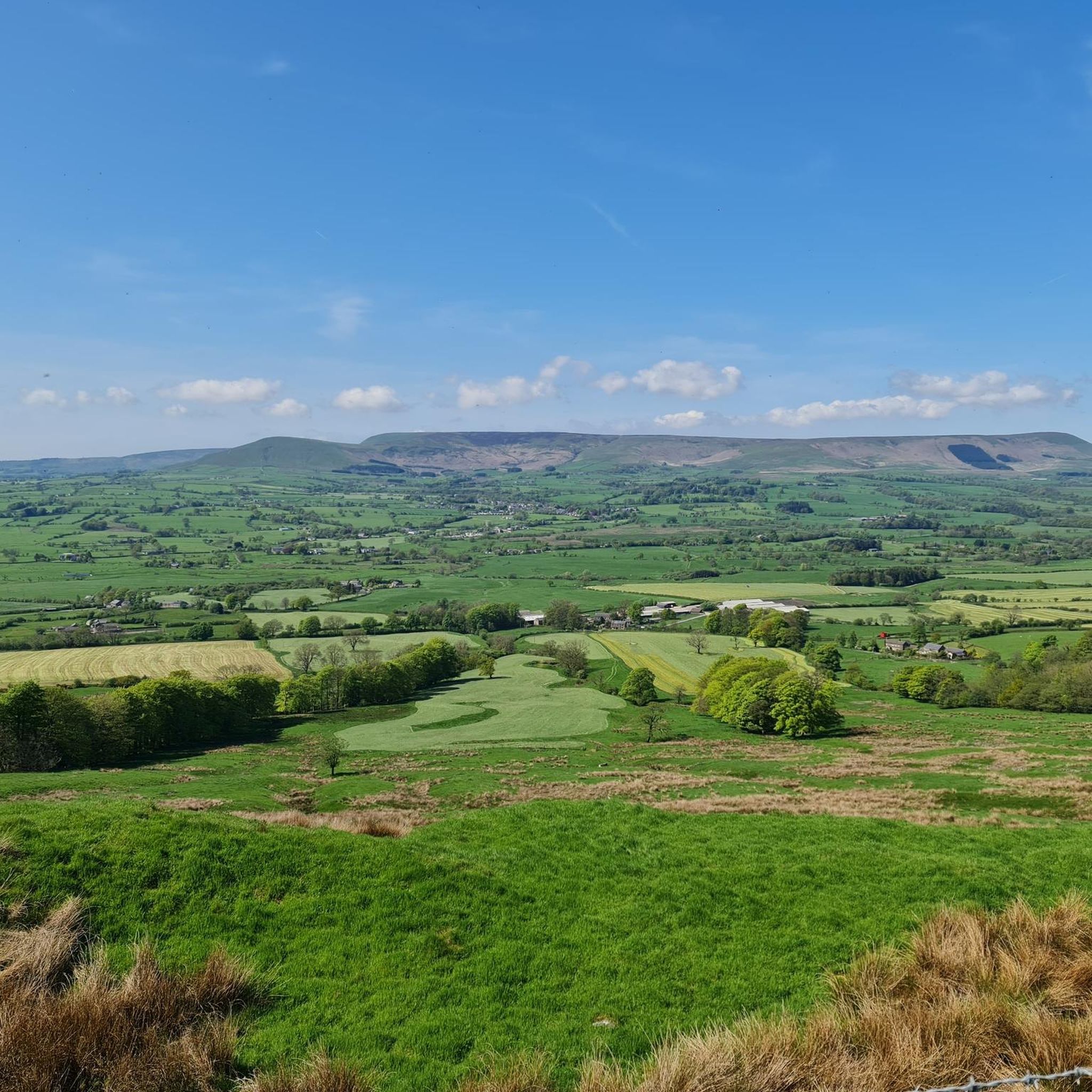
Other adventures around Longridge

Tips from the Community

Lovely little spot to stop, enjoy nature and recharge. Easily reached from the Quarry Car Park with well marked trails.
0
0

You cannot see Anglezarke or it's reservoir from here ... wrong area
0
0

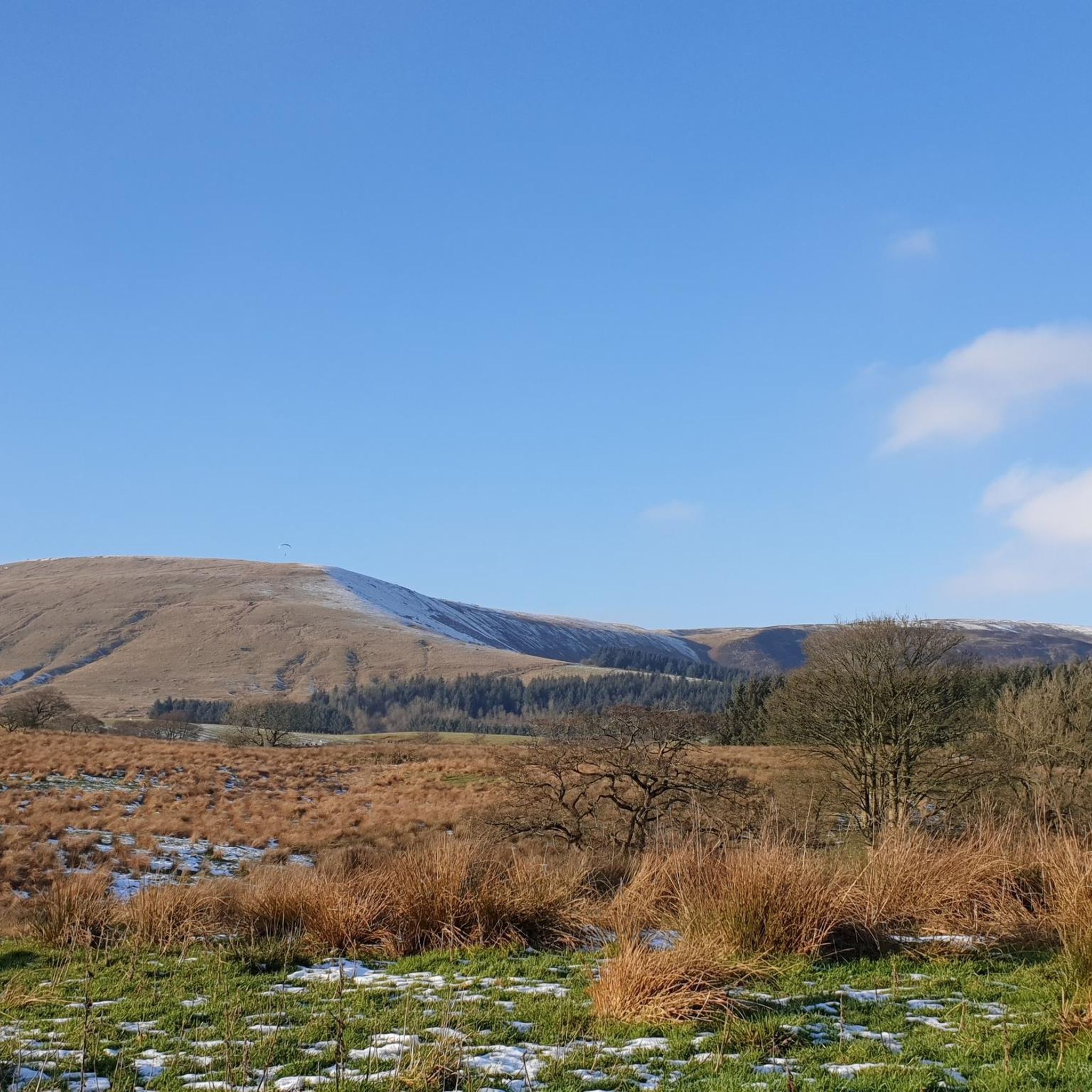
Great views of Pendle Hill on a clear day.
0
0

Lots of hideaways to stop and admire the wildlife
1
0

Brockholes was previously a major quarry extraction site. The land was bought by the Trust in January 2007, and the reserve opened to the public at Easter 2011. It has been regenerated as a mosaic of key habitats such as pools, reedbeds and woodland. The reserve is aimed less at dedicated bird-watchers and nature lovers than the general public of the big cities. The riverbank is covered in steaming ferns and rampant Himalayan balsam. Brockholes offers a wide range of events throughout the year and over 250 acres of trails and hides. It has already seen record numbers of breeding wading birds along with visitors such as osprey, otter and bittern. Now it's a beautiful nature reserve with amazing wildlife.
6
0

Tip10 How To View In Split-Screen Instructions for a Windows PC/Laptop Easy to do in Windows 10/11. You have a choice - you can open the same webpage in two different web browsers displayed on the two halves of the screen or open the same webpage using a single web browser in two windows on the two halves. The instructions below are minimal. For a more detailed explanation see Comment10 in this link: https://www.komoot.com/tour/610244459 These instructions use a single web browser, e.g. Chrome. 1) First open this webpage on your Windows PC/Laptop, maximise it and scroll to these instructions. Copy the web address. You will need to paste it - see below. 2) Locate this browser's tab on the taskbar. Opposite click on it and click 'Open new window'. When opened maximise it if necessary and then paste the web address into the new window and scroll to these instructions so that you can continue to follow them. 3) Press and hold the Windows key and press the left arrow key. The active window will move the left side of the split screen. 4) You should now see the right hand half of the first window. Click that window to display it 'on top'. These instructions should still be visible on the right. Check that it is full screen. Press and hold the Windows key again and press the right arrow key. 5) The two windows should now display, left and right. You have a split-screen. You may need to make a small adjustment (drag) if the windows overlap slightly at the join. Scroll one window to display the photos and the other for the photo descriptions in Tip1.
0
0
Slideshows Tip8 A Komoot slideshow in a web browser differs slightly from a slideshow in the Komoot app. These notes assume that you are using an Android phone or a Windows PC/laptop and that the slideshow is in a Highlight and not a Tour. You may wish to open this highlight on 2 devices to easily compare the photos alongside relevant comments - or display on the 2 halves of a split-screen (see Tips 9 and 10). To start the slideshow - tap the first photo. On a web browser - on e.g. an Android phone or a Windows PC: 1) To end slideshow - tap/click 'Close x' at top-right. 2) To move to next slide - tap/click the current slide. 3) To move back one slide - tap/click thumbnail image on left. To enlarge a slide on an Android - 'tap and hold' and then tap: 1) Chrome 'Preview image'. 2) Firefox 'Open image in new tab' - then tap SWITCH. Zoom-in with 'pinch zoom'. To reverse the above: 1) Chrome: tap the X at the top-right of the Preview image. 2) Firefox: if using split-screen, 1st tap the image to give it focus and then tap the left arrow 'back' button at bottom of screen - probably a left-pointing chevron. To Enlarge a Slide On a Windows PC a) Click the image with the opposite mouse button (maybe the right buttton) then click 'Open image in new tab' with the other button. b) Click on the new tab to open it. c) Click the enlarged image to enlarge it some more - use the scroll bars to move over the image. d) Click the image to to reduce it. e) Close the new tab. In the Komoot App slideshow: 1) To end - tap the left arrow at top-left of slideshow. 2) To move to next slide - flick left. 3)To move back one slide - flick right. 4) To enlarge a slide - double tap. 5) To reverse the above - double tap. 6) To zoom-in - 'pinch zoom'.
1
0
Frequently Asked Questions
What types of lakes and reservoirs can I find around Longridge?
The Longridge area is characterized by a mix of historic reservoirs and private fisheries rather than large natural lakes. These include significant Victorian-era waterworks like the Alston Reservoirs and Spade Mill Reservoirs, which were built to supply water. You'll also find smaller, tranquil spots such as the Dilworth Reservoirs, known for angling and birdwatching, and dedicated fisheries like Woodfold Farm Fisheries and The Horns Dam.
Are there family-friendly lakes and nature reserves to visit near Longridge?
Yes, several spots are ideal for families. Brockholes Nature Reserve is a fantastic option, offering 250 acres of ancient woodland, lakes, and viewing points for wildlife. It also features a floating cafe and visitor center. Haslam Park Lake provides paths perfect for walking and cycling, and Beacon Fell Tarn is a lovely, easily accessible spot to enjoy nature.
What outdoor activities can I do around the lakes near Longridge?
The reservoirs and fisheries around Longridge offer various activities. Walking is very popular, with routes around the Alston Reservoirs and Beacon Fell. Angling is a key activity at Dilworth Reservoirs, Spade Mill Reservoirs, Woodfold Farm Fisheries, and The Horns Dam. For more structured outdoor adventures, you can explore numerous hiking and cycling routes in the wider area. Check out the hiking guide for Longridge or the cycling guide for Longridge for detailed routes.
Where can I go for a peaceful walk around a lake near Longridge?
For a peaceful walk, consider the areas around the Alston Reservoirs, which offer routes past impressive Victorian-era waterworks. The Dilworth Reservoirs are also known for their tranquility and birdwatching opportunities. Beacon Fell Tarn is another quiet, scenic spot easily reached via well-marked trails from the Quarry Car Park.
Are there any historical aspects to the lakes in the Longridge area?
Yes, many of the significant bodies of water in the Longridge area are historical reservoirs. The Alston Reservoirs, for example, were constructed in the late 19th and early 20th centuries to supply water to Preston, showcasing robust Victorian stone construction. Spade Mill Reservoir No. 1 dates back to 1862, and Upper Dilworth reservoir was built around 1835, highlighting the region's industrial heritage in water management.
What are the best lakes for fishing near Longridge?
Anglers have several excellent options. Upper Dilworth Reservoir is a popular spot for angling. The Spade Mill Reservoirs are managed by the Spade Mill Angling Club and offer freshwater fishing. Woodfold Farm Fisheries, though members-only, provides six waters stocked with a diverse array of fish. The Horns Dam also features three well-stocked fishing lakes with carp, roach, and rudd.
Can I find circular walking routes around lakes near Longridge?
Yes, many of the popular walking areas around Longridge's reservoirs offer circular routes. For instance, there are well-marked trails around Beacon Fell Tarn. The Alston Reservoirs also have established walking paths that allow for circular exploration of the area. You can find more detailed circular hiking routes in the Longridge hiking guide, such as the 'Longridge Fell loop – Forest of Bowland'.
What wildlife can I expect to see around the lakes in Longridge?
The lakes and reservoirs are rich in wildlife. Brockholes Nature Reserve is a prime location for varied wildlife, including record numbers of breeding wading birds, and visitors like osprey, otter, and bittern. The Dilworth Reservoirs are known as a haven for waterbirds, with Great Crested Grebes having nested there. Many areas also support diverse fish populations, attracting various bird species.
Are there any lakes near Longridge with good viewpoints?
Yes, several locations offer scenic views. From elevated points like Craig Y Longridge, you can enjoy views across the Spade Mill Reservoirs. Dean Clough Reservoir is noted for great views, including Pendle Hill on a clear day. Brockholes Nature Reserve also has dedicated viewing points for observing nature.
What is the best time of year to visit the lakes around Longridge?
The lakes and reservoirs around Longridge can be enjoyed year-round. Spring and summer are ideal for wildlife spotting, walking, and enjoying the greenery. Autumn offers beautiful foliage, while winter provides a different, often quieter, perspective, though some paths might be muddy. Always check local conditions, especially during colder months, and dress appropriately.
Are there options for cycling near the lakes in Longridge?
Yes, cycling is possible in several areas. Brockholes Nature Reserve allows cycling on the Guild Wheel Cycle Route through the reserve. Haslam Park Lake has paths suitable for cycling. For more extensive rides, explore the cycling guide for Longridge, which includes routes like the 'Beacon Fell – Beacon Fell Descent loop'.
Most popular attractions around Longridge

Get inspired with the komoot mobile app


Explore more
Still not found your perfect lake around Longridge? Check out the guides of these regions to see even more beautiful places.
