Top 6 Castles around Ettrick And Yarrow
Best castles around Ettrick And Yarrow are found within the Ettrick and Yarrow valleys, a region in the Scottish Borders known for its rich collection of historic castles and towers. Many of these structures are Border Peel Towers, defensive buildings from a turbulent period of cross-border raiding. The landscape features rolling hills, woodland trails, and rivers, providing a scenic backdrop for exploring these historical sites. Visitors can find both atmospheric ruins and sensitively restored properties, offering insight into the region's…
Last updated: October 16, 2026
Abbotsford House and Gardens
Highlight • Castle
Tip by

The Haining Country Estate
Highlight • Settlement
Tip by

Sign up now to discover places like this
Get recommendations on the best single tracks, peaks, & plenty of other exciting outdoor places.
Castle Knowe Iron Age Fort
Highlight • Castle
Tip by

View of Elibank Castle
Highlight • Castle
Tip by

Newark Castle Ruins
Highlight • Castle
Tip by

Sign up for free to discover even more castles around Ettrick And Yarrow.
Already have an account?
Start today with a free account
Your next adventure awaits.
Popular around Ettrick And Yarrow
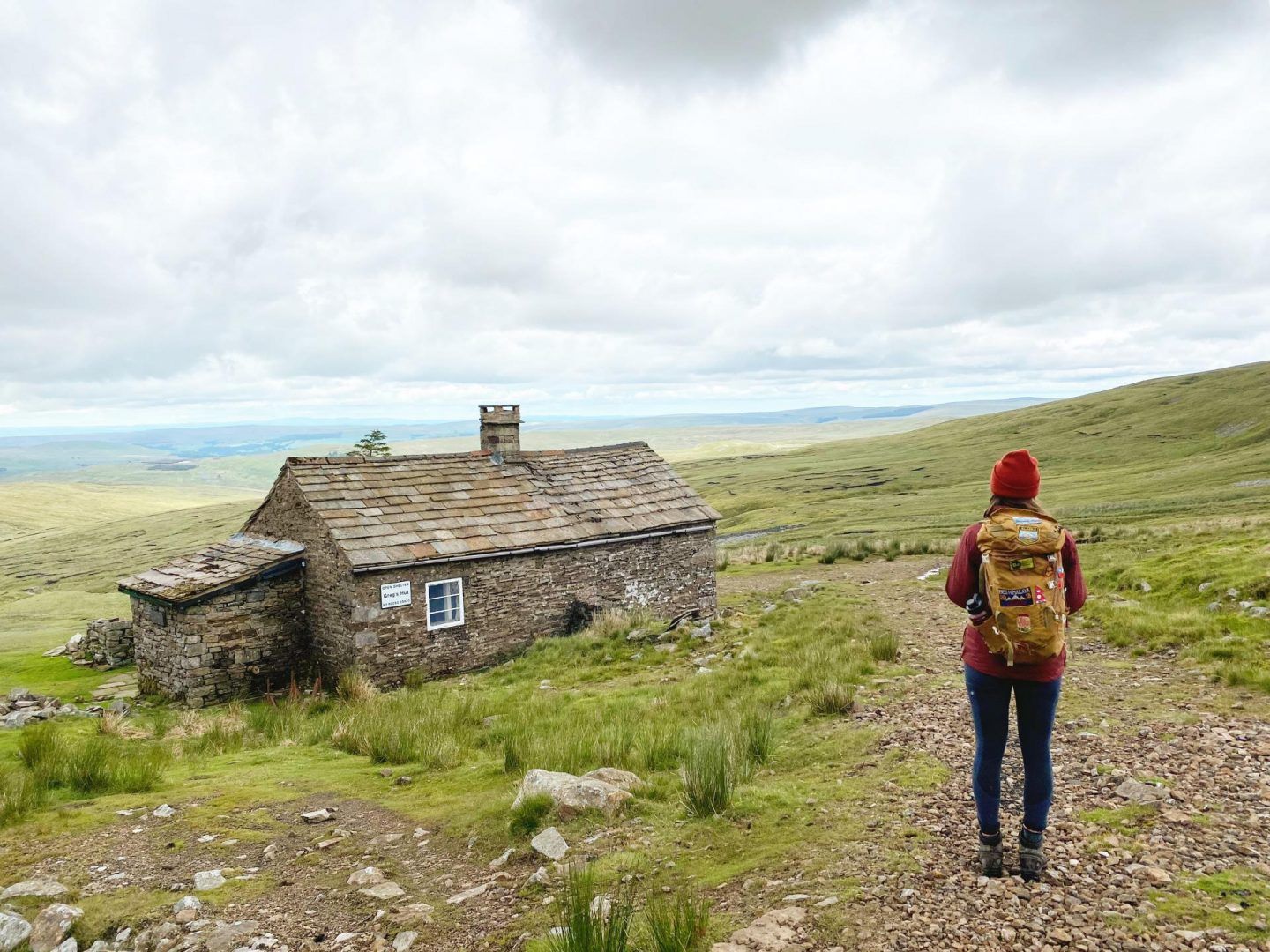
Bothies of Britain: hiking and biking adventures to unique mountain shelters
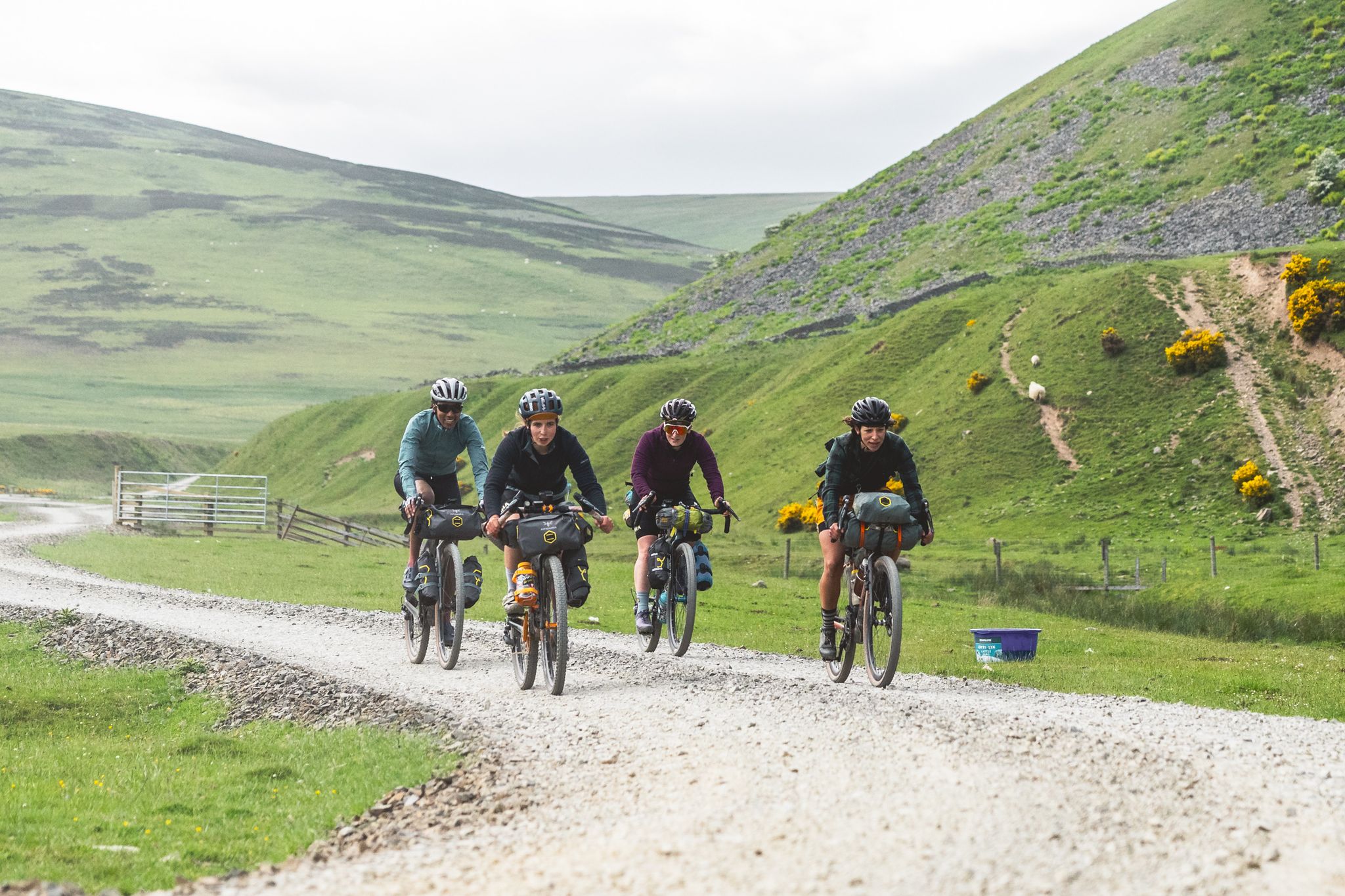
The Pennine Rally — Bikepacking Edinburgh to Manchester
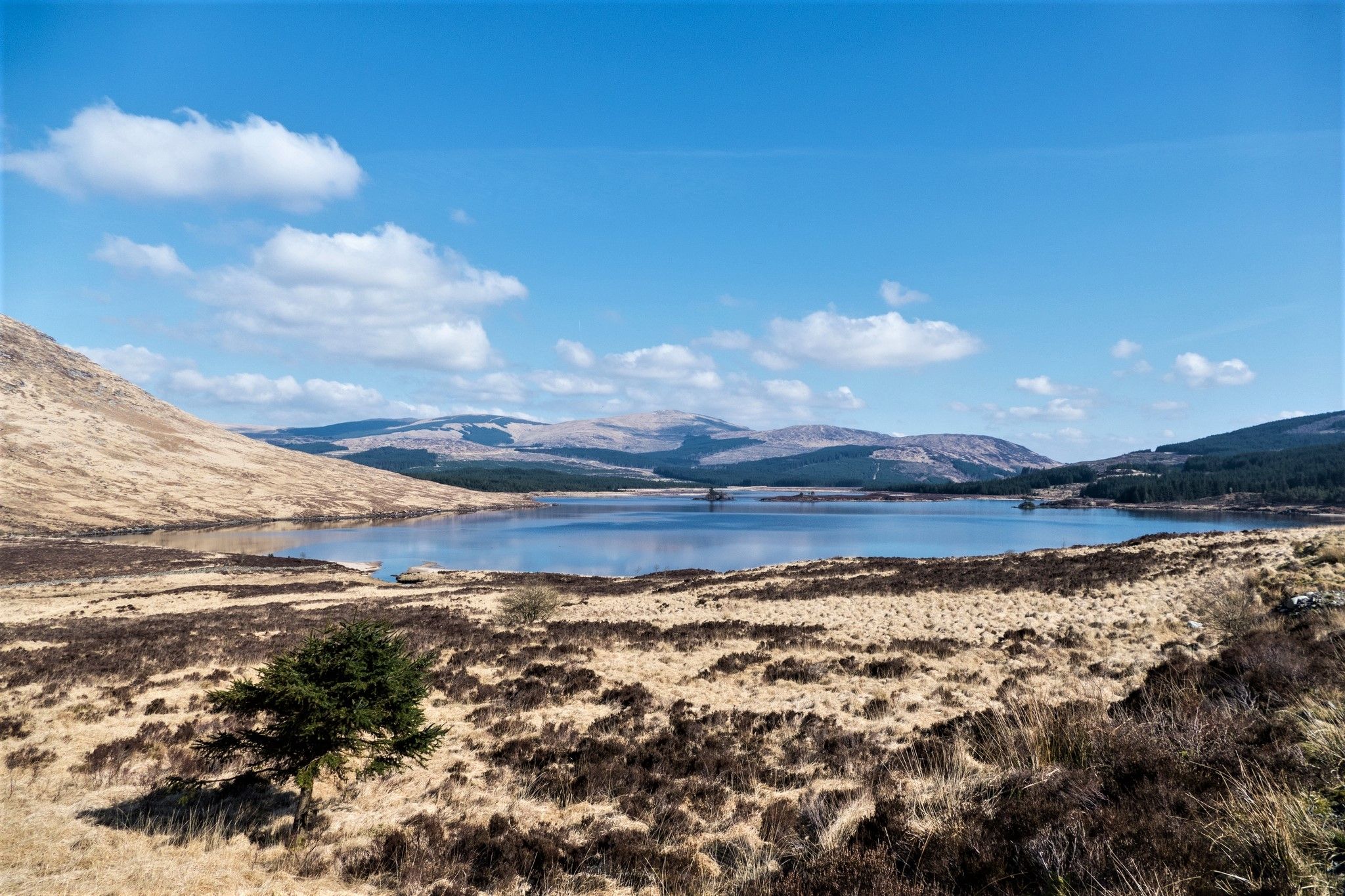
Southern Upland Way — A wild and undiscovered coast-to-coast challenge
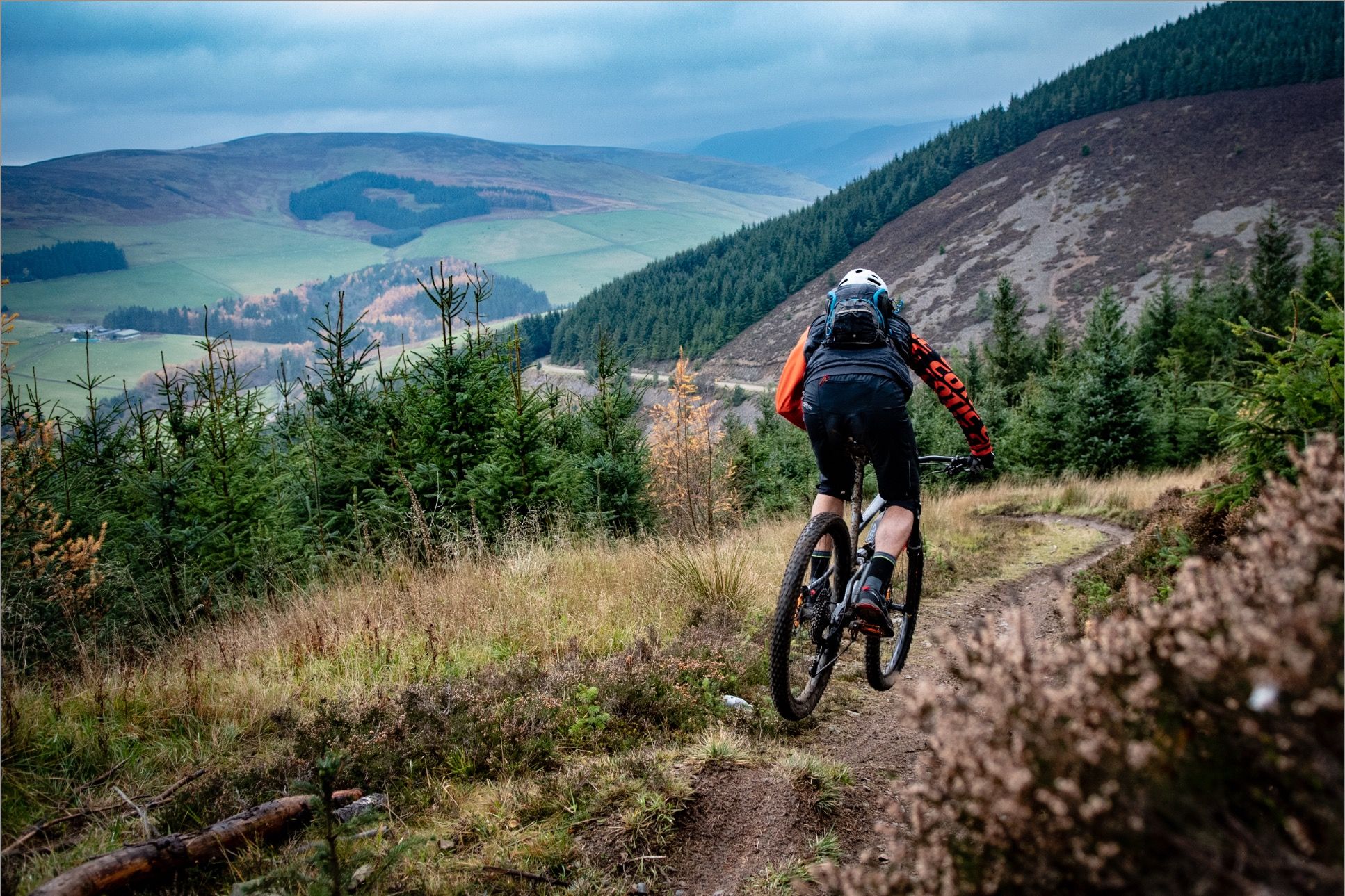
The Tweed Valley — Biking the Borders
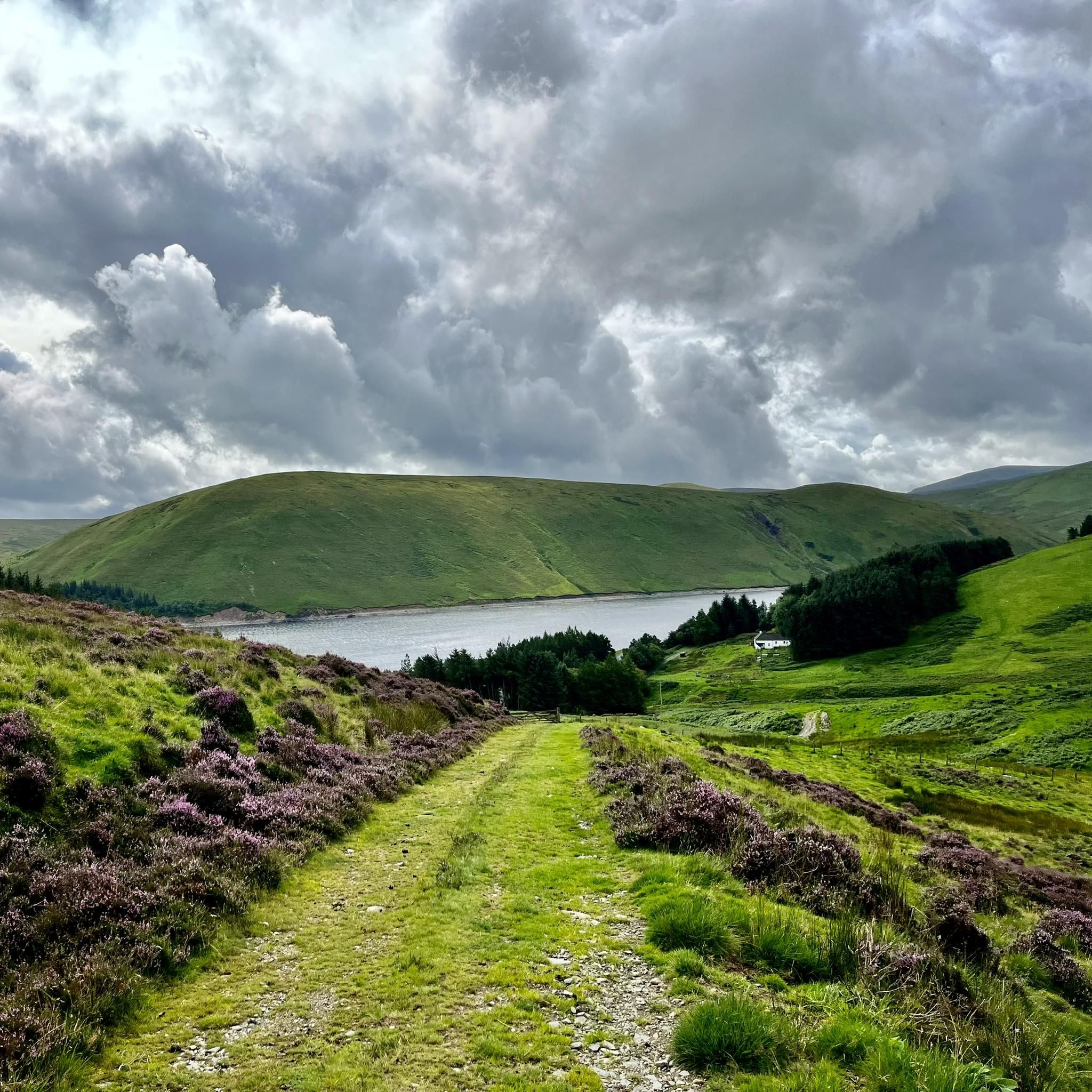
Hiking around Ettrick And Yarrow
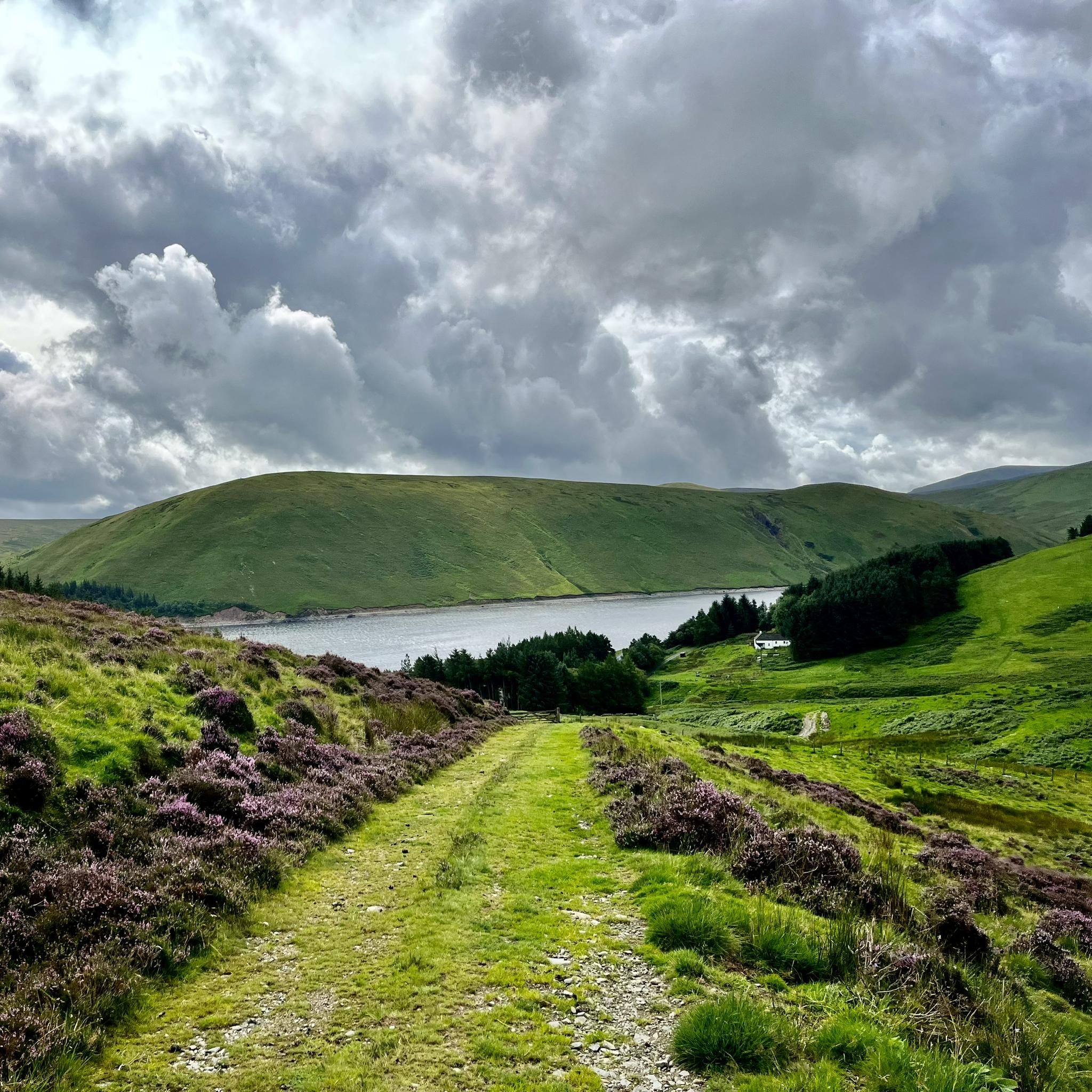
Running Trails around Ettrick And Yarrow
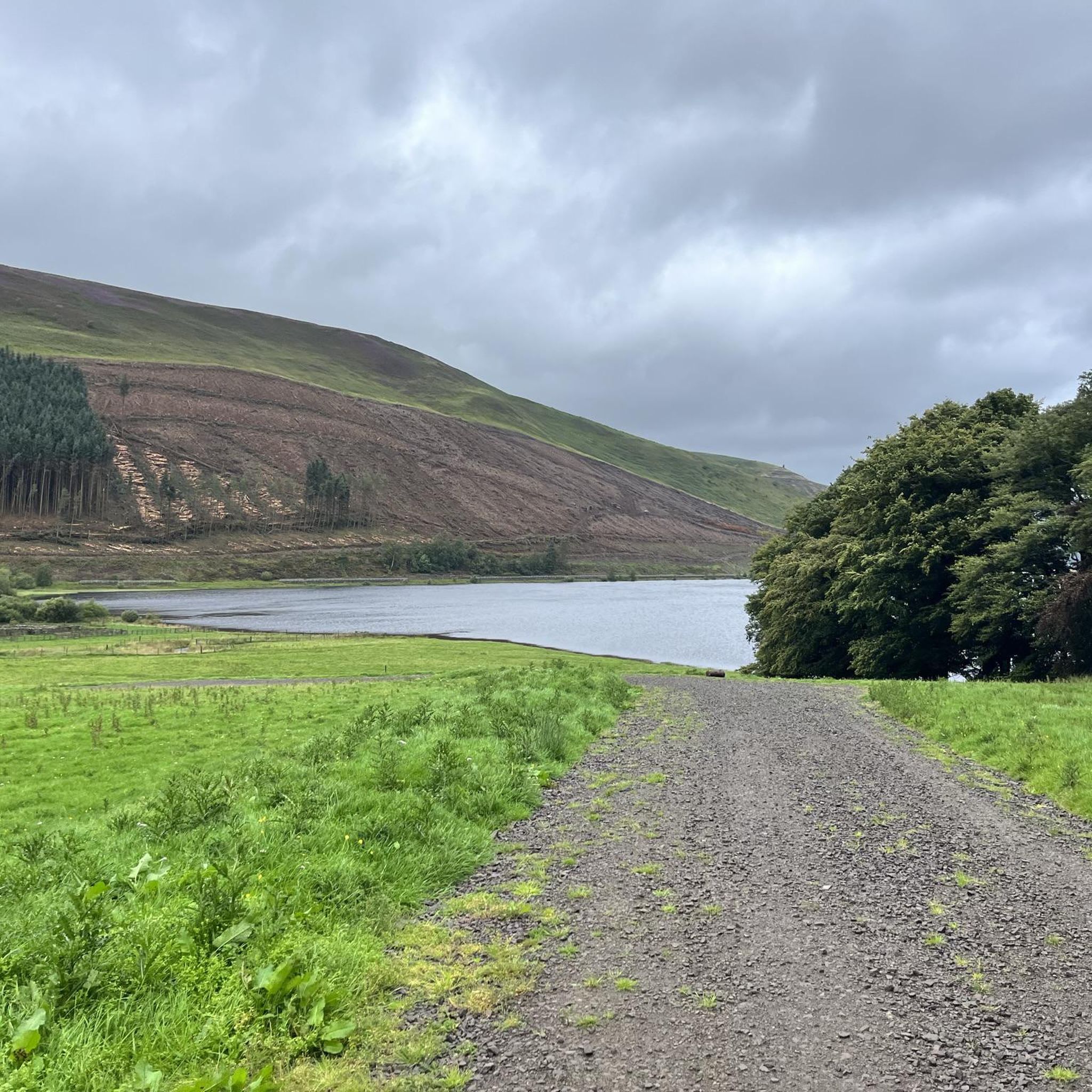
Road Cycling Routes around Ettrick And Yarrow
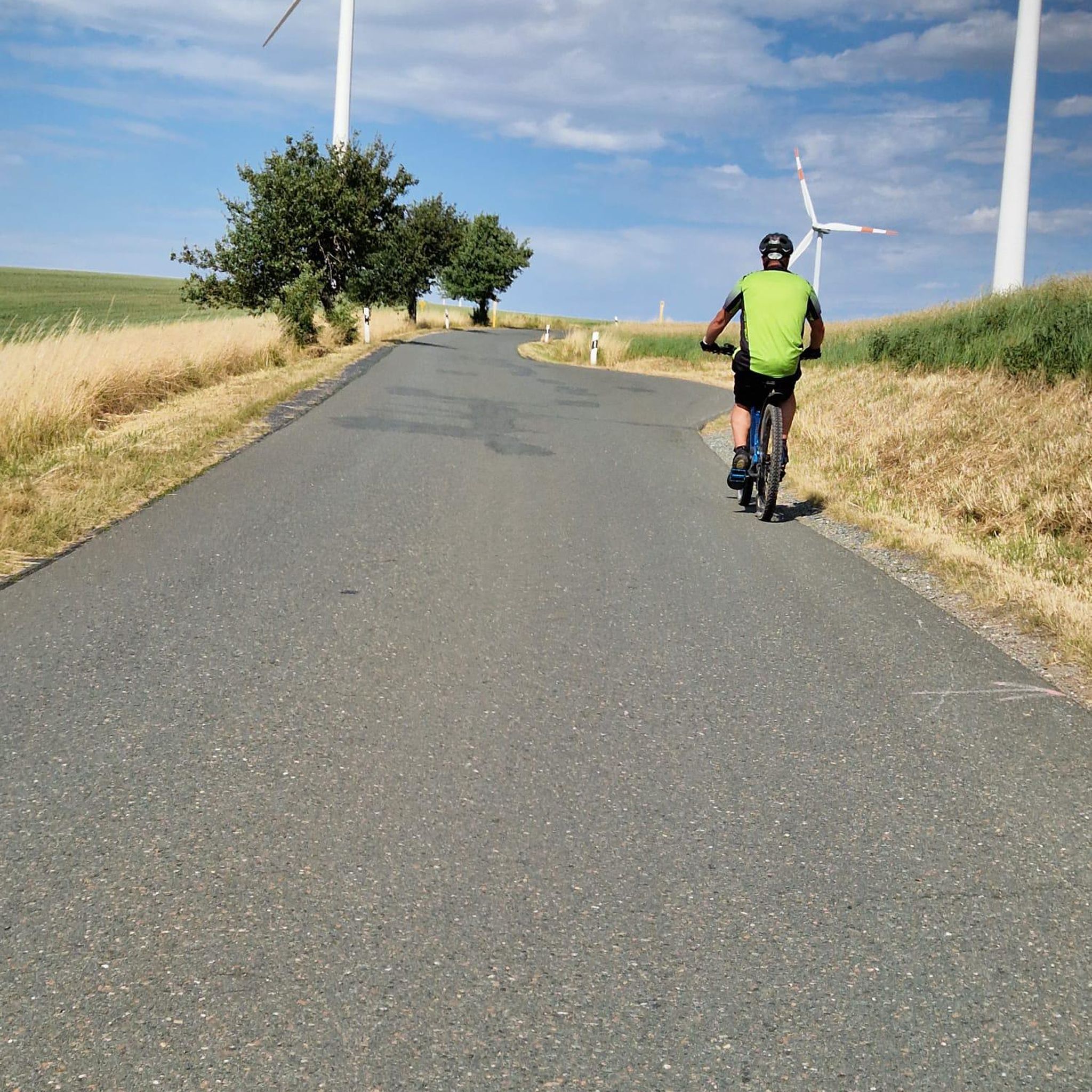
Gravel biking around Ettrick And Yarrow
MTB Trails around Ettrick And Yarrow
Cycling around Ettrick And Yarrow
Other adventures around Ettrick And Yarrow


Tips from the Community

The gardens are described as outdoor rooms within high walls. These include the South Court, Morris Garden, and Walled Garden. The estate is open to the public, offering visitors the chance to explore the historic house, gardens, and surrounding woodlands.
0
0
Abbotsford House served as both a family home and a workspace for Sir Walter Scott, housing his study, library, and collections of artifacts. He designed the house in the Scots Baronial style and filled it with books and historical objects.
0
0

For Goethe, Walter Scott's books were "the best things ever written in the world". With his historical novels, such as the one about the knight Ivanhoe, the Scottish writer, who was born 250 years ago, was one of the most famous authors of his time. Quote from Walter Scott: "I have read enough books to know that the deepest sayings come from the lips of poor and uneducated women and men. Things often come to light that are perhaps only found more sublime and moving in the Bible. Even the poet will only fulfill his true calling if he recognizes everything that is not a true inner education of the heart as vain and worthless." (Text from https://www.deutschlandfunk.de/250-geburtstag-des-schriftstellers-wie-sir-walter-scott-den-100.html )
0
0

An absolute highlight. The house is worth a look. The weapons collection is worth seeing. The garden is lovingly laid out and very well maintained.
1
0

Elibank was formerly known as Eliburn and overlooks the River Tweed from a commanding position high on its steep right bank. The late 16th century fortress is rudely built without any dressings and comprises an oblong main-block, with a square wing attached to the east corner. The remains are in a dilapidated state. In 1511 Elibank, or Eliburn as it was then, was in the hands of the Liddale family. However the ruined building that we see today was probably built by Sir Gideon Murray of Glenpoit who acquired Elibank from John Liddell of Halkerstone in 1594-5. The castle was already a ruin in 1722. Elibank is reputed to be the home of “Muckle Mouth Meg”. In the waning years of the 16th century, the Laird of Eliburn despaired of finding his daughter Meg a husband as she was no beauty and was not called “muckle mouth” without reason. One moonless night towards the turn of the old year the laird and his household were alerted by cries and a shot from the darkness beyond the castle. The laird, careful of his cattle and goods, and being no stranger to the ways of Reivers himself, kept a watch who had surprised a band of rogues that had forced a way into his barnekin and were attempting to drive off his livestock. In the ensuing confusion the laird’s men captured one of the thieves and flung him into the dank dungeon below the castle floor. In the morning the prisoner was brought before the laird, who evidently thought the lad worthwhile, and offered him a choice. He could hang or he could marry Meg. Horrified at the prospect of marrying Meg, for her fame was widespread, the lad chose the gallows. Meg’s father was not to be cheated of a husband for his daughter however, so he returned the unwilling suitor to the evil prison cell to reconsider. The lad, who it turned out, was Walter Scott from nearby Ettrick eventually reconsidered his choice and he and Meg were married. Surprisingly enough it seems that he and Muckle Mouth Meg got along well, she mellowed and he settled down and the marriage was something of a success in the end.
0
0

Newark Castle is a large ruined tower. It was first mentioned in 1423 and was packed back to the Crown in 1445 from the Earls of Douglas, and became one of only two royal castles in the Middle March. In 1645, after the Battle of Philiphaugh, one hundred prisoners were killed in the courtyard here, and Cromwell's troops occupied it in 1650. There's quite a lot of history here!
1
0

The fort sits at the top of Castle Knowe, one of several summits on the ridgeline over the Tweed Valley. With views over Cardrona it is surrounded by coniferous forest. To this date, the fort has never been excavated, so its age is unknown.
1
0

Abbotsford was the home of Sir Walter Scott. He built the house and laid out the gardens after the success of his literary work. The house was finished in 1824 and opened to the public after his death in 1833. It holds his amazing collection of books, weapons & artefacts. Open for paid visits every day from 10:00 - 17:00 with last entry at 16:00. You can pay to visit the house and garden or just the garden for a bit less.
3
0
Frequently Asked Questions
What makes the castles in Ettrick and Yarrow unique?
The Ettrick and Yarrow valleys are renowned for their collection of historic castles and towers, many of which are 'Border Peel Towers'. These defensive structures were built during a turbulent period of cross-border raiding, giving them a distinct historical significance tied to the Border Reivers era. You'll find a mix of atmospheric ruins and sensitively restored properties.
Are there any castles in the region that offer accommodation?
Yes, some historic towers have been beautifully restored and now offer luxury accommodation. Aikwood Tower, built in the 1540s, is a Grade A-listed traditional Border Peel Tower that blends 500 years of history with modern luxury, offering five bedrooms. Similarly, Barons Tower also provides luxury accommodation for guests, allowing for an immersive historical experience.
Which castles are particularly rich in historical events or folklore?
Newark Castle Ruins are significantly linked to the Battle of Philiphaugh in 1645, where 100 Royalist followers were killed in its courtyard, and it was occupied by Cromwell's troops in 1650. Tushielaw Tower has a dark tale of Adam Scott, known for causing mayhem and reportedly stringing adversaries from trees. Elibank Castle is reputed to be the home of 'Muckle Mouth Meg', a figure from local folklore. Tinnis Castle has royal connections and was ordered for demolition by James VI in 1592.
Can I visit castle ruins that are easily accessible?
Yes, Dryhope Tower is a four-square ruined Border pele tower that is easily accessible with just a short walk from the main road. Newark Castle Ruins are also a large, accessible ruined tower within Bowhill Country Estate. For walkers, the remains of Blackhouse Tower can be reached by walking along the Southern Upland Way from the A708.
Are there family-friendly castles to visit in Ettrick and Yarrow?
While many castles are ruins, Abbotsford House and Gardens is a notable historical site and castle that is considered family-friendly. It was the home of Sir Walter Scott, and visitors can explore his house, collections, and beautifully maintained gardens. The Haining Country Estate, though not strictly a castle, also offers family-friendly trails and a loch to enjoy.
What kind of outdoor activities can I do near the castles?
The region offers a variety of outdoor activities. You can find numerous cycling routes, such as the 'B709 Through Altrieve Valley loop' or the 'Alemoor Loch loop'. For hikers, there are trails like 'A loop of St Mary's Loch' or 'The Three Brethren loop'. Many of these routes pass by or are close to historical sites. You can explore more options on the Cycling around Ettrick And Yarrow and Hiking around Ettrick And Yarrow guide pages.
Are there hiking trails that include castle ruins?
Yes, several hiking opportunities allow you to incorporate castle ruins into your walk. For example, there's an 'easy' 5km 'Newark Castle Ruins loop from Broadmeadows' that takes you directly to the site. The Southern Upland Way also passes near the remains of Blackhouse Tower, offering a historical stop on a longer trail.
What is the best time of year to visit the castles in Ettrick and Yarrow?
The castles and surrounding valleys are beautiful year-round. However, for outdoor activities like hiking and cycling, late spring to early autumn (May to September) generally offers the most pleasant weather. During these months, the trails are typically drier, and the landscapes are vibrant. Some indoor attractions like Abbotsford House have specific opening hours, so it's always good to check in advance.
Are dogs allowed at the castles or on nearby trails?
Many outdoor areas and trails in the Ettrick and Yarrow valleys are dog-friendly, especially those leading to ruined castles like Dryhope Tower or Blackhouse Tower. For specific sites like Abbotsford House and Gardens, it's best to check their individual policies regarding dogs, as access might be restricted to certain areas like gardens or grounds, but not inside the house itself.
What are Border Peel Towers, and can I see examples in this region?
Border Peel Towers are defensive structures built during the turbulent period of cross-border raiding in the Scottish Borders. They are typically strong, square towers designed for protection. The Ettrick and Yarrow valleys are rich in these, with examples like Aikwood Tower (restored), Dryhope Tower (ruined), and Barons Tower (restored) providing excellent insights into this unique architectural and historical style.
Are there any castles that are now private residences but still visible?
Yes, Kirkhope Tower, a former 16th-century stronghold, has been restored and is now a private residence. While not publicly accessible as a museum, its restoration highlights the ongoing preservation efforts and it remains a visible landmark in the Ettrick Valley, offering a glimpse of these historical structures in a modern context.
What facilities are available near the castles, like cafes or pubs?
The Ettrick and Yarrow valleys are rural, but you can find amenities in nearby towns and villages. For example, Abbotsford House and Gardens has its own cafe. For other castles, particularly the more remote ruins, it's advisable to plan ahead and bring your own refreshments or check for facilities in the closest settlements like Selkirk or Moffat. The Haining Country Estate also has spaces for events and accommodation.
Is there public transport available to reach castles in Ettrick and Yarrow?
Public transport options in the rural Ettrick and Yarrow valleys can be limited. While some bus services connect the main towns, reaching specific castle sites often requires a car or a combination of public transport and walking/cycling. It's recommended to check local bus schedules and plan your route in advance, especially for more remote locations.
What is the history behind Newark Tower?
Newark Tower is a large ruined tower with a significant history. It was first mentioned in 1423 and returned to the Crown in 1445, becoming one of only two royal castles in the Middle March. It played a tragic role after the Battle of Philiphaugh in 1645, when 100 Royalist prisoners were killed in its barmkin (courtyard). Cromwell's troops also occupied it in 1650, making it a site of considerable historical drama.
Most popular routes around Ettrick And Yarrow
Most popular attractions around Ettrick And Yarrow

Get inspired with the komoot mobile app


Explore more
Looking for the best castles somewhere else? Discover other guides around Ettrick And Yarrow:
