Attractions and Places To See in the Gallatin Range - Top 20
Best attractions and places to see in the Gallatin Range include a diverse array of natural monuments, summits, and historical sites. This mountain range, spanning parts of Montana and Wyoming, is characterized by rugged peaks, vast meadows, and significant rivers like the Yellowstone and Gallatin. It serves as a critical wildlife corridor within the Greater Yellowstone Ecosystem, offering varied landscapes for exploration. The region features unique geological formations and prominent peaks exceeding 10,000 feet.
Best attractions and places to see…
Last updated: July 1, 2026
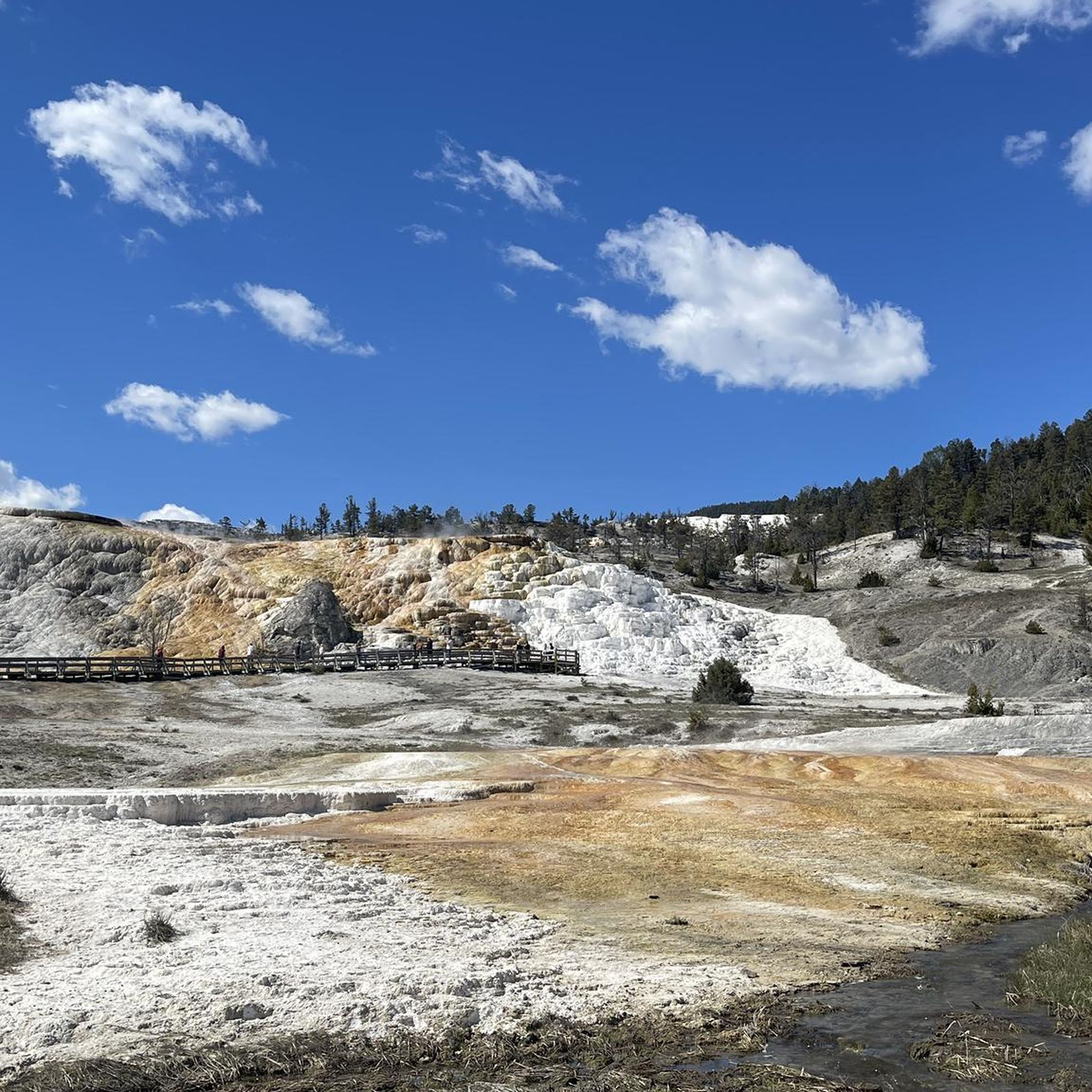
Mammoth Hot Springs Terraces
Highlight • Natural Monument
Tip by

Mound Spring & Jupiter Terrace
Highlight • Natural Monument
Tip by

Sign up now to discover places like this
Get recommendations on the best single tracks, peaks, & plenty of other exciting outdoor places.
Sign up for free
Palette Springs
Highlight • Natural Monument
Tip by
Liberty Cap
Highlight • Natural Monument
Tip by
Canary Spring
Highlight • Natural Monument
Tip by

Historic Mammoth Hot Springs Post Office
Highlight • Historical Site
Tip by

Mystic Lake Cabin
Highlight • Mountain Hut
Tip by

Mount Blackmore
Highlight • Summit
You can reach the top hiking the Blackmore Trail and the less ambitious hikers can stop to the Blackmore Lake.
Tip by

Triple Tree Trail
Highlight • Trail
Tip by

Bunsen Peak
Highlight • Summit
Tip by
Sign up for free to discover even more attractions in the Gallatin Range.
Sign up for free
Already have an account?
Start today with a free account
Your next adventure awaits.
Login or Signup
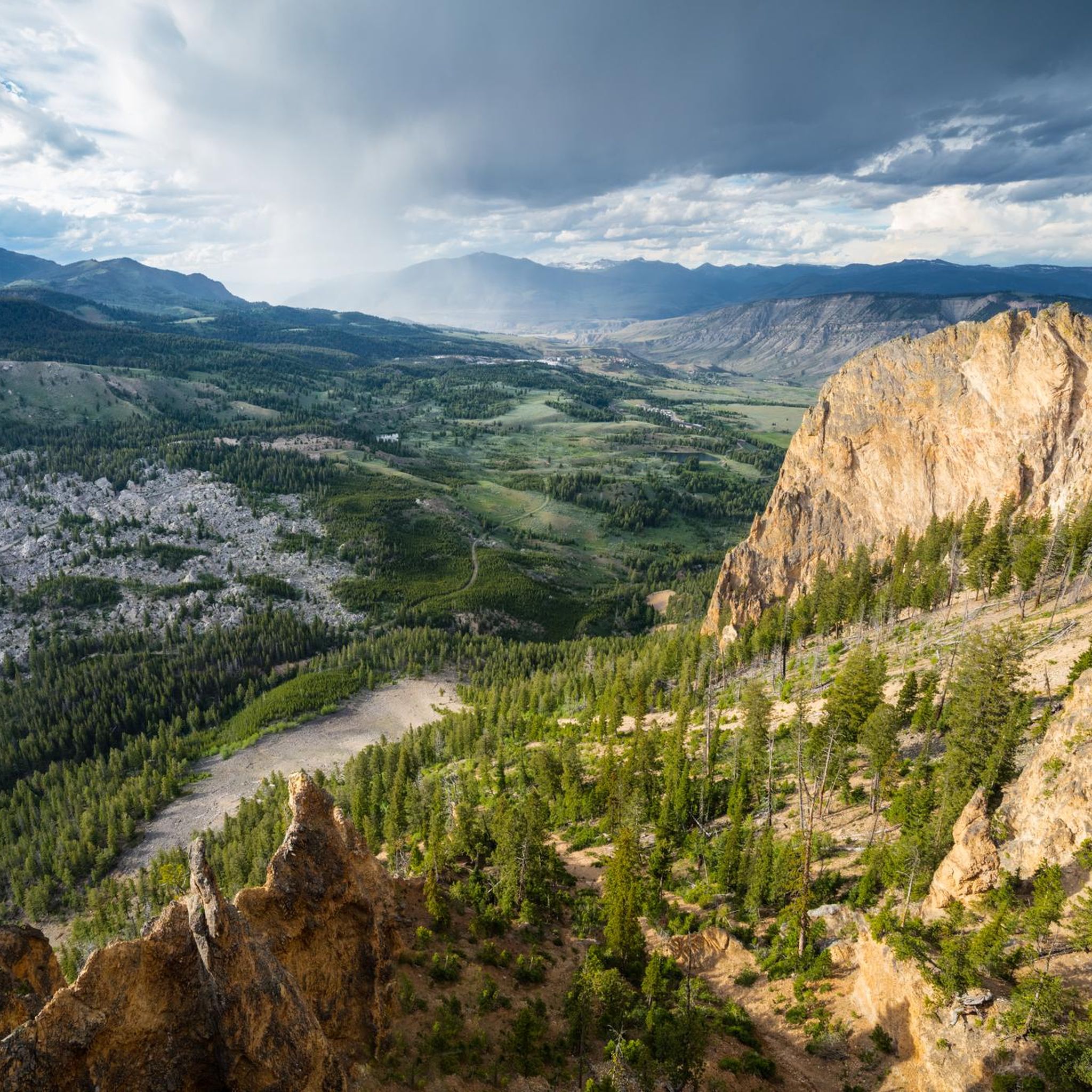
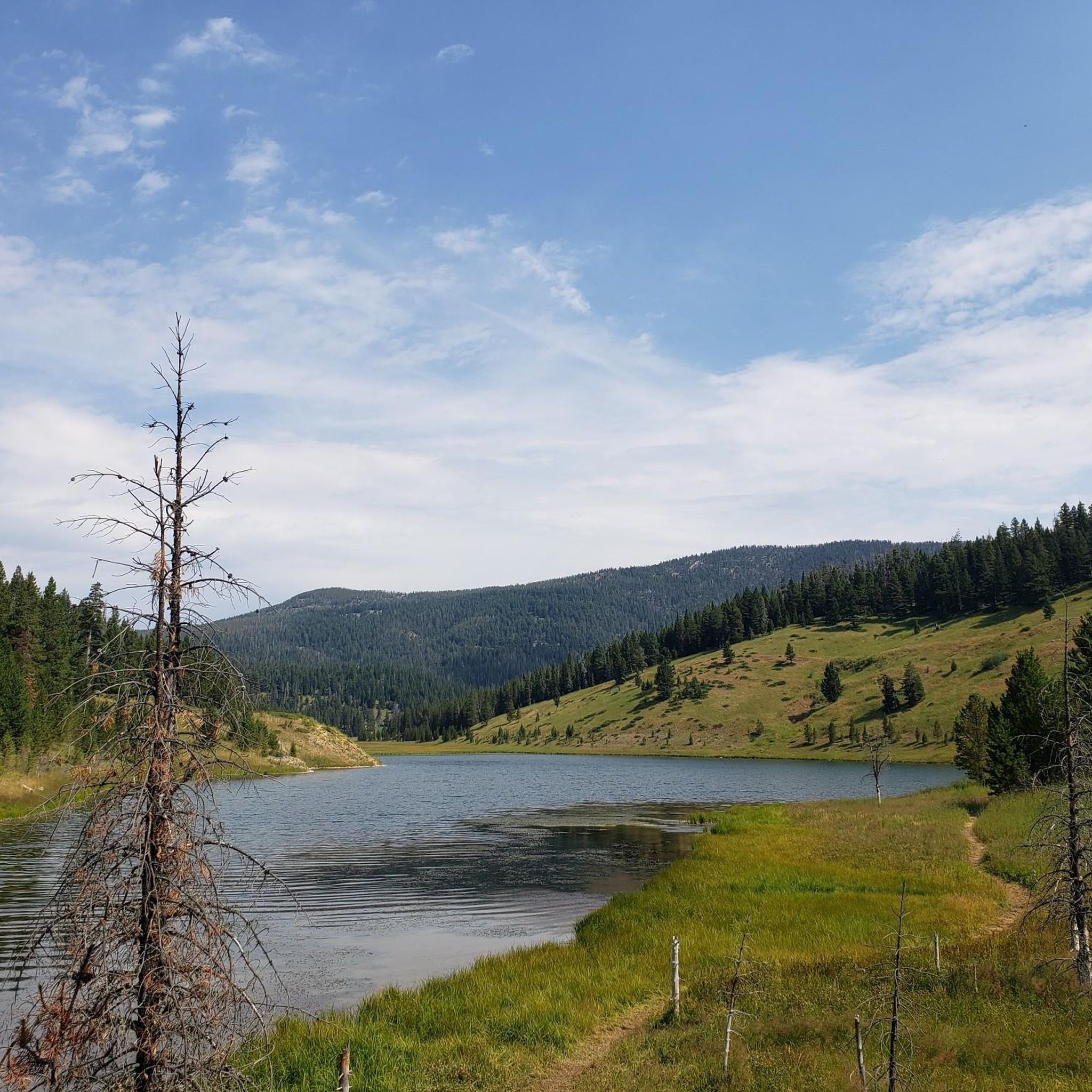
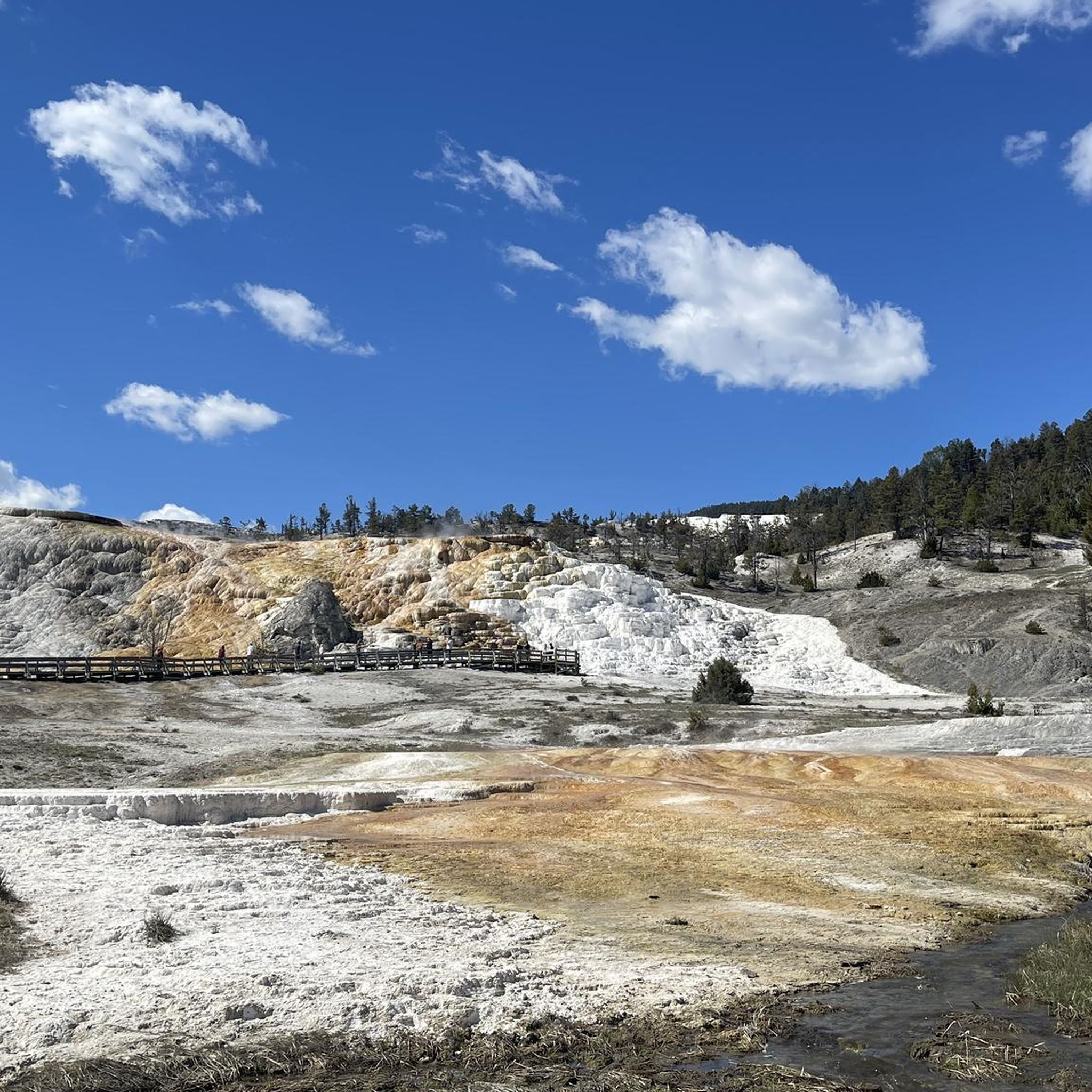
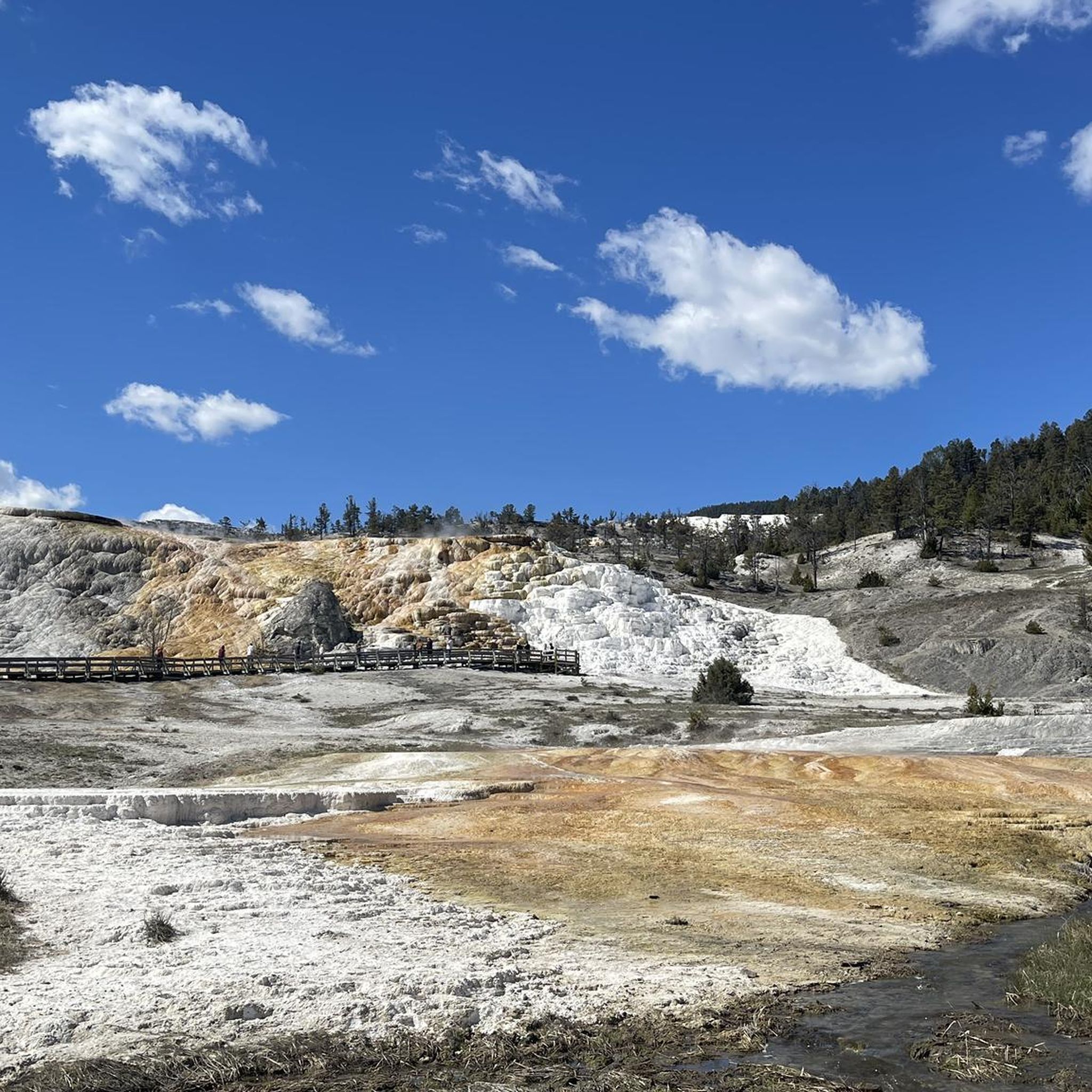

Tips from the Community

The area is situated in picturesque surroundings and looks almost like snow. Beautifully laid out with wooden boardwalks.
0
0
There are always unique and interesting structures to discover.
0
0

These are not like gushing geysers, but rather constantly changing formations made by hot, mineral-rich water. Jupiter Terrace used to flow a lot, even covering parts of the boardwalk. Mound Terrace was quiet for many years but has recently started flowing again, creating new patterns on the rock.
0
0

This is the trail head for the Triple Tree Trail. It is a popular loop in the southern suburbs of Bozeman, frequented by runners, hikers, and bikers. Expect to encounter plenty of other trail users, especially on nice days. Much of the route winds through forested areas, eventually leading to a bald summit with a bench and sweeping views of Bozeman and the Bridger Range. The lookout is exposed, offering little to no shade.
0
0

The Mammoth Hot Springs Post Office in Yellowstone National Park was constructed between 1935 and 1938 and exemplifies French Renaissance Moderne architecture. Its travertine-adorned lobby features stone sourced from a quarry near the park's north entrance. Flanking the entrance are two limestone bear sculptures, added in 1941, crafted by artist Gladys Caldwell Fisher. In 1987, the Mammoth Hot Springs Post Office was listed on the National Register of Historic Places, recognized alongside 11 other Wyoming post offices built between 1908 and 1939. This designation highlights the building's architectural significance and its role in reflecting the federal government's presence during that era. The post office is still in operation and is open year-round, Monday through Friday from 8:30 am to 5 pm (excluding federal holidays). Its lobby remains accessible 24/7. It is right by the Albright Visitor Center in the Mammoth Hot Springs area.
0
0

One of the many highlights in Yellowstone NP. A must-see.
0
0

Great nontechnical hike to the summit of one of Bozeman's iconic southern peaks. A few stream crossings for filtration if you want to go light. Some steeper grades just up from the lake, but mostly very manageable grades, gorgeous views! Mountain goats were seen as well. Highly recommended.
1
0

don'tiss the turn up the single track. My tracker went into sleep, but if you sleep you might miss the turn
0
0
Frequently Asked Questions
What unique natural formations can I explore in the Gallatin Range?
The Gallatin Range is renowned for its unique geological features. You can visit the Palette Springs, where hot, mineral-rich water creates stalactite-like formations resembling a staircase. Another must-see is the Mammoth Hot Springs Terraces, where geothermal vents deposit calcium carbonate, forming constantly changing, marble-white structures. Don't miss Mound Spring & Jupiter Terrace, known for its dynamic, evolving patterns created by mineral-rich water. Additionally, the range is home to the world's most extensive petrified forest, featuring ancient mineralized tree trunks.
Are there any historical sites to visit in the Gallatin Range?
Yes, the Gallatin Range offers glimpses into its past. You can visit the Historic Mammoth Hot Springs Post Office, a significant man-made monument. For a more natural historical experience, explore the History Rock Trail in Hyalite Canyon, where settlers and early explorers left their marks on a sandstone outcropping, creating a historical 'guest book' dating back to the 1870s.
What are some family-friendly attractions in the Gallatin Range?
Many attractions in the Gallatin Range are suitable for families. The natural monuments like Palette Springs, Mammoth Hot Springs Terraces, Mound Spring & Jupiter Terrace, and Liberty Cap are all categorized as family-friendly. These sites offer fascinating natural wonders that can be enjoyed by all ages. Additionally, wildlife viewing opportunities, such as spotting elk near Mammoth, Yellowstone National Park, are often a hit with families.
What kind of wildlife can I expect to see in the Gallatin Range?
The Gallatin Range is a critical wildlife corridor within the Greater Yellowstone Ecosystem, making it an excellent location for wildlife viewing. You might spot grizzly bears, wolves, elk, bighorn sheep, mountain goats, mule deer, and lynx. The area around Mammoth, Yellowstone National Park is particularly known for elk sightings.
Are there opportunities for hiking and outdoor activities near these attractions?
Absolutely! The Gallatin Range offers hundreds of miles of public trails. For easy hikes, you can explore routes like the Mammoth Terraces Trail or Blackmore Lake Trail. If you're interested in cycling, there are road cycling routes such as the Hyalite Reservoir North Shore, and gravel biking options like the Mystic Lake Cabin – Sourdough Trail loop. You can find more details on these and other routes in the easy hikes, road cycling, and gravel biking guides for the Gallatin Range.
What are some prominent peaks in the Gallatin Range that offer views or climbing opportunities?
The Gallatin Range boasts over 100 named mountains, with many exceeding 10,000 feet. Mount Blackmore (10,154 ft) is a popular summit offering amazing views and a non-technical hike. Bunsen Peak is another prominent summit within the range, offering challenging climbs and rewarding vistas. Electric Peak, at 10,969 feet, is the highest point in the range and a popular destination for hikers, particularly from the Yellowstone National Park side.
What is the best time to visit the Gallatin Range for outdoor activities?
The best time to visit the Gallatin Range largely depends on your preferred activities. Summer (June to September) is ideal for hiking, backpacking, and exploring the high country, with warmer temperatures and open trails. Fall offers stunning foliage and cooler weather, perfect for hiking. Winter transforms the range into a wonderland for cross-country skiing and ice climbing, especially in Hyalite Canyon. Spring can be beautiful but may involve muddy trails and lingering snow at higher elevations.
Are there any specific areas for rock climbing or ice climbing?
Yes, Hyalite Canyon, located just south of Bozeman, is particularly renowned for its consistent ice climbing opportunities during winter. For rock climbing, the Custer-Gallatin National Forest, which encompasses a significant portion of the range, offers various areas for this activity, though specific highlight data for rock climbing is not provided here.
What are the main rivers in the Gallatin Range, and what activities do they offer?
The two significant rivers bordering the Gallatin Range are the Yellowstone River, flowing north on the eastern flank, and the Gallatin River, forming the western boundary. Both rivers are excellent for fly fishing and offer scenic beauty. The Gallatin River also provides opportunities for whitewater rafting and ziplining, particularly near Gallatin Gateway.
What do visitors enjoy most about the natural monuments in the Gallatin Range?
Visitors are consistently captivated by the dynamic and ever-changing nature of the geothermal features. For instance, at Mound Spring & Jupiter Terrace, people love discovering the unique and interesting structures created by the mineral-rich water. At Mammoth Hot Springs Terraces, the beautiful marble-white structures resembling staircases, constantly changing over time, are a major draw. The visual spectacle and the geological processes at play are highly appreciated.
Can I find any subalpine lakes or glaciated cirques in the Gallatin Range?
Yes, the dramatic scenery of the Gallatin Range is characterized by picturesque natural formations including glaciated cirques and subalpine lakes. While specific named lakes are not detailed in the highlights, the region's high mountain environment ensures many such features are present, offering stunning views and serene environments for exploration. Mystic Lake Cabin suggests the presence of a notable lake in the area.
Is there a place to learn about the local history of the Gallatin Range?
While not directly within the range, the Gallatin History Museum in nearby Bozeman offers a deep dive into the heritage of Gallatin County and Southwest Montana, including the history of the area surrounding the Gallatin Range. This provides excellent context for understanding the region's past.
Most popular routes in the Gallatin Range
Most popular attractions in the Gallatin Range

Get inspired with the komoot mobile app


Explore more
Still not found the Highlight you’re looking for? See guides of the top attractions in other regions:
