Attractions and Places To See around Oxleas Wood - Top 10
Best attractions and places to see around Oxleas Wood include an ancient deciduous woodland in Southeast London, designated as a Site of Special Scientific Interest (SSSI). This area offers a variety of natural and historical points of interest for visitors, with parts of the wood dating back over 8,000 years. It forms part of a larger continuous area of woodland and parkland, providing diverse landscapes for exploration. The region features well-defined footpaths, open meadows, and historical sites.
Best attractions and…
Last updated: August 25, 2026
Oxleas Woods Trails
Highlight • Trail
Tip by

Oxleas Meadows
Highlight • Natural
Tip by

Sign up now to discover places like this
Get recommendations on the best single tracks, peaks, & plenty of other exciting outdoor places.
Sign up for free
Bagnold Family Air-Raid Shelter, Oxleas Wood
Highlight • Forest
Tip by
Eastcote Gardens Entrance
Highlight • Forest
Tip by
The Oxleas Ditch Jumps
Highlight • MTB Park
Tip by
Sign up for free to discover even more attractions around Oxleas Wood.
Sign up for free
Already have an account?
Start today with a free account
Your next adventure awaits.
Login or Signup
Tips from the Community

A little way along ‘the big ditch’ in Oxleas Wood are a number of jumps dug into the earth which build toward a final larger jump on the far end of the ditch providing decent air if you approach fast enough into the ditch. There is a circular track with mud ‘walls’ to run off the speed which takes you directly back into the ditch slope. The turning into this track is marked by a painted tree to the edge and near the end of the fasted down hill track from the field at the top of woods; careful at crossroads if you bomb the hill from the top as there are often walkers using the trails.
1
0
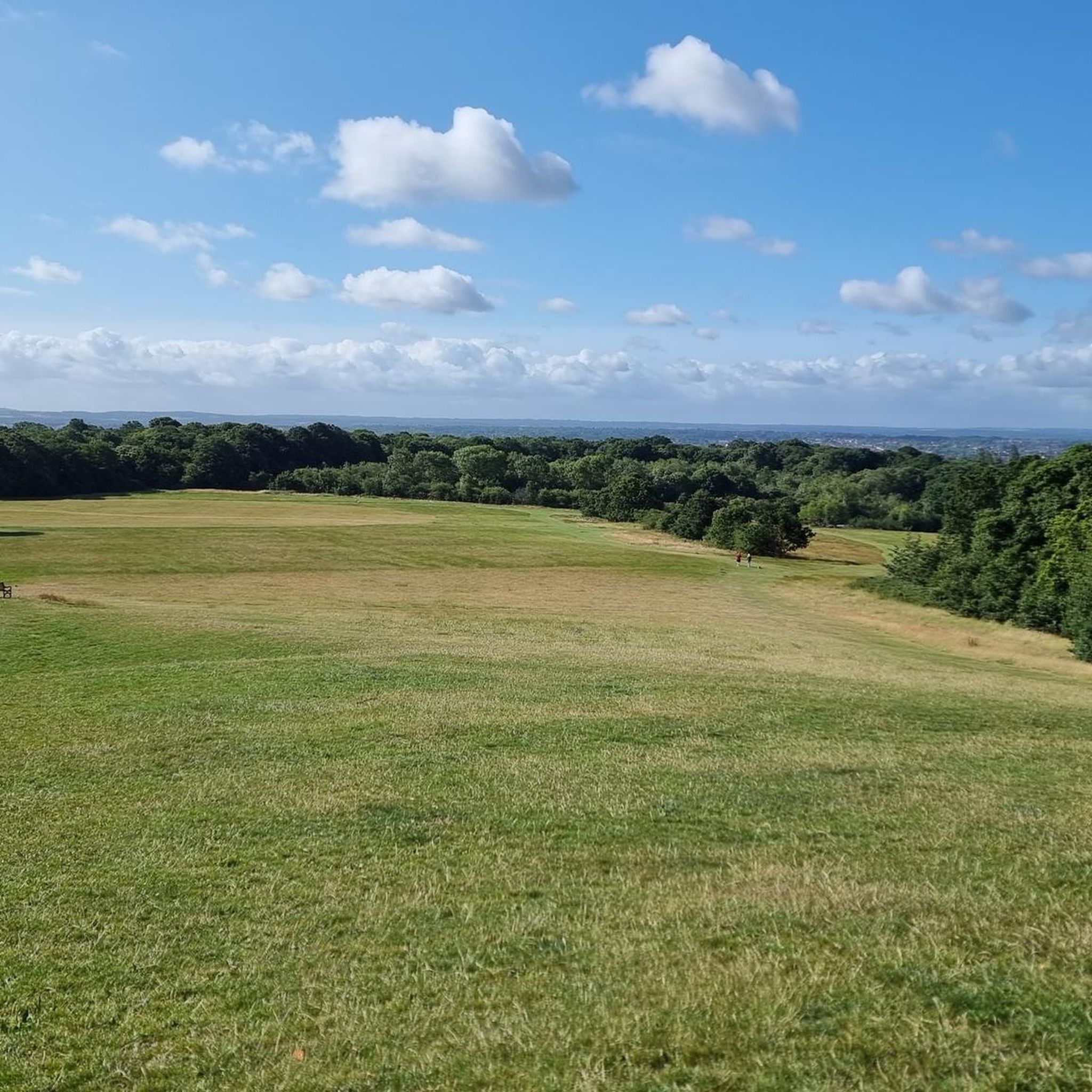
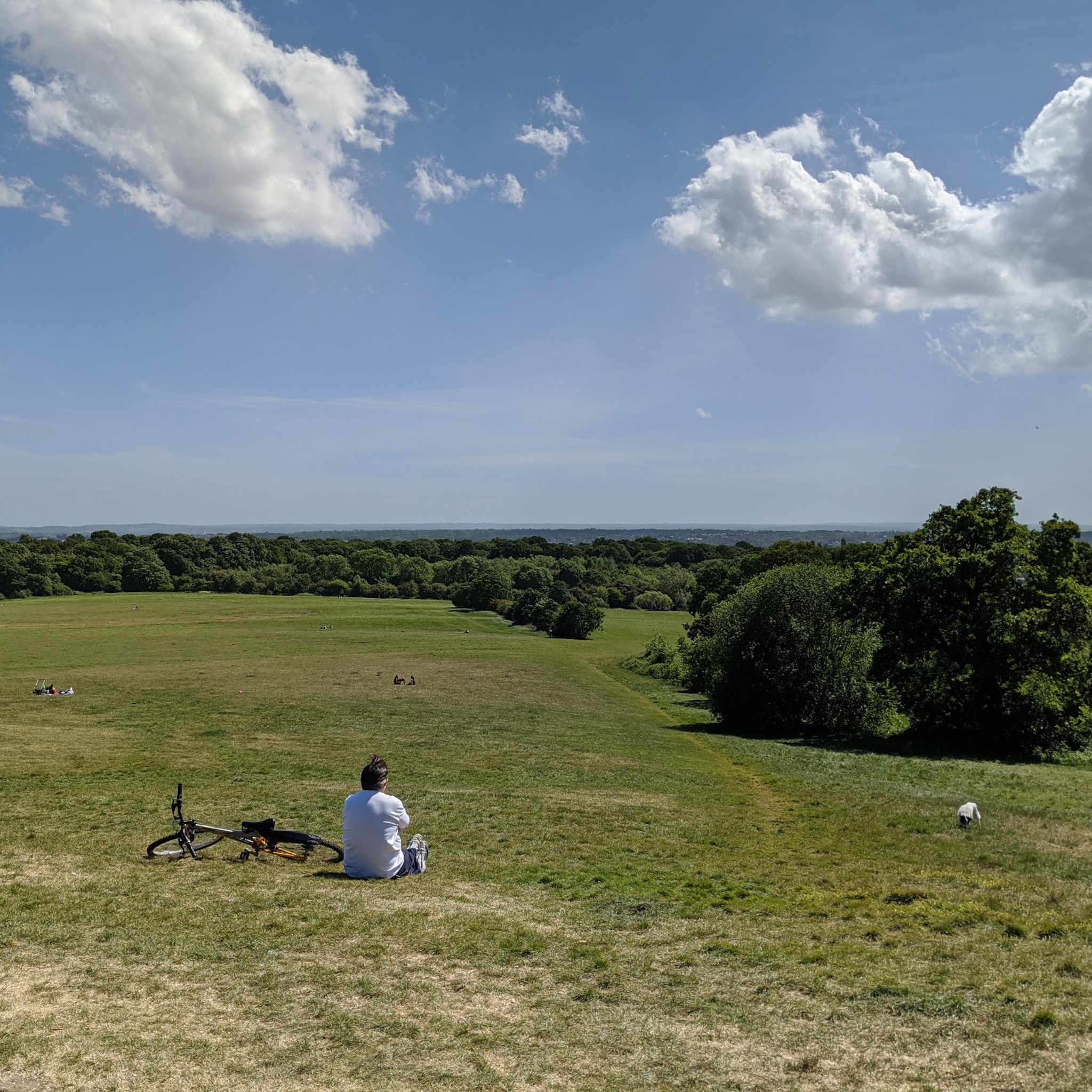
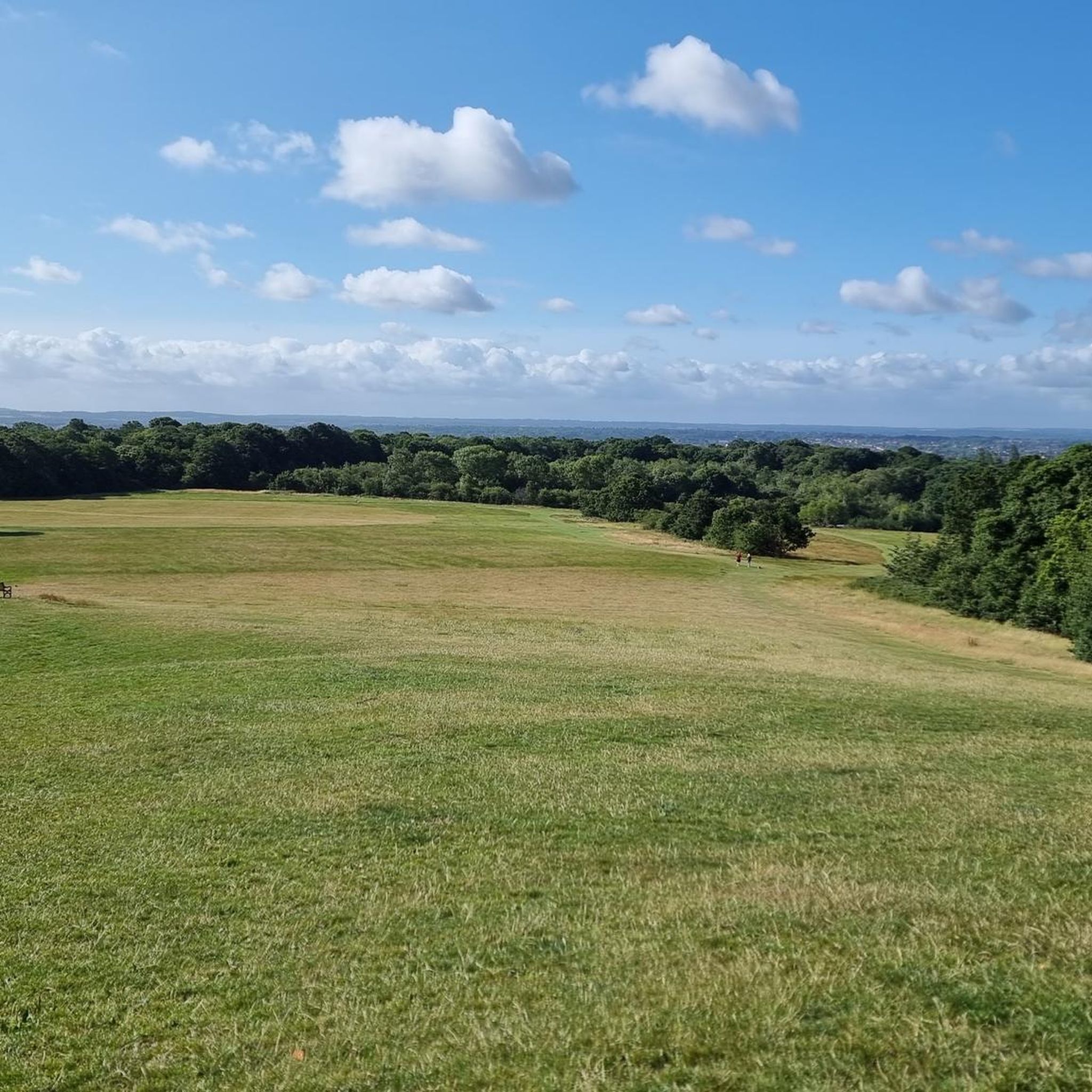
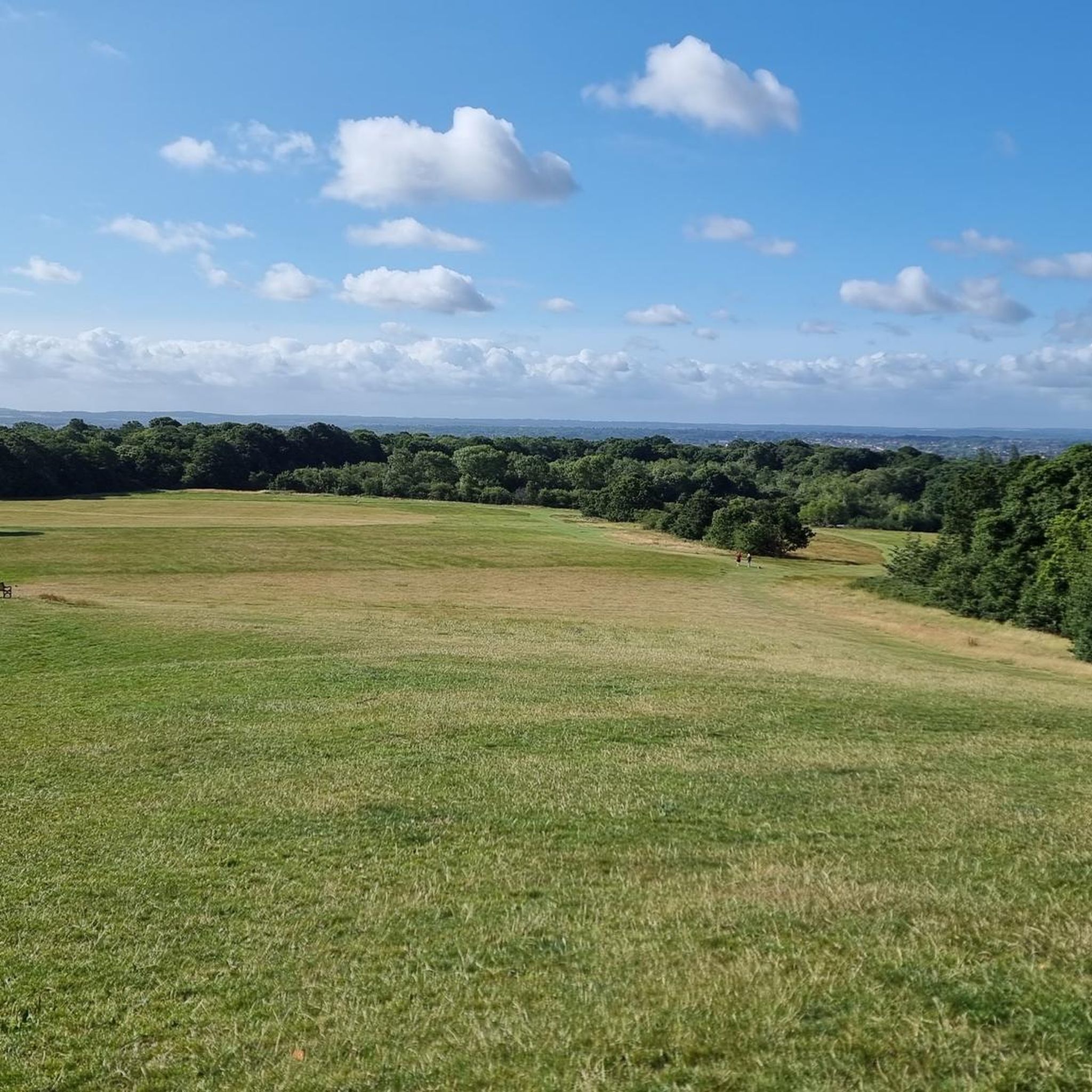
Large field on a hill with a cafe at the top. Oxleas wood to the left of the field, Jack Wood to the right.
1
0
I’ve heard rumours of this place but despite living in the area for many years had yet to find it - until today - by accident. Known to locals as the ‘secret garden’ this small area is hidden at the very bottom of Oxleas Wood, at the end of The Big Ditch near the Welling entrance. The rectangular field has a lovely tree in the centre with a track around the edge and not much else. There aren’t any no cycling sign so knock yourself out. The trail along which the entrance is positioned is a nice tree rooted path with ditch crossings that runs the whole width of the bottom of the wood - but it can get muddy.
0
0
A small family air-raid shelter has can be seen in Oxleas Wood on the south side of Shooters Hill in London S.E.18 within the former grounds of Warren Wood, one of a number of Victorian mansions that were built along the south side of Shooters Hill. Warren Wood was the home to the famous Bagnold family. Colonel Arthur Henry Bagnold, a local historian, lived in the house from 1903 until his death in 1943. His son Brigadier Ralph Alger Bagnold was the founder and first commander of the British Army’s Long Range Desert Group during World War II and his daughter Enid who was an author and playwright, best known for the 1935 story National Velvet which was filmed in 1944 with Elizabeth Taylor. Warren Wood and other houses along Shooters Hill were demolished in the late 1980s and the site is now part of a large continuous area of woodland and parkland on the south side of Shooter’s Hill. It is a Local Nature Reserve and a Site of Special Scientific Interest, covering 72 hectares and is one of the few remaining areas of ancient deciduous forest in the Royal Borough of Greenwich. Some parts dating back over 8,000 years to the last Ice Age. Two surface air-raid shelters have also been found in the overgrown rear garden that belonged to an adjacent property and another property, Summer Court (see above) which was was immediately west of Warren Wood is believed to have been requisitioned during the war for Woolwich Arsenal Drawing Office personnel. The Bagnold family shelter is of concrete construction and ‘L’ shaped. The main entrance is on the longer arm of the ‘L’ and was protected by a brick blast wall which has now fallen over. The longer arm is approximately 15' in length and 4' wide with a sloping towards the entrance. The shorter arm is approximately 10' long and 2' 6" wide with a sloping roof and an additional brick wall for blast protection at the entrance. The shelter is partially mounded over with soil at the back and may, at one time, have been totally covered. A flanged metal pipe protrudes from the ground in front of the shelter, an identical pipe was noted alongside a footpath about 75 yards to the west. It is unclear what these pipes were for but they may have been part of the fuel line that served a buried tank that was sited close to the shelter.The tank which supplied fuel to the house was removed in the 1970s when the house was occupied by the Warren Wood Children’s Home. At this time, the children used to play in the shelter; they were told that during the war the shelter was used by the owner of the house, and their staff. Two depressions were also noted in the wood nearby, one brick lined and the other concrete lined. These may have been drains or perhaps inspection hatches for buried cables. The Bagnold family air-raid shelter was one of several military features on Shooters Hill investigated by Channel 4’s Time Team broadcast on 22 November 2008. The experts initially felt that the structure was more likely to be a military installation and not an air-raid shelter and excavated the site. At the end of their three day investigation they concluded that it was probably a shelter. The Time Team were not aware of the buried fuel tank and although they investigated the flanged pipe their own conclusion was that it was not connected with the shelter. The excavation for Time Team was undertaken by Wessex Archaeology; below is an extract from their report relating to the shelter. Excavation Trench 6 was designed to explore a possible bunker or pill box that survived as a standing structure. This consisted of an L-shaped concrete structure with two entrances, one facing south and the other west. This structure was covered by a series of mounds, probably serving the joint purpose of helping to protect the main structure and also to camouflage it. When the section of Trench 6 was cleaned back to the wall of the structure, two flanged pipes were revealed. It was originally thought that these pipes were used for electrics or for communications, but further investigation showed that this was unlikely, and that the pipes were more probably associated with the construction of the embankment covering the structure. The latest additions to the structure were two brick-built walls around the entrances, possibly acting as blast walls. The date of these walls is uncertain since they were in a different material to the rest of the concrete structure, and it is possible that they were added after the initial construction. Another undatable feature was the possible remains of a cobbled surface outside the entrance to the structure. The interior of the structure had no notable features other than a line of possible nail holes that may have been used to support a bench. These were positioned along the longer, western wall of the shelter. It is likely that each of the two entrances originally held some sort of door since there is a ventilation hole in the roof; this would not have been a necessary addition if the entrances were as they now survive. The presence of closable doors would also have provided an additional defence against shrapnel. Conclusion The structure in Oxleas Wood was originally thought to be a bunker or pill box associated with the defences of Stop Line Central. This turned out not to be the case once the structure had been cleared. The flanged pipes, originally thought to have been used for electrics or communications in a bunker structure, in fact appeared to be structural. There is also little evidence for the structure being a pill box, since it was obvious that there were no loopholes present, which would have been a key feature of the structure’s use as a gun emplacement. Though the basic L shape has been used in pill box design, for example type 14a the structure in Oxleas Wood not only lacks loopholes but also has too many entrances and in the wrong locations. An alternative function for the structure could have been as an air-raid shelter. With no obvious offensive capability it must have served as a local defence. This is supported by the evidence of a possible bench as an internal fixture along the western wall of the structure. The possible remains of a cobbled surface also support this, suggesting that it was used regularly. The location of a Heavy Anti-Aircraft battery (HAA) at Eltham at NGR 543800 174200 would also support the interpretation as a shelter. The proximity of the battery to this location would have led to increased shelling during a bombing raid, creating a lot of shrapnel and falling debris and as such a shelter in this location would perhaps have been necessary.
0
0
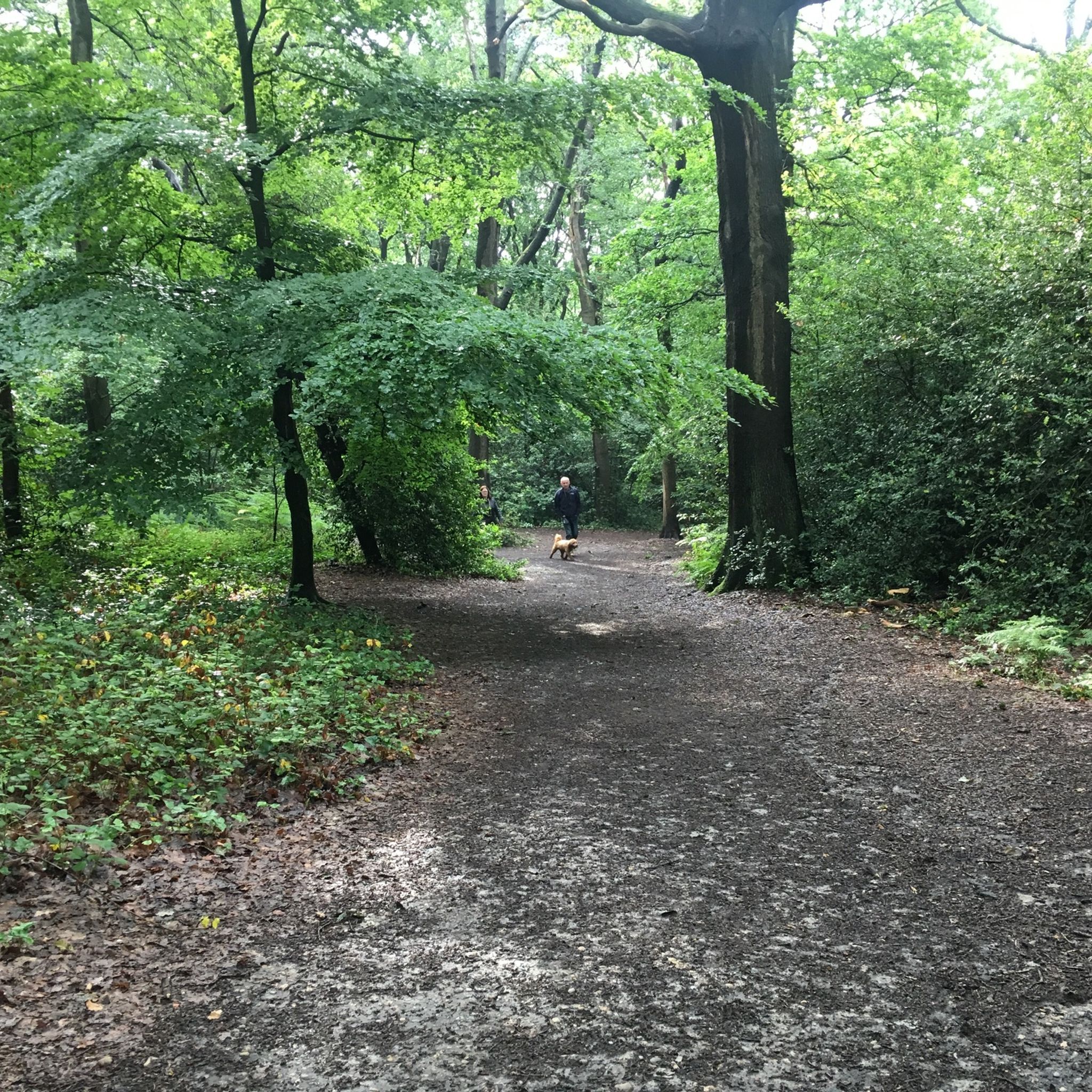
Much of Oxleas Woods is on a hill running down from the meadow to Sheperdleas Woods. Some fantastic long and fast tracks cutting through the woods and narrow trails crisscrossing the entire woodland but lots of dog walkers.
0
0


Some great gravel tracks through the Shooters Hill woods (Oxleas). Can get quite muddy in winter - stick to the wider tracks for safer passage and look out for walkers and dogs.
0
0

Frequently Asked Questions
What natural features can I explore in Oxleas Wood?
Oxleas Wood is renowned for its ancient deciduous woodland, with some parts dating back over 8,000 years. You can discover a rich variety of trees, including oak, silver birch, hornbeam, and the unusual wild service tree. The area also features open grasslands like Oxleas Meadows, and several streams that originate within the wood.
Are there any historical sites or landmarks to visit in the area?
Yes, the area boasts several historical points of interest. You can visit Bagnold Family Air-Raid Shelter, a small family air-raid shelter located within the former grounds of Warren Wood. Additionally, the 18th-century Gothic folly, Severndroog Castle, located in Castle Wood, offers a viewing platform with splendid views across London.
What kind of wildlife can be found in Oxleas Wood?
Oxleas Wood is a precious habitat for diverse wildlife. You might spot various birds, including spotted and green woodpeckers, as well as the bright green parakeets common in Southeast England. Shyer residents like foxes and hedgehogs also inhabit the woods. In spring, the ground flora is rich with ancient woodland indicators such as bluebells, wood anemones, and wood sorrel.
Are there family-friendly activities or areas in Oxleas Wood?
Absolutely. Oxleas Meadows is a large open field perfect for families, with a cafe at the top. The Eastcote Gardens Entrance, known as the 'secret garden,' is a small, hidden area with a central tree, ideal for a quiet family stroll. The numerous well-defined footpaths throughout the woods are also suitable for family walks.
What are the best walking trails in Oxleas Wood?
The woods offer many well-defined footpaths for secluded walks. The Oxleas Woods Trails provide great gravel tracks through the Shooters Hill woods. The Green Chain Walk also passes through Oxleas Wood, connecting it to neighboring Jack Wood and Castle Wood. For more specific routes, you can explore easy hikes around Oxleas Wood in this guide: Easy hikes around Oxleas Wood.
Can I find a place to eat or drink within or near the woods?
Yes, the Oxleas Wood Cafe is conveniently located at the top of a hill in Oxleas Meadows. It's a popular meeting spot offering expansive views over the woods and provides public toilets.
Is Oxleas Wood accessible for everyone?
While the woods offer numerous well-defined footpaths, some areas, especially in winter, can get muddy. Visitors are encouraged to stick to wider tracks for safer passage. For specific accessibility information, it's advisable to check the Royal Borough of Greenwich website: royalgreenwich.gov.uk.
What is the best time of year to visit Oxleas Wood?
Oxleas Wood is beautiful year-round, but spring is particularly enchanting when ancient woodland indicators like bluebells, wood anemones, and wood sorrel are in bloom. Autumn also offers stunning foliage. Be aware that trails can get quite muddy in winter, so appropriate footwear is recommended.
Are there opportunities for cycling or mountain biking?
Yes, there are. The Oxleas Woods Trails offer gravel tracks suitable for cycling. For mountain biking enthusiasts, The Oxleas Ditch Jumps provide a challenging spot with jumps dug into the earth. You can find more cycling and MTB routes in these guides: MTB Trails around Oxleas Wood and Cycling around Oxleas Wood.
Where can I find good viewpoints in the area?
For expansive views, head to Severndroog Castle, which offers a viewing platform across London and the surrounding counties. The Jack Wood Terrace Garden also provides spectacular views of London. Additionally, Oxleas Meadows offers a great view looking south into a vast green expanse.
How can I get to Oxleas Wood by public transport?
Oxleas Wood is well-connected by public transport. Various bus routes serve the surrounding areas of Shooters Hill, Eltham, and Welling, which are adjacent to the woods. For detailed route planning, it's best to consult Transport for London's journey planner.
Is there parking available at Oxleas Wood?
Yes, there are several car parks available around Oxleas Wood, including those near the Oxleas Wood Cafe and other access points. These typically offer convenient access to the various trails and attractions within the woods.
What makes Oxleas Wood unique?
Oxleas Wood is unique for its status as an ancient deciduous woodland, with parts dating back over 8,000 years, making it a Site of Special Scientific Interest (SSSI). It's one of the few remaining areas of ancient forest in the Royal Borough of Greenwich, offering a rare blend of historical landmarks like Severndroog Castle and rich biodiversity within a major city.
Are there any specific events or activities organized in Oxleas Wood?
The Friends of Oxleas Wood frequently organize various events, including guided walks, exhibitions, and fayres, which are great ways to engage with the local community and learn more about the area. Severndroog Castle also hosts a variety of activities such as yoga, film screenings, art exhibitions, and live music.
Most popular routes around Oxleas Wood

Get inspired with the komoot mobile app


