Top 4 Castles around Horperath
Castles around Horperath are situated within the historic Vulkaneifel region of Germany, an area known for its rich medieval heritage. The village provides access to a variety of impressive historic sites, including well-preserved castles and ruins. This landscape combines geological features with centuries of human history, offering diverse exploration opportunities. Visitors can discover medieval architecture and historical landmarks in the surrounding Eifel region.
Best castles around Horperath
- The most popular castles is View of Ulmen, Ulmen Castle and the Ulmener Maar, a viewpoint that offers panoramic views of Ulmen Castle and the Ulmener Maar. This Eifel town is also known for its literary connections and the legend of a giant fish in the maar.
- Another must-see spot is View of Nürburg Castle, a viewpoint of a castle. Visitors can appreciate the size and historical significance of Nürburg Castle from this vantage point.
- Visitors also love Upper Castle of Ulmen, a castle that offers a beautiful view of Ulmen. A tour around the Ulmener Maar and the castle is recommended, with events like a Christmas market and medieval festival.
- Horperath is known for its medieval castles, castle ruins, and historic viewpoints. The region offers a variety of castles to see and explore, from well-preserved structures to ancient ruins.
- The castles around Horperath are appreciated by the komoot community, with 577 upvotes and 618 photos shared by visitors.
Last updated: May 24, 2026
Upper Castle of Ulmen
Highlight • Castle
Translated by Google •
Tip by

View of Ulmen, Ulmen Castle and the Ulmener Maar
Highlight • Viewpoint
Translated by Google •
Tip by

Sign up now to discover places like this
Get recommendations on the best single tracks, peaks, & plenty of other exciting outdoor places.
Sign up for free
View of Nürburg Castle
Highlight • Viewpoint
Translated by Google •
Tip by

Romantik Castle Hotel Kurfürstliches Amtshaus Daun
Highlight • Castle
Translated by Google •
Tip by

View of Nürburg Castle from Nürburgring Grandstand
Highlight • Viewpoint
Translated by Google •
Tip by
Start today with a free account
Your next adventure awaits.
Login or Signup
Tips from the Community

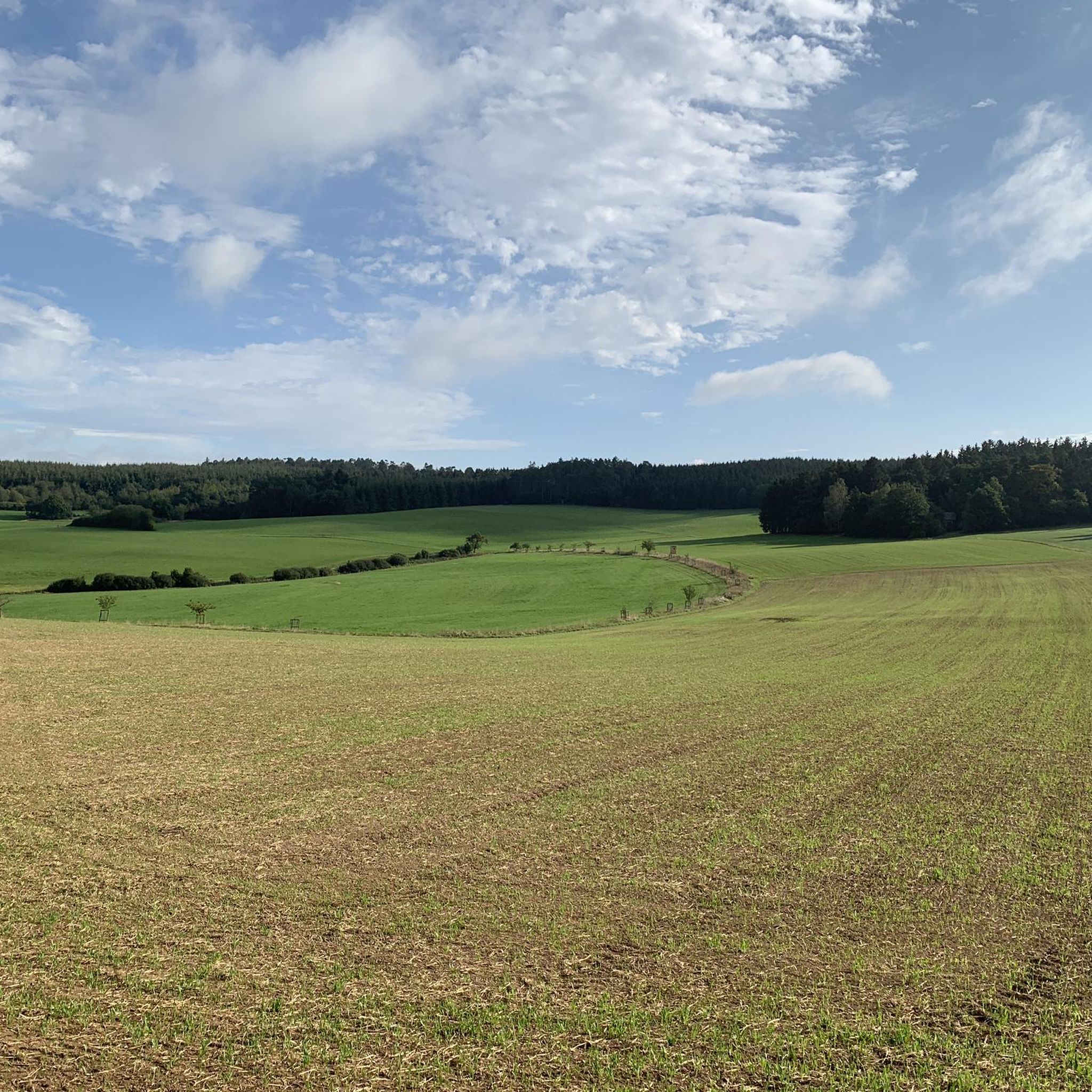
Idyllic location with high geological information value regarding Eifel volcanism.
0
0

One of the youngest maars in the Eifel region nestles picturesquely against the small town of Ulmen with its castle ruins and church right on the shore - idyllic and simply beautiful!
0
0

The Electoral Office Building in Daun is a historic building located on the basalt cone of an extinct volcano in the heart of the district town in the Volcanic Eifel region. Today, it is used as the Electoral Office Building Dauner Burg, a castle-hotel located at Burgfriedstraße 28. The site has a long history, dating back to 700 BC as a Celtic refuge and around 50 BC as a fortified Roman lookout. The actual Daun Castle, the ancestral seat of the Lords of Daun, was built towards the end of the 9th century. After the Thirty Years' War, the castle was destroyed in 1689 by troops of the French King Louis XIV. The current Office Building was built in 1712 by Charles Joseph, Elector of Trier and Duke of Lorraine, as a hunting lodge and official residence, after parts of the castle had been restored. This official residence housed the Electorate of Trier's bailiffs and official waiters, who administered the large Daun district as administrative officials of the Elector of Trier. The building complex also included the tithe barn, built in 1740, which served to store the delivered goods. After the end of the Electorate of Trier during the French Revolution in 1793 and the French occupation (1794–1815), the castle became Prussian state property. During this period, the official residence house was used, among other things, as the Royal Forestry Office and, for a time, even housed a prayer room for the Protestant congregation. The state of Rhineland-Palatinate assumed sovereignty in 1948, until the city of Daun became owner of the castle in 1957. In 1978, the official residence house became private property. Between 1979 and 1981, the castle was expanded and extended into what is now the Schloss-Hotel Kurfürstliches Amtshaus, a first-class hotel that houses, among other things, a remarkable clock collection. The hotel offers its guests a combination of historic furnishings and modern comforts, as well as a wellness oasis with a pool and saunas.
0
0

The lower castle has completely disappeared. You can still see the beginning of the ring that connected the lower castle and the Ulmen city wall, a two-story outer wall of the palace, as well as a cistern and some foundation walls of other buildings. The old part of Ulmen Castle was built around 1074 AD and likely rests on the remains of a Roman settlement. In the Middle Ages, Ulmen Castle was further expanded and divided into the upper castle, whose remains of the walls still exist, and the lower castle, which extended to the banks of the maar river. Two knightly families lived in the castle, which is believed to have never been attacked or destroyed until 1673 due to its size. Only the Sun King's troops succeeded. It was rebuilt, but fell again in 1689 during the War of the Succession. However, Ulmen Castle was also rebuilt this time, with only the city wall being abandoned. With the invasion of Napoleon's soldiers, Ulmen also became French and later Prussian. The empty castle, whose last descendant died in 1801, was auctioned to a merchant from Cochem, who sold it as a quarry. When a devastating fire burned Ulmen to the ground in the 19th century, the residents of Ulmen rebuilt their houses with stones from the castle. That's why you can still see a coat of arms on some of the stables today. It wasn't until the early twentieth century that Ulmen Castle was declared a listed building and became the property of the municipality of Ulmen. The castle is always freely accessible.
7
0

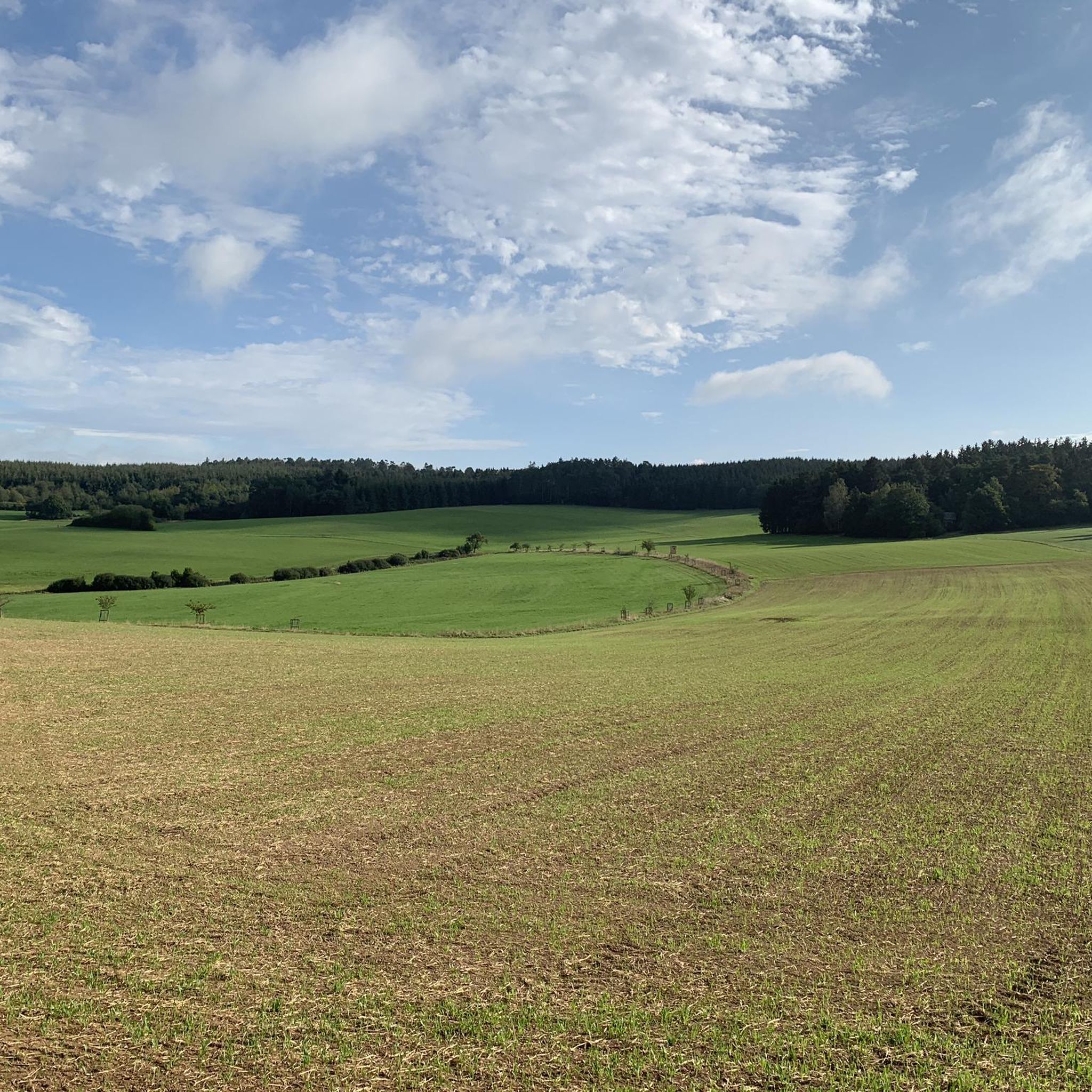
Here is a nice rest area with a view of the Ulmener Maar.
3
0

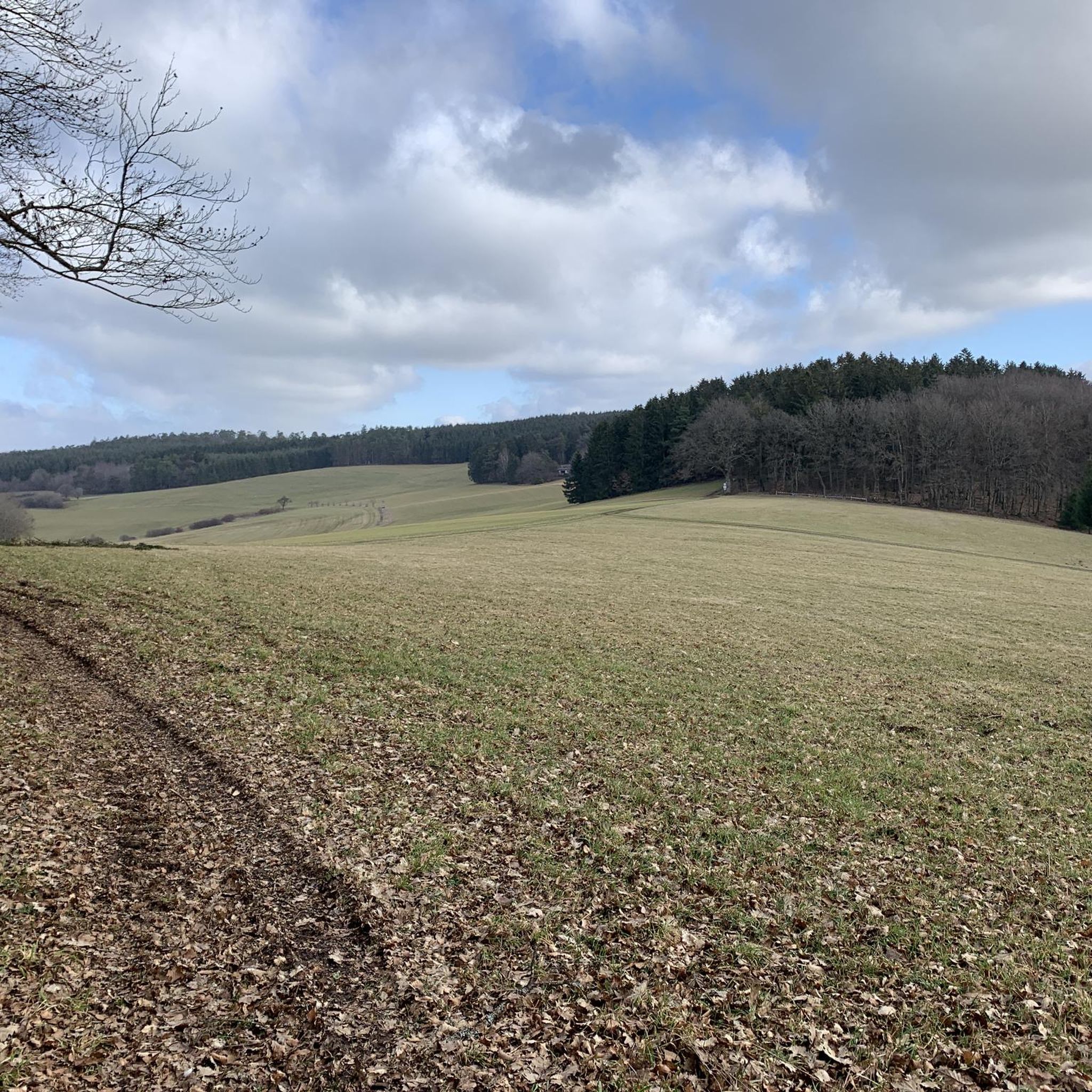
From here you have a beautiful view of the impressive Nürburg.
2
0

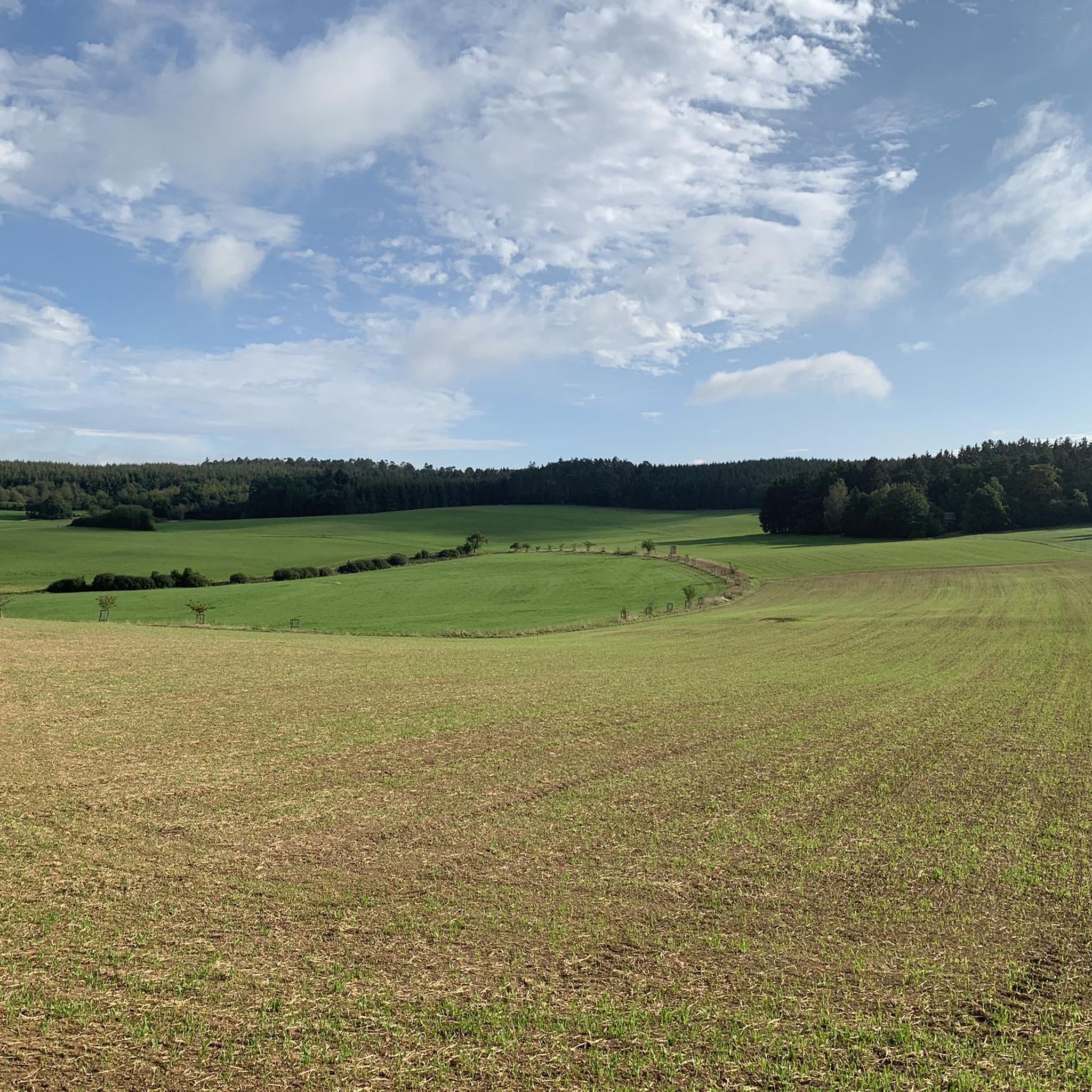
Here you can relax with a great view of the Ulmener Maar
2
0

Frequently Asked Questions
What are some of the most popular castles to visit near Horperath?
The Vulkaneifel region, where Horperath is located, offers a variety of impressive castles. Highly regarded options include the picturesque Upper Castle of Ulmen, which provides beautiful views over the town and Ulmener Maar. Another popular choice is Ulmen Castle, known for its literary connections and the legend of a giant fish in the maar. The majestic Nürburg Castle is also a significant historical site, appreciated for its size and historical importance.
What kind of historical experience can I expect from castles in the Vulkaneifel region?
The castles in the Vulkaneifel region offer a rich historical experience, ranging from well-preserved medieval fortresses to ancient ruins. You can explore sites like the 'fairytale' Eltz Castle, known for its preserved treasures and guided tours, or the dramatic Manderscheid Castles (Oberburg and Niederburg) which host a historical festival in August. Other sites like Nideggen Castle highlight medieval military architecture and regional history, providing a deep dive into centuries of heritage.
Are there any 'fairytale' castles near Horperath?
Yes, Eltz Castle (Burg Eltz) is often described as a 'fairytale castle' and is a must-visit in the Eifel region. It's nestled in the forest with high towers, picturesque oriels, and deep moats, creating a stunning appearance. The interior boasts well-preserved treasures, including a knights' hall, armory, and original living quarters, making it a truly magical experience.
Are there family-friendly castles around Horperath?
Many castles in the region offer family-friendly experiences. The Upper Castle of Ulmen and the View of Ulmen, Ulmen Castle and the Ulmener Maar are both categorized as family-friendly. The Manderscheid Castles are particularly engaging for families, hosting a historical festival in August with knights, jugglers, and jousting tournaments. Kasselburg Castle also offers various activities throughout the year suitable for families.
What outdoor activities can I combine with a castle visit near Horperath?
The Vulkaneifel region is ideal for combining castle visits with outdoor activities. You can find numerous running, road cycling, and general cycling routes nearby. For example, you could explore the area around Ulmen Castle with a tour around the Ulmener Maar, or hike near the ruins of Löwenburg (Gerhardstein Castle). For more detailed routes, check out the Running Trails around Horperath, Road Cycling Routes around Horperath, and Cycling around Horperath guides.
Are there good hiking trails around the castles in the Vulkaneifel?
Absolutely. The Vulkaneifel region is known for its scenic hiking. You can find trails around castles like Kerpen Castle, which offers great views from surrounding paths, even though the interior is privately owned. The Manderscheid Castles are situated on steep mountain spurs, providing opportunities for walks with panoramic views over the Lieser Valley. Many routes also incorporate natural features like maars and forests, offering diverse hiking experiences.
What natural features can I see when visiting castles in the Vulkaneifel region?
When visiting castles in the Vulkaneifel, you'll encounter a unique landscape shaped by volcanic activity. Many castles are situated near maars (volcanic lakes), such as the Ulmener Maar near Ulmen Castle. You'll also find castles nestled in dense forests, like Eltz Castle, or perched above river valleys, such as the Manderscheid Castles overlooking the Lieser river. Olbrück Castle, for instance, allows you to experience the intersection of geological history and medieval culture.
What is the best time of year to visit castles near Horperath?
The best time to visit castles near Horperath is generally during the spring, summer, and early autumn months (April to October). During these periods, the weather is more favorable for exploring castle grounds and enjoying outdoor activities. Specific events, like the historical festival at Manderscheid Castles in August or the Christmas market at Upper Castle of Ulmen in winter, might influence your timing depending on your interests.
Are there any castles near Horperath that are privately owned but still offer views?
Yes, several castles in the region are privately owned but can still be appreciated from the outside or offer specific viewing arrangements. Kerpen Castle (Eifel) is a very beautiful and impressive landmark that, while not open for interior visits, offers great views from surrounding hiking paths. Lissingen Castle, a completely preserved former moated castle, is privately owned but viewings can sometimes be arranged by prior appointment.
What do visitors enjoy most about the castles around Horperath?
Visitors particularly enjoy the stunning views, the historical significance, and the unique settings of the castles. For example, the Upper Castle of Ulmen offers a beautiful view of Ulmen, and a tour around the Ulmener Maar and the castle is highly recommended. The sheer size and historical presence of Nürburg Castle also fascinates many visitors. The combination of medieval architecture with the natural beauty of the Vulkaneifel landscape is a major draw.
Can I find accommodation or places to eat near the castles?
Yes, towns and villages near the castles often provide amenities. For example, the Romantik Castle Hotel Kurfürstliches Amtshaus Daun, located in the historic Daun Castle, offers accommodation and dining. Smaller towns like Mürlenbach (near Bertradaburg), Gerolstein (near Löwenburg), and Ulmen (near Ulmen Castle) have cafes, pubs, and guesthouses. It's advisable to check specific locations for options closest to your chosen castle.
Are there any castles with unique features or legends?
Certainly. Eltz Castle is famous for being one of the few castles in the Eifel that was never destroyed, remaining in the possession of the same family for over 850 years. The Ulmen Castle area is known for the old legend of a giant fish living in the Ulmener Maar. Bertradaburg, an imposing complex above Mürlenbach, is steeped in medieval legends, adding a mystical element to its historical significance.
Most popular routes around Horperath
Most popular attractions around Horperath

Get inspired with the komoot mobile app


Explore more
Looking for the best castles somewhere else? Discover other guides around Horperath:
