Top 20 Mountain Passes around Ferrera
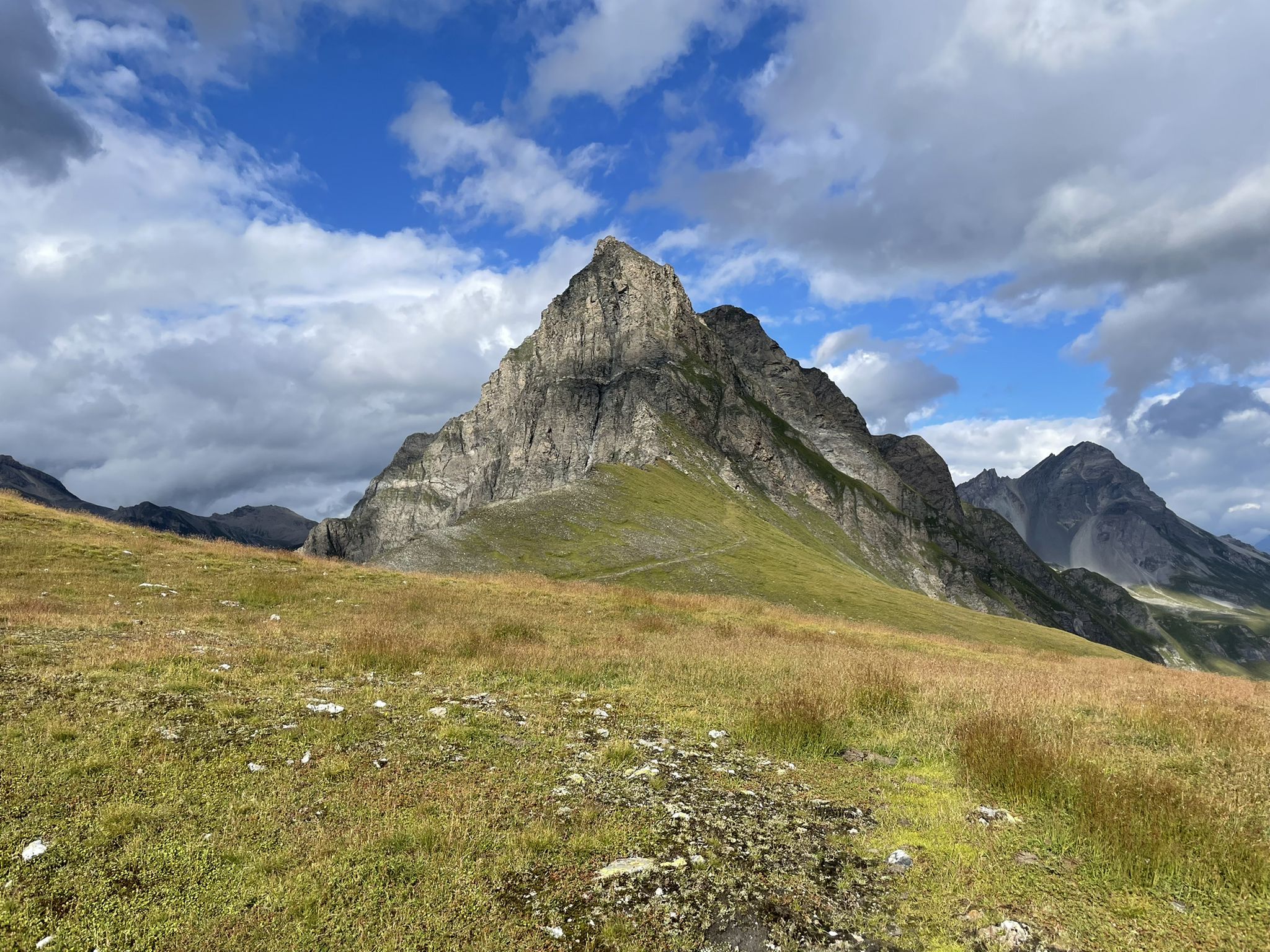
Best mountain passes around Ferrera are located in two distinct mountainous regions, one in Switzerland and another in Italy. The Swiss region, situated in Graubünden, features rugged alpine landscapes and historical routes. The Italian region, Ferrara di Monte Baldo, offers a blend of natural beauty, historical significance, and recreational activities. These areas provide diverse terrain for exploration, from high mountain passes to scenic drives.
Best mountain passes around Ferrera
- The most popular mountain passes is Montespluga, a settlement that…
Last updated: May 13, 2026
Montespluga
Highlight • Settlement
Showing Translation
Tip by

Splügen Pass Serpentines
Highlight (Segment) • Mountain Pass
Translated by Google •
Tip by

Sign up now to discover places like this
Get recommendations on the best single tracks, peaks, & plenty of other exciting outdoor places.
Sign up for free
Julier Pass Ascent from Tiefencastel
Highlight (Segment) • Mountain Pass
Translated by Google •
Tip by

Splügen Pass Hairpin Bends
Highlight • Mountain Pass
The Splügen Pass has been proven to have been used since prehistoric times. There are also references to this in Roman times, e.g. the …
Translated by Google •
Tip by

Hairpin Bends and Tunnels of the Campodolcino–Pianazzo Road
Highlight (Segment) • Mountain Pass
Translated by Google •
Tip by

Sign up for free to discover even more mountain passes around Ferrera.
Sign up for free
Already have an account?
Start today with a free account
Your next adventure awaits.
Login or Signup
Popular around Ferrera


Tips from the Community

Scenically, this is a true gem of a mountain in the Swiss Alps. However, the Julier Pass is very busy. Therefore, it's advisable to take the alternative route from Tiefencastel via Mon and Salouf to Cunter for the first section. This road has very little traffic, is excellently paved (standard paved), offers excellent climbing with magnificent views, and, most importantly, avoids the rather unpleasant Crap Sers Tunnel on the main route when approaching. There's also an additional 150 meters of elevation gain, which is rewarded with a refreshing downhill section before Cunter.
2
0

It's a great way to enjoy the descent! But be careful, the tunnels aren't lit. It's better to drive with your lights on!
2
0

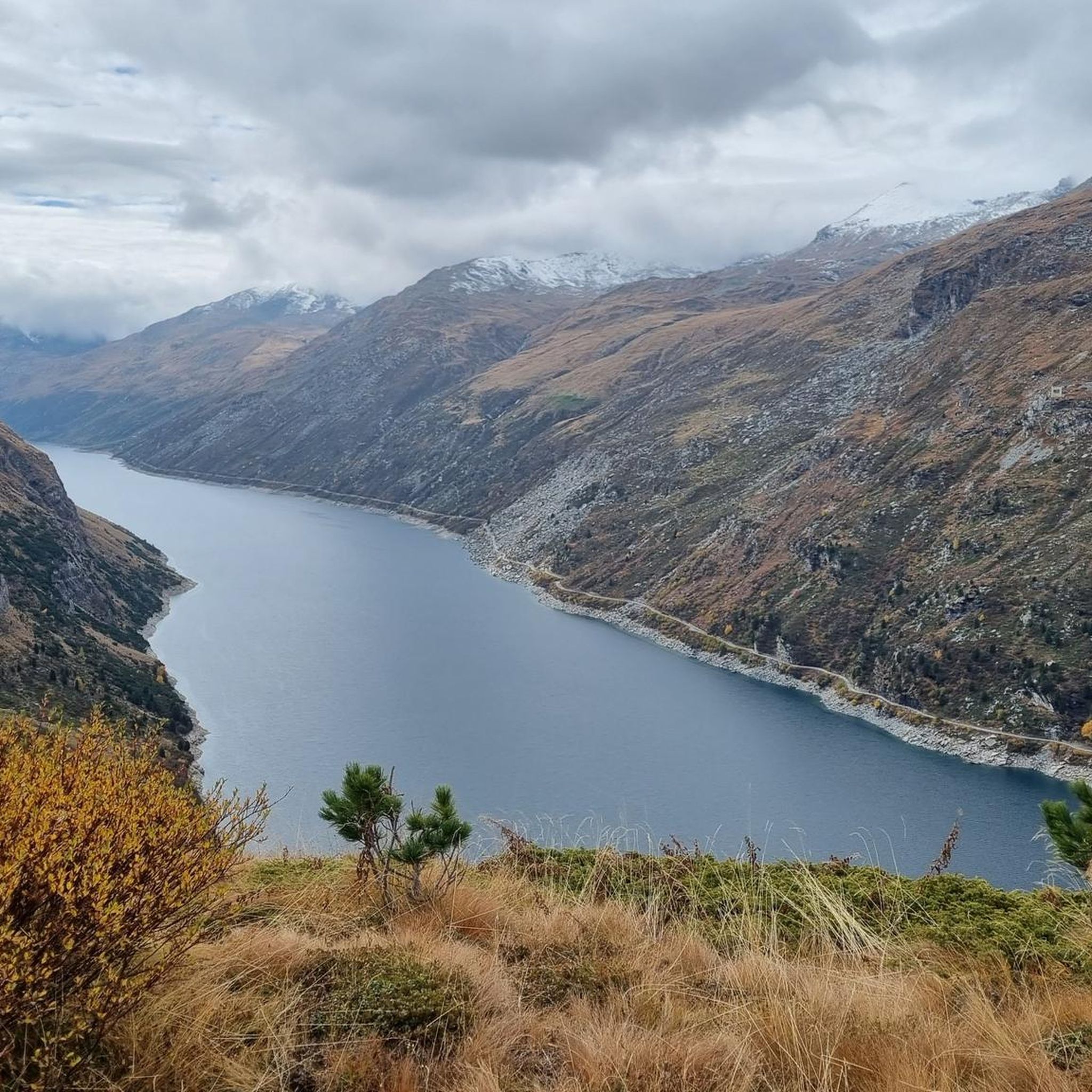
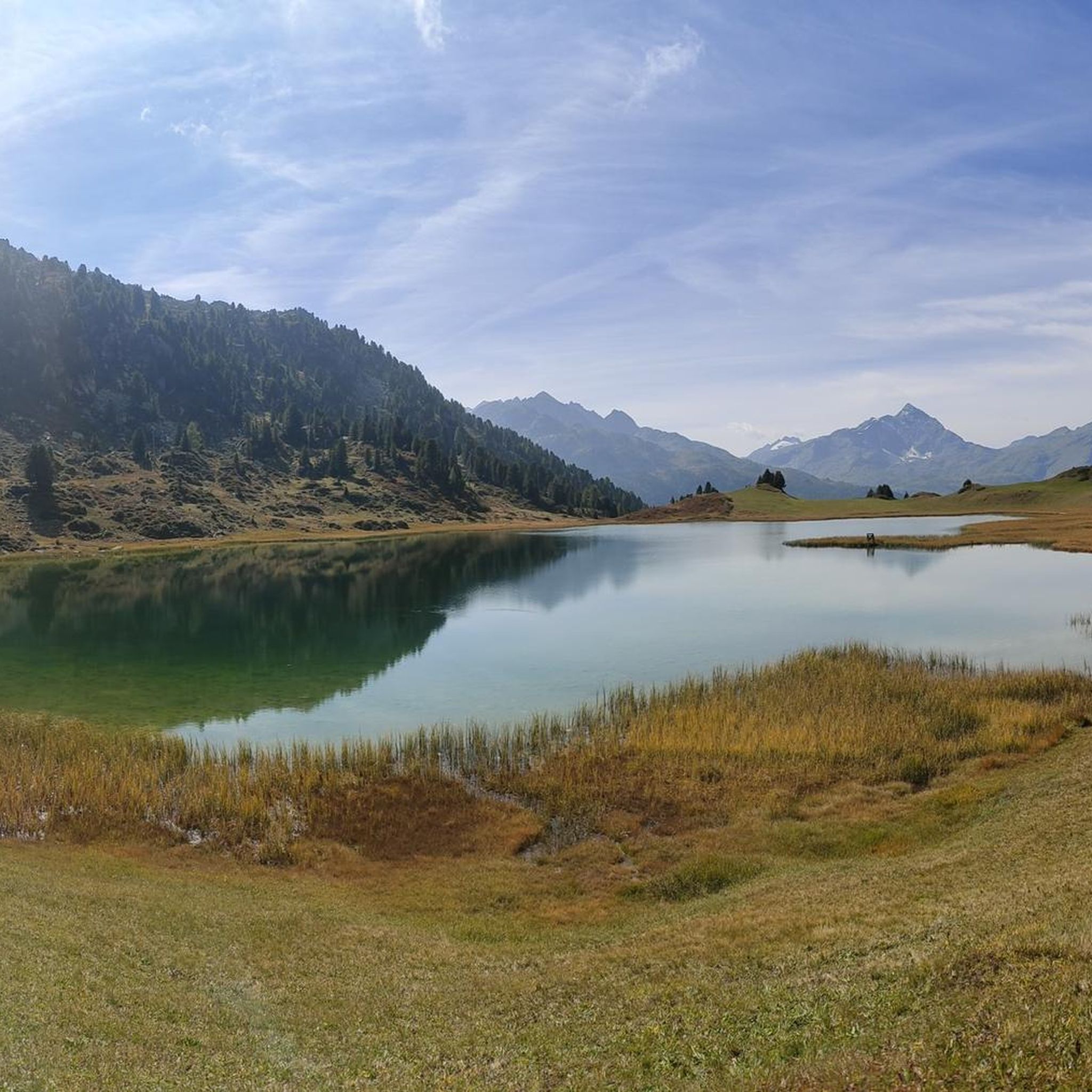
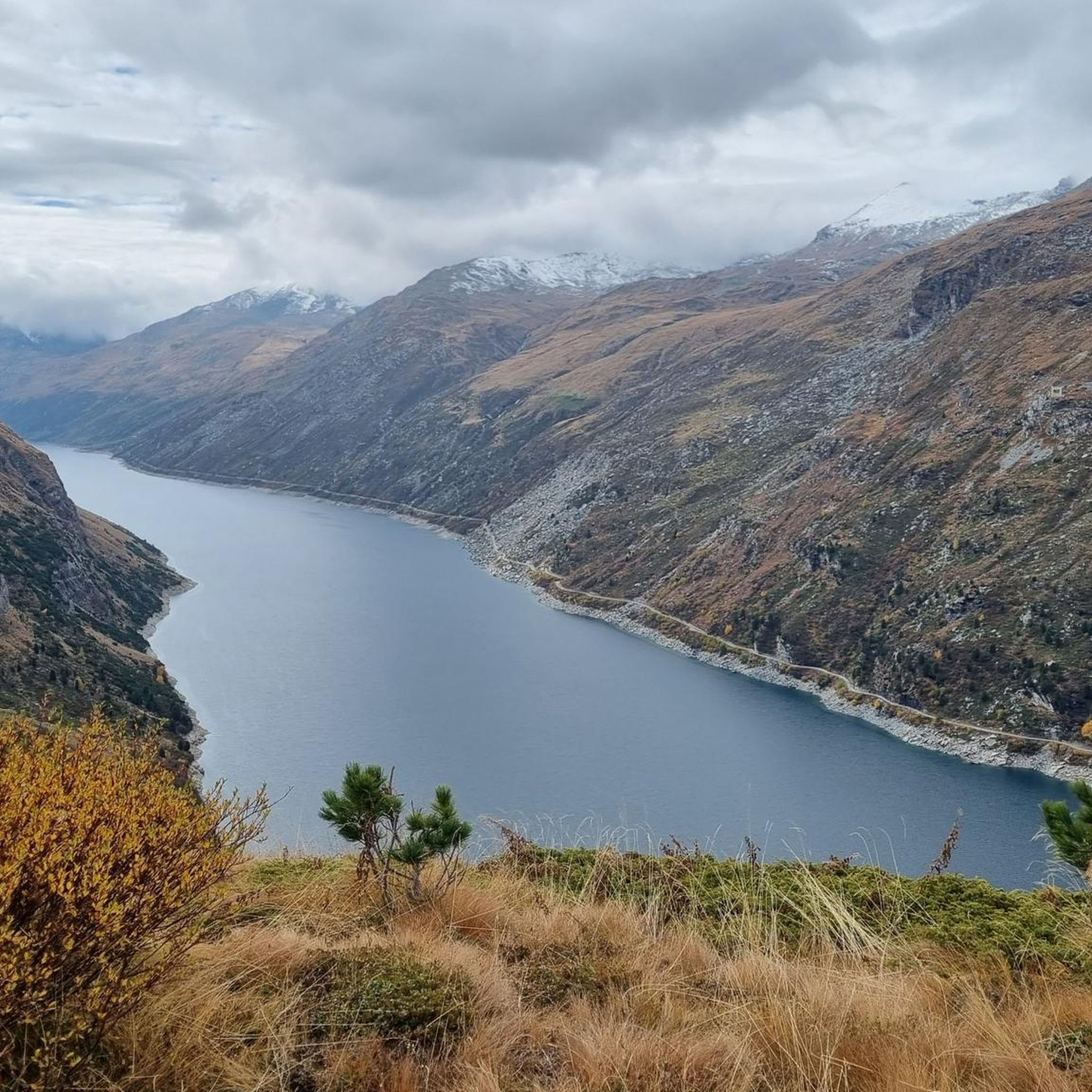
Montespluga SO The mountain village of Montespluga is located at an altitude of 1908 m above sea level at the beginning of the Val San Giacomo (also called Valle Spluga), about three kilometers from the summit of the Splügen Pass. The place originated in a hollow rich in water and pastures, where the Valle Spluga meets the Val Loga, near the border peaks of the area such as Pizzo Tambo. In 1927, the construction of the dam about 2 kilometers south of Montespluga began, damming the Torrente Liro to form the Lago di Montespluga below the village. The village with its few houses, restaurants, hotels, and shops on the pass road and the old customs building "La Casa" has hardly changed. Until 1841, it housed the only hospice on the Splügen Pass and the only place of worship, the chapel of San Francesco d’Assisi. The latter was consecrated in 1832, the year after the completion of the new road to the Splügen Pass in 1822. As early as 1767, the apostolic nuncio in Switzerland and later Cardinal Luigi Valenti Gonzaga had granted permission to set up a small chapel in the hospice. Since the opening of the San Bernardino Tunnel, the pass has no longer been kept open in winter. The village, which consists of three streets (Via Dogana, Via Ferrè, and Via Val Loga), can be cut off from both Italy and Switzerland. Montespluga is the starting point for numerous hiking, mountaineering, and ski touring destinations in the surrounding mountains and a stage destination on the cross-border long-distance hiking trail Via Spluga. Text / Source: wikipedia.org https://de.wikipedia.org/wiki/Montespluga
11
0
Splügen Pass (Alpine crossing (2113 m) Alpine crossing (2113 m) on the border between the Rheinwald in the Hinterrhein valley and the Italian Val San Giacomo (St. Jakobstal). The village of Splügen at the northern starting point, mentioned around 840 as cella in speluca, gave the pass its name. Italian Passo dello Spluga, Romanesque Pass dal Spleia. In the Middle Ages, the Splügen Pass was also known as Colmen d'Orso and Urschler. At the same time as the San Bernardino, the first road that was continuously passable for freight wagons and carriages was built between 1818 and 1823. After the Simplon and before the Gotthard, the Lower Road was thus the second Swiss "artificial road" across the Alps. For the route from Chur over the San Bernardino to Bellinzona, the Kingdom of Sardinia-Piedmont was responsible for a large part of the costs, in addition to the canton of Graubünden. The The Lombardo-Venetian Kingdom saw this as a threat to the volume of traffic over the Splügen Pass and, in return, had a road built at its own expense across the national border to the village of Splügen. This road essentially corresponded to the route still used at the beginning of the 21st century. On the north side, the road no longer led through the avalanche slope of the Altberg, in accordance with the plans of engineer Carlo Donegani. On the south side, an almost completely new route was chosen below Monte Spluga to Campodolcino, bypassing the Cardinell Gorge. Many galleries and refuge houses were built at regular intervals, especially on the south side. After the devastating flood damage of 1834, the road was rebuilt in some places. In 1841, the first mountain house with the customs station was built on the north side (2022 m). Text / Source: Historical Dictionary of Switzerland (HLS) https://hls-dhs-dss.ch/de/articles/008823/2013-01-10/
9
0
Splügen Pass / Passo dello Spluga The Splügen Pass has been proven to have been used since prehistoric times. There are also references to this in Roman times, e.g. the Itinerarium Antonini, a Roman road map from around 300 AD. The very close connections between the bishoprics of Chur and Como ran over the Splügen Pass. As early as 1396, there was evidence of significant customs revenues at Splügen. The expansion of the Viamala Gorge promoted its boom. The movement of goods was carried almost exclusively by packhorses, which meant frequent reloading. Transit traffic formed an important part of the flourishing economy. As late as 1798, the Austrian Field Marshal von Bellegarde wrote: "The largest train of goods from Milan to Germany goes over this pass, but mostly on horses and mules." Between 1818 and 1823, the first road that was passable for freight wagons and stagecoaches was built at the same time as the San Bernardino, and to a large extent it still follows the same route as it was then. After that, freight volumes and international passenger traffic over the Splügen increased several times over and reached their peak in the mid-1850s. The opening of the Alpine railways (1867 Brenner, 1872 Mont Cenis) had already reduced transit traffic over the Splügen. The opening of the Gotthard Railway in 1882 brought Graubünden transit traffic to a virtual standstill. A large wave of emigration was a direct result. The decades-long efforts to build a Splügen railway ultimately failed. The construction of the national road with a car tunnel at the San Bernardino opened up new perspectives. The Splügen Pass has been closed in winter since World War II. Text / Source: Interest Group for Alpine Passes IAP, PO Box 11, 6491 Realp https://www.alpen-paesse.ch/de/alpenpaesse/spluegenpass/
10
0

It is the second stretch of steep climb on the Italian side, after the break in Campodolcino. It is the great attraction of this port and a memory that every cyclist takes with them.
1
0

In the small town of Montespluga, where, despite being 1900 meters above sea level, we feel the first breath of Italy and the South, the only hospice and the only church (the chapel of San Francesco d'Assisi, replaced in 1825 from a new construction) of the locality were located until 1841 at Passo dello Spluga. Today Montespluga, thanks to its accommodation facilities and restaurants, is, both in summer and in winter, a small and welcoming tourist resort with an unmistakable atmosphere.
4
1

Road that leads from Campodolcino to Pianazzo with challenging and scenic back roads.
3
0
Frequently Asked Questions
What makes the mountain passes around Ferrera unique?
The mountain passes around Ferrera offer a diverse experience, spanning two distinct mountainous regions: Ferrera in Switzerland and Ferrara di Monte Baldo in Italy. The Swiss passes, like the Splügen Pass, are known for their rugged alpine landscapes, dramatic hairpin turns, and historical significance as ancient trade routes. The Italian passes, such as Passo San Valentino, combine natural beauty with historical sites from World War I and offer panoramic views over Lake Garda.
What kind of scenery can I expect on the mountain passes in the Ferrera region?
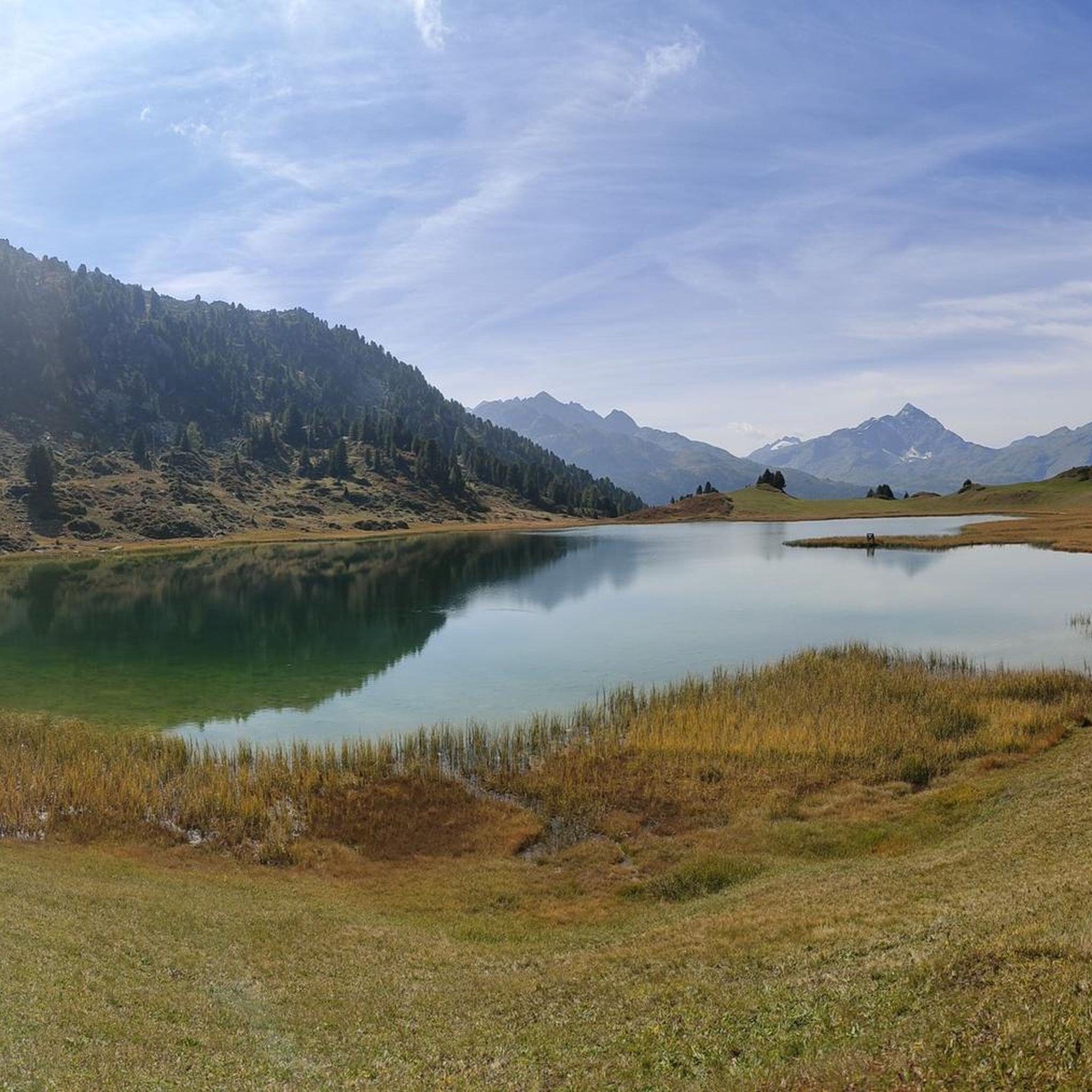
You can expect breathtaking and varied scenery. In the Swiss Ferrera, passes like the Splügen Pass feature snow-capped peaks, lush valleys, and scenic lakes like Montespluga. The Julier Pass Ascent from Tiefencastel offers an exciting climb through various Alpine vegetation zones. In Ferrara di Monte Baldo, Italy, passes like Bocca di Navene provide expansive panoramas, including magnificent views of Lake Garda and the Brenta Dolomites.
Are there any historical sites or significant landmarks on the mountain passes?
Yes, several passes are rich in history. The Splügen Pass in Switzerland is a historic high mountain pass and part of the long-distance hiking path ViaSpluga, an ancient trade route. The authentic village of Splügen, with its well-preserved Walser architecture, is also a cultural highlight. In Italy, Passo San Valentino features stone bastions that served as military shelters and observatories during World War I, adding a historical dimension to the natural landscape.
What outdoor activities can I do near the mountain passes in Ferrera?
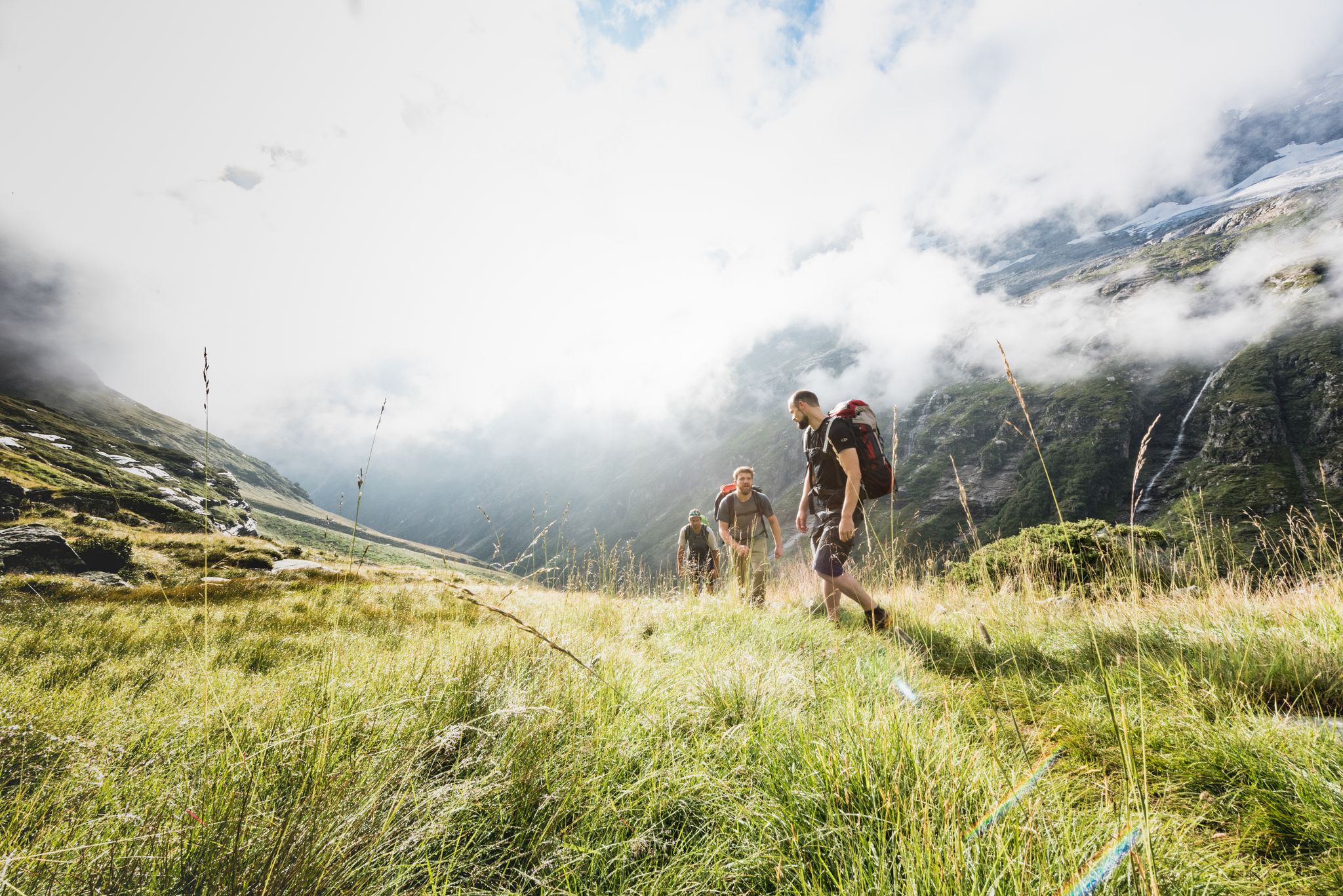
The Ferrera region offers a wide range of outdoor activities. You can enjoy mountaineering, cycling, and mountain biking. For detailed routes and guides, explore options like Mountain Hikes around Ferrera, Cycling around Ferrera, and MTB Trails around Ferrera.
Are there specific hiking trails recommended near Ferrera's mountain passes?
Absolutely. Near the Swiss passes, you can find trails like the Piz Tambo – Laghetti del Tamburello loop from Splügen Pass, or the Upper Suretta Lake loop from Splügen. The Montespluga settlement serves as a starting point for numerous hiking and mountaineering destinations, and is a stop on the cross-border long-distance hiking trail Via Spluga. For more options, check the Mountain Hikes around Ferrera guide.
Can I go cycling or mountain biking on or near these passes?
Yes, the region is popular for both road cycling and mountain biking. You can find routes like the Montespluga – Splügen loop from Montespluga for cycling, or the Andossi Ring Trail for mountain biking. The Splügen Pass Serpentines are particularly enjoyed by cyclists for their fun switchbacks and magnificent views. Explore more routes in the Cycling around Ferrera and MTB Trails around Ferrera guides.
Are there any family-friendly mountain passes or activities in the Ferrera region?
Passo San Valentino in Ferrara di Monte Baldo, Italy, is an excellent starting point for nature walks and offers a ski area with slopes suitable for learning and training, making it suitable for families. The rich variety of plants and flowers also makes it an engaging spot for nature lovers of all ages. The settlement of Montespluga is also categorized as family-friendly.
What is the difficulty level of the mountain passes in Ferrera?
The difficulty varies significantly. Some passes, like the Splügen Pass and the Julier Pass Ascent from Tiefencastel, are considered challenging, especially for cycling or advanced hiking. The Hairpin Bends and Tunnels of the Campodolcino–Pianazzo Road are noted for their challenging and scenic back roads. However, there are also easier nature walks available, particularly around Passo San Valentino in Italy.
When is the best time to visit the mountain passes around Ferrera?
The best time to visit depends on your desired activities. For hiking, cycling, and scenic drives, late spring through early autumn (May to October) generally offers the most favorable conditions, with passes typically clear of snow. For winter sports, such as skiing at Passo San Valentino, the winter months are ideal. Note that the Splügen Pass is closed in winter.
What amenities are available near the mountain passes for visitors?
The village of Montespluga, near the Splügen Pass, offers cafes, restaurants, hotels, and shops. It's a great place to stop for a cappuccino and enjoy the mountain views. Passo San Valentino also has facilities, particularly for winter sports enthusiasts, and the nearby Polsa-San Valentino-San Giacomo ski area provides additional amenities. You can find more information about the San Valentino area at visittrentino.info.
What do visitors enjoy most about the mountain passes in Ferrera?
Visitors frequently praise the exhilarating drives, breathtaking panoramic views, and the historical significance of the passes. The perfectly twisty climbs of the Splügen Pass Serpentines are a favorite among cyclists, while the rich biodiversity and WWI history of Passo San Valentino are highly appreciated. The stunning views over Lake Garda from Bocca di Navene are also a highlight for many.
Are there any hidden gems or less-known passes worth exploring in the Ferrera region?
While not a traditional pass, the Via Ferrata delle Taccole on Monte Baldo, near Ferrara di Monte Baldo, offers a thrilling and challenging experience for experienced climbers, culminating in rewarding views from Vetta delle Buse. For scenic drives, the route to Creer Pass, often associated with Passo San Valentino, is noted for its numerous switchbacks through shaded forests and is considered a highlight for those who appreciate mountainous road trips.
Most popular routes around Ferrera
Most popular attractions around Ferrera

Get inspired with the komoot mobile app


Explore more
See even more epic mountain passes by checking out these guides around Ferrera:
