Top 8 Castles around Malroy
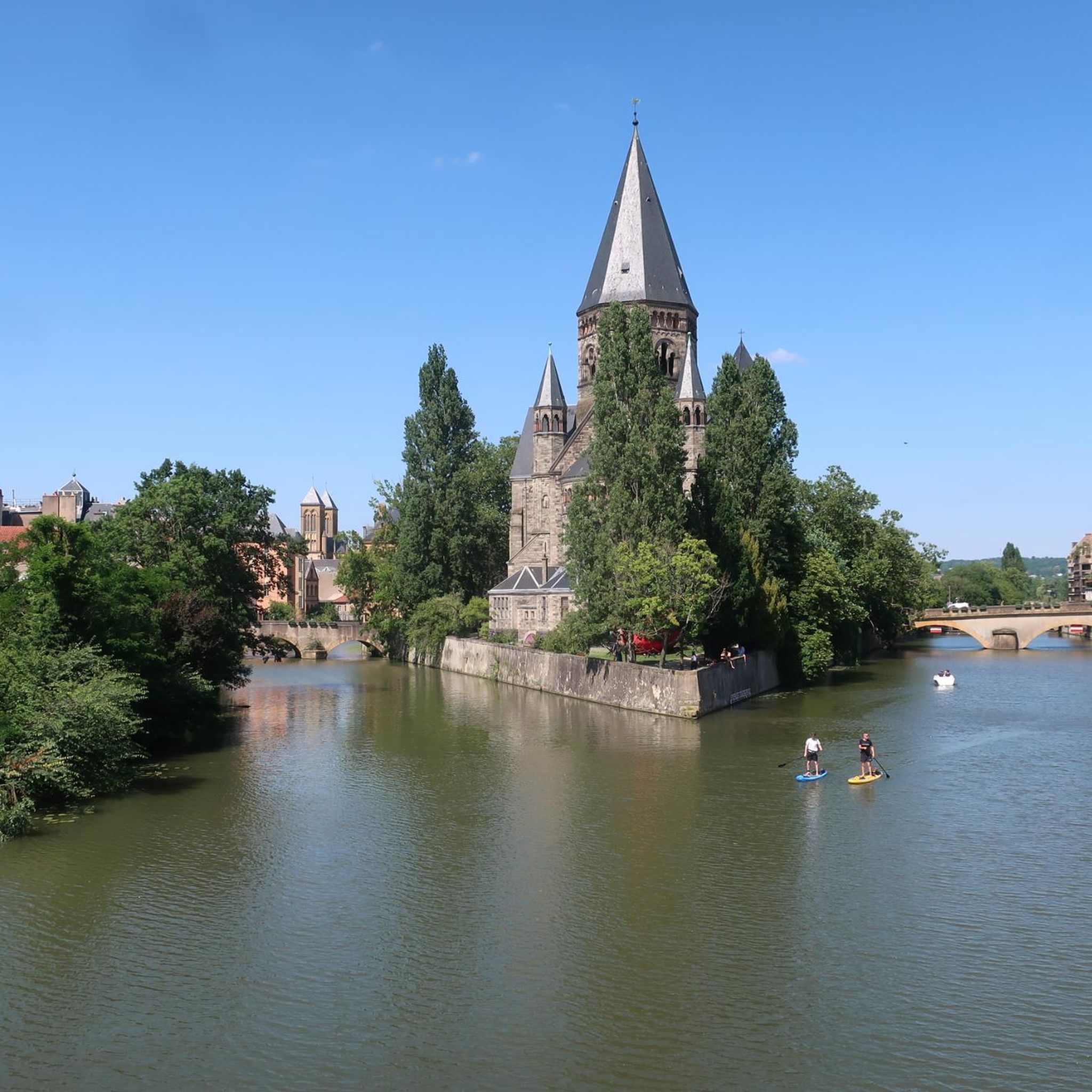
Castles around Malroy are situated in the Moselle region of France, an area characterized by its historical significance and diverse architectural heritage. This region, particularly around Metz, features a blend of medieval fortifications and structures influenced by both French and German empires. The landscape includes river promenades and elevated positions offering views of these historic sites. Visitors can explore a variety of historical sites, including fortified gates, military forts, and traditional castles.
Best castles around Malroy
- The most popular castles…
Last updated: October 3, 2026
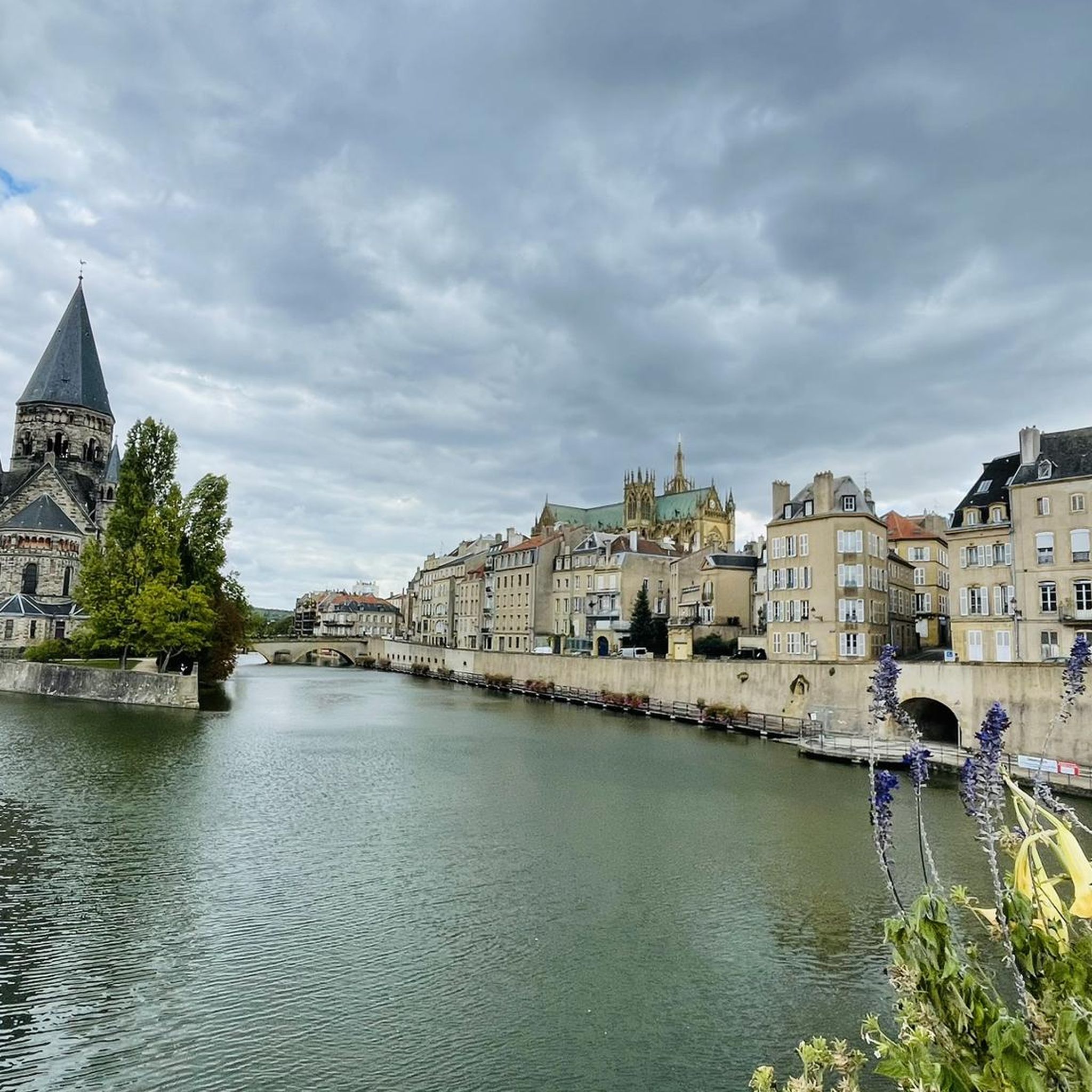
Porte des Allemands and Metz Cathedral
Highlight • Historical Site
Translated by Google •
Tip by

Porte des Allemands
Highlight • Historical Site
Translated by Google •
Tip by

Sign up now to discover places like this
Get recommendations on the best single tracks, peaks, & plenty of other exciting outdoor places.
Fort Saint-Quentin
Highlight (Segment) • Historical Site
Tip by

Fort de Queuleu
Highlight (Segment) • Historical Site
Translated by Google •
Tip by

Governor's Palace
Highlight • Historical Site
Translated by Google •
Tip by

Sign up for free to discover even more castles around Malroy.
Already have an account?
Start today with a free account
Your next adventure awaits.
Tips from the Community

great place in front of the cathedral
0
0

The former palace of the commander of the 16th German Army Corps was built between 1902 and 1904 in the German Neo-Renaissance style. The palace is characteristic of historicism in the architecture of that time. It can be visited together with the park on the European Heritage Days. tourisme-metz.com
0
0

The fort is still maintained as a historical memorial. The inner fortress is actually more of a small park - with playgrounds and picnic areas. The still recognizable building ruins serve as a refuge for bats. The very extensive area around it is surrounded by hiking trails, the fortress walls and, above all, the deep defensive ditch are always present.
2
0

Of the original 17 city gates, only the German Gate in the east remains. Named after the former hospital of the Teutonic Order, which stood nearby, it was built as an entrance to the city on a bridge over the Seuille River. A medieval structure straight out of a picture book.
6
1

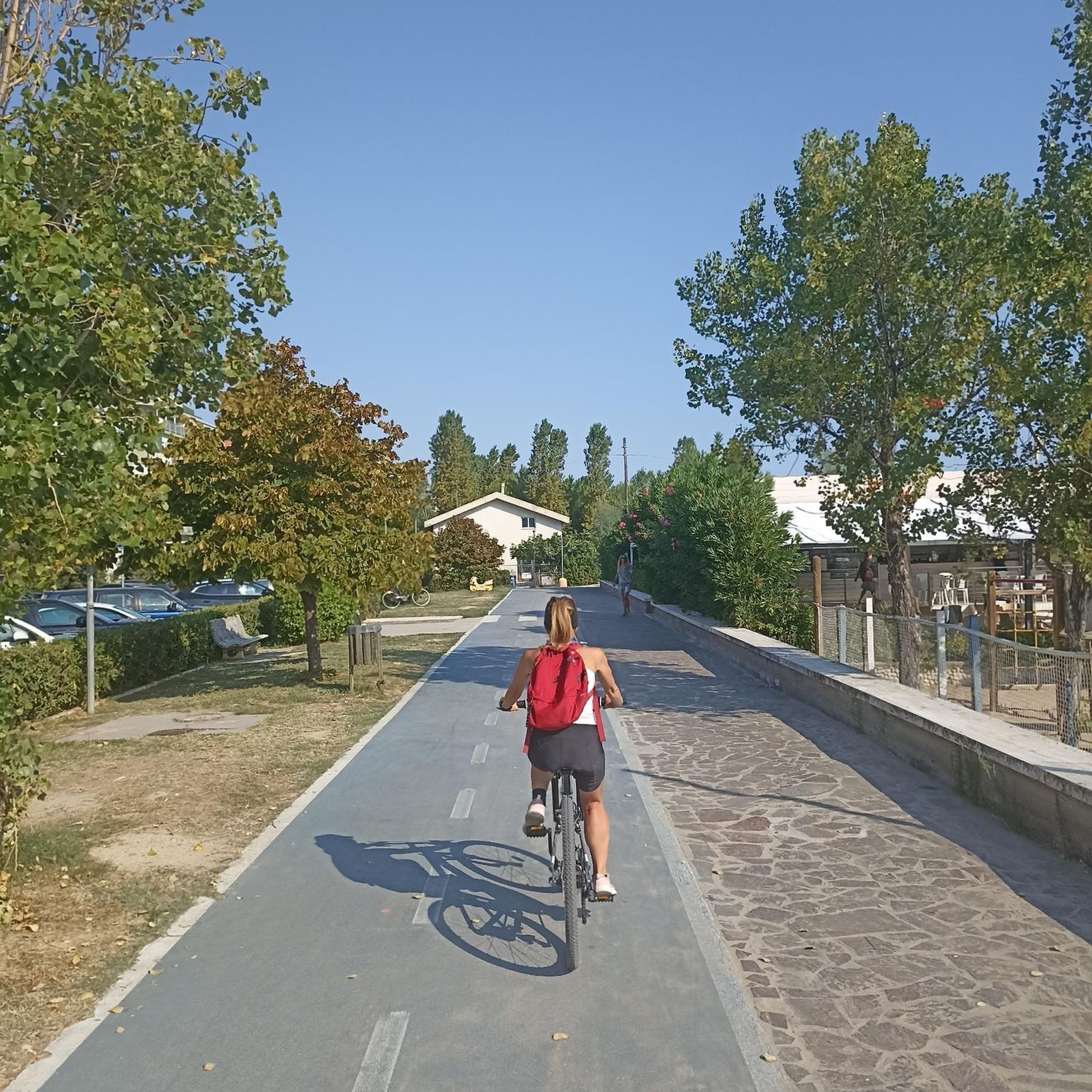
Always worth a bike tour! In the old town area, however, you should keep an eye on the ground. The cobblestones are very rough in places and have deep, wide cracks.
1
0

beautiful walk starting from the Col de Lessy
1
0

Impressive and well-preserved gate of the medieval city fortifications on the Seille.
6
0
Frequently Asked Questions
What kind of castles and historical sites can I expect to find around Malroy?
The area around Malroy, particularly in the Moselle region near Metz, is rich in historical significance. You'll find a blend of medieval fortifications, fortified city gates, and 19th-century military forts, reflecting the region's changing affiliations between French and German empires. These include structures like the Porte des Allemands and Fort Saint-Quentin.
Are there any family-friendly castles or historical sites to visit near Malroy?
Yes, the Porte des Allemands in Metz is considered family-friendly. Its historical significance as a fortified city gate and bridge over the Seille offers an engaging experience for all ages, showcasing medieval military architecture.
What are some of the most popular historical sites around Malroy?
Among the most popular sites are the Porte des Allemands, a well-preserved medieval city gate, and the combination of Porte des Allemands and Metz Cathedral, which offers a glimpse into gothic architecture and the region's diverse history. Fort Saint-Quentin, a significant fortification group, is also highly regarded.
What outdoor activities can I do near the castles around Malroy?
The area offers various outdoor activities. You can explore numerous cycling routes, including gravel biking, road cycling, and touring bicycle options. For example, you can find routes like 'The Moselle at Metz – View of the River Moselle loop' for gravel biking or 'Château de Buy loop' for road cycling. You can find more details on these activities in the Gravel biking around Malroy, Road Cycling Routes around Malroy, and Cycling around Malroy guides.
Are there any specific castles or historical sites that offer good viewpoints?
While not a traditional castle, the Fort Saint-Quentin is located on Mont Saint-Quentin, northwest of Metz. Fortifications like this often provide elevated positions, offering strategic views of the surrounding landscape, including the city of Metz and the Moselle river valley.
What is the historical significance of the castles and forts in the Malroy area?
The historical sites around Malroy, particularly in Metz, reflect centuries of strategic importance. The Porte des Allemands, for instance, was the main eastern entrance to Metz in medieval times. Fortifications like Fort Saint-Quentin were part of the first fortified belt around Metz, built during the Second French Empire and later used during the Franco-Prussian War and World War II, showcasing the region's military past.
Is there a 'hidden gem' castle or historical site worth discovering near Malroy?
While not a traditional 'hidden gem' in terms of being obscure, Mercy Castle offers a unique story. Erected in 1905, its French architectural style was a deliberate statement during German occupation. Although it has been run down, there are plans for refurbishment, making it an interesting site to observe its transformation and historical context.
What do visitors enjoy most about the historical sites around Malroy?
Visitors frequently appreciate the rich architectural diversity, especially in Metz, where structures like the gothic cathedral and various buildings reflect both German and French influences. The long Moselle promenades offering views of these historic sites are also a highlight. Many find the city of Metz itself a fantastic place with something to discover everywhere, from historic buildings to beautiful gardens and lively squares.
Are there any specific landmarks in Metz that are related to castles or fortifications?
Yes, Historic landmarks in Metz include several sites related to its fortified past. Beyond the prominent Porte des Allemands and Fort Saint-Quentin, the city itself is a testament to centuries of defensive architecture, with remnants of its medieval ramparts and various historical buildings showcasing its strategic importance.
What is the best time of year to visit the castles and historical sites around Malroy?
The Moselle region, like much of France, generally offers pleasant weather for exploring historical sites from spring through early autumn (April to October). During these months, you can enjoy comfortable temperatures for walking and cycling, and the natural beauty of the river promenades. Winter visits are possible, but some outdoor activities might be limited by colder weather.
Can I combine a visit to a castle with a walk along the Moselle river?
Absolutely! Many historical sites, especially in Metz, are located near the Moselle river. The Porte des Allemands, for example, served as a bridge over the Seille (a tributary of the Moselle) and is easily accessible from river promenades. This allows you to combine historical exploration with scenic walks along the water.
Most popular attractions around Malroy

Get inspired with the komoot mobile app


Explore more
Looking for the best castles somewhere else? Discover other guides around Malroy:
