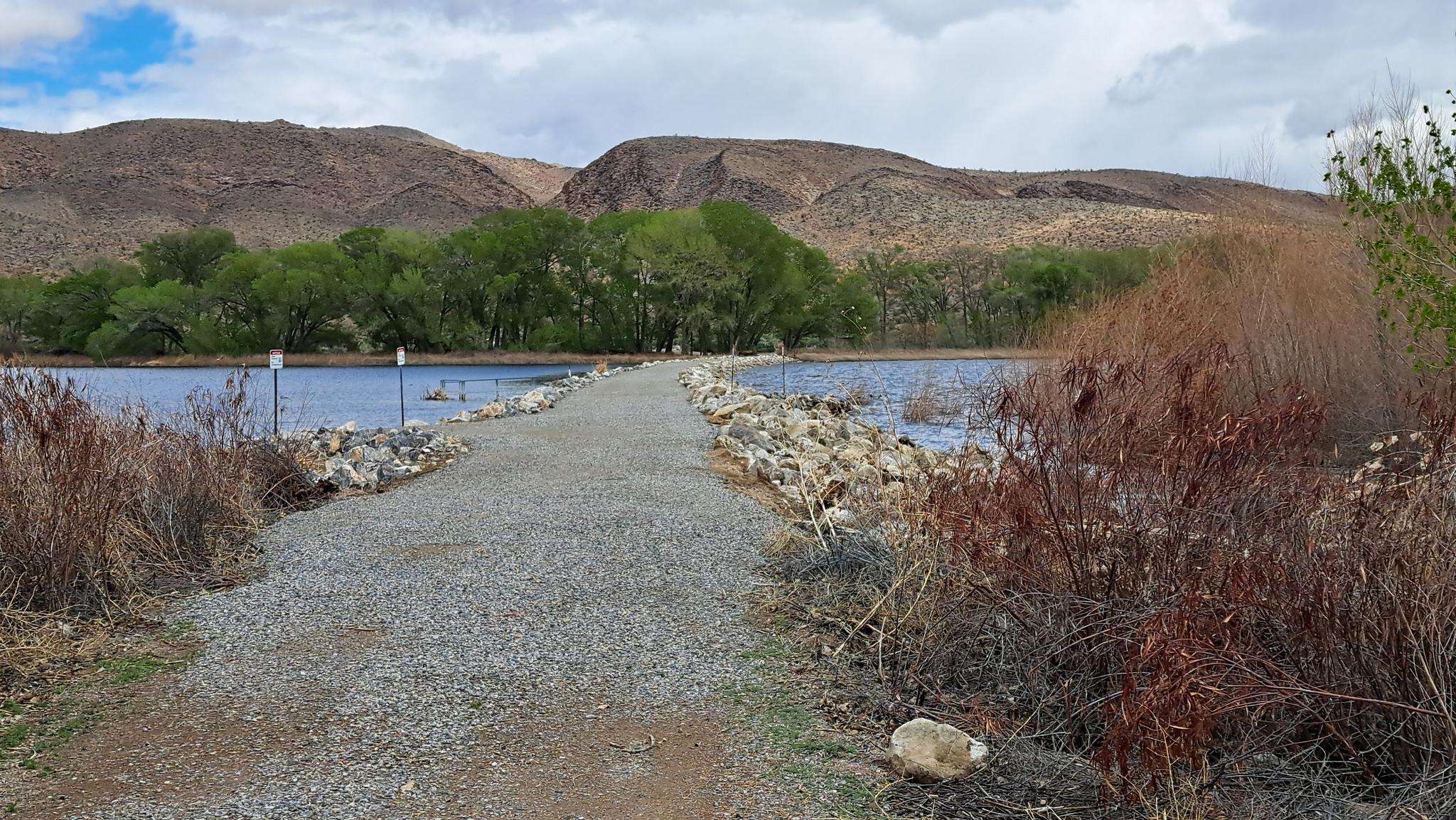
The best walks and hikes in Desert National Wildlife Refuge
5.0
(1)
15
hikers
10
hikes
Hiking in Desert National Wildlife Refuge offers access to a vast 1.6 million-acre landscape characterized by six major mountain ranges and diverse ecosystems. The refuge transitions from low-elevation desert shrub communities with creosote bush and Joshua trees to higher altitudes featuring pinyon-juniper woodlands. Notable features include the Corn Creek Oasis, which provides wetlands and pools, and dramatic peaks like Hayford Peak, the highest point at 9,912 feet (3,021 m). This varied terrain provides a wide range of hiking experiences across…
Last updated: July 8, 2026
1
hikers
8.29km
02:39
600m
0m
Moderate hike. Good fitness required. Easily-accessible paths. Suitable for all skill levels.
79.4km
21:52
1,290m
1,410m
Hard hike. Very good fitness required. Easily-accessible paths. Suitable for all skill levels.

Sign up for free
5.0
(1)
7
hikers
10.2km
03:35
570m
570m
Moderate hike. Good fitness required. Easily-accessible paths. Suitable for all skill levels.
2.95km
00:45
10m
10m
Easy hike. Great for any fitness level. Easily-accessible paths. Suitable for all skill levels.
4.97km
01:17
20m
20m
Easy hike. Great for any fitness level. Easily-accessible paths. Suitable for all skill levels.
Get access to more routes and recommendations from other explorers.
Sign up for free
Already have an account?
Our route recommendations are based on thousands of hikes, rides, and runs completed by other people on komoot.
Start today with a free account
Your next adventure awaits.
Login or Signup
Popular around Desert National Wildlife Refuge
Frequently Asked Questions
How many hiking trails are available in Desert National Wildlife Refuge?
Komoot offers a selection of 10 hiking routes within the Desert National Wildlife Refuge. These range from easy strolls to challenging backcountry expeditions, ensuring there's something for every skill level.
Are there any easy or accessible trails for beginners or families?
Yes, the Corn Creek area is ideal for easy walks and families. It features wetlands and pools, attracting migratory birds. The Upper Lake Trail is an easy option, and the Jackrabbit Loop is a paved, interpretive trail that passes by a pond with endangered Pahrump poolfish. Several trails here are also ADA accessible.
What kind of wildlife can I expect to see while hiking?
The refuge is a haven for wildlife. You have a good chance of spotting desert bighorn sheep, Nevada's state mammal, especially on hillsides. It's also home to 320 bird species, 53 mammal species (including pronghorn, coyotes, and kit foxes), and 35 reptile species like the desert tortoise. The Corn Creek Oasis is particularly good for birdwatching.
Are there any loop trails in the Desert National Wildlife Refuge?
Yes, for those who prefer circular routes, the Gass Peak loop from Gass Peak Trailhead is a popular moderate option, offering a rewarding climb and panoramic views. Another easy loop is the Durango Loop Trail.
What are some notable natural features or attractions to look for on the trails?
The refuge boasts diverse landscapes, from low-elevation desert shrub communities with Joshua trees to higher altitudes with pinyon-juniper and ponderosa pine woodlands. You can explore historic sites like the Railroad Tie Cabin and the Hidden Forest Cabin, nestled among ponderosa pines. The Corn Creek Oasis, with its 'Caribbean-esque pools,' is also a unique natural attraction.
What is the best time of year to go hiking in the Desert National Wildlife Refuge?
The cooler months, from late fall through spring, are generally the most pleasant for hiking. Summer temperatures can be extreme, making early morning or late afternoon hikes essential if visiting during this period. Always carry plenty of water, regardless of the season.
Are permits required for hiking in the refuge?
Generally, permits are not required for day hiking in the Desert National Wildlife Refuge. However, if you plan on backpacking or engaging in specific activities, it's always best to check the official U.S. Fish & Wildlife Service website for the latest regulations and any potential permit requirements for backcountry access. You can find more general information about the refuge on Wikipedia.
What do other hikers enjoy most about the Desert National Wildlife Refuge?
The komoot community highly rates the Desert National Wildlife Refuge, with an average score of 5.0 stars. Reviewers often praise the refuge's vast, undisturbed wilderness, the opportunity to spot diverse wildlife, and the dramatic changes in scenery as you ascend through different life zones.
Are there any challenging hikes for experienced trekkers?
Absolutely. For experienced hikers, the refuge offers strenuous routes like the Hayford Peak Trail, which leads to the highest point in the refuge at 9,912 feet, offering spectacular vistas. The Mormon Well Road also provides a very long and challenging backcountry experience, often requiring high-clearance or 4x4 vehicles for access.
Is parking available at the trailheads?
Parking is generally available at designated trailheads and visitor areas, such as the Corn Creek Visitor Center. For more remote backcountry routes, access might be via unpaved roads, where high-clearance or 4x4 vehicles are recommended, and parking may be less formal. Always check specific route details for parking information.
Can I bring my dog on the hiking trails?
While the refuge is a natural area, regulations regarding pets can vary. Typically, dogs are allowed on leash in developed areas like the Corn Creek Unit, but may be restricted in wilderness areas or on certain trails to protect wildlife. It's always best to check the official refuge website for the most current pet policies before your visit.
Most popular routes in Desert National Wildlife Refuge

Get inspired with the komoot mobile app


Explore more
Browse the best Hikes in other regions.
