The best running trails in Desert National Wildlife Refuge
64
runners
13
runs
Jogging in Desert National Wildlife Refuge offers access to a vast and diverse landscape spanning 1.6 million acres, characterized by six major mountain ranges and seven distinct life zones. The terrain varies from low-lying desert scrub and wetlands around Corn Creek to high-elevation pinyon-juniper woodlands and ponderosa pines. Runners can find routes with significant elevation changes, ranging from mostly flat paths to uneven terrain and rocky sections. This variety provides options for different levels of challenge across the refuge's expansive…
Last updated: July 12, 2026
3
runners
12.7km
01:18
30m
30m
Moderate run. Good fitness required. Mostly paved surfaces. Suitable for all skill levels.
3
runners
5.32km
00:33
10m
10m
Moderate run. Good fitness required. Mostly paved surfaces. Suitable for all skill levels.

Sign up for free
10
runners
Moderate run. Good fitness required. Mostly paved surfaces. Suitable for all skill levels.
5
runners
12.3km
01:17
50m
50m
Moderate run. Good fitness required. Mostly paved surfaces. Suitable for all skill levels.
25
runners
8.66km
01:00
20m
20m
Moderate run. Good fitness required. Mostly paved surfaces. Suitable for all skill levels.
Get access to more routes and recommendations from other explorers.
Sign up for free
Already have an account?
Our route recommendations are based on thousands of hikes, rides, and runs completed by other people on komoot.
Start today with a free account
Your next adventure awaits.
Login or Signup
Popular around Desert National Wildlife Refuge
Tips from the Community

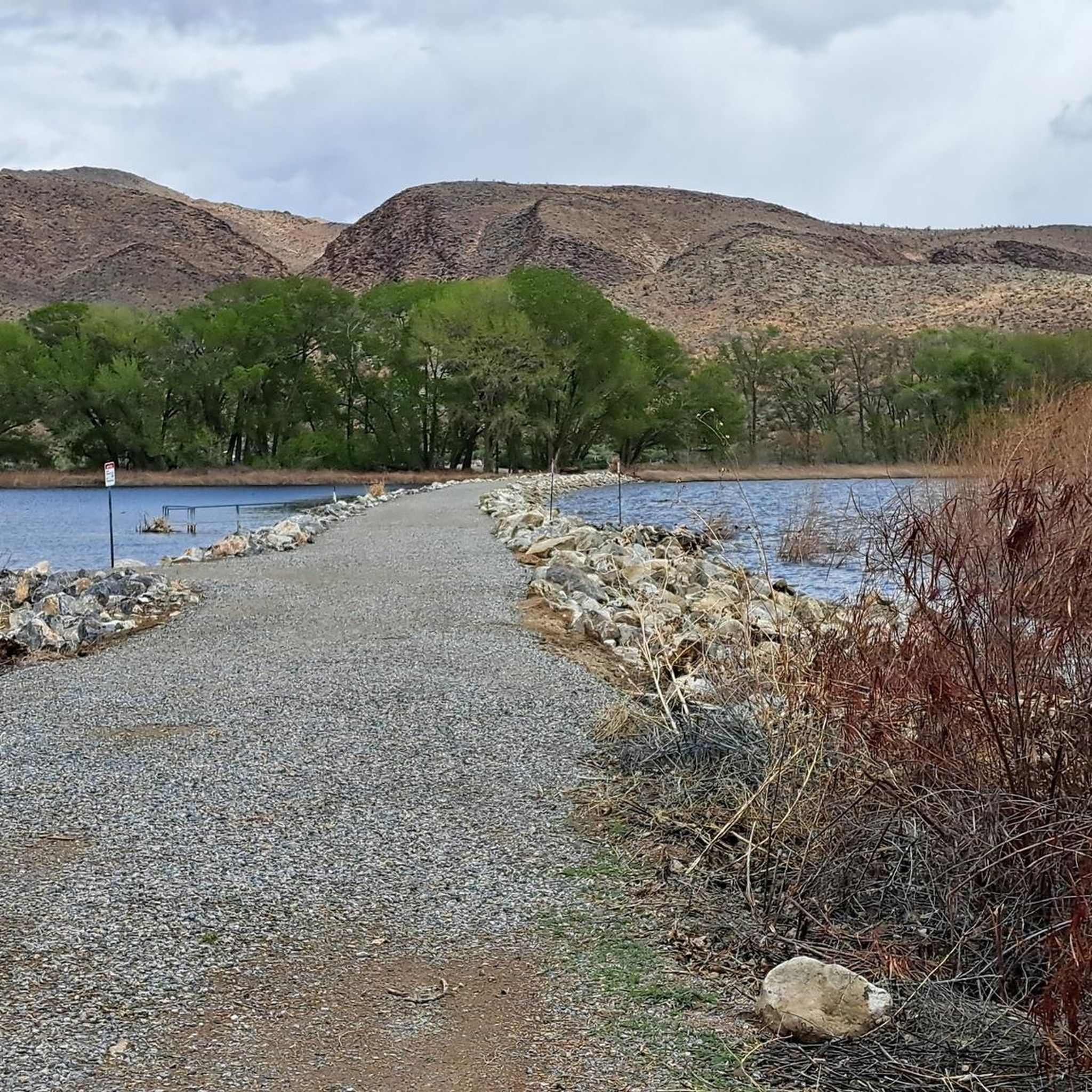
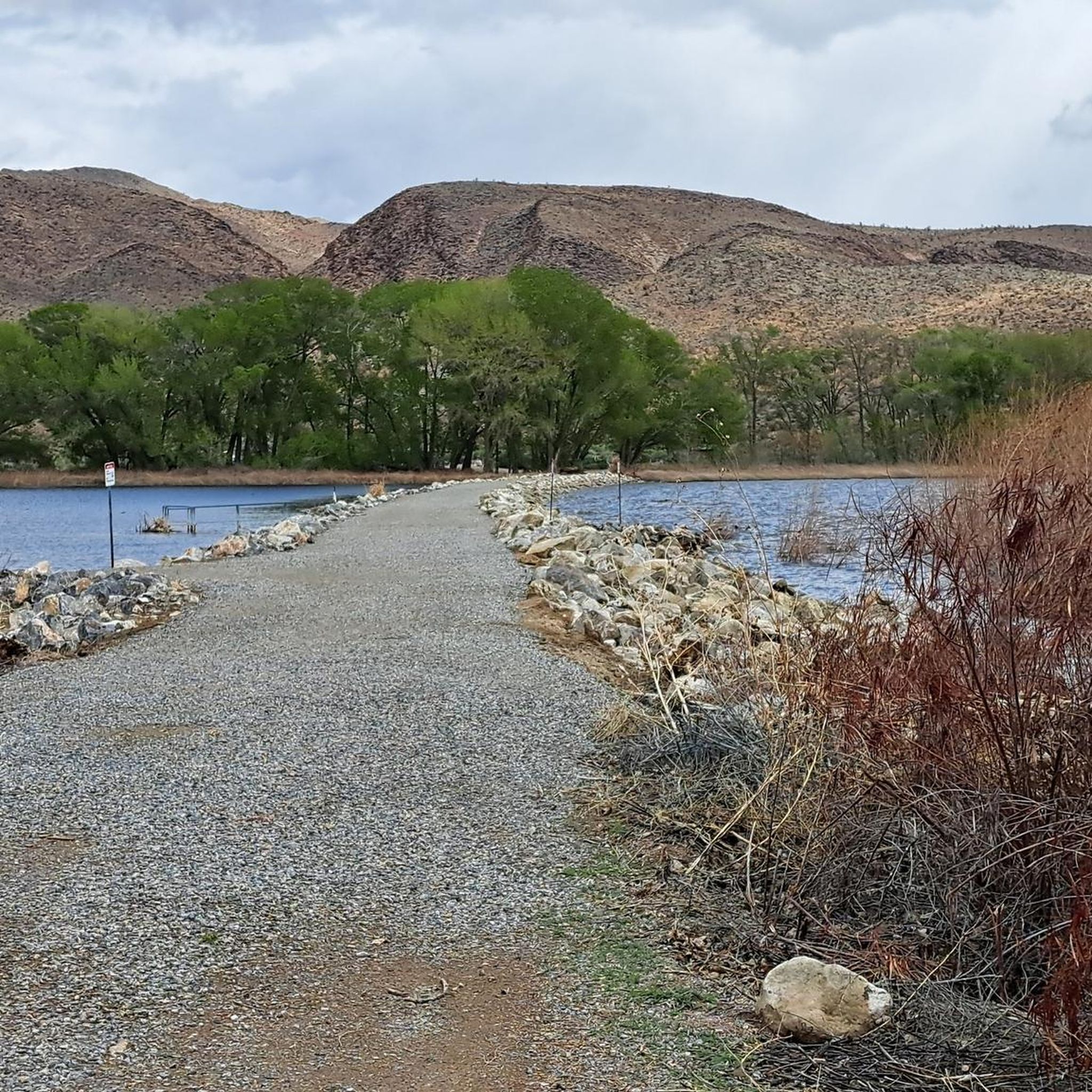
Cottonwood Lake is one of several lakes in Floyd Lamb Park. There is a path that circles the water and some benches if you want to take a break from your run to enjoy the park.
0
0

The Tule Springs Ranch in the Floyd Lamb Park was built in the early 20th century and is on the National Register of Historic Places. Ideally situated by a natural spring, this historic ranch is a great place to explore when visiting the park. There are informational signs by all the buildings, which are mostly whitewashed brick, which help keep them cool in the Las Vegas summers.
0
0
The Las Vegas Wash Trail is a multiuse trail that follows the Las Vegas Wash, an urban river to leads into Lake Mead. The trail is completely paved and traffic free.
1
0
Tule Spring in the Floyd Lamb Park is an oasis in the desert! Tule Spring, a natural perennial spring feeds several small ponds in the park and has allowed people to live here for centuries. This verdant spot by largest pond in the park is a great place to relax by the water and look out for all types of waterfowl and insects as well as peacocks that roam the park! You might see people fishing in the pond as well.
2
0
The Tule Springs Ranch in the Floyd Lamb Park was built in the early 20th century and is on the National Register of Historic Places. Ideally situated by a natural spring, this historic ranch is a great place to explore when visiting the park. There are informational signs by all the buildings which are mostly whitewashed brick, which help keep them cool in the Las Vegas summers.
1
0
Frequently Asked Questions
How many running routes are available in Desert National Wildlife Refuge?
The Desert National Wildlife Refuge offers over a dozen dedicated running routes. These routes cater to various fitness levels, with the majority being moderate, alongside some easier and more challenging options.
What kind of terrain can I expect on the jogging trails?
The refuge boasts incredibly diverse terrain. You'll find everything from mostly flat and even paths, particularly around the Corn Creek Visitor Center, to routes with uneven ground, small hills, and even steep, rocky sections in higher elevations. This variety allows for different levels of challenge and training.
Are there any easy or beginner-friendly jogging routes?
Yes, for those seeking easier runs, the trails around the Corn Creek Visitor Center are an excellent choice. These five trails offer gentle walks through desert wetlands and habitat, with some being ADA accessible, making them ideal for casual jogging or a warm-up. The Birdsong Loop is a particularly pleasant option.
Can I bring my dog on the running trails in Desert National Wildlife Refuge?
While the refuge is a natural area, specific regulations regarding pets apply. It's always best to check the official refuge guidelines before bringing your dog. Generally, pets are allowed on leash in designated areas, but often restricted from sensitive wildlife habitats.
What are some notable natural features or landmarks I might see while running?
The refuge is rich in natural beauty. You can expect to see diverse flora like Joshua trees, pinyon pines, and junipers, depending on elevation. The landscape is dominated by six major mountain ranges, including the Sheep Range with Hayford Peak. The Corn Creek area itself is a surprising oasis with pools and abundant birdlife, offering a refreshing contrast to the arid surroundings.
Are there any family-friendly running routes?
The trails around the Corn Creek Visitor Center are generally considered family-friendly due to their varying lengths, easy terrain, and ADA accessibility. These paths provide a great opportunity for families to enjoy a run together in a natural setting.
What is the best time of year to go jogging in the Desert National Wildlife Refuge?
The higher elevations within the refuge offer cooler temperatures, making them a popular escape from the intense summer heat of the lower desert areas. This extends the period for comfortable outdoor activity. Spring and fall generally offer the most pleasant conditions across the entire refuge, with milder temperatures and blooming desert flora.
Are there any circular running routes available?
Yes, many of the routes in the refuge are designed as loops. For example, the Running loop from Ice Age Fossils State Park and the Running loop from Iron Mountain Ranch are popular moderate circular options. Another favorite is the Tule Spring – Tule Springs Ranch loop from Floyd Lamb Park at Tule Springs, which takes you through desert wetlands.
Where can I park when visiting the Desert National Wildlife Refuge for a run?
Parking is generally available at key access points, such as the Corn Creek Visitor Center, which serves as a popular starting point for several trails. For routes like the Cottonwood Lake loop from Floyd Lamb Park at Tule Springs, parking would be available at Floyd Lamb Park. Always check specific route details for recommended parking locations.
Do I need a permit to jog in the Desert National Wildlife Refuge?
Generally, a permit is not required for day-use activities like jogging on established trails within the Desert National Wildlife Refuge. However, it's always advisable to check the official U.S. Fish & Wildlife Service website for the most current regulations and any specific area restrictions, especially if planning an extended stay or off-trail activities. You can find more information at fws.gov.
What kind of wildlife might I encounter while running?
The refuge is a critical habitat for diverse wildlife. You might spot desert bighorn sheep, which is Nevada's state mammal, as well as pronghorn and coyotes. The area is also home to over 320 bird species, making it a fantastic spot for birdwatching, especially around the Corn Creek oasis. Always maintain a respectful distance from any animals you encounter.
Are there any routes that offer a more challenging running experience?
Yes, for more experienced runners seeking a challenge, the refuge's significant elevation changes mean you can find routes with steep, rocky sections and considerable climbs. While specific difficult routes are fewer, the vastness of the refuge, with its six major mountain ranges, provides ample opportunity to create or find more demanding runs, especially on less maintained roads like Mormon Well Road or Alamo Road, though these require careful planning due to their remote nature.
What do other runners say about jogging in Desert National Wildlife Refuge?
The Desert National Wildlife Refuge is appreciated by the komoot community, with nearly 60 runners having explored its varied terrain. Users often highlight the expansive desert landscapes, the unique desert wetlands, and the diverse mountain ranges as key attractions, noting the options available for different ability levels.
Most popular routes in Desert National Wildlife Refuge

Get inspired with the komoot mobile app


Explore more
Browse the best Running Trails & Routes in other regions.
