Attractions and Places To See around Aguiar Da Beira - Top 14
Best attractions and places to see around Aguiar Da Beira include a blend of historical sites, cultural heritage, and natural landscapes. Situated on a plateau over 700 meters high, this region in the Guarda District of Portugal offers diverse points of interest. Visitors can explore ancient monuments, religious buildings, and scenic natural features. The area is known for its historical significance and varied outdoor opportunities.
Best attractions and places to see around Aguiar Da Beira
- The most popular attractions is Megalithic Dolmen, a historical site representing the region's prehistoric legacy. It is a national monument, part of the significant archaeological sites in the area.
- Another must-see spot is Pedestrian Bridge of Ribeira de Ferreirim, a bridge that connects villages and enables longer walking routes. It is a key feature for exploring the Távora walkways.
- Visitors also love Sanctuary of Nossa Senhora da Lapa, a religious building and significant pilgrimage site. This sanctuary has historical origins dating back to the 10th century.
- Aguiar Da Beira is known for its historical sites, religious buildings, and natural features. The region offers a variety of attractions, from ancient monuments to scenic bridges and sanctuaries.
- The attractions around Aguiar Da Beira are appreciated by the komoot community, with more than 10 upvotes and 9 photos.
Last updated: May 21, 2026
Pedestrian Bridge of Ribeira de Ferreirim
Highlight • Bridge
Translated by Google •
Tip by

Sanctuary of Nossa Senhora da Lapa
Highlight • Religious Site
Translated by Google •
Tip by

Sign up now to discover places like this
Get recommendations on the best single tracks, peaks, & plenty of other exciting outdoor places.
Sign up for free
Megalithic Dolmen
Highlight • Historical Site
Translated by Google •
Tip by

Castle Walls of Trancoso
Highlight • Castle
Translated by Google •
Tip by
Historic Village of Trancoso
Highlight • Historical Site
Translated by Google •
Tip by

Sign up for free to discover even more attractions around Aguiar Da Beira.
Sign up for free
Already have an account?
Start today with a free account
Your next adventure awaits.
Login or Signup

Tips from the Community

Sad UPDATE: Unfortunately, the area around Vila da Ponte was hit by a severe forest fire on August 15, 2025. The bridge and footbridge are destroyed—nothing is as it was. We wish the residents strength (and sources of funding) to rebuild!
0
0
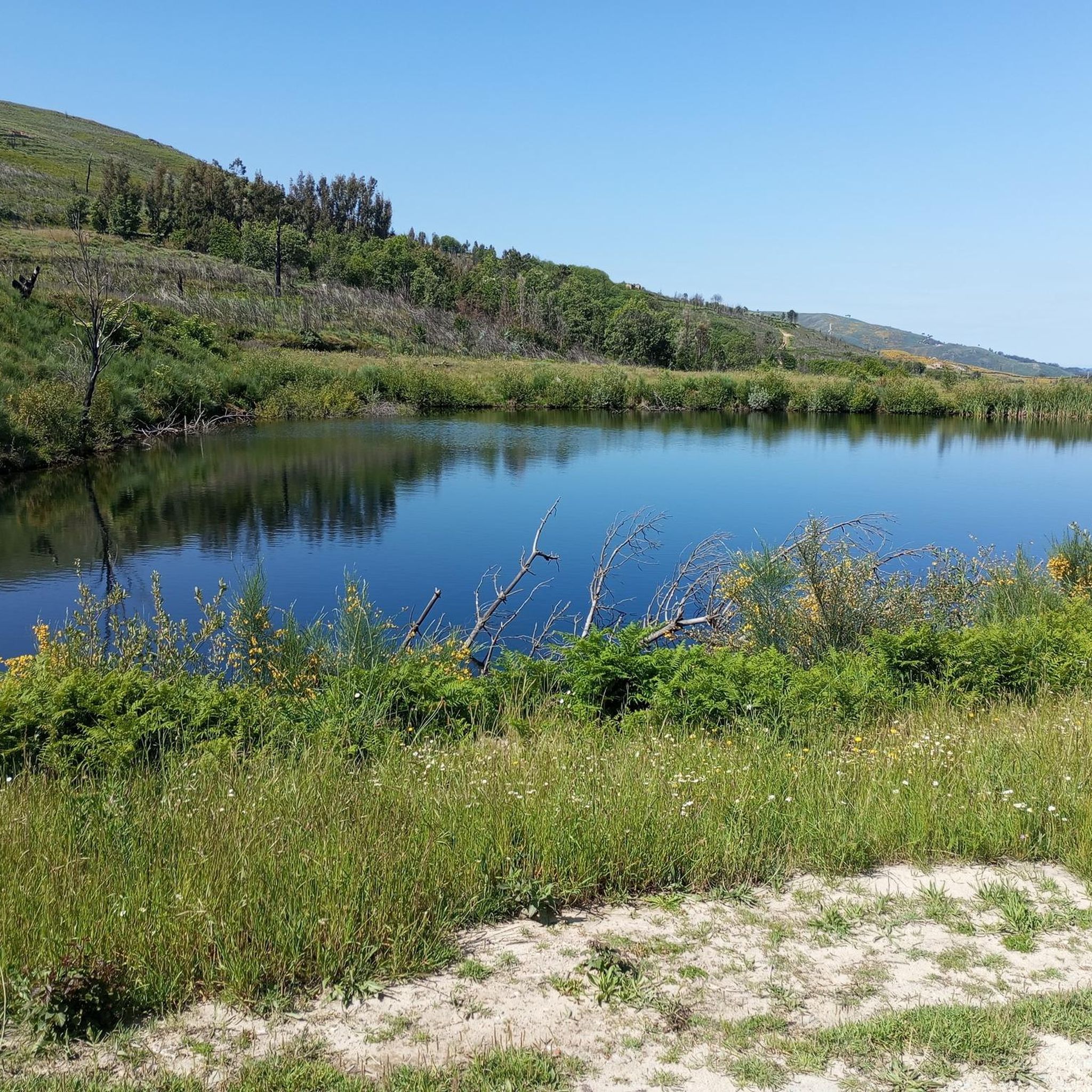
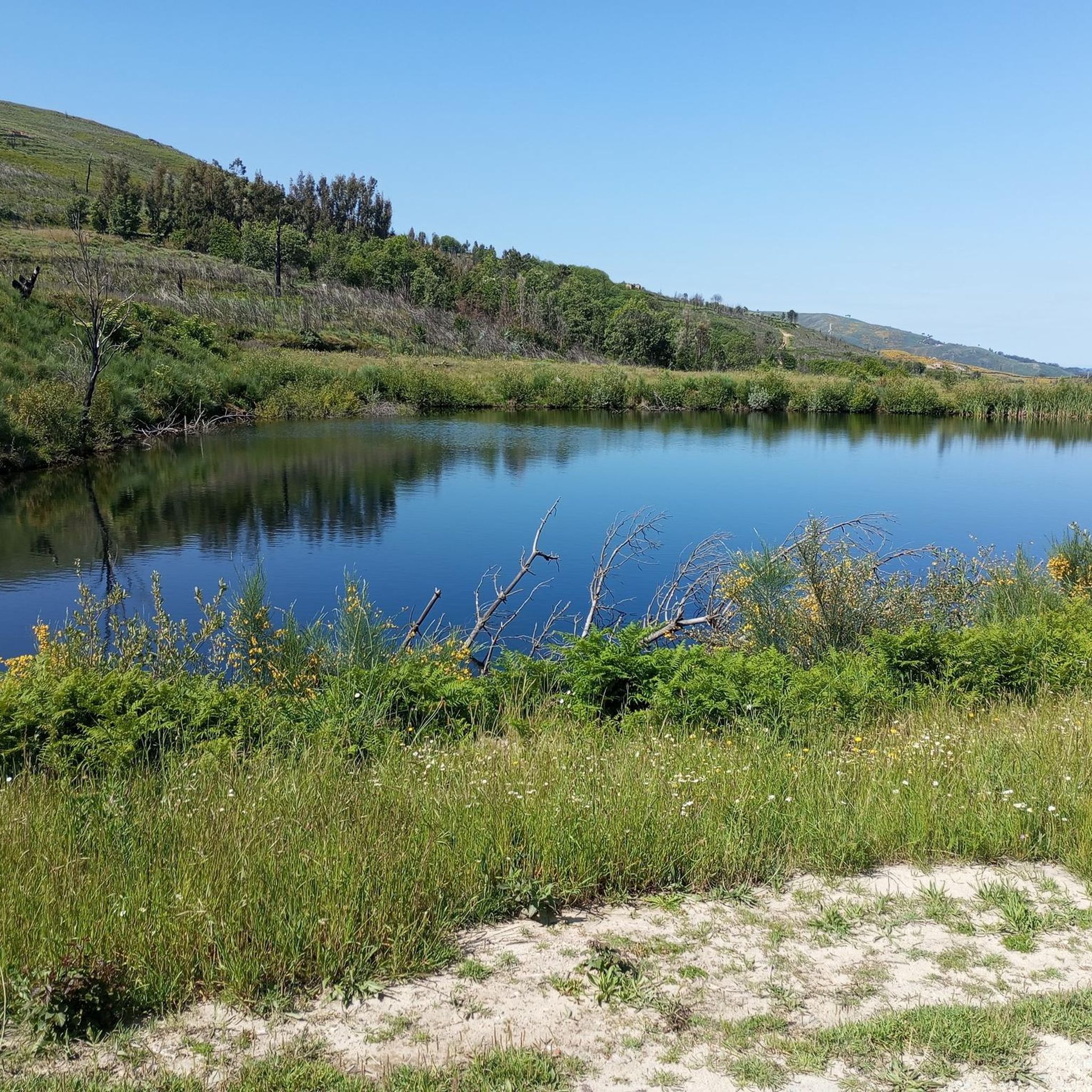
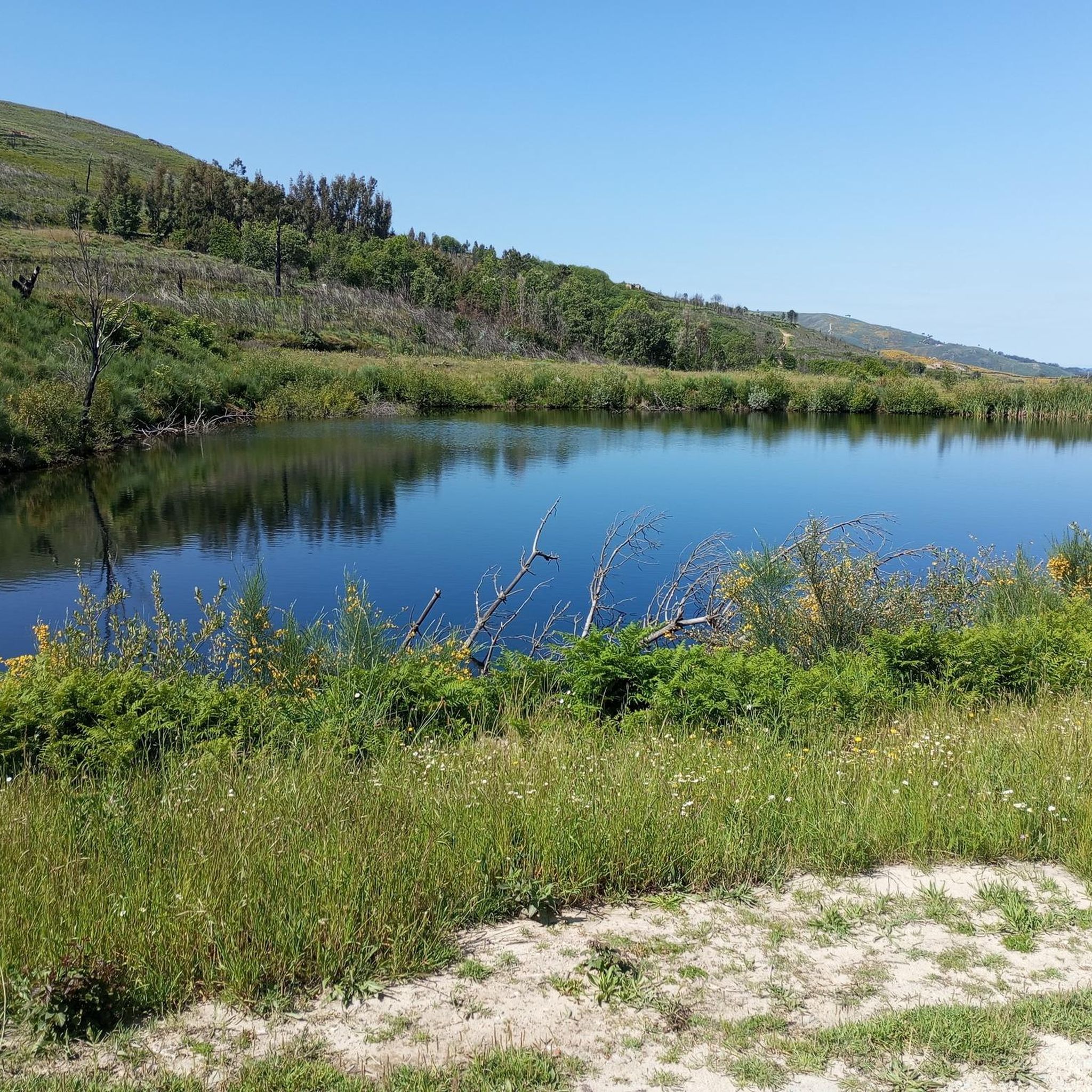
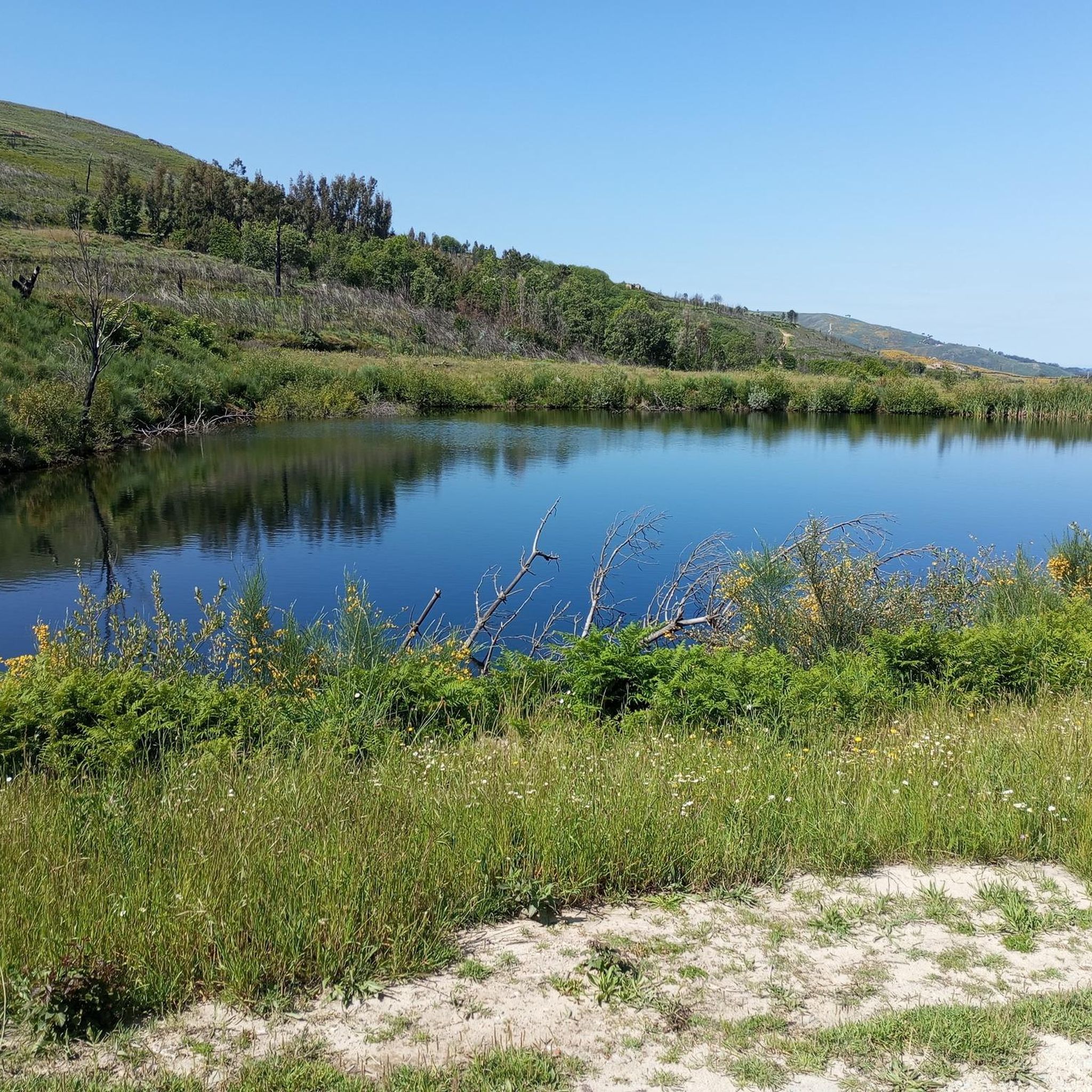
The river Távora, dammed to form the lake, is the ideal starting point. Vila da Ponte is the ideal starting point. Swimming is possible at various spots.
1
0

Its ancient castle contrasts with the fears and fears experienced by the people of yesteryear. It was a border town, the scene of many important battles and struggles for the formation and independence of the kingdom. It received important privileges. D. Afonso Henriques granted it a charter and D. Afonso III the charter of Feira. D. Dinis ordered the construction of the walls that still protect a village where Christians and Jews lived together. The ring of walls that still surround the old medieval town, as well as the vast civil and religious architectural heritage, give the Historic Centre a unique image.
3
0
The Castle of Trancoso is erected atop a hill in the North-Easternmost extreme of the city of Trancoso, within the district of Guarda, Portugal. It is a castle build in between the 10th and 13th centuries, featuring towers and the characteristic walls inclined to the tower of Moorish connotations. From the primitive castle appears the walled fortress with five towers and an homage one, the walls featuring several gates as well. Among these, the Porta do Rei stands out the most for being flanked by two towers.
2
0
The Castle of Trancoso is erected atop a hill in the North-Easternmost extreme of the city of Trancoso, within the district of Guarda, Portugal. It is a castle build in between the 10th and 13th centuries, featuring towers and the characteristic walls inclined to the tower of Moorish connotations. From the primitive castle appears the walled fortress with five towers and an homage one, the walls featuring several gates as well. Among these, the Porta do Rei stands out the most for being flanked by two towers.
2
0

The Távora walkways have been given a new lease of life with the bridge that now spans the Ferreirim river, connecting the villages of Freixinho and Ferreirim for the first time. With it, new possibilities emerge, creating circular routes that make longer walks a possibility.
3
0

Trancoso is one of the 12 historic villages in Portugal with a castle, city wall, Jewish quarter and a small, picturesque old town. In this place was the marriage of Dom Dinis and Saint Elizabeth of Portugal (Isabel de Aragon, also called Rainha Santa Isabel).
4
0
Usually open daily from 9 a.m. to 7 p.m. The pilgrimage site has its origins in the time when Al-Mancor killed many nuns on his campaign in 982. Some managed to escape and hid a statue of the Madonna under a huge rock. Only 515 years later did a shepherd girl discover the Madonna and bring her home. However, the mother threw her into the fire and the girl, who had never been able to speak since birth, suddenly found her voice, protested loudly and took the Madonna out of the fire again. Subsequently, Lapa developed into a place of pilgrimage. Lapa and Santiago were once the two most important pilgrimage sites on the Iberian Peninsula.
0
0
Frequently Asked Questions
What historical and cultural sites can I explore in Aguiar Da Beira?
Aguiar Da Beira is rich in history. You can visit the Largo dos Monumentos Nacionais, which features the 16th-century Pelourinho de Aguiar da Beira, the 14th-century Torre do Relógio, and the Romanesque Fonte Ameada. Other notable sites include the Baroque Igreja Matriz de Aguiar da Beira and Igreja da Misericórdia, the medieval Capela de Nossa Senhora do Leite, and the ruins of the Castelo de Aguiar da Beira. Don't miss the Megalithic Dolmen, a national monument showcasing the region's prehistoric legacy.
Are there any natural attractions or viewpoints in the Aguiar Da Beira region?
Yes, the region offers beautiful natural spots. You can enjoy the scenic Barragem de Santa Maria de Aguilar, surrounded by pine forests, or the Albufeira da Fumadinha. For panoramic views, visit the Miradouro Cabeço de Gato in Forninhos village. The region is also home to the sources of the Dão and Vouga rivers. Additionally, several 'baloiços' (swings) like Baloiço da Cabeça offer unique scenic views.
What kind of outdoor activities can I do around Aguiar Da Beira?
Aguiar Da Beira is excellent for outdoor enthusiasts. You can explore hiking trails that wind through lush forests and rolling hills, offering views of the Serra da Estrela. The region is also suitable for cycling. For specific routes, check out the guides for Hiking around Aguiar Da Beira, Road Cycling Routes around Aguiar Da Beira, and Cycling around Aguiar Da Beira.
Are there family-friendly attractions in Aguiar Da Beira?
Many attractions in Aguiar Da Beira are suitable for families. The Pedestrian Bridge of Ribeira de Ferreirim is part of walkways that connect villages, making for pleasant family strolls. The Sanctuary of Nossa Senhora da Lapa is also considered family-friendly. Natural areas like Barragem de Santa Maria de Aguilar are great for picnics and enjoying the outdoors together.
Where can I find hiking trails near Aguiar Da Beira?
The region offers various hiking opportunities. You can find trails near the Serra da Estrela mountain range, providing scenic routes. For specific options, consider routes like the 'Aracnídeo Bird Observatory loop from Sernancelhe' or the 'Megalithic Dolmen – View Over the Vineyard loop from Esmolfe'. More details and routes are available in the Hiking around Aguiar Da Beira guide.
Are there options for cycling around Aguiar Da Beira?
Yes, Aguiar Da Beira provides several cycling routes for different skill levels. You can find road cycling routes such as the 'Pelourinho de Aguiar da Beira – Medieval Castle Porta Do Sol loop' or touring bicycle routes like the 'Historic Village of Trancoso – Trancoso Historic Town Centre loop'. Explore detailed routes in the Road Cycling Routes around Aguiar Da Beira and Cycling around Aguiar Da Beira guides.
Are there any ancient archaeological sites worth visiting?
Absolutely. The region has a significant prehistoric legacy. The Neolithic Megalithic Dolmen is a classified national monument. You can also find sarcophagi, anthropomorphic graves, and Chalcolithic clusters like Castro de São Pedro dos Matos, Castro de Carapito, and Castro das Abelhas. The Ponte Romana do Candal is another ancient structure highlighting the area's history.
Can I find places for swimming or water activities?
The Barragem de Santa Maria de Aguilar is a scenic reservoir ideal for picnics and water sports. The Távora River, which is dammed to form a lake, also offers various spots for swimming, particularly around Vila da Ponte.
What are some lesser-known spots or 'hidden gems' in Aguiar Da Beira?
For a tranquil experience, explore the Açores Passageways, a beautiful place for a stroll year-round. The Caldas da Cavaca hot springs in Cortiçada offer a peaceful environment with therapeutic properties. The various 'baloiços' (swings) installed in scenic locations, such as the Urgueira Swinging Chair or Abade's Bridge Swing, also provide unique and relaxing moments in nature.
What is the best time of year to visit Aguiar Da Beira for outdoor activities?
While the guide doesn't specify a single 'best' time, the tip for the Megalithic Dolmen suggests taking plenty of water and headgear in summer, implying it can be hot. Generally, spring and autumn offer milder temperatures, which are ideal for hiking and cycling through the region's forests and hills.
What do visitors particularly enjoy about the attractions in Aguiar Da Beira?
Visitors appreciate the blend of historical significance and natural beauty. The Pedestrian Bridge of Ribeira de Ferreirim is noted for enabling longer walking routes and connecting villages. The Sanctuary of Nossa Senhora da Lapa is valued as a significant pilgrimage site with a rich history. The region's diverse offerings, from ancient monuments to scenic bridges, are highly regarded by the komoot community.
Are there any significant religious sites in the region?
Yes, the Sanctuary of Nossa Senhora da Lapa is a very important religious building and pilgrimage site with origins dating back to the 10th century. Other notable churches include the Igreja Matriz de Aguiar da Beira with its Baroque architecture and the 18th-century Igreja da Misericórdia.

Get inspired with the komoot mobile app


Explore more
Still not found the Highlight you’re looking for? See guides of the top attractions in other regions:
