Top 20 Natural Monuments around Braine-L'Alleud
Natural monuments around Braine-L'Alleud offer diverse natural landscapes within Walloon Brabant, Belgium. The region features expansive forests, tranquil ponds, and unique ecological sites. These areas provide opportunities to experience ancient woodlands and protected natural habitats. Braine-L'Alleud's natural features are characterized by their ecological significance and accessibility for outdoor activities.
Best natural monuments around Braine-L'Alleud
- The most popular natural monuments is Hallerbos — The Bluebell Forest, a forest known for its spectacular "blue carpet" of wild bluebells. This creates enchanting…
Last updated: April 28, 2026
Zonienwald (Sonian Forest)
Highlight • Forest
Translated by Google •
Tip by

Hallerbos — The Bluebell Forest
Highlight • Forest
Translated by Google •
Tip by

Sign up now to discover places like this
Get recommendations on the best single tracks, peaks, & plenty of other exciting outdoor places.
Sign up for free
Domaine Solvay
Highlight • Castle
Translated by Google •
Tip by
Drowned Children Ponds
Highlight • Lake
Tip by

Sonian Forest
Highlight • Forest
Translated by Google •
Tip by

Sign up for free to discover even more natural monuments around Braine-L'Alleud.
Sign up for free
Already have an account?
Start today with a free account
Your next adventure awaits.
Login or Signup
Popular around Braine-L'Alleud
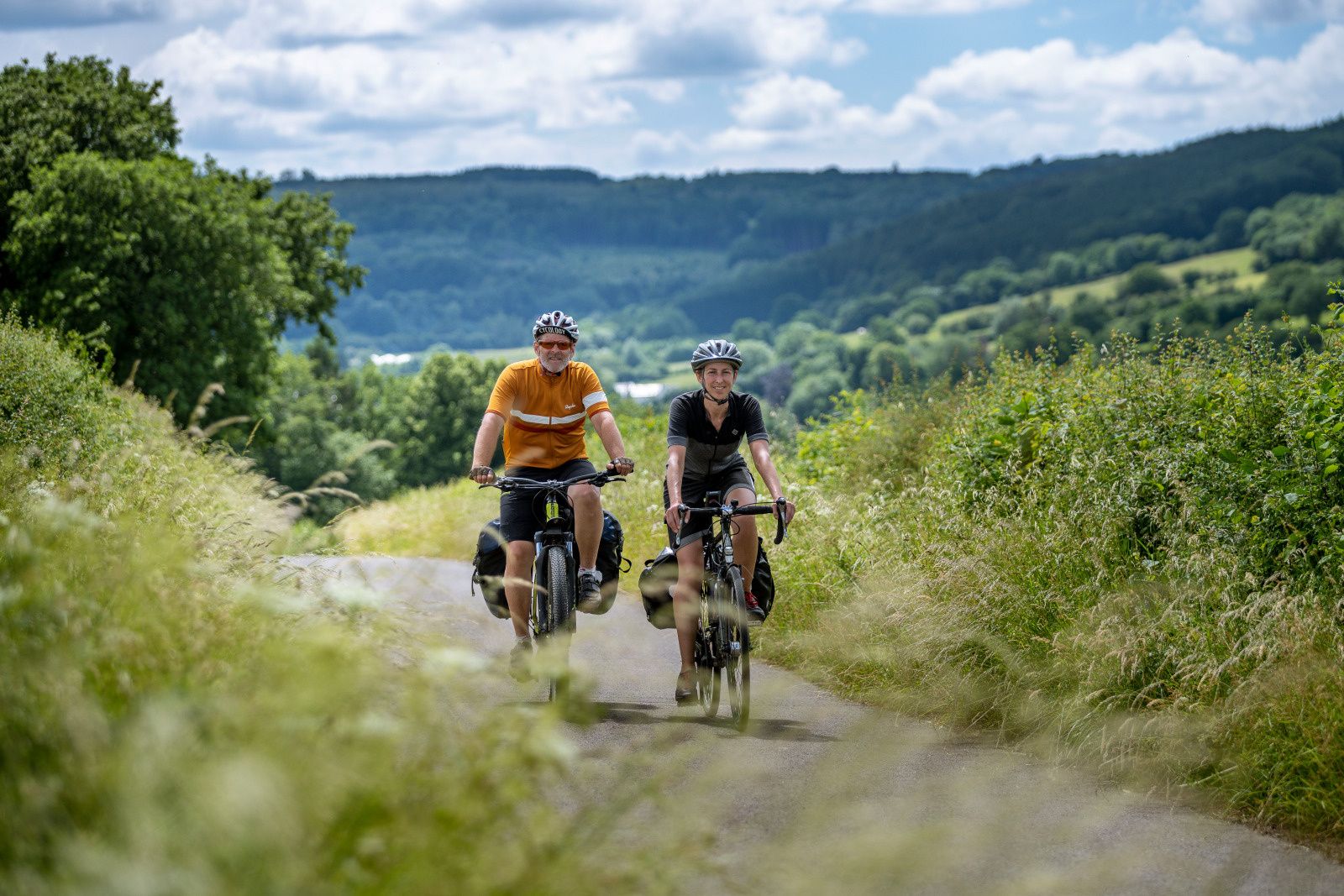
The most beautiful bike rides in Wallonia – pure nature and culture
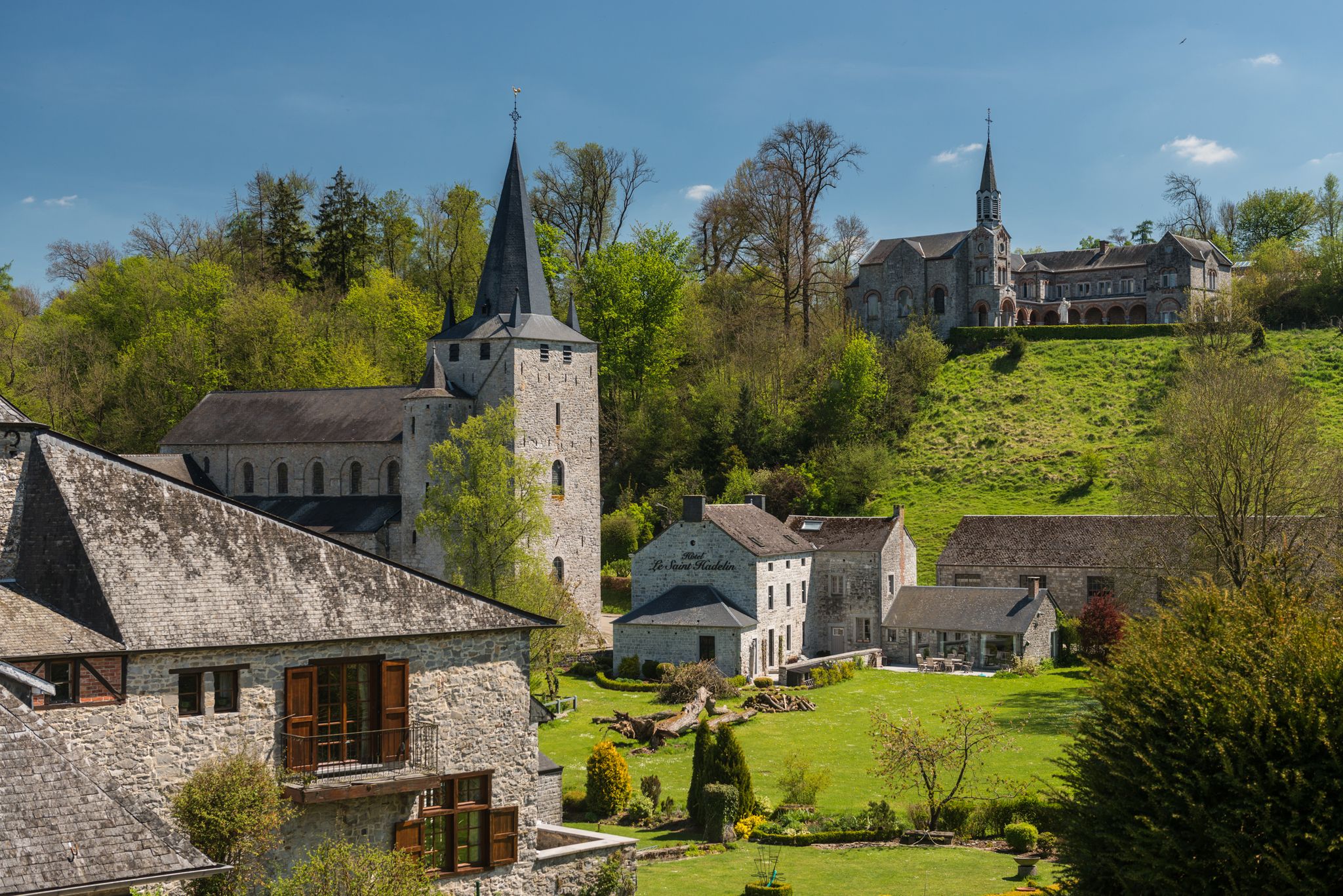
Walks in the Belgian Ardennes — historic walls & magical forests
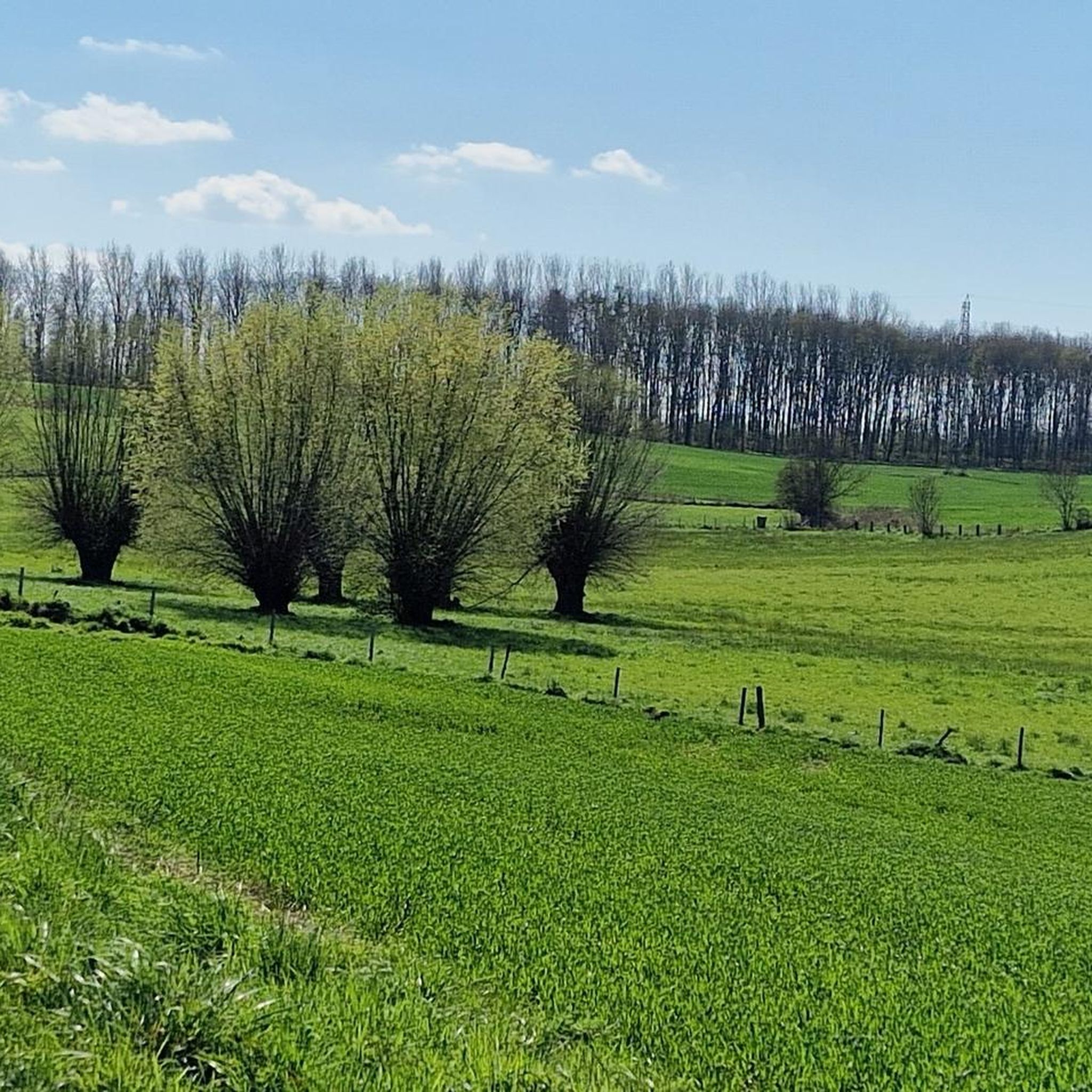
Hiking around Braine-L'Alleud
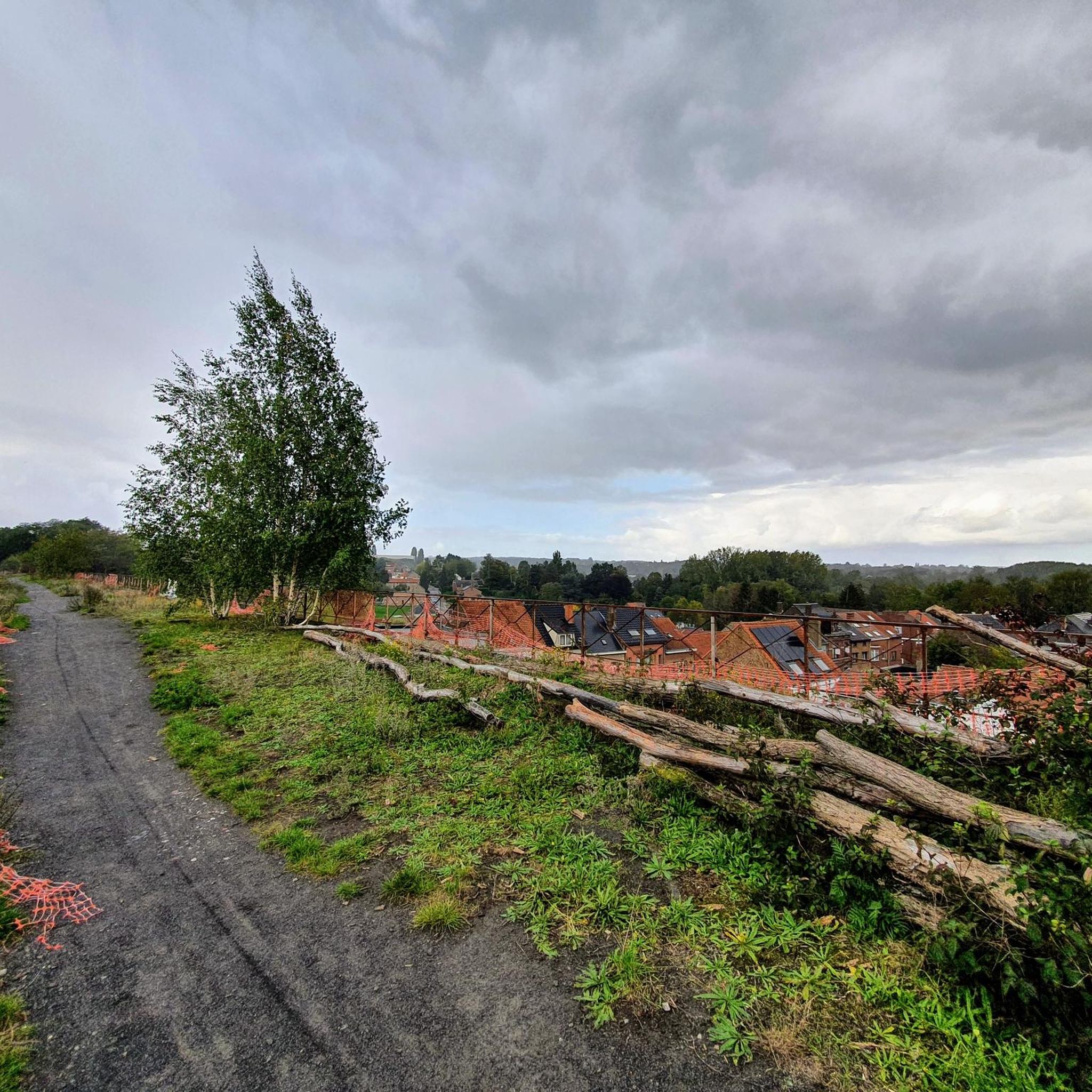
Running Trails around Braine-L'Alleud
Road Cycling Routes around Braine-L'Alleud
Cycling around Braine-L'Alleud
MTB Trails around Braine-L'Alleud

Gravel biking around Braine-L'Alleud

Mountain Hikes around Braine-L'Alleud

Tips from the Community

This tour goes for kilometers through the forest. In spring it is beautiful with the hyacinths and wood anemones. In summer nice and cool.
0
0

To see and don't hesitate to get lost there
1
0

Enjoying the Sonian Forest is easy from the various access gates. These access gates are located on the edge of the forest, are easily accessible and are therefore the ideal starting point to explore the forest. There are eight access gates. Information about this can be found at https://www.zonienwoud.be/praktisch/toegangspoorten/
11
0

The Sonian Forest, also known as the Zoniënwoud, is a large forest area centrally located in Belgium, southeast of Brussels. It covers approximately 4,421 hectares and is best known for its old beech trees, some of which are over 200 years old. The forest has a rich history dating back to the Iron Age and has had various functions over the centuries, such as providing firewood and timber for the construction of houses and ships, and as a backdrop for hunting scenes. The current forest landscape with deciduous trees has its origins in the Austrian period (1714-1795).
12
0

The path which crosses the Solvay estate and which passes near the Château de La Hulpe is in good condition and has only a few holes filled with water... but easily avoidable.
2
0

Always beautiful, spacious and varied forest
0
0

A discovery. I was there on a wet windy November day. Definitely want to do this in the other seasons as well
2
0
The Sonian Forest is an exceptional, vulnerable and ancient forest that is also recognized as a UNESCO World Heritage Site. The forest extends across the three Belgian regions and is one of the best-known and most visited green spaces in the region.
3
0
Frequently Asked Questions
What are some unique natural monuments to visit around Braine-l'Alleud?
Beyond the well-known Sonian Forest and Hallerbos, you can explore the picturesque Domaine Solvay, a public park featuring a forest, lake, and historical site. Another unique spot is the Drowned Children Ponds, a nature reserve with three distinct ponds within the Sonian Forest valley.
When is the best time to visit the natural monuments in the Braine-l'Alleud area?
The best time largely depends on what you wish to see. For the spectacular 'blue carpet' of wild bluebells at Hallerbos — The Bluebell Forest, late April to early May is ideal. The Sonian Forest and Étangs des Sept-Fontaines are beautiful year-round, offering vibrant foliage in autumn and lush greenery in spring and summer.
Are there family-friendly natural monuments around Braine-l'Alleud?
Yes, several natural monuments are suitable for families. Both the Hallerbos — The Bluebell Forest and the Sonian Forest offer extensive, easy-to-navigate paths perfect for walks with children. Domaine Solvay also provides a pleasant environment with its parkland, lake, and open spaces for family outings.
What kind of natural features can I expect to see in the Braine-l'Alleud area?
The region is characterized by diverse natural features. You'll find ancient beech forests with majestic 'cathedral' groves, picturesque ponds and lakes, and areas with unique flora like the bluebells of Hallerbos. The landscape also includes meadows and fields, offering a mix of woodlands and open spaces.
Are the natural monuments around Braine-l'Alleud accessible by public transport?
Access to natural sites like the Sonian Forest and Hallerbos from Braine-l'Alleud is possible, though it may involve a combination of train and bus services. Specific routes and schedules should be checked with local public transport providers for the most up-to-date information.
Where can I find parking for natural monuments in the Braine-l'Alleud area?
Many natural monuments, especially larger ones like the Sonian Forest and Hallerbos, have designated access gates and parking areas. For the Sonian Forest, there are eight access gates, which serve as ideal starting points. It's advisable to check specific monument websites or local guides for detailed parking information.
What outdoor activities can I do near these natural monuments?
The natural monuments around Braine-l'Alleud offer various outdoor activities. You can enjoy cycling routes like the 'Sonian Forest Path – Bois de la Cambre loop' or explore running trails such as 'Among the Beeches loop from Hallerbos - Bois de Hal'. For more options, refer to the cycling, road cycling, and running guides for the area.
Are there historical sites associated with the natural monuments?
Yes, some natural monuments have historical significance. The Étangs des Sept-Fontaines, for instance, was home to Augustinian monks in the 14th century, and the site of the Ermite with its chapel is a protected heritage site. Domaine Solvay also features the Château de Béthune and is considered an important heritage site of Wallonia.
Are dogs allowed on trails within the natural monuments?
Many natural monuments, including parts of the Sonian Forest and Hallerbos, are dog-friendly. However, regulations can vary, especially in nature reserves or during sensitive periods like the bluebell bloom in Hallerbos, where dogs might need to be on a leash or restricted to certain paths to protect the fragile ecosystem. Always check local signage.
What makes the Sonian Forest a UNESCO World Heritage site?
The Sonian Forest was designated a UNESCO World Heritage site due to its exceptionally old and well-preserved beech forests. It's a remnant of the ancient Silva Carbonaria and boasts majestic 'cathedral' beech groves, some centuries old. Its unique soil, retaining characteristics from over 10,000 years ago, and rich biodiversity also contribute to its global ecological significance.
What do visitors enjoy most about the natural monuments around Braine-l'Alleud?
Visitors frequently praise the tranquility and beauty of the landscapes. The enchanting 'blue carpet' of bluebells in Hallerbos is a major draw, creating a magical experience. The vastness and ancient feel of the Sonian Forest, with its stately beech trees, offer a profound connection to nature. The combination of water features, woodlands, and historical ambiance at places like Étangs des Sept-Fontaines also provides unique appeal for walks and contemplation.
Are there any specific rules or permits required for hiking in these natural areas?
Generally, no specific permits are required for hiking on marked trails within the natural monuments like the Sonian Forest or Hallerbos. However, visitors are encouraged to stay on marked paths to protect the natural environment, especially in sensitive areas like Hallerbos during the bluebell bloom. Respecting local regulations and signage is always important.
Most popular routes around Braine-L'Alleud
Most popular attractions around Braine-L'Alleud

Get inspired with the komoot mobile app


Explore more
Extend your search for the best caves by checking out these guides of the top ones around Braine-L'Alleud:
