The best MTB trails around Ködnitz
4.5
(1810)
5,346
riders
548
rides
Mountain biking around Ködnitz is characterized by its location on the edge of the Franconian Forest and its proximity to the Fichtel Mountains. This region offers diverse terrain, from varied landscapes to more mountainous areas. Routes often feature a mix of paved and unpaved paths, providing varied ascents and descents. The area is also influenced by the Main River, with cycle paths along its course.
Best mountain bike trails around Ködnitz
- The most popular mountain bike trail is Mainaue, Kulmbach…
Last updated: November 24, 2026
4.7
(14)
103
riders
Hard mountain bike ride. Good fitness required. Advanced riding skills necessary. Some portions of the route may require you to push your bike.
5.0
(1)
24
riders
Moderate mountain bike ride. Good fitness required. Advanced riding skills necessary.
5.0
(4)
23
riders
Moderate mountain bike ride. Good fitness required. Advanced riding skills necessary.
4.7
(3)
5
riders
Moderate mountain bike ride. Good fitness required. Advanced riding skills necessary.
4.1
(9)
23
riders
Moderate mountain bike ride. Advanced riding skills necessary.
Get access to more routes and recommendations from other explorers.
Already have an account?
Our route recommendations are based on thousands of hikes, rides, and runs completed by other people on komoot.
Start today with a free account
Your next adventure awaits.
Tips from the Community

The mighty Hohenzollern fortress is one of the most impressive Renaissance castles in Germany.
2
0
Leads from the sources of the Main (Red Main and White Main, e.g. near Creußen/Bayreuth) through four federal states to its mouth in the Rhine near Mainz. Passes through the beer region of Upper Franconia, the Franconian wine region, and the Hessian apple wine region, among others.
1
0
The Plassenburg is an imposing fortress and castle complex above the Upper Franconian town of Kulmbach. It is one of the most important Renaissance structures in Germany and is the most striking landmark in the region. It serves as a visual point of orientation and an architectural highlight of the landscape.
2
0

Brilliant viewpoint for a rest after the ascent from Ludwigschorgast. Although there are no benches, the boulders placed there are also suitable for sitting.
0
0

Wirsberg also owes its historical significance to this crossing over the Schorgast. Located on important trade routes, such as the connection between Nuremberg, Plauen, and Leipzig, simple wooden bridges had been built here repeatedly in the past. However, these were often damaged or destroyed by floods, ice drift, and the massive wear and tear from heavy wagons, which transported copper ore, among other things. At the beginning of the 18th century, it was decided to build a stone bridge here. The Schorgast Bridge, which can be seen here today and which the locals call "Wernersbruck", was built in 1711 as a two-span sandstone ashlar bridge. In 1995 and 1996, it was extensively renovated by the district of Kulmbach and the market town of Wirsberg to preserve a historical piece of Wirsberg's history.
11
0

Here we took our snack break. The table in front of the hut has seen better days. Parts of the tabletop should be replaced.
10
0
The Steinener Brücke from 1711 over the Schorgast, also called Wernersbruck, is a technical monument of great rarity. The bridge was thoroughly renovated and restored in 1995 by the district of Kulmbach.
10
0

I've ridden it before, it's good for beginners.
0
0
Frequently Asked Questions
How many mountain bike trails are available around Ködnitz?
Ködnitz offers a wide selection of mountain bike trails, with over 570 routes available. This includes approximately 98 easy trails, over 440 moderate routes, and around 38 challenging options for experienced riders.
What is the typical terrain like for mountain biking in the Ködnitz region?
The terrain around Ködnitz is diverse, influenced by its location at the edge of the Franconian Forest and proximity to the Fichtel Mountains. You'll encounter a mix of dense woodlands, varied ascents and descents, and paths along the Main River. Routes often feature both paved and unpaved sections, catering to different skill levels from technical basics to more demanding sections.
Are there family-friendly mountain bike trails in Ködnitz?
Yes, Ködnitz offers several easy mountain bike trails suitable for families. These routes often feature flatter sections, particularly along the Main River. For example, the B289 Bridge – Kulmbacher Kommunbräu loop from Landkreis Kulmbach is an easy 12.7-mile (20.4 km) trail that leads through the local countryside.
What natural features or landmarks can I see while mountain biking around Ködnitz?
The region boasts several notable natural features and landmarks. You can explore the wild and romantic Steinach Gorge, visit the Main Confluence where the Red and White Maines meet, or cycle past the scenic Kieswäsch Lake (Mainaue Recreation Area). Additionally, the historic Plassenburg Fortress offers a striking backdrop to many routes.
Are there any circular mountain bike routes in Ködnitz?
Yes, many mountain bike routes in Ködnitz are designed as loops. An example of a moderate circular route is the Schwedenschanze Rock Formation – Lindigsgraben singletrack loop from Untersteinach(b Stadtsteinach), which covers 20.1 miles (32.3 km) with significant elevation gain.
What do other mountain bikers enjoy most about mountain biking in Ködnitz?
The mountain biking experience in Ködnitz is highly rated by the komoot community, with an average score of 4.6 stars from over 1400 reviews. Riders often praise the diverse terrain, the scenic beauty of the Franconian Forest, and the variety of routes that cater to different skill levels, from easy riverside paths to challenging climbs in the Fichtel Mountains.
Can I reach mountain bike trails in Ködnitz by public transport?
While Ködnitz itself is a smaller municipality, the broader Kulmbach district, which is well-connected by public transport, serves as a good starting point for many trails. From Kulmbach, you can often find local bus services or cycle paths that lead to various trailheads. It's advisable to check local transport schedules for specific connections to your chosen starting point.
Are dogs allowed on mountain bike trails in Ködnitz?
Generally, dogs are permitted on mountain bike trails in the Ködnitz region, especially on forest paths and designated cycling routes. However, it is crucial to keep dogs on a leash, particularly in nature reserves, agricultural areas, and during wildlife breeding seasons, to ensure their safety and respect for local wildlife and other trail users.
What is the best time of year for mountain biking in Ködnitz?
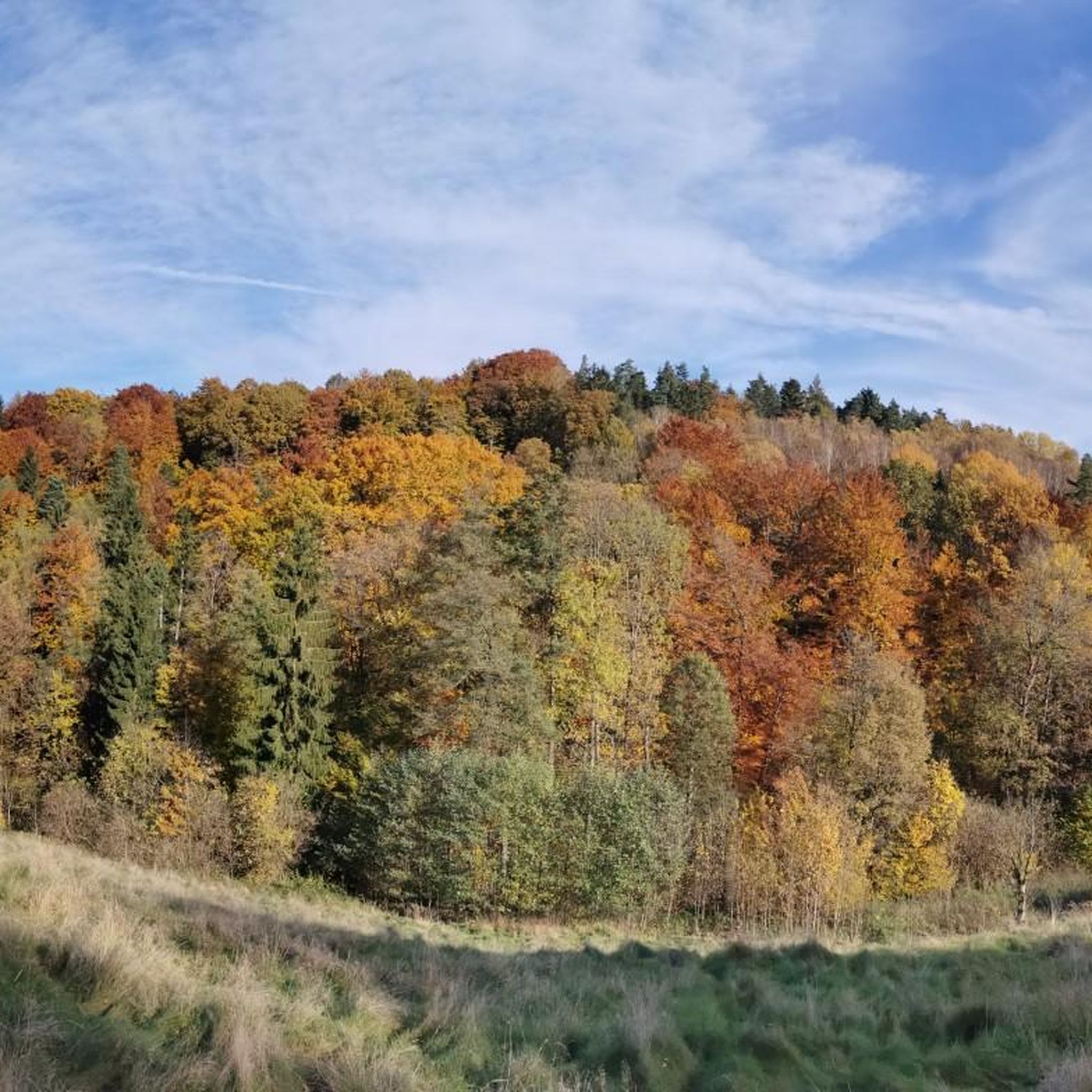
The best time for mountain biking in Ködnitz is typically from spring through autumn. Spring offers fresh greenery, while autumn provides stunning colorful foliage in the Franconian Forest. Summer is also popular, but be prepared for warmer temperatures. Winter riding is possible, but some trails may be affected by snow or ice, especially in higher elevations of the Fichtel Mountains.
Are there cafes or restaurants near the mountain bike trails in Ködnitz?
Yes, the Ködnitz region and nearby towns like Kulmbach offer various cafes, restaurants, and traditional Bavarian pubs where you can refuel after your ride. Many routes pass through or near villages that provide opportunities for refreshments. For example, the Mainaue, Kulmbach – Kulmbach Market Square loop from Neuenmarkt-Wirsberg finishes near Kulmbach Market Square, which has numerous dining options.
Where can I find accommodation suitable for mountain bikers in Ködnitz?
Ködnitz and the surrounding Kulmbach district offer a range of accommodation options, including guesthouses, hotels, and holiday apartments. Many establishments are accustomed to outdoor enthusiasts and may offer facilities like secure bike storage. It's recommended to check with individual accommodations for specific amenities catering to mountain bikers.
Are there bike repair shops in Ködnitz or nearby?
While Ködnitz itself is a smaller community, you can find bike repair shops in the larger nearby town of Kulmbach. These shops can assist with maintenance, repairs, and spare parts, ensuring your bike is in top condition for the trails.
Most popular attractions around Ködnitz

Get inspired with the komoot mobile app


Explore more
Browse the best MTB trails in other regions.
