Attractions and Places To See around Mauna Kea - Top 17
Best attractions and places to see around Mauna Kea, a dormant volcano on Hawaii's Big Island, include a blend of astronomical sites, natural landscapes, and cultural landmarks. Standing at 13,803 feet above sea level, it is the highest point in Hawaii and holds profound spiritual significance for Native Hawaiians. The region features diverse ecosystems, from lush forests to barren volcanic terrain, and is home to unique flora and fauna. Visitors can explore observatories, sacred sites, and various natural features.
Best attractions and places to see around Mauna Kea
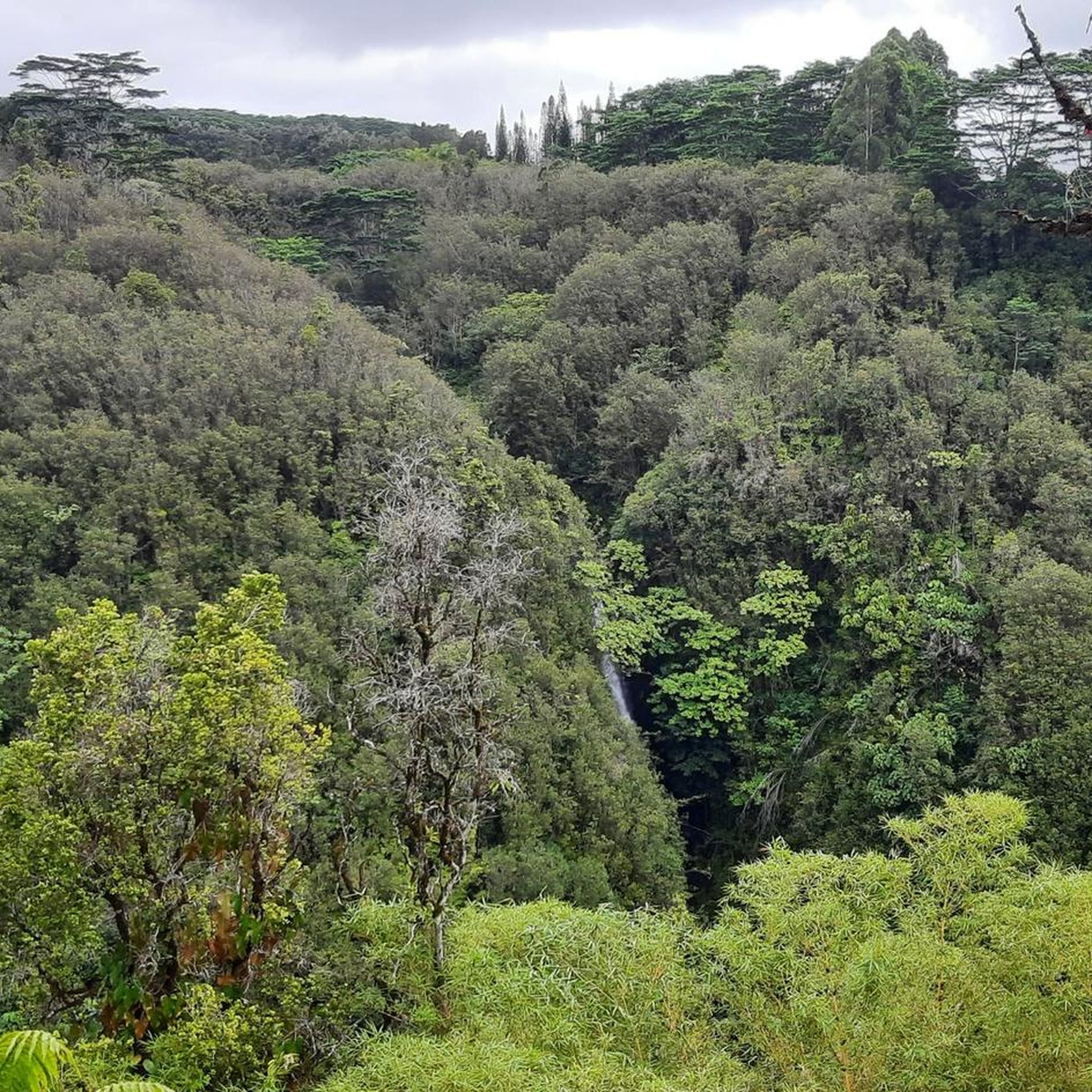
- The most popular attractions is Akaka Falls, a waterfall that is 135m high and reached after a short hike. It is considered an epitome of a Hawaiian waterfall.
- Another must-see spot is Akaka Falls State Park, a natural monument featuring a 132m high waterfall. Visitors can find the waterfall after a short hike through beautiful nature within the park.
- Visitors also love Mauna Kea, a summit and natural monument. It offers a unique experience as the highest mountain in the world when measured from its base.
- Mauna Kea is known for its waterfalls, summits, and natural monuments. The region offers a variety of attractions to see and explore, from geological formations to significant cultural sites.
- The attractions around Mauna Kea are appreciated by the komoot community, with 20 upvotes and 25 photos shared across the highlights.
Last updated: July 7, 2026
Akaka Falls
Highlight • Waterfall
Translated by Google •
Tip by

Akaka Falls State Park
Highlight • Waterfall
Translated by Google •
Tip by
Sign up now to discover places like this
Get recommendations on the best single tracks, peaks, & plenty of other exciting outdoor places.
Sign up for free
Mauna Kea
Highlight • Summit
Translated by Google •
Tip by
Mauna Kea Visitor Information Station
Highlight • Rest Area
Translated by Google •
Tip by

Pu‘ukalepeamoa Lookout
Highlight • Viewpoint
Tip by

Lake Waiʻau
Highlight • Lake
Translated by Google •
Tip by

Laupāhoehoe Beach Park
Highlight • Beach
Translated by Google •
Tip by
Mauna Kea Climb
Highlight (Segment) • Climb
Leaving Hilo's streets, you transition onto Kumana Drive, which merges into Saddle Road, or Hawaii Route 200. This scenic highway, a twisting two-lane road connecting the east to the west, takes you through a stunning array of landscapes: verdant rainforests, lava fields, desert-like plains, rolling grasslands, and ocean views.
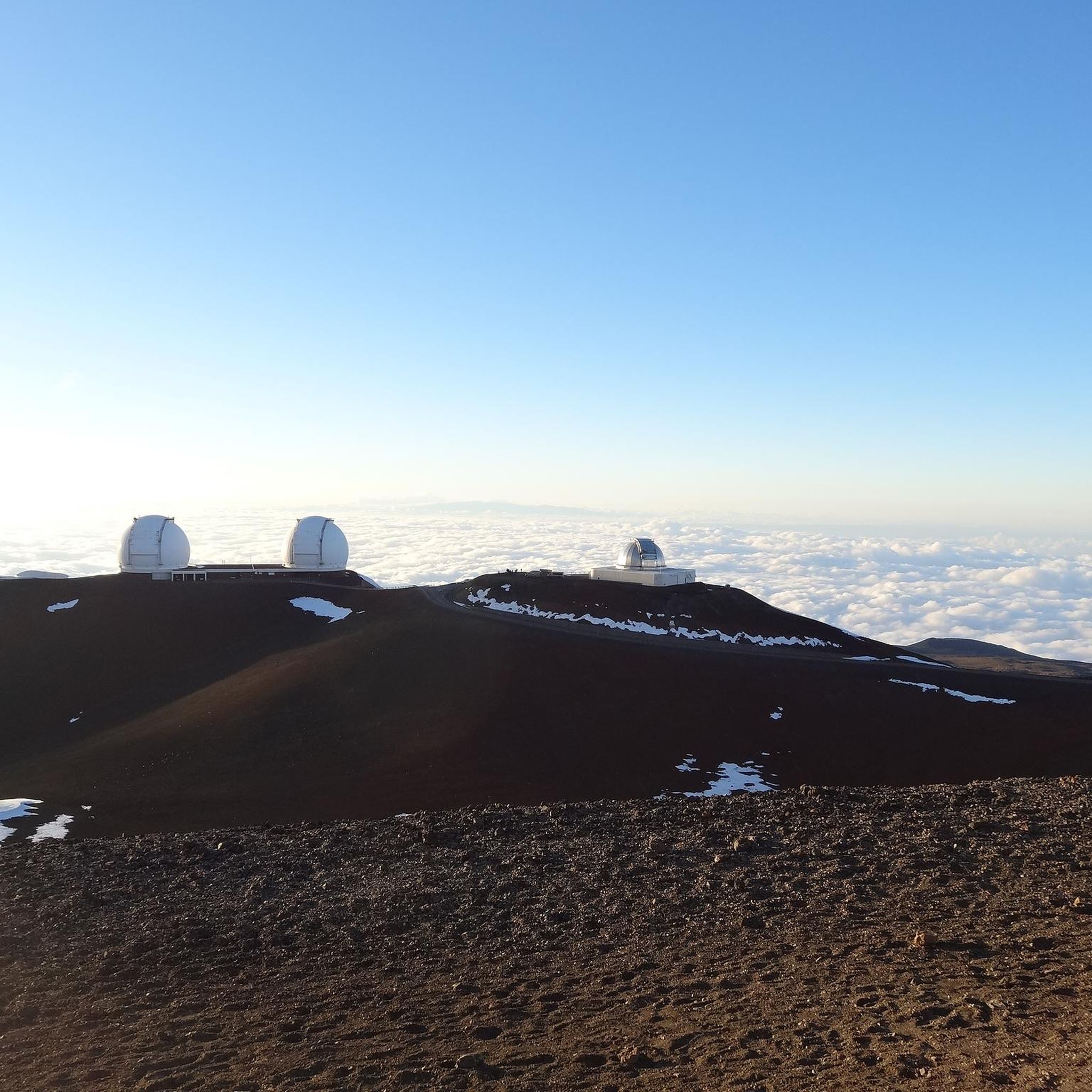
The saddle marks the point where you rise into the clouds. The last ten miles are a moon-like terrain where you'll find telescope and viewpoints.
The summit's thin air and the road's steepness create a brutal final push, demanding every last bit of your energy!
Tip by

Mauna Loa Climb
Highlight (Segment) • Climb
The initial 40 miles pack in 7,000 feet of elevation gain, taking you through stark, treeless mountain terrain. Most of the ride is on Saddle Road, a two-lane highway.
Once you pass Pu'u Huluhulu station, you will turn right onto Mauna Loa Observatory Road. At this point, you still have 17 more miles to go and a 7,000-foot climb. This is a surreal, moon-like landscape of lava flows.
Be prepared for extreme winds and rapidly changing weather conditions.
Tip by
Kalōpā Nature Trail
Highlight (Segment) • Trail
Tip by

Sign up for free to discover even more attractions around Mauna Kea.
Sign up for free
Already have an account?
Start today with a free account
Your next adventure awaits.
Login or Signup
Tips from the Community

Undoubtedly one of the most beautiful and challenging experiences one can have on a bicycle and in the middle of the ocean! Setting off early in the morning from the quiet beach to reach the 4,207-meter summit of Mauna Kea is an immense satisfaction. The first part, from the city of Hilo up to a few kilometers before the Visitor Center at 2,700 meters, is relatively easy but also a bit monotonous. However, about a kilometer after taking the Mauna Kea Access Road, the gradient starts to rise steeply, often reaching double digits. Once you arrive at the Mauna Kea Visitor Information Station, after the mandatory stop at the Ranger Checkpoint, you can enjoy a well-deserved break and stock up on water before facing the toughest section of the entire climb. Immediately after the VIS begins a long stretch of unpaved road with sharp gradients and a surface that often offers little grip, putting even the strongest legs to the test. After this grueling segment, the ascent continues on asphalt again, but the slopes remain steep and the altitude begins to take its toll, making the final conquest of the summit truly a feat within a feat. Once you reach the long-awaited summit sign, you can finally take a deep breath of relief and admire—with a huge smile—the breathtaking view that awaits you. I traveled 31 hours to conquer this gem, and every bit of effort was more than worth it!
0
0

Mauna Loa is considered one of the longest climbs in the world. Starting from Waikoloa Beach, you'll ascend nearly 11,000 feet to the Mauna Loa Observatory. The initial 40 miles pack in 7,000 feet of elevation gain, taking you through stark, treeless mountain terrain. Most of the ride is on Saddle Road, a two-lane highway. Once you pass Pu'u Huluhulu station, you will turn right onto Mauna Loa Observatory Road. At this point, you still have 17 more miles to go and a 7,000-foot climb. This is a surreal, moon-like landscape of lava flows. Be prepared for extreme winds and rapidly changing weather conditions.
0
0

Visitor center and checkpoint for car travelers. From here, further travel is only permitted with four-wheel drive.
2
0
easily accessible viewpoint with super panoramic views
2
0
This legendary climb begins in the city of Hilo and ascends to the summit of Mauna Kea. It's a breathtaking 13,800-foot climb into the clouds, a challenging 42-mile undertaking. Leaving Hilo's streets, you transition onto Kumana Drive, which merges into Saddle Road, or Hawaii Route 200. This scenic highway, a twisting two-lane road connecting the east to the west, takes you through a stunning array of landscapes: verdant rainforests, lava fields, desert-like plains, rolling grasslands, and ocean views. The saddle marks the point where you rise into the clouds. The last ten miles are a moon-like terrain where you'll find telescope and viewpoints. The summit's thin air and the road's steepness create a brutal final push, demanding every last bit of your energy!
0
0


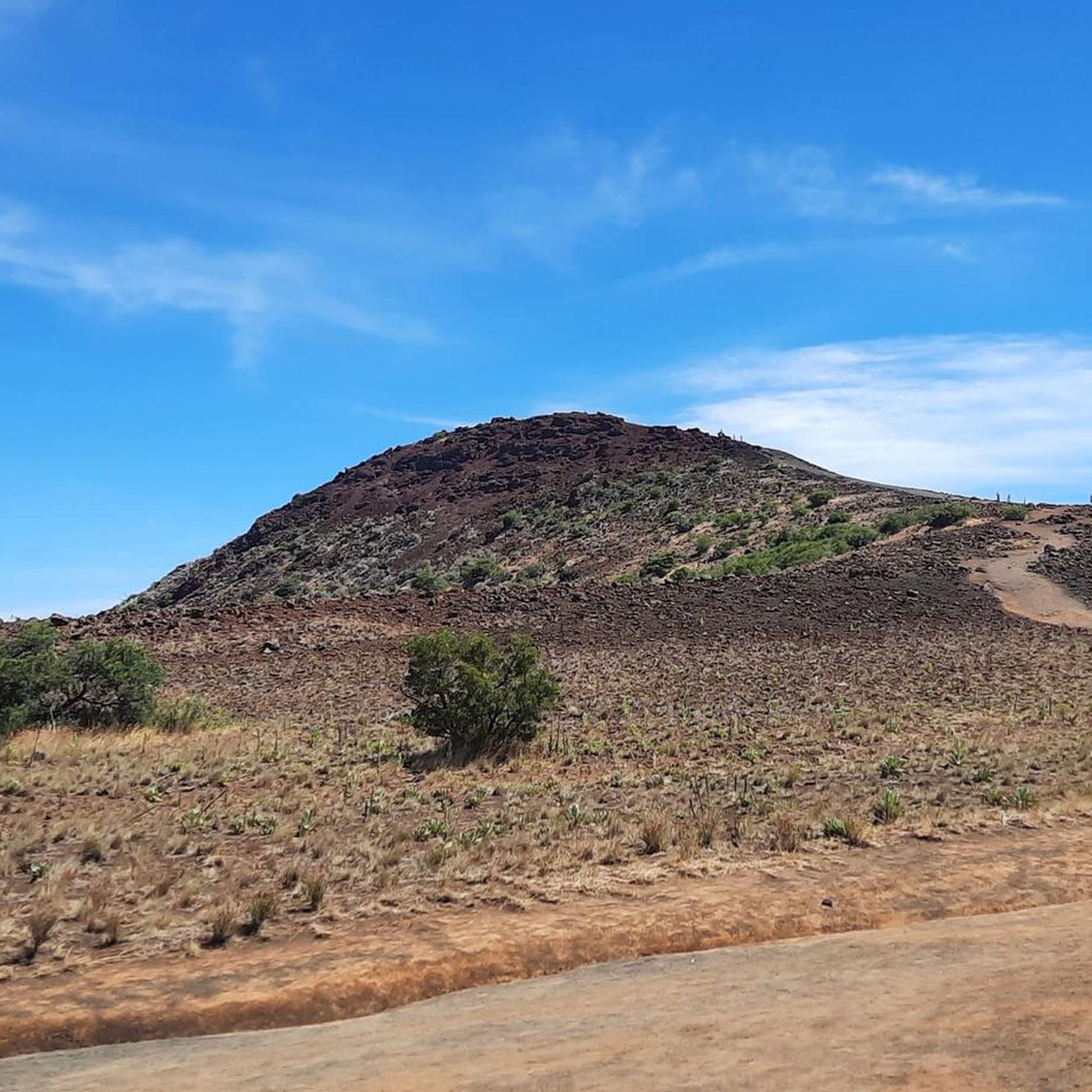
This is a phenomenal place to watch the sunrise, sunset, or to stargaze. The hike is only about a quarter mile from the visitor center, but it does get steep and good shoes are recommended for the volcanic terrain. In the daytime you can see all across the island, from Hilo to Mauna Loa and beyond. Regardless of when you go, perching on the indomitable slopes of Mauna Kea is always an awesome experience.
0
0
Frequently Asked Questions
What natural features can I explore around Mauna Kea?
Mauna Kea offers a diverse range of natural features. You can visit Akaka Falls, a stunning 135m high waterfall, or explore Akaka Falls State Park, which features the same impressive waterfall within beautiful natural surroundings. The summit region itself is dotted with cinder cones and is home to Lake Waiʻau, the highest lake in the Pacific Basin. As you ascend, you'll experience various ecosystems, from lush forests to barren volcanic terrain, and during certain times of the year, you might even see snow-capped peaks.
Are there family-friendly attractions near Mauna Kea?
Yes, several attractions around Mauna Kea are suitable for families. Akaka Falls and Akaka Falls State Park are great options, offering short, easy hikes to impressive waterfalls. The Mauna Kea Visitor Information Station provides interactive exhibits and educational programs, making it an engaging stop for all ages. Additionally, Laupāhoehoe Beach Park offers a coastal experience that families can enjoy.
What kind of outdoor activities can I do near Mauna Kea?
The Mauna Kea region is excellent for outdoor activities, particularly hiking and cycling. You can find various hiking trails, from easy walks like the Pu‘ukalepeamoa Lookout trail to more challenging routes. For cyclists, there are demanding climbs like the Mauna Kea summit route, which features steep inclines and mixed terrain. The Mauna Kea Visitor Information Station is a good starting point for many trails, including the Humuʻula Trail to the summit.
Where can I find information and facilities when visiting Mauna Kea?
The primary hub for visitor information and facilities is the Mauna Kea Visitor Information Station (VIS), located at 9,200 feet. It offers restrooms, water, educational exhibits, a gift shop, and ranger-led programs. The VIS is also a crucial stop for acclimatization before ascending further up the mountain and serves as a checkpoint for car travelers, as further travel often requires a four-wheel-drive vehicle.
What are the unique cultural aspects of Mauna Kea?
Mauna Kea holds profound spiritual significance for Native Hawaiians, who consider it a sacred place and a region of the gods, known as 'Mauna a Wakea' or 'Mountain of the Sky Father.' It symbolizes the connection between land and heavens. Visitors are encouraged to respect the mountain's cultural importance, as it contains historic burial sites, a stone quarry, and various stone and wooden altars (lele) used by Hawaiian cultural practitioners.
What is the best time of year to visit Mauna Kea?
Mauna Kea can be visited year-round, but the best time often depends on your interests. The clear, dry atmosphere makes it ideal for stargazing throughout the year. If you wish to see snow-capped peaks, typically between October and April is when snow covers the slopes. Always check weather conditions, especially for summit access, as they can change rapidly due to the high altitude.
Are there any unique wildlife or plants to look out for on Mauna Kea?
Yes, Mauna Kea is home to unique endemic species. Keep an eye out for the rare Mauna Kea Silversword, a woody herb found in a fenced conservation habitat near the visitor center. The Wēkiu Bug, a flightless seed bug, is found exclusively at the summit, adapted to the harsh alpine environment. You'll also encounter Māmane trees, which define the alpine treeline up to about 9,500 feet elevation.
What are some notable viewpoints for panoramic scenery around Mauna Kea?
For breathtaking panoramic views, the summit of Mauna Kea itself offers unparalleled vistas, especially at sunrise or sunset. Another easily accessible viewpoint is Pu‘ukalepeamoa Lookout, a short hike from the Visitor Information Station, which provides stunning views of Mauna Kea and the surrounding landscape, particularly impressive during sunset.
What should I know about the weather and what to wear when visiting Mauna Kea?
Weather conditions on Mauna Kea can vary dramatically from the coast to the summit. While it might be warm at sea level, temperatures drop significantly at higher elevations, often reaching freezing point, especially at the summit. Be prepared for sudden weather changes, strong winds, and cold temperatures. Layered clothing, including warm jackets, hats, and gloves, is essential, even if you're only visiting the Visitor Information Station. Sun protection is also crucial due to the high altitude.
Is there a sacred lake on Mauna Kea?
Yes, Lake Waiʻau is a small, shallow lake located within the Puʻu Waiau cinder cone near the summit of Mauna Kea. It is the highest lake in the Pacific Basin and the only alpine lake in Hawaii, holding significant cultural importance as a sacred site.
What is the significance of the Mauna Kea Observatories?
The Mauna Kea Observatories, perched atop the summit, comprise the largest astronomical research facility in the world. They house over a dozen massive telescopes funded by eleven countries, making Mauna Kea a global center for scientific discovery. While the observatories themselves are generally not open to the public, their futuristic domes against the barren landscape are a remarkable sight and a testament to the mountain's scientific renown.
Can I drive to the summit of Mauna Kea?
Access to the summit beyond the Mauna Kea Visitor Information Station is generally recommended only for 4x4 vehicles due to the challenging road conditions, which include both paved and unpaved sections with steep inclines and loose gravel. It's important to check current access restrictions and safety guidelines before attempting the drive, as conditions can change.
What do visitors enjoy most about the Mauna Kea area?
Visitors frequently highlight the unique experience of being on the highest mountain in the world (when measured from its base), with many noting the stark contrast between the warm coast and the potential for snow at higher elevations. The unparalleled panoramic views, especially at sunset, and the opportunity for stargazing are also highly praised. The Visitor Information Station is appreciated for its facilities and educational value.
Most popular attractions around Mauna Kea

Get inspired with the komoot mobile app


Explore more
Still not found the Highlight you’re looking for? See guides of the top attractions in other regions:
