Top 20 Natural Monuments in Flemish Brabant
Best natural monuments in Flemish Brabant offer diverse natural landscapes, including ancient forests, serene nature reserves, and picturesque parks. This province, encircling Brussels, provides numerous opportunities for outdoor activities within its varied terrain. These areas are characterized by significant natural features and protected ecosystems, making them ideal for exploration. The region's natural monuments range from extensive forests to wetland reserves, showcasing a rich biodiversity close to urban centers.
Best natural monuments in Flemish Brabant
- The most popular natural monuments is…
Last updated: October 13, 2026
Sonian Forest
Highlight • Forest
Translated by Google •
Tip by

Footbridge over the Weefberg Pond
Highlight • Bridge
Translated by Google •
Tip by

Sign up now to discover places like this
Get recommendations on the best single tracks, peaks, & plenty of other exciting outdoor places.
Horst Castle
Highlight • Castle
Translated by Google •
Tip by

Vineyard on the Wijngaardberg
Highlight • Structure
Translated by Google •
Tip by

About Inland Dunes
Highlight (Segment) • Natural Monument
Translated by Google •
Tip by

Geographic Arboretum of Tervuren
Highlight • Forest
Translated by Google •
Tip by
Chapel of Our Lady of Steenbergen and the Minnebron
Highlight • Religious Site
Translated by Google •
Tip by

Wijngaardberg Wine Wall
Highlight • Monument
Translated by Google •
Tip by
Ganzepoot Pond
Highlight • Lake
Translated by Google •
Tip by
Hallerbos
Highlight • Forest
Tip by

Sign up for free to discover even more natural monuments in Flemish Brabant.
Already have an account?
Start today with a free account
Your next adventure awaits.
Popular around Flemish Brabant
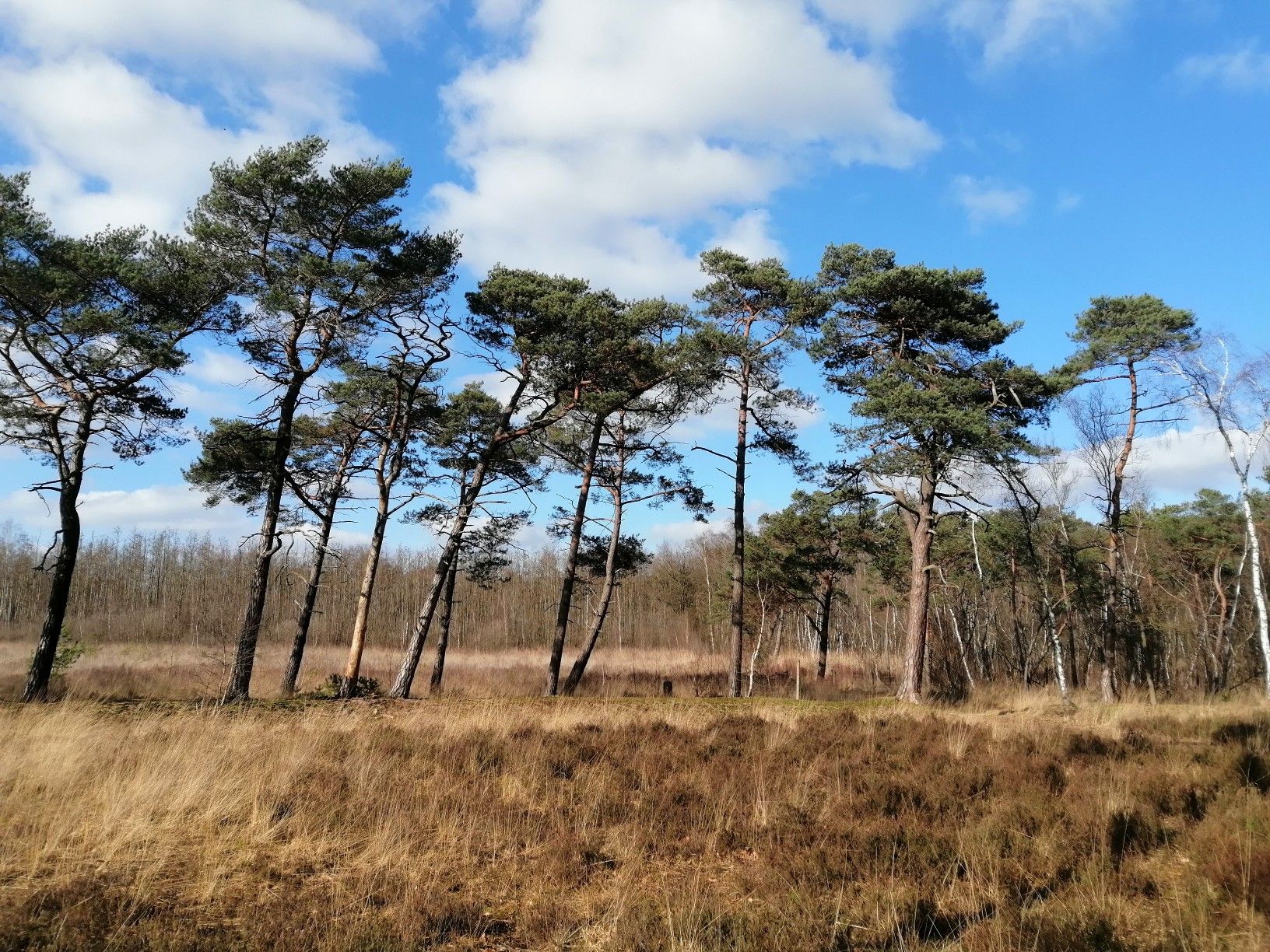
From Flanders to the Ardennes — GR 5 in Belgium
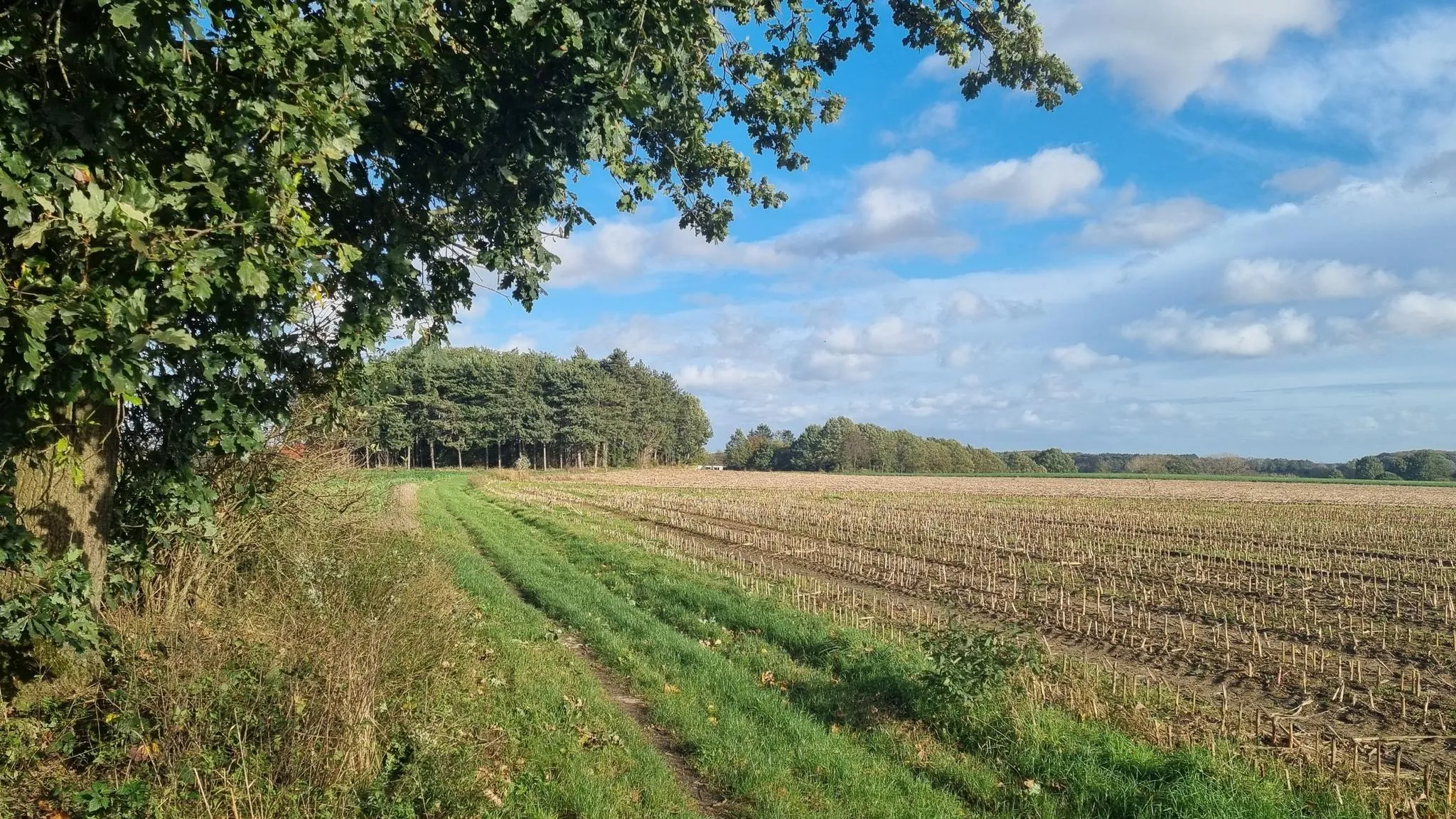
Streek-GR Hageland – Hollow roads and endless fields
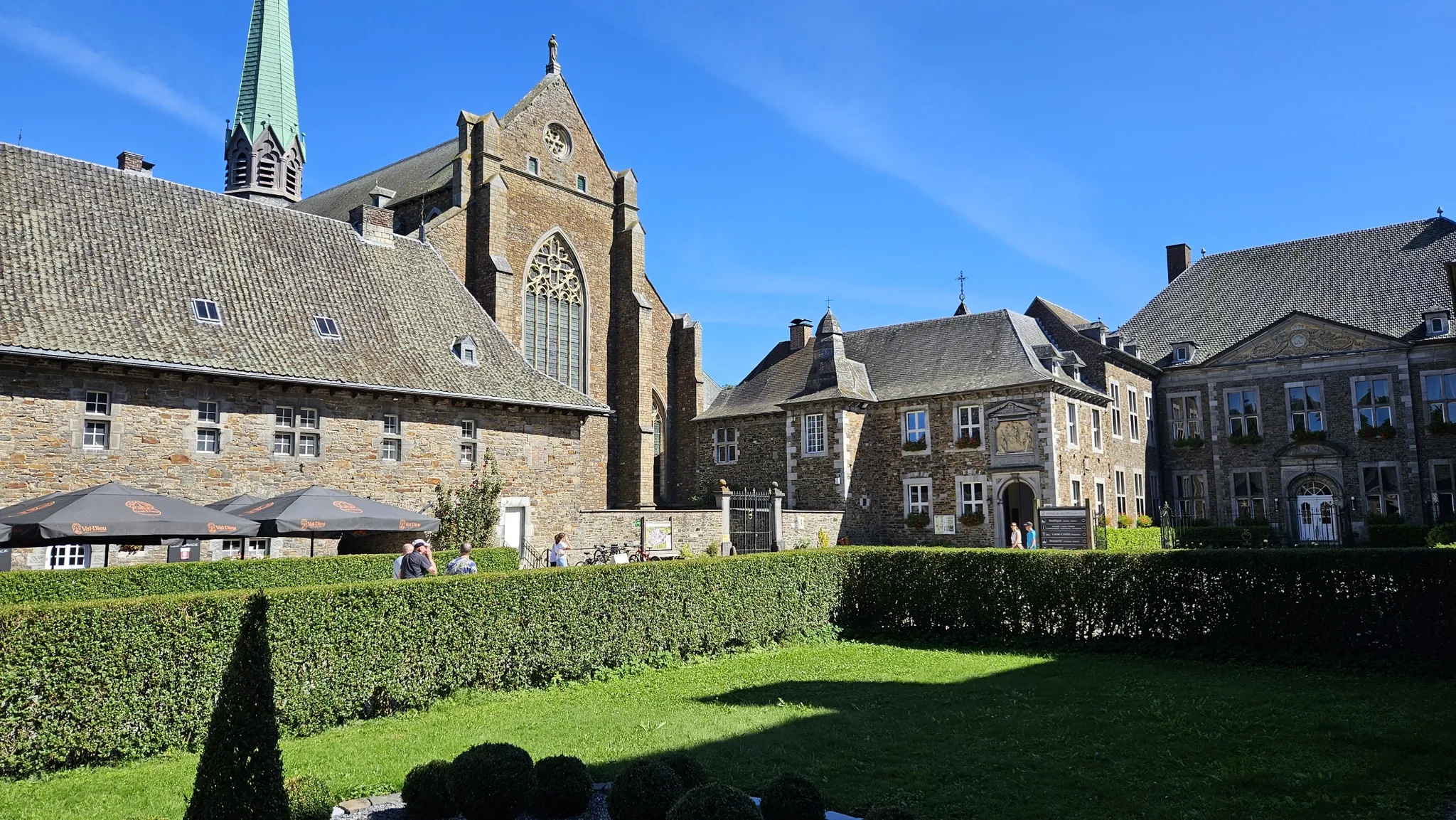
Trappist abbeys cycle route – Between beers and heritage
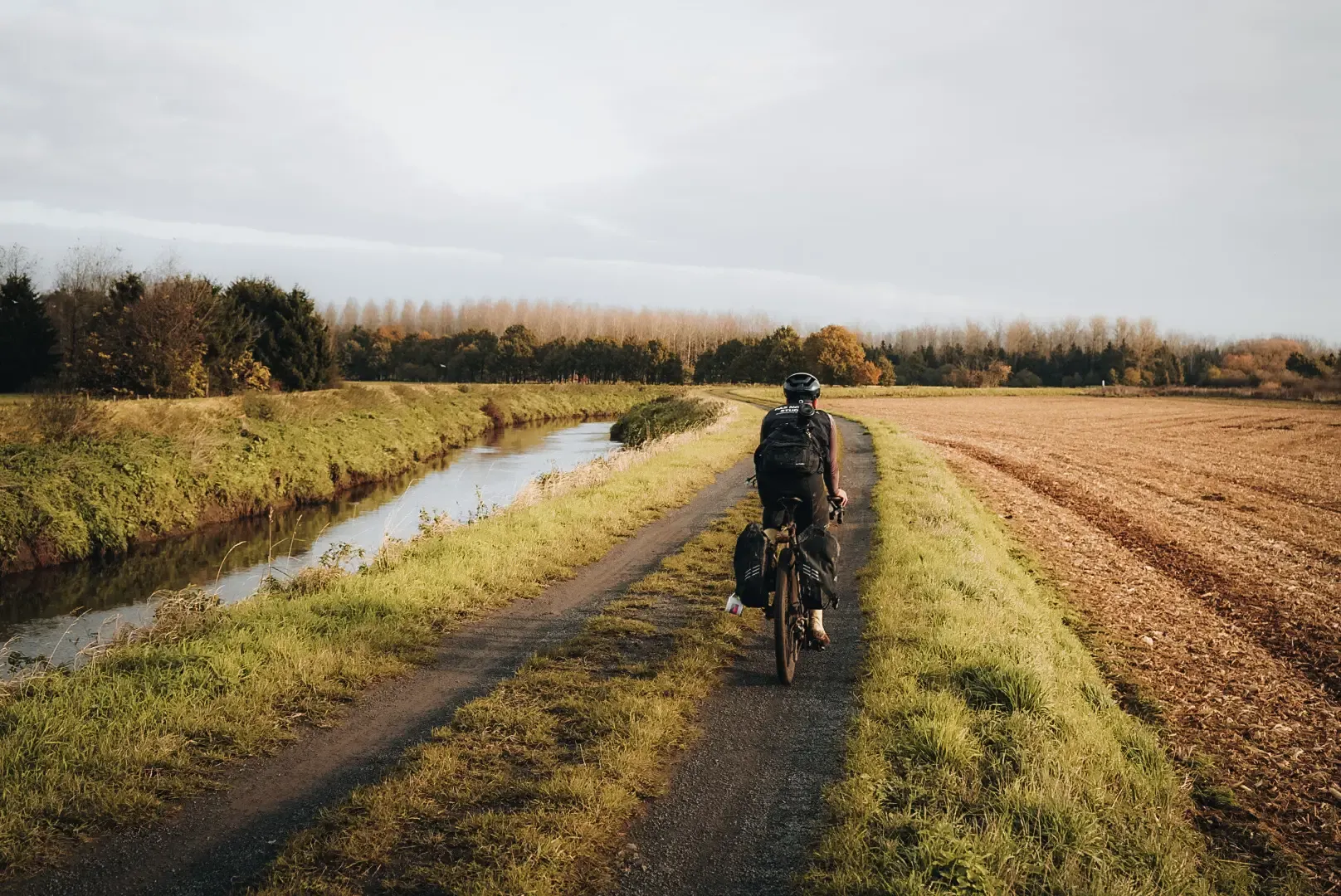
Flanders Divide - Across Flanders
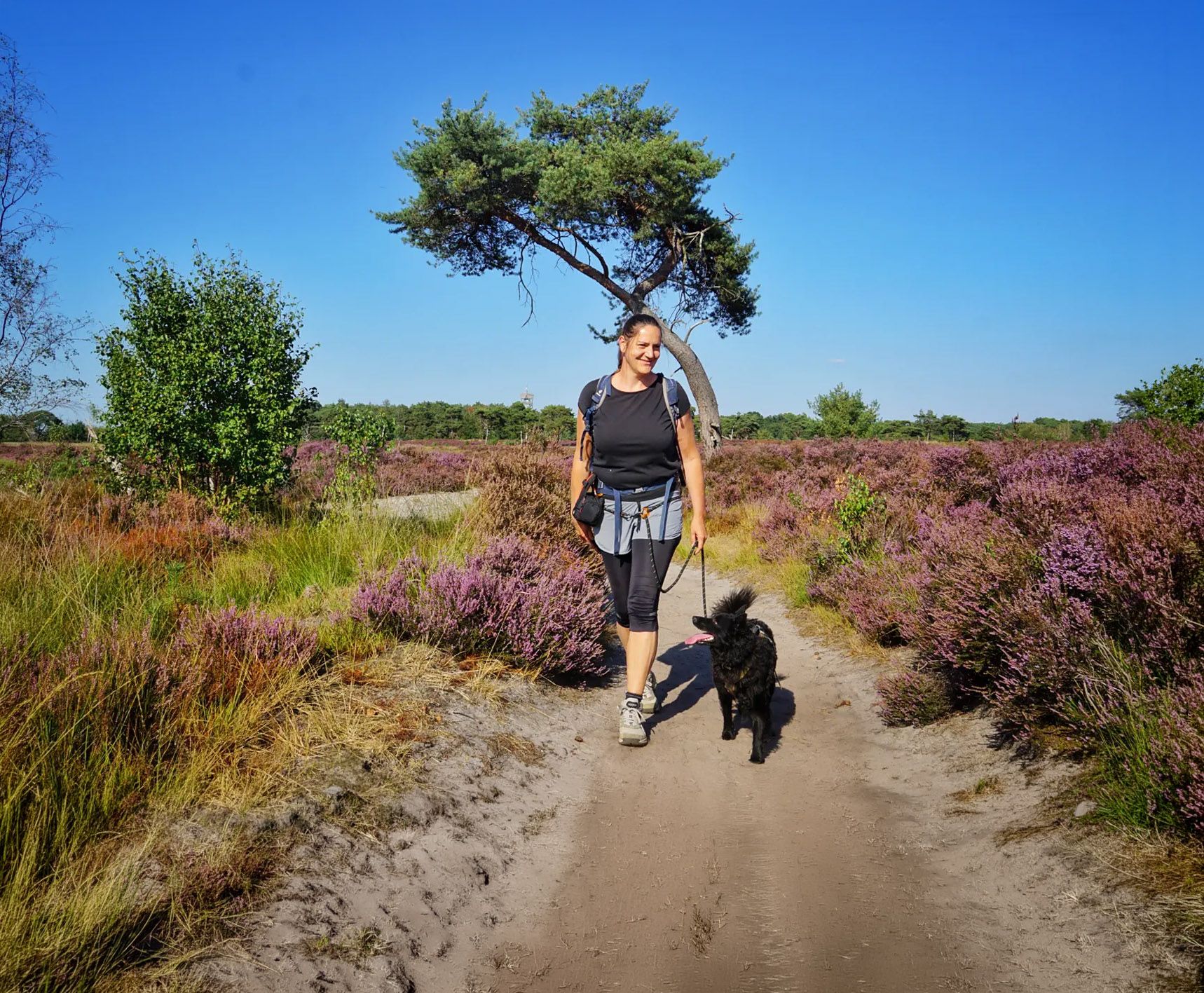
Purple trails and small discoveries – enjoyable hiking in Flanders
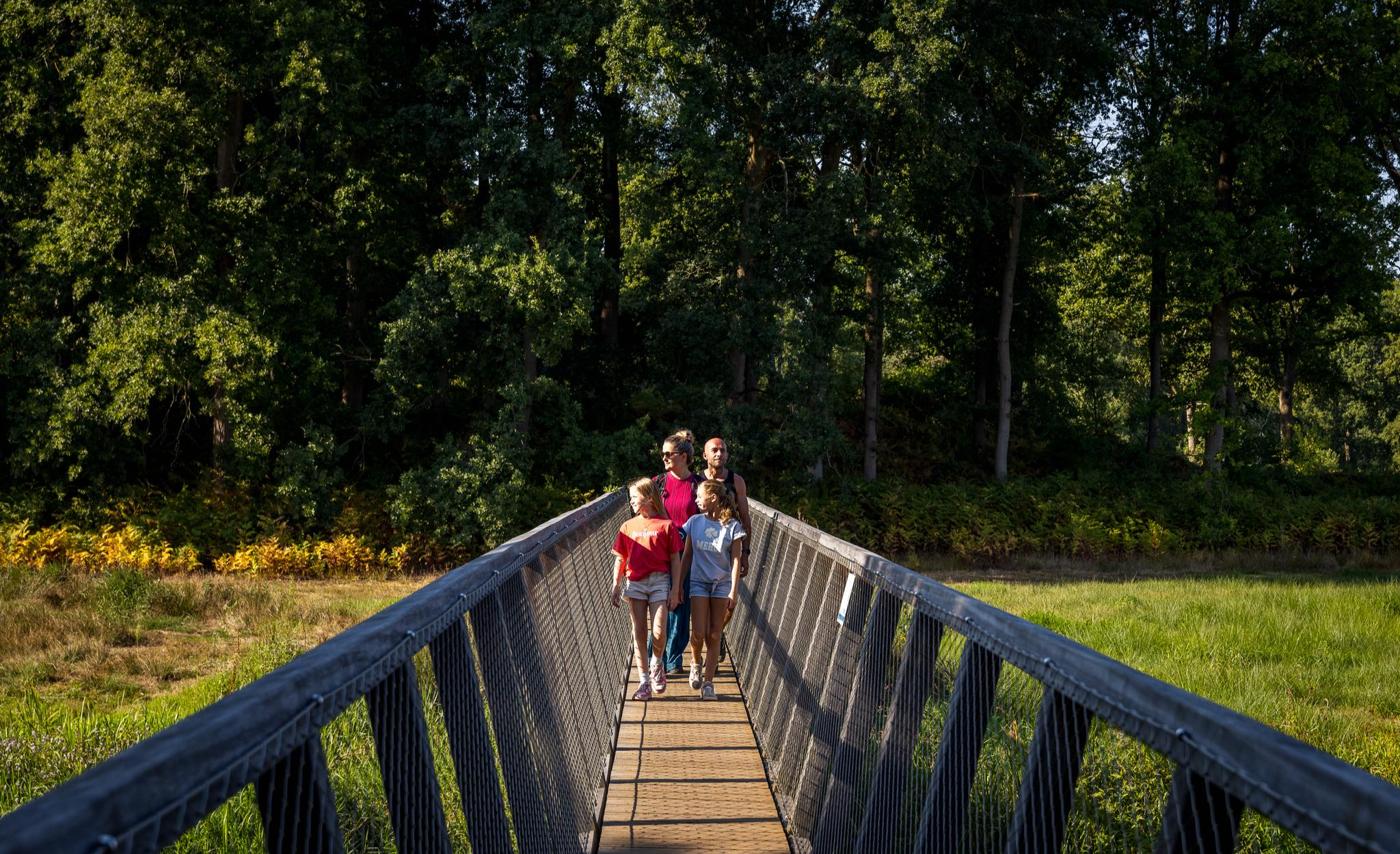
Flanders’ Finest Hiking Routes
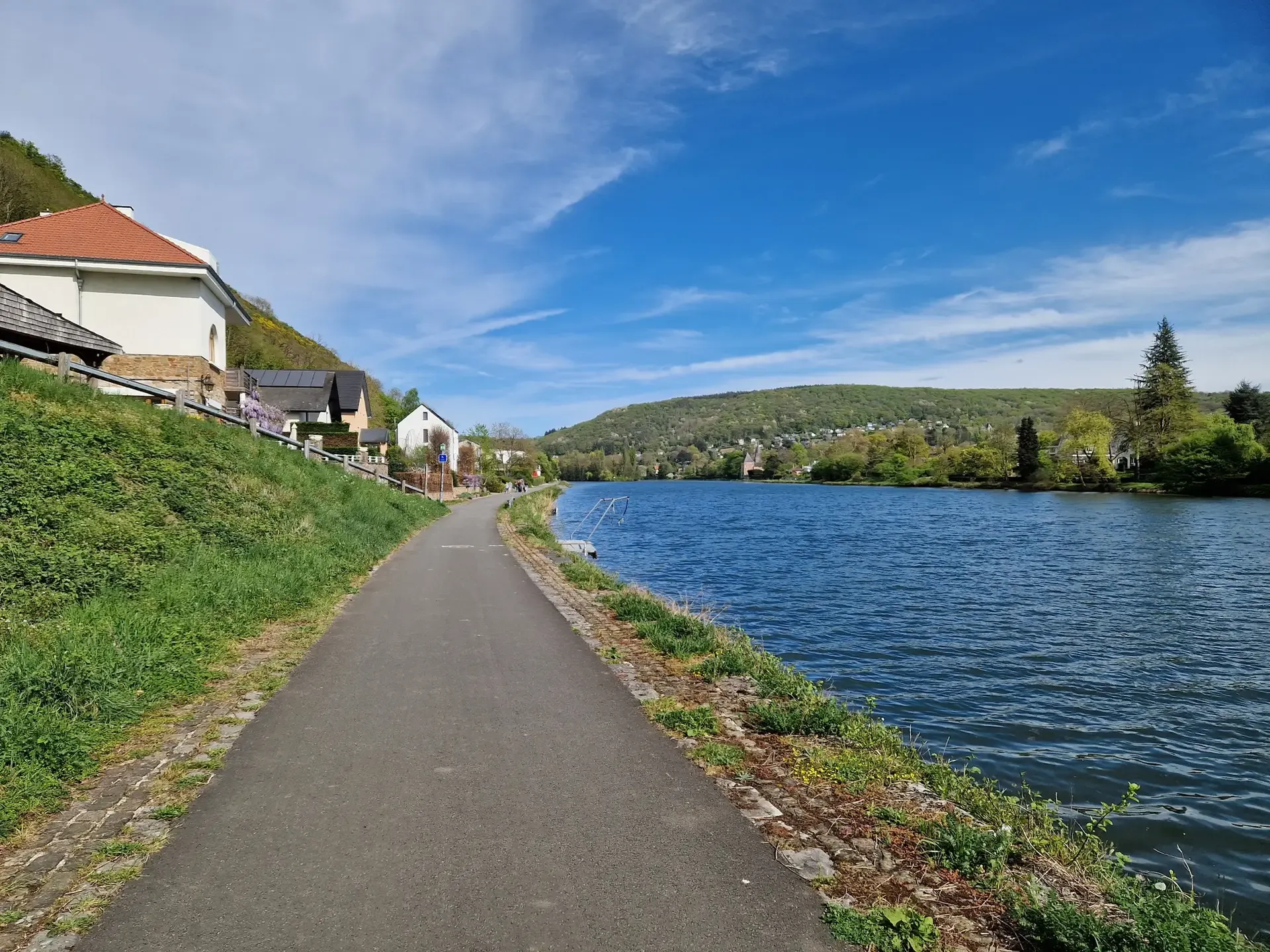
La Wallonie à vélo - RV2 : La Namuroise
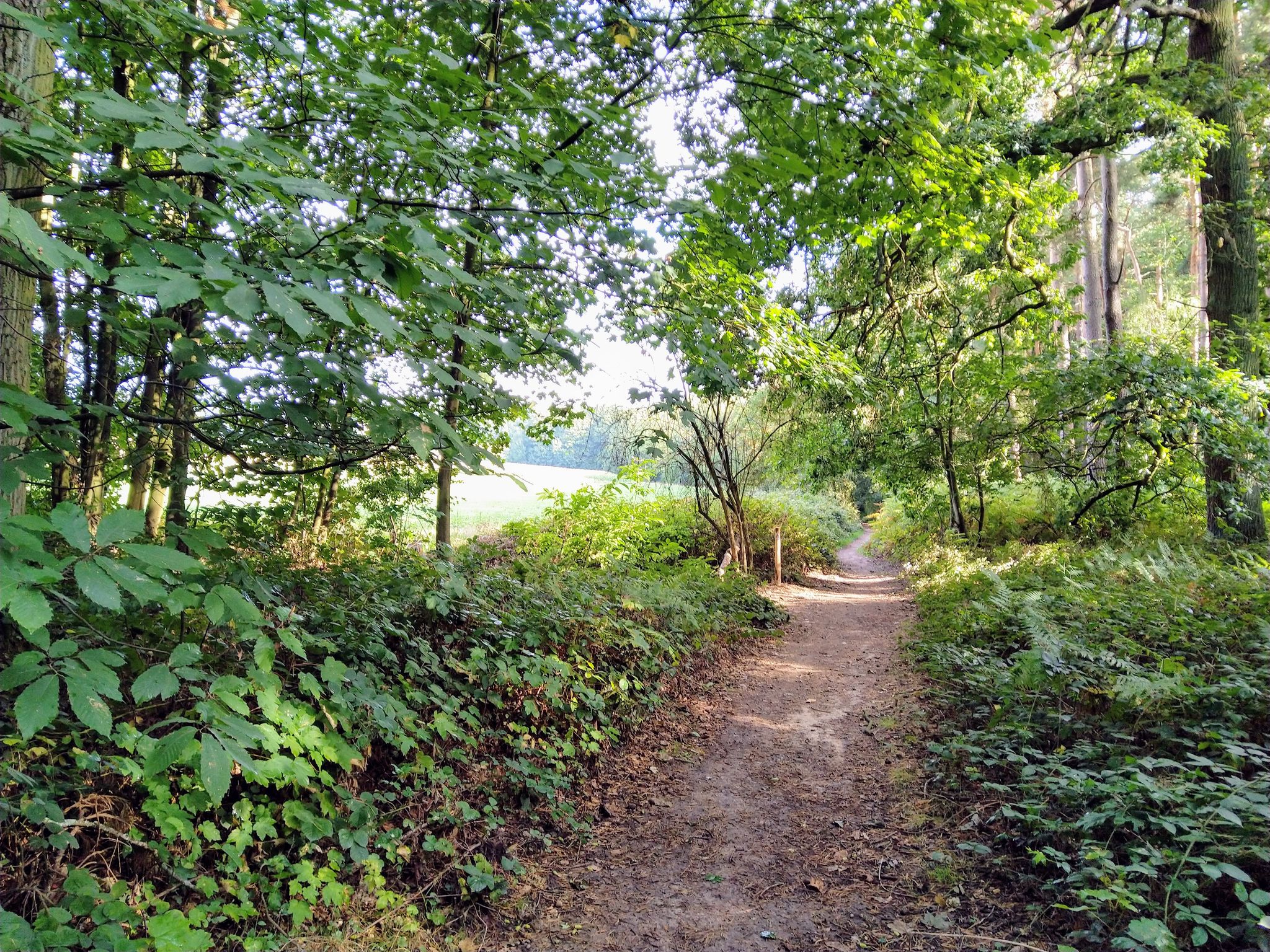
MTB Challenge – the Frans Claes route
Seven-day Cycling tour through the South-Flemish hills – Hilly Route
Tour around Brussels – Streek-GR Groene Gordel
Other adventures in Flemish Brabant


Tips from the Community

Nearby is the spring where apparently very healthy water can be tapped.
1
0
This tour goes for kilometers through the forest. In spring it is beautiful with the hyacinths and wood anemones. In summer nice and cool.
0
0

Known for its distinctive shape with three protrusions that resemble the toes of a goose foot.
3
0

Very colorful in autumn...
4
0

A change of scenery guaranteed...but also a sad observation...global warming is causing terrible damage to certain species of trees...visit this arboretum quickly before many trees die 😩😩😩
1
0

One of my favorite places in the area.
6
0

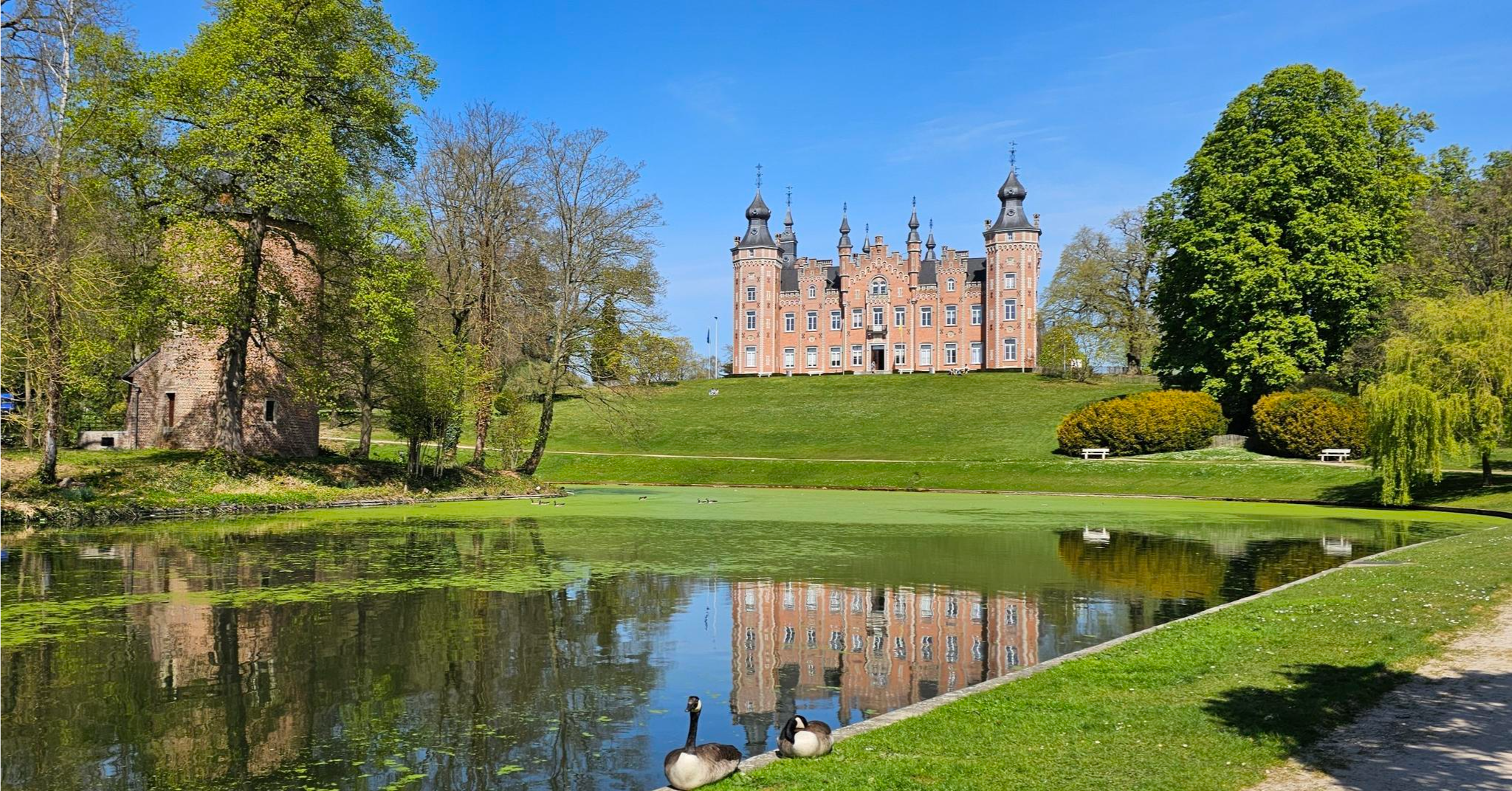
The core of Horst Castle probably dates back to the 13th century and is characterised by a square keep. The keep probably belonged to the oldest core that was further expanded into a fortified castle in the 15th century. During the troubles under Maximilian of Austria in 1489, the castle of Horst was taken by the people of Leuven and set on fire. According to literary sources, only the keep, part of the entrance gate and a defensive wall remained standing. The residential and east wing were renovated and expanded in the 16th century. The round tower also dates from this period. The outer wall was provided with a rectangular bay window. The castle lost its military character and became more of a pleasant residential area with a view of the moat, the ponds and the inner courtyard. Brick construction with sandstone layers characterise these buildings. In 1587, however, the castle was set on fire again during the raids of the Geuzen. It was not until the beginning of the 17th century that restoration work began. It is difficult to deduce from the available sources to what extent this involved restoration or an embellishing conversion of the castle complex. Presumably nothing changed in the internal structure, but only after the structurally necessary repairs were the interiors completely refinished. Maria-Anna Van den Tympel had a new chapel built against the keep in the 17th century. At the beginning of the 19th century, the complex must have been damaged by plundering and neglect, and it is possible that it also suffered from plundering during the Brabant Revolution of 1830. Around 1850, the castle must have been habitable again, but the castle buildings only served as a farm. In the land registry, the site around the castle is called "De Notelaren Boomgaerd". Around that time, the most dilapidated part must have been demolished, namely the southern part and the superstructure of the gate. The rest of the complex was probably restored with reused demolition material and in traditional style. The castle was divided in 1880, with one part being registered as a school house. In 1897, a further division followed, with two plots being designated as houses. Several restoration campaigns followed in the 20th century. Inventory of Immovable Heritage: Horst Castle, https://id.erfgoed.net/erfgoedobjecten/43619
8
0
Since December, there has been a spire on the castle again after the unstable spire was removed more than four years ago and could be viewed on a wooden platform in the pond. Now it is back. And the other works are also progressing quickly. More about the replaced spire on https://www.vrt.be/vrtnws/nl/2024/12/10/torenspits-staat-weer-op-kasteel-van-horst-holsbeek/
8
0
Frequently Asked Questions
What are some of the most popular natural monuments in Flemish Brabant?
Visitors frequently enjoy the diverse natural landscapes. Among the most popular are Zonienwald (Sonian Forest), a UNESCO World Heritage site known for its ancient beech trees, and Hallerbos — The Bluebell Forest, famous for its stunning purple carpet of wild hyacinths in spring. The Footbridge over the Weefberg Pond also offers a beautiful connection with nature in the Averbode Bos en Heide reserve.
When is the best time to visit the natural monuments in Flemish Brabant?
The best time to visit depends on what you wish to experience. Hallerbos — The Bluebell Forest is particularly magical around mid-April when the bluebells and white wood anemones are in full bloom. The Sonian Forest is beautiful year-round, but especially in autumn when its ancient beech trees display vibrant fall colors. Generally, spring and autumn offer pleasant temperatures for outdoor activities.
Are there family-friendly natural monuments in Flemish Brabant?
Yes, many natural monuments in Flemish Brabant are suitable for families. The Zonienwald (Sonian Forest) and Hallerbos — The Bluebell Forest offer easy trails and enchanting scenery for all ages. The Horst Castle area is also family-friendly, with its impressive moat and surrounding estate. The Geographic Arboretum of Tervuren is another great option, offering vast green spaces and diverse tree collections.
What kind of outdoor activities can I do near these natural monuments?
Flemish Brabant's natural monuments are excellent for various outdoor activities. You can enjoy extensive walks and hikes through ancient forests like the Sonian Forest or Meerdaal Forest. The region also offers opportunities for running and mountain biking. For detailed routes, you can explore guides like Hiking in Flemish Brabant, Mountain Hikes in Flemish Brabant, and Running Trails in Flemish Brabant.
Are there good hiking trails around the natural monuments?
Absolutely. Many natural monuments are surrounded by well-maintained hiking trails. For example, the Sonian Forest offers numerous paths, including the Groenendaal trail. The Meerdaal and Heverlee Forests are perfect for extensive walks. You can find specific routes like the 'Reebok hike - Hallerbos' or 'Thick Oak Walk' in the Hiking in Flemish Brabant guide.
Where can I find ancient forests in Flemish Brabant?
Flemish Brabant is home to several ancient forests. The Zonienwald (Sonian Forest) is a prime example, with beech trees over 200 years old. The Meerdaal Forest and Heverlee Forest, together with Egenhoven Forest, form the largest mixed deciduous forest in Flanders, offering vast areas to explore ancient woodlands.
Are there any natural monuments known for birdwatching?
Yes, Flemish Brabant offers excellent spots for birdwatching. The Doode Bemde Nature Reserve, with its winding Dyle River and numerous ponds, is teeming with life. Het Vinne Provincial Domain, Flanders' largest natural inland lake, is a paradise for waterfowl. De Gevel Nature Reserve, a former meander of the Dyle River, provides an ideal habitat for various birds, including great egrets and Eurasian golden orioles.
What unique natural areas can I explore beyond forests?
Beyond its forests, Flemish Brabant features unique wetland and botanical areas. The Doode Bemde Nature Reserve and De Gevel Nature Reserve showcase rich wetland ecosystems. Het Vinne Provincial Domain boasts Flanders' largest natural inland lake with boardwalks. For botanical diversity, the Meise Botanic Garden and the historic Kruidtuin Leuven (Leuven Botanical Garden) offer extensive plant collections and greenhouses.
Are there any historical natural monuments in Flemish Brabant?
Yes, history and nature often intertwine here. Horst Castle is a 13th-century moated castle set within a beautiful natural estate. The Sonian Forest itself has a rich history, and within it, you can find the Dolmen Stone of Duisburg, a historical site. The Chapel of Our Lady of Steenbergen and the Minnebron also combines religious history with a natural setting.
What do visitors particularly enjoy about the natural monuments in Flemish Brabant?
Visitors frequently praise the tranquility and natural beauty. Many appreciate the magical atmosphere of Hallerbos during bluebell season and the serene experience of walking through the ancient trees of the Sonian Forest. The connection with nature felt while exploring areas like the Footbridge over the Weefberg Pond is also a highlight for many.
Are any natural monuments in Flemish Brabant wheelchair accessible?
While many natural areas have varied terrain, some locations offer better accessibility. For instance, the Horst Castle grounds are generally accessible, though the castle itself may be difficult for wheelchair users. The Chapel of Our Lady of Steenbergen and the Minnebron is also noted as wheelchair accessible. It's always advisable to check specific trail conditions for other natural reserves.
Can I bring my dog to the natural monuments?
Many natural monuments in Flemish Brabant are dog-friendly, allowing you to enjoy walks with your canine companion. The Zonienwald (Sonian Forest) is a popular spot for dog walkers. While dogs are often allowed on castle grounds, like at Horst Castle, they might not be permitted inside buildings or certain protected areas. Always look for local signage regarding leash rules and restricted zones.
What kind of flora and fauna can I observe in Flemish Brabant's natural monuments?
Flemish Brabant's natural monuments boast diverse flora and fauna. In forests like Hallerbos, you'll find carpets of bluebells and wood anemones. The Meerdaal and Heverlee Forests support plants like coltsfoot and wild strawberry. Wetland reserves such as Doode Bemde and De Gevel are rich in birdlife, including great egrets and marsh warblers, alongside various aquatic plants and insects. The Geographic Arboretum of Tervuren features over 400 different tree species from around the world.
Most popular routes in Flemish Brabant
Most popular attractions in Flemish Brabant

Get inspired with the komoot mobile app


Didn’t find what you were looking for?
Find even more amazing natural monuments in Flemish Brabant by checking out the top Highlights region by region:
Explore more
Extend your search for the best caves by checking out these guides of the top ones in Flemish Brabant:
