Attractions and Places To See in Flemish Brabant - Top 20
Best attractions and places to see in Flemish Brabant, a province encircling Brussels, offers a diverse range of historical cities, natural beauty, and cultural experiences. The region is characterized by its rolling countryside, ancient forests, and significant architectural landmarks. Visitors can explore a mix of urban centers, serene natural reserves, and historical sites. Flemish Brabant provides opportunities for outdoor activities and cultural discovery.
Best attractions and places to see in Flemish Brabant
- The most popular attractions is Horst Castle, a castle that is an idyllic moated castle from the 13th century, nestled between the hills of Hagelands. It is surrounded by an impressive moat and a beautiful castle estate.
- Another must-see spot is Smeysberg Climb, a climb. This challenging climb has an average gradient of 7.5% over 600 meters, with an elevation gain of 50 meters.
- Visitors also love Hallerbos — The Bluebell Forest, a forest. This Flemish nature reserve is known for its purple carpet of wild hyacinths and white wood anemones that bloom around mid-April.
- Flemish Brabant is known for its castles, forests, and historical sites. The region offers a variety of attractions, from medieval architecture and natural reserves to vibrant city centers and cultural institutions.
- The attractions in Flemish Brabant are appreciated by the komoot community, with more than 1500 upvotes and over 1000 photos shared across its highlights.
Last updated: October 11, 2026
Averbode Abbey
Highlight • Religious Site
On the grounds, you will also find an experience center dedicated to traditional crafts. The old farm buildings now house a monastery café with its own brewery, a bakery, and a monastery shop.
By the way: You can also stay overnight in one of the guest rooms.
Information and registration: gastenkwartier@abdijaverbode.be.
Translated by Google •
Tip by

Leuven Town Hall
Highlight • Historical Site
The plans for the town hall of Leuven are based on and inspired by the town hall of Bruges. The town hall of Bruges is one of the oldest in Belgium and, in addition to that of Leuven, served as a model for the town halls of Oudenaarde, Brussels and Ghent, among others. The stones were made of Ledian stone from quarries such as De Helle in Dilbeek.
The town hall has three floors. There are two niches between the windows, which protrude slightly. Three of the four corner towers also have niches. The corbels are sculpted representations from the Bible. The recurring theme is guilt and penance. They had a didactic and admonishing function. During the first restoration in the nineteenth century, most of them were replaced; however, the original corbels are located in the attic of the town hall. Since the city services moved to the City Office at Professor Roger Van Overstraetenplein (at the station), the historic city hall is only used for ceremonies.
nl.wikipedia.org/wiki/Stadhuis_van_Leuven
Translated by Google •
Tip by

Sign up now to discover places like this
Get recommendations on the best single tracks, peaks, & plenty of other exciting outdoor places.
Demer Towpath
Highlight • Cycleway
Translated by Google •
Tip by

Sonian Forest
Highlight • Forest
The forest has a rich history dating back to the Iron Age and has had various functions over the centuries, such as providing firewood and timber for the construction of houses and ships, and as a backdrop for hunting scenes. The current forest landscape with deciduous trees has its origins in the Austrian period (1714-1795).
Translated by Google •
Tip by
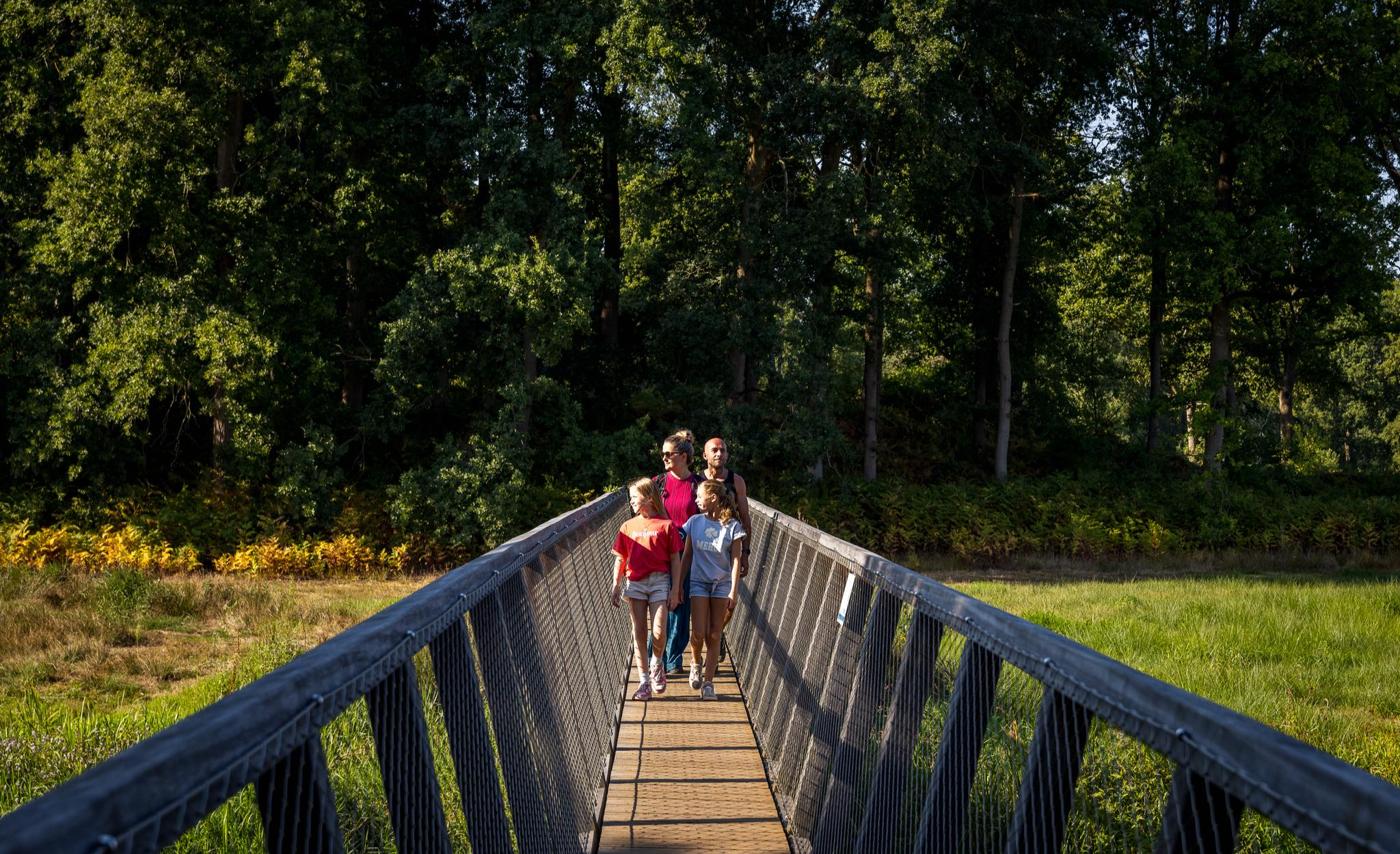
Footbridge over the Weefberg Pond
Highlight • Bridge
Translated by Google •
Tip by

Ponds of Tervuren Park
Highlight • Lake
Translated by Google •
Tip by

Cycling Highway Leuven-Mechelen Along the Leuven-Dijle Canal
Highlight • Cycleway
The left bank is used between Leuven and Boortmeerbeek. At the Pontstraat in Boortmeerbeek, the route crosses and then uses the right bank to Mechelen.
Translated by Google •
Tip by

Horst Castle
Highlight • Castle
Translated by Google •
Tip by

Smeysberg Climb
Highlight (Segment) • Climb
Translated by Google •
Tip by

Leuven–Dijle Canal
Highlight • River
Tip by

Sign up for free to discover even more attractions in Flemish Brabant.
Already have an account?
Start today with a free account
Your next adventure awaits.
Popular around Flemish Brabant
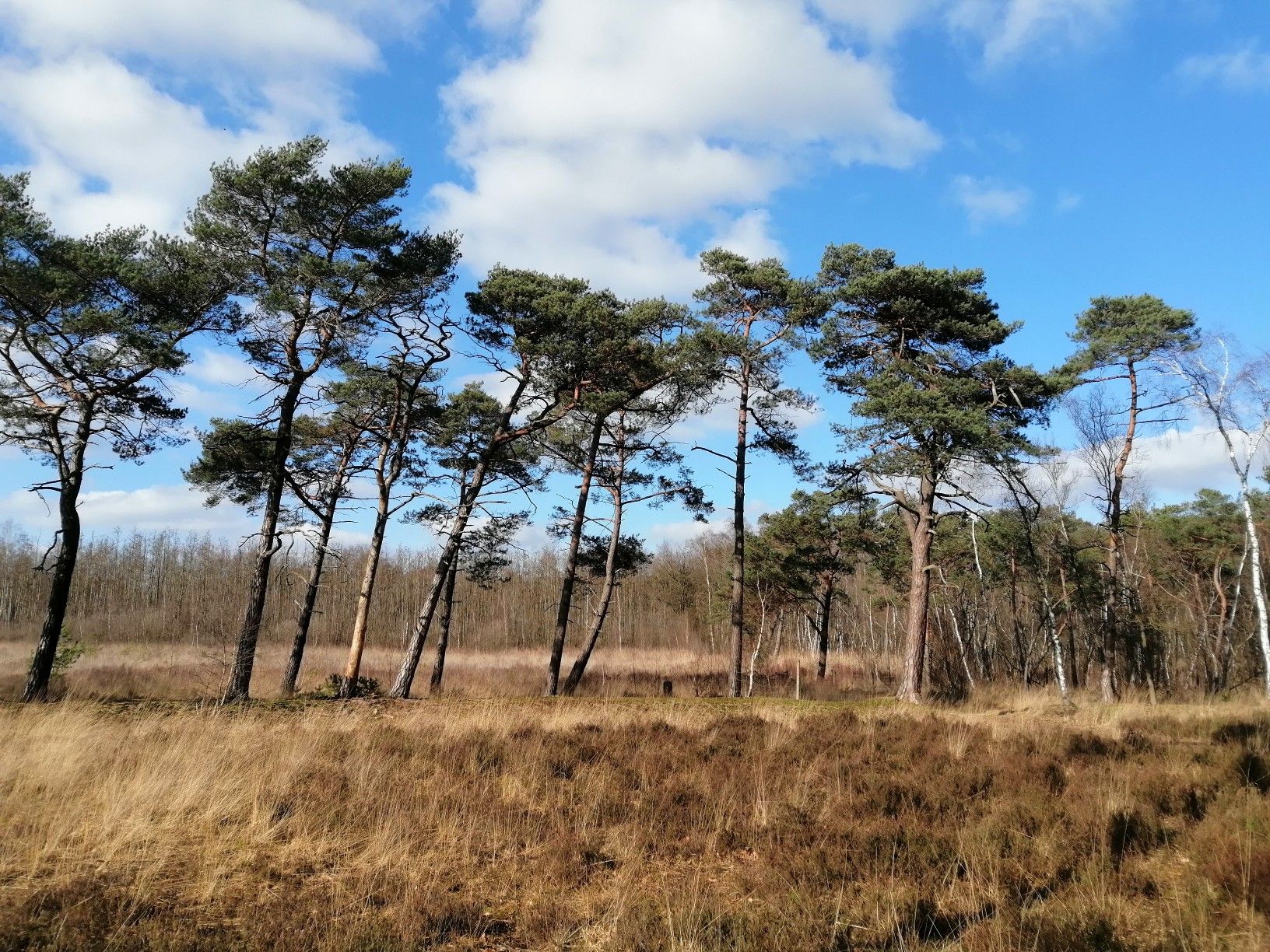
From Flanders to the Ardennes — GR 5 in Belgium
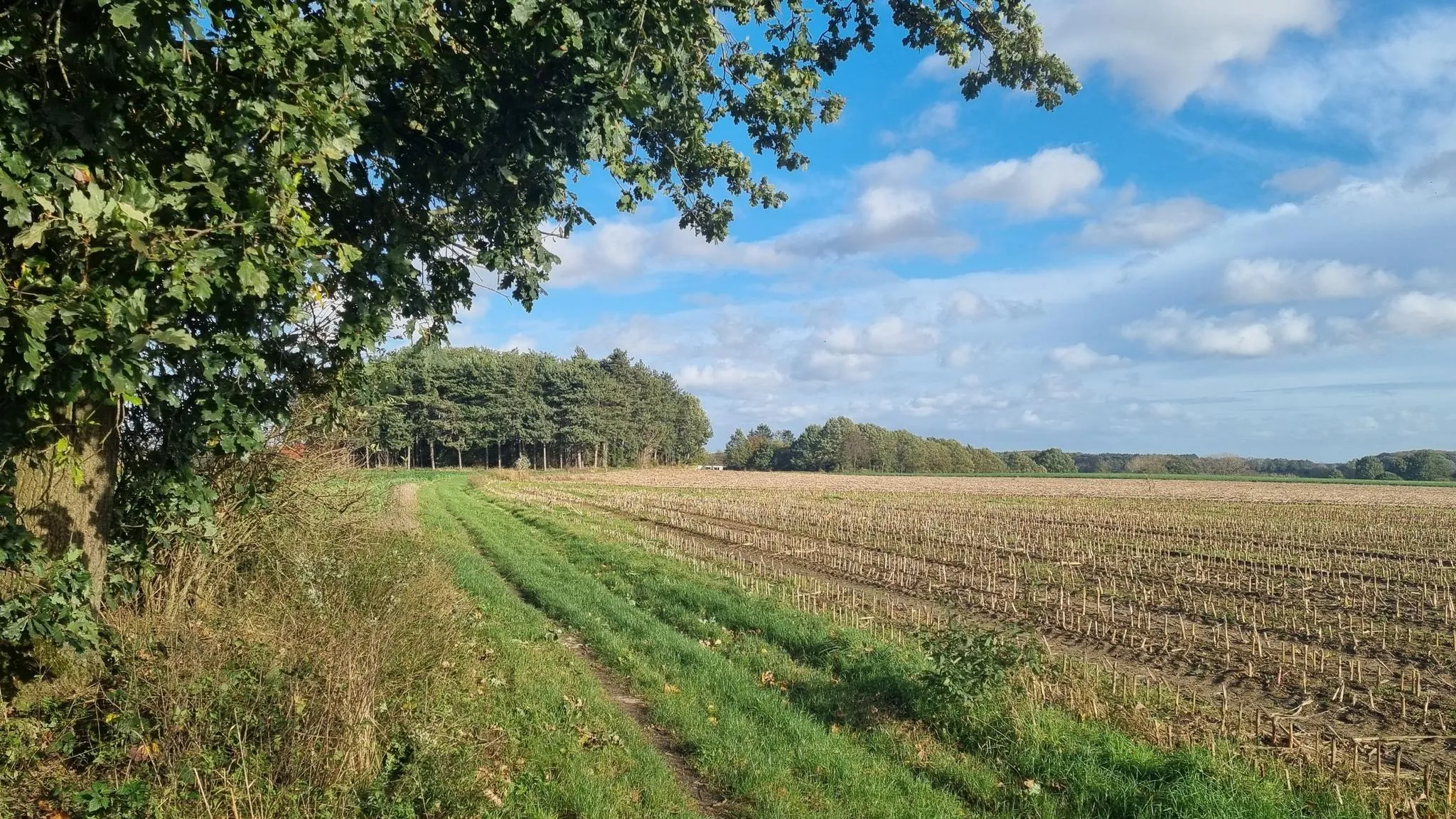
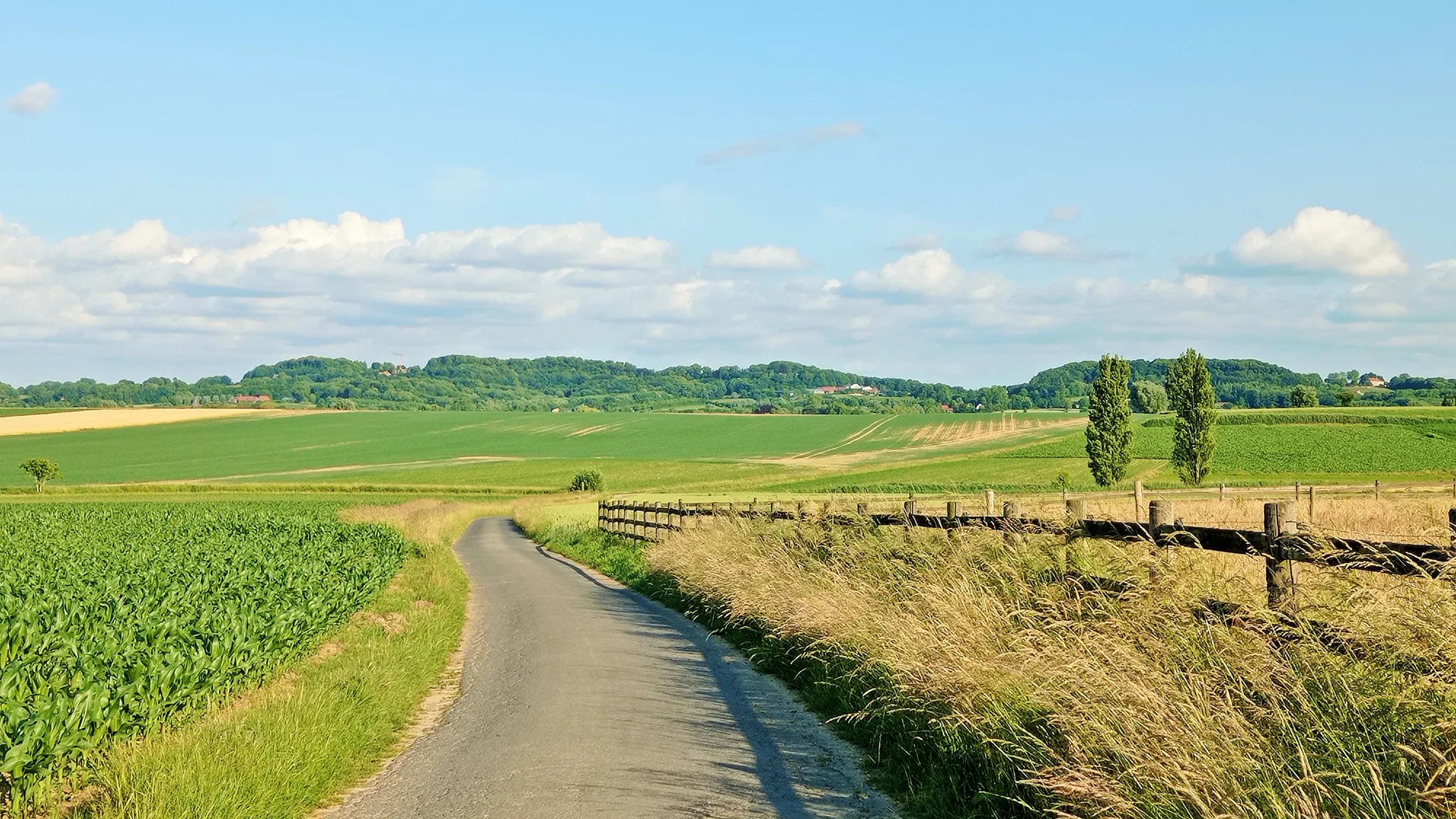
Streek-GR Hageland – Hollow roads and endless fields
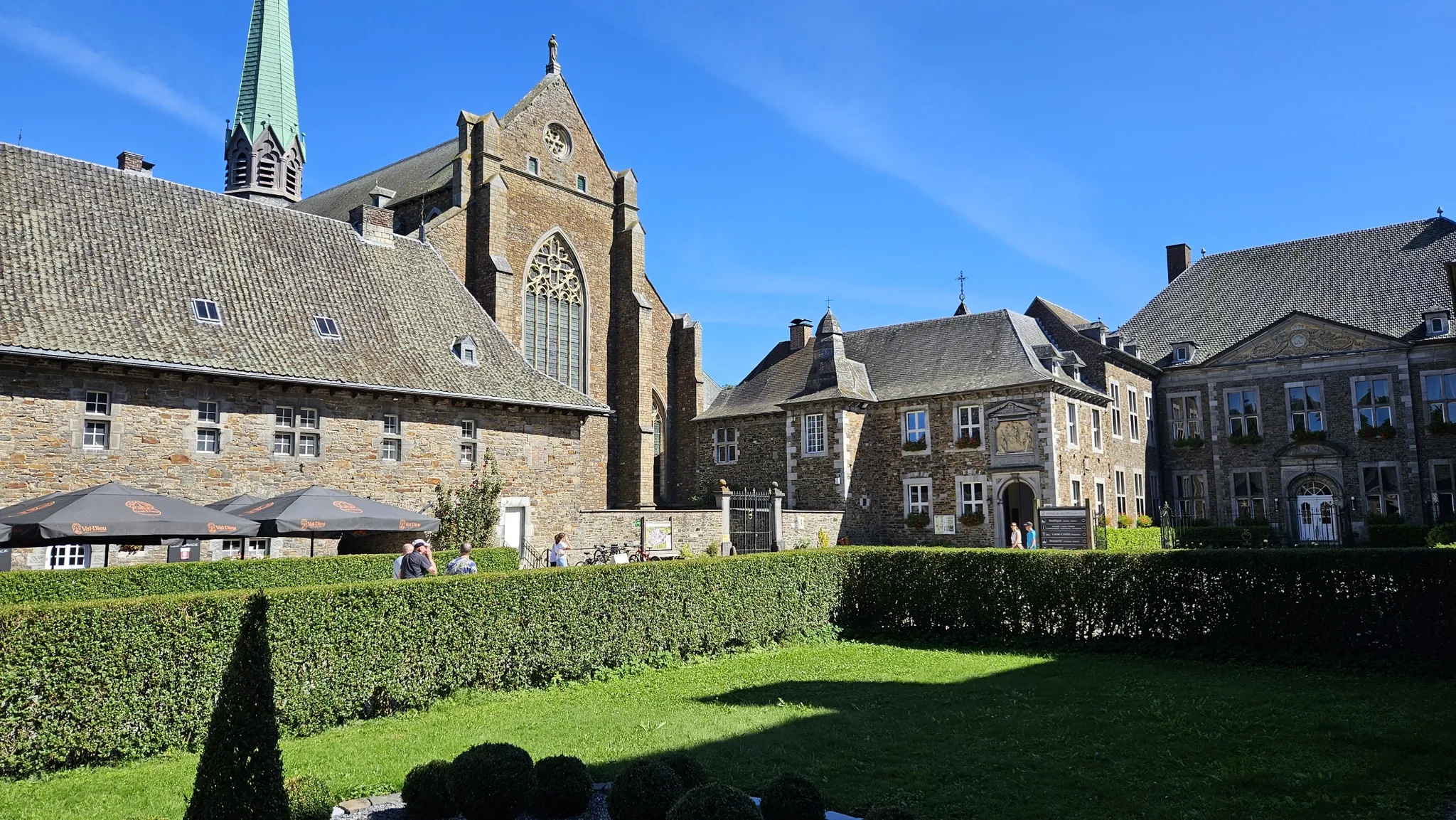
Trappist abbeys cycle route – Between beers and heritage
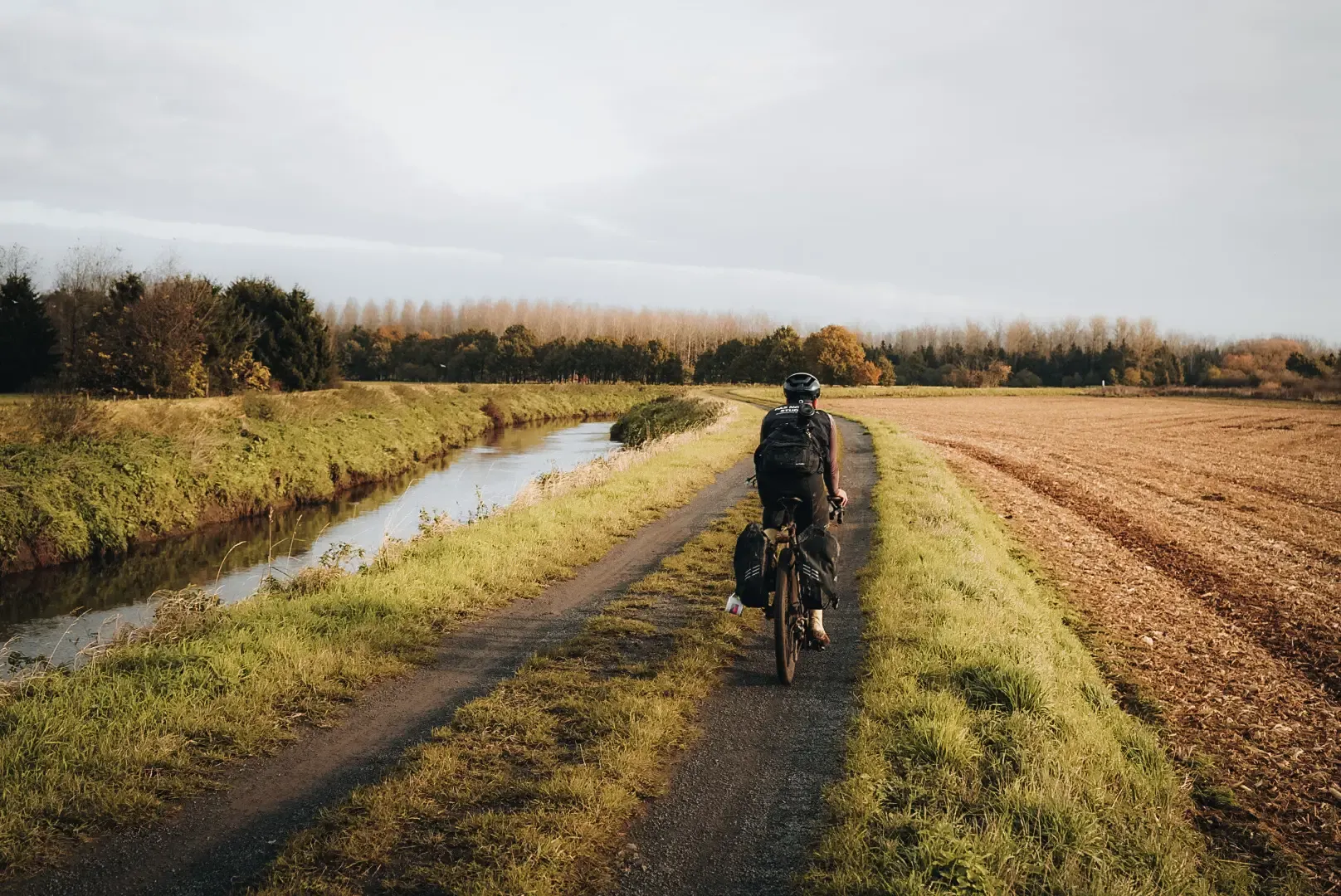
Flanders Divide - Across Flanders
Purple trails and small discoveries – enjoyable hiking in Flanders
Flanders’ Finest Hiking Routes
La Wallonie à vélo - RV2 : La Namuroise
MTB Challenge – the Frans Claes route
Seven-day Cycling tour through the South-Flemish hills – Hilly Route
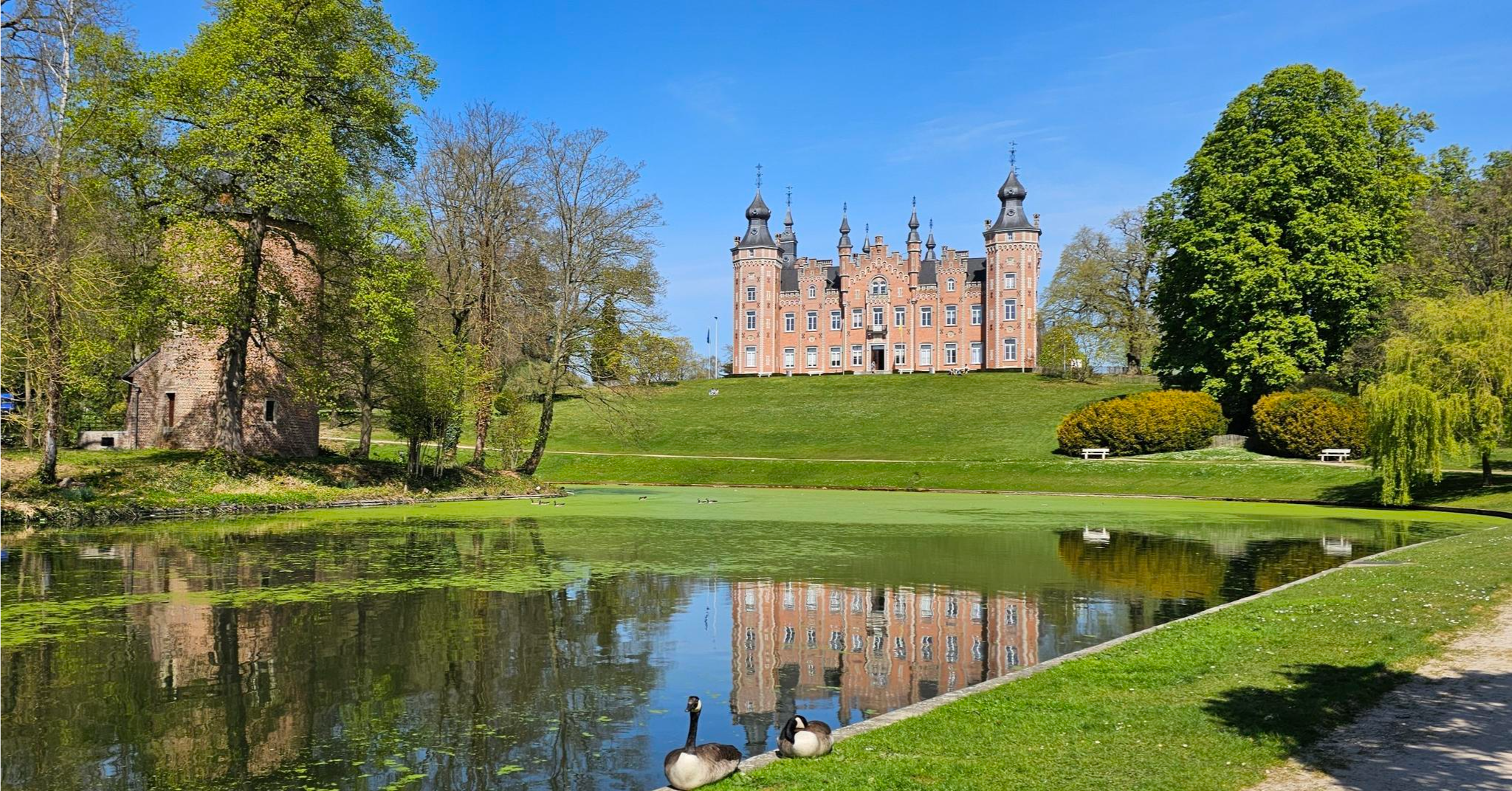
Tour around Brussels – Streek-GR Groene Gordel
Other adventures in Flemish Brabant


Tips from the Community

Class cycle path along the canal.
0
0
Very nice cycle path along the ponds in the park of Tervuren.
0
0

Contemplation is a strong positive medication!
1
0


Definitely stop by Ernesto koffie (right at the roundabout Walensebaan and Smisstraat), a cozy little food truck right by the ponds. There are also cozy seating areas provided at the food truck itself. Delicious coffee and wonderful pastries. Ideal for a refueling stop. Super friendly service. Open Wednesday to Sunday from 10:30
1
0

This tour goes for kilometers through the forest. In spring it is beautiful with the hyacinths and wood anemones. In summer nice and cool.
0
0

In front of the park is a French garden with ponds, flower beds and statues, which extends to a series of ponds that receive their water from the Voer.
1
0

Cycling along the canal is pleasant, near Mechelen you have kayakers and there is always something to do.
3
0
Frequently Asked Questions
What natural attractions can I explore in Flemish Brabant?
Flemish Brabant offers diverse natural beauty. You can visit Hallerbos — The Bluebell Forest, famous for its enchanting purple carpet of wild hyacinths in mid-April. The Zonienwald (Sonian Forest), a sprawling ancient beech forest, is partly a UNESCO World Heritage Site offering tranquil paths. Don't miss the Ponds of Tervuren Park, a beautifully landscaped area perfect for cycling.
Are there historical sites or castles to visit in the region?
Yes, Flemish Brabant is rich in history and castles. Horst Castle is an idyllic moated castle from the 13th century, nestled in the Hagelands. In Leuven, the Leuven Town Hall is an architectural masterpiece on the Grote Markt. You can also explore the UNESCO World Heritage Grand Beguinage in Leuven or the majestic Gaasbeek Castle near Lennik.
What are some family-friendly activities in Flemish Brabant?
Many attractions in Flemish Brabant are suitable for families. The Hallerbos — The Bluebell Forest is a magical place for all ages, especially during spring. The Zonienwald (Sonian Forest) offers easy walking and cycling paths. For a unique experience, consider the Meise Botanic Garden, one of the largest botanical gardens in the world, featuring tropical greenhouses and a castle.
Where can I find cycling routes in Flemish Brabant?
Flemish Brabant is excellent for cycling. The Cycling Highway Leuven-Mechelen Along the Leuven-Dijle Canal provides a scenic route. The Demer Towpath is another great option for a leisurely ride. Additionally, the Green Belt offers a network of cycling routes traversing the scenic landscapes.
What is the best time of year to visit Flemish Brabant?
The best time to visit Flemish Brabant largely depends on your interests. For nature lovers, mid-April is ideal to witness the bluebells in bloom at Hallerbos — The Bluebell Forest. Spring and summer generally offer pleasant weather for outdoor activities and exploring cities like Leuven. Autumn brings beautiful foliage to the forests.
Are there any challenging outdoor activities or climbs in the region?
For those seeking a challenge, the Smeysberg Climb is a notable spot. This challenging climb has an average gradient of 7.5% over 600 meters, with an elevation gain of 50 meters. It's a popular spot for cyclists looking to test their endurance.
What cultural or religious sites are worth visiting?
Flemish Brabant has several significant cultural and religious sites. Averbode Abbey is a Norbertine abbey where visitors can explore an experience center and a monastery café. Grimbergen Abbey is known for its monastic brewing tradition. In Leuven, St. Peter's Church, a late Gothic monument, houses artistic treasures including Dieric Bouts' 'Last Supper'.
Can I find easy walking routes in Flemish Brabant?
Yes, there are many easy walking routes available. For example, you can find several easy hikes in the Hallerbos, such as the Reebok hike or various Hyacinth walks. The Zonienwald (Sonian Forest) also offers numerous accessible paths suitable for leisurely strolls.
Are there any unique viewpoints or scenic spots?
Absolutely. The Footbridge over the Weefberg Pond offers a beautiful, idyllic view, especially when exploring the Averbode Bos en Heide nature reserve. The University Library in Leuven also has a tower offering impressive views of the city. Vlooyberg Tower in Tielt-Winge is another unique landmark with panoramic vistas.
What are some lesser-known or 'hidden gem' attractions?
Beyond the main highlights, consider visiting the Coloma Rose Garden in Sint-Pieters-Leeuw, a renowned garden with a vast collection of roses. The Hageland Wine Production Centre in Wezemaal highlights the region's historic wine production, offering a unique cultural insight. The De MOT Museum for Old Techniques in Grimbergen also provides a fascinating look into historical equipment.
Are there any attractions that are wheelchair accessible?
Yes, some attractions in Flemish Brabant offer wheelchair accessibility. The Leuven Town Hall is noted as wheelchair accessible. While Horst Castle itself can be challenging, the castle grounds are generally more accessible. It's always recommended to check specific venue details for the most up-to-date accessibility information.
What do visitors enjoy most about Flemish Brabant's attractions?
Visitors frequently praise the enchanting beauty of places like Hallerbos — The Bluebell Forest, especially when the bluebells are in bloom, describing it as a 'magic forest'. The historical significance and picturesque setting of Horst Castle are also highly appreciated. Many enjoy the feeling of connection with nature found on trails and the scenic beauty of parks like the Ponds of Tervuren Park.
Most popular routes in Flemish Brabant
Most popular attractions in Flemish Brabant

Get inspired with the komoot mobile app


Didn’t find what you were looking for?
Are you keen on exploring more awesome places nearby? Browse our guides:
Explore more
Still not found the Highlight you’re looking for? See guides of the top attractions in other regions:
