The best gravel rides in Vila Real
4.7
(17)
38
riders
4
rides
Experience the rugged beauty of gravel biking with our curated list of gravel rides in Vila Real. Whether you're looking for challenging climbs or scenic trails, here are some of the best gravel bike routes in Vila Real.
Last updated: August 19, 2026
5.0
(1)
10
riders
96.6km
08:28
1,910m
1,910m
Hard gravel ride. Very good fitness required. Mostly paved surfaces. Suitable for all skill levels.
5.0
(2)
7
riders
Hard gravel ride. Very good fitness required. Mostly paved surfaces. Suitable for all skill levels.

Sign up for free
4.7
(3)
6
riders
62.7km
03:40
230m
230m
Moderate gravel ride. Good fitness required. Mostly paved surfaces. Suitable for all skill levels.
2
riders
30.1km
03:08
1,020m
1,020m
Hard gravel ride. Very good fitness required. Mostly paved surfaces. Suitable for all skill levels.
4.0
(8)
5
riders
42.9km
03:01
200m
200m
Moderate gravel ride. Good fitness required. Mostly paved surfaces. Suitable for all skill levels.
4.7
(3)
6
riders
60.6km
03:25
240m
240m
Moderate gravel ride. Good fitness required. Mostly paved surfaces. Suitable for all skill levels.
1
riders
20.8km
01:32
560m
560m
Hard gravel ride. Very good fitness required. Mostly paved surfaces. Suitable for all skill levels.
Our route recommendations are based on thousands of hikes, rides, and runs completed by other people on komoot.
Start today with a free account
Your next adventure awaits.
Login or Signup
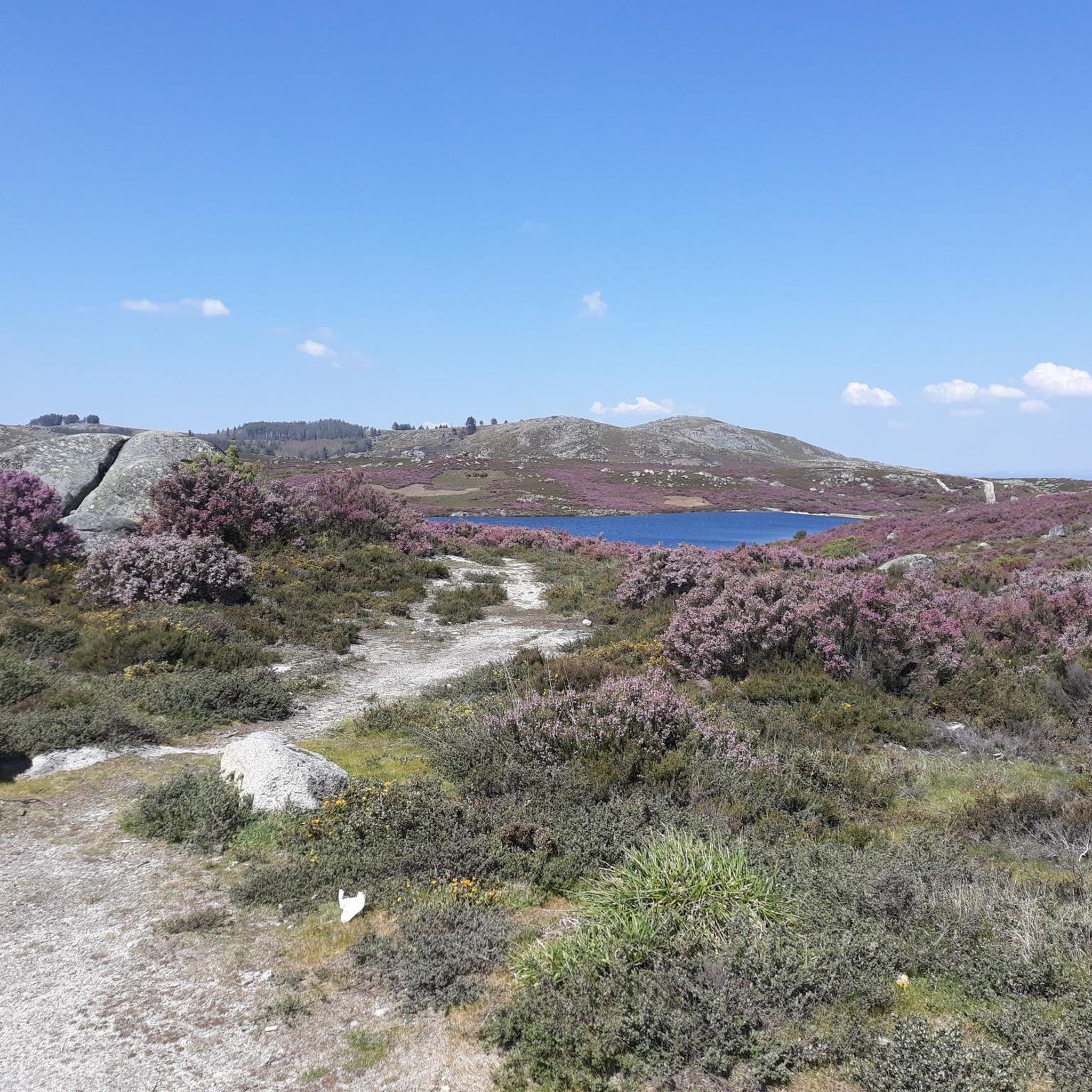
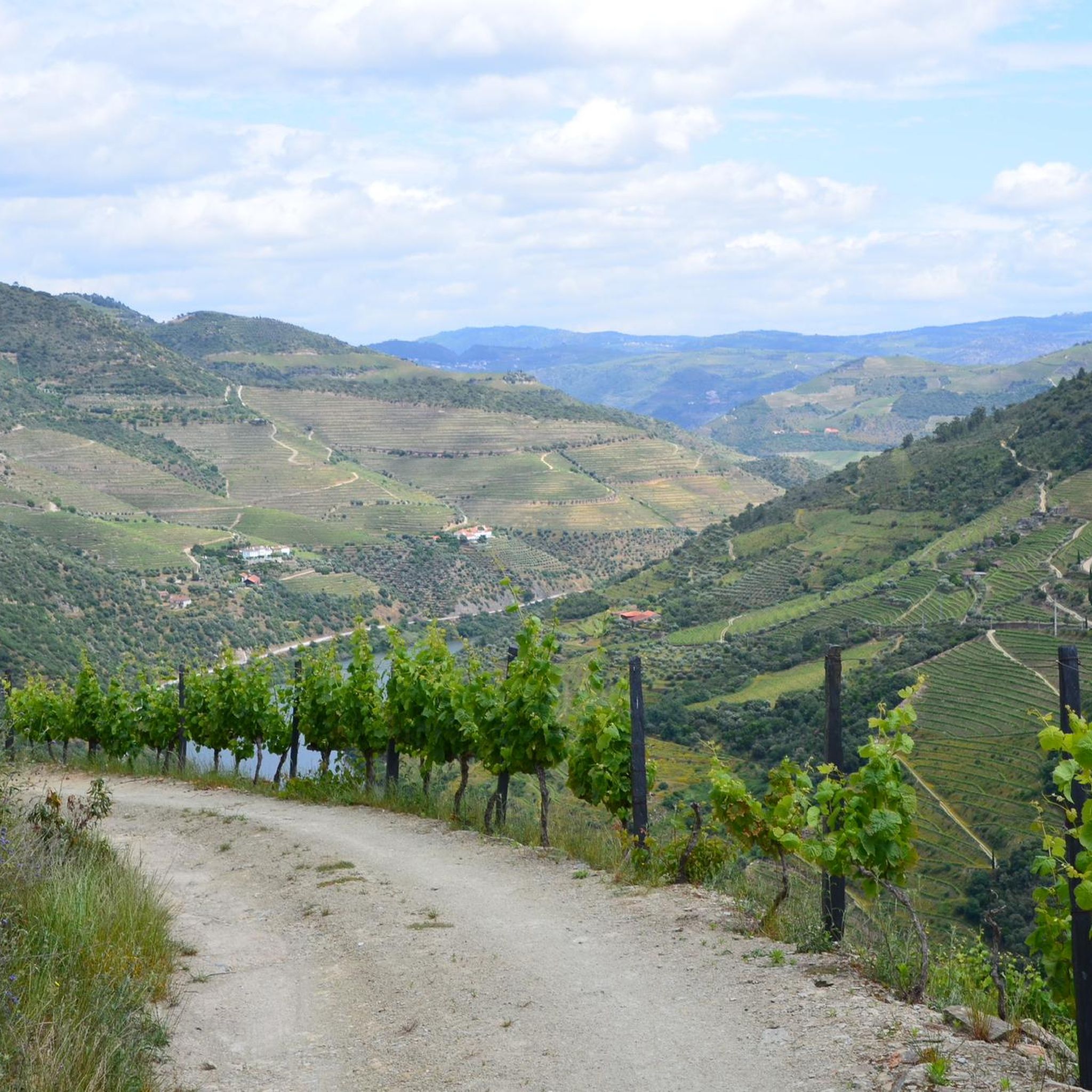
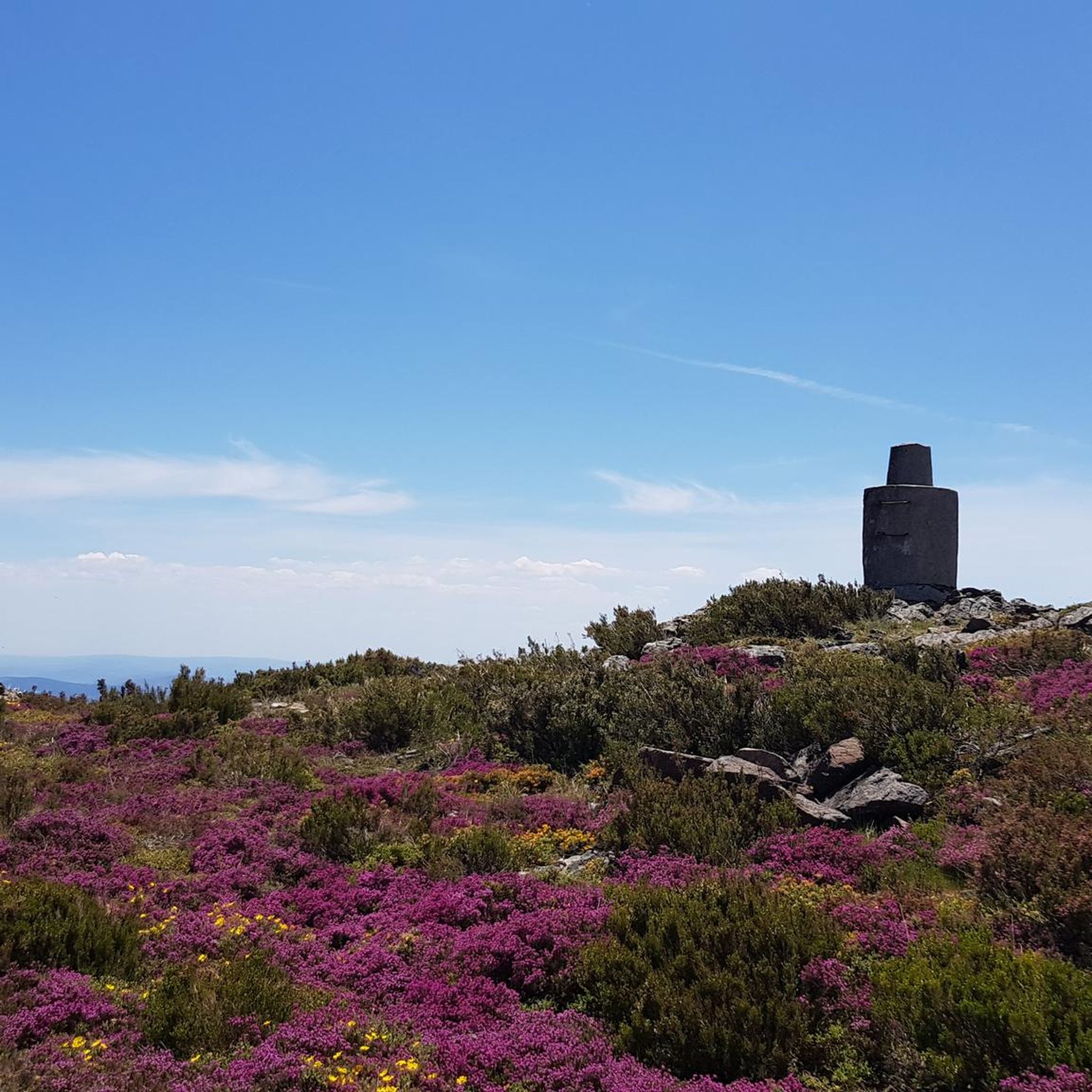
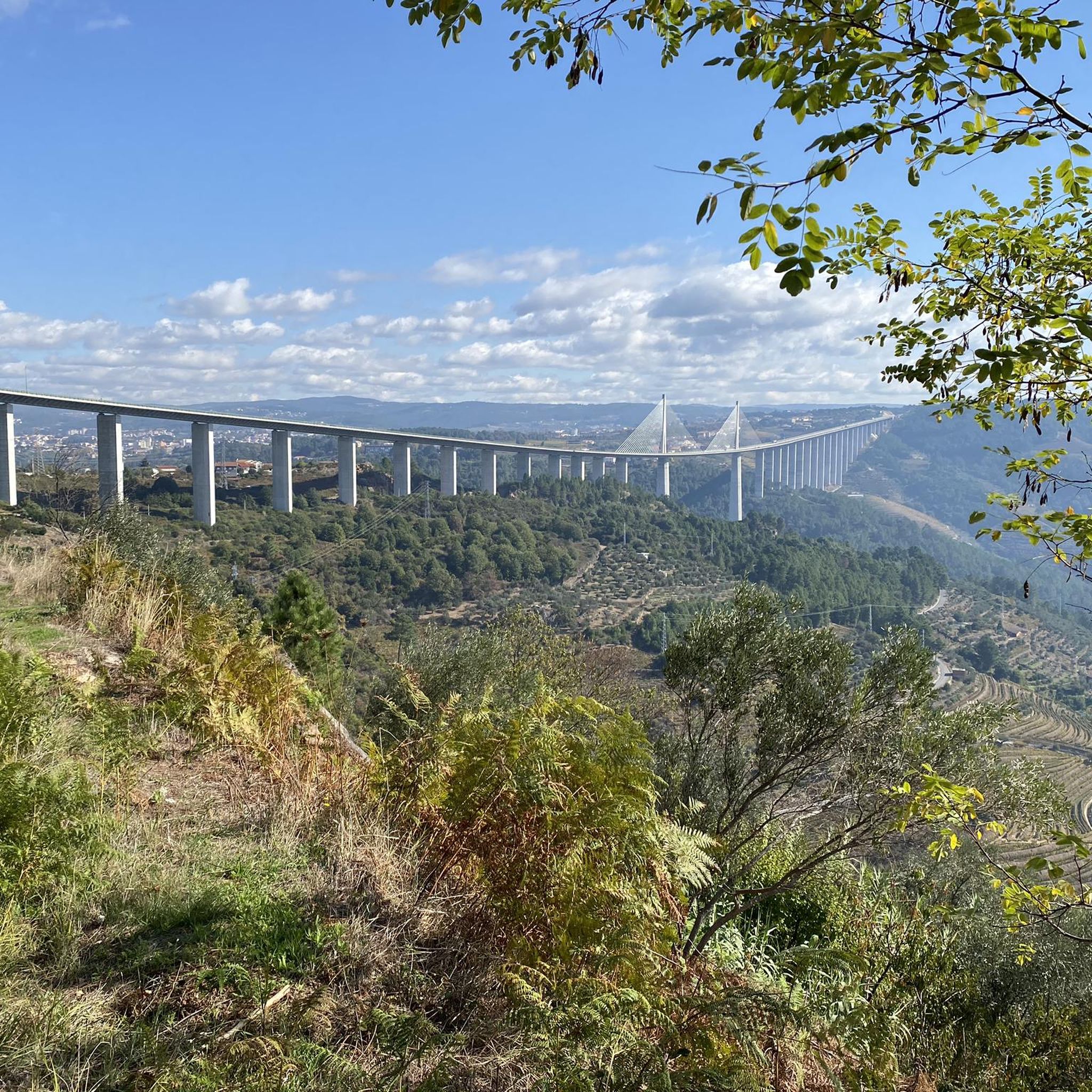
Tips from the Community

The Cabreiroá Spa is one of Galicia's most emblematic thermal resorts, renowned for the quality of its mineral-medicinal waters and a history that blends science, modernist architecture, and thermal tradition. As early as the 19th century, a pool existed there, used by locals to treat stomach and bladder problems, and to promote wound healing.
2
1

The Roman Baths Museum, recently opened, is a must-see. It is located in Largo do Arrabalde, very close to the current baths. It is the largest Roman bath complex in the Iberian Peninsula. What makes this museum special is that, after an earthquake in the 4th century, the structures collapsed and remained "frozen" in time until they were rediscovered a few years ago. You can see the huge original stone pools where Roman legionaries bathed 2,000 years ago. The Roman Baths Museum What to see: It is the largest Roman bath complex in the Iberian Peninsula. What makes this museum special is that, following an earthquake in the 4th century, the structures collapsed and remained "frozen" in time until they were rediscovered a few years ago. You can see the huge original stone pools where Roman legionaries bathed 2,000 years ago.
0
0
Fort of São Francisco (The Main One) This is the fort that dominates the city skyline and where the statue of General Silveira is located. What it is today: It has been magnificently restored and operates as a 4-Star Hotel, but the historical area is open to visitors. Why visit: History: It was here that General Silveira besieged and defeated Napoleon's troops in 1809. Interior: You can enter (entry to the courtyard is free) and see the Church of São Francisco. Originally a convent, the church houses the tomb of the first Duke of Braganza. Views: The ramparts offer an incredible panoramic view over the city and the Tâmega River.
0
0
The Bridge of Trajan (often simply called the Roman Bridge) is, without a doubt, the most important monument in Chaves. It is worth visiting because it is not just an "old stone bridge"; it is a masterpiece of engineering that defines the city's identity. Here are the 4 main reasons why: 1. Walking on 2,000 Years of History This is one of the best-preserved Roman bridges in the entire Iberian Peninsula. It was built between the late 1st and early 2nd century AD, during the reign of Emperor Trajan. The Feeling: Crossing it on foot (cars are forbidden) means you are literally walking on the same stones as Roman legions, medieval merchants, and Napoleonic troops. It is an instant trip back in time. 2. Engineering that Defies Time It is worth looking closely at the structure to understand why it is still standing. The Tâmega River is known for its violent floods, yet the bridge has withstood them for two millennia. The Secret: If you go down to the riverbank, notice the cutwaters (the triangular structures at the base of the pillars). They were designed to "cut" the force of the water and prevent the bridge from collapsing. It is a live lesson in ancient architecture. 3. The Stones that "Speak" (Milestones) In the middle of the bridge, you will find two cylindrical stone columns (milestones) with Latin inscriptions. One of them is particularly important: the "Padrão dos Povos" (Standard of the Peoples). The inscription lists the 10 local tribes of the region (the "Aquiflavienses") who contributed to the construction of the bridge. It is a historical document carved in stone that has survived to this day. 4. The Photogenic Scenery The bridge connects the historic center to the Madalena neighborhood and is set within a beautiful public garden (Jardim do Tabolado). It is the perfect spot to watch the sunset, seeing the reflection of the arches in the water with the Castle of Chaves dominating the landscape high above. Visitor Tip: After crossing the bridge coming from the historic center, turn left and walk along the landscaped riverbanks. There are stepping stones (pedras poldras) nearby in the water that allow you to see the grandeur of Trajan's Bridge from an impressive low angle.
2
0

The cross was built between 1974 and 1975 with donations from emigrant devotees of Our Lady of Faith. According to issue no. 58 of the Jornal de Vieira, dated June 1, 1974, this monument was built to celebrate the double centenary of the current Sanctuary and also symbolizes the exteriorization of the Cross of Redemption, which Our Lady of Faith displays in her artistic representation. This cross is 20 meters high and 6 meters wide. Currently, it is next to this imposing religious landmark, on a covered platform, that open-air Mass is celebrated.
0
0
The Pedras Salgadas Railway Station is a closed junction of the Corgo Line, which served the town and the spa of Pedras Salgadas, in the Vila Real District, Portugal. A decree of 13 September 1905 approved the project for the section between Ribeiro de Varges and Pedras Salgadas Station.[ The section between Vila Real and Pedras Salgadas of the Corgo Line was opened on 15 July 1907, while the next section, to Vidago, opened on 20 March 1910.
0
0
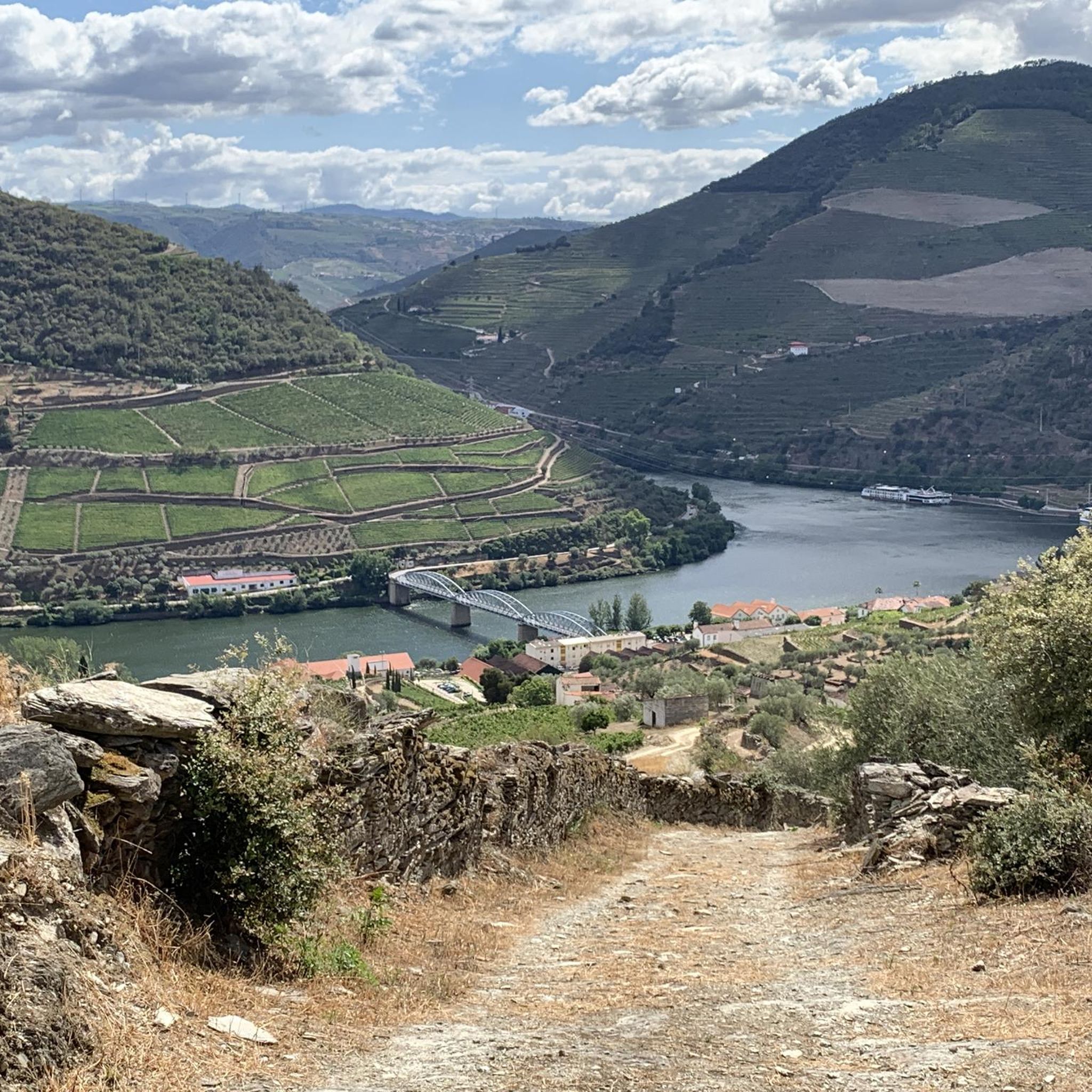
a fantastic view, take the opportunity to do the trail on foot or by bike
0
0
Most popular routes in Vila Real
Most popular attractions in Vila Real

Get inspired with the komoot mobile app


Explore more
Browse the best Gravel rides in other regions.
