The best walks and hikes in Národní Přírodní Památka Žehuňský Rybník
5.0
(2)
34
hikers
1
hike
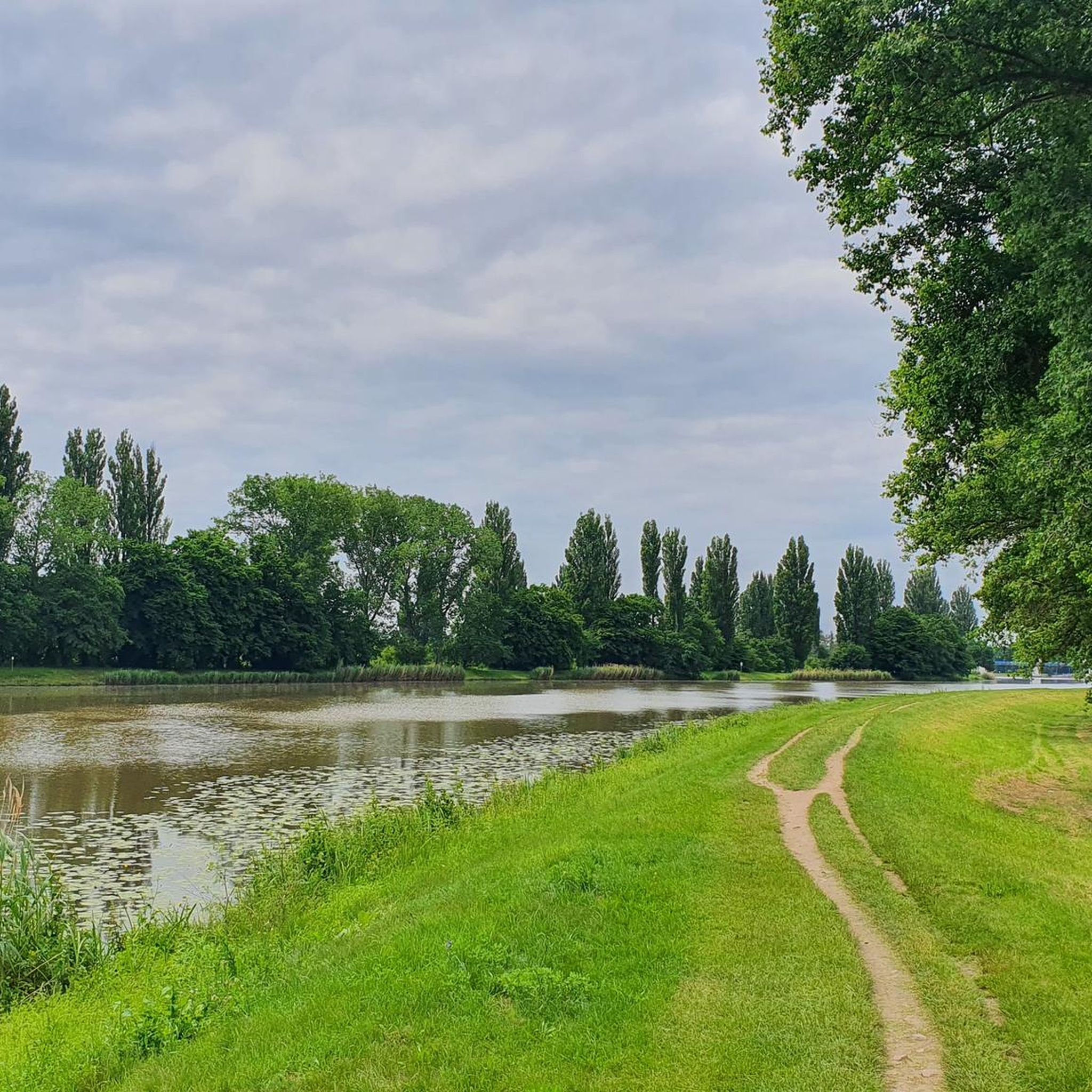
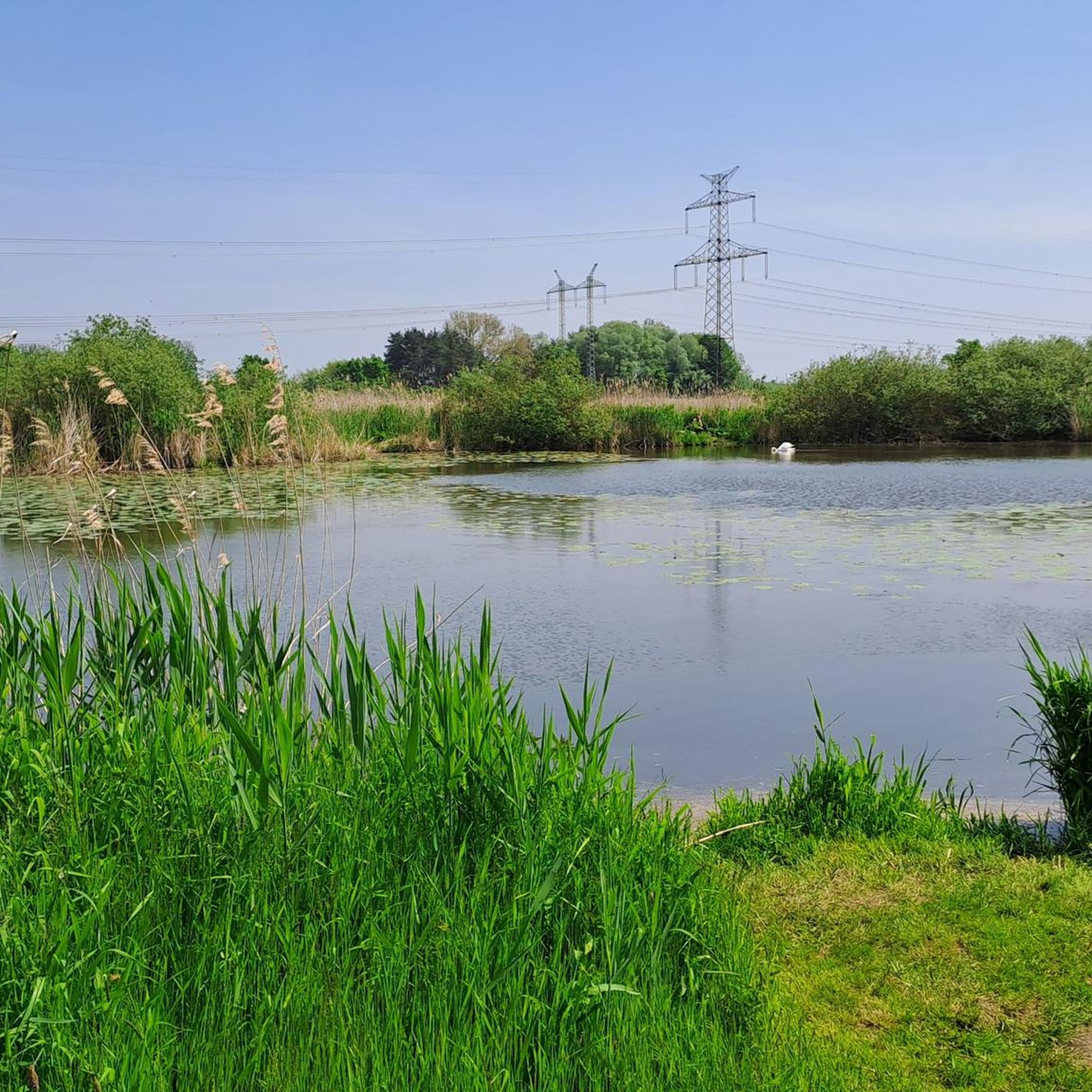
Hiking in Národní Přírodní Památka Žehuňský Rybník offers exploration around the largest pond in the Central Bohemian Region, fed by the Cidlina River. The landscape features extensive reed beds, wet meadows, and calcareous fens, providing diverse habitats. Adjacent to the pond, the Žehuňská Obora game reserve presents forested areas with various tree species and higher ground offering elevated views. This combination of water features, wetlands, and woodlands defines the region's natural environment for hikers.
Best hiking trails in Národní Přírodní Památka Žehuňský Rybník
- The most popular hiking route is Poděbrady Castle – Lock on the Elbe River loop from Libice nad Cidlinou, a 7.5 miles (12.1 km) trail that takes 3 hours 3 minutes to complete, offering views along the Cidlina River.
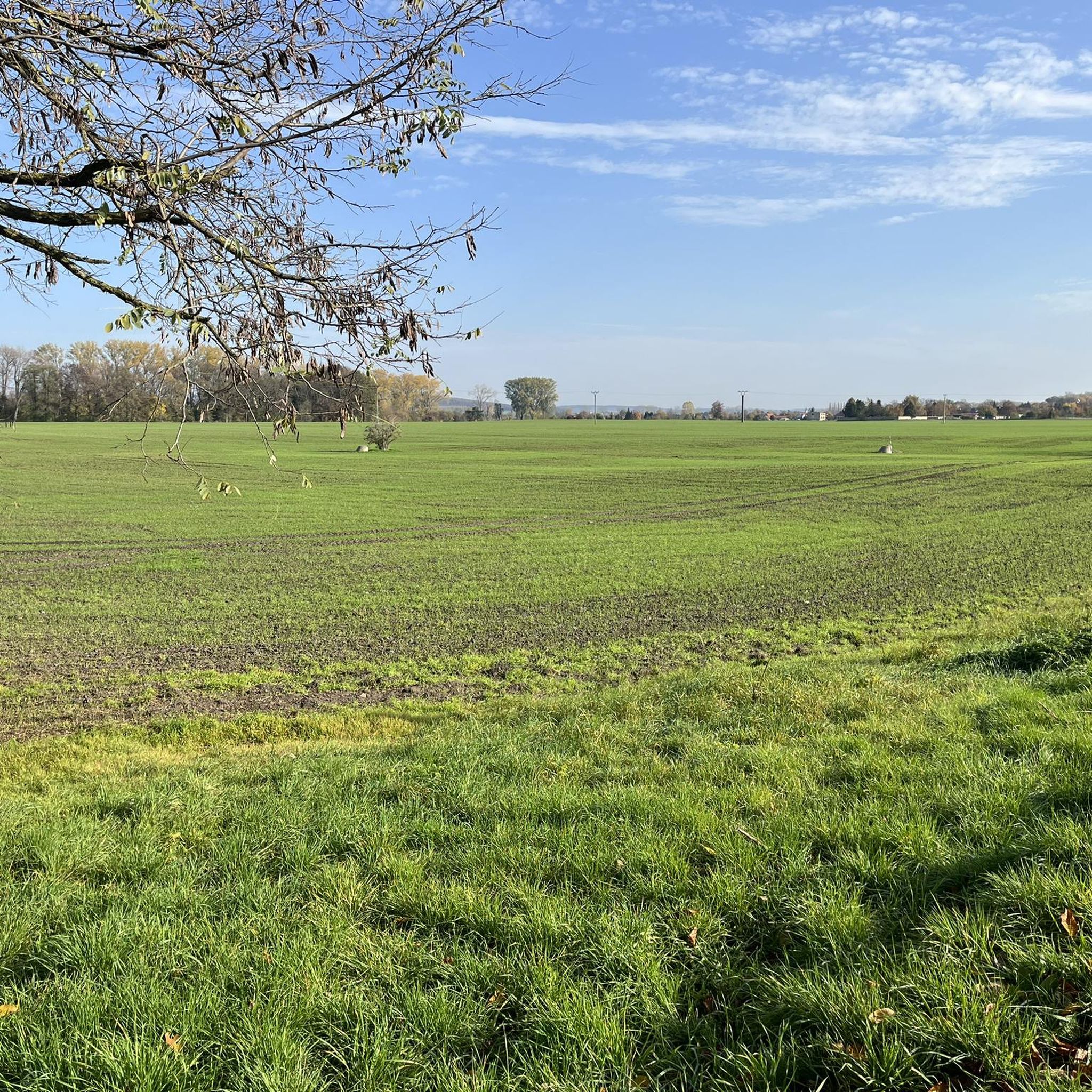
- Another top favourite among local hikers is (Stable) [Libice nad Cidlinou] loop from Velký Osek, a moderate 6.3 miles (10.2 km) path exploring the flat countryside and riverine landscapes.
- Local hikers also love the Suburban Church – Lock on the Elbe River loop from Choťánky, a 7.5 miles (12.0 km) trail leading through river valleys and open fields, often completed in about 3 hours 2 minutes.
- Hiking in Národní Přírodní Památka Žehuňský Rybník is defined by vast pond views, extensive reed beds, and adjacent woodlands. The network offers options for different ability levels, primarily featuring moderate routes.
- The routes in Národní Přírodní Památka Žehuňský Rybník are highly rated by the komoot community with an average score of 5.0 stars from over 1 reviews. More than 20 hikers have used komoot to explore Národní Přírodní Památka Žehuňský Rybník's varied terrain.
Last updated: August 30, 2026
5.0
(2)
30
hikers
12.6km
03:11
20m
20m
Moderate hike. Good fitness required. Easily-accessible paths. Suitable for all skill levels.
10.3km
02:35
20m
20m
Moderate hike. Good fitness required. Easily-accessible paths. Suitable for all skill levels.

Sign up for free
4
hikers
12.0km
03:03
20m
20m
Moderate hike. Good fitness required. Easily-accessible paths. Suitable for all skill levels.
Our route recommendations are based on thousands of hikes, rides, and runs completed by other people on komoot.
Start today with a free account
Your next adventure awaits.
Login or Signup
Popular around Národní Přírodní Památka Žehuňský Rybník
Tips from the Community

Here you will also find the cityscape of old George, who was the last Bohemian on the local throne.
1
0
Here you can find information about many of the city's sights in four languages.
1
0
Because of the weir for the power plant, a lock must also be used here.
1
0

On the site of the present-day castle, there was originally a wooden fortress, which King Otakar II Přemysl had converted into a stone castle. It became the seat of the eponymous estate, which was pledged to Hynek of Lichtenburg in 1345 under King John of Bohemia. Through his daughter Elisabeth (Eliška z Lichtemburka), who married Boček of Poděbrady and Kunštát (died 1373) in 1350, the castle and estate passed to the Kunštát family. After Emperor Charles IV granted Poděbrady to Boček as a hereditary estate, he was the first to call himself Boček of Poděbrady, thus establishing the Kunštát branch of the Poděbrady family. The castle, where, according to tradition, the future King George of Poděbrady, a grandson of Boček, was born, was rebuilt several times. After George's death in 1471, the castle and estate passed to his son, Henry the Younger, in 1472, whose heirs were forced to cede both to King Vladislav II in 1495. After several pledgings, King Ferdinand I redeemed the castle and estate. Both remained in the possession of the royal chamber until 1839. From 1548 to around 1580, the castle was rebuilt into a Renaissance palace according to plans by Giovanni and Ulrico Aostalli and Hans Tirol. After the Thirty Years' War, the palace initially declined in importance. In 1723–1724, it was rebuilt in the Baroque style under the direction of the architect Franz Maximilian Kaňka. Further renovations took place after 1750. Maria Theresa, in her capacity as Queen of Bohemia, stayed at the palace several times. Under her son, Joseph II, the palace served as the residence of retired officers of the imperial army. In 1839, the castle and estate were acquired by the Viennese banker Georg Simon Sina (1783–1856). Through marriage, the castle passed to the Princes of Ypsilanti in 1884 and, before the First World War, to Philipp Ernst zu Hohenlohe-Schillingsfürst. His brother and heir, Moritz zu Hohenlohe-Schillingsfürst, was forced to sell the estate after the First World War.
1
0

The castle is now a restaurant, school, event venue and much more. Information about the history: https://de.wikipedia.org/wiki/Schloss_Poděbrady
0
0

Rustic beer brewery with spacious rooms and beer garden directly on the Elbe. Nice to sit and linger
0
0

In the charming spa town of Poděbrady on the right bank of the Elbe, there is a Renaissance castle whose history stretches back to the beginnings of the Czech state. Originally, a trade route from Prague to Kłodzko ran here, and a guard fortress was built there to protect the ford over the Elbe. Right next to the castle there is the Zámek restaurant and the "Charles Bar" in the castle cellar. A staircase gives direct access to the banks of the Elbe.
0
0
Frequently Asked Questions
What kind of hiking trails can I expect in Národní Přírodní Památka Žehuňský Rybník?
The trails primarily offer moderate routes, characterized by vast pond views, extensive reed beds, and adjacent woodlands. You'll find paths exploring the flat countryside and riverine landscapes, suitable for various ability levels. For example, the Poděbrady Castle – Lock on the Elbe River loop from Libice nad Cidlinou is a moderate route offering views along the Cidlina River.
Are there any specific natural features or landmarks to look out for while hiking?
Yes, the area is rich in natural features. You can explore vast reed beds, waterlogged meadows, and calcareous fens. The Žehuňská Obora (Žehuň Game Reserve) offers contrasting forested landscapes with diverse trees and opportunities to observe wild game like fallow deer and mouflon. The pond itself, Žehuňský Rybník, is a significant historical landmark, built between 1492 and 1497.
Is Národní Přírodní Památka Žehuňský Rybník suitable for birdwatching?
Absolutely. Žehuňský Rybník is an exceptional ornithological site, serving as a breeding ground for 145 bird species and a crucial migratory stop. Over 260 bird species have been recorded, including rare ones like the great bittern and white-tailed eagle. Hikers can enjoy 'bird concerts' in spring and observe large flocks, especially in the extensive reed beds.
What is the best time of year to go hiking in this region?
The area offers unique experiences throughout the year. Spring is ideal for birdwatching, with 'bird concerts' and breeding activity. Autumn provides beautiful scenery with changing foliage in the Žehuňská Obora. The flat terrain generally makes it accessible in most seasons, but always check local conditions.
Are there any family-friendly hiking options in Národní Přírodní Památka Žehuňský Rybník?
The region's moderate and relatively flat trails are generally suitable for families. The focus on nature, birdwatching, and the game reserve can be engaging for children. Routes like the (Stable) [Libice nad Cidlinou] loop from Velký Osek offer an accessible way to explore the countryside.
Are dogs allowed on the hiking trails?
While the region is a National Natural Monument, dogs are generally permitted on trails, but it's crucial to keep them on a leash to protect the diverse wildlife, especially ground-nesting birds and wild game in the Žehuňská Obora. Always respect local signage and regulations.
Where can I find parking for hiking in Národní Přírodní Památka Žehuňský Rybník?
Parking options are typically available in the villages surrounding the pond, such as Žehuň and Choťovice. Look for designated visitor parking areas, especially near trailheads or points of interest like the dam in Žehuň.
How can I reach Národní Přírodní Památka Žehuňský Rybník using public transport?
Public transport connections, primarily by bus, serve the villages around the pond, including Žehuň and Choťovice. For train travel, you might need to connect via a bus from a nearby larger town with a train station. It's advisable to check current schedules for the most up-to-date information.
Are there any circular walks available around the pond?
Yes, the nature of the pond and surrounding areas lends itself well to circular routes. While not explicitly named 'circular walks' in all cases, many of the trails, such as the Suburban Church – Lock on the Elbe River loop from Choťánky, are designed as loops, allowing you to start and end at the same point.
What do other hikers enjoy most about hiking in Národní Přírodní Památka Žehuňský Rybník?
The area is highly rated by the komoot community, with an average score of 5.0 stars. Reviewers often praise the serene natural beauty, the extensive birdwatching opportunities, and the peaceful atmosphere of the pond and its surrounding wetlands and woodlands.
Are there any cafes or restaurants near the hiking trails?
You can find amenities like cafes and pubs in the nearby villages of Žehuň and Choťovice. These establishments offer places to refresh and refuel before or after your hike, providing local hospitality and cuisine.
Are there any permits required to hike in Národní Přírodní Památka Žehuňský Rybník?
Generally, no specific permits are required for hiking on the established trails within Národní Přírodní Památka Žehuňský Rybník. However, as it is a protected area, always adhere to local regulations, stay on marked paths, and respect the natural environment.
Most popular routes in Národní Přírodní Památka Žehuňský Rybník

Get inspired with the komoot mobile app


Explore more
Browse the best Hikes in other regions.
