The best cycling routes in Národní Přírodní Památka Žehuňský Rybník
3.4
(8)
112
riders
13
rides
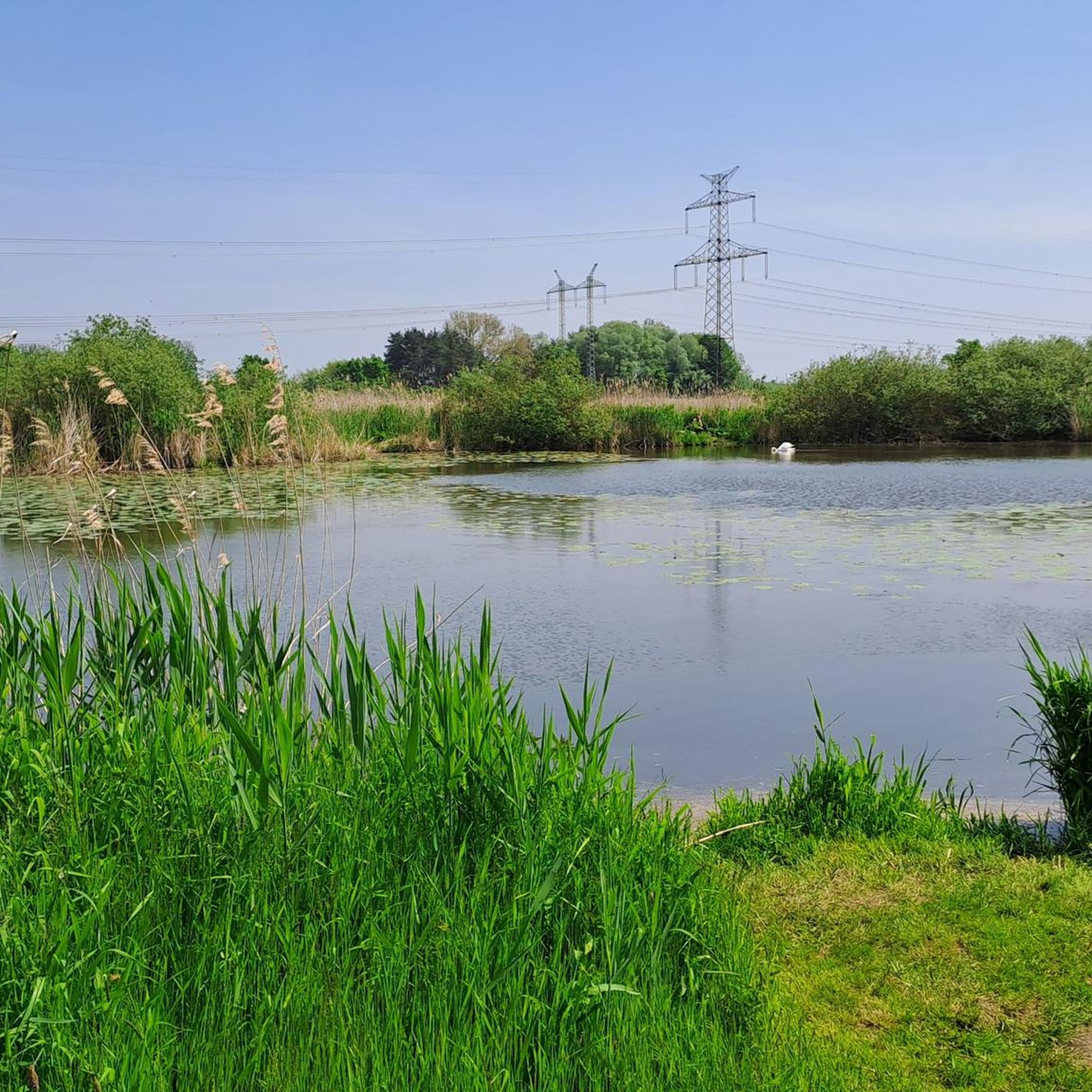
Touring cycling routes in Národní Přírodní Památka Žehuňský Rybník navigate the broader landscape surrounding the Žehuň Pond, the largest pond in the Central Bohemian Region. This area is characterized by extensive reed beds, alkaline fens, and wet meadows, providing a rich natural environment. While the immediate protected area is largely inaccessible to official tourist paths, the wider region offers opportunities for cycling, including along the pond's 870-meter-long earth dam. The terrain is generally flat, with gentle elevation changes suitable for…
Last updated: July 10, 2026
4
riders
22.7km
01:21
110m
110m
Easy bike ride. Great for any fitness level. Mostly paved surfaces. Suitable for all skill levels.
3
riders
22.1km
01:17
90m
90m
Easy bike ride. Great for any fitness level. Mostly paved surfaces. Suitable for all skill levels.

Sign up for free
5
riders
32.7km
01:53
110m
110m
Easy bike ride. Great for any fitness level. Mostly paved surfaces. Suitable for all skill levels.
4
riders
40.0km
02:25
120m
120m
Moderate bike ride. Good fitness required. Mostly paved surfaces. Suitable for all skill levels.
3
riders
44.0km
02:37
140m
140m
Moderate bike ride. Good fitness required. Mostly paved surfaces. Suitable for all skill levels.
Get access to more routes and recommendations from other explorers.
Sign up for free
Already have an account?
Our route recommendations are based on thousands of hikes, rides, and runs completed by other people on komoot.
Start today with a free account
Your next adventure awaits.
Login or Signup
Popular around Národní Přírodní Památka Žehuňský Rybník
Tips from the Community

On the site of the present-day castle, there was originally a wooden fortress, which King Otakar II Přemysl had converted into a stone castle. It became the seat of the eponymous estate, which was pledged to Hynek of Lichtenburg in 1345 under King John of Bohemia. Through his daughter Elisabeth (Eliška z Lichtemburka), who married Boček of Poděbrady and Kunštát (died 1373) in 1350, the castle and estate passed to the Kunštát family. After Emperor Charles IV granted Poděbrady to Boček as a hereditary estate, he was the first to call himself Boček of Poděbrady, thus establishing the Kunštát branch of the Poděbrady family. The castle, where, according to tradition, the future King George of Poděbrady, a grandson of Boček, was born, was rebuilt several times. After George's death in 1471, the castle and estate passed to his son, Henry the Younger, in 1472, whose heirs were forced to cede both to King Vladislav II in 1495. After several pledgings, King Ferdinand I redeemed the castle and estate. Both remained in the possession of the royal chamber until 1839. From 1548 to around 1580, the castle was rebuilt into a Renaissance palace according to plans by Giovanni and Ulrico Aostalli and Hans Tirol. After the Thirty Years' War, the palace initially declined in importance. In 1723–1724, it was rebuilt in the Baroque style under the direction of the architect Franz Maximilian Kaňka. Further renovations took place after 1750. Maria Theresa, in her capacity as Queen of Bohemia, stayed at the palace several times. Under her son, Joseph II, the palace served as the residence of retired officers of the imperial army. In 1839, the castle and estate were acquired by the Viennese banker Georg Simon Sina (1783–1856). Through marriage, the castle passed to the Princes of Ypsilanti in 1884 and, before the First World War, to Philipp Ernst zu Hohenlohe-Schillingsfürst. His brother and heir, Moritz zu Hohenlohe-Schillingsfürst, was forced to sell the estate after the First World War.
1
0

The castle is now a restaurant, school, event venue and much more. Information about the history: https://de.wikipedia.org/wiki/Schloss_Poděbrady
0
0

In the charming spa town of Poděbrady on the right bank of the Elbe, there is a Renaissance castle whose history stretches back to the beginnings of the Czech state. Originally, a trade route from Prague to Kłodzko ran here, and a guard fortress was built there to protect the ford over the Elbe. Right next to the castle there is the Zámek restaurant and the "Charles Bar" in the castle cellar. A staircase gives direct access to the banks of the Elbe.
0
0

You don't have to make an extra swivel, but you can get past it and enjoy the view.
0
0
Elbe cycle path leads past it. And it is precisely these views that make river cycle paths so interesting, among other things.
0
0

Nice town on EuroVelo 4, good restaurants and accomodation.
0
0

Also in Poděbrady there is a very nice facility with a lock, weir and hydroelectric power station, plus a nice new, own bike bridge. Interesting health resort with a castle on the Elbe. More information: https://de.wikipedia.org/wiki/Pod%C4%9Bbrady
4
0
Nice health resort on the Elbe, bike paths along the Elbe on both sides. More information: https://de.wikipedia.org/wiki/Pod%C4%9Bbrady
3
0
Frequently Asked Questions
What kind of terrain can I expect on touring cycling routes in Národní Přírodní Památka Žehuňský Rybník?
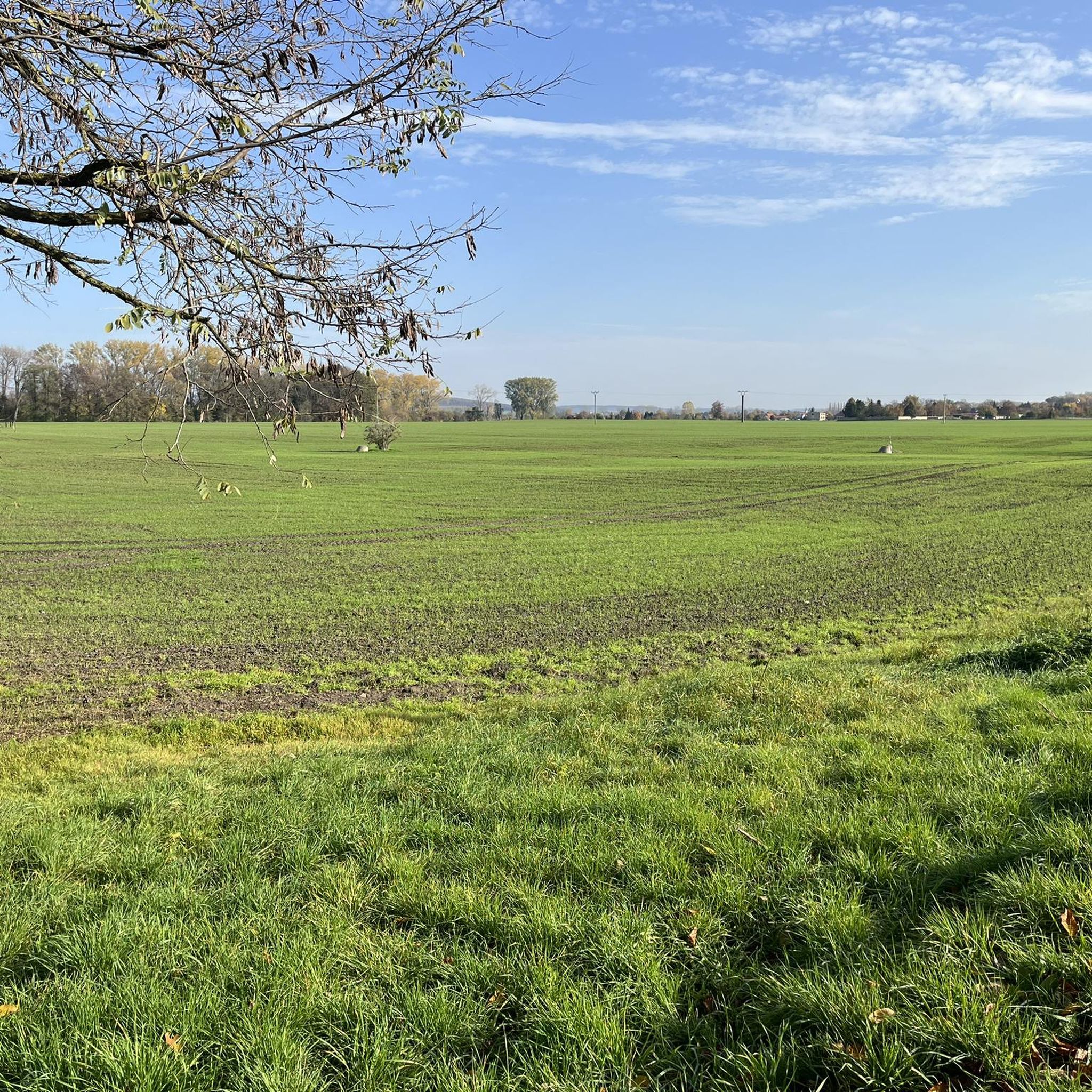
The touring cycling routes in the broader area around Žehuňský Rybník are generally characterized by flat terrain with gentle elevation changes. You'll primarily encounter natural pond surroundings and agricultural landscapes, making for a pleasant and accessible ride.
How many touring cycling routes are available in the Národní Přírodní Památka Žehuňský Rybník region?
There are over a dozen touring cycling routes available in the Národní Přírodní Památka Žehuňský Rybník region. These routes cater to various skill levels, predominantly easy to moderate, ensuring there's something for most touring cyclists.
Are there any easy touring cycling routes suitable for beginners or families?
Yes, there are several easy routes. For instance, the (In Borůvkách) [Lišice] – Šentířka [Nepolisy] loop from Lovčice obec is an easy 14.1-mile (22.7 km) trail that offers a gentle ride through the local countryside. Another easy option is the Bike loop from Městec Králové.
What are some moderate touring cycling routes for those seeking a longer ride?
For a more extended ride, consider the (Macechy) [Choťovice] loop from Městec Králové, a moderate 25.2-mile (40.6 km) path featuring varied scenery. Another popular moderate option is the Poděbrady Lock – View of Poděbrady Castle loop from Městec Králové, which is 27.4 miles (44.0 km) long.
Can I cycle along the Žehuňský Rybník pond itself?
While the immediate protected area of the National Nature Monument is largely inaccessible to official tourist paths to protect its sensitive ecosystems, you can utilize the road that runs along the pond's long earth dam. This allows you to experience the impressive scale of the largest pond in the Central Bohemian Region.
What natural features or wildlife can I expect to see while cycling in the region?
The region is renowned for its rich natural environment. You'll encounter extensive reed beds, alkaline fens, and wet meadows. Žehuňský Rybník is a significant ornithological site, home to over 260 recorded bird species, including endangered ones like the great bittern. Keep an eye out for diverse flora and fauna, though direct access to the most sensitive areas is restricted.
Are there any specific landmarks or points of interest accessible by bike in the wider area?
Yes, beyond the natural beauty of the pond, you can cycle to nearby attractions such as the Žehuňská Obora (Žehuň Game Reserve). There are also routes that lead to viewpoints like the lookout tower in Polní Chrčice, offering panoramic views of the surrounding landscape.
What is the best time of year for touring cycling in Národní Přírodní Památka Žehuňský Rybník?
The best time for touring cycling is typically during the spring and autumn months when the weather is mild and the natural scenery is vibrant. Spring offers excellent birdwatching opportunities, while autumn brings beautiful colors to the landscape. Summer can also be pleasant, but be prepared for warmer temperatures.
Is there a touring cycling route that explores historical sites or cultural landmarks?
Yes, for a route that combines natural beauty with a touch of history, consider the St. Lawrence Church, Selmice – National Stud Kladruby loop from Uhlířská Lhota. This moderate route takes you through the broader landscape, offering a chance to see significant regional sites like the National Stud Kladruby.
What do other touring cyclists appreciate about cycling in this region?
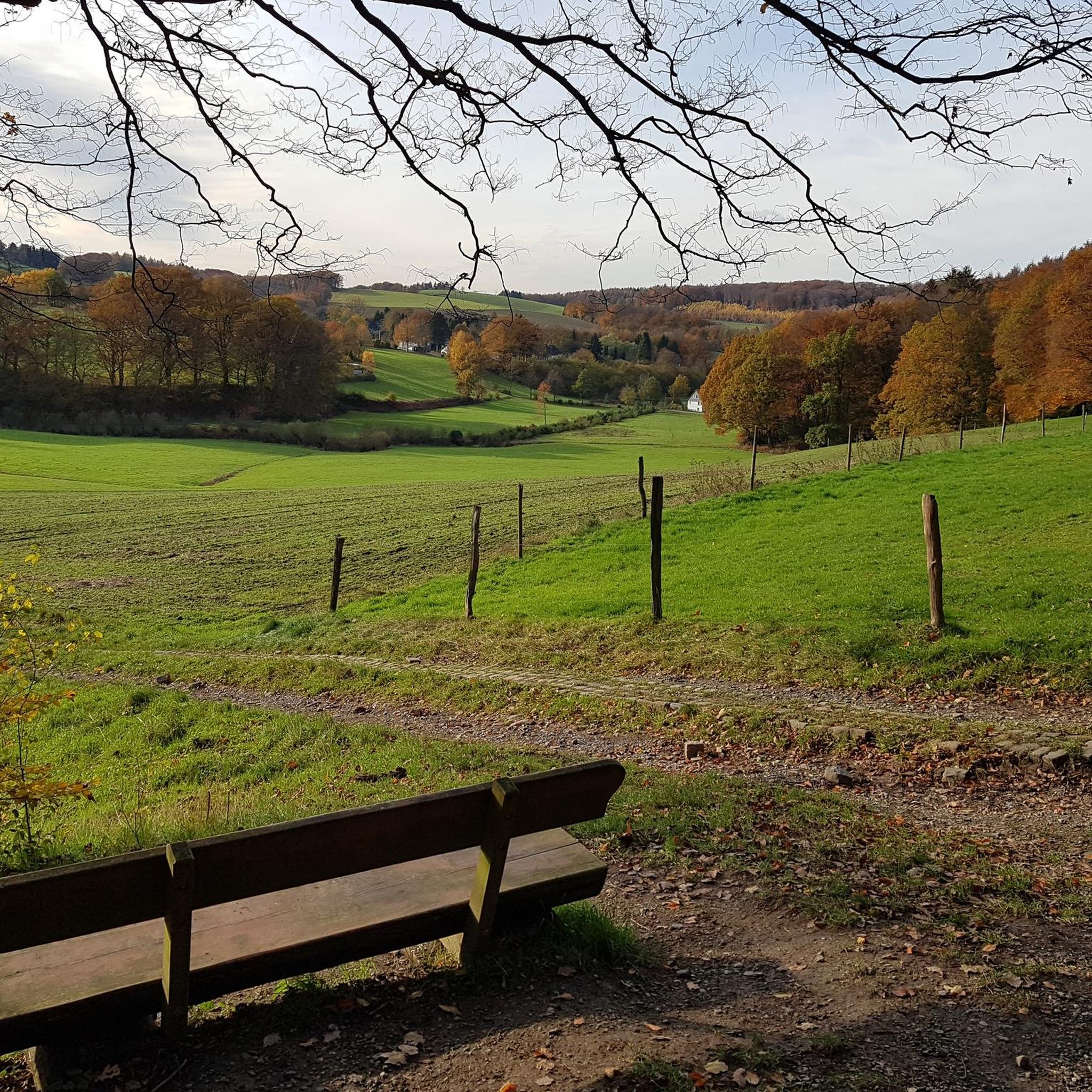
Touring cyclists often praise the region for its flat terrain, making it accessible for various skill levels. They enjoy the peaceful natural surroundings, especially the views of the pond and the agricultural landscapes. The network of routes provides a great way to experience the area's natural beauty without overly challenging climbs.
Are the touring cycling routes in Národní Přírodní Památka Žehuňský Rybník typically circular?
Many of the touring cycling routes in the region are designed as loops, allowing you to start and finish in the same location. This is convenient for cyclists who drive to the area, such as the (In Borůvkách) [Lišice] – Šentířka [Nepolisy] loop from Lovčice obec or the Bike loop from Městec Králové.
Most popular routes in Národní Přírodní Památka Žehuňský Rybník

Get inspired with the komoot mobile app


Explore more
Browse the best Cycling routes in other regions.
