The best running trails around Nueva Villa De Las Torres
51
runners
4
runs
Jogging around Nueva Villa De Las Torres offers a chance to explore the region's flat to gently undulating landscape. The area is characterized by open countryside, agricultural fields, and routes connecting local towns and landmarks. With minimal elevation changes, the jogging routes near Nueva Villa De Las Torres are generally accessible for various fitness levels.
Best jogging routes around Nueva Villa De Las Torres
- The most popular jogging route is Running loop from Balneario de Las Salinas, a 6.0…
Last updated: July 7, 2026
21
runners
9.99km
01:06
30m
30m
Moderate run. Good fitness required. Mostly paved surfaces. Suitable for all skill levels.
8
runners
Hard run. Very good fitness required. Mostly paved surfaces. Suitable for all skill levels.

Sign up for free
3
runners
9.39km
00:58
60m
60m
Moderate run. Good fitness required. Mostly paved surfaces. Suitable for all skill levels.
3
runners
7.10km
00:45
20m
20m
Moderate run. Good fitness required. Mostly paved surfaces. Suitable for all skill levels.
5
runners
16.4km
01:42
120m
120m
Hard run. Very good fitness required. Mostly paved surfaces. Suitable for all skill levels.
Our route recommendations are based on thousands of hikes, rides, and runs completed by other people on komoot.
Start today with a free account
Your next adventure awaits.
Login or Signup

Tips from the Community

Church of San Juan in Nava del Rey (Valladolid): Built between the 16th and 18th centuries, it incorporates the work of several architects: Juan Campero (apse and side chapels, early 16th century) and Rodrigo Gil de Hontañón (from 1560). After the tower collapsed in 1663, destroying the rear section, choir, and organ, it was rebuilt, and Juan de Revilla completed the new tower in 1702.
2
0
An interpretation center dedicated to Queen Isabella I (“the Catholic”), highlighting the will and codicil signed there, and her death in 1504. A 14th-century palace (possibly in the Mudéjar style), remodeled by the Catholic Monarchs, later reused as a prison or town hall, and restored in 2004 as an educational museum.
8
0
Also known as the Main Parish Church of San Antolín. The original parish dates back to 1177, founded by settlers from the north (Palencia) and dedicated to Saint Antolín. In 1480, the Catholic Monarchs obtained a papal bull from Pope Sixtus IV elevating its status to a collegiate church with a free abbey. Construction of the current church began in 1502 and continued into the 18th century, with prominent architects such as Juan Gil de Hontañón, Rodrigo Gil, and the Gutiérrez brothers. It lost its collegiate church status in 1851, becoming simply the main parish church.
9
0

This palace, built in the 13th century, is where Queen Isabella I of Castile died in November 1504, and where she signed her will days before her death. Although she died here, her body was later moved to Granada Cathedral at her express wish, where she rests alongside her husband, Ferdinand of Aragon (Ferdinand the Catholic), and her daughter, Joanna the Mad.
11
0
This Gothic-style building began construction in 1503, although, as is often the case with such complex structures, it wasn't completed until almost two centuries later. It is a relatively large church, notable for the balcony of the Virgin of the People and the clock tower. The main entrance dates from the 18th century, while the side entrance is from the 16th.
11
0
It is a historic building that stands out as one of the most emblematic cultural treasures of the city. The collegiate church is, together with the Castle of La Mota, one of the most important historical buildings in Medina del Campo. Although its main part shows characteristics of the late Gothic style, its construction is complex and covers styles from the beginning of the 16th century to the 18th century.
9
0
The Palacio de las Salinas Spa is an idyllic place to relax and enjoy a unique environment. In addition, its strategic location allows you to explore nearby places such as Tordesillas, Olmedo and Rueda. If you are looking for a refuge to take care of yourself and disconnect, this spa is an excellent option.
9
0
It is a historic building that stands as one of the most emblematic cultural treasures of the city. The collegiate church is, along with the La Mota Castle, one of the most important historical buildings in Medina del Campo. Although its main part shows characteristics of the late Gothic, its construction is complex and covers styles from the beginning of the 16th century to the 18th century.
12
0
Frequently Asked Questions
What is the general terrain like for running around Nueva Villa De Las Torres?
The region around Nueva Villa De Las Torres features a predominantly flat to gently undulating landscape. You'll primarily run through open countryside and agricultural fields, with routes often connecting local towns and historical landmarks. The minimal elevation changes make most routes accessible for various fitness levels.
Are there any easy or beginner-friendly running routes in Nueva Villa De Las Torres?
While all routes listed are moderate to difficult, the generally flat terrain of Nueva Villa De Las Torres means that even moderate routes can be manageable for beginners looking to challenge themselves. For a shorter, moderate option, consider the Running loop from Fresno el Viejo, which is 6.2 km (3.9 miles) long.
Can I find circular running routes in the area?
Yes, many of the running paths around Nueva Villa De Las Torres are designed as loops, offering convenient circular routes. Examples include the Running loop from Balneario de Las Salinas, which is 9.7 km (6.0 miles), and the Collegiate Church of San Antolín loop from Medina del Campo, covering 8.1 km (5.0 miles).
What are the typical lengths of running trails near Nueva Villa De Las Torres?
Running trails in this region vary in length. You can find shorter routes like the 6.2 km (3.9 miles) Running loop from Fresno el Viejo, or longer options such as the 19.7 km (12.2 miles) Collegiate Church of San Antolín – Royal Testamentary Palace loop from Medina del Campo AV.
Are there any running routes that pass by interesting landmarks or attractions?
Absolutely. Several routes connect historical points of interest. For example, the Collegiate Church of San Antolín loop from Medina del Campo offers a scenic run connecting historical sites. You might also encounter the Balneario Palacio de las Salinas or the Church of Saints John of Nava del Rey on various routes.
What is the best time of year to go running in Nueva Villa De Las Torres?
The region is generally pleasant for running during spring and autumn, when temperatures are milder. Summer can be quite warm, so early morning or late evening runs are advisable. Winter offers crisp air, but be prepared for cooler temperatures and potentially damp conditions on country paths.
Are the running routes around Nueva Villa De Las Torres suitable for families?
Given the generally flat and open nature of the landscape, many routes can be suitable for families, especially those with older children. The moderate difficulty of most trails means they are accessible, but always check the specific route details for distance and duration to ensure it matches your family's capabilities. Shorter loops like the Running loop from Fresno el Viejo could be a good starting point.
Are dogs allowed on the running trails in Nueva Villa De Las Torres?
Many of the open country paths and agricultural roads around Nueva Villa De Las Torres are generally dog-friendly. However, it's always recommended to keep dogs on a leash, especially when passing through agricultural areas or near livestock, and to respect local regulations regarding pets in specific towns or protected areas.
Are there any running routes that offer scenic viewpoints?
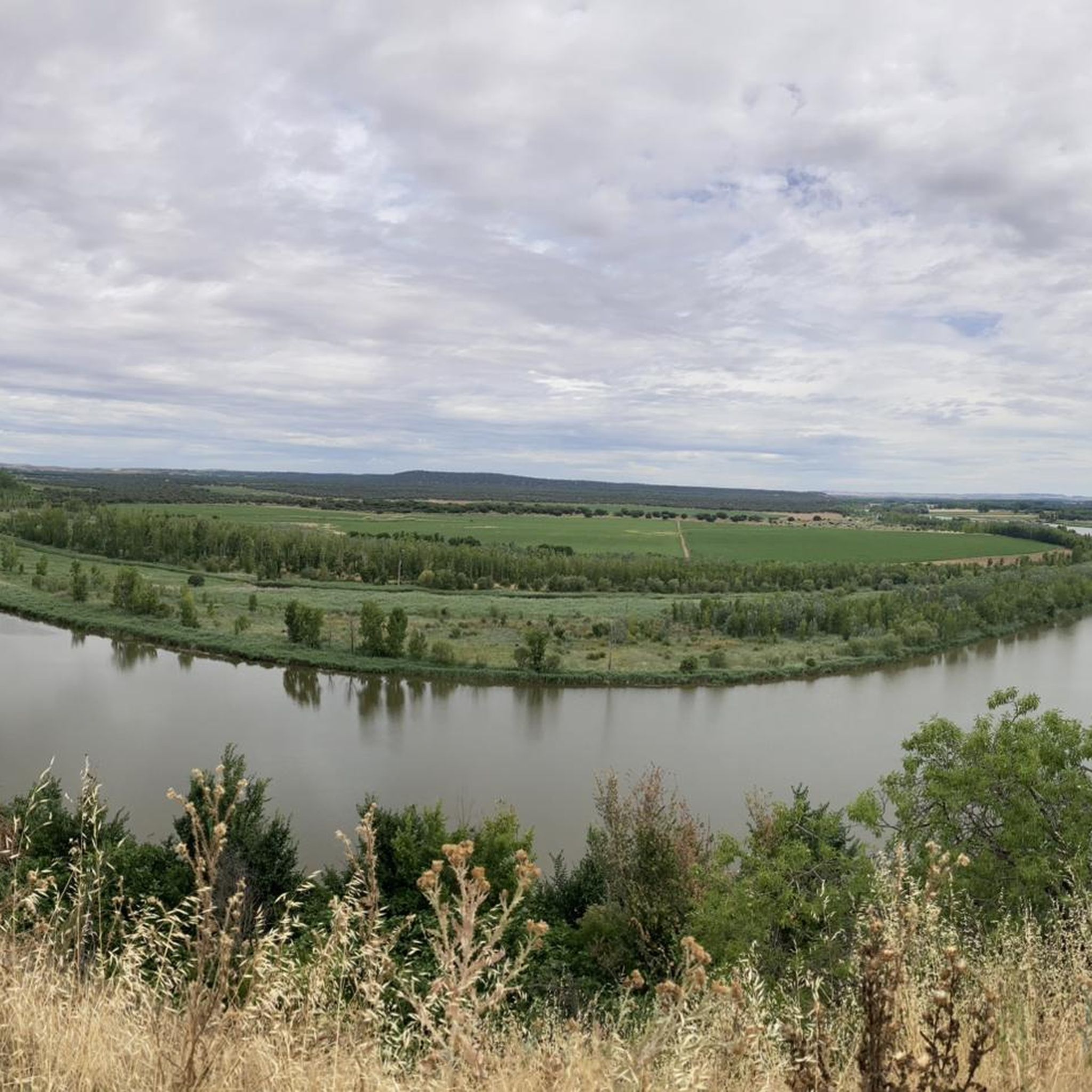
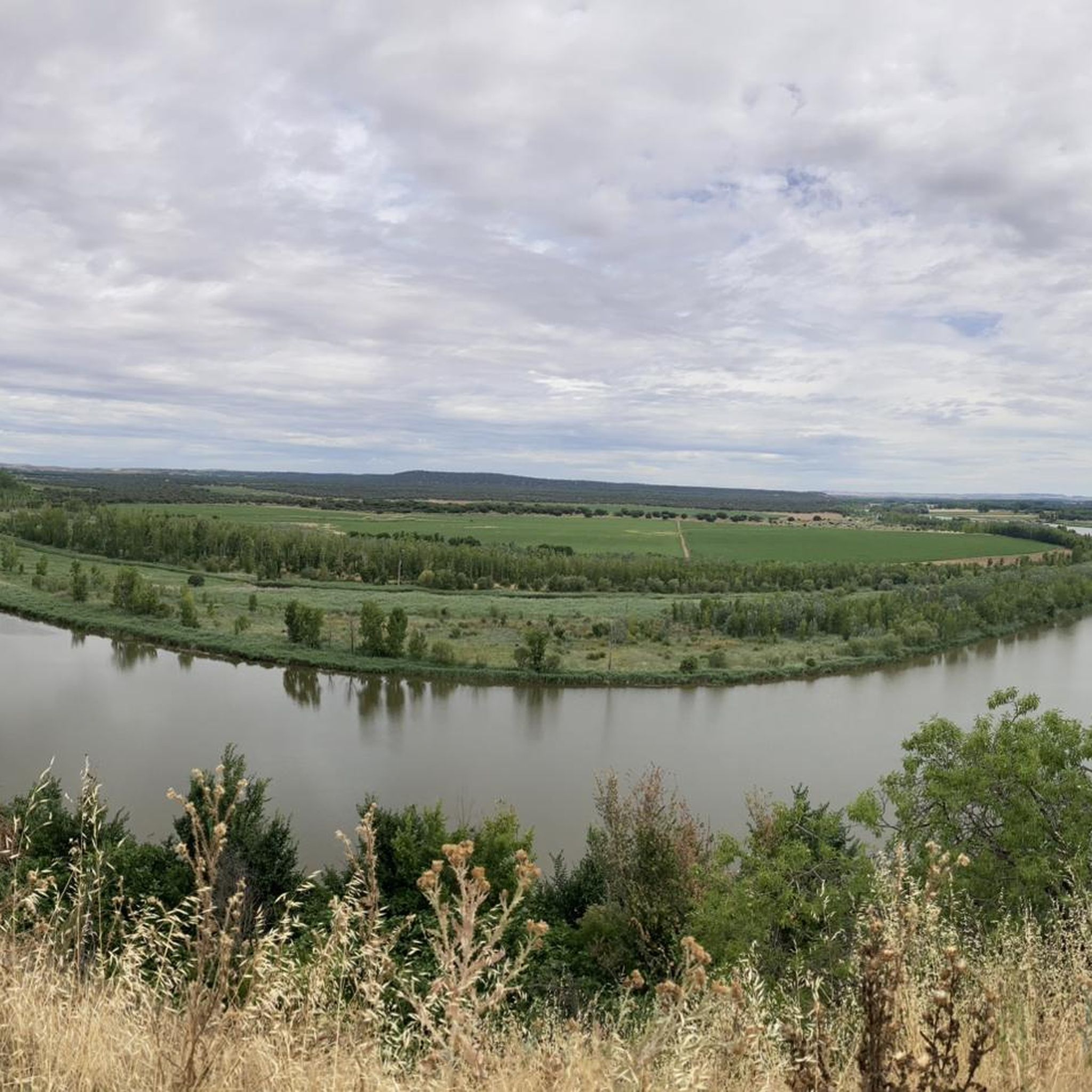
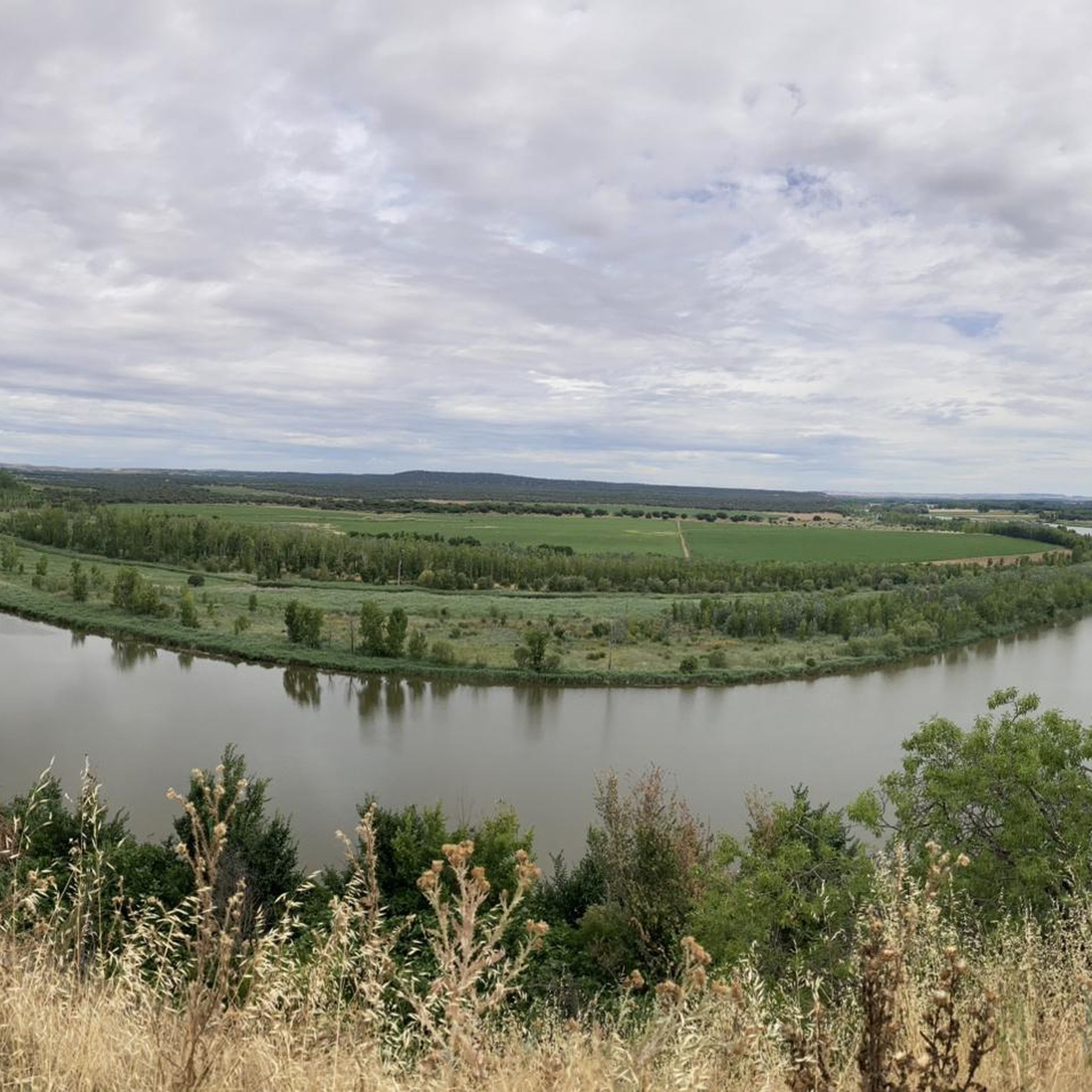
While the region is characterized by open countryside rather than dramatic elevation changes, the routes often provide expansive views across agricultural fields and the local landscape. The paths connecting historical towns also offer picturesque scenery and glimpses of local architecture, such as those found on the Running loop from Nava del Rey.
What kind of surfaces can I expect on the running trails?
You can expect a mix of surfaces, primarily unpaved country roads, dirt tracks through agricultural fields, and some paved sections when passing through villages or connecting different areas. Trail running shoes are recommended for comfort and grip, especially after rain.
How many running routes are available in the Nueva Villa De Las Torres area?
There are several well-documented running routes around Nueva Villa De Las Torres, with komoot featuring at least five distinct trails for you to explore. These range from moderate loops to more challenging long-distance runs.
Most popular attractions around Nueva Villa De Las Torres

Get inspired with the komoot mobile app


Explore more
Browse the best Running Trails & Routes in other regions.
