The best road cycling routes around Nueva Villa De Las Torres
61
riders
2
rides
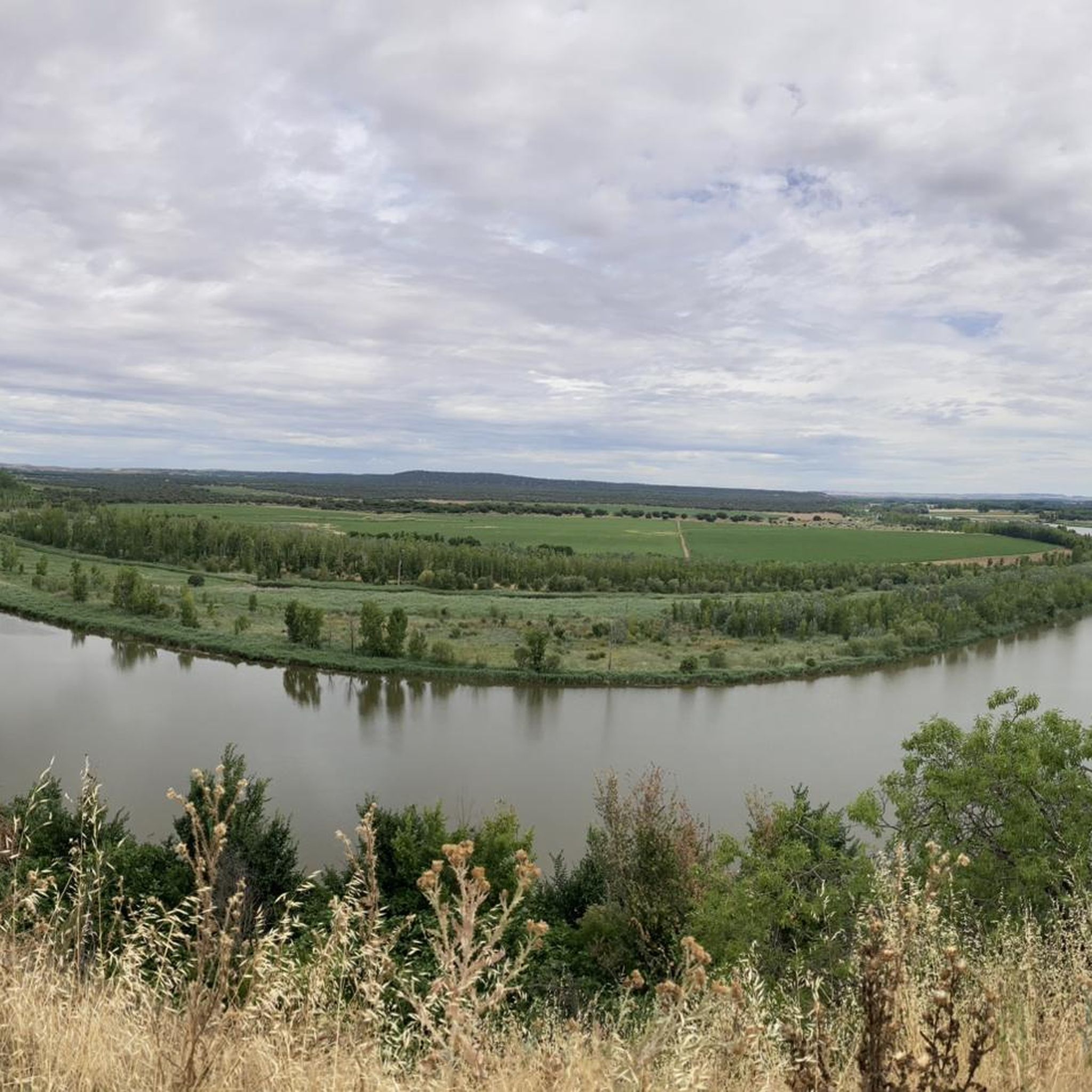
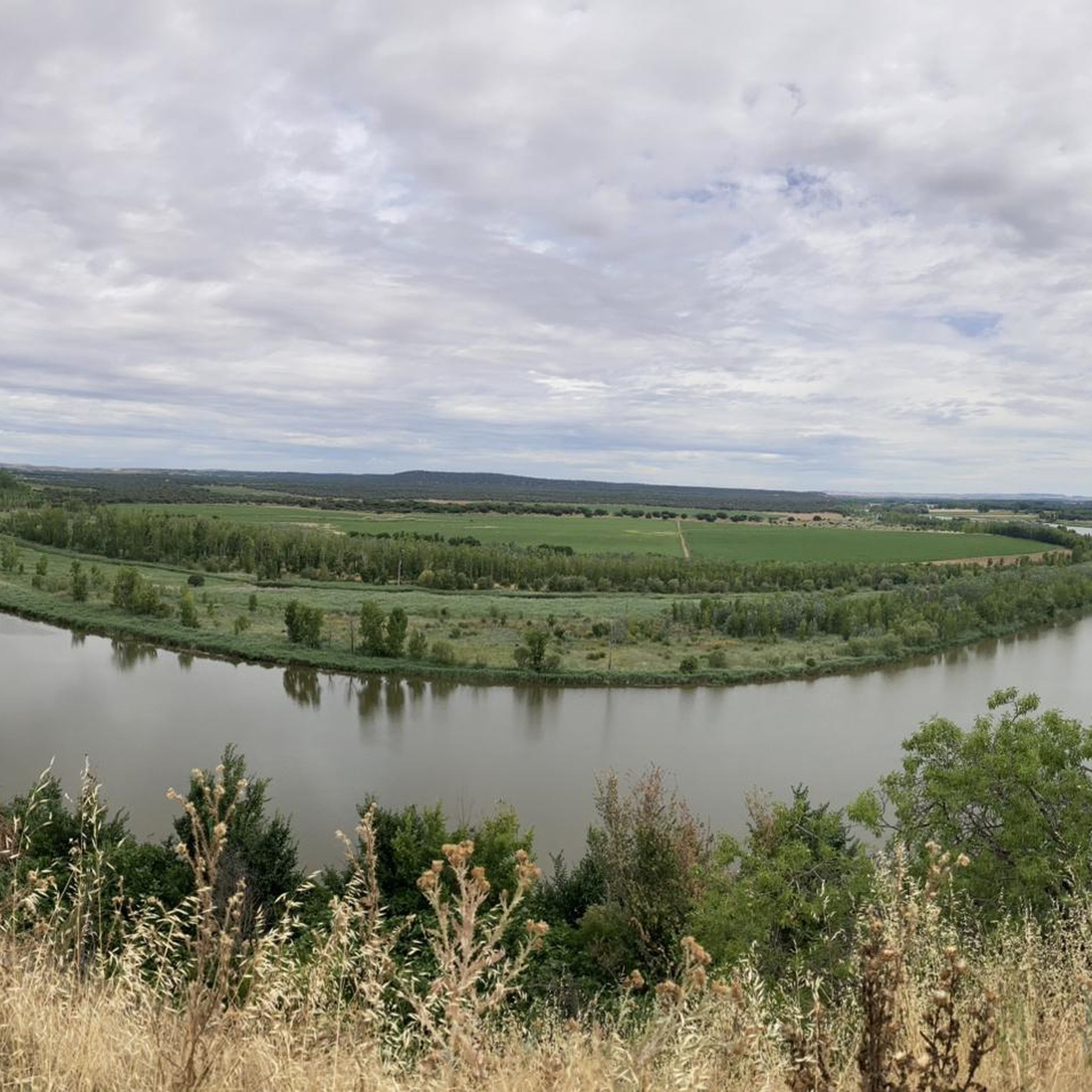
Road cycling routes around Nueva Villa de las Torres offer an exploration of the characteristic Castilian landscapes within the Tierras de Medina region of Valladolid, Spain. The terrain is predominantly flat to gently rolling, providing routes with low elevation gain suitable for various fitness levels. Cyclists can expect well-paved roads that traverse expansive fields and connect to historical sites. This area is ideal for those seeking steady rides through a blend of natural features and cultural points of interest.
Best…
Last updated: June 28, 2026
6
riders
Moderate road ride. Good fitness required. Mostly well-paved surfaces and easy to ride.
1
riders
97.6km
03:59
540m
540m
This moderate 60.6-mile road cycling route from Medina del Campo explores the rural Valladolid province, passing through Nava del Rey, Mojad

Sign up for free
16
riders
Moderate road ride. Good fitness required. Mostly well-paved surfaces and easy to ride.
12
riders
34.6km
01:22
100m
100m
Easy road ride. Great for any fitness level. Mostly well-paved surfaces and easy to ride.
11
riders
Moderate road ride. Good fitness required. Mostly well-paved surfaces and easy to ride.
Our route recommendations are based on thousands of hikes, rides, and runs completed by other people on komoot.
Start today with a free account
Your next adventure awaits.
Login or Signup


Tips from the Community

Built in the 16th century by Diego Beltrán, a nobleman and member of the Royal Council of the Indies, around 1528–1533, on a site previously used on Santiago Street. Its design is attributed to the royal architect Luis de Vega. From 1602 to 1604, it housed the Royal Chancery; later, it served as the residence of the Marquis of Ensenada during his exile. In 1916, it was acquired by the Marquises of Argüeso; in 1950, it passed into the hands of the State and was used as a vocational institute, currently functioning as an educational center.
5
0
Church of San Juan in Nava del Rey (Valladolid): Built between the 16th and 18th centuries, it incorporates the work of several architects: Juan Campero (apse and side chapels, early 16th century) and Rodrigo Gil de Hontañón (from 1560). After the tower collapsed in 1663, destroying the rear section, choir, and organ, it was rebuilt, and Juan de Revilla completed the new tower in 1702.
2
0
The Church of Our Lady of the Assumption in Rueda (Valladolid) is a prominent 18th-century Baroque church that, together with its Renaissance tower, shines in the heart of the town. It was designed by the architect Manuel Serrano and built in the mid-18th century; the main portal and altarpiece are attributed to Pedro de Sierra. The five-tiered tower dates from the earlier Renaissance construction and was preserved in the new structure. Declared a Site of Cultural Interest (monument) on October 17, 2013.
2
0

This is a Renaissance building constructed in the 16th century. It was designed by Luis de Vega, who was the architect of Charles V. Importantly, the Marquis of Ensenada lived in exile and died in this building in December 1781.
11
0

La Mota Castle is an impressive medieval fortress located in Medina del Campo. Built in the 14th and 15th centuries, this castle is located on a hill known as a “mota”, which allows it to dominate the town and its surroundings. The castle is famous for its reddish brick architecture, typical of the region, and has been restored to become an important tourist and educational centre. In addition to its historical value, the castle offers guided tours, underground galleries and cultural activities.
6
0
Built in the 16th, 17th and 18th centuries, the church represents one of the most outstanding examples of 15th century architecture in the province of Valladolid. Its prominent tower, known locally as the “Giralda de Castilla”, dominates the urban area of Matapozuelos. The church is located on a promontory within the town center and has witnessed the life and faith of the local community over the centuries. Its imposing presence and artistic richness make it a place of admiration and reflection. 🙏🏰🌟
2
0
The Castillo de la Mota, also known as Castillo de La Mota, is a medieval fortress located in the town of Medina del Campo, in the province of Valladolid, Spain. Its name comes from its location on a high hill, a mote, from where it overlooks the city and its surroundings.
9
0
Frequently Asked Questions
What is the typical terrain like for road cycling around Nueva Villa de las Torres?
The region is characterized by largely flat or gently rolling terrain, typical of the Castilian plains. This allows for routes with low elevation gain, making it suitable for cyclists of various fitness levels who prefer long, steady rides. The roads are generally well-paved.
How many road cycling routes are featured in this guide for Nueva Villa de las Torres?
This guide features 5 distinct road cycling routes around Nueva Villa de las Torres, offering a variety of distances and experiences through the Castilian landscape.
Are there road cycling routes suitable for beginners or those looking for an easier ride?
Yes, while many routes are moderate, you can find options with lower elevation gain. For example, the Palacio de Dueñas Courtyard loop from Medina del Campo AV is classified as easy, offering a gentler ride.
What kind of distances can I expect on road cycling routes in this area?
Road cycling routes around Nueva Villa de las Torres vary in length. You can find rides ranging from approximately 35 miles (56 km), like the Palacio de Dueñas Courtyard – Town center of Nava del Rey loop from Nueva Villa de las Torres, up to longer excursions of nearly 60 miles (97 km), such as the La Mota Castle and Rueda Vineyards Loop.
What is the typical elevation gain on road cycling routes here?
Given the flat to gently rolling terrain of the Castilian plains, elevation gains on these routes are generally moderate. For instance, the Nava del Rey from Carpio – circular via Medina del Campo and the río Trabancos route has an elevation gain of around 177 meters, while the La Mota Castle and Rueda Vineyards Loop features about 536 meters of ascent.
Are there circular road cycling routes available?
Yes, many of the routes are designed as loops, allowing you to start and end in the same location. Examples include the Nava del Rey from Carpio – circular via Medina del Campo and the río Trabancos and the La Mota Castle and Rueda Vineyards Loop.
What scenic viewpoints or landmarks can I see while road cycling?
The routes offer views of expansive Castilian fields and often pass by historical sites. For example, the La Mota Castle and Rueda Vineyards Loop provides views of La Mota Castle and winds through the Rueda vineyards. You might also encounter charming villages and historical churches.
Are there historical sites to explore along the road cycling routes?
Yes, the region is rich in history. Routes often connect to or pass near historical sites. You can explore places like the Church of Saints John of Nava del Rey, the Church of Saint James the Royal, or the Convent of St. Joseph – Discalced Carmelites, which are notable attractions in the wider area.
What do other road cyclists enjoy most about road cycling in Nueva Villa de las Torres?
More than 50 road cyclists have used komoot to explore this area. They often appreciate the characteristic Castilian landscapes, the generally flat to gently rolling terrain for steady rides, and the opportunity to combine cycling with exploring historical sites and vineyards.
Is the area suitable for family-friendly road cycling?
The predominantly flat or gently rolling terrain makes many routes accessible for families, especially those with some cycling experience. Routes with lower elevation gain and well-paved roads are ideal for a more relaxed family outing.
What is the best time of year for road biking in Nueva Villa de las Torres?
The Castilian climate generally offers pleasant conditions for cycling during spring and autumn, with milder temperatures. Summer can be warm, while winter might be cooler, so checking local weather forecasts is always recommended.
Are there any cafes or places to stop for refreshments along the routes?
While specific cafes are not listed for every route, the routes often pass through or near towns and villages like Nava del Rey or Medina del Campo, where you can typically find places to stop for refreshments and rest.
Where can I find parking for road biking in Nueva Villa de las Torres?
Parking is generally available in the town centers of Nueva Villa de las Torres and surrounding villages, which serve as common starting points for many routes. It's advisable to check local parking regulations upon arrival.
Most popular attractions around Nueva Villa De Las Torres

Get inspired with the komoot mobile app


Explore more
Browse the best Road cycling routes in other regions.
