Top 20 Gorges at the Baltic Sea
Best canyons at the Baltic Sea are characterized by unique geological formations shaped by glacial erosion and tectonic activity. While not traditional deep-ocean canyons, the region features significant underwater gorges, rocky walls, and terrestrial ravines. These diverse landscapes offer varied habitats and insights into the area's geological history. The Baltic Sea's topography includes various basins, deeps, and localized steep-sided valleys.
Best canyons at the Baltic Sea
- The most popular canyons is Brodtener Cliffs, a gorge that is a natural…
Last updated: June 29, 2026
Nienhagen Ghost Forest
Highlight • Forest
Showing Translation
Tip by

Brodtener Cliffs
Highlight • Gorge
Translated by Google •
Tip by

Sign up now to discover places like this
Get recommendations on the best single tracks, peaks, & plenty of other exciting outdoor places.
Sign up for free
Brodtener Steilufer Cliffs
Highlight • Natural Monument
Translated by Google •
Tip by

Nienhagen Ghost Forest
Highlight • Forest
Translated by Google •
Tip by

Klein Zicker Cliff Viewpoint
Highlight • Viewpoint
Translated by Google •
Tip by

Sign up for free to discover even more gorges at the Baltic Sea.
Sign up for free
Already have an account?
Start today with a free account
Your next adventure awaits.
Login or Signup
Popular around Baltic Sea
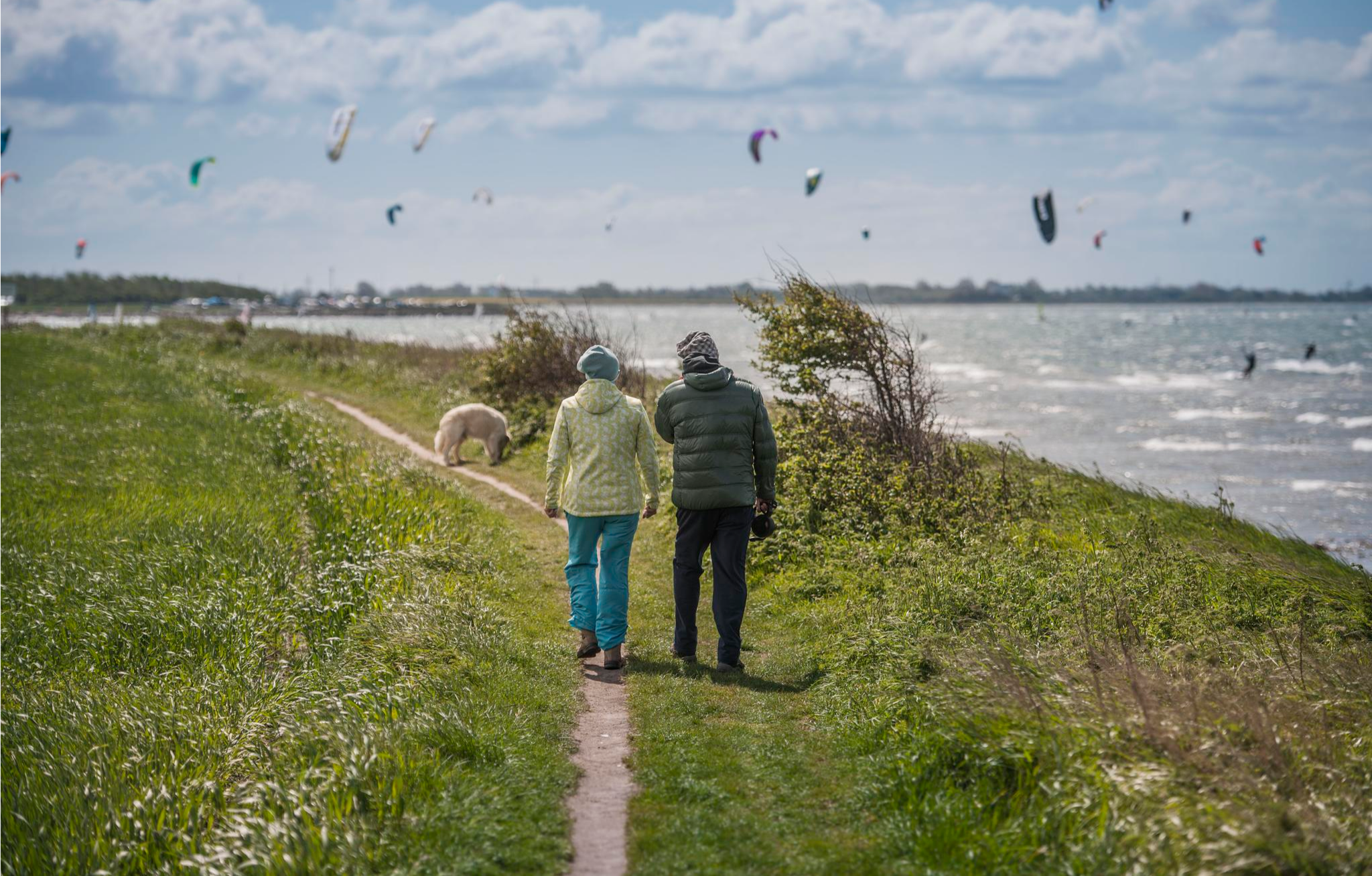
Autumn walks on Fehmarn – between coast and culture
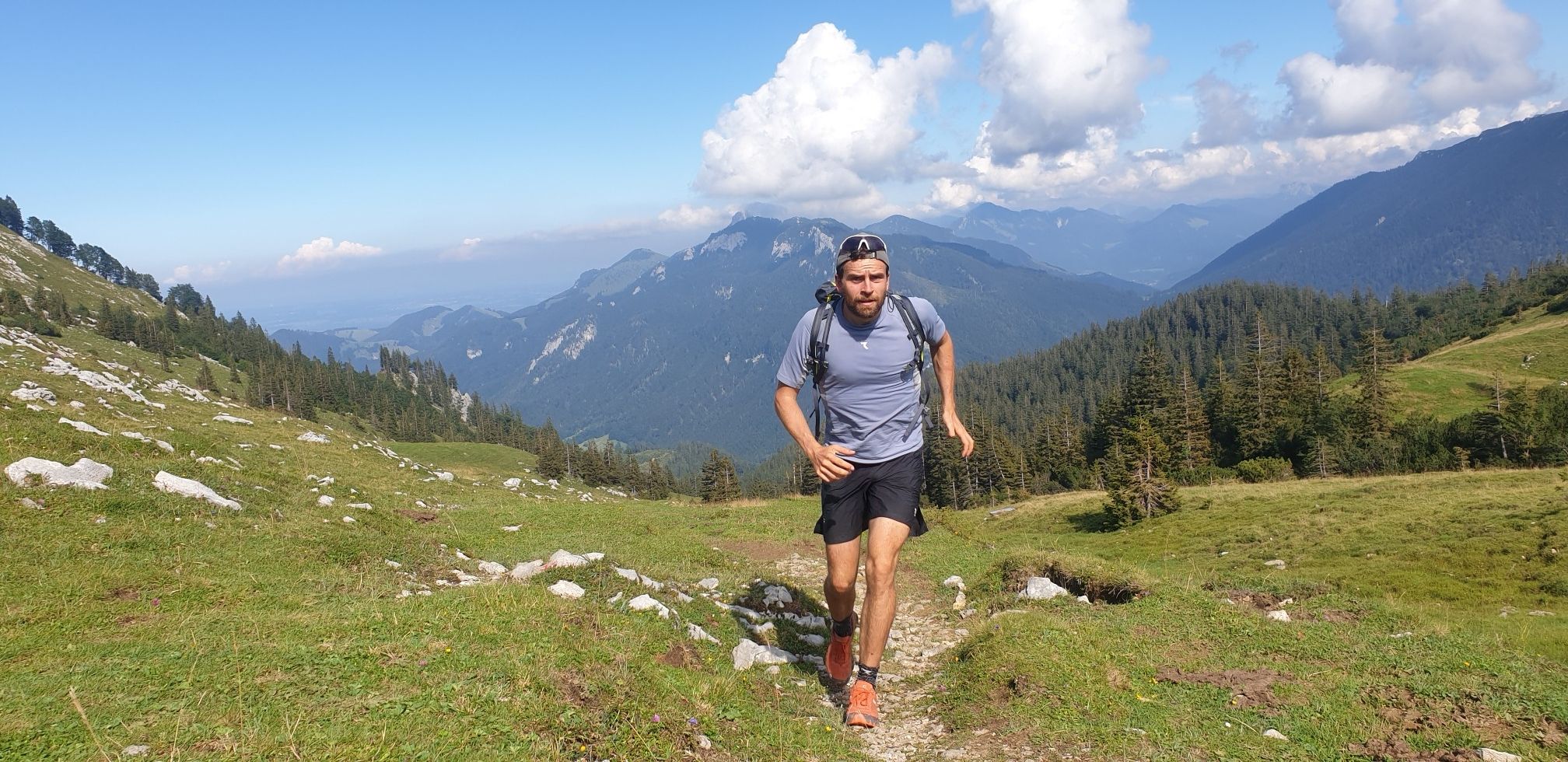
Triathlon around Germany
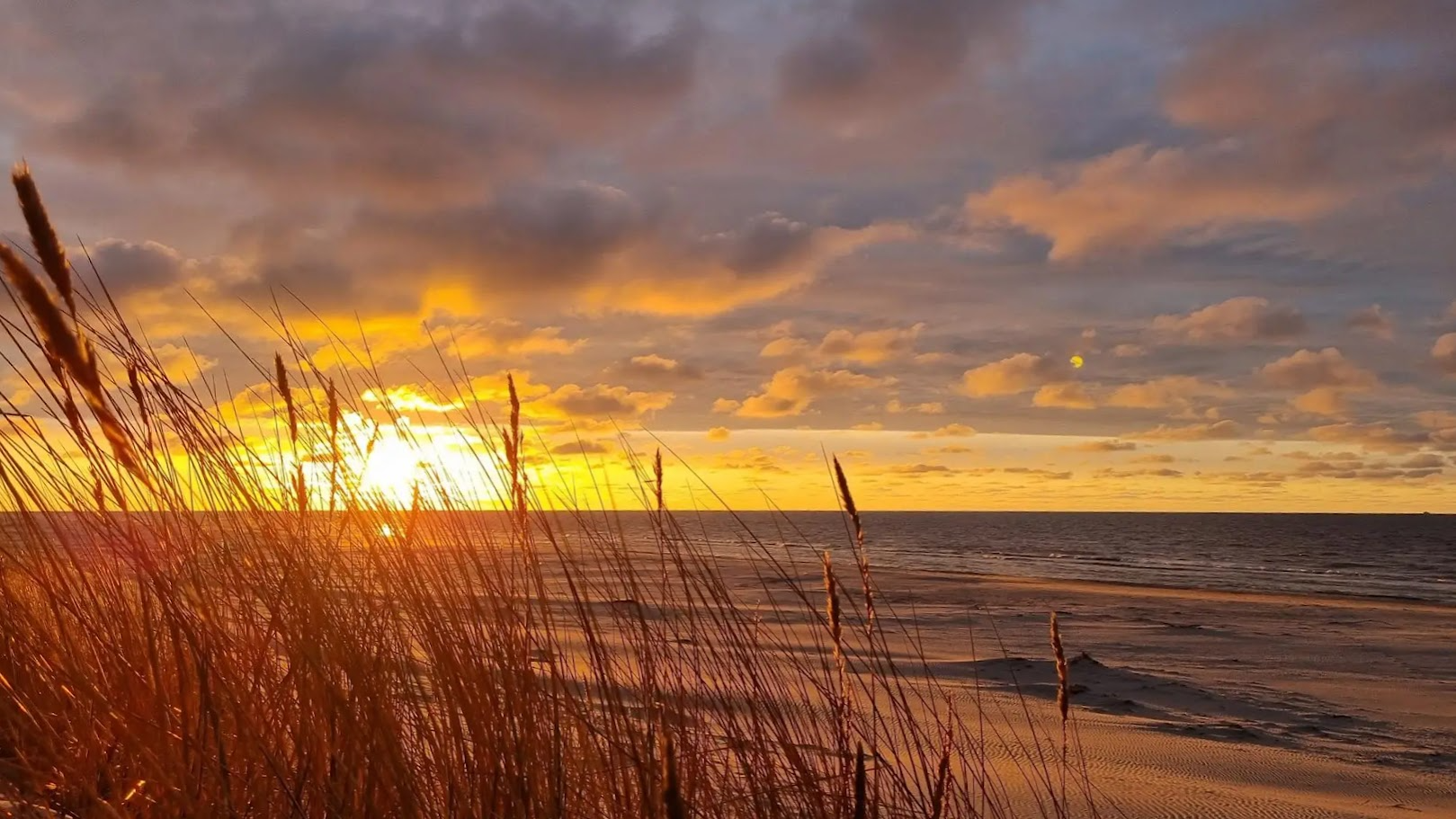
Seaside Trail – the beauty and majesty of the Baltic beaches
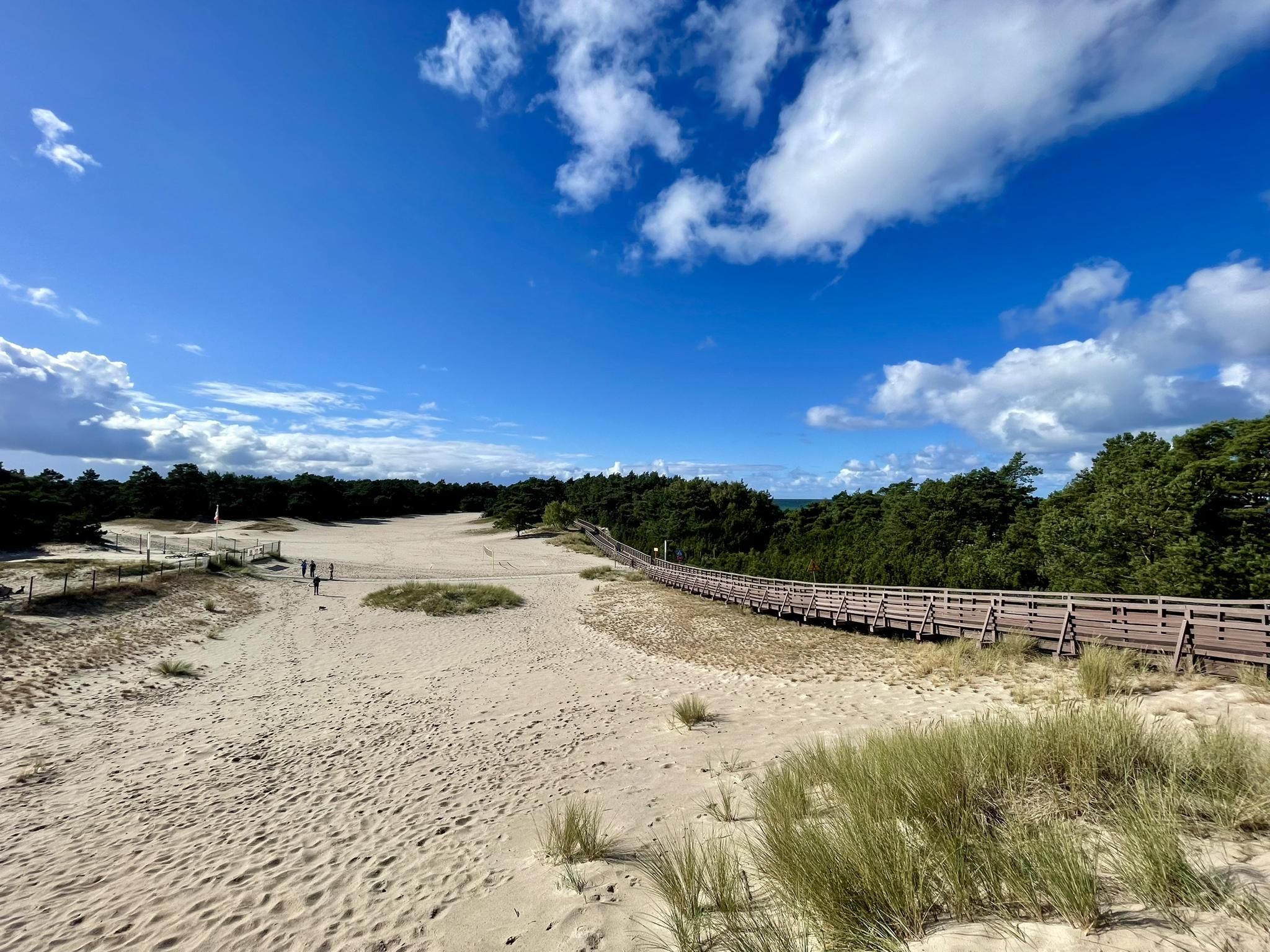
Velo Baltica – Seaside classic for the summer
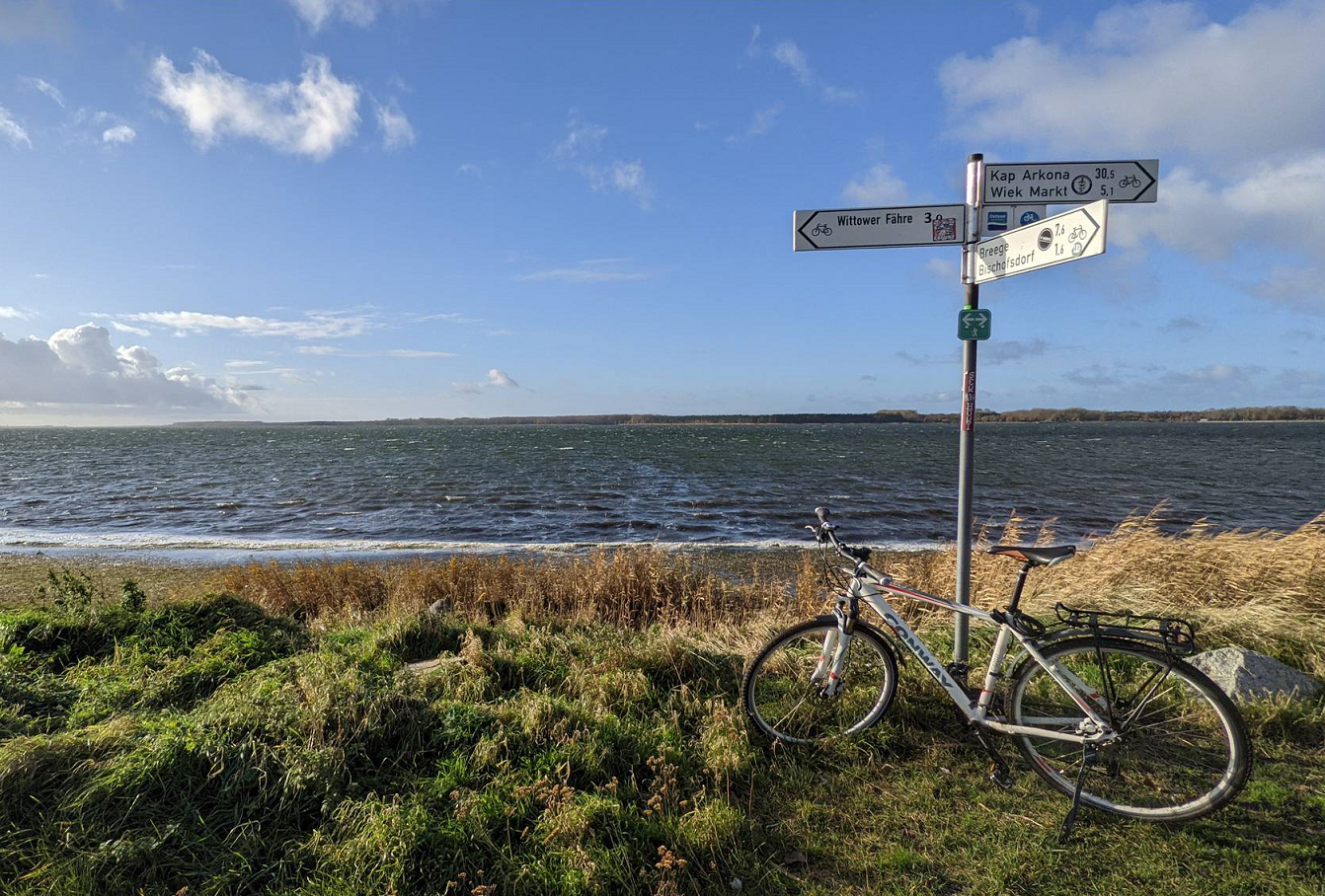
The Rügen circular route – Riding around Germany's largest island
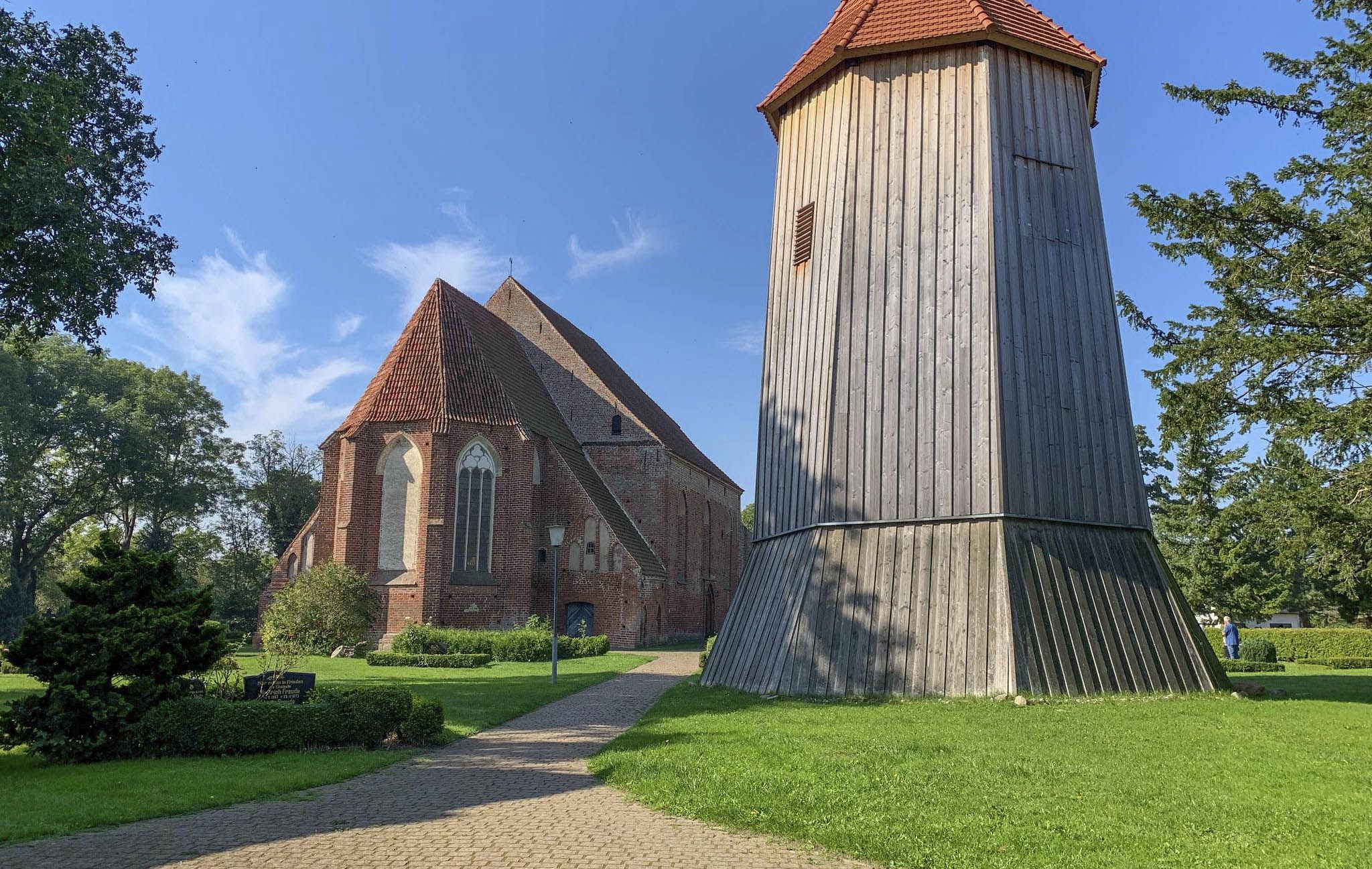
Discover Brick Gothic by bike in Germany's Western Pomerania
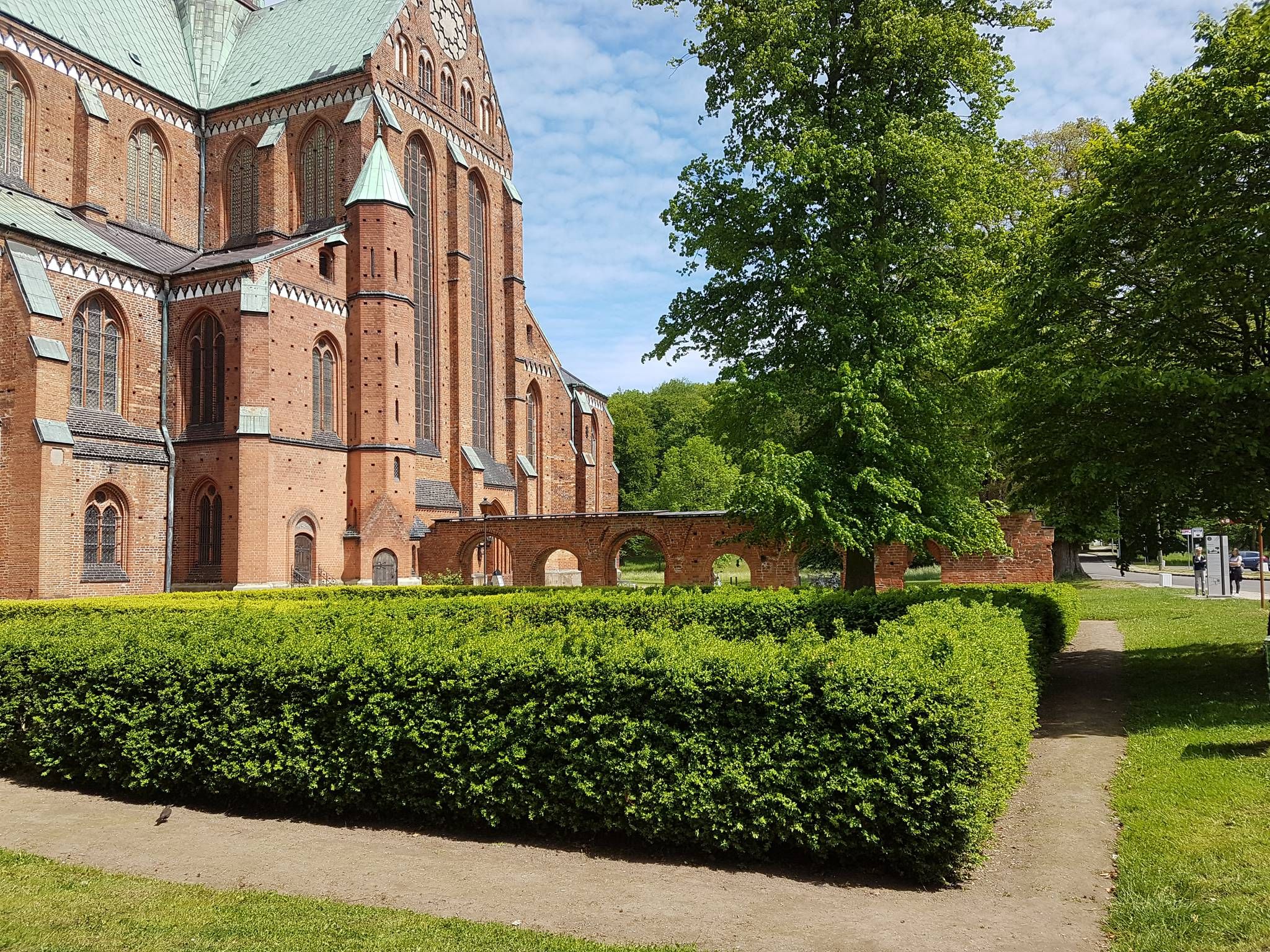
Discover Brick Gothic architecture by bike in Mecklenburg
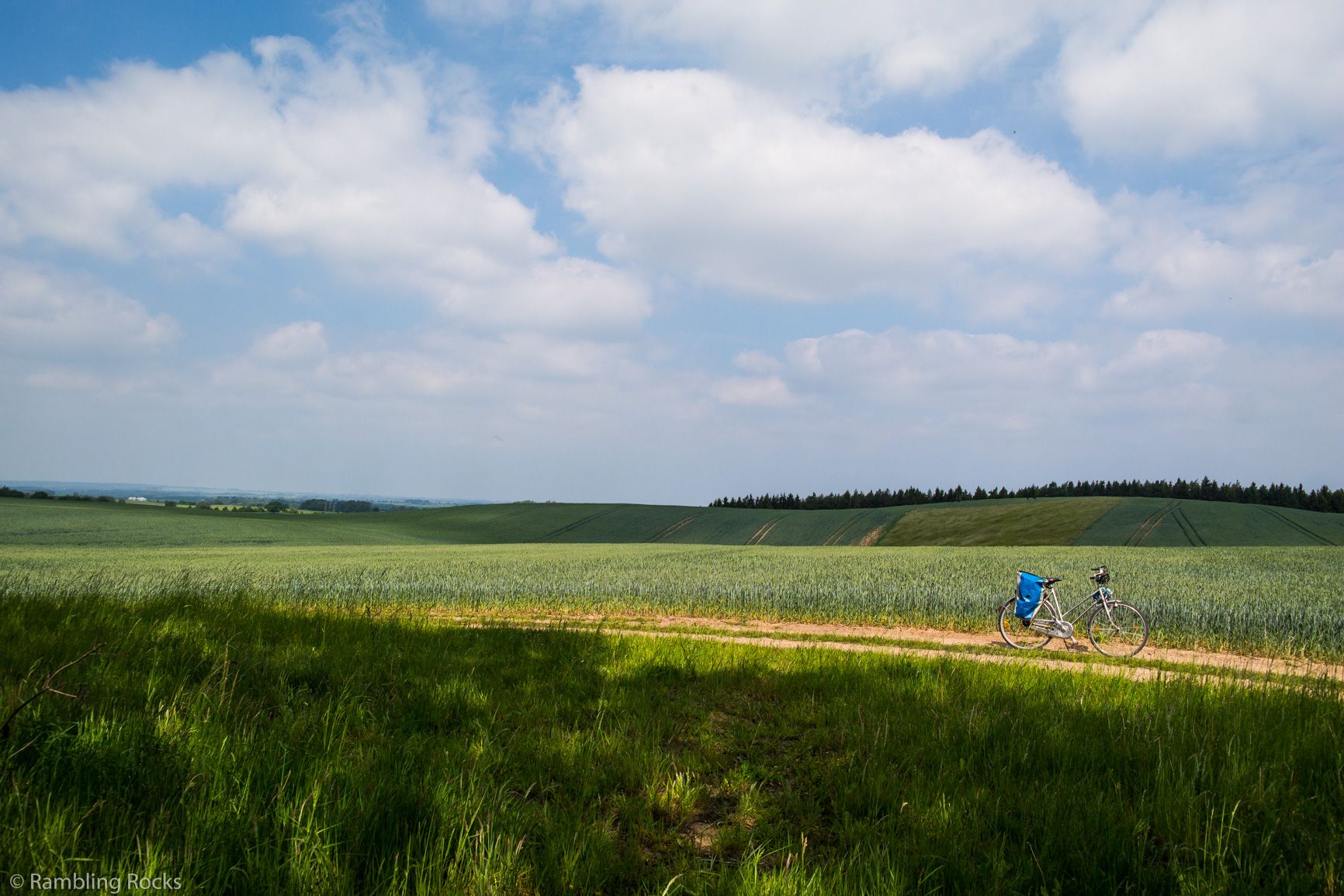
The Hanseatic Way – Cycling across North Germany to Poland, follow the cog!
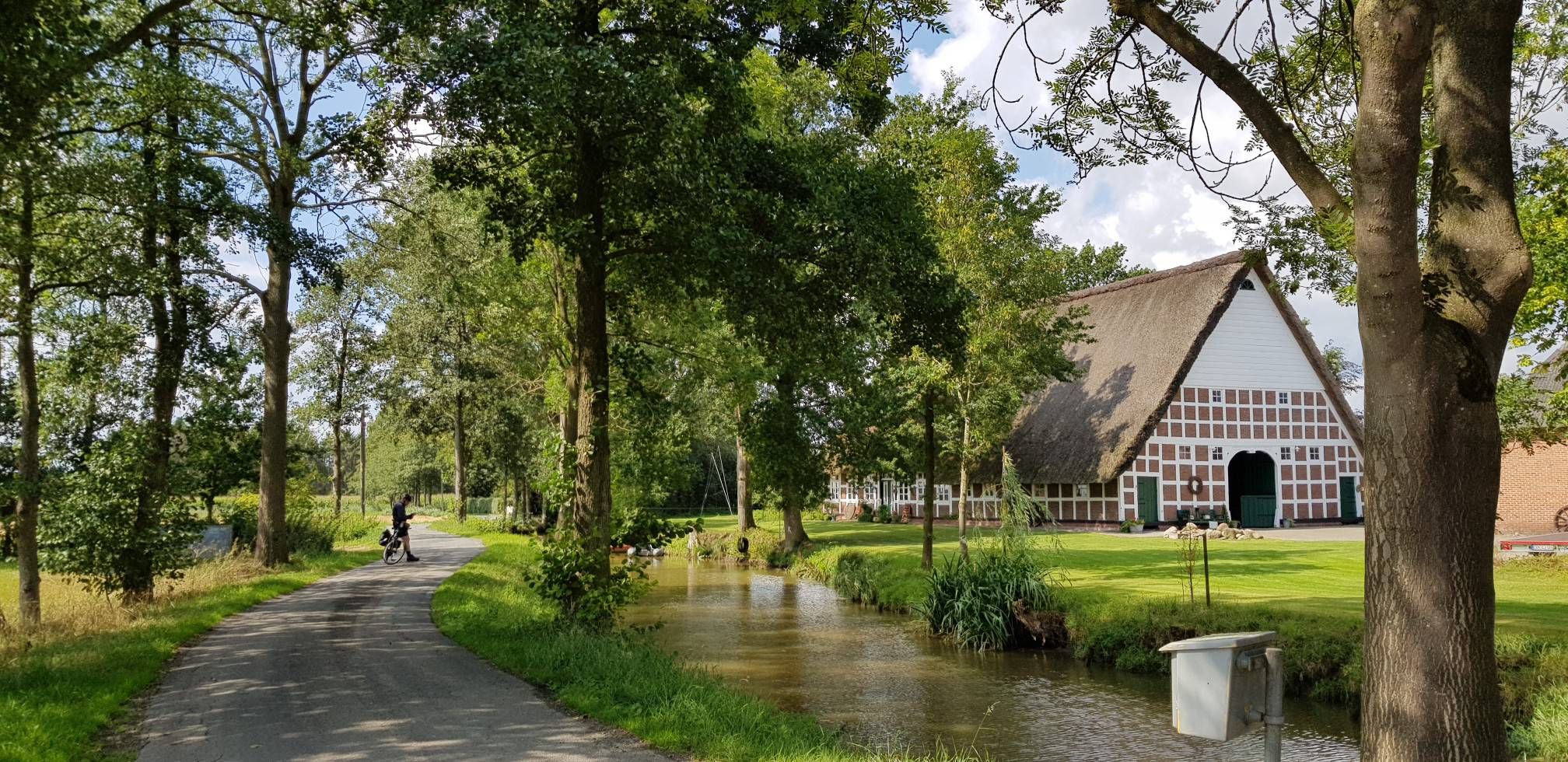
The Monks' Trail – From Bremen to the Baltic Sea
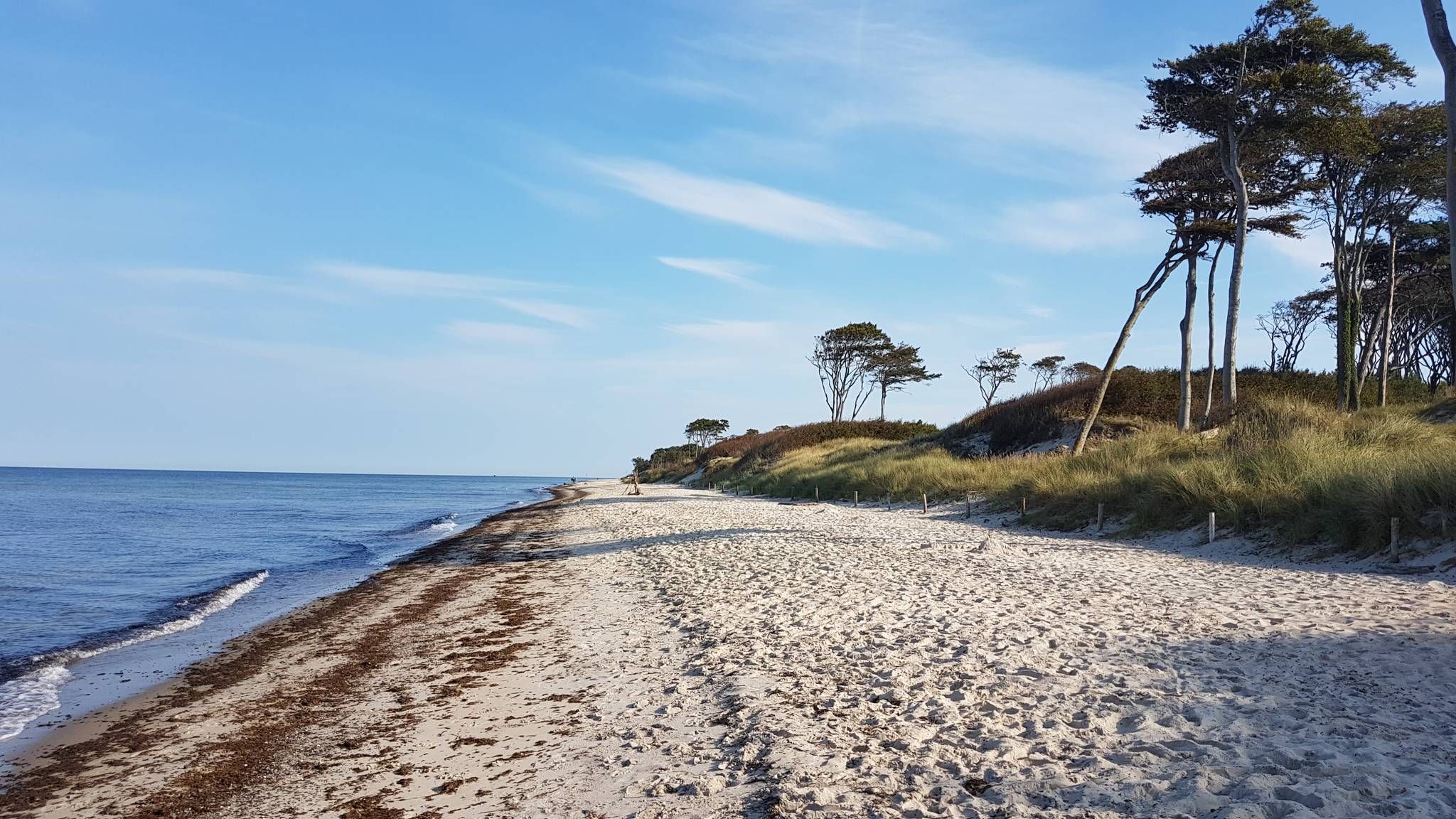
The E9 along the Baltic Sea — Explore an epic coastline
Other adventures at the Baltic Sea


Tips from the Community

Beautiful cliff with a great view of the sea.
11
0
Very nice with a great view. Quite “mountainous” terrain for the coast.👍🏻
8
0

Beautiful hike from HL-Travemünde to Niendorf/Baltic Sea on the steep coast of the Brodtener Kliff. Again and again very nice views of the Bay of Lübeck, the steep bank/cliff, its geology and the adjacent beach.
12
0

The oak, beech, hornbeam and ash trees are 90 to 170 years old. They are relatively far apart. Little or no shrubbery grows between them - plenty of room for light and shade. For decades, the salty, damp Baltic Sea wind and the many storms have shaped the appearance of the forest.
12
0

It is wonderful to stop off at Hermannshöhe after a long walk. Wide view over the sea included.
14
0

It is advisable to hike the path along and on the steep coast as a circular route from Travemünde to the staircase in front of Niendorf. First along the beach, below the steep bank and then back along the top. The whole thing also works the other way round, of course. It is most beautiful when the weather is not so nice and you can enjoy the solitude and naturalness of this natural beach section.
10
0
On the entire Brodtener Ufer you have a fantastic view of the Baltic Sea.
14
0

Frequently Asked Questions
What kind of "canyons" can I expect to find at the Baltic Sea?
The Baltic Sea region features a unique interpretation of "canyons." While not traditional deep-ocean canyons, you'll find significant underwater gorges, steep-sided valleys, and dramatic rocky walls, primarily shaped by glacial erosion and tectonic activity. On land, there are also notable terrestrial ravines.
What are some of the most striking natural features along the Baltic Sea's coast?
The Baltic Sea coast is known for its diverse natural beauty. Highlights include the dramatic cliffs of Brodtener Cliffs, offering expansive views over the Bay of Lübeck, and the unique Nienhagen Ghost Forest, characterized by its bizarrely shaped trees along a steep, ice-age deposit coast. You can also find impressive viewpoints like Klein Zicker Cliff Viewpoint, providing scenic vistas of the sea.
Are there any terrestrial canyons in the Baltic region worth visiting?
Yes, if you're looking for a terrestrial canyon experience in the broader Baltic States region, Estonia's Hinni Canyon is a notable natural monument. It's a ravine 15-20 meters deep and about 200 meters long, carved into Devonian sandstone, offering a unique geological sight with boardwalks and stairs for access.
What makes the underwater gorges of the Baltic Sea unique?
Areas like the Little Belt in Denmark feature underwater gorges with vertical walls, formed by millennia of current erosion. These areas are ecologically rich, supporting diverse marine life such as brown algae, common lobsters, sponges, and various fish species, making them biodiversity hotspots.
Where can I find dramatic cliff views and coastal walks?
For dramatic cliff views and coastal walks, consider visiting the Brodtener Cliffs, which offer a beautiful hike from Travemünde along the Baltic Sea beach. Another excellent spot is the Hohes Ufer Cliffs, a precipitous and rugged coastline with great sea views, particularly from the Bakelberg hill.
Are there any unique forest experiences near the Baltic Sea's gorges?
Absolutely. The Nienhagen Ghost Forest is a must-see. This approximately 180-hectare mixed forest is famous for its bizarrely shaped, fairytale-like trees, especially along the steep coast, creating a truly unique and atmospheric experience.
What kind of hiking trails can I find near the Baltic Sea's gorges?
You'll find a variety of hiking trails near the Baltic Sea's gorges, ranging from easy coastal paths to more challenging routes. For a comprehensive selection of options, explore the Easy hikes at the Baltic Sea guide, which includes trails like the Darßer Ort circular hiking trail and the Path of leisure and knowledge on the Island of Rügen.
Are there other outdoor activities available near the Baltic Sea's gorges?
Yes, beyond hiking, the Baltic Sea region offers diverse outdoor activities. You can find excellent running trails, such as those detailed in the Running Trails at the Baltic Sea guide, or explore road cycling routes, including those in the Road Cycling Routes at the Baltic Sea guide.
What do visitors enjoy most about the Baltic Sea's gorges and cliffs?
Visitors frequently praise the stunning natural beauty and the ever-changing landscapes. Many enjoy the panoramic sea views, the unique geological formations like the chalk cliffs at Piratenschlucht at Gakower Ufer, and the peaceful coastal walks. The sense of being close to nature and witnessing the power of the sea is a common highlight.
Are the trails around the Baltic Sea's gorges suitable for families?
Many areas along the Baltic Sea coast, including some near gorges and cliffs, offer family-friendly sections. For example, the Nienhagen Ghost Forest and Brodtener Cliffs are popular for family outings, often featuring accessible paths and beautiful scenery. Always check specific trail descriptions for difficulty and suitability for younger children.
What is the best time to visit the Baltic Sea's gorges and cliffs?
The best time to visit depends on your preferences. Spring and autumn offer pleasant temperatures for hiking and fewer crowds, with beautiful natural colors. Summer is ideal for combining walks with beach activities, though it can be busier. Winter provides a stark, dramatic landscape, but some paths might be slippery or less accessible due to weather conditions.
Are there any safety considerations when exploring the Baltic Sea's steep coasts?
Yes, safety is important. The steep coasts, like those at Nienhagen Ghost Forest and Hohes Ufer Cliffs, are subject to natural erosion, including falls, landslides, and rockfalls, especially after heavy rainfall, frost, or storms. Always respect warning signs and maintain a safe distance from cliff edges and bases. The coast is constantly changing, so vigilance is key.
Most popular routes at the Baltic Sea
Most popular attractions at the Baltic Sea

Get inspired with the komoot mobile app


Explore more
Already discovered everything in this region? See additional gorges at the Baltic Sea for your next adventure:
