Top 10 Lakes around Mountsorrel
Lakes around Mountsorrel include significant reservoirs and water features within historic quarry sites. The area is characterized by its blend of natural landscapes, industrial heritage, and water bodies that serve both ecological and recreational purposes. Swithland Reservoir, a large freshwater lake, is a notable feature, offering tranquil views and wildlife habitats. Smaller water bodies are also integrated into heritage and nature trails within former quarry sites, reflecting the region's geological past.
Best lakes around Mountsorrel
- The most popular lakes is…
Last updated: June 24, 2026
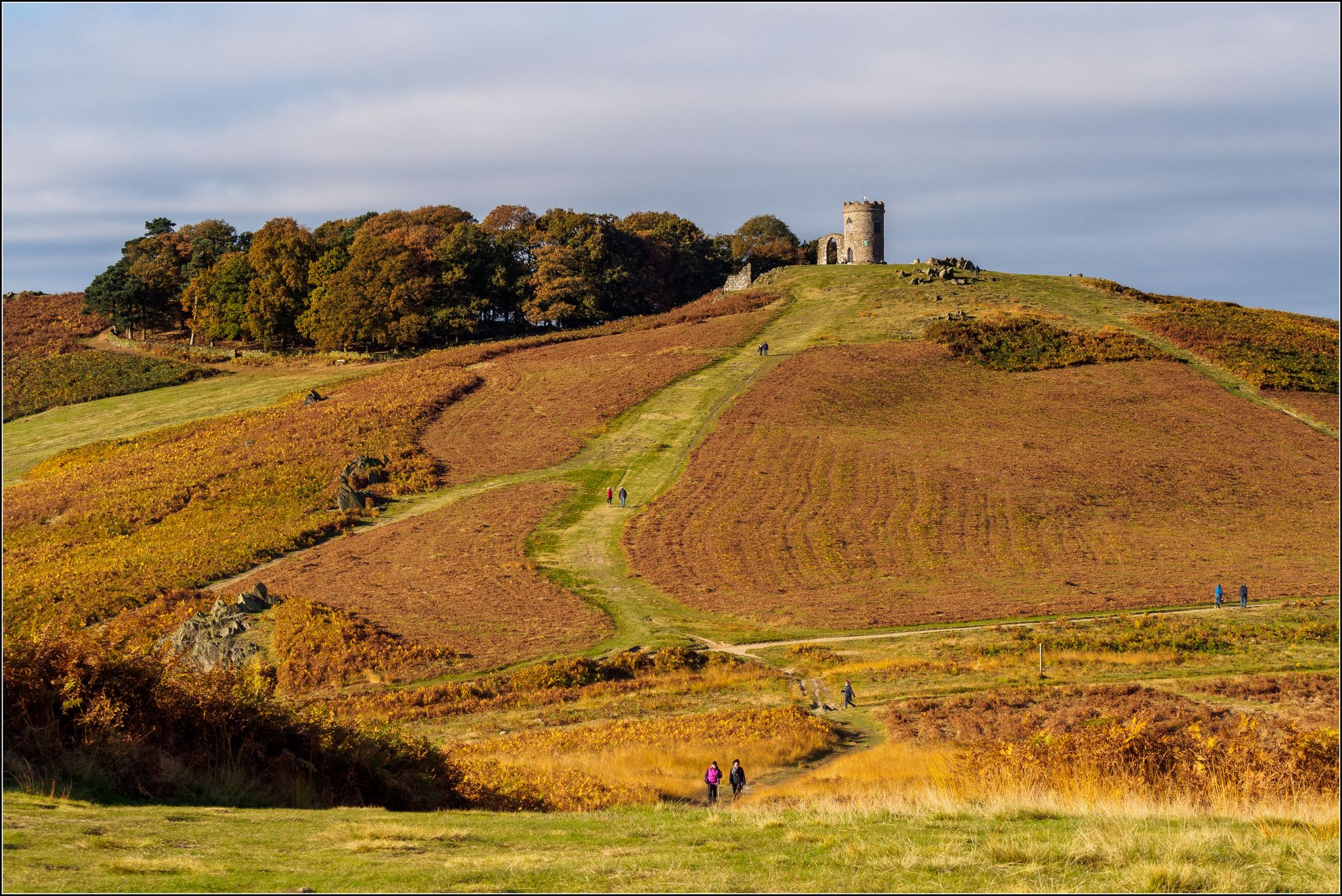
Bradgate Park Deer Park
Highlight • Lake
Tip by

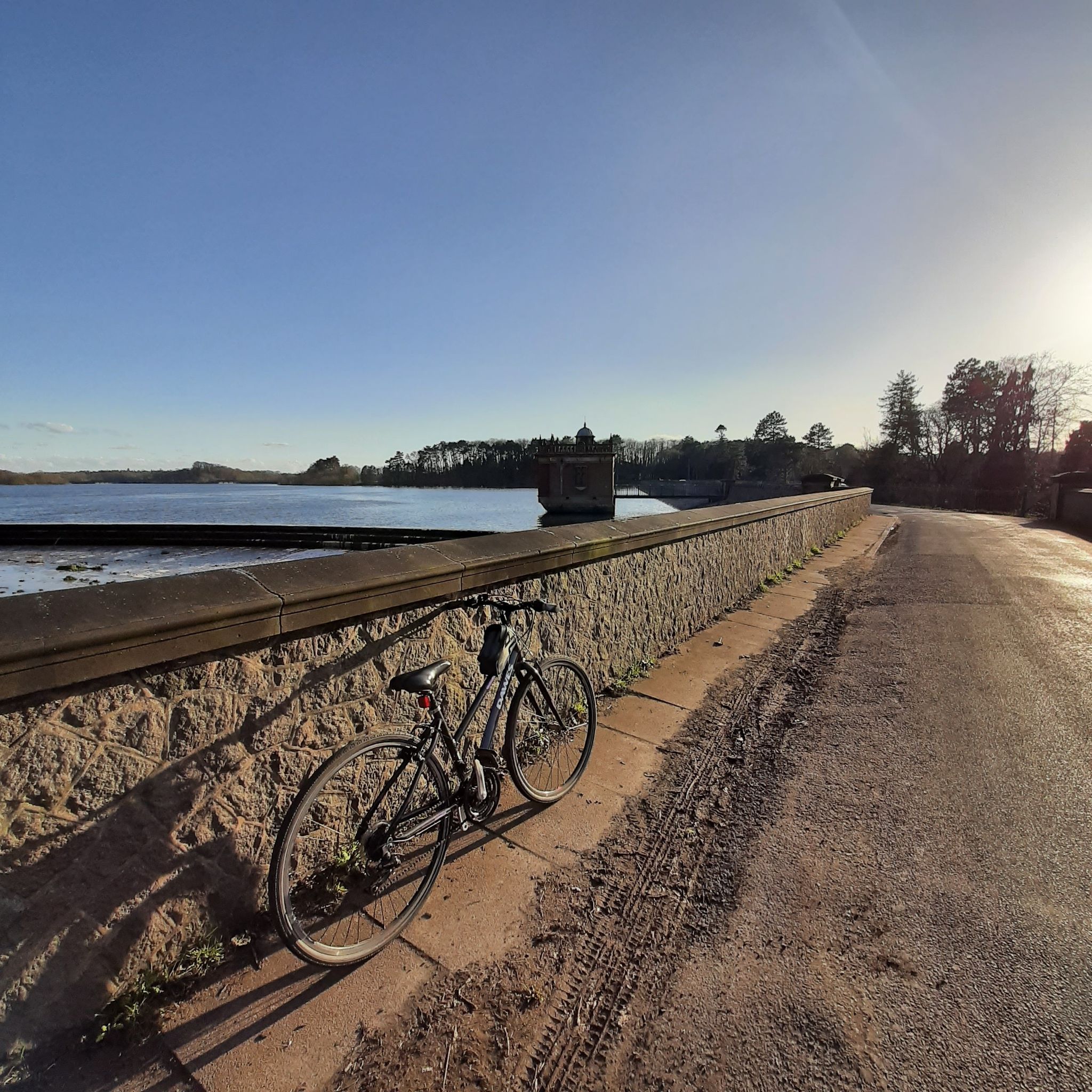
Swithland Reservoir
Highlight • Viewpoint
Tip by
Sign up now to discover places like this
Get recommendations on the best single tracks, peaks, & plenty of other exciting outdoor places.
Sign up for free
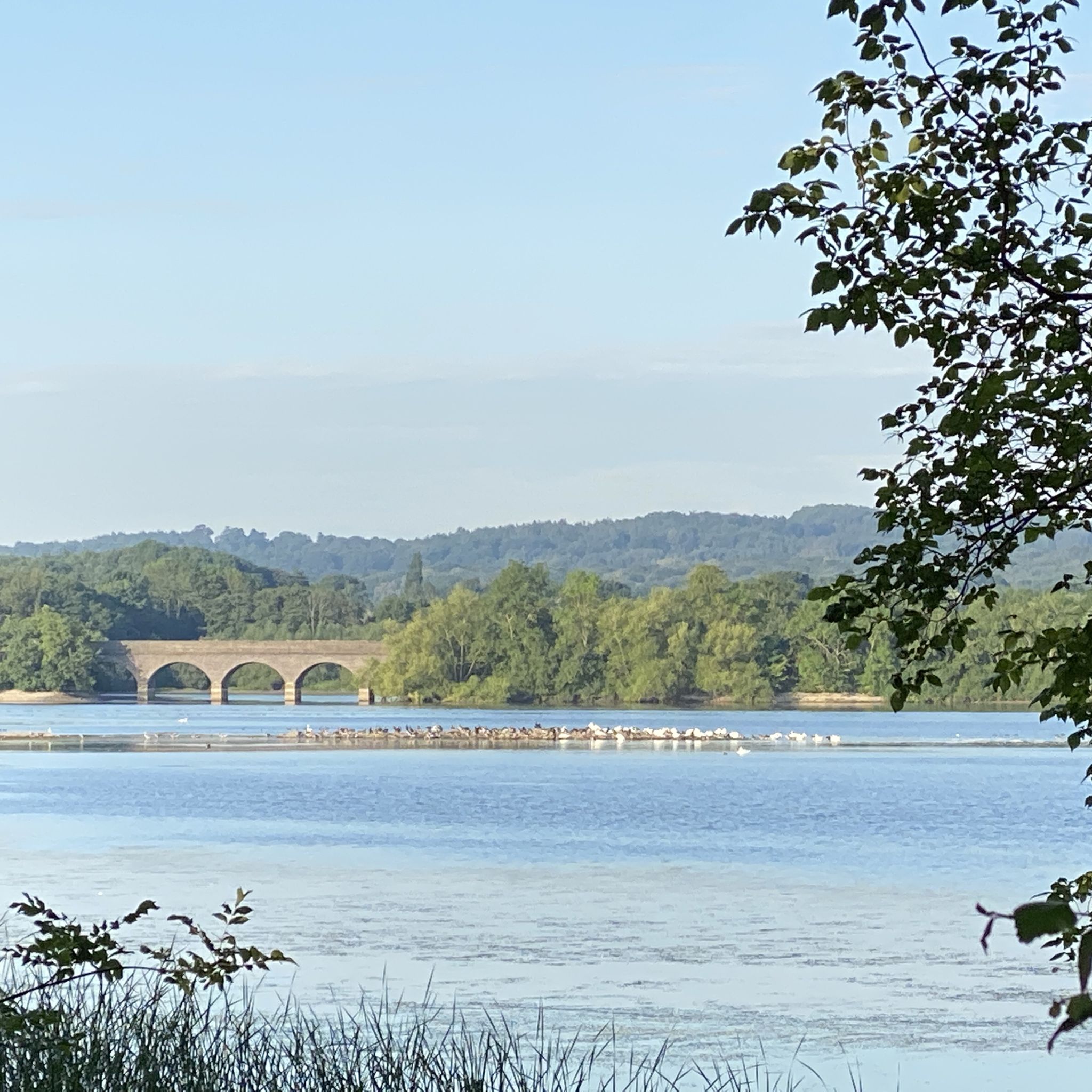
Cropston Reservoir
Highlight • Lake
Most of the land required for the reservoir, dam and waterworks belonged to the Bradgate Estate. …
Tip by

Swithland Wood
Highlight • Forest
Tip by

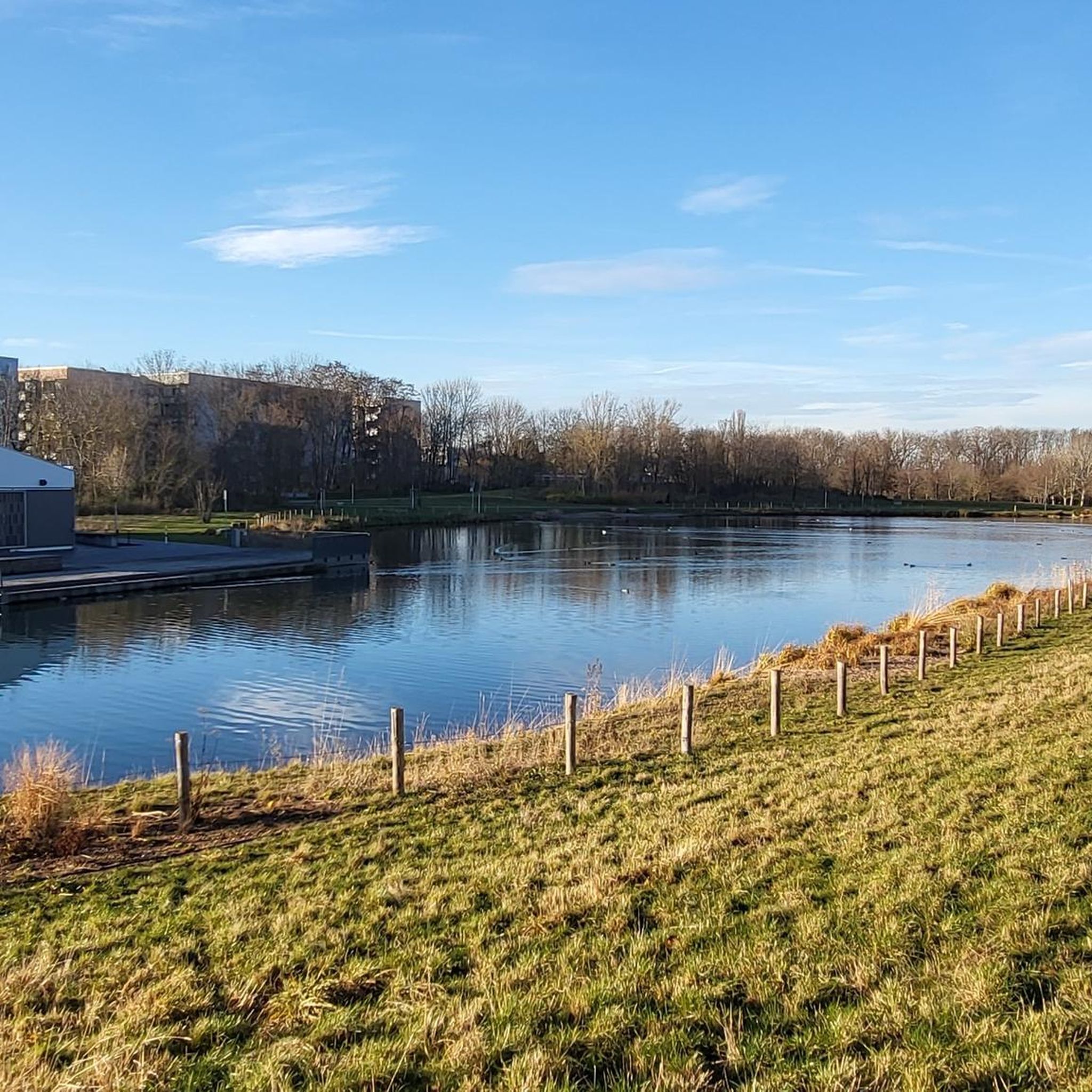
John Merrick's Lake
Highlight • Natural
John Merricks, was a silver Olympic medallist who …
Tip by
Sign up for free to discover even more lakes around Mountsorrel.
Sign up for free
Already have an account?
Start today with a free account
Your next adventure awaits.
Login or Signup
Other adventures around Mountsorrel

Tips from the Community

In September 1867, 180 acres of land was purchased for a cost of £24,000. Most of the land required for the reservoir, dam and waterworks belonged to the Bradgate Estate. Lord Stamford insisted that a stone wall be built around the boundary to separate the deer park from the reservoir, instead of the proposed iron railings. This wall, 1,500 yards long was eventually built at a cost of 8s 10d per yard. Joseph Reeves, Head Gamekeeper, outside his house. Some of the Bradgate Estate land was part of the deer park, but most was farmland let out on very long leases. One farmer, Joseph Allen, lost virtually all his farm. Two members of the Matts family had theirs considerably reduced in size. The Gamekeeper’s house and land, together with a nearby bridge, were also in the area to be flooded. The house, together with its stables and outhouses, were demolished and the bricks sold. Part of the footpath between Anstey and Hallgates was submerged, as was the site of the old rabbit warren (or conery).
3
0

This is the Great Pit in Swithland Wood, a site shaped by centuries of slate quarrying, with origins tracing back to Roman times. The quarry was first officially recorded in the 1300s, with activity continuing until the 19th century. Due to the presence of deep water and sheer vertical walls, the quarry is extremely hazardous and completely closed to public access.
2
0
John Merrick's Lake is one of numerous lakes within the Reedbed Nature Reserve. The reserve is a great place for birdwatching, with wildlife all around you.
1
0

Was pretty mucky and slippy on a gravel bike in June, although it's been a wet year
0
0

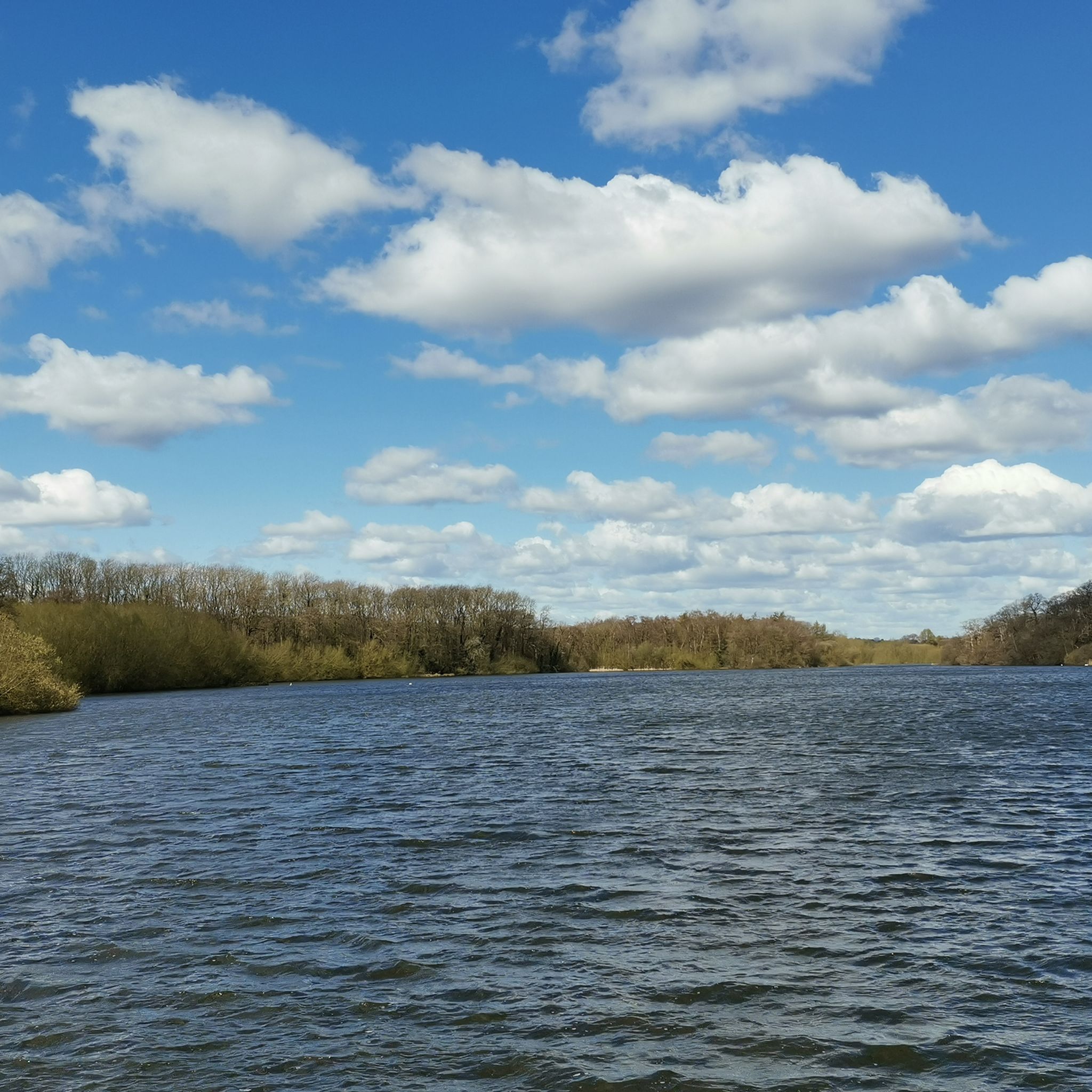
Swithland Reservoir, opened in 1896 for Leicester, had a 500 million-gallon capacity but became insufficient. In the early 20th century, a pipeline from Derwent reservoirs in Derbyshire was required. As you pass Buddon Wood, quarried in the early Iron Age for millstones, take a moment to enjoy the scenery, woodland, and water birds. You might also catch sight of steam trains on the viaduct from this spot.
1
0

Swithland Reservoir is a reservoir in the English county of Leicestershire. It is north-east of the village of Swithland from which it takes its name, north-west of Rothley and approximately 133 metres (145 yd) south-west of Mountsorrel Quarry. It is part of the 187.1-hectare (462-acre) Buddon Wood and Swithland Reservoir Site of Special Scientific Interest (SSSI).
0
0

Swithland Wood is a small remnant of the original Charnwood Forest managed by part of the Bradgate Estate. As a small chunk of ancient woodland, Swithland consists of mature oak, birch, alder and lime with supports a rich variety of butterflies, moths and birds. This chunk of woodland is the type that would of previously covered all of the British mainland whilst groups of hunter gatherers moved through the landscape.
2
0

John Merrick's Lake is on the "Red Route", a loop of hard surfaced paths around the northernmost lake in Watermead Country Park. The red route paths are wheelchair and pushchair accessible. They're also shared with cyclists. John Merricks, was a silver Olympic medallist who competed in sailing events on a nearby lake as a schoolboy.
1
0
Frequently Asked Questions
What are the main lakes to visit around Mountsorrel?
The primary lakes and water features near Mountsorrel include Swithland Reservoir, known for its tranquil atmosphere and views, Bradgate Park Deer Park which features a lake within a natural setting, and Cropston Reservoir, offering historical significance and views. Additionally, John Merrick's Lake in Watermead Country Park provides accessible paths.
Are there good walking trails around the lakes near Mountsorrel?
Yes, there are numerous walking routes. Swithland Reservoir offers pleasant paths around its perimeter, though direct access to the water's edge is restricted. Bradgate Park Deer Park has scenic rides and paths. For more structured routes, you can find various hiking options in the area, such as the Swithland Reservoir loop, by exploring hiking guides for Mountsorrel.
What kind of wildlife can I expect to see at the lakes?
The lakes, especially Swithland Reservoir, are excellent for wildlife enthusiasts and birdwatchers. You can spot a diverse array of waterbirds like Tufted Duck, Goldeneye, Wigeon, Teal, and Gadwall. Peregrine falcons are also seen in winter. The surrounding woodlands are home to squirrels, rabbits, and occasionally foxes. Bradgate Park Deer Park is known for its deer population.
Are there family-friendly options among the lakes near Mountsorrel?
Absolutely. Bradgate Park Deer Park is a popular family attraction. Swithland Reservoir offers family-friendly walking routes. Cropston Reservoir is also considered family-friendly. John Merrick's Lake in Watermead Country Park features hard-surfaced paths suitable for pushchairs.
What historical features can be found near the lakes?
The area is rich in history. Swithland Reservoir, built in the late 19th century, is a testament to Victorian engineering, and you can often see heritage steam trains on the viaduct. Cropston Reservoir also has historical significance regarding its construction and land acquisition. The former quarry sites, like Nunckley Hill, showcase the region's industrial archaeology.
Are there any wheelchair-accessible paths around the lakes?
Yes, John Merrick's Lake, part of Watermead Country Park, features the 'Red Route' which consists of hard-surfaced paths that are wheelchair and pushchair accessible.
What outdoor activities, besides walking, can I do near Mountsorrel's lakes?
Beyond walking, the area around Mountsorrel's lakes is popular for cycling. You can find various cycling routes, including loops around Swithland Reservoir and Cropston Reservoir. Explore more options in the cycling guides for Mountsorrel.
When is the best time to visit the lakes around Mountsorrel?
The lakes offer beauty year-round. Spring and summer are ideal for enjoying the lush greenery and warmer weather for walks. Autumn provides stunning foliage, while winter can offer unique birdwatching opportunities, especially at Swithland Reservoir, where you might spot various waterbirds.
Can I bring my dog to the lakes around Mountsorrel?
Many walking routes around the lakes, such as those near Swithland Reservoir, are dog-friendly. However, specific rules may apply in certain areas, especially within nature reserves or deer parks like Bradgate Park Deer Park, where dogs may need to be on a lead to protect wildlife.
Are there any unique attractions near Swithland Reservoir?
A unique charm of Swithland Reservoir is the sight of heritage steam trains traversing the historic Great Central Railway viaducts that span the reservoir. These trains operate on selected weekends, adding a picturesque and nostalgic element to your visit.
What is the significance of the quarry sites near Mountsorrel's water features?
Mountsorrel's quarry sites, while not traditional recreational lakes, are historically significant. The Nunckley Hill Quarry Recreation Area, part of the Mountsorrel and Rothley Community Heritage Centre, features water bodies integrated into nature trails, showcasing the area's industrial past. The active Mountsorrel Quarry, renowned for its pink granite, also involves a large body of water, with future plans for potential public access and leisure opportunities.
Can I access the water at Swithland Reservoir?
Direct access to the margins of Swithland Reservoir is generally restricted. However, there are numerous walking routes and trails around the area that provide excellent viewpoints across the water.
Most popular routes around Mountsorrel
Most popular attractions around Mountsorrel

Get inspired with the komoot mobile app


Explore more
Still not found your perfect lake around Mountsorrel? Check out the guides of these regions to see even more beautiful places.
